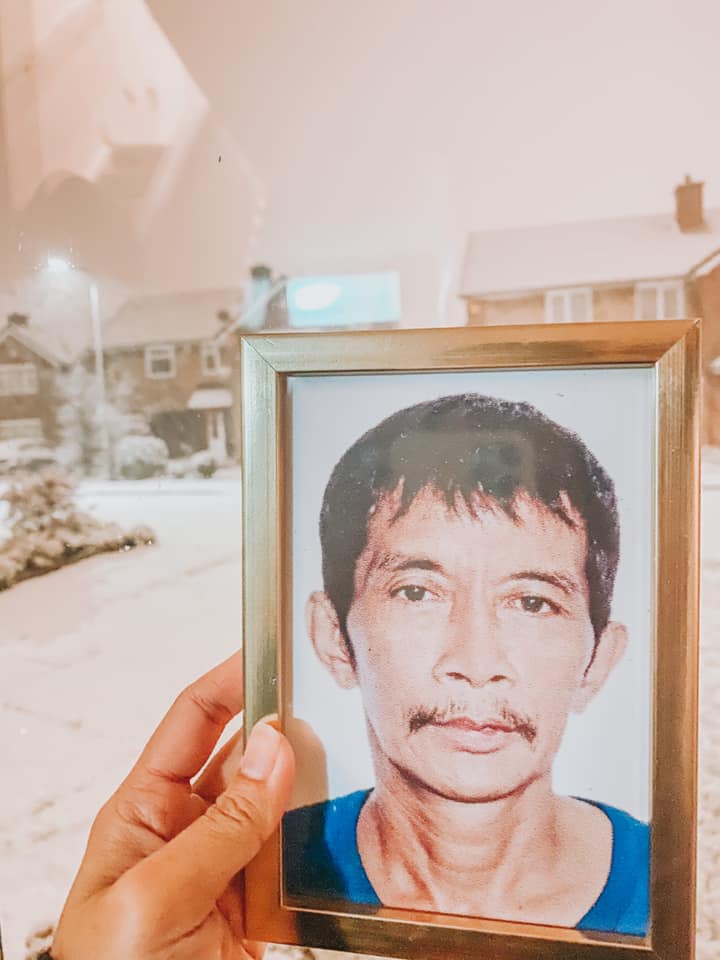
Tomorrow would have been my father’s birthday — November 5.
Even after all these years, the ache hasn’t dulled; it has only learned to move differently. Grief doesn’t always roar. Sometimes it arrives as a whisper — the smell of home-cooked rice steaming from the pot, the faint hum of an old Florante song, or the way sunlight slips through the kitchen window, touching the same corners where he once sat with his morning coffee. Love never really leaves us; it just changes its shape — from presence to memory, from words to silence, from hands that once worked to songs that now linger.

My father lived a life that was both hard and humble. He was not a man of grand gestures or expensive dreams. He was the kind of man who found contentment in ordinary days — in laughter shared over a simple meal, in the quiet joy of fixing what others had already given up on, in the peace that came with knowing his family had enough. We were never rich, but we were never empty. Three meals a day, always. Sometimes it meant stretching the soup thinner, or reusing last night’s leftovers — yet somehow, it always felt like a feast because he was there, smiling, saying, “Basta busog mo, okay ra ko.”
That was his refrain — his quiet philosophy of love.
He didn’t measure life by what he lacked, but by what he gave.
As a child, I didn’t understand that kind of strength. I’d watch other fathers drive shiny cars, dressed in crisp clothes, their hands smooth and uncalloused. I used to wonder if my father ever wished for that — if he ever dreamed of comfort, of rest, of a life without the endless worry of making ends meet. Did he ever long for something more than survival? Did he ever look at the world and think, “What if?”
He never said. But I saw it, sometimes — in the way his eyes softened while watching us eat lechon manok on Sundays, or how his face lit up when we got our first secondhand phone. That look — pride mingled with relief — said it all. His joy wasn’t rooted in what he owned, but in seeing us content. He didn’t need the world’s applause; he only needed to know we were full, together, and safe.
Looking back, I realize that my father had a gift — he could turn scarcity into abundance.
He could take broken things and make them whole again: an old radio, a wobbly table, a flickering lamp. He’d bring them back to life with nothing but his hands and patience. And maybe, in fixing those forgotten things, he was teaching us something deeper — that love is repair, that care is attention, that even what’s cracked can still hold light.
And then, there was “Handog.” His favorite song.
“Parang kailan lang, ang mga pangarap ko’y kay hirap abutin…”
Every time I hear those lines, my chest tightens. I remember him sitting by the window, his voice soft and steady as he sang along — not for an audience, but for himself. It was a song about turning your existence into gratitude. And I realize now that “Handog” was never just his favourite tune. It was his entire life in melody.
”Tatanda at lilipas din ako, ngunit mayroong awiting iiwanan sa inyong alaala…”
Those lines pierce differently now. Because that’s exactly what he did — he left us a song. Not in notes or verses, but in the way he lived: quietly, faithfully, without ever asking for much. His life was a melody of sacrifice and love that still plays in the background of mine.
There are days when guilt still finds me. Now that I’m older, more stable, capable of giving comfort — he’s no longer here to receive it. I sometimes imagine what I’d do if I could turn back time. I’d take him, Mama, and RR across Europe. I’d show him the world — castles, cobblestone streets, cathedrals glowing at sunset. I’d buy him warm jackets, soft shoes, and let him rest where the air is kind and quiet. Because he gave me everything, and I never got to give it back.
But maybe he already knew.
Maybe he saw further than I ever did. Maybe he never needed comfort for himself — maybe his dream was always that we would live the life he couldn’t. That we would travel, learn, and love freely. That the world would open for us, even if it had been unkind to him. Perhaps his real dream wasn’t wealth or ease, but continuity — that the love he planted would outlive him, that his children would bloom where he once struggled to stand.
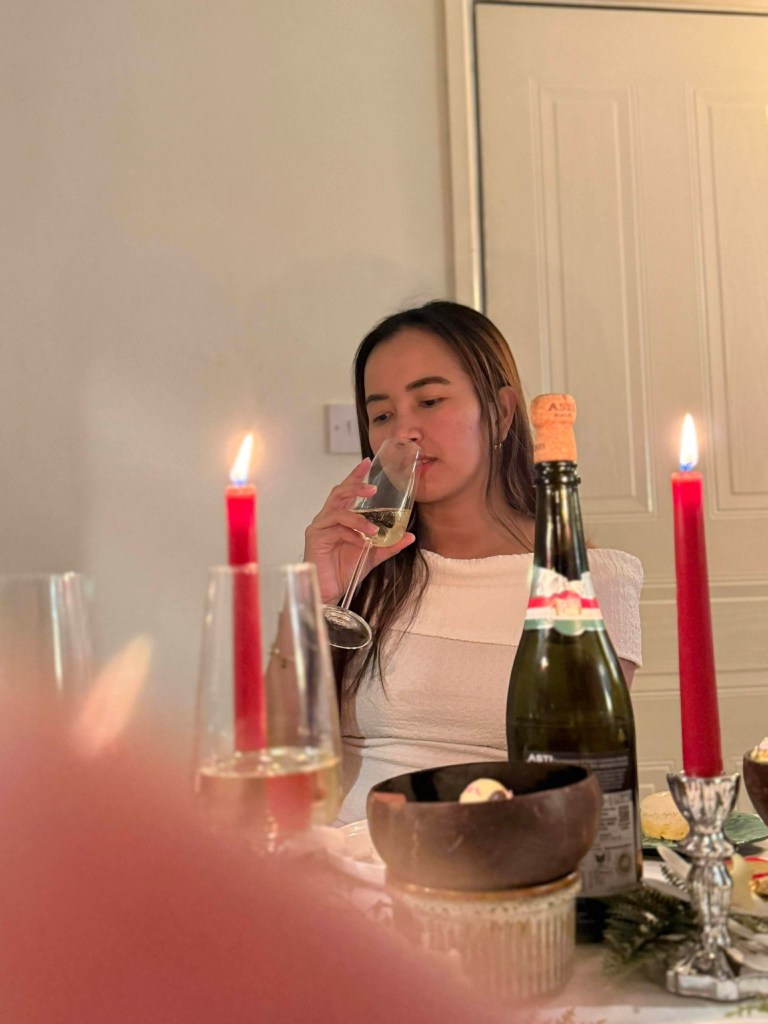
And so, tomorrow, I’ll light a candle for him. I’ll play Handog softly, let its lyrics fill the room, and sit in the kind of silence that feels like prayer. Because that’s what his life was — a prayer disguised as work, a love letter written in everyday acts.
I miss him — his laughter that filled the house, his quiet wisdom, the way he could make hardship look almost gentle. But missing him now feels less like pain and more like gratitude. The ache is just love with nowhere to go — and so it stays, loyal, steady, alive.
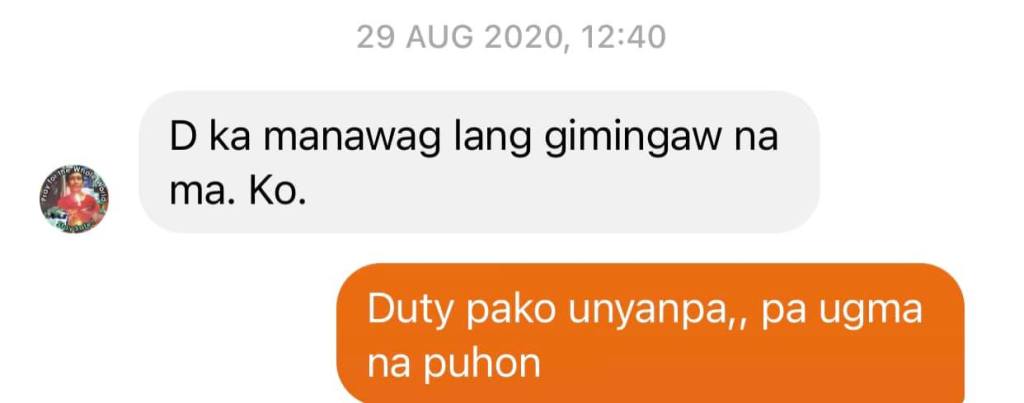
Here’s to my father — the man who never asked for much, but gave everything.
The man who taught me the holiness of “enough.”
The man who fixed what was broken, both in things and in people.
He left no riches, no legacy carved in stone — only a life that still hums softly in the background, like a song that never ends.
And sometimes, when the world grows too loud, I swear I can still hear him — not saying goodbye, but singing one last verse:
“Tatanda at lilipas din ako… ngunit mayroong awiting iiwanan sa inyong alaala…”
And I whisper back into the quiet,
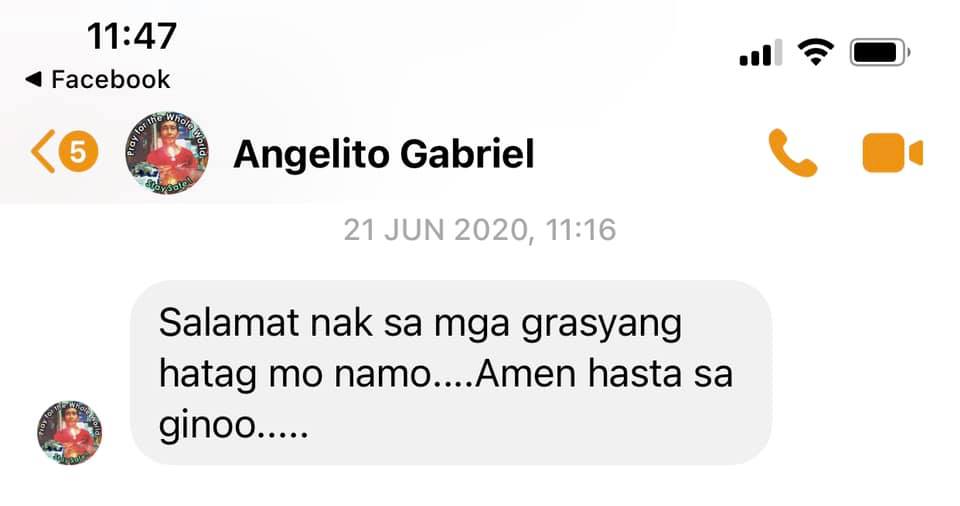
“Salamat, Pa. I heard your song. And I’ll keep it playing.”


















 superanjventures
Leave a comment