
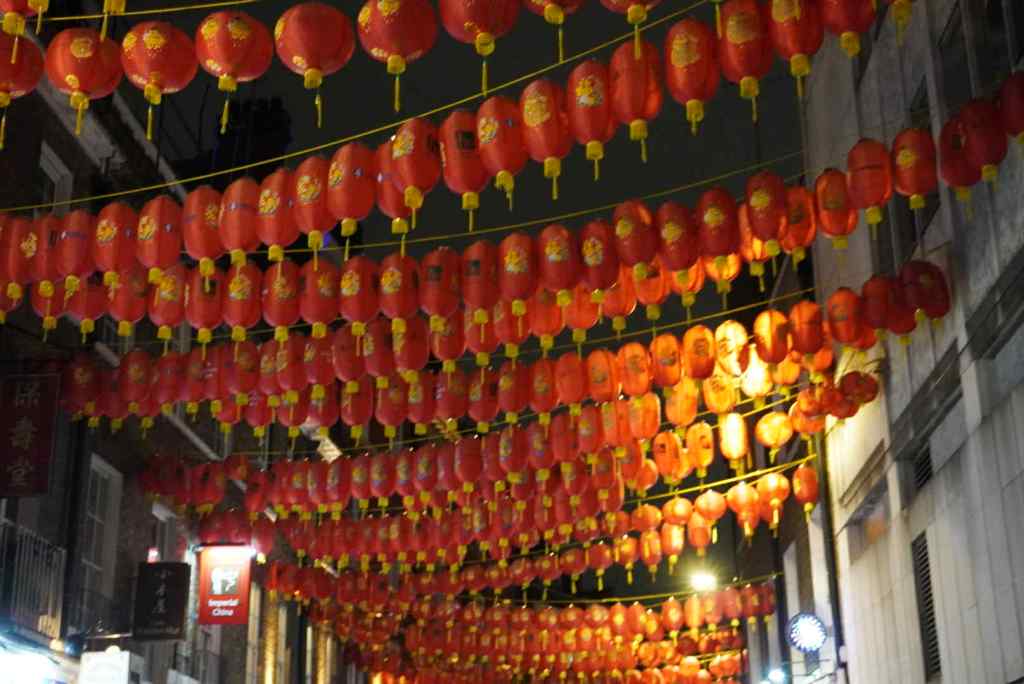
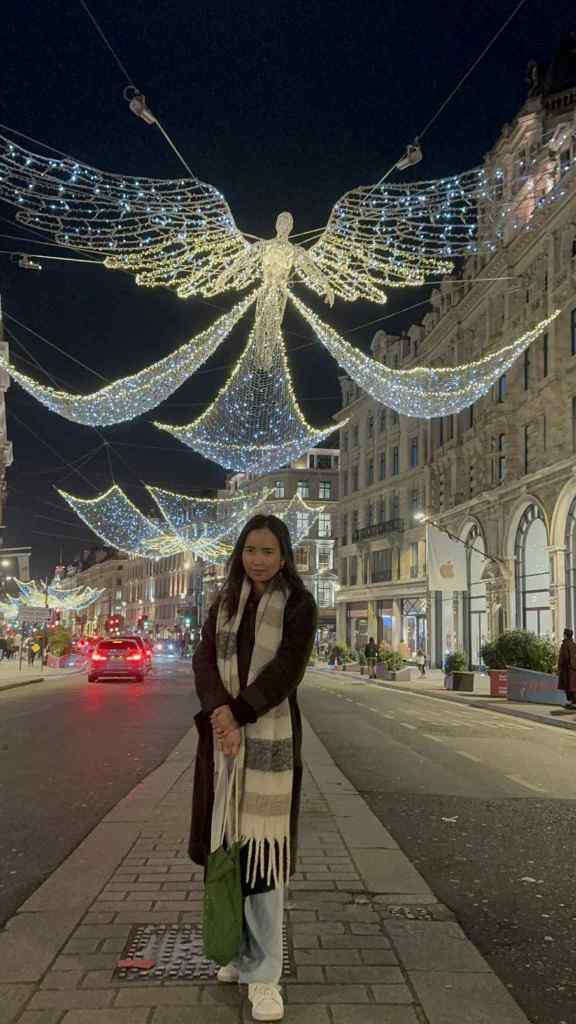
Every December, London puts on its annual performance of pretending winter is charming. The temperature drops, daylight begins clocking off suspiciously early, and the city compensates by hanging enough lights over the streets to make everyone forget that they can no longer feel their fingers. Oxford Street gets its stars, Regent Street brings out the angels, shop windows become miniature theatre productions, and cafés suddenly decide that ordinary hot chocolate is no longer sufficient unless something festive has been sprinkled, stirred or aggressively flavoured into it. London does Christmas extremely well. It also charges accordingly.
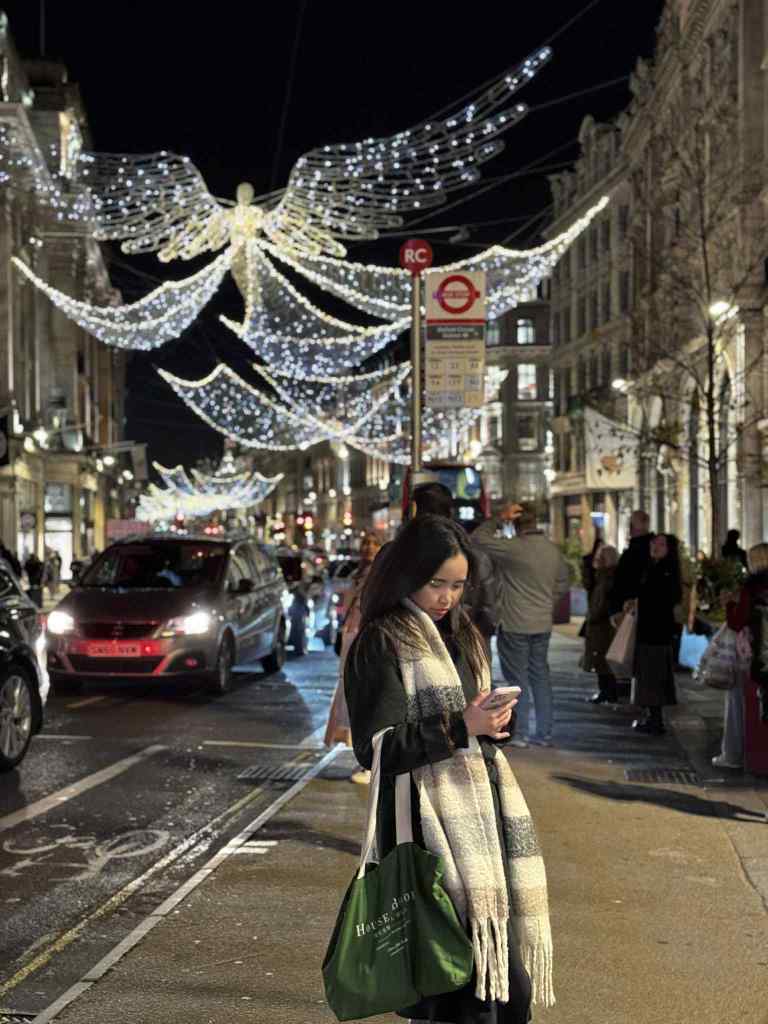
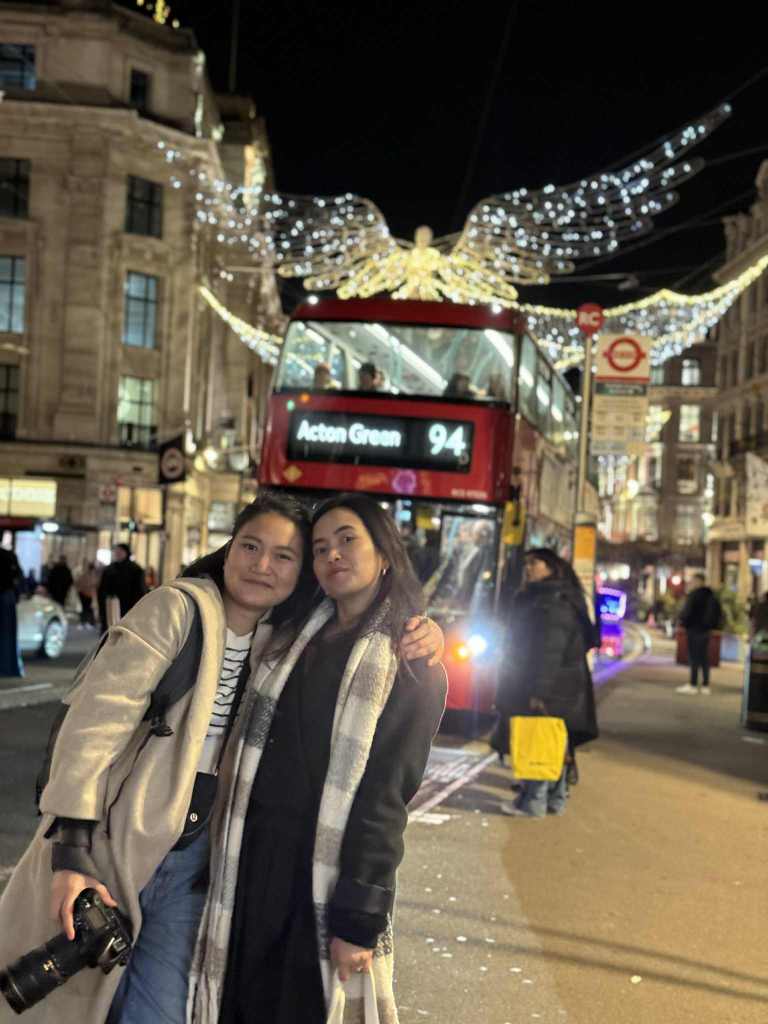
I still fall for it every year. I can complain about the cold all morning and then happily spend an evening walking through the same cold because somebody has attached lights to a building. Apparently illumination changes everything. A street I have walked down dozens of times suddenly deserves photographs from six different angles. Regent Street becomes magnificent. The wet pavement reflects the decorations and starts looking cinematic instead of merely wet. Even the traffic appears slightly more tolerable when there are glowing angels above it. London has discovered that if you decorate inconvenience properly, people will call it festive.
December also changes the way I dress for the city. There is the outfit I imagine wearing, and then there is the outfit British weather eventually approves. The first involves a nice coat, perhaps something aesthetically pleasing, and the possibility of looking reasonably put together. The second involves several layers, a scarf wrapped high enough to affect peripheral vision, gloves I will inevitably remove whenever I need my phone, and shoes chosen entirely on the basis that I would like to retain sensation in my toes. Fashion has limits. Hypothermia has opinions.


Still, there is something about walking through London at Christmas that makes me willing to tolerate all of it. You turn a corner and there is another row of lights, another window display, another crowd gathered around something festive. Christmas music escapes from shop doors every few metres, occasionally the same song you heard three shops ago, because apparently December has agreed upon a very limited playlist. By mid-month, I have heard certain songs enough times to qualify as a backing vocalist.
A hot drink becomes part of the equipment. I tell myself I am buying it for the experience, but mostly my hands require emergency heating. Peppermint hot chocolate sounds much more romantic than “portable hand warmer with whipped cream,” so we will continue calling it that. There is something satisfying about walking through freezing streets holding a warm cup while looking at decorations you have technically seen before but still want to see again.
That may be what I enjoy most about Christmas in London. Familiar places get away with becoming interesting again. The streets do not move. The buildings have not suddenly developed new personalities. The Thames remains the Thames. Yet add December lighting, a cold evening and enough people taking photographs, and somehow I start looking at everything properly again.
London normally encourages speed. Walk quickly. Stand on the correct side of the escalator. Know where you are going before reaching the ticket barrier. Do not stop suddenly in the middle of the pavement unless you want several strangers to develop immediate opinions about your character. Christmas interrupts that slightly. People stop under the lights. They look upwards. They take photographs. They stand around windows they would walk past in February. For several weeks, Londoners willingly behave like tourists in their own city.
I am one of them.
My camera roll can confirm this.
There will be photographs of lights. More photographs of lights. A slightly different photograph of the same lights. A photograph containing a bus because apparently that makes it more London. A photograph where somebody walked directly in front of the camera at exactly the wrong time. Then another seventeen attempts to capture what my eyes already saw perfectly well the first time.
Eventually I have to remind myself that I am actually there.


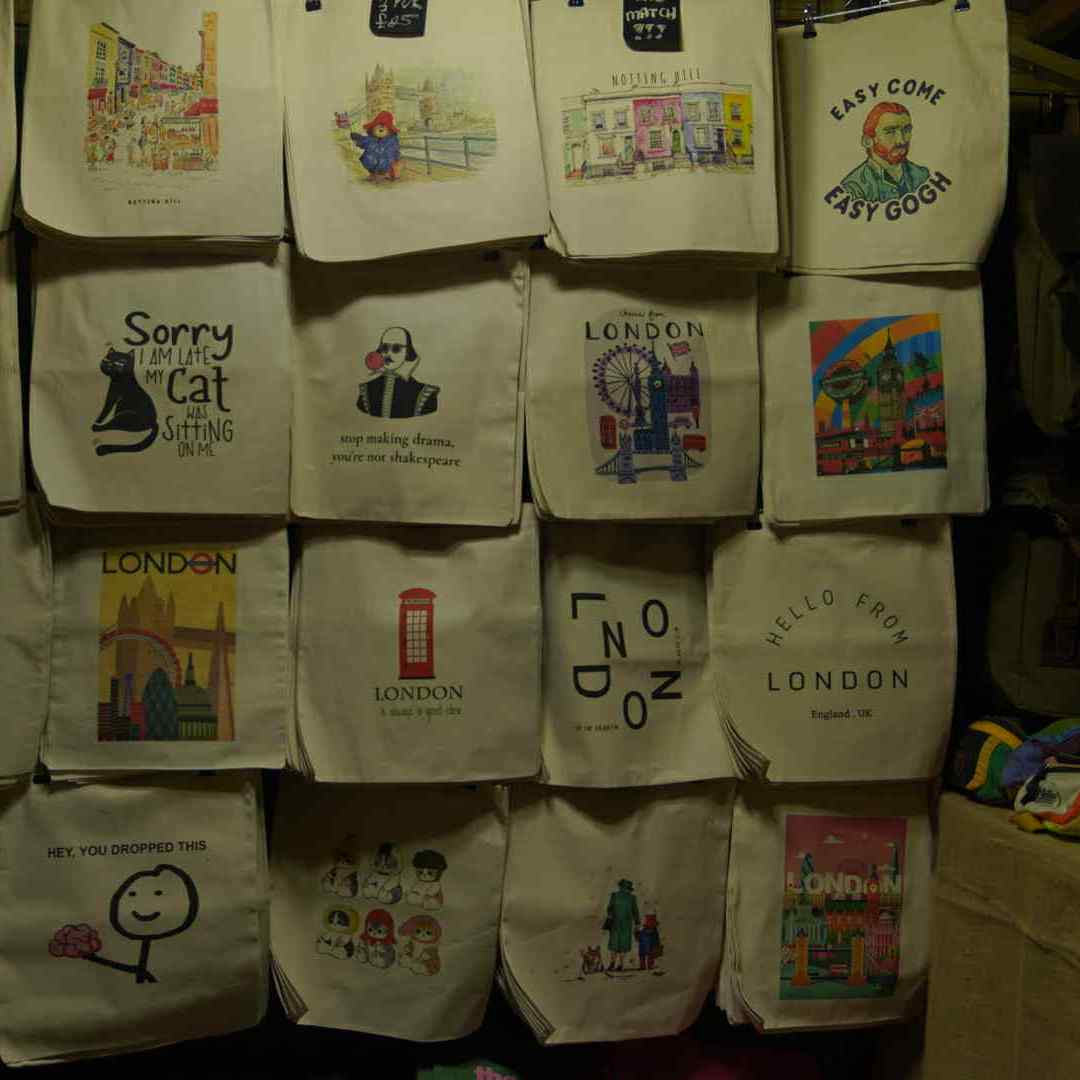
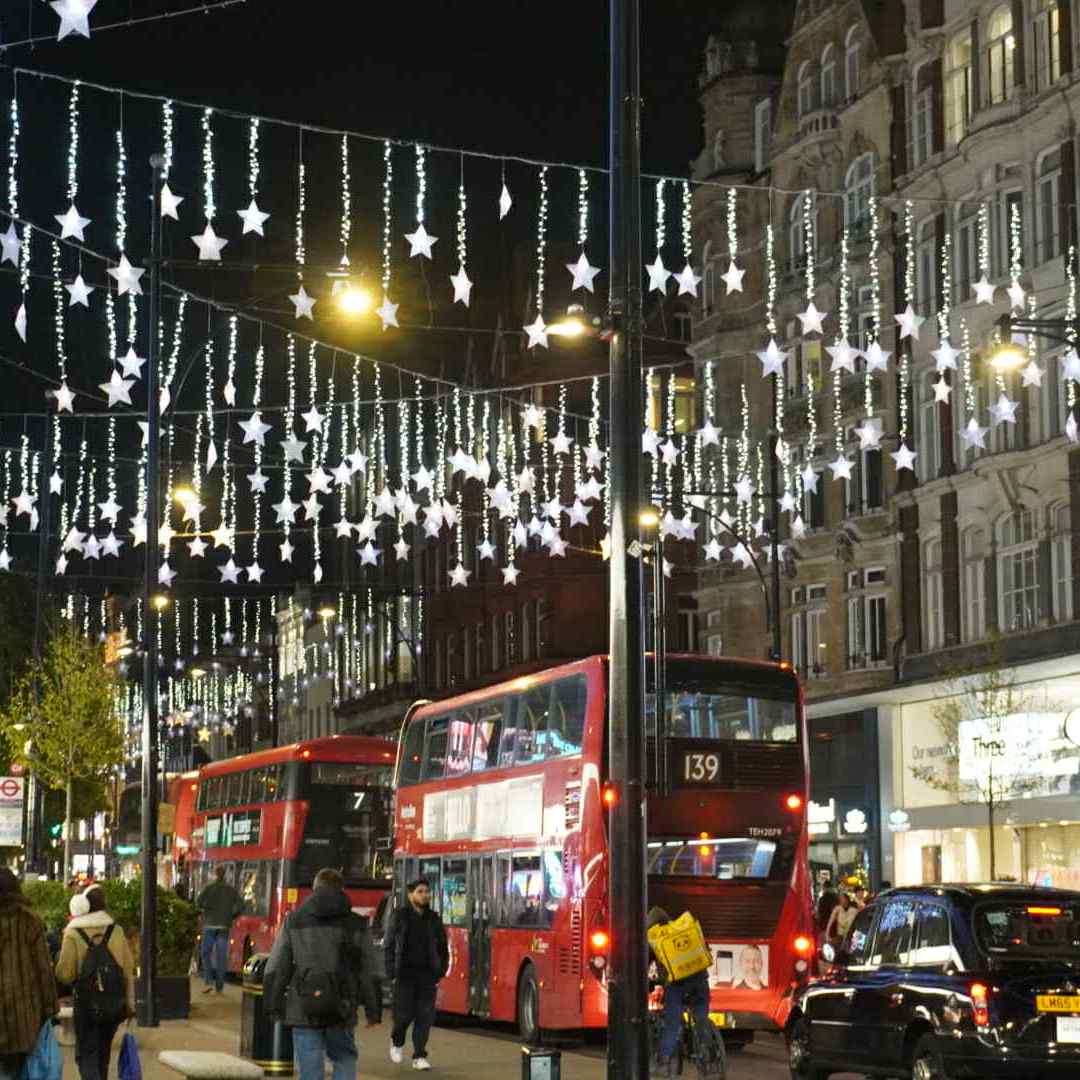
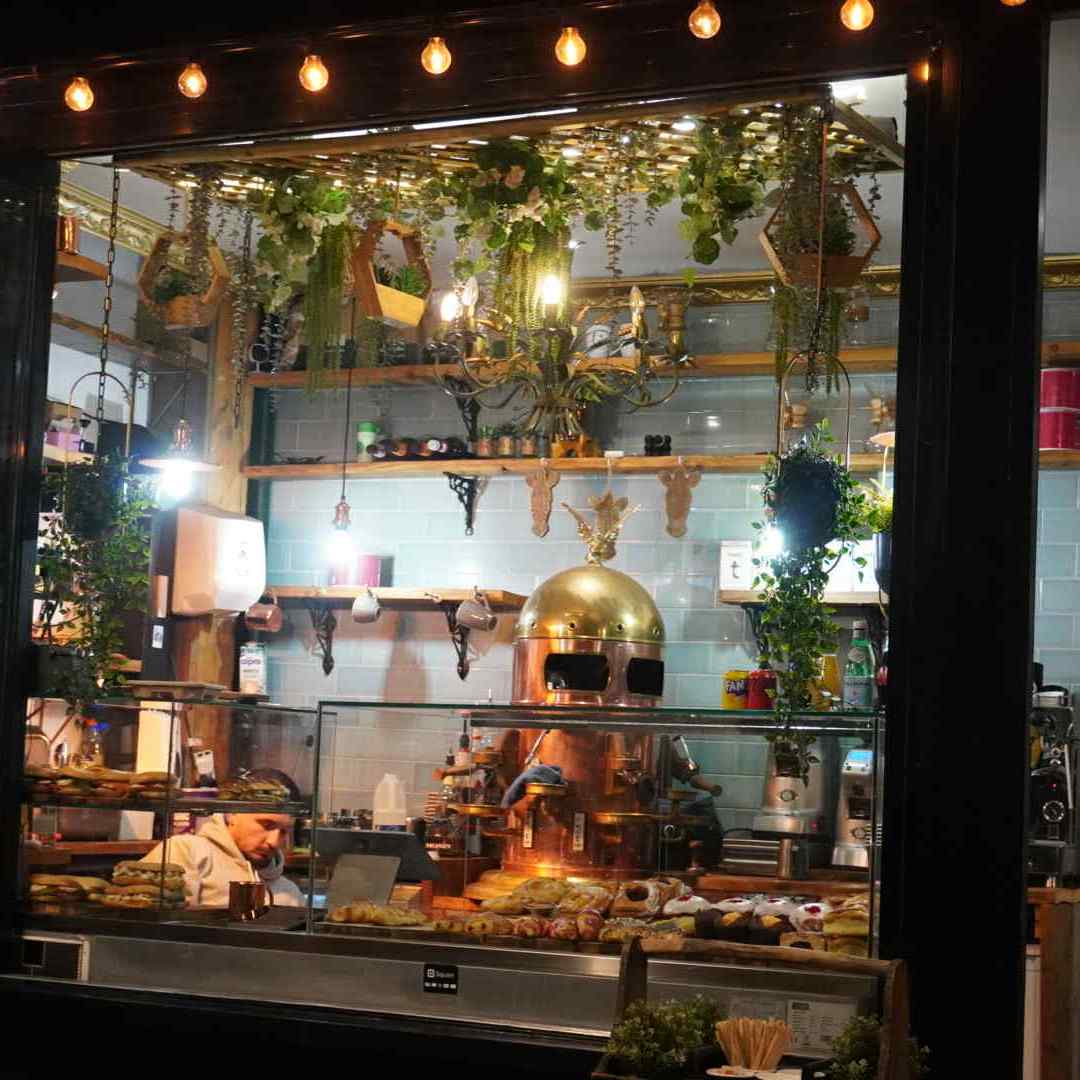
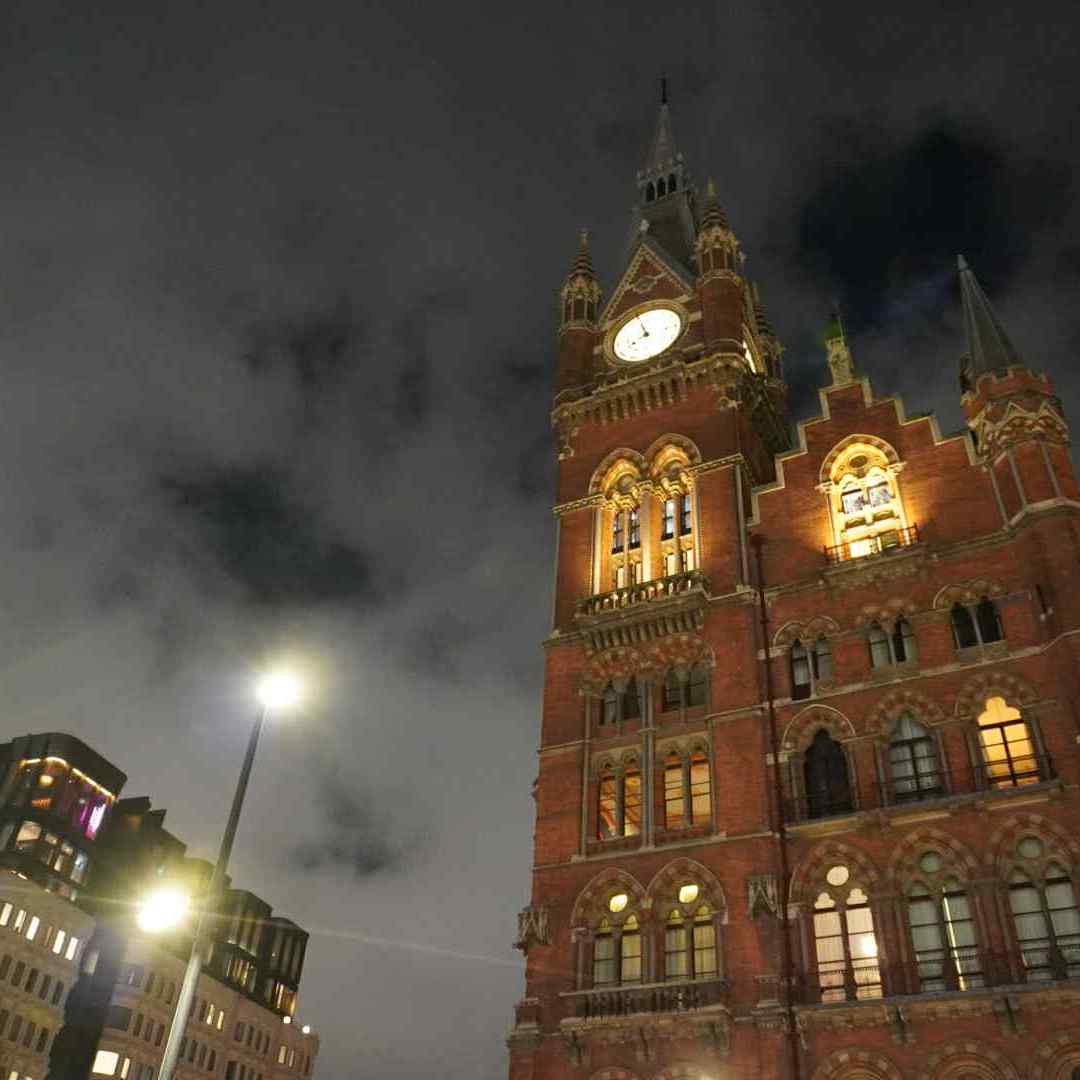
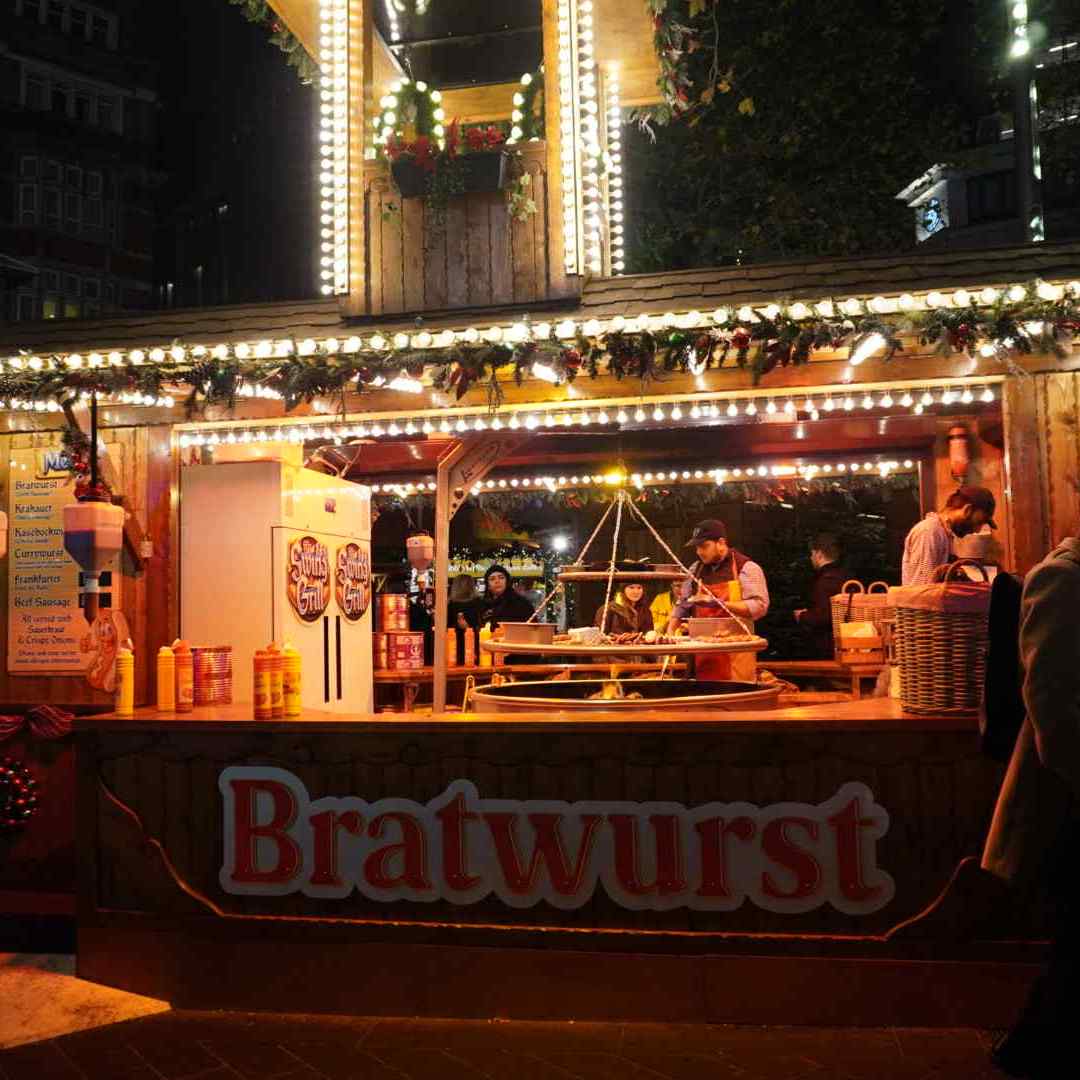
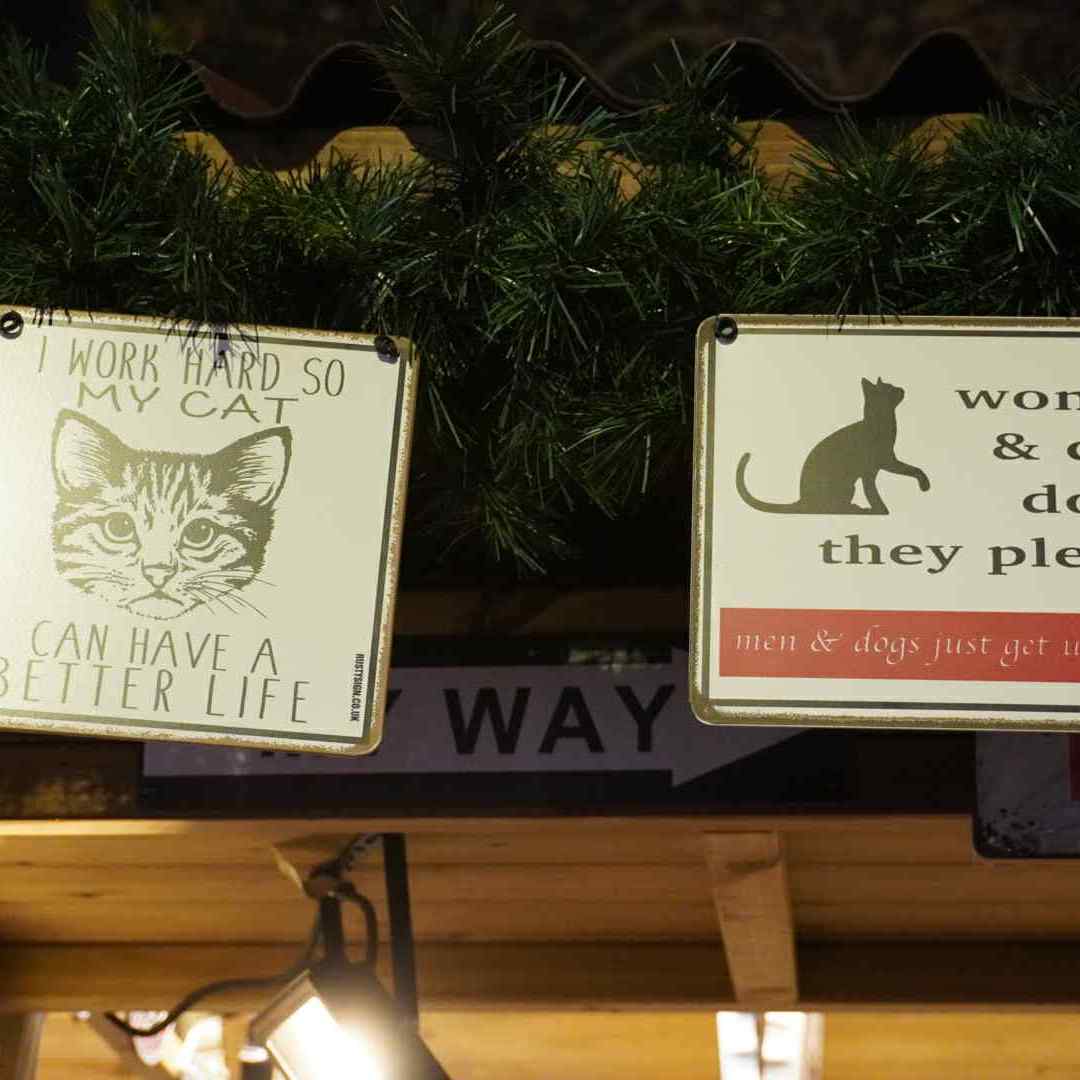
There is a peculiar modern problem in visiting somewhere beautiful and spending most of the experience looking at it through a phone screen. You find the angle, adjust the exposure, take the photograph, inspect the photograph, retake the photograph because a stranger’s head has appeared in the corner, and by the time you are satisfied you have barely looked at the thing without a rectangle between you and it.
I still take the pictures. I am not going to pretend I have reached some superior level of enlightenment where I simply experience the moment and never touch my phone. I like photographs. Future me is very grateful that present me keeps producing excessive documentation. But I have become better at taking the photo and then putting the phone away for a while. The London Eye does not need me to personally supervise its appearance for forty minutes.
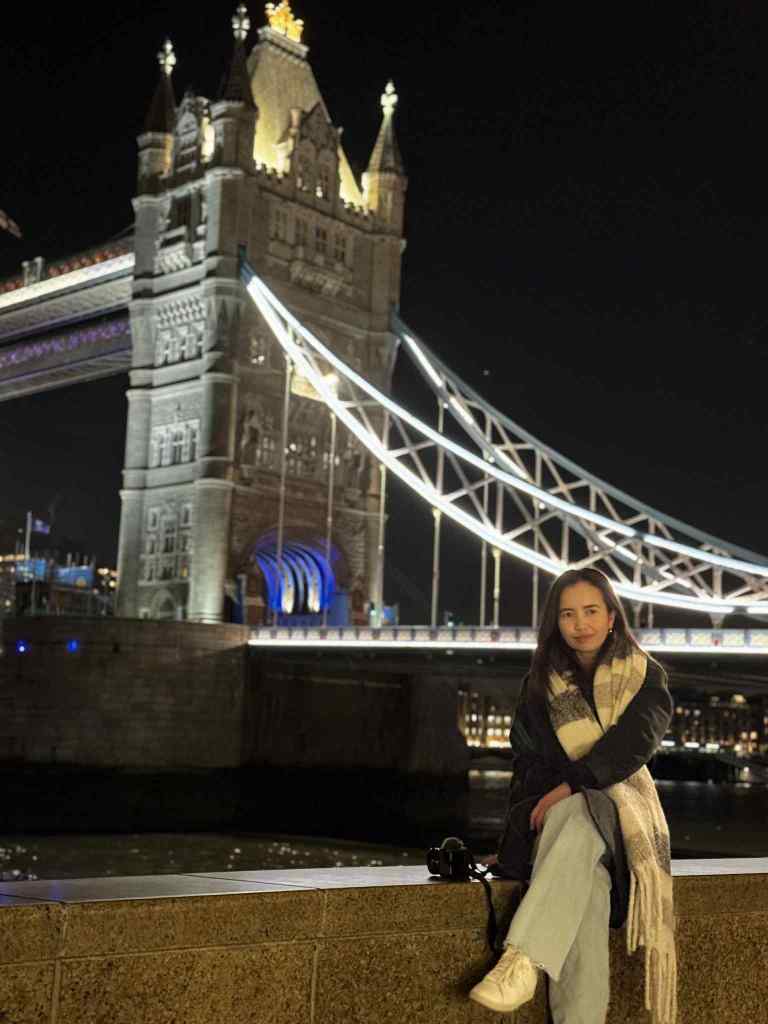
Some of my favourite London memories are not particularly impressive photographs anyway. They are fragments. Standing on a bridge with cold hands. Seeing my breath in the air. Hearing music from somewhere behind me. Watching the London Eye glow against the dark. Looking at the Thames and wondering why water automatically becomes philosophical after sunset. Stopping somewhere for no good reason except that I liked the view.
Memory is strange like that. I can forget where we ate, what I bought or which route we took, but remember exactly how cold my face felt in one particular place.
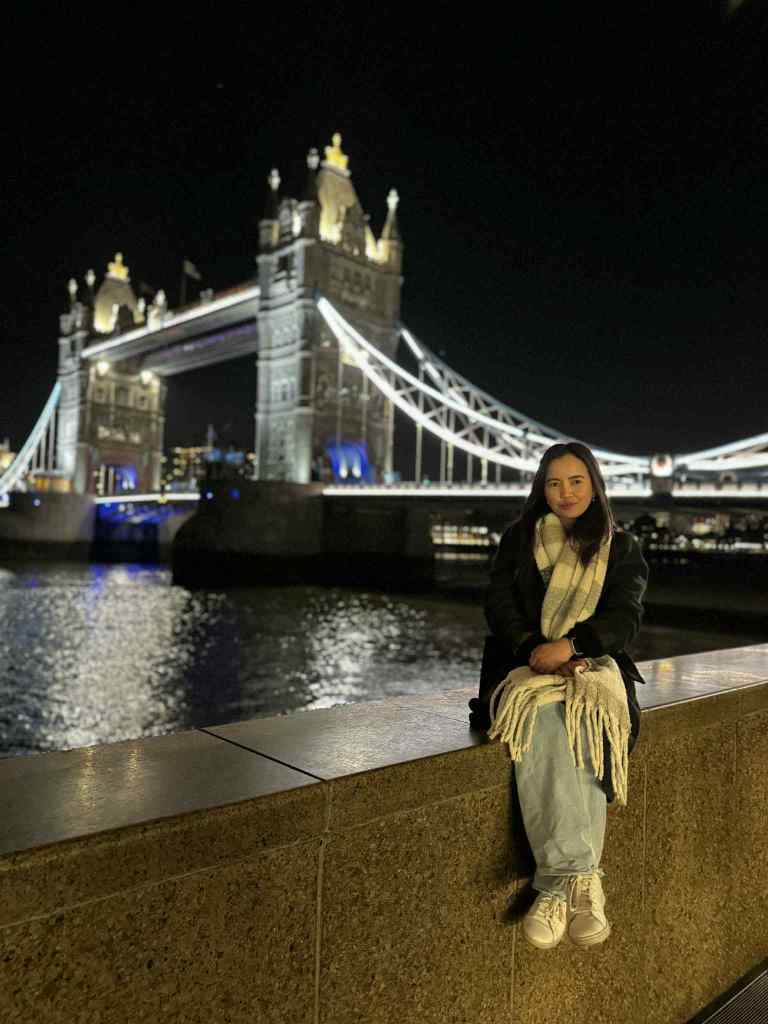
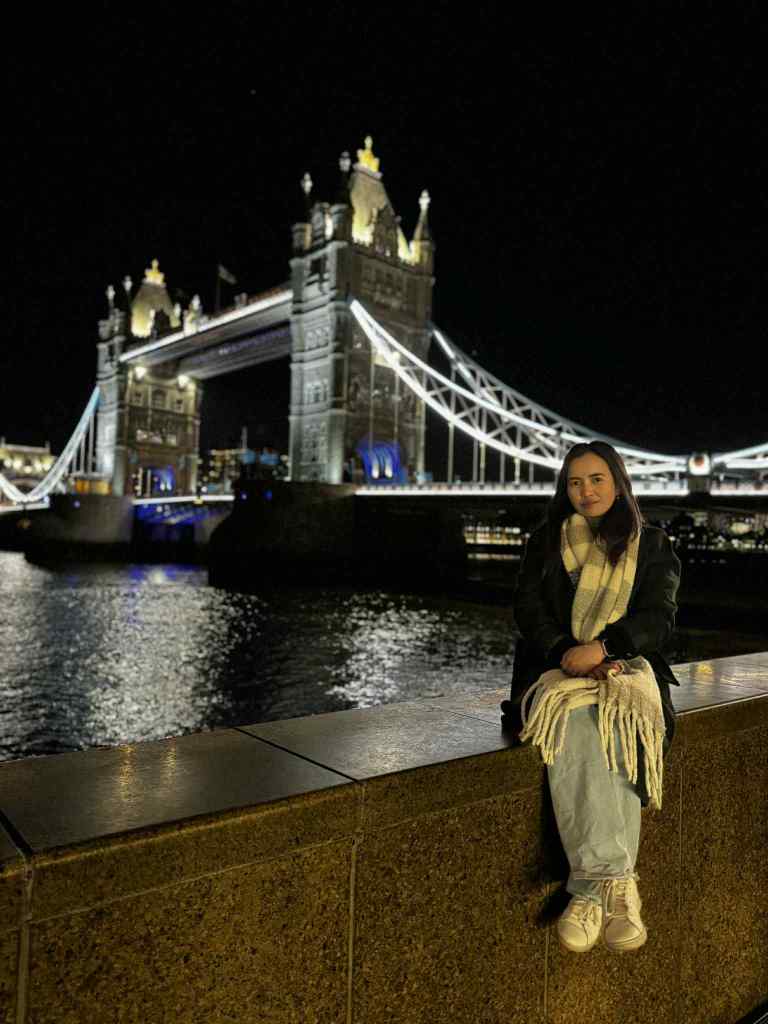
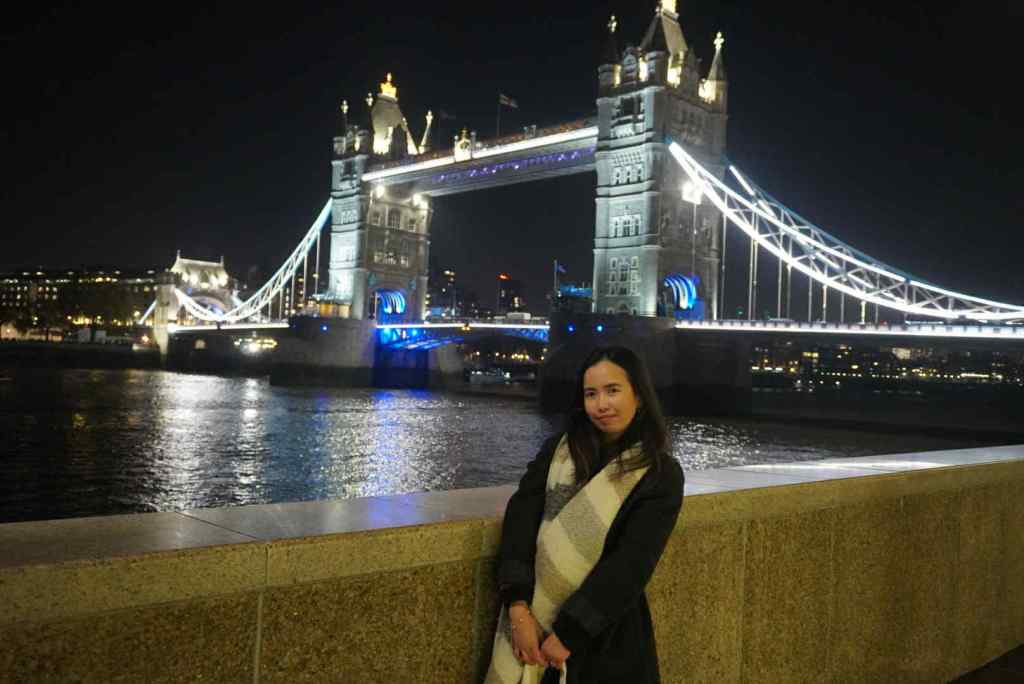

Very useful filing system.
December also makes time feel slightly strange. January somehow feels both three weeks ago and approximately six years ago. You reach the end of another year and suddenly remember all the plans you made at the beginning of it with the confidence of somebody who had absolutely no idea what the next twelve months were going to do.
Some plans worked.
Others appear to have been rejected by management.
There were things I expected to happen that did not, things I never planned for that became important, people who remained part of my life and others who became part of an earlier chapter. There were brilliant days, terrible days and a great many Tuesdays that have already disappeared completely from memory.
Then suddenly I am standing under Christmas lights again wondering where the year went.
Time becomes especially suspicious once you get older. A year used to feel substantial. Now I put the Christmas decorations away, turn around briefly, and somebody is advertising mince pies again.
London makes that end-of-year feeling stronger because everything is so deliberately temporary. We know the lights are coming down. The markets will close. The shop windows will be changed. The Christmas cups will disappear and cafés will return to selling beverages without gingerbread men attached to them. January will arrive and the city will resume looking as though it has important emails to answer.
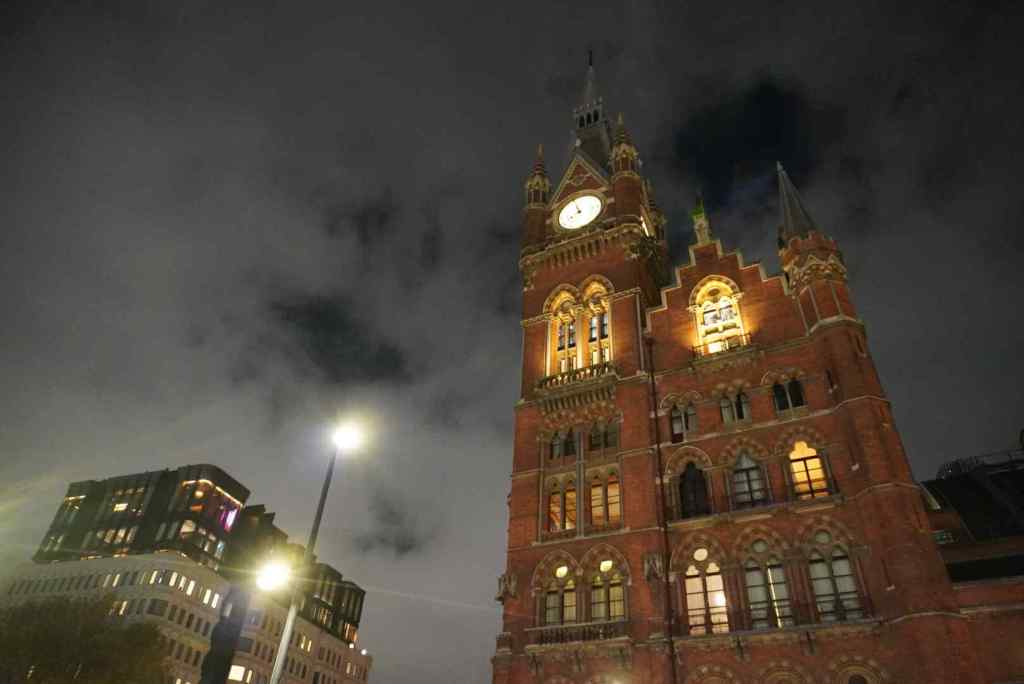

Knowing it ends is part of why I enjoy it.
But Christmas in London is not actually a Christmas film, no matter how flattering the lighting becomes. Underneath the decorations, ordinary life keeps operating. People are still missing trains. Somebody is still late for work. Hospitals are still open. Nurses are still on night shifts while other people are posting photographs of Christmas dinners. Someone is buying presents while calculating whether they can really afford them. Somebody else is approaching the first Christmas without a person who used to be there.
A city covered in lights does not suddenly become a city without problems.
That contrast becomes more noticeable to me each year.
You can walk beneath the same decorations as hundreds of strangers and have no idea what December means to any of them. The group laughing beside you may have been waiting months to see one another. The woman hurrying through the station may be finishing a twelve-hour shift. The person walking alone may be perfectly happy to be alone, despite what sentimental Christmas advertising would have us believe. Or they may be missing somebody terribly.
We do not know.
This is useful to remember when seasonal cheer begins behaving like a compulsory uniform.
Not everybody loves Christmas. Some people love it and still struggle through parts of it. Some are exhausted before the celebrations even begin. Some are separated from family. Some have empty chairs at the table. Some are working. Some are worried about money. Others simply dislike mince pies and should be permitted to live honestly.
Christmas has a talent for turning every emotion up slightly. Happiness feels brighter because everyone is celebrating. Loneliness can feel sharper for exactly the same reason.
That is why I think the best parts of the season are often much smaller than the displays.
Someone waiting while another person struggles with their ticket. A friend checking that you got home. A colleague making a horrible shift easier. Somebody remembering that you are far from family. Someone offering a seat, holding a door or simply having enough patience not to become furious when a tourist stops directly in front of them on Oxford Street.
The last one is advanced seasonal goodwill.
The older I get, the less convinced I am that Christmas needs to be spectacular to be good. I still love the spectacle. Please do not misunderstand me. I will absolutely go and look at the lights, take photographs, buy something warm and complain about the price afterwards. I am not giving up any of that.
But a good December can also be very ordinary.
Coming home somewhere warm after being outside. Having dinner with someone you like. Receiving a message from a person you were thinking about. Finishing a difficult week. Laughing over something stupid. Sitting down after walking far too much because somebody insisted the next Christmas display was “just around the corner,” which is one of London’s most dangerous lies.
Those moments never make the tourism posters.
They are usually the ones I remember.
I also like how December makes familiar places briefly feel borrowed. The same London streets belong to commuters all year, but at Christmas they seem to belong to everybody who wants to stand around looking upwards. Children, tourists, couples, families, friends, exhausted healthcare workers on days off, people clutching shopping bags and people who came into town specifically to see the decorations and somehow returned with six purchases they had not planned.
I understand these people.
London at Christmas is extremely skilled at separating visitors from their money while making them feel festive about the transaction.
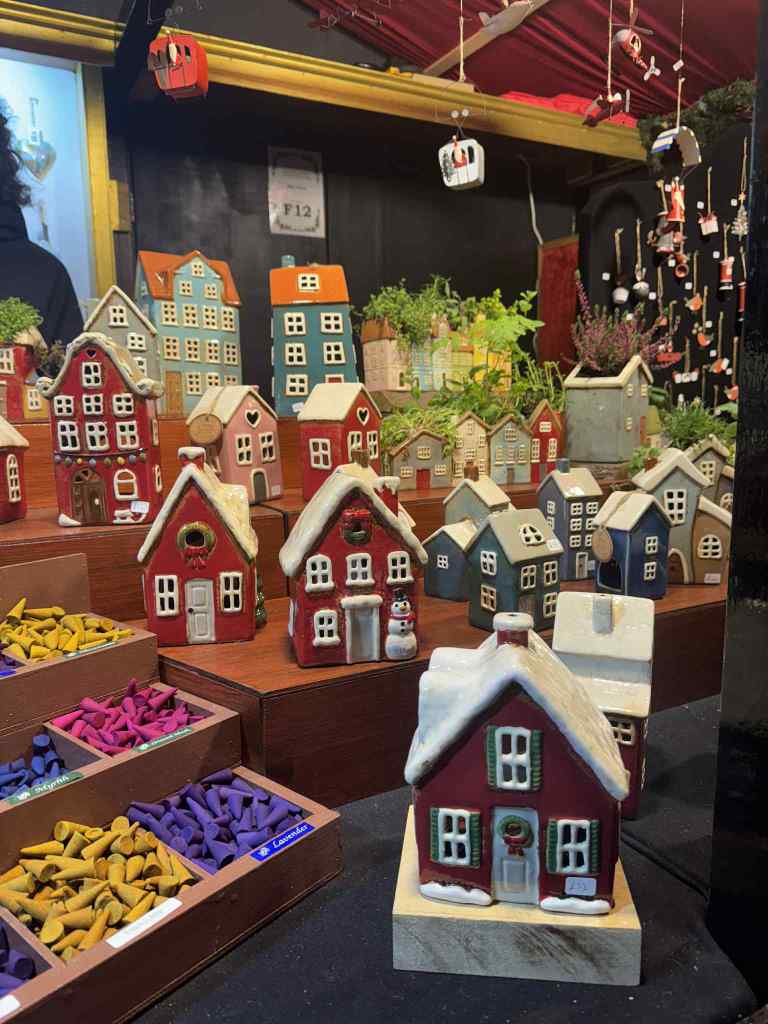
There are Christmas markets where I confidently say I am “just looking,” a phrase that has historically had very little relationship with the final outcome. Five minutes later I am holding food, a drink and something small enough to convince myself it does not count as shopping.
This is seasonal economics.
But after all the lights, photographs, drinks, crowds and suspiciously expensive snacks, what stays with me is usually simpler. It is the feeling of looking around and being aware that I am actually here.
That sounds obvious until I think about how often I move through life without noticing it.
There are days when everything becomes routine. Work, travel, errands, messages, meals, sleep, repeat. Places become backgrounds. People become part of schedules. You stop looking at the view because you have seen it before.
Then London hangs several thousand lights overhead and apparently I remember to pay attention. Maybe that is enough of a reason to love December.
Not because Christmas somehow makes life perfect. It very clearly does not. But it makes ordinary streets look different long enough for me to notice them again. It gets me outside despite temperatures that have personally offended me. It gives me an excuse to walk beside the Thames after dark, drink something unnecessarily festive and take photographs I will probably look at years later wondering why I wore that coat.
And one December, those photographs will become old. That thought no longer makes me particularly sad. If anything, it makes me want to enjoy the ridiculousness of the present version while I still have it.
This London.
This winter.
These people.
This hairstyle, despite whatever future judgement awaits it.
So I will continue going into London at Christmas. I will look at the angels over Regent Street as though I have never seen them before. I will take too many photographs. I will buy something hot because my hands have stopped cooperating. I will complain about the crowds while being part of the crowd. I will admire the shop windows while pretending I am not tempted to enter.
And every so often, I will put my phone away and just look.
Because London in December is beautiful, expensive, overcrowded, freezing and slightly ridiculous.
Which may be exactly why I love it.


































Leave a Reply