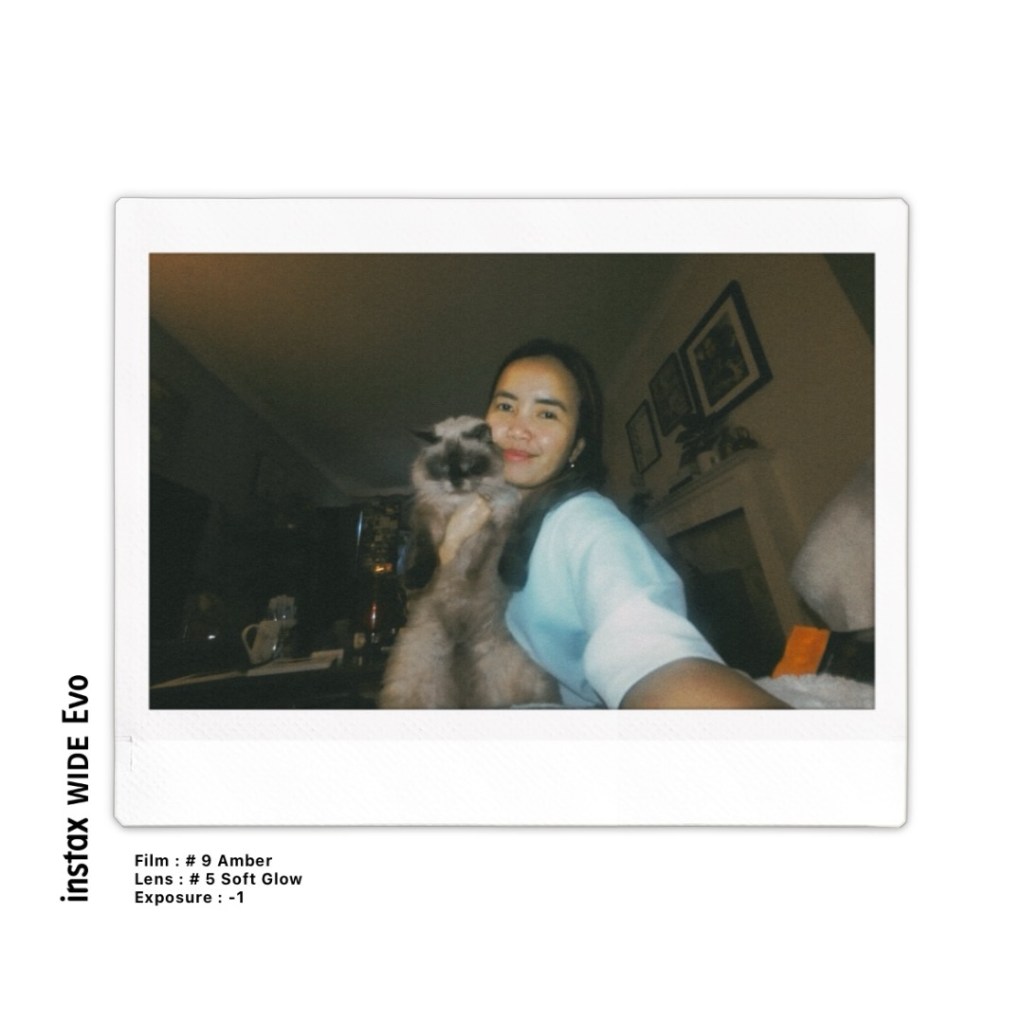
SEPTEMBER
Ache and Awe
September came later than usual because I could not quite summarise it while I was still inside it. Some months arrange themselves neatly in memory, making it easy to gather the photographs, write a few lines, name the highlights and move on. September was not like that. It carried too many opposing things at once: grief and gratitude, silence and new noise, absence and arrival, heaviness and tenderness. It was the kind of month that asked me to hold two truths together without forcing one to cancel the other. Looking back now, I think that was its quiet lesson. A heart can ache for what it has lost and still remain open to what is arriving.

We lost Millie in September, and even now there is something difficult about writing that sentence plainly. She had become such an ordinary part of our home that I do not think I fully understood how much space her presence occupied until it was no longer there. She was our gentle companion, our quiet little constant through long days and lonelier nights, through tired evenings and the ordinary rhythms of home that never seem important until something changes them. Her absence did not arrive loudly. It appeared in smaller things: in the silence where a familiar sound should have been, in the places my eyes still looked automatically, in the strange feeling that the house itself had noticed she was gone.
Grief changes the geography of a home. The same room can suddenly feel unfamiliar because one small life is missing from it. A corner becomes more than a corner. A blanket becomes evidence. A routine becomes a memory before we are ready for it to become one. I found myself understanding that grief is often built from ordinary details rather than dramatic moments. We do not only mourn the life that ended; we mourn all the tiny repetitions of love that ended with it. The steps we expected to hear, the habits we thought would continue tomorrow, the presence we had stopped consciously noticing because we trusted it would still be there.
There was no need to make September beautiful when it was painful. I did not want to force meaning onto sadness simply because meaning is easier to carry than uncertainty. Millie was loved, and then she was gone, and for a while that truth was enough. I think there is dignity in allowing grief to remain grief without immediately asking it to teach us something profound. Love creates attachment, and attachment makes absence painful. That is not failure. It is simply the price of having allowed another living being to matter so much.
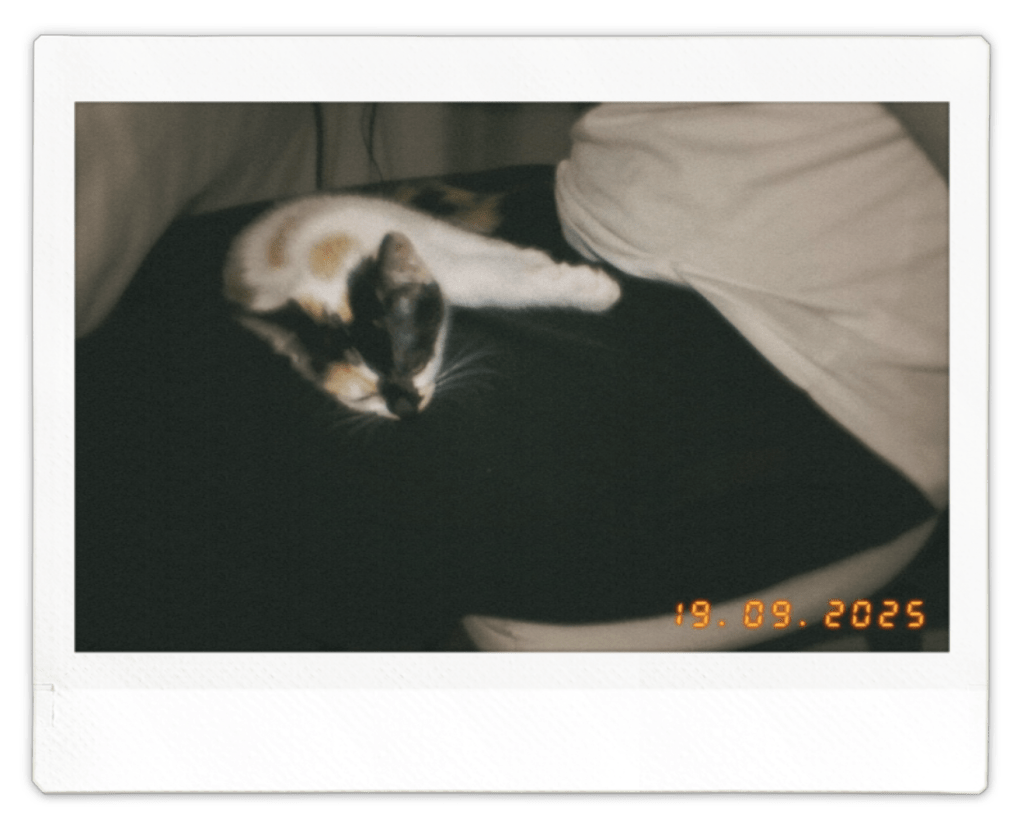
And yet September did not remain only a month of absence. Life, with its strange refusal to move in only one emotional direction, also brought Luna and Miyuki into our home. They arrived with their own personalities, their own rhythms and their own little ways of taking up space. Their presence did not erase what Millie had been, nor did I want it to. Love is not a room where somebody new can enter only after every trace of the old occupant has been cleared away.
The heart is capable of remembering and welcoming at the same time.

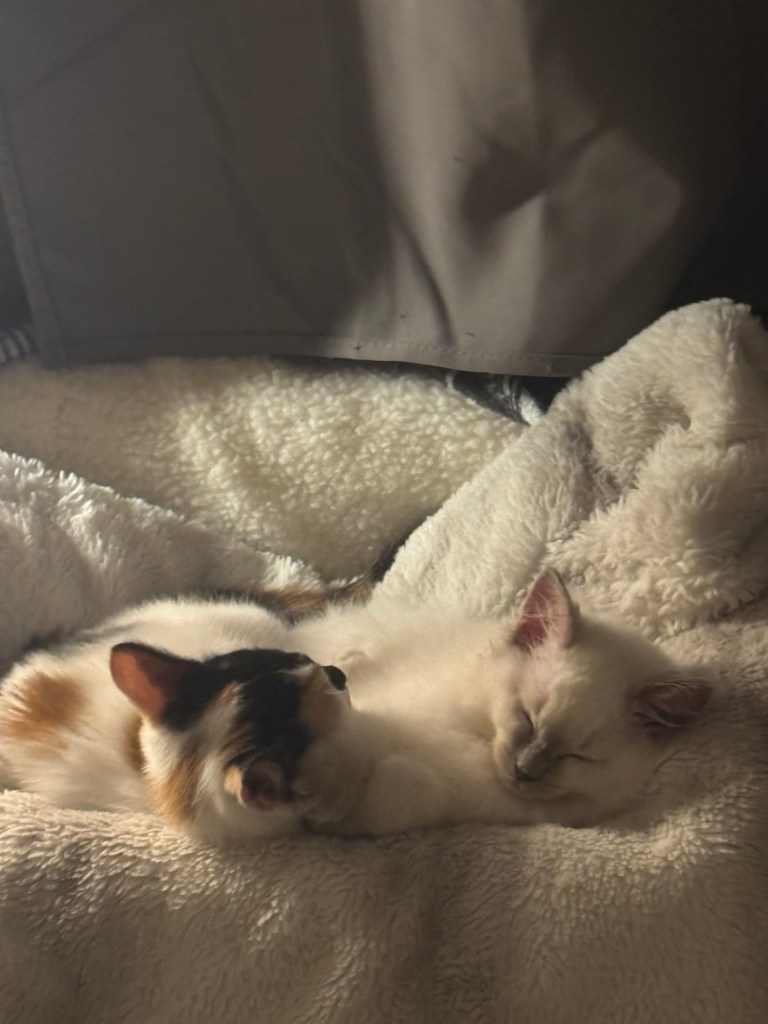


Luna and Miyuki brought movement back into places that had become too still. Their curiosity, their energy and the small unpredictability of having kittens around changed the atmosphere of the house. There were moments when I laughed and then felt surprised by my own laughter, as though joy had arrived too soon and needed permission. But grief and joy are not enemies. One does not betray the other. I could miss Millie and still smile at Luna. I could remember one life tenderly while learning the habits of another.
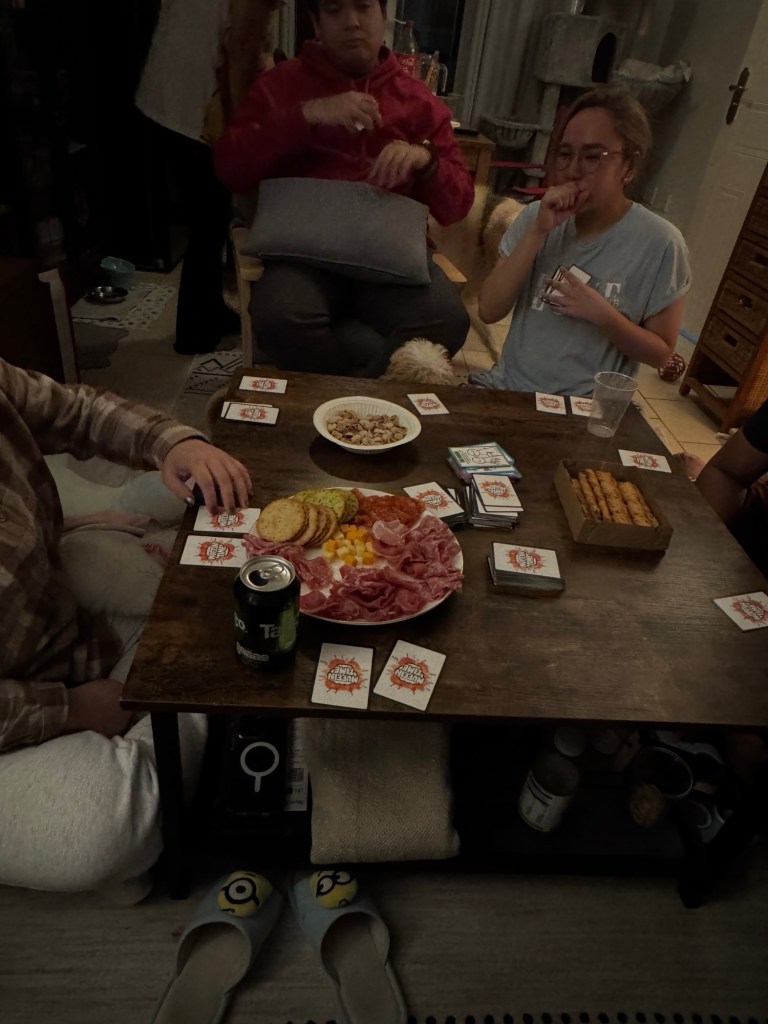
Gratitude does not erase grief, and grief does not invalidate gratitude; sometimes maturity is learning to let both sit at the same table.
That became the emotional shape of the month. September was not a clean transition from sadness to happiness, because life rarely moves that neatly. There were days when missing Millie felt heavier and days when the kittens made the house wonderfully chaotic. There were moments when memory came unexpectedly and others when ordinary life simply continued because it had to. Work still required attention. Meals still needed to be eaten. Messages still arrived. Laundry did not become more philosophical simply because my heart was sad. There is something almost humbling about the way ordinary responsibilities continue beside loss.
Perhaps that is part of what keeps us grounded. We grieve, and then somebody asks what we want for dinner. We remember, and then the kettle clicks off. We cry, and later we find ourselves laughing at something completely unrelated. The heart can move between emotions far more quickly than our ideas about grief sometimes allow. Continuing to live does not mean we have stopped missing what we lost. It simply means that love and life are both still asking something from us.
The rest of September unfolded around that emotional centre. After long shifts and days when my mind needed somewhere less demanding to go, I found myself watching more Chinese dramas on VIKI. There is a particular comfort in disappearing into somebody else’s story for a while. Fiction does not solve anything waiting outside the screen, but sometimes it gives the mind a place to rest from its own narrative. There were evenings when following palace intrigue, impossible romances or characters with problems far more dramatic than mine was exactly the kind of escape I needed. Sometimes distraction is not avoidance; sometimes it is simply rest in another form.
I also continued visiting local cafés and writing my Sunday Slow Diaries, and those quieter rituals mattered more than they might appear from the outside. A cup of coffee, a table by the window, a few pages of thoughts written without urgency—these things have become small ways of returning to myself after weeks that feel crowded. There is comfort in creating an ordinary ritual that does not require productivity to justify it.
Not every meaningful part of life arrives as a milestone; sometimes it comes as a familiar drink, a notebook, and an hour in which nobody needs anything from you.
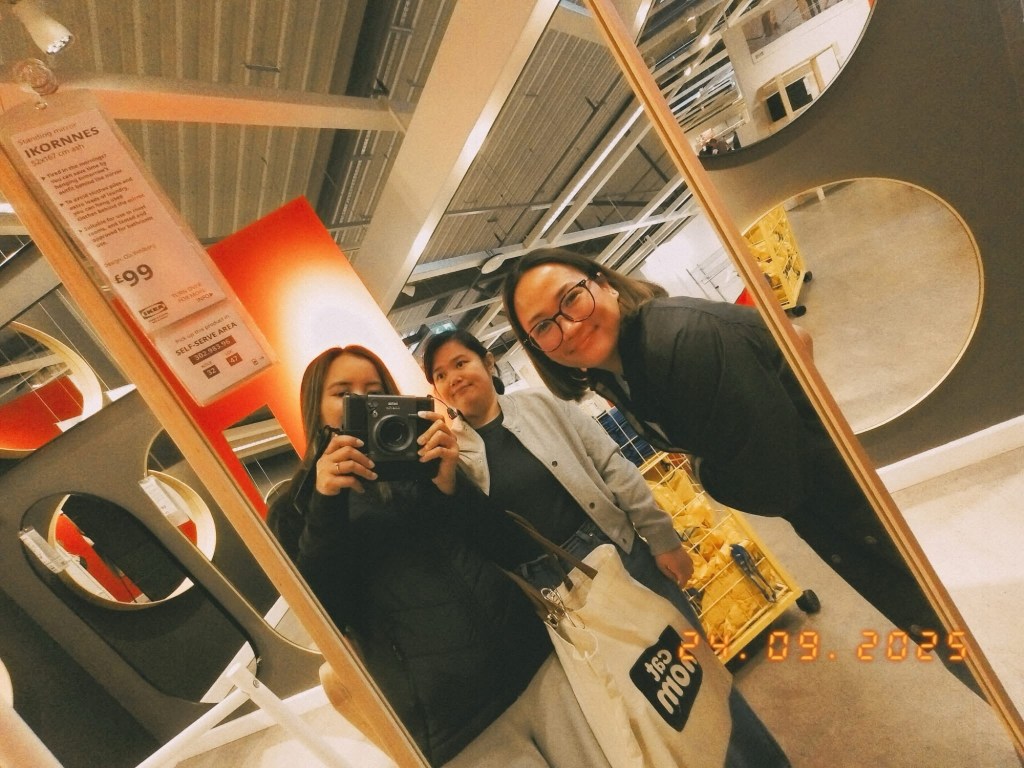
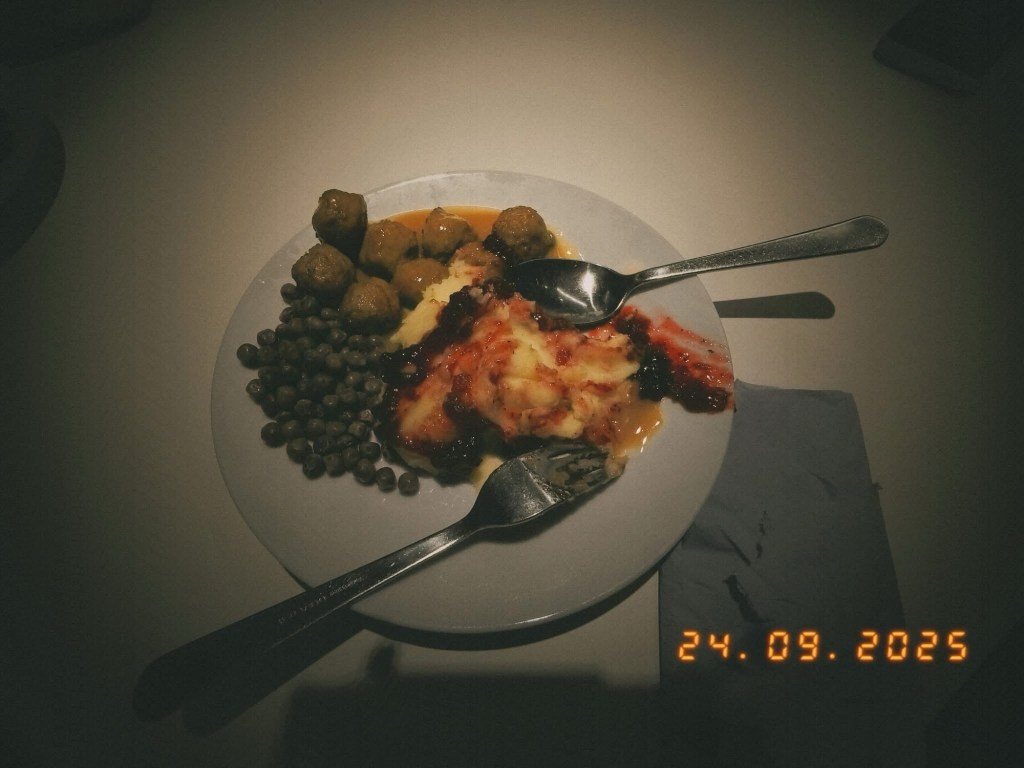
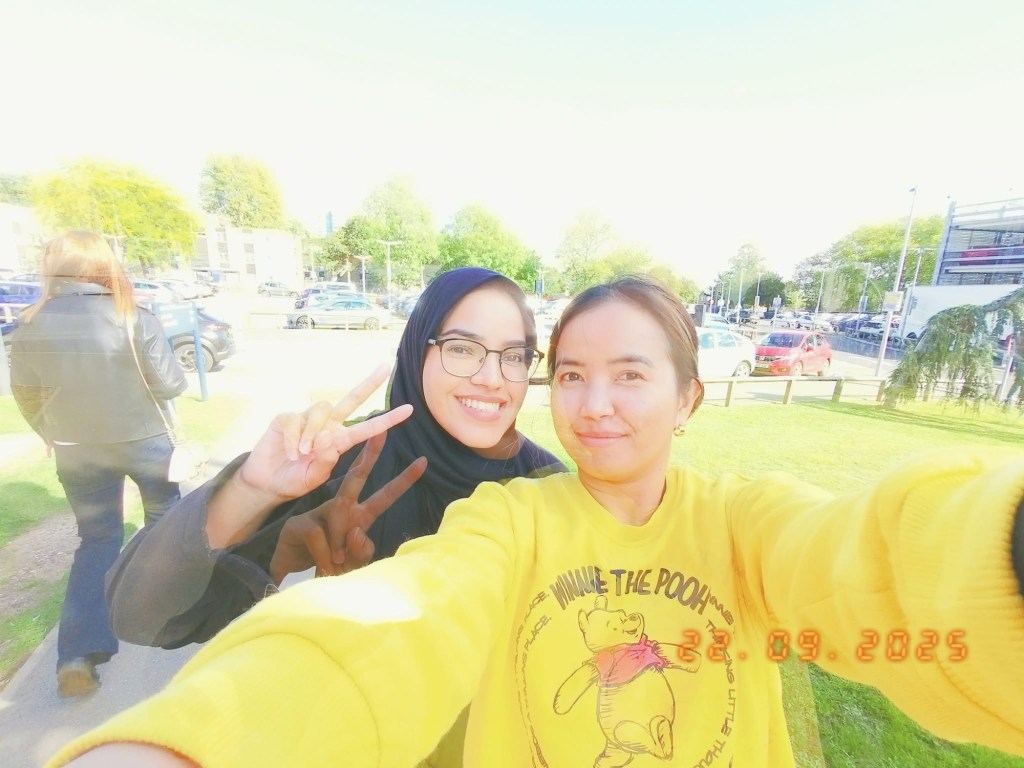
There was also a day at IKEA with friends, which feels almost comically ordinary beside the heavier parts of September, but perhaps that is exactly why I remember it fondly. There was laughter between aisles, conversations beside display kitchens, and the strange collective optimism that IKEA somehow creates, where every perfectly arranged room makes you temporarily believe your entire life could be transformed by better shelving. It was simple. It was light. It was the kind of day that reminded me that sadness does not have to occupy every room inside us just because it has entered one.
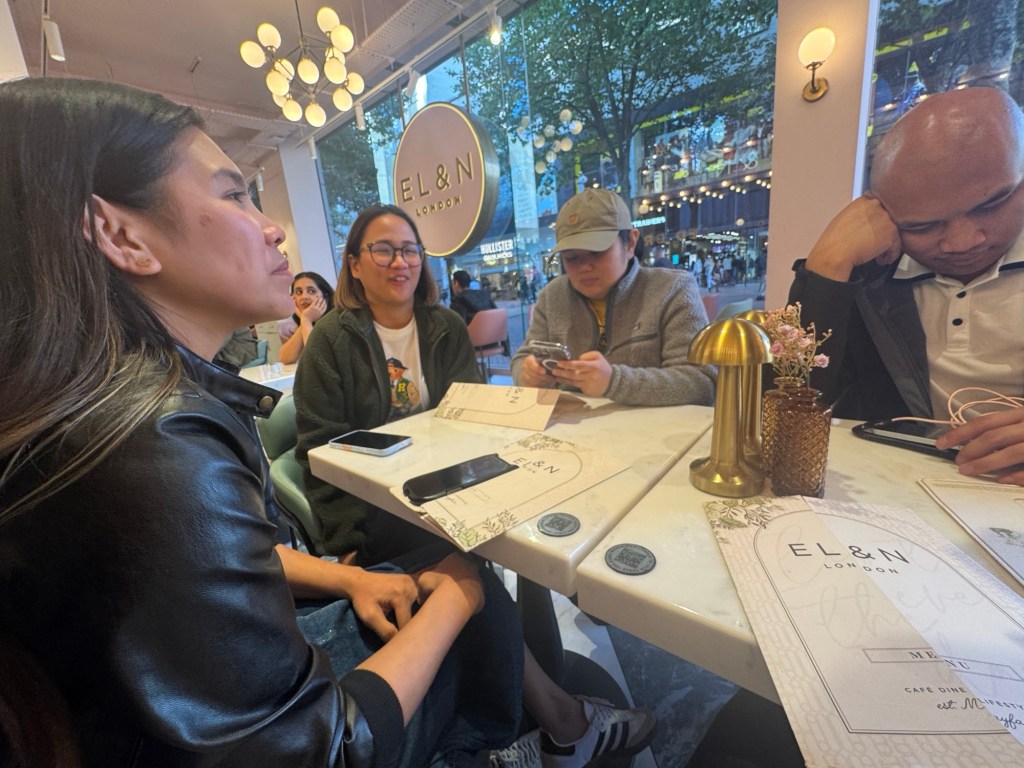
I visited EL&N Café in Birmingham too, surrounded by its unapologetically pink interiors and pretty pastries, and there was something delightful about allowing myself to enjoy something simply because it was beautiful. We sometimes speak about joy as though it must always be profound to count, but there is value in aesthetic pleasure, in eating something pretty, in sitting somewhere that makes you smile, in taking photographs simply because the colour of a wall pleased you.
Joy does not always arrive with meaning attached; sometimes it is allowed to be small, decorative and completely unnecessary.

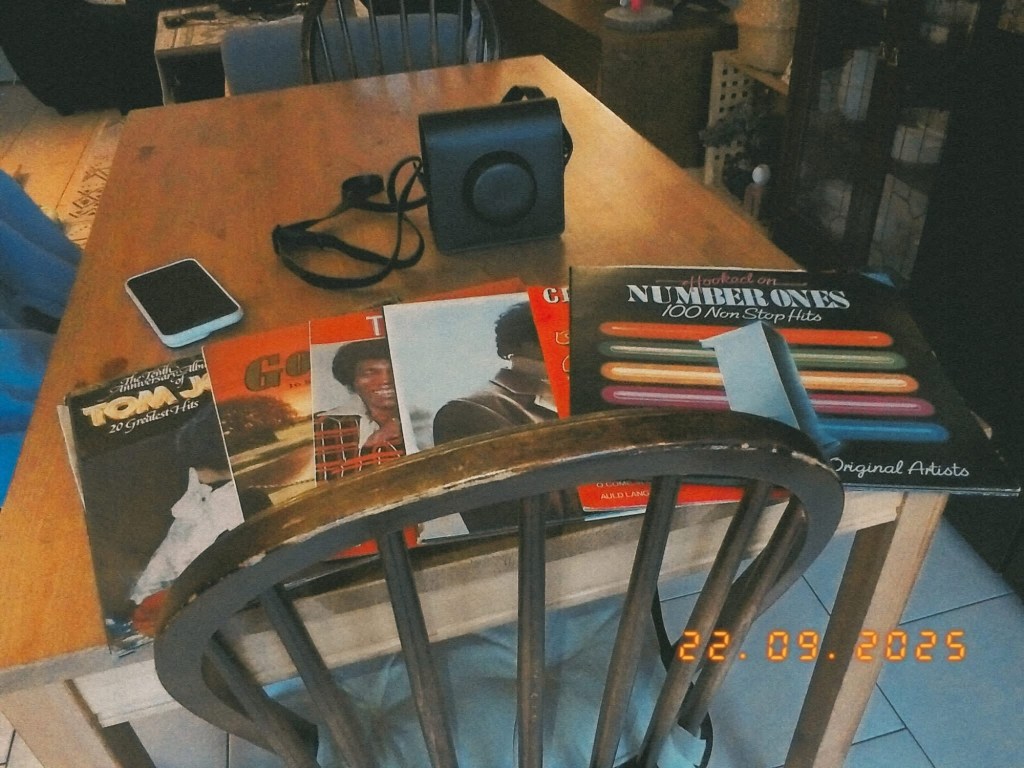
Music accompanied much of the month as well. “Photograph” by Ed Sheeran, “From Now On” from The Greatest Showman, “Better Days” by Dermot Kennedy, “The Light Before We Land” by The Delgados and “Love in the Dark” by Adele became part of September’s background. I have always loved how songs can hold emotions that are difficult to organise into sentences. Sometimes we do not need lyrics to explain us perfectly; we simply need a melody that understands the atmosphere of what we are carrying. A song can become a container when language feels too precise for something that is still changing shape.
Reading gave me another escape. The Housemaid Is Watching by Freida McFadden offered suspense, tension and the kind of plot that keeps the mind occupied enough to temporarily forget its own concerns. There was something useful about reading something completely unrelated to grief. Not everything I consumed that month needed to mirror what I was feeling. Sometimes the mind needs contrast. Sometimes darkness on the page is easier precisely because it belongs to fiction and can be closed when the chapter ends.
Looking back, the strongest lesson September left me was not that grief disappears or that new joy replaces old love. It was something quieter and, I think, more honest: grief and gratitude can occupy the same heart without requiring one to defeat the other. I can be grateful for the years we had with Millie and still wish there had been more. I can love Luna and Miyuki without turning them into substitutes for what was lost. I can laugh without betraying sadness and remember without refusing the present.
I also learned that loss sharpens our attention to ordinary moments. When something familiar disappears, we suddenly understand how sacred repetition can be. A pet sleeping nearby, someone checking in without being asked, a partner sharing the weight of an ordinary difficult day, a message from family across the ocean—these things rarely announce themselves as precious while they are happening. Life often reveals the value of ordinary moments only after one of them becomes the last. That realisation can make grief heavier, but it can also make attention more deliberate.
Millie’s love did not continue because Luna and Miyuki arrived. It continued because love leaves traces. It altered the way we cared, the way we noticed, the way we understood companionship. Luna’s playful eyes and Miyuki’s soft purrs are their own beginnings, not extensions of another life, but perhaps loving Millie made us more capable of recognising the privilege of these new little lives. The heart does not need to divide its history into separate rooms. It can remember one love while making space for another.
There were many things I felt grateful for by the end of the month. I was grateful for the years with Millie and for the affection she gave so freely. I was grateful for the noise Luna and Miyuki brought into the house, for friends who checked in without needing to be prompted, for Jan’s steadiness through the sadness and adjustment, for my mother’s love even across distance and for the faith that continued to give me somewhere to place emotions I could not always articulate. Gratitude felt different that month. It was not bright or performative. It was quieter, almost reverent.
Faith became especially important because grief inevitably brings us close to questions we cannot completely answer. I found comfort not in pretending I understood why every goodbye comes when it does, but in remembering that love itself is never wasted. There are seasons when faith feels like certainty, and others when it feels more like choosing to trust while carrying unanswered questions. September belonged more to the latter. Sometimes faith is not receiving an explanation; it is believing that tenderness still matters even when permanence was never promised.
As September moved towards October, I found myself thinking less about “moving on” and more about moving forward while remembering. Those are different things. I do not want memory to become something I have to outrun in order to live well. There are loves we carry precisely because they changed us. What matters is allowing memory to accompany us without asking it to prevent new life from entering.
October already felt softer at the edges. There was World Stroke Day to look towards at work, more stories to write, and the changing season beginning to alter the light outside. There were personal moments already waiting too. Our sixth anniversary on the fourth of October carried its own quiet significance, another year of a love built through patience, laughter, disagreement, ordinary routines and shared dreams. My mother’s birthday on the sixth reminded me again how strange and beautiful it is that family remains an anchor even when geography stretches between us.
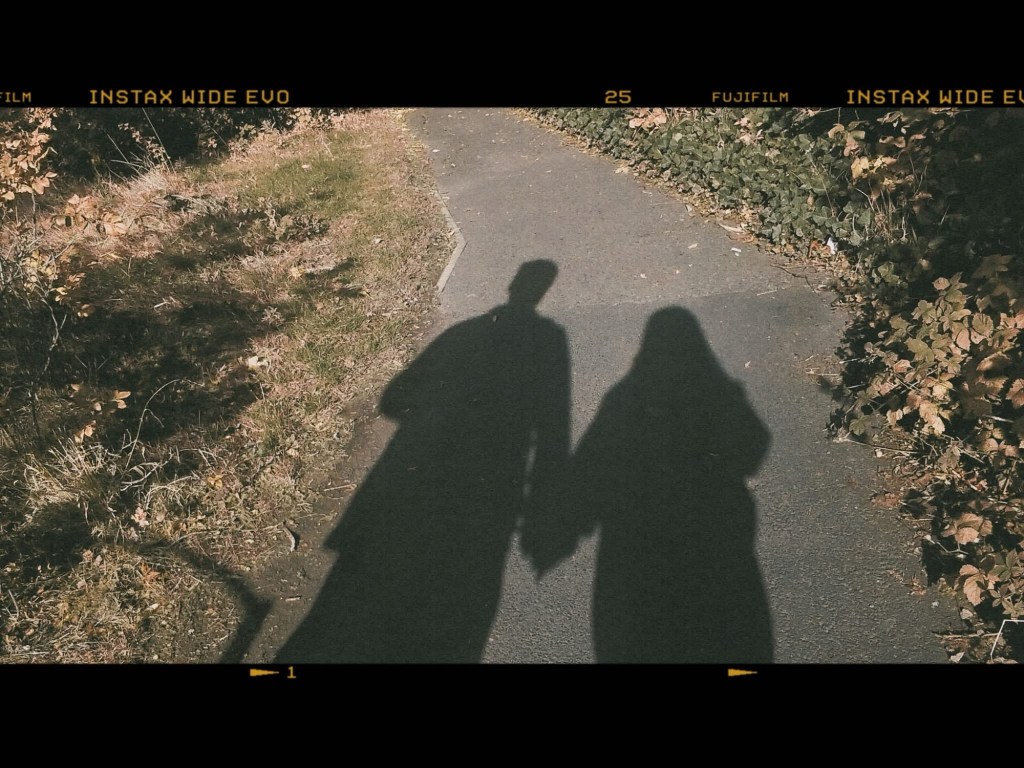
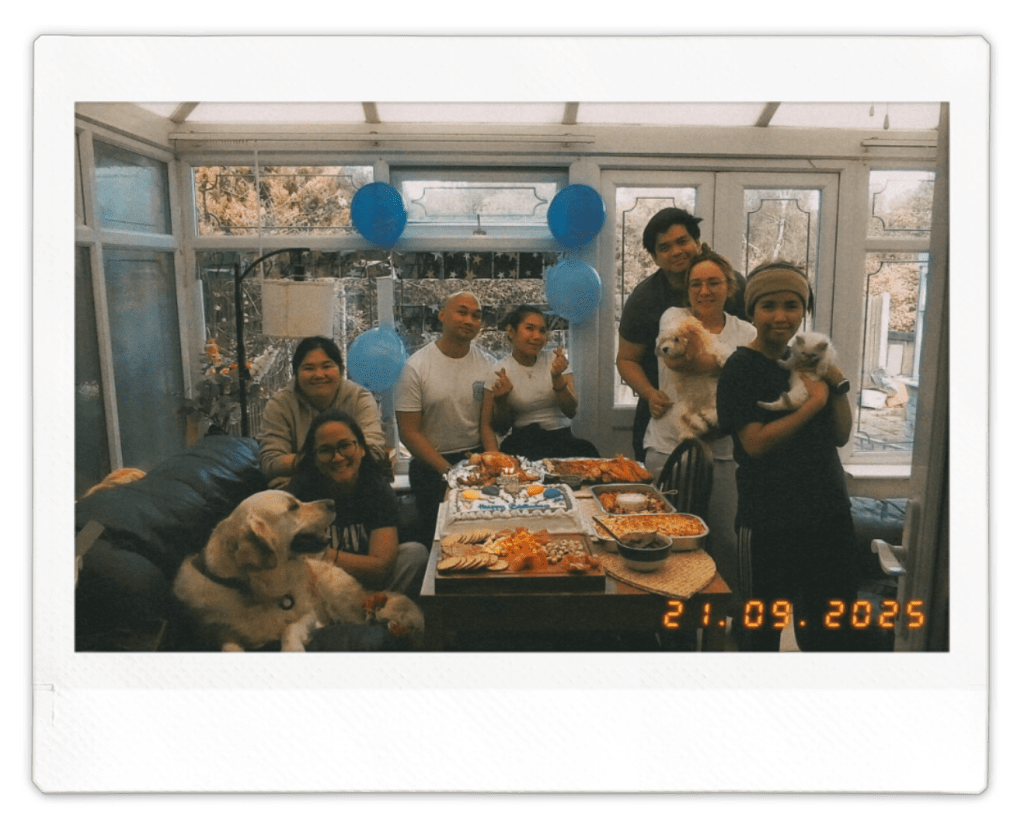
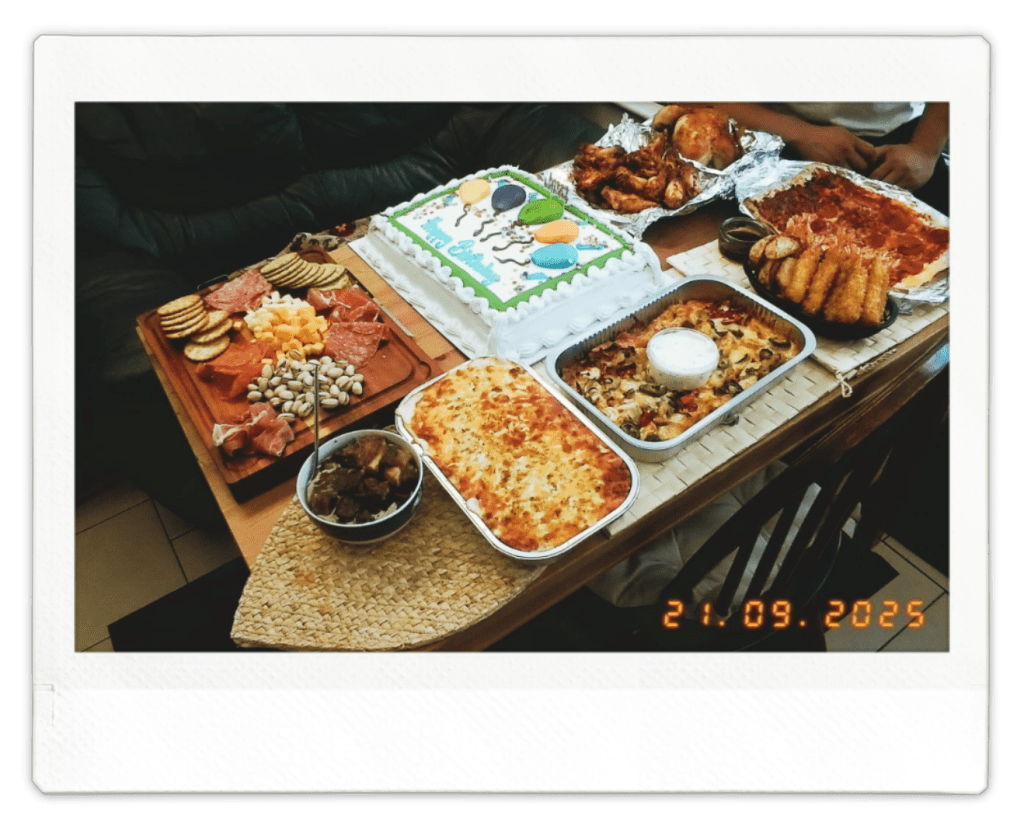
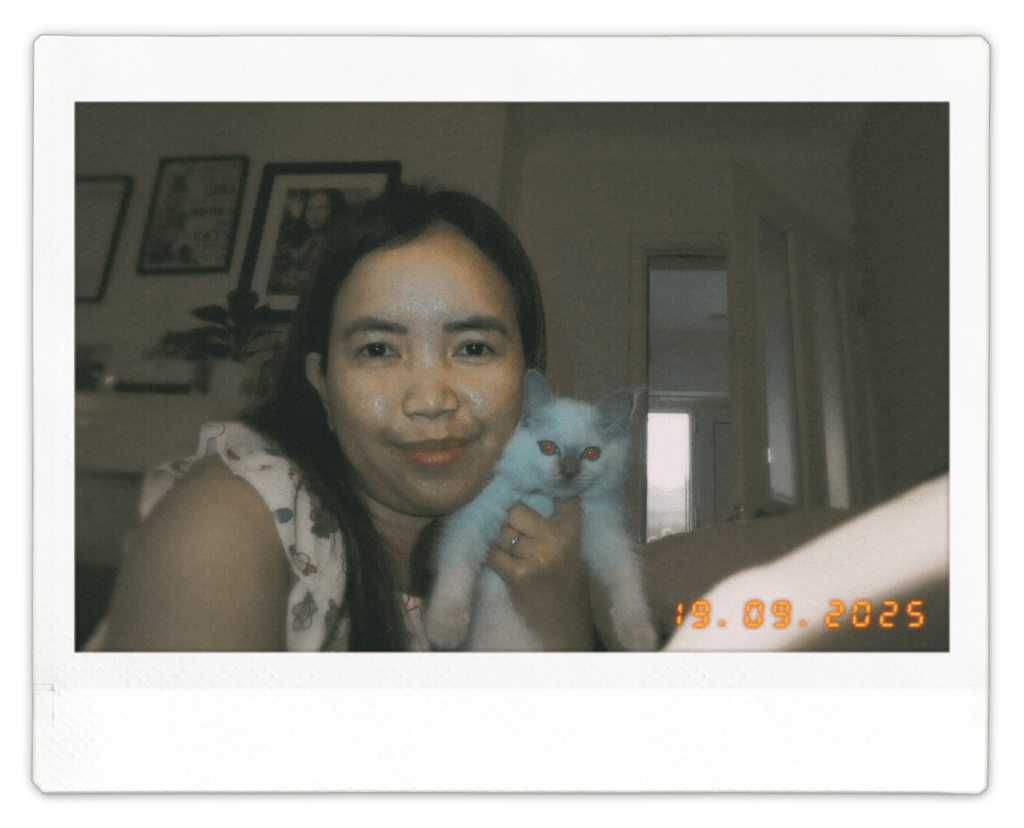


I hesitate to call October a clean beginning because I no longer think life offers many clean beginnings. We carry traces of one month into another, just as we carry earlier versions of ourselves into whatever comes next. Perhaps October was not about starting again so much as continuing differently. September had changed the emotional landscape, and there was no reason to pretend otherwise.
New chapters do not require us to erase the pages that came before them.
When I look back at September now, I do not see only the month we lost Millie. I see a month that contained loss, yes, but also companionship, friendship, television marathons, coffee, books, music, kittens, cafés, laughter, work, love and faith. That does not make the grief smaller. It makes the month more truthful. Human life is rarely composed of one emotion at a time. Even the saddest periods contain ordinary jokes, hungry evenings, beautiful skies and errands that still need doing.
Perhaps that is why September resisted being summarised quickly. It was not asking to be reduced to a lesson. It was asking to be remembered in its complexity. There was an ache in it, but there was also awe: awe at how attached we can become to another life, at how deeply absence can be felt, at how new affection can enter without replacing what came before, and at how the heart somehow continues making room even after it has learned how much room love can cost.
Dear reader, if you have stayed with me through this chapter, thank you. Some months are easier to write about than others. September required a little more distance before I could see it clearly, and perhaps even now I am still understanding what it left behind. But one thing feels certain: love is not diminished because it was temporary, and grief is not evidence that gratitude has failed. Sometimes both are simply proof that something mattered.
So I leave September with both the ache and the awe. I carry Millie’s memory with tenderness, Luna and Miyuki’s beginnings with gratitude, the people who remained close with appreciation and the quieter moments with more attention than I might have given them before. I do not need the month to become entirely beautiful in retrospect. It was painful in places, ordinary in others and unexpectedly tender in between. That feels honest enough.
And perhaps that is what I want to carry forward: the willingness to love what is here without pretending it will remain forever, to remember what is gone without refusing what is still arriving, and to trust that God can meet us in both the gratitude and the questions. Some seasons teach us through abundance, while others teach us simply by revealing how much the heart is capable of carrying without losing its capacity to love. September was both.
To God be all the glory. Always.
With love,
ANJ ✨


































Leave a Reply