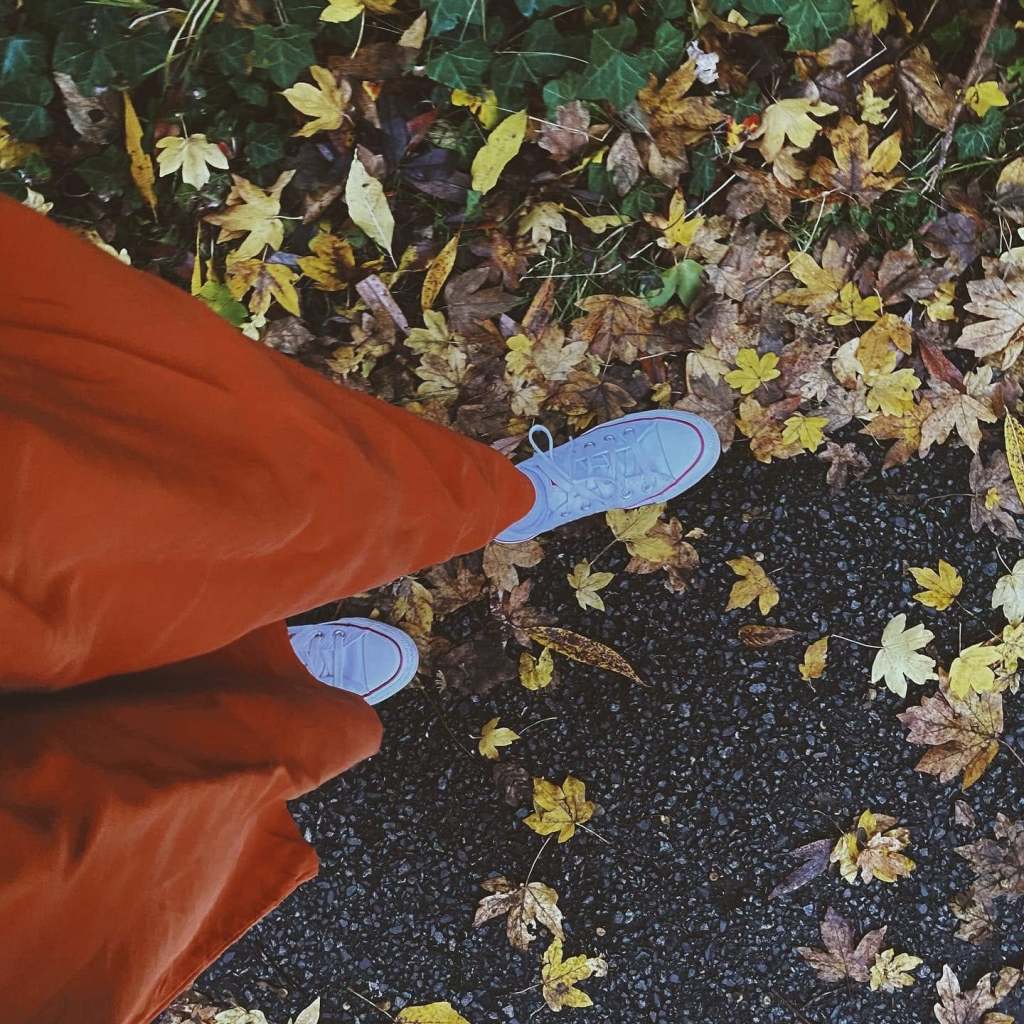
The park looked as though someone had spilled a box of old pigments across it. Burnt orange gathered beneath the trees. Mustard-yellow leaves trembled at the ends of branches. Deep reds appeared here and there like brushstrokes somebody had added at the last minute. The pond held a dull silver reflection of the sky, disturbed occasionally by ducks cutting slow lines through the surface. Every few seconds, the wind lifted a handful of leaves, sent them scraping across the path, then dropped them again as though dissatisfied with the arrangement.
I walked slowly, partly because the scene deserved it and partly because wet leaves are very good at reminding you that dignity has limits. The air smelled of damp soil and cold grass. My hands stayed inside my pockets. Somewhere nearby, somebody was carrying coffee, and I could smell it before I saw them. It was one of those ordinary autumn afternoons that felt cinematic for no important reason at all. And then my brain thought about pork. Not metaphorical pork, not poetic pork, but actual pork. More specifically, Pinakupsan.
There was no warning and certainly no respectable literary transition. One minute I was in England, watching leaves scuttle across the pavement while ducks moved over the pond with the calm authority of creatures who contribute absolutely nothing to council tax. The next, I was mentally back in Cebu, remembering the sound of pork slowly rendering in a pan, the edges browning and crisping while fat bubbled around it and filled the kitchen with the sort of smell that makes patience feel like an unreasonable request. Migration has apparently given my memory very little respect for geography.
That is the strange thing about autumn here. It is so visually committed to being British that I still sometimes feel like a spectator. I grew up in Cebu without this annual parade of copper trees and pavements buried under leaves, so even after years in the UK I still notice it. I still stop. I still take photographs as though autumn has not already been documented from every conceivable angle by millions of people with phones.
There is something theatrical about the whole season. The air sharpens, daylight begins leaving work suspiciously early, and trees suddenly become so beautiful that everyone develops temporary ambitions as a nature photographer. Parks turn amber, rust, gold and deep red. Damp pavements shine after rain. Low afternoon light makes ordinary streets look more important than they really are. Autumn can make a row of parked cars look emotional. Give Britain enough golden leaves and even a roundabout begins developing main-character energy.
I enjoy it despite all my complaints. I like the crackle of dry leaves beneath my shoes and the colder air pressing against my cheeks. I like wrapping both hands around a warm cup of coffee and pretending it is purely for the flavour rather than central heating in cardboard form. I like the smell of wet bark after rain and the way sunlight occasionally breaks through the branches and turns yellow leaves almost translucent, as though somebody has switched tiny lamps on inside them. Then Britain remembers itself, a cloud moves in, and five minutes later everything is grey again. Consistency is apparently overrated.
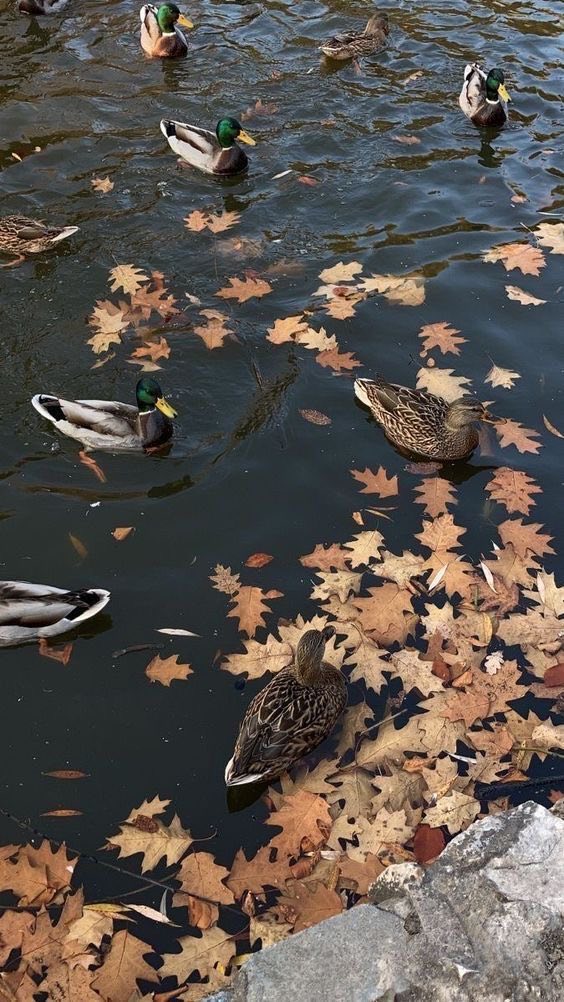
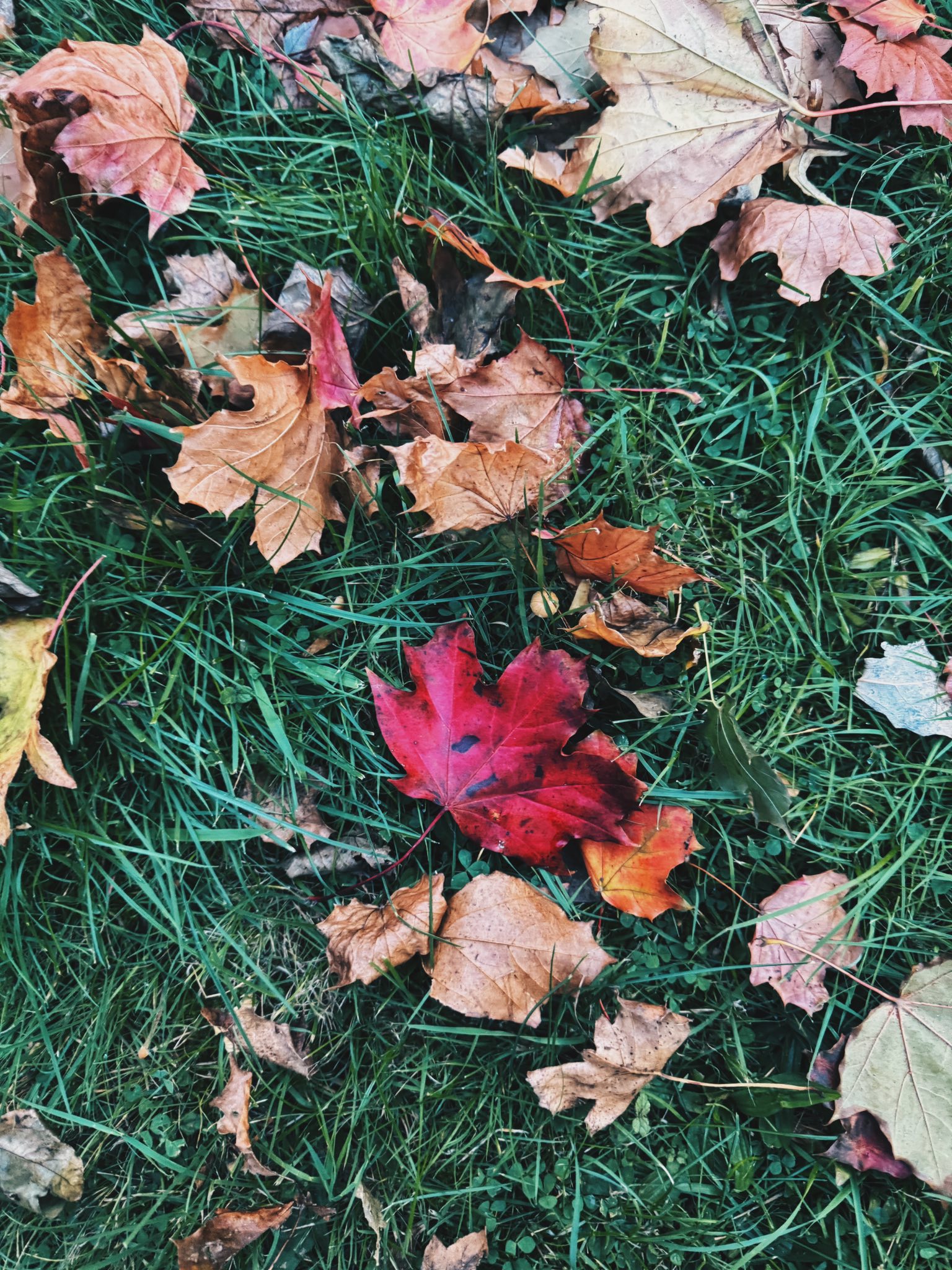
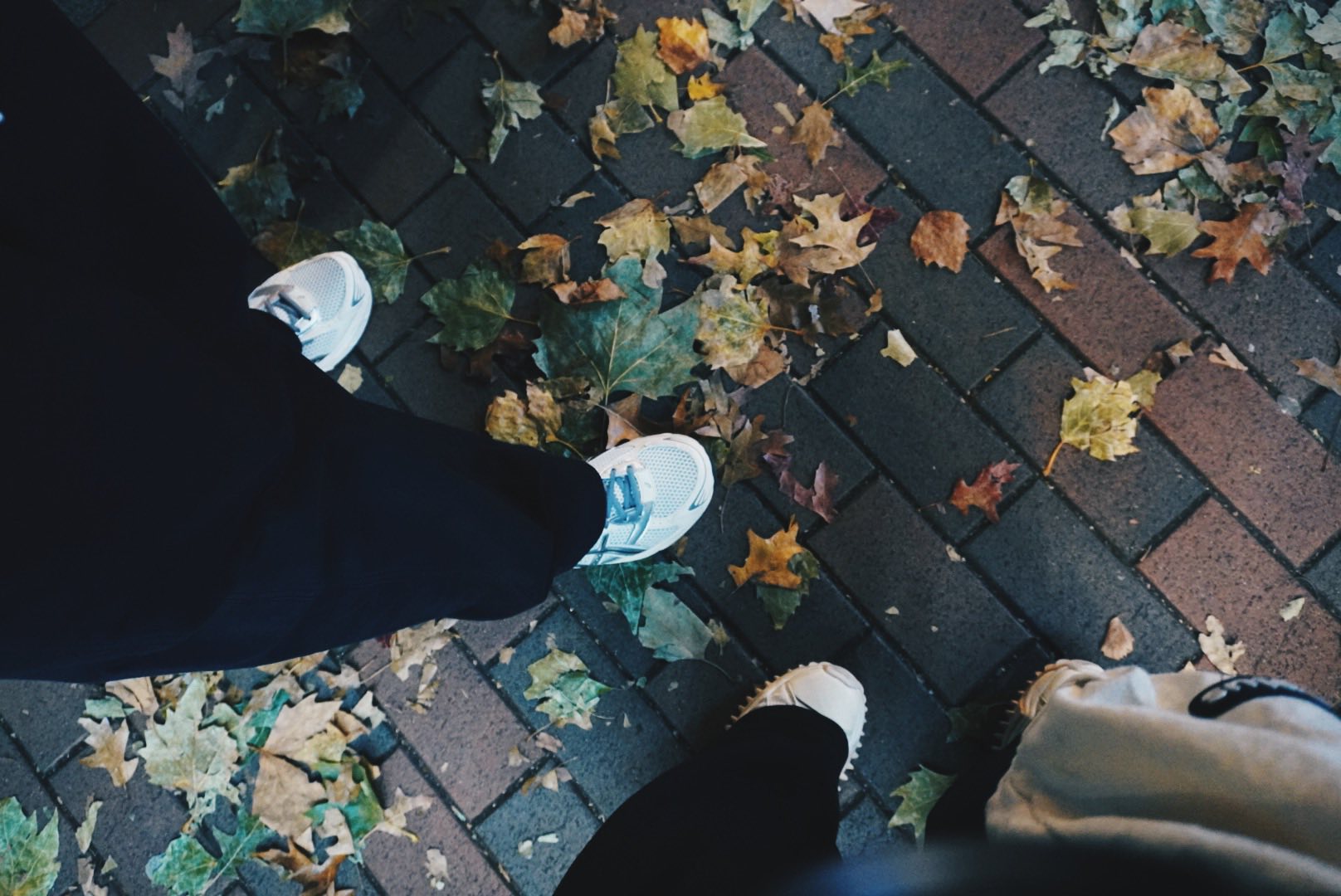
That afternoon, though, the park was behaving beautifully. Leaves collected along the path while the ducks continued across the water without acknowledging the seasonal spectacle taking place around them. A sensible mind might have stayed with the scenery. It might have reflected on the changing weather, the shorter days, or whether the clouds were planning to ruin the rest of the walk. Mine took one look at a brown leaf and said, Pinakupsan.
To be fair, Pinakupsan is difficult to forget once the memory has opened the kitchen door. The sound comes first: that steady crackling and bubbling as pork cooks slowly in its own fat. Then the smell follows, rich and savoury, travelling through the house before anybody has been officially informed that food is ready. The pieces gradually deepen in colour until the edges crisp, and suddenly the entire kitchen becomes a test of self-control. It is not complicated food. It does not need decorative leaves placed carefully beside it, a drizzle of something reduced, or a chef appearing to explain the philosophy behind the plate. It requires rice, preferably plenty of it.
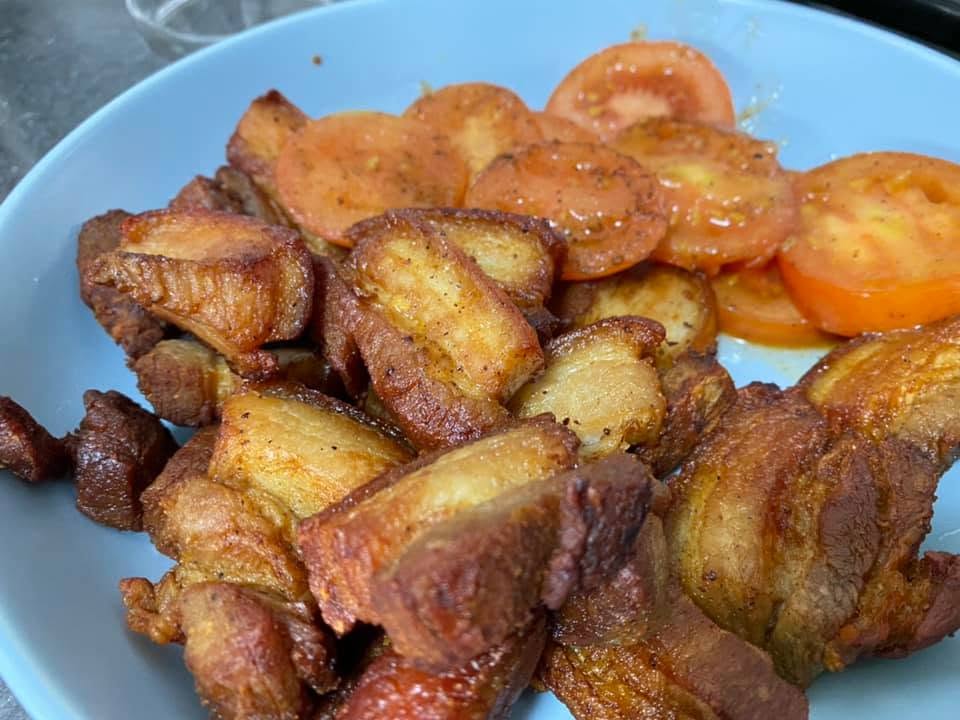
As a child, of course, I was not standing in the kitchen reflecting on heritage, memory or the emotional architecture of food. I was waiting to eat. Adults have the unfortunate habit of taking perfectly ordinary childhood experiences and assigning philosophical meaning to them decades later. Apparently rendered pork is no longer safe from personal essays.
Living far from where I grew up has changed the weight of ordinary food. A dish can become a shortcut; one smell and the years collapse, one bite and a kitchen thousands of miles away suddenly feels geographically irresponsible. Food is particularly good at this because it does not ask permission before bringing the past back. A familiar taste can pull in voices, rooms, family habits and tiny details that photographs sometimes miss. You do not merely remember eating something. You remember waiting for it. You remember who cooked it, what the kitchen sounded like, who reached for rice first, who hovered nearby, and who insisted there was enough for everyone even when mathematics suggested otherwise.
That is often how Cebu returns to me now. It is rarely through dramatic longing or through staring sadly towards the horizon while an aeroplane crosses the sky and inspirational music swells conveniently in the background. Homesickness is not nearly organised enough for that. It prefers ambush: a song in a shop, a Cebuano word heard unexpectedly, a prayer I have known since childhood, a photograph, a certain quality of heat, or a smell from somebody else’s kitchen that is not quite right but close enough to open the correct drawer in memory. And then there is food, always food. Apparently my emotional memory has excellent taste.
I can be perfectly happy in Britain, getting on with work, shopping, making plans and complaining about the weather with sufficient fluency to suggest successful integration, then suddenly find myself thinking about a kitchen in Cebu because something in the air felt familiar. The human brain has a ridiculous filing system. It will forget why I entered a room thirty seconds ago but preserve the precise sensation of waiting for pork to finish cooking twenty years earlier.
Distance does that to ordinary things; it promotes them. When I still lived there, familiar food was simply food. Family noise was just the normal soundtrack of a house. The way people talked, laughed, prayed, argued, offered food, asked whether you had eaten and then ignored your answer if it was inconvenient did not feel like culture. It was Tuesday. Leaving made some of those ordinary details visible, and migration has a way of turning things you barely noticed into artefacts.
That does not mean I spend my life looking backwards. Britain is home too. I have built routines here, friendships here and memories here. I know which roads feel familiar. I have favourite places. I understand that a British person saying, “It’s a bit chilly,” can refer to weather my Filipino ancestors would probably have classified as a survival situation. I now own coats according to actual warmth rather than whether they photograph nicely, which I consider evidence of considerable personal development.
What fascinates me is that one home never erased the other. My brain did not delete Cebu to create storage space for Britain; it simply added another room. Most days, both exist perfectly well together. Then occasionally somebody opens the connecting door without warning, and I find myself walking beside an English pond thinking about Pinakupsan.
That is probably one of the quieter truths about migration. You do not necessarily become fifty percent of one place and fifty percent of another, neatly divided like a pie chart. Identity is far less cooperative than that. Some days I feel completely rooted in the life I have built here. Other days a smell or taste makes another place feel so close that distance briefly becomes administrative rather than emotional. Home, I have discovered, can apparently exist in the plural.
I carry Cebu in habits I hardly notice anymore: in the instinct to feed people when they visit, in humour that appears at moments when seriousness might be considered more appropriate, in the way family remains present even when geography is unhelpful, in certain prayers that travelled with me before I understood how much I would eventually depend on them, and in food that can turn an ordinary dinner into a reunion with a version of myself I had not consciously thought about all day. Britain has added things too, and autumn is one of them.
I did not grow up watching entire trees turn gold, so I still feel slightly cheated if October passes without enough photographs to prove I noticed. I like long walks under orange branches. I like the combination of cold hands and warm coffee. I like seeing pavements covered in colour even though those same leaves become significantly less charming once rain turns them into a municipal slipping hazard. Autumn is beautiful, but autumn is also wet leaves attempting manslaughter, and both statements can be true.
Perhaps that contradiction is why the Pinakupsan memory amused me so much. Outside, everything was cold air, damp soil, bare branches beginning to show through, silver water and fading daylight. Inside my head, the memory was warm, oily, noisy and tropical. The two images had absolutely no aesthetic reason to occupy the same afternoon, but memory did not care. It rarely does. It keeps its own filing system and appears to enjoy placing unrelated items beside one another simply to see what happens.
The older I get, the less I resist these strange collisions between past and present. I used to imagine adulthood as a gradual process of becoming one settled, coherent version of yourself. Eventually, surely, you would know who you were. Everything would fit neatly together. Your opinions would stop changing. Your identity would arrive fully assembled, preferably with instructions. Instead, adulthood seems to involve making enough room at the table for all the people you have already been. The child impatiently waiting for Pinakupsan is still there, and so is the woman walking through an English park in a coat, checking the weather forecast, thinking about work and photographing ducks that have made absolutely no effort to deserve this level of documentation. Neither version has to evict the other.
Faith has become part of that continuity too. Some prayers came with me from home almost automatically. Others acquired deeper meaning only after distance, grief, work, adulthood and all the experiences that force familiar words to become personal. Roots do not have to remain visible to continue feeding something. Sometimes you only realise how deeply they run after the scenery above them has completely changed.
That is also why I no longer interpret homesickness as evidence that I am unhappy here. Missing Cebu does not diminish the life I have built in Britain. Loving Britain does not require me to become less attached to where I came from. Human beings are remarkably capable of carrying several places in one heart without forcing them to compete for territory.
Perhaps home is less like an address than I once thought and more like a collection of recognitions: the place where your body relaxes because something feels familiar, the smell that brings back a kitchen, the prayer your mouth remembers before your mind catches up, the food you do not need explained, the weather you have learned to complain about properly, and the people whose presence changes the meaning of a room.
That afternoon, the leaves did not teach me to let go, and thank goodness for that. Autumn has been carrying that metaphor on its back for long enough. Every year we ask the poor trees to explain loss, change, surrender and renewal while they are simply trying to complete photosynthesis and survive winter. At this point, I think they deserve annual leave. No, the leaves reminded me of pork, and oddly enough, I prefer that lesson.
They reminded me that memory does not follow sensible routes, that home can travel through taste, that distance can sharpen affection rather than erase it, and that becoming someone new does not require deleting whoever existed before. Some parts of me belong to the life I built in Britain. Others still answer immediately when Cebu calls their name.
The park eventually began to darken. The colours that had looked bright earlier softened beneath the fading light, the pond returned to grey, the ducks continued minding their own business, and the wind pushed another scattering of leaves across the path with the persistence of somebody tidying a floor that would never remain clean. I went home hungry, which may be the most accurate ending possible.
I had set out expecting cold air, autumn colours and the mild satisfaction of wearing a jumper for its intended purpose. Instead, a handful of leaves opened a kitchen thousands of miles away and reminded me that memory has never cared much for borders. Autumn had painted the afternoon in copper, amber and gold; my mind added the smell of Pinakupsan. Somehow, both belonged in the picture.
With love from somewhere between an English autumn and a Cebu kitchen,
Anj 🖤



































Leave a Reply