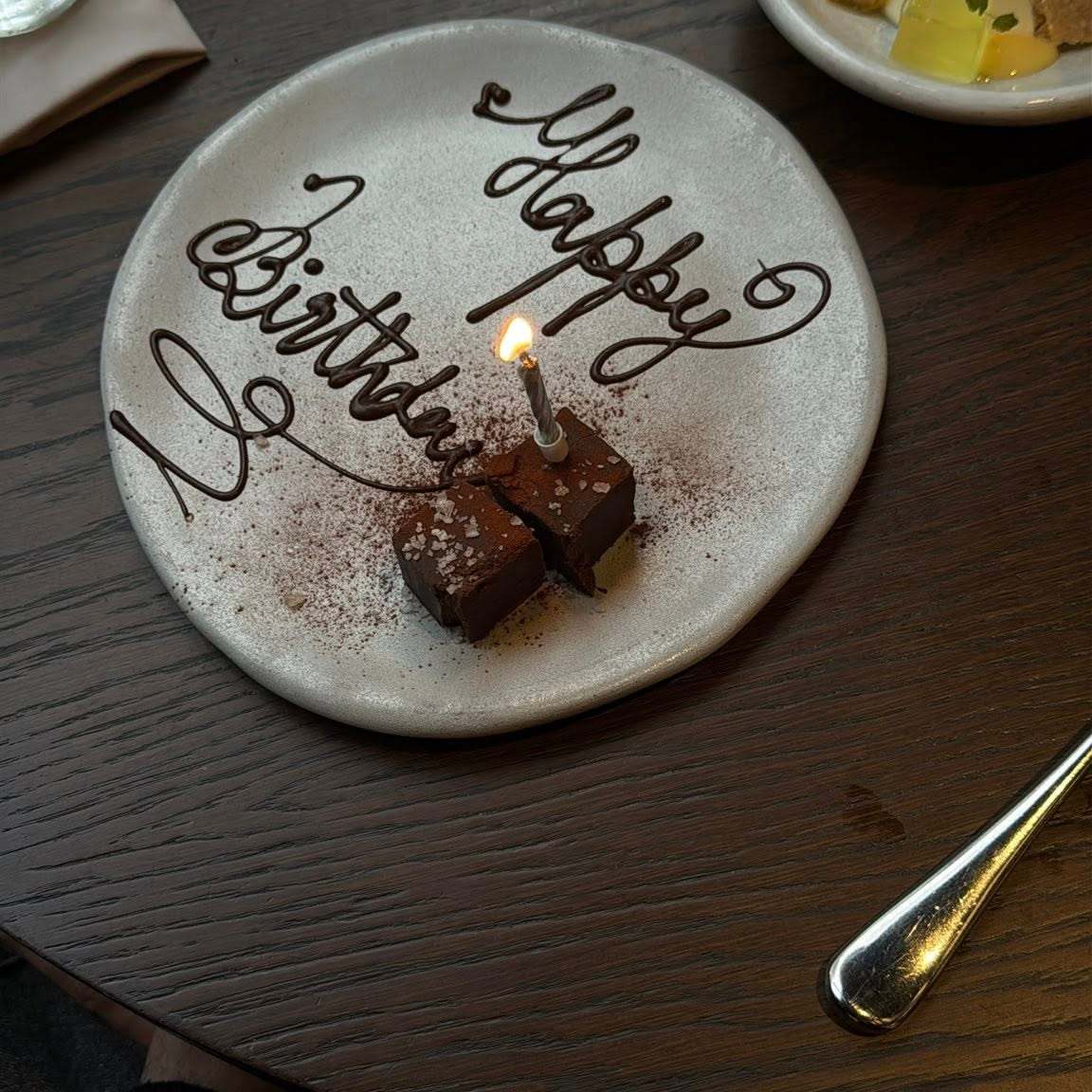
The candle was slightly crooked in the dessert, which somehow made the whole thing better. One small flame leaned a little to one side, lighting your face from across the table while the rest of the restaurant carried on around us. Cutlery moved. Glasses clinked. Somebody laughed two tables away. You looked at the candle for a second, made whatever private negotiation people make with the universe before blowing one out, and then the flame disappeared. I did not ask what you wished for.
I could have, of course. I could have teased you until you told me, or tried to guess from your face, or declared that birthday wishes only work if shared with the person paying attention from the other side of the table. But I left it alone. Some wishes deserve privacy, and after all these years, I think love has taught me that curiosity does not always need to win.
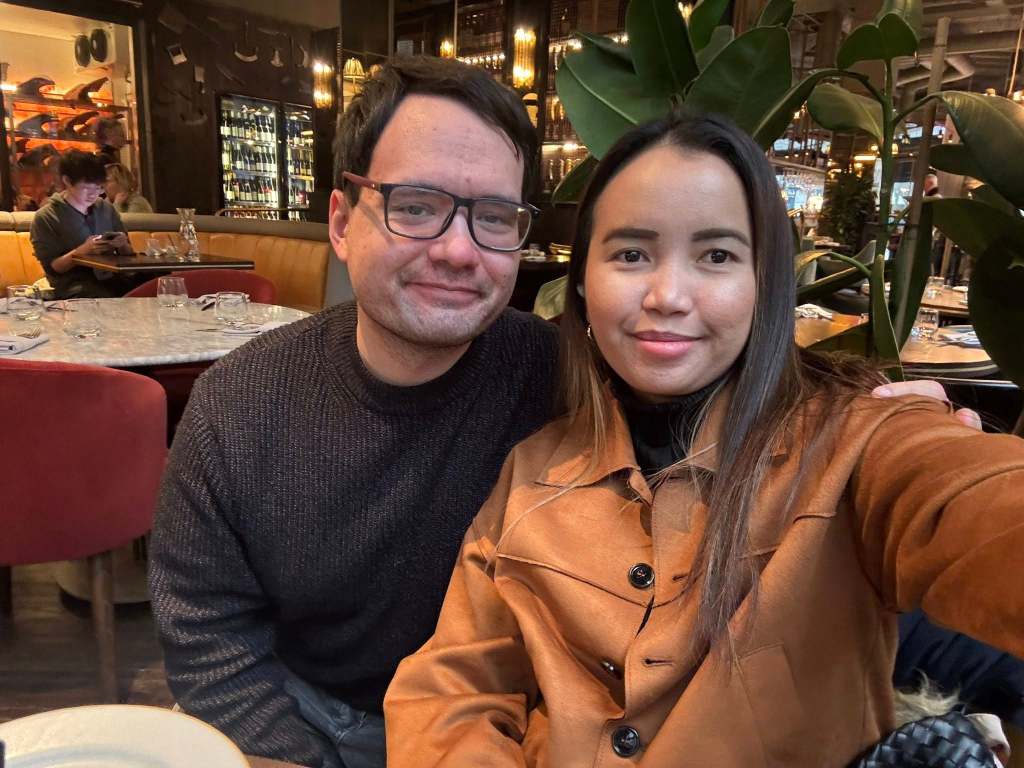
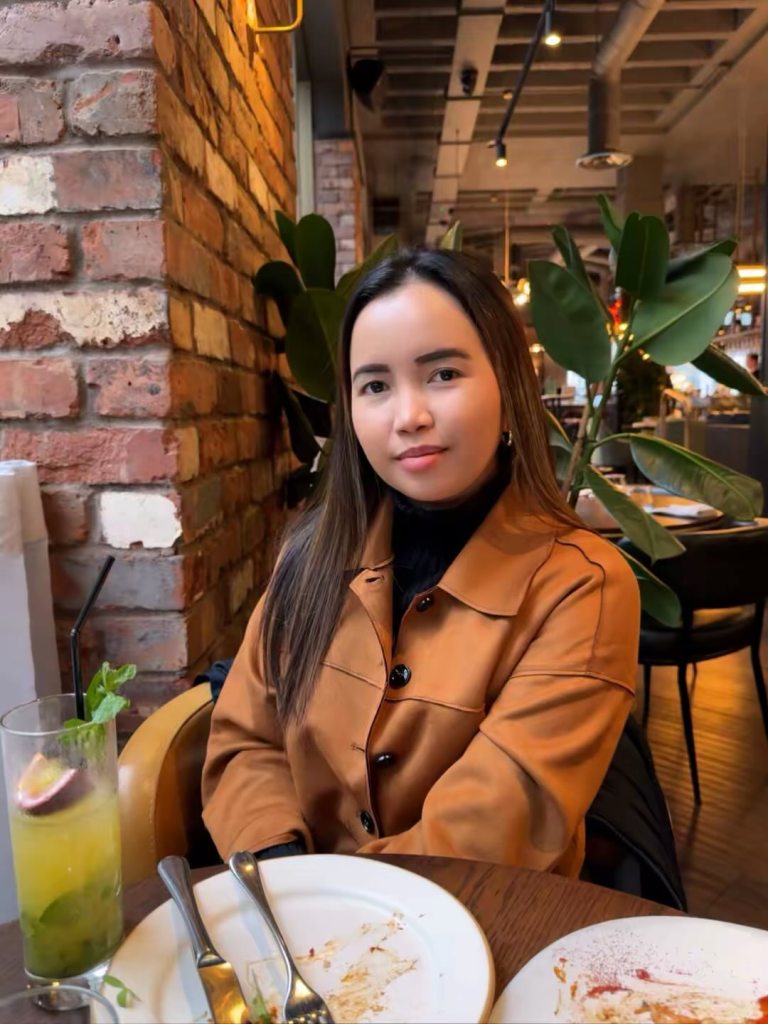
There was nothing particularly grand about your birthday dinner, and perhaps that is why I remember it so clearly. It was simply the two of us sitting beneath warm lights, sharing food and conversation while the evening moved at its own pace. Somewhere between the menu, the dessert and that crooked little candle, I realised that this was exactly the kind of celebration I wanted for us. Not spectacular. Not designed to impress. Just ours.
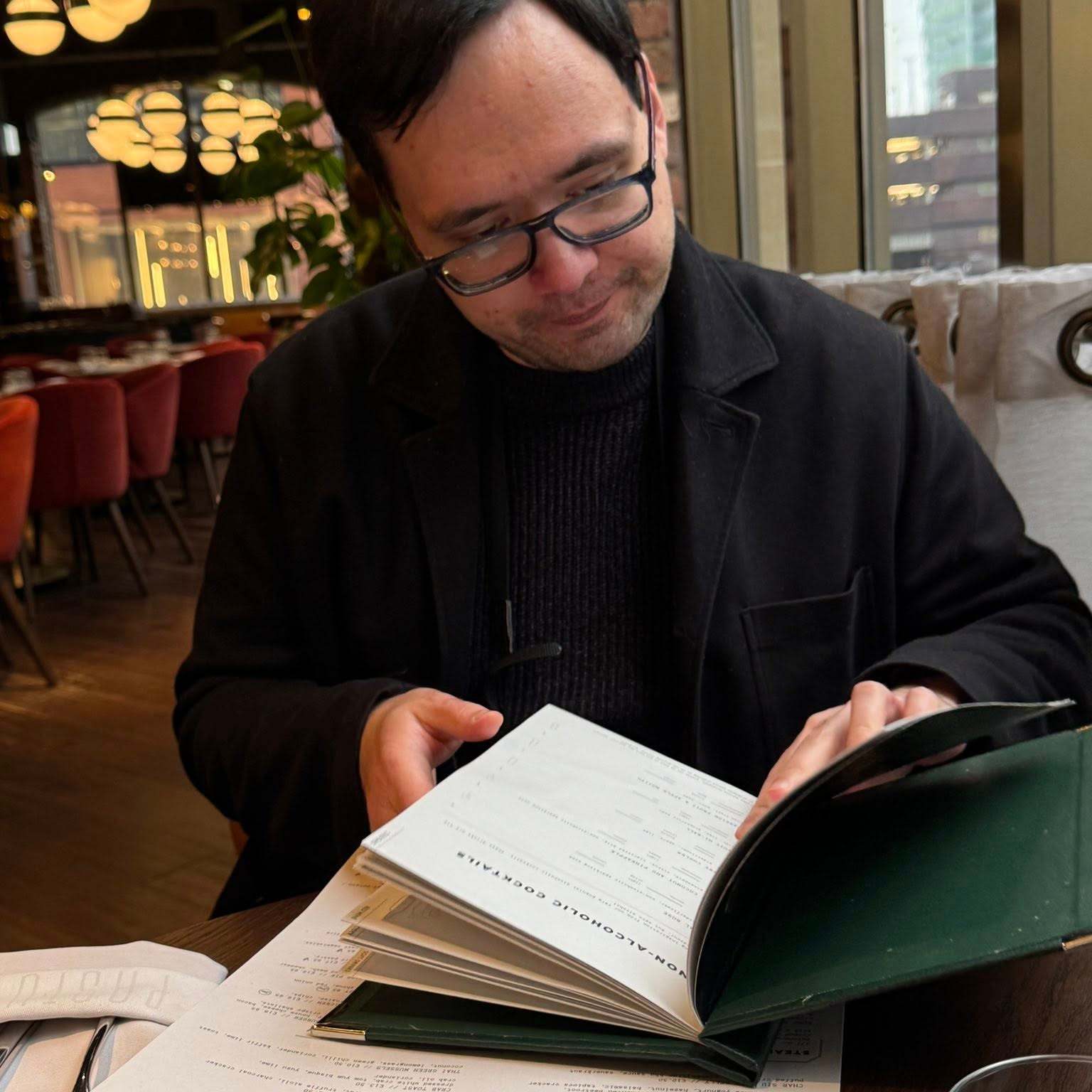
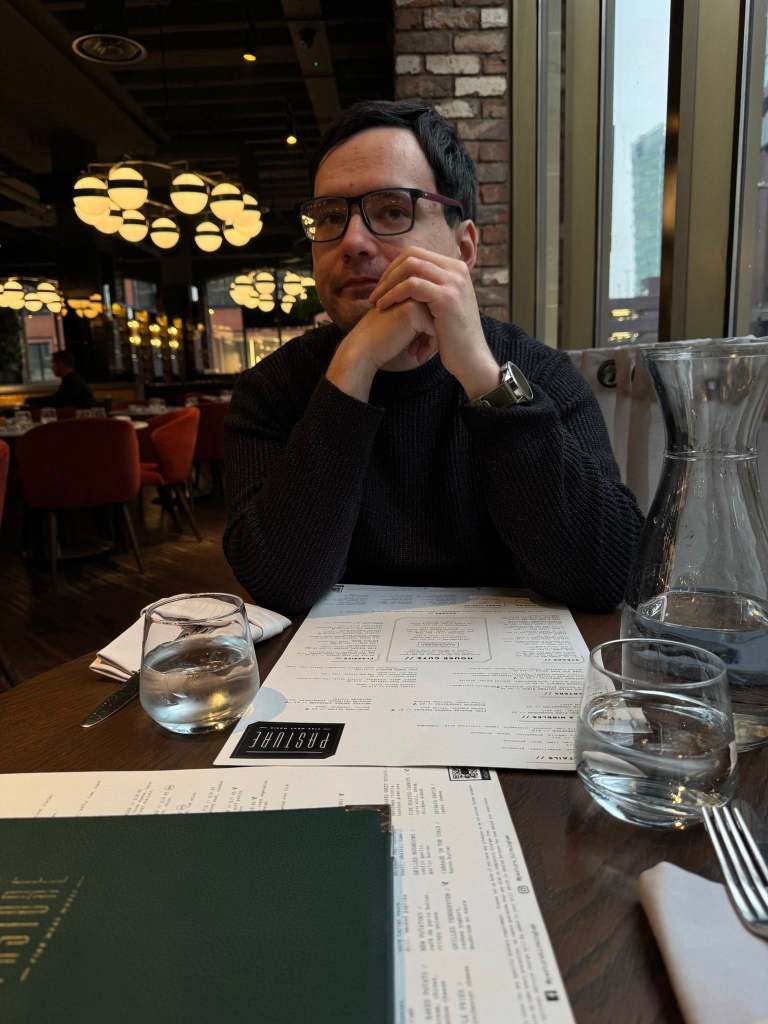
I watched you study the menu with that familiar seriousness of yours, taking your time as though choosing dinner required the same degree of consideration as a major life decision. It made me smile because after enough years with someone, these are the details you end up knowing best. The way they order food. The expression they make when concentrating. The jokes that will work before you even say them. The silences that mean comfort rather than distance. The small habits nobody notices at the beginning because beginnings are too busy being exciting. Love, when it has been around long enough, becomes fluent in details.
I used to think love needed more evidence than that. When I was younger, intensity felt convincing. Reassurance had to be frequent. Affection felt more secure when it was visible, dramatic or constantly confirmed. Perhaps that came from youth, from the stories we grow up consuming, or from not yet understanding the difference between excitement and stability. We are taught very well how to recognise the beginning of love: butterflies, anticipation, confessions, first kisses, the part where somebody runs through an airport because apparently public transport becomes negotiable when romance is involved. Far less is said about what love looks like after it survives enough ordinary Tuesdays.
That is the part I understand better now.
Love after familiarity. Love after you already know each other’s habits. Love when neither person is performing their best version all the time. Love when someone has seen you tired, irritated, worried, overthinking, hungry, sick, ambitious, discouraged and occasionally unreasonable, yet still knows how to sit beside you without requiring the whole relationship to be renegotiated.
Long-term love is less photogenic than beginnings, but I think it is more interesting.
It is somebody knowing when your silence means you are upset and when it simply means you are tired. It is knowing what to bring home from the supermarket without asking. It is remembering the version of a story you have heard seventeen times and allowing the eighteenth performance to proceed with dignity. It is arguing over something absurd, recovering, and later realising neither of you can remember what the original problem was because apparently love can survive disagreement but not always retain minutes from the meeting.
There is a steadiness in you that I have come to value more as I have grown older. You have never needed to fill every silence or turn every feeling into a grand declaration. There is something reassuring in that. Some kinds of love arrive with fireworks and make everyone look up. Others become the lamp left on at home: familiar, dependable and easy to overlook until you realise how much comfort comes from knowing it will be there when you return.
I think I understand the lamp better now. Not because excitement no longer matters. I still love celebrations, surprises, beautiful dinners and all the things that make life feel special. But I have learned that excitement and security are not the same thing. One can make your heart race; the other can give it somewhere safe enough to slow down.
That distinction matters to me more now than it once did.
The candle made me think about birthdays differently too. When we are younger, birthdays are mostly about becoming another year older, receiving presents, eating cake and enjoying the strange temporary authority of being allowed to decide where everyone goes for dinner. Later, birthdays begin to feel less like counting and more like noticing. Another year passes and suddenly you are asking different questions. Who is still here? What changed? What survived? What did we learn? Who witnessed all the unremarkable days between one candle and the next?
We rarely notice ourselves getting older on ordinary mornings. Time is much more discreet than that. It accumulates in habits, routines, photographs, birthdays, tired faces after long weeks, new plans replacing old ones and sentences that begin with, “Do you remember when…?” Then one evening somebody places another candle in front of you and there it is: visible proof that life has been moving while both of you were busy living it.
To grow older beside someone is one of love’s least glamorous and most extraordinary privileges.
It means witnessing another human being in more than polished photographs and celebratory versions. You see the tired version. The uncertain one. The ambitious one. The irritated one. The hopeful one. The one who makes plans and the one who has to change them. You watch each other become different people without necessarily becoming strangers.
I think that is what I value now. Not a relationship preserved exactly as it was at the beginning, because that would be impossible and probably exhausting, but one capable of changing without losing its centre. There was a time when I thought the healthiest love was the one that generated the most feeling. Now I think peace deserves far more credit. Not a relationship without disagreement, because two people sharing a life without ever irritating each other sounds less like romance and more like evidence that one of them has been replaced by a highly agreeable robot. I mean the kind of peace where disagreement does not immediately threaten belonging. Where individuality remains intact. Where silence does not automatically mean danger. Where neither person has to disappear so the relationship can survive.
That matters especially to me because I have been thinking more deliberately about what it means to protect my peace, build healthier boundaries and become more discerning about what I allow into my life. For a while, I think choosing yourself is sometimes misunderstood as needing nobody. As though independence is proved by becoming emotionally self-sufficient enough to require no one at all.
I do not want that.
I want to remain fully myself while still choosing to share a life with someone else. I want individual dreams and common ones. Private thoughts and shared conversations. Separate interests and traditions that belong only to us. I want a relationship where love does not require one person to shrink so the other can feel larger.
Perhaps mature love is not two incomplete people finally finding the missing piece. Maybe it is two whole people repeatedly deciding that certain parts of life are richer when shared. That version of love makes more sense to me now. It also feels more sustainable.
Because real intimacy is rarely built from spectacular gestures alone. It is built through repetition. Showing up. Listening. Making room. Apologising. Adjusting. Forgiving. Annoying one another. Laughing again. Remembering what matters. Forgetting where you put the keys. Asking what the other person wants for dinner despite knowing neither of you has any useful ideas. The small acts are individually unimpressive, but together they become a life.
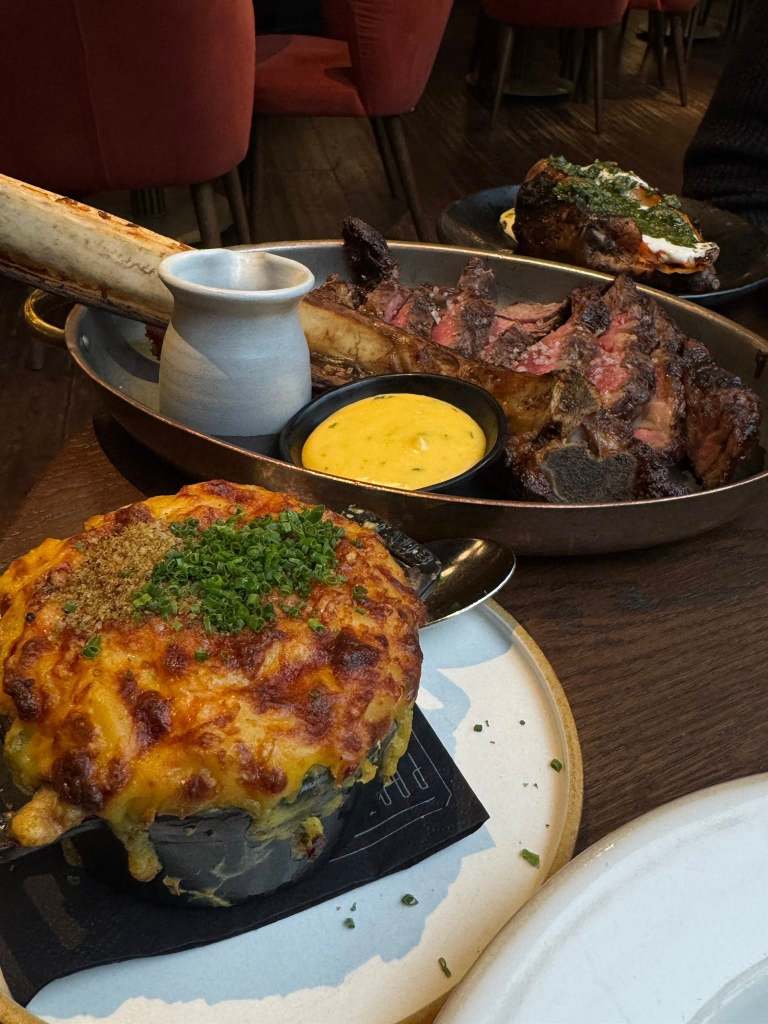
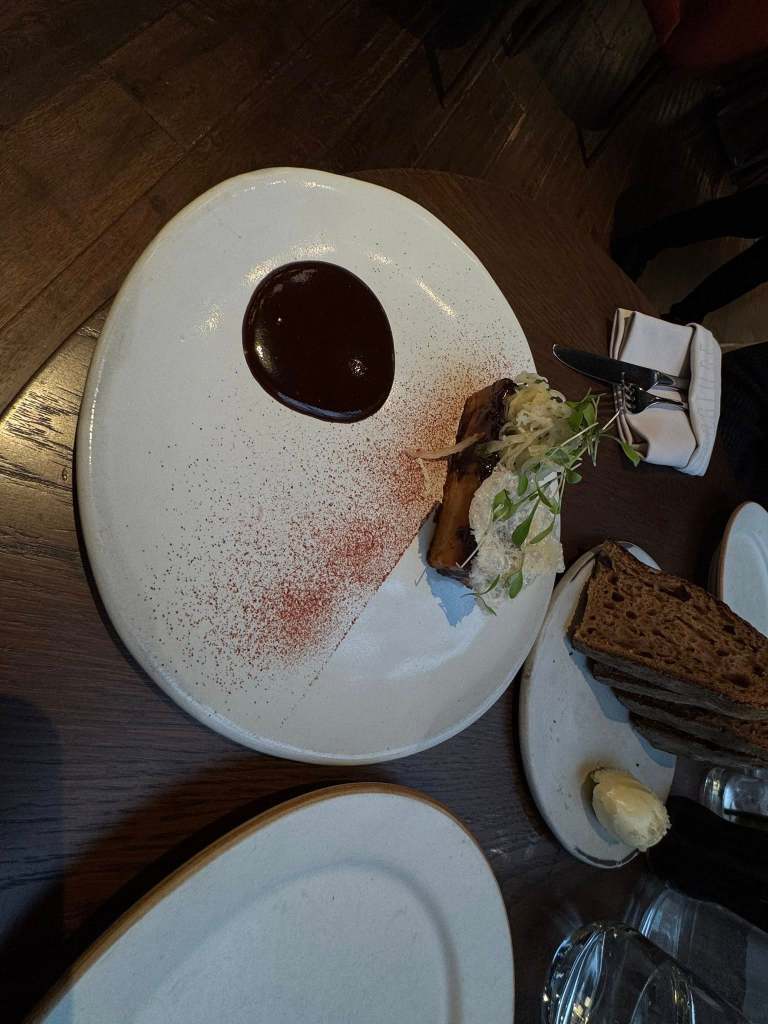
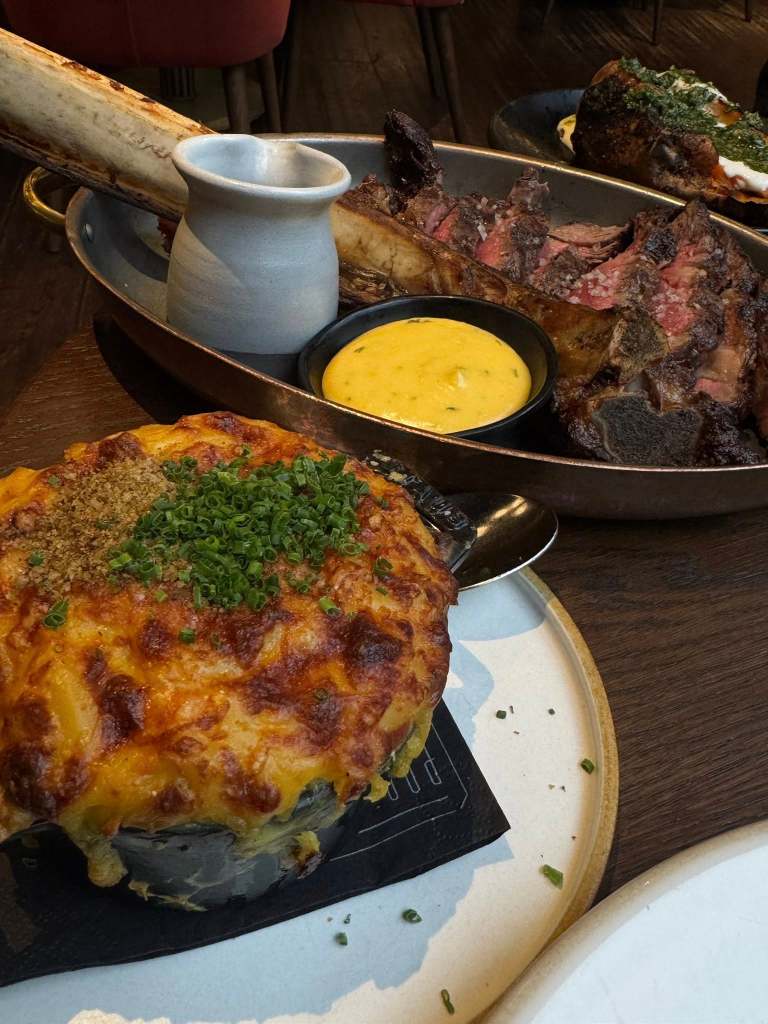
That evening reminded me that love does not always need to prove itself. It does not need to generate spectacle to remain valuable. Sometimes the whole thing can fit inside a table for two. Food in front of us. Your face across from mine. A conversation that would mean nothing to anyone listening nearby. A candle leaning slightly to one side. For a few hours, the world required nothing more from us.
I am beginning to think those are the moments that become more valuable with age. Not always the carefully constructed ones, but the ones where you suddenly realise, I am happy to be here. There is enormous wealth in that sentence.
Life will not always offer warm lighting and birthday desserts. There will be work, exhaustion, family responsibilities, changing plans, disappointments, uncertainty and all the unphotographed realities that come with building a life beside someone. Love does not exempt us from any of that. If anything, relationships reveal themselves most clearly in how two people move through ordinary pressure without forgetting why they chose each other in the first place.
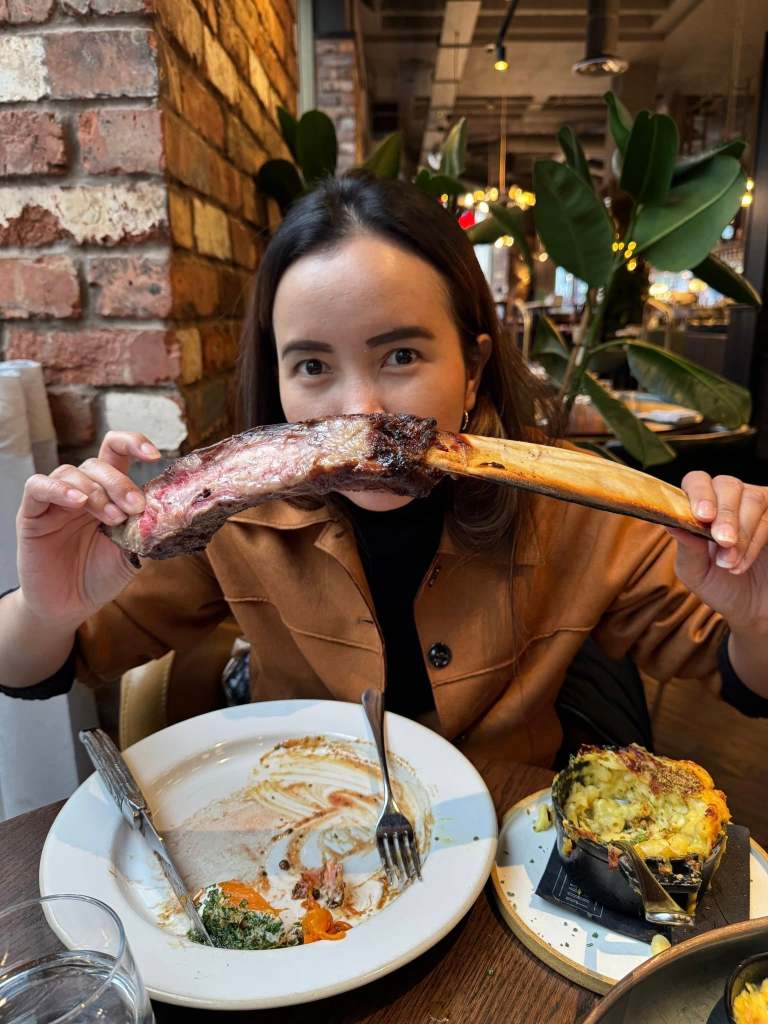
That may be the love story I find most compelling now. Not one permanently suspended at its romantic beginning, but one allowed to age. One that becomes less concerned with proving itself and more interested in becoming dependable. One capable of surviving boredom as well as excitement, routine as well as celebration, ordinary Wednesdays as well as birthdays.
Years from now, I may forget exactly what we ordered that evening. I may forget what time we arrived, what music was playing or what I was wearing. Photographs will preserve certain details and quietly lose others. But I hope I remember the feeling of looking across the table and understanding something I spent years trying to define.
Love does not always need to make your heart race.
Sometimes its greatest gift is giving your heart somewhere safe enough to rest. And that brings me back to the candle. I still do not know what you wished for. I do not need to.
While you looked at that small flame from one side of the table, I was making a wish of my own from the other. Nothing dramatic. Nothing requiring orchestral music, rose petals or divine choreography. I simply hoped that whatever years are given to us, we keep finding one another in moments like that.
Across tables. Through changing seasons. During celebrations and completely ordinary days. Still ourselves. Still growing. Still capable of irritating one another over minor things and laughing about them later. Still making room for the people we are becoming rather than demanding that we remain exactly who we were when this story began.
I hope we keep choosing the shared view.
So happy birthday, Jan. I never asked what you wished for, and I still will not.
But quietly, from the other side of the table, I wished for more time. Not frozen time. Not perfect time. Just more ordinary years in which we are both still here to watch the candles disappear.
Still wishing from the other side of the table,
Anj ♥


































Leave a Reply