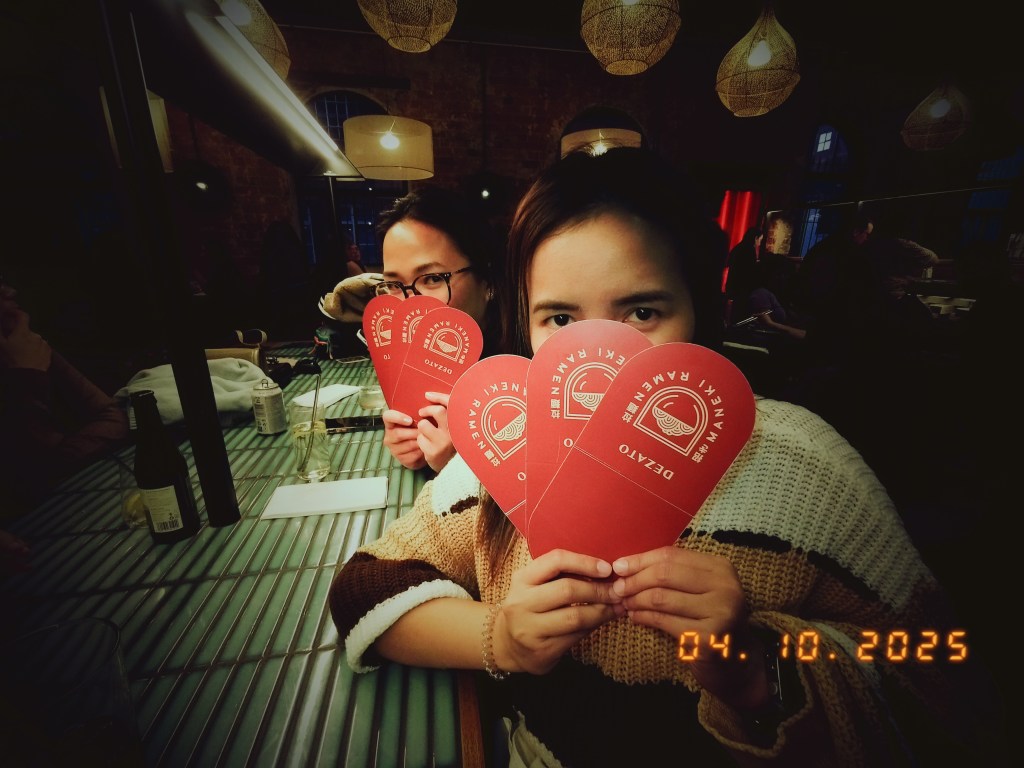
The table was too small for our history and too large for the number of people who actually made it there. Bowls of ramen steamed between us, glasses shifted around elbows, chopsticks wandered dangerously close to dishes they had not been assigned to, and several empty spaces quietly reminded me that six years can do a great deal to nine people. Some of us were sitting inside Maneki Ramen in Birmingham. Others were elsewhere in the UK, in London, across the Atlantic in America, or simply caught by the ordinary machinery of adult life. Yet somehow, while looking around that table, I could still see nine.
Six years earlier, the nine of us were still conveniently located inside the same chapter. Life had not yet begun scattering us across cities, countries, careers and increasingly impossible calendars. Back then, plans could still be made without consulting three rotas, two family commitments, one annual-leave request and a group chat containing seventeen versions of “What about next weekend?” We did not know who would move, who would stay, who would change direction or how thoroughly adulthood would complicate the simple business of having dinner together. The future, apparently, already had a seating plan. It simply had not shown it to us yet.
We called ourselves batchmates because that was the practical word. It sounded wonderfully administrative, almost as though friendship had been included somewhere in the recruitment package between occupational health and mandatory training. Nine nurses, one shared beginning and a considerable amount of figuring things out as we went along. None of us could have known then how much life would be squeezed between those early days and a ramen table six years later.
Back then, closeness came more naturally because so much of our lives overlapped. We were learning Britain together. The NHS had to be understood not as something described during recruitment but as an actual living system full of policies, abbreviations, routines, expectations and people who could somehow compress an entire sentence into a sound I was expected to interpret clinically. We were already English speakers, of course, but British English occasionally behaved as though it had received instructions not to make things too easy for us.
There were the little vocabulary negotiations. Loo. Crisps. Trolley. Cheers, which could apparently mean thank you, goodbye, acknowledgement, agreement and possibly several additional things depending on tone and proximity to a pub. Then there was the ongoing international disagreement regarding the pronunciation of schedule, which I will not attempt to resolve here because six years in Britain has taught me that maturity sometimes means recognising which wars are not worth restarting.
We learned night shifts in a new country too, although “learned” may be generous. The human body technically allows a person to remain awake at three in the morning while making important clinical decisions, but this should never be mistaken for enthusiastic consent. Coffee stopped being a beverage and became a colleague. There were nights when we were sharp, efficient and impressively professional, and others when somebody said something completely ordinary at 4:17 a.m. and the rest of us laughed as though comedy itself had only just been invented.
Those early years accumulated firsts almost without us noticing. First payslips. First flats. First Christmas away from home. First encounters with British winter when we realised that some of the coats we had confidently packed were decorative rather than protective. First attempts at understanding bills, transportation, paperwork and the astonishing amount of administration required merely to exist successfully as an adult.
Moving abroad, I discovered, is partly a long sequence of victories too boring to appear in photographs. Opening a bank account. Registering somewhere. Finding accommodation. Understanding a payslip. Learning which bus actually goes where the timetable claims it goes. Discovering which supermarket carries the Filipino ingredient you have been craving. Eventually you become so competent at navigating your adopted country that you forget there was once a version of you who found all of this intimidating.
I think about that younger version of myself sometimes. She deserves more credit than I probably gave her while I was busy criticising everything she had not yet figured out.
Homesickness was harder to domesticate. There is no registration form for missing home. No induction booklet explains how to celebrate milestones while mentally calculating the time in the Philippines, how to finish a difficult shift and suddenly want a familiar voice, or how strange Christmas can feel when the people who usually make it Christmas are several thousand miles away. We learned to build substitutes where we could. Friends became emergency family. Shared meals became occasions. Somebody’s flat could become the closest thing to Cebu for an evening if enough Filipinos, rice and laughter were gathered inside it.
Then the pandemic arrived and altered the meaning of being nurses abroad altogether. There are pieces of those years I doubt any of us will ever need photographs to remember. Masks. Exhaustion. Fear carried discreetly underneath uniforms. Tears postponed until there was somewhere private to have them. Going to work while much of the world had been told to stay home. Reassuring family thousands of miles away when we were not always particularly reassured ourselves. There were experiences we probably did not have enough language for at the time, and perhaps still do not.
Life continued anyway, because life is inconsiderate like that. Promotions came. Careers changed. People moved. Relationships evolved. New plans replaced old ones. Some settled in other parts of Britain, some moved towards London, others eventually crossed the Atlantic. The nine people who had once existed within convenient reach of one another gradually acquired separate maps.
Adulthood, it turns out, is remarkably efficient at redistributing people.
There was once a time when meeting could begin with something as simple as, “Where are you?” Six years later, arranging dinner had started to resemble diplomatic negotiations. Rotas had to be compared. Weekends inspected. Annual leave considered. Family commitments consulted. Somebody would suggest a date, another would be working, another unavailable, and the group chat would produce yet another hopeful, “How about the week after?” Getting several adult nurses into one restaurant at the same time now requires organisational skills that should probably count towards continuing professional development.
Somehow, though, we managed it.
We were not complete at Maneki Ramen, but perhaps expecting completeness after six years would have missed the point entirely. The restaurant felt right precisely because it was not one of our old familiar places. We were celebrating the same history somewhere new, which seemed an unexpectedly accurate description of what had happened to us: same people underneath, but with different addresses, careers, responsibilities, hairstyles, priorities and dramatically reduced enthusiasm for staying out late.
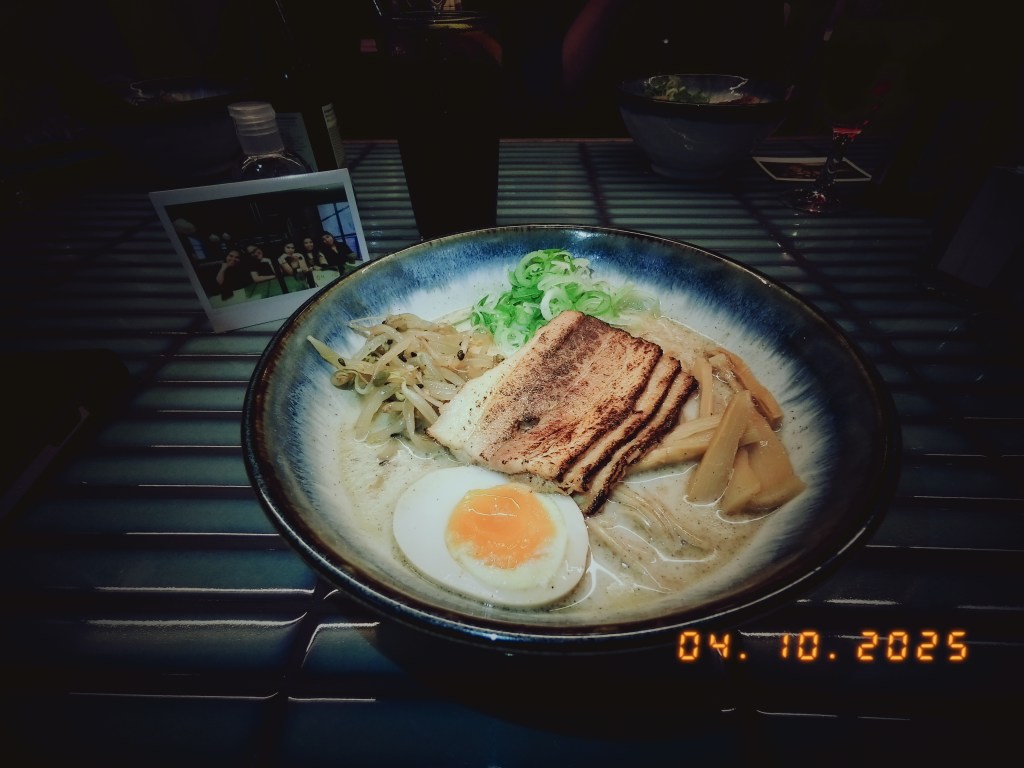
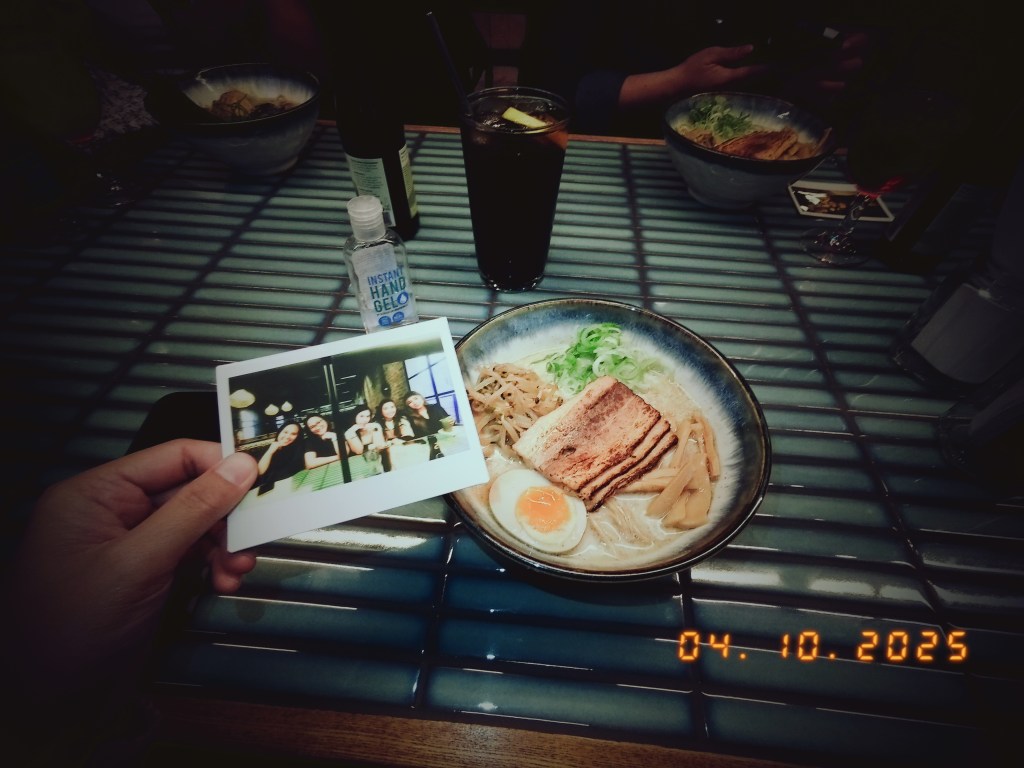
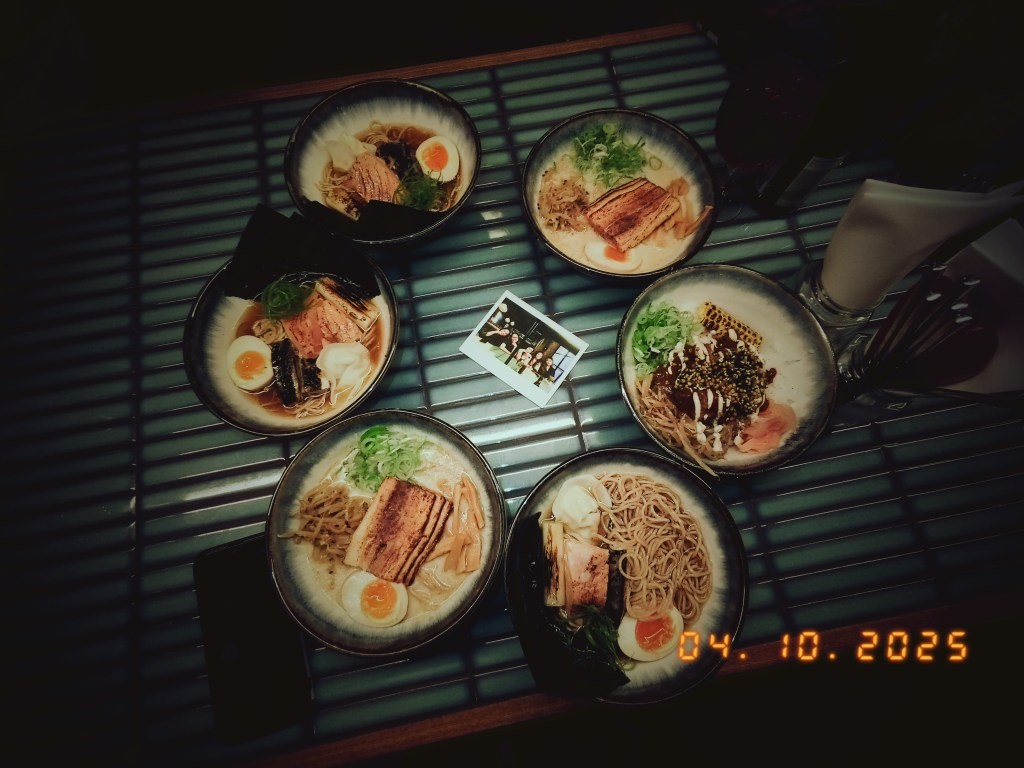
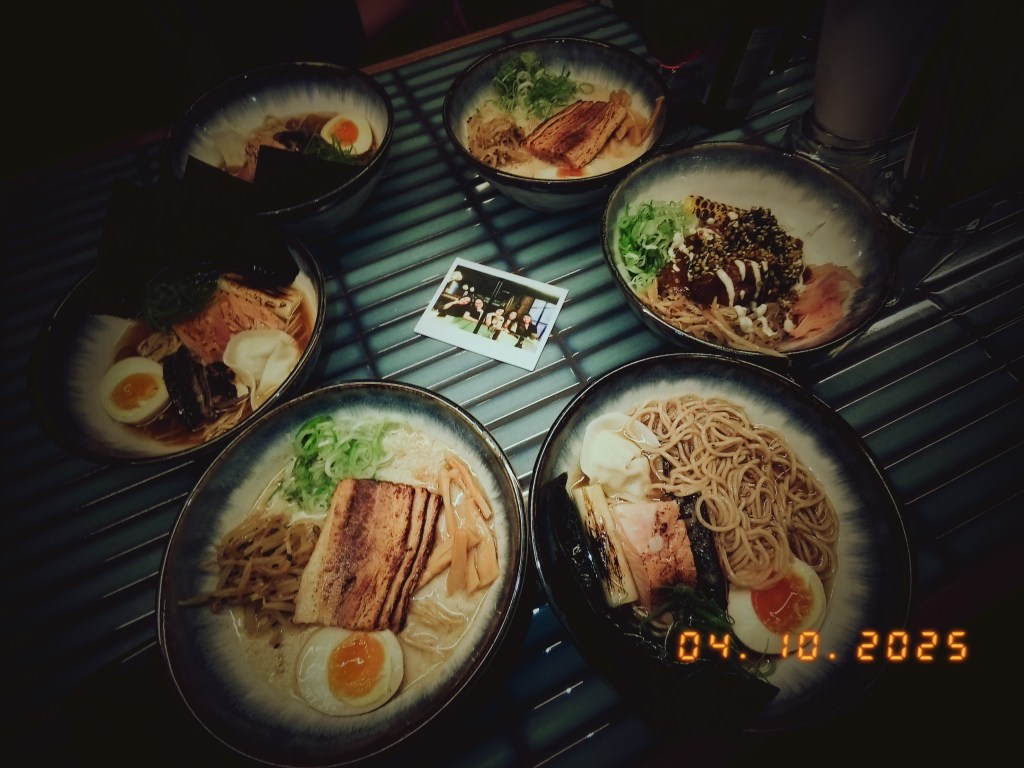
The room was warm against Birmingham’s October chill. Steam rose from the bowls when they arrived, carrying the rich smell of broth across the table. Conversations began before everybody had properly settled, updates overlapped with jokes, and one story was usually interrupted by another. Before long, food had begun travelling between people because apparently several Filipinos ordering individual meals is merely the preliminary administrative stage before everything becomes communal. There is no enduring concept of your food once curiosity starts reaching across a Filipino table. There is only communal research: a spoonful here, a taste there, “Try this,” “What did you order?” and “Is yours spicy?” Within minutes, everyone has somehow conducted a comparative study despite having perfectly adequate meals of their own.
Looking around that table, I kept seeing the people we had been underneath the people sitting there now. I could still picture the newly arrived nurses, the ones learning their workplaces, figuring out a new country and carrying ambitions whose final shape none of us could yet predict. Six years is enough time for old photographs to begin behaving like evidence from another civilisation. We looked younger, obviously, although I would appreciate the photographs demonstrating this with sensitivity.
Our conversation kept returning to where everyone was now: work, homes, relationships, plans, saving, moving, family, careers and the peculiar logistics of adulthood. There was teasing, naturally, because some friendships develop a language that does not require much updating. An old joke can disappear for months and then walk straight back into the conversation as though it merely stepped outside for a cigarette. There were pauses too, but not uncomfortable ones. They were the kind of pauses that happen between people who share memories too large to retell every time they meet.

There are people who remember you before your present title, before the latest promotion, before the house, before whatever version of adulthood you currently present to the world. They remember the chapter when you were still figuring things out because they were standing somewhere in the same chapter themselves. Work taught me ambition. Migration taught me independence. Friendship taught me that success can feel strangely hollow if nobody remembers how uncertain the beginning once was.
Titles matter, pay grades matter, qualifications, promotions, savings, houses and career milestones matter because they represent years of work. But there is another kind of wealth in sitting opposite somebody who knew you before any of those things existed and requires no explanation of why arriving where you are now matters.
Gratitude has changed as well. At the beginning, I was grateful for the enormous things: a job, an opportunity, the chance to build a different future. Six years later, gratitude has become more observant. A safe journey home after nights. Enough money to help family. A colleague who understood without needing a lengthy explanation. A friend who appeared with food. A message received at exactly the right time. Another year in which the people I care about are still reachable.
Perhaps gratitude matures by learning to notice ordinary survival. Six years abroad is not one continuous heroic act. It is thousands of ordinary days stacked on top of one another: getting up, going to work, paying bills, learning, making mistakes, missing home, laughing, starting again, cooking dinner even when takeaway feels spiritually justified, calling family, showing up, resting badly and trying again tomorrow.
The empty places around our metaphorical table did not make the gathering incomplete in the sad way I might once have imagined. If anything, they reminded me that life had continued beyond that room. People were absent because their stories had expanded. Someone had moved. Someone had commitments elsewhere. Someone was building another chapter in another country. Maybe that is what growth looks like when viewed from a friendship group: fewer people automatically available on a Saturday, but more lives being built.
By the end of dinner, the bowls were emptier, our phones contained more photographs and the conversation had travelled through six years without bothering with chronological order. Somebody eventually made the inevitable observation that we were getting old, and we laughed because it was funny, but also because there was photographic evidence and denial had become increasingly difficult to maintain.



Getting older abroad has given me an unexpected tenderness towards the people we once were. Those nine younger nurses could not see very far beyond the lives immediately in front of them. They could not know about the pandemic, future career changes, relocations, relationships, difficult seasons, victories or the extraordinary scheduling difficulty involved in organising ramen six years later. They simply kept going, and I think they did rather well.
Perhaps that is what I wanted to celebrate that evening more than the number six itself. We were no longer all standing together in the same place, but maybe that was never supposed to be the measure of whether our beginning mattered. A shared beginning does not require a shared destination. Sometimes loving people means being genuinely pleased that their lives became large enough to take them somewhere you could not follow. Perhaps success is partly that: not keeping everybody beside you, but learning how to cheer when somebody’s road bends away from yours.
As the evening ended and we eventually stood to return to our separate lives, I looked at the table again. There were used bowls, glasses, napkins, phones and little traces of an evening that would soon be cleared away for whoever came next. Some chairs had been occupied, while others existed only in my imagination, reserved for people who could not make it. Suddenly, the table seemed considerably larger than the restaurant had provided.
📸 Photos taken yesterday – Birmingham

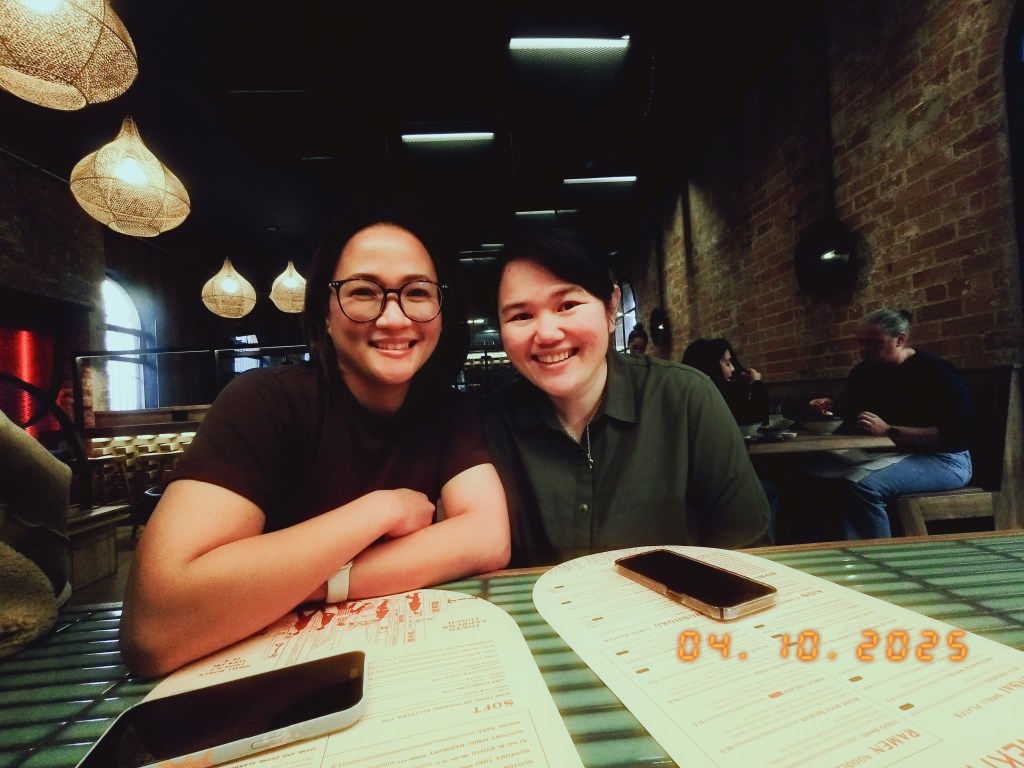
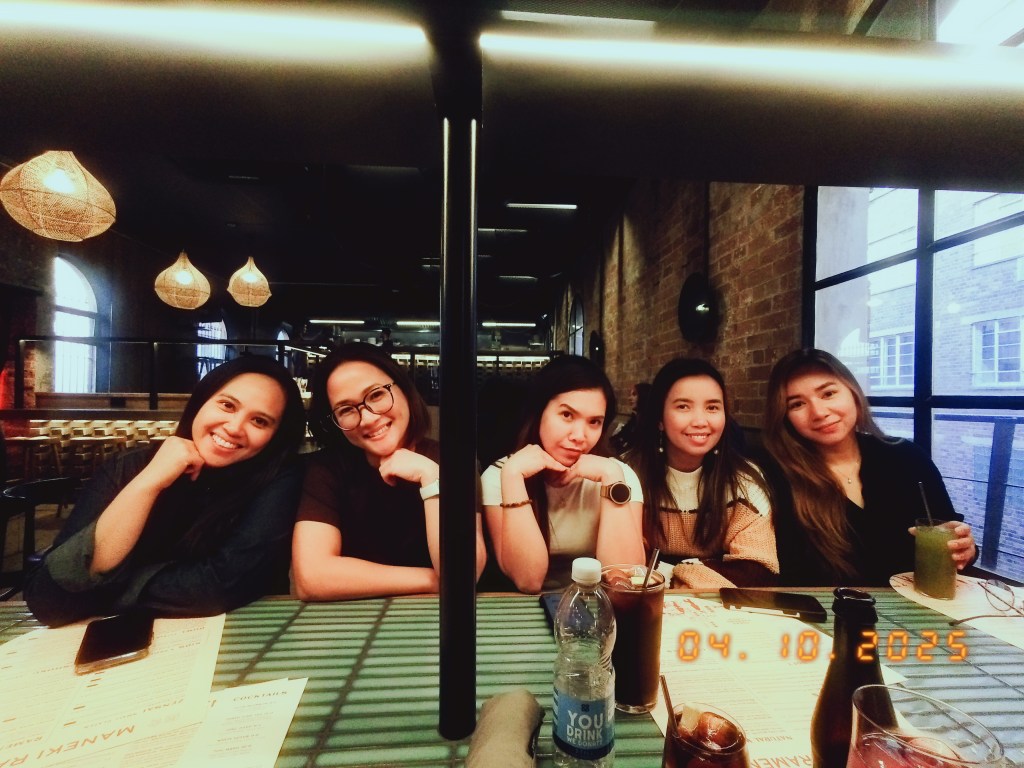
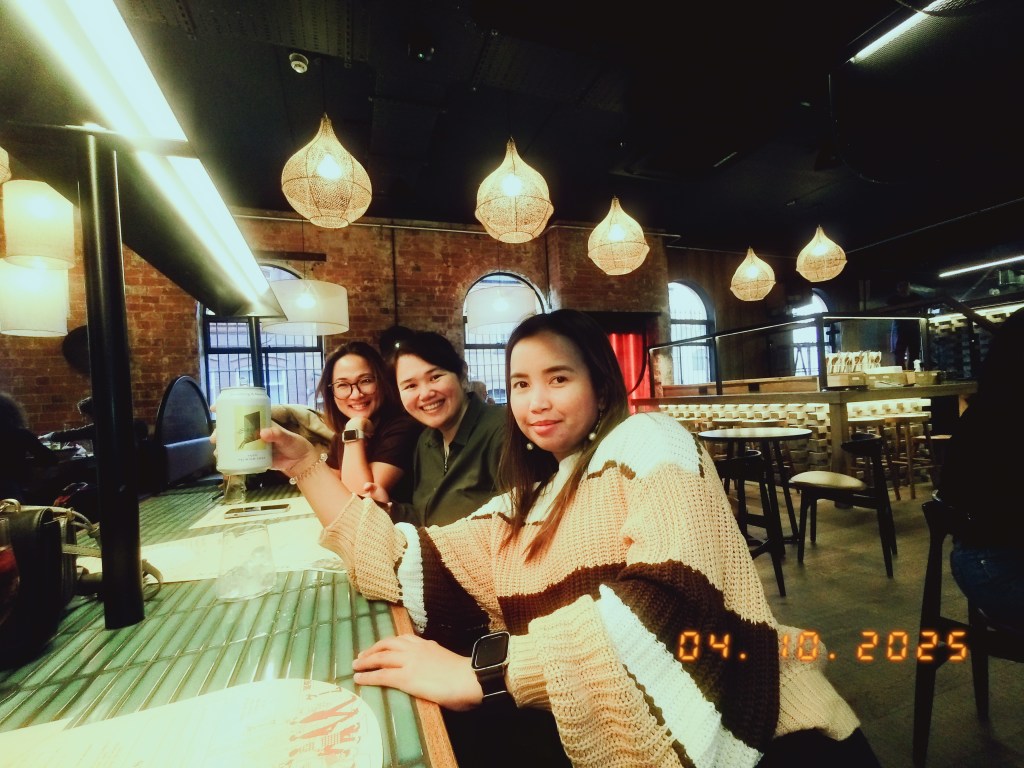
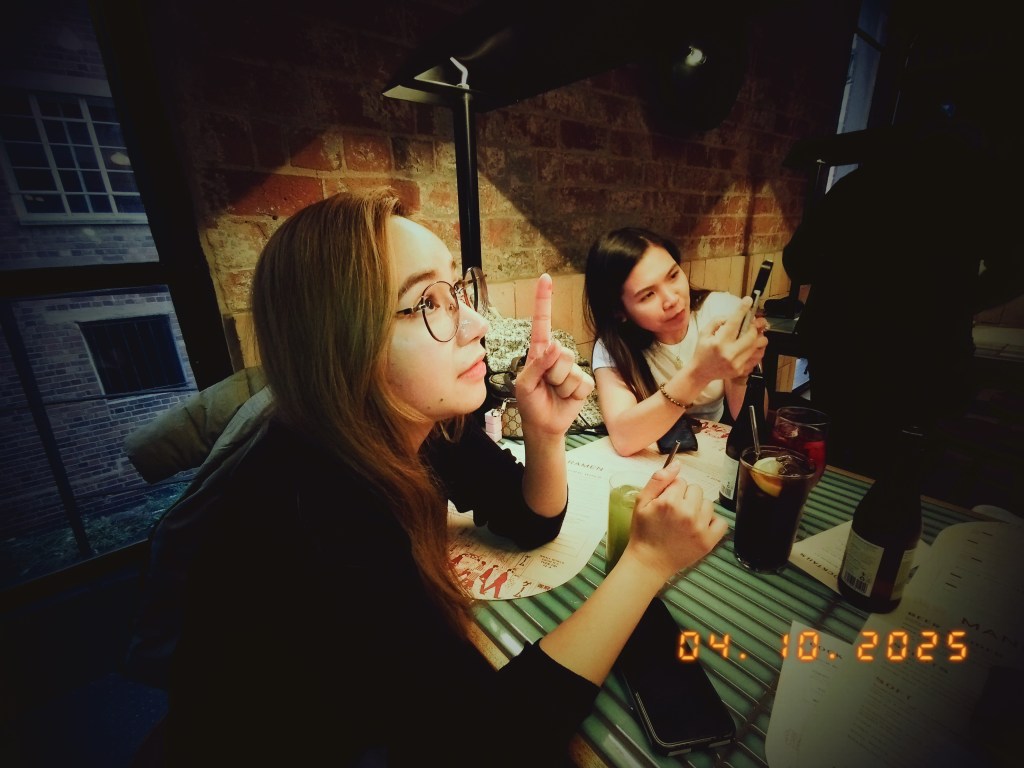

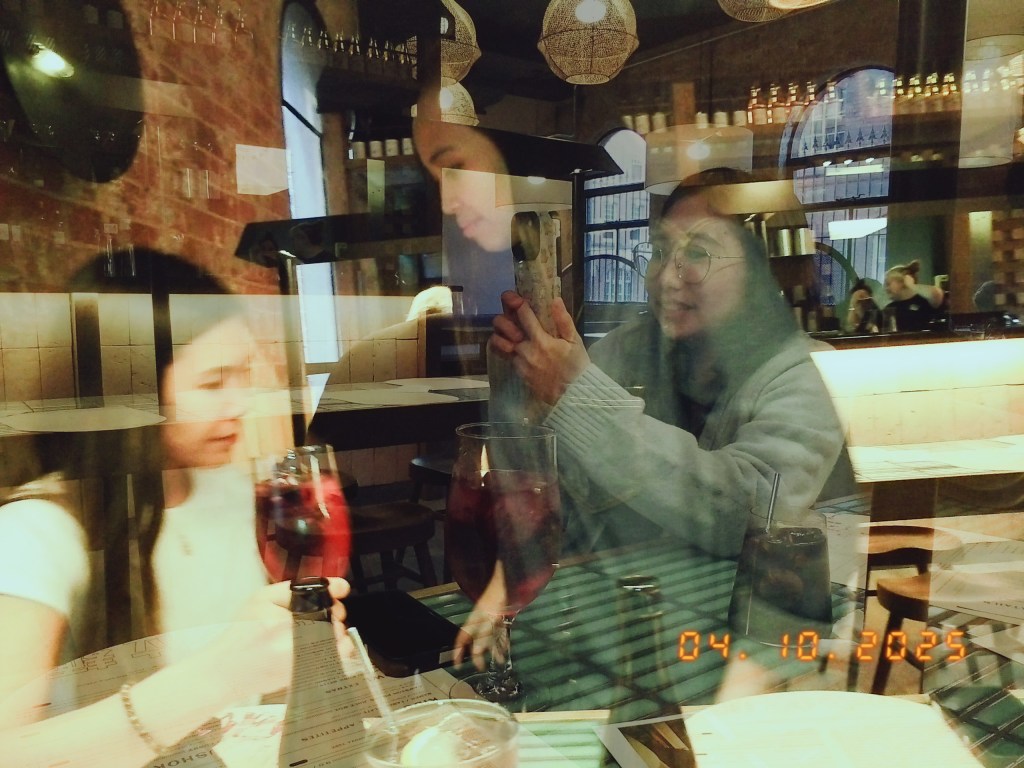
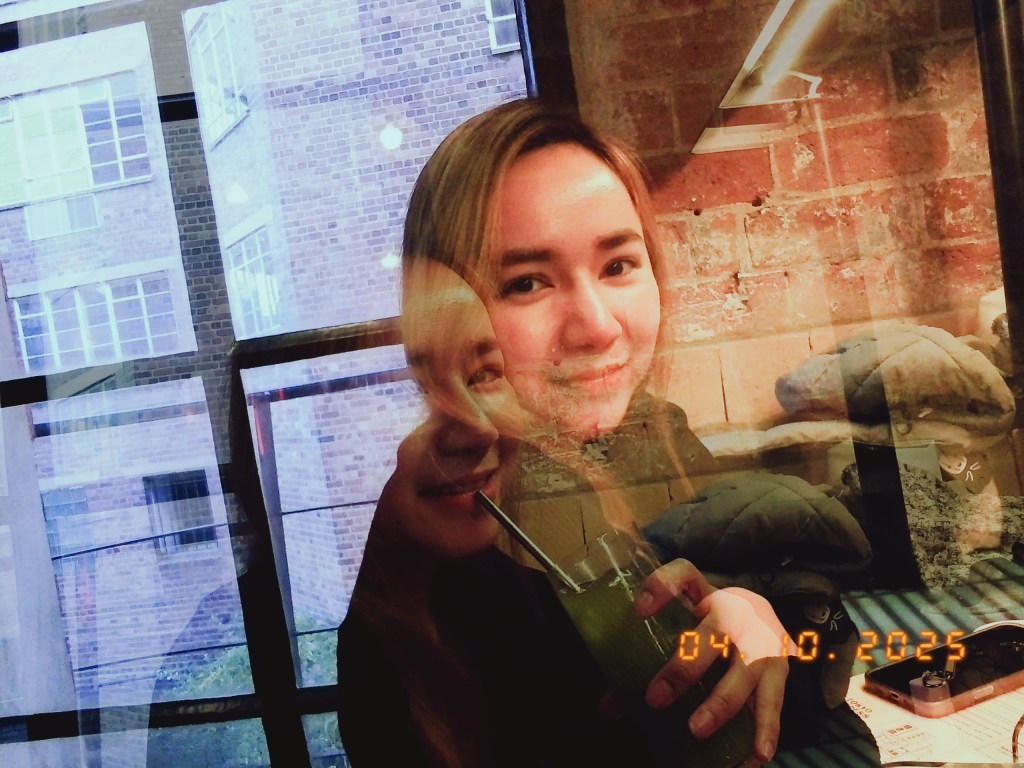
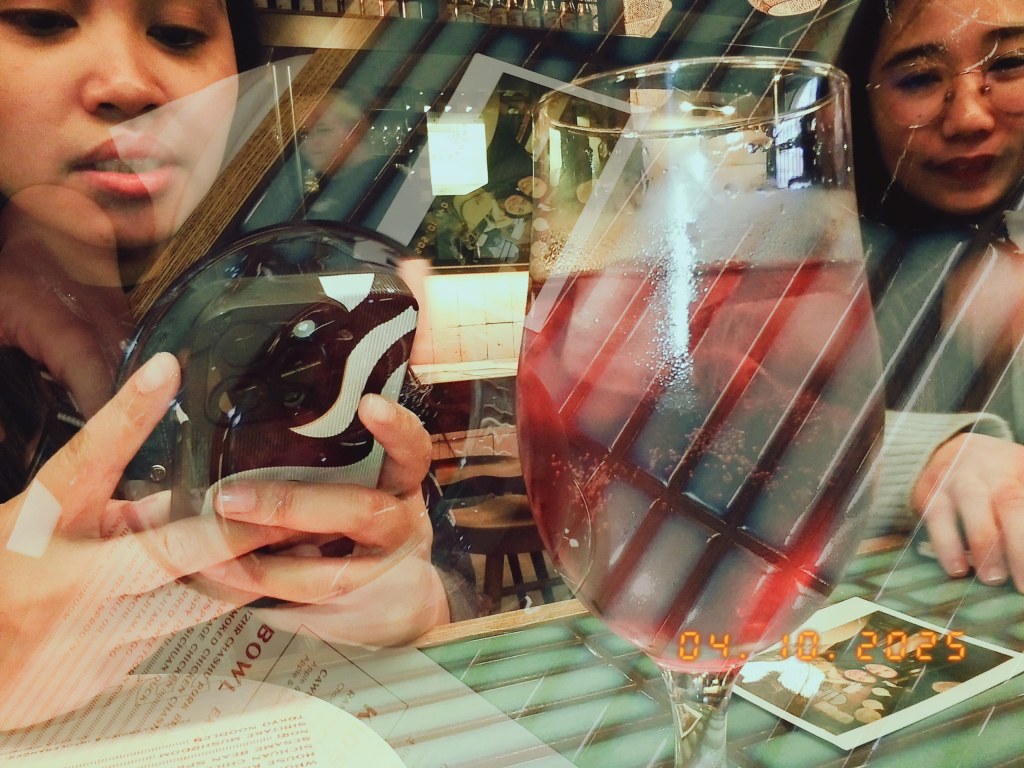
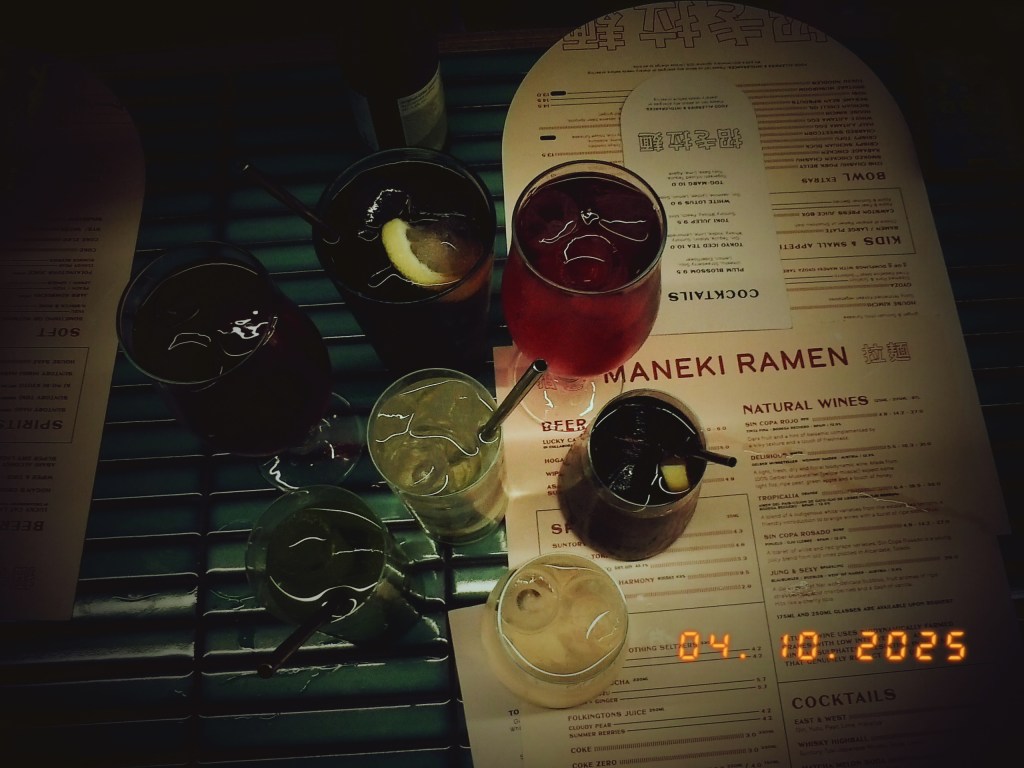
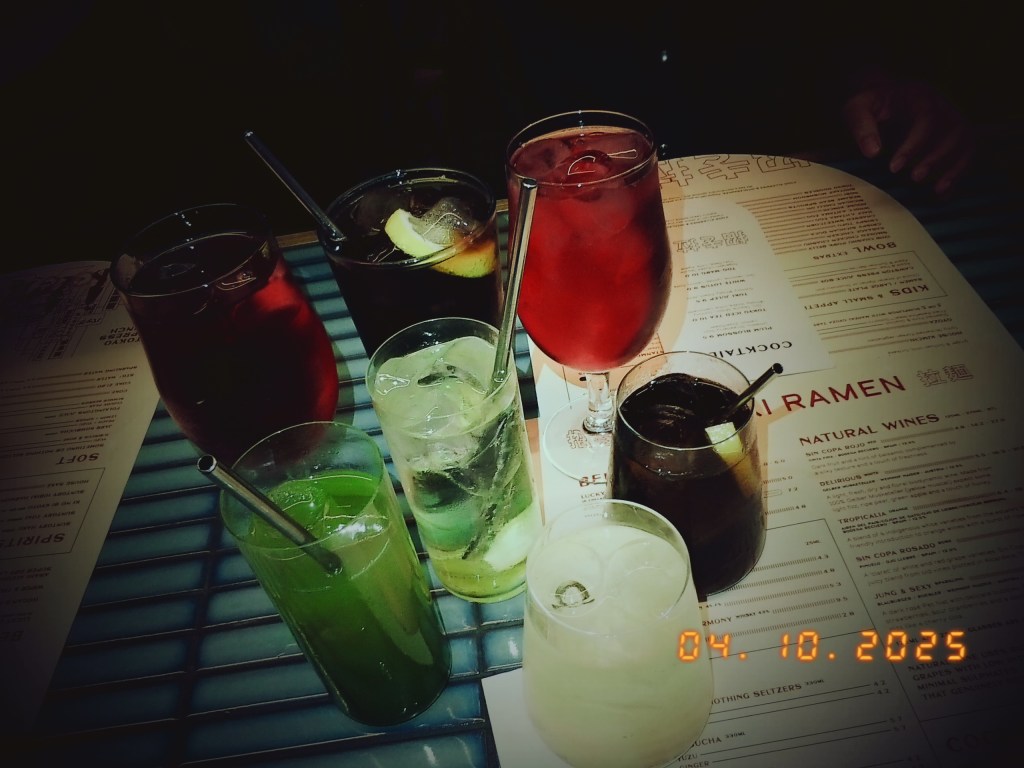
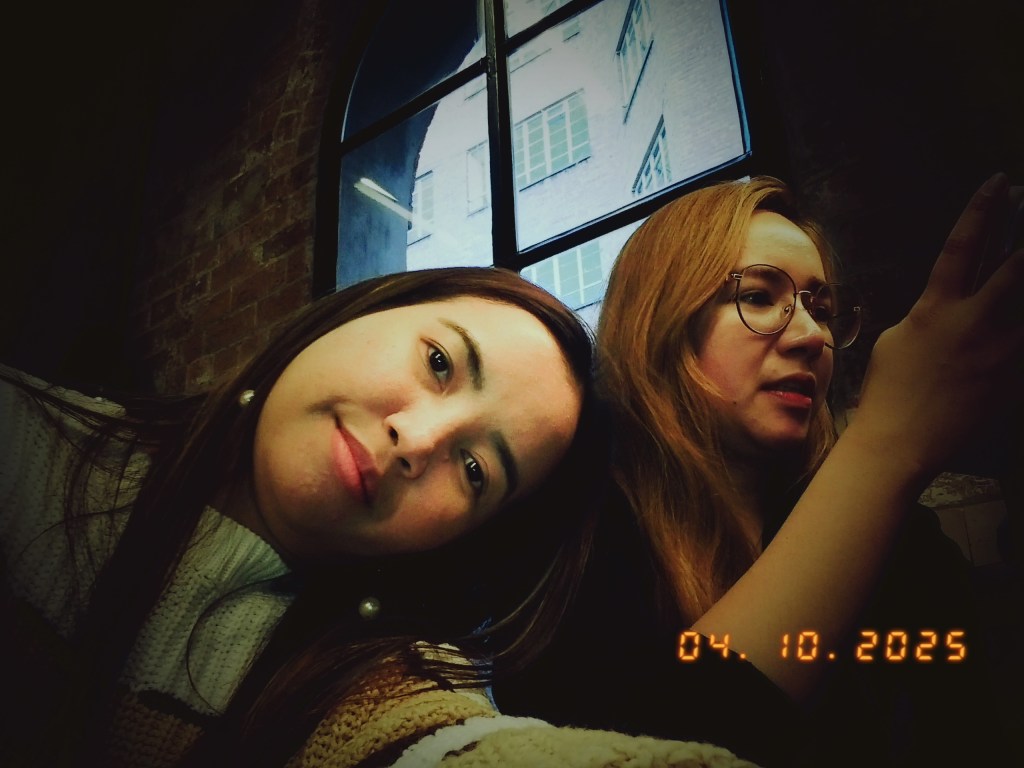
Six years earlier, nine of us were still conveniently inside the same chapter. By that evening in Birmingham, several chapters had opened at once, written across different cities, careers and even countries. We could no longer fit everybody around one table whenever we wanted, but perhaps tables have a different kind of memory. They remember who once gathered. They remember the meals that stretched into conversations, the laughter, the updates, the absent friends mentioned as naturally as though they had only stepped outside, and the strange comfort of sitting with people who understand a beginning nobody else can fully reproduce.
The chairs may change, the addresses certainly have, and so have we. But somewhere beneath the steam of ramen, the teasing, the missing faces and six years of life that had somehow accumulated between one gathering and the next, I could still see all nine of us. The table remembered, and so did I.
Still carrying home in more than one direction,
Anj🖤


































Leave a Reply