
What’s your go-to comfort food?
There are days when comfort becomes a currency too rare. The kind of day that starts with silence louder than the alarm clock, when the sky hangs heavy and the world feels tilted just enough to throw your heart off balance. On those days—when the shift ends but the ache lingers, when the small sadnesses pile up like dishes left in the sink—I don’t reach for wine or cake or fancy takeout.
I reach for monggo.
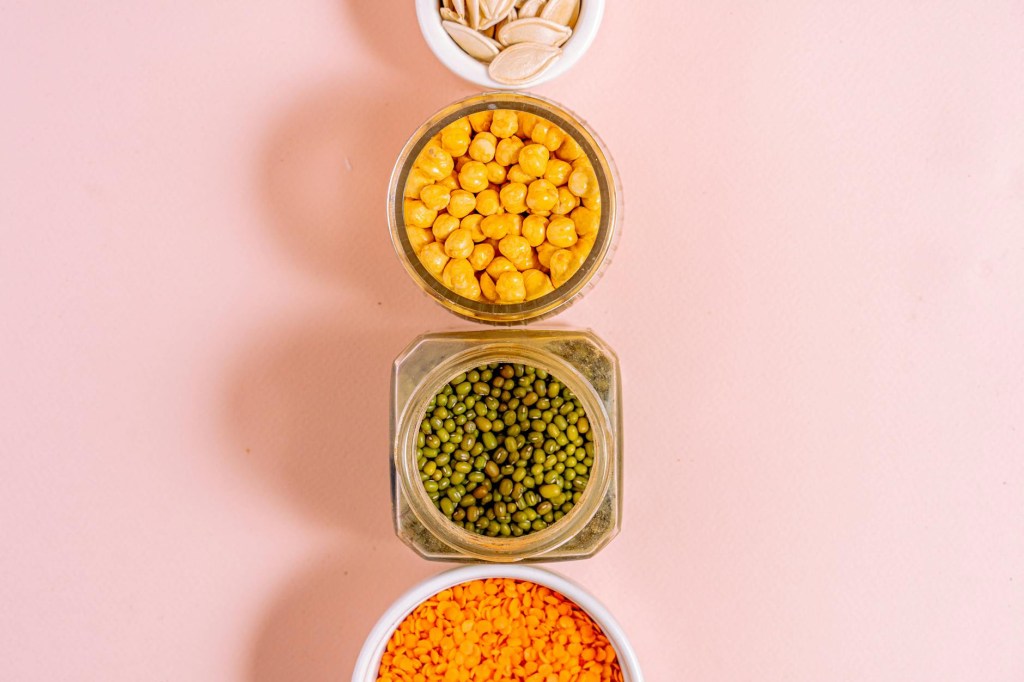
Not the mung beans in their raw, pebble-like form. But the slow, simmered kind—tender, golden green, swimming in a broth made from garlic browned just right, onions softened until sweet, and whatever love I can scrape from the corners of my tired heart.
It’s not just food.
It’s memory.
It’s ritual.
It’s the story of my mother’s hands.
In the Philippines, Fridays were unofficially monggo days. A tradition passed from generation to generation not by decree, but by scent. The kind of scent that greets you at the door after school, clings to your uniform, and says, “You’re home now. You made it.”
I remember those afternoons vividly. Slippers sliding against cool floors. The electric fan humming in the background. My mother bent over the stove, her back forming a familiar silhouette, steam rising like quiet grace from the pot. Sometimes the monggo had malunggay leaves, sometimes tinapa flakes, sometimes both if it was a payday. There were no rules, only rhythm. She never followed a recipe—only memory, mood, and instinct. The way real comfort is made.
Eating it meant spooning it over steaming rice on enamel plates worn from use, sitting cross-legged, and occasionally using your hands because that’s how comfort tastes best—close, warm, unapologetically real.
We didn’t have much. But we had monggo.
We had each other.
And for a long time, I thought that was just ordinary.
It wasn’t. It was sacred.
Now that I live thousands of miles from that kitchen, I find myself craving monggo not just for the flavor—but for the time it brings back. For the version of myself that was younger, lighter, and unaware of how heavy distance could feel when you’re far from the people who raised you.
As a nurse abroad, my days are a tapestry of noise, urgency, beeping monitors, and decisions that feel too big for one soul to carry. I hold hands, give news, press call bells, clean wounds, make referrals, and walk into rooms knowing I might be the only calm a patient sees that day. It is noble work. But it is not without cost.
Some nights, I come home and feel like a vessel emptied by care. That’s when I reach for the pot and start again.
Rinse the mung beans.
Crush the garlic.
Call Mama, even if I know the answer, just to hear her voice say, “Lutu-i og gamayng kaluoy. Ibutang imong kakapoy sa lami.” (“Cook it with a little kindness. Pour your tiredness into its flavor.”)
And so I do.
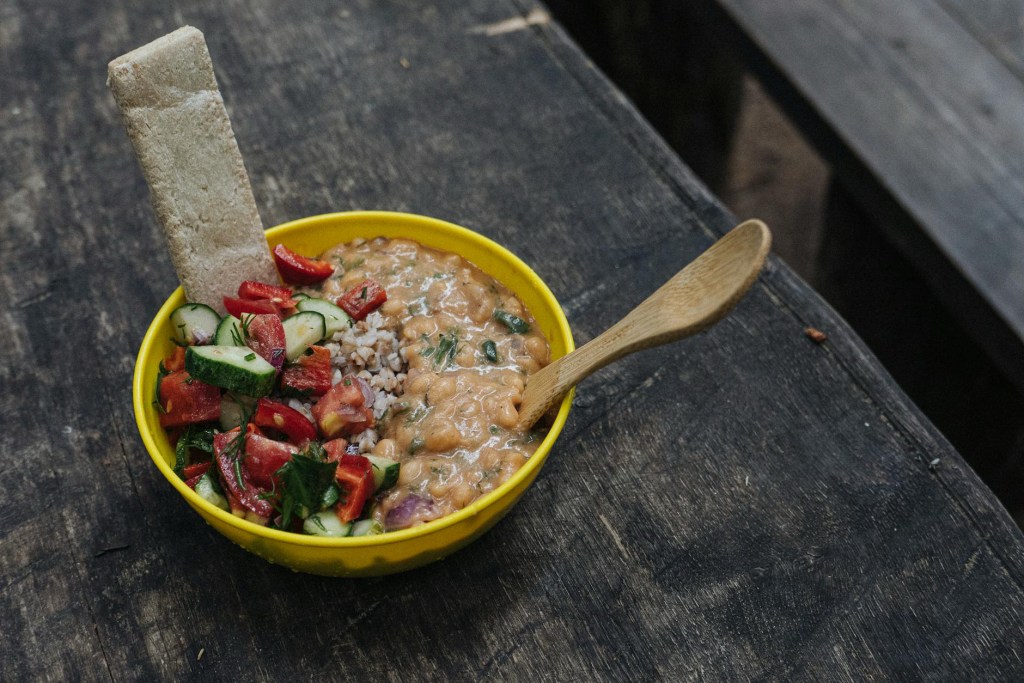
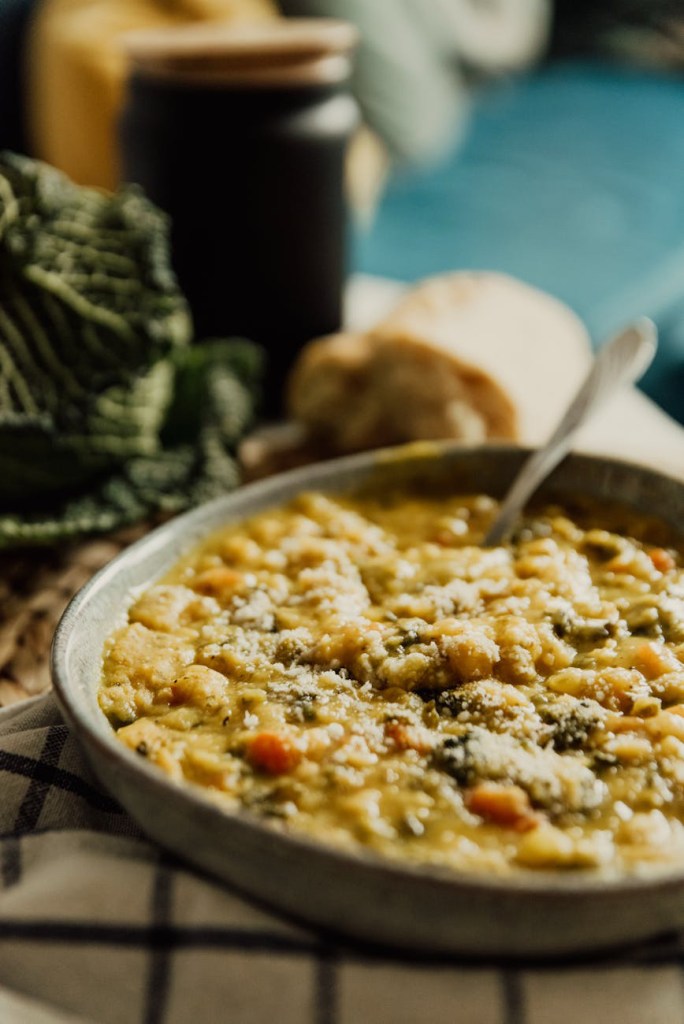
Cooking monggo here, in my quiet UK kitchen, is my way of folding time. Of bringing the islands into my house. Of telling my weary self: There is still something warm waiting for you. Something soft. Something known.
Monggo taught me that comfort doesn’t need grandeur. It doesn’t need garnish. It only asks that you show up.
It reminds me that the things that save us aren’t always loud. Sometimes, they’re simple and quiet and spooned over rice. Sometimes they’re green and humble and slow-cooked with memory. Sometimes they’re the very things we took for granted as children—the meals that repeated every week, the smell of garlic at 4PM, the sound of your mother calling your name, not in anger, but in invitation.
Comfort food, to me, is more than nostalgia.
It is survival.
It is resistance against a world that rushes.
It is reclaiming softness after a day that hardens you.
It is choosing to feed your soul the way your ancestors did—through flavor, through care, through presence.
And so, my answer is simple, but sacred:
My go-to comfort food is a bowl of ginisang monggo.
Soft, earthy, patient.
Seasoned with memory.
Simmered with love.
Served with rice—and stories.
Always stories.
What food do you turn to when life feels too loud?
What dish reminds you that you are still loved, still anchored, still home?
Let’s share stories over digital tables.
Because sometimes, the warmest thing you can offer someone is the memory of a meal that saved you.

























 superanjventures
Leave a comment