
A story about betrayal, transformation, and the long, winding path to peace.
I’ve read many books that moved me, but few have unsettled me—and then rebuilt me—the way The Count of Monte Cristo did. This isn’t just a novel. It’s a reckoning. A mirror held up not just to Edmond Dantès, but to the parts of us that have been betrayed, left behind, wrongfully accused, or hardened by grief.
When I first read it, I expected a story of revenge. What I didn’t expect was how emotionally involved I’d become in Edmond’s internal war. Because I’ve seen versions of this story in real life—in the quiet heartbreaks of people I love. I’ve seen dreams stolen by false friends. I’ve known people who were wronged not just by individuals, but by systems. And like Edmond, they disappeared for a while. Not physically—but emotionally. Spiritually. They had to vanish to survive.
What Made It Personal
I thought of someone I once knew—a kind, talented man who was accused of something he didn’t do. His reputation was shredded in silence. The ones he trusted didn’t defend him. Years later, he rebuilt himself abroad. Found a way to live again, though the wound never fully closed.
When I read about Edmond in the Château d’If, abandoned, isolated, burning with questions—I thought of him.
I also thought of myself. Of the quiet betrayals I’ve faced. The moments of being misunderstood, misjudged, or seen through the wrong lens. There’s a quiet kind of rage that lives in the body after that. It doesn’t scream. It simmers. And it changes you.
The Illusion of Vengeance
When Edmond became the Count—sharp, controlled, almost cold—I understood him. But I also feared for him. Because revenge can disguise itself as power when in reality, it’s often just pain wearing armor. Dumas didn’t write him as a flawless hero. He wrote him as a man twisted by time and silence. Someone who forgot, for a while, what kindness looked like.
And it reminded me: sometimes, the hardest thing isn’t forgiving others. It’s forgiving who we became in the process of surviving them.
Lessons That Hit Too Close to Home
This book stretched my empathy. I didn’t expect to feel sorry for the villains—Fernand, Danglars, even Villefort in some moments. But then again, aren’t we all capable of cruelty when driven by insecurity or ambition?
It made me ask hard questions:
- Who have I hurt while trying to protect myself?
- Whose stories have I misunderstood because I only saw the surface?
- What version of myself did I lose while waiting for justice that never came?
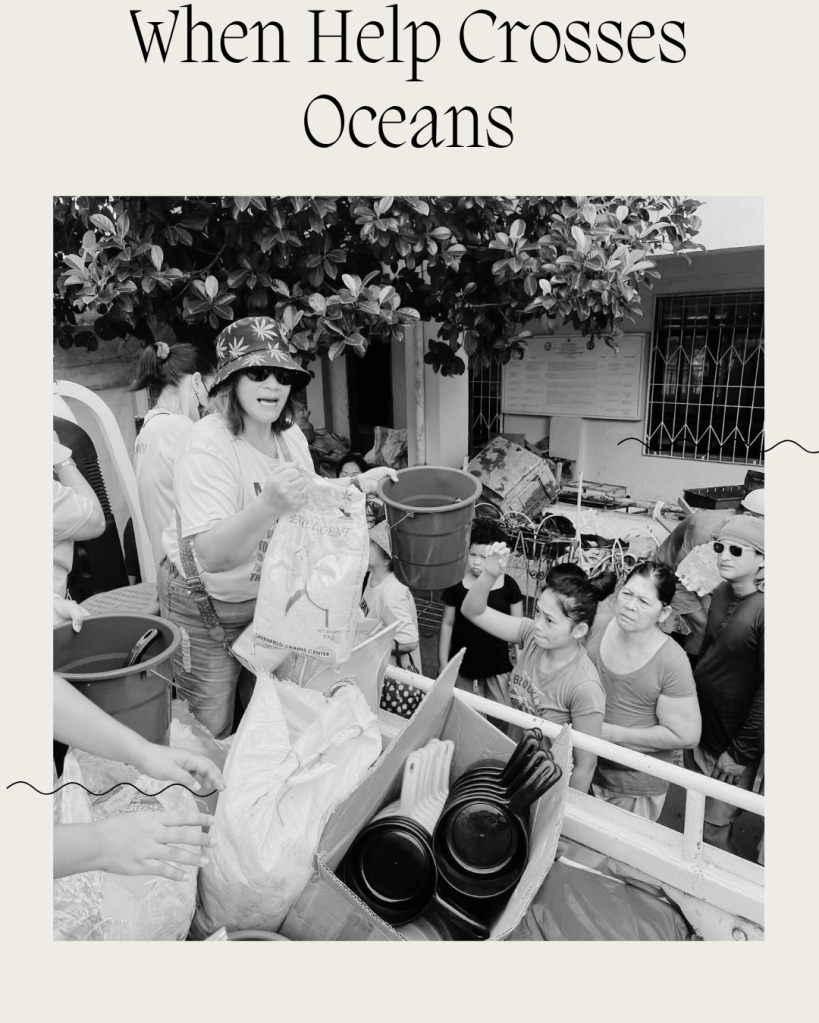
It also reminded me of people in my life—especially fellow OFWs—who had to reinvent themselves after being betrayed by their own kin, employers, or the world. People who, like the Count, returned as someone else. Not out of vanity—but out of necessity.
Redemption and Release
By the end, Edmond discovers that revenge alone can’t sustain a soul. He begins to see the beauty in mercy, the softness in second chances. And that moved me. Because I’ve learned, too—through years, through pain, through prayer—that not all peace comes from resolution. Sometimes, it comes from release.
His final words stayed with me like scripture:
“Wait and hope.”
Because there are things we cannot fix.
But we can wait with faith.
And hope with open hands.
This novel is not a light read. It demands something of you. But what it gives in return is profound: a deeper understanding of how betrayal changes people, how love can still find us after, and how the hardest wars are the ones we fight within.
I will carry this story with me.
For the people I love who are still rebuilding.
For the parts of me I had to leave behind.
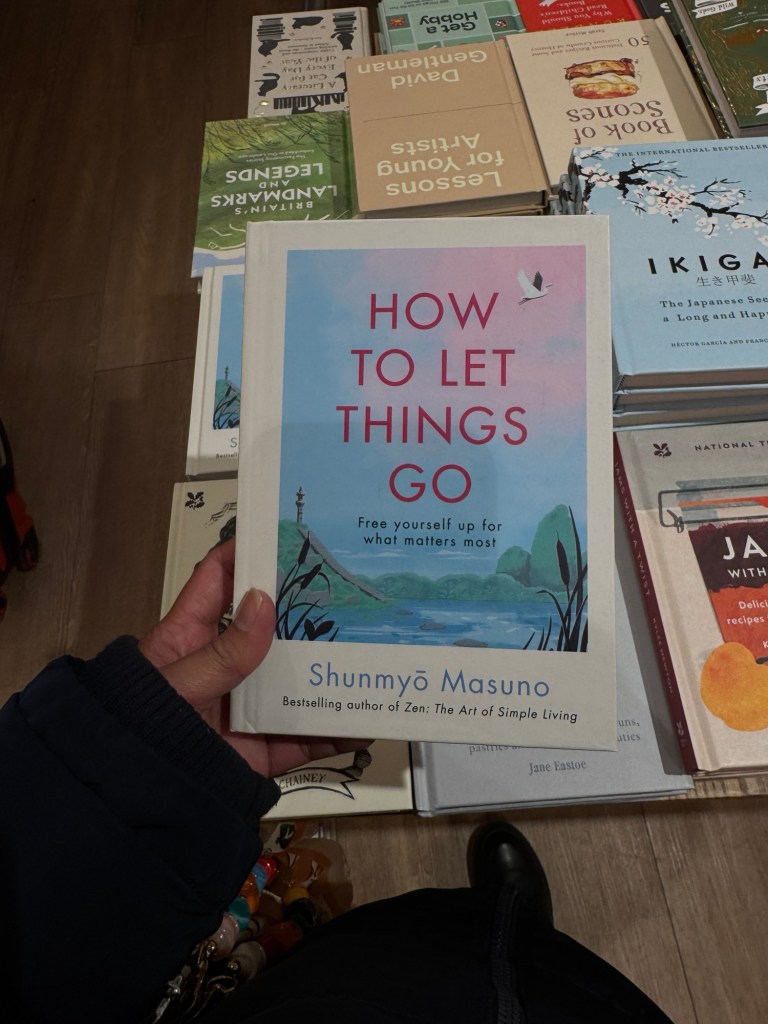
And for the reminder that even the deepest revenge can never replace the quiet, holy peace of letting go.




























 superanjventures
Leave a comment