
The corridors were quieter tonight.
Not empty, not still—this is a hospital, after all—but quieter in that subtle way nurses notice. That rare hush between storms. The kind that lets you breathe a little deeper. The kind you learn to appreciate after weeks like the one I’ve just had.
Last week felt like an unrelenting wave—back-to-back FAST positives, urgent scans, code stroke calls one after another. Lives changed in minutes. Families broken, decisions made in a heartbeat. There were days I didn’t realise I hadn’t eaten until my shift ended. Nights where the sound of bleeps echoed in my dreams. Nursing, in moments like that, doesn’t feel like a job—it feels like a battle you never trained for but show up to anyway.
But this week, there’s been a shift. The rhythm softened. Still busy, still full of referrals and calls for advice, but lighter somehow. Less chaotic. More manageable. And tonight? I finally felt like I wasn’t alone in the storm. Colleagues helped without being asked. Teams worked like clockwork. And I caught myself smiling—not out of relief, but out of quiet, unexpected peace.
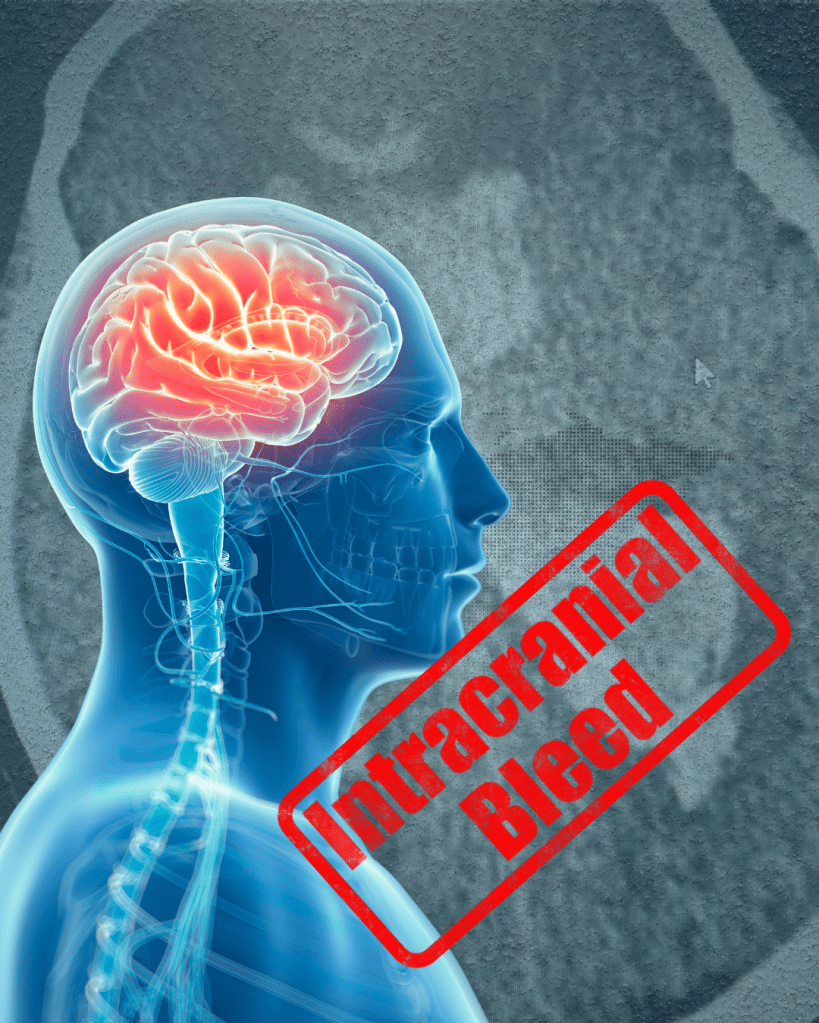
One patient has stayed on my mind—someone who had a major stroke last week. He’s a prisoner, escorted by officers, handcuffed when medically stable. His scan showed significant damage: a large infarct, expressive aphasia, right-sided weakness. Clinical decisions had to be made quickly, and they were. Because that’s what we do. We respond to pathology. We treat the brain, not the biography.
But today, someone asked me, gently but with genuine curiosity,
“Doesn’t it bother you? I heard he killed someone. Doesn’t that affect how you see him?”
And without thinking, I replied, softly but with certainty:
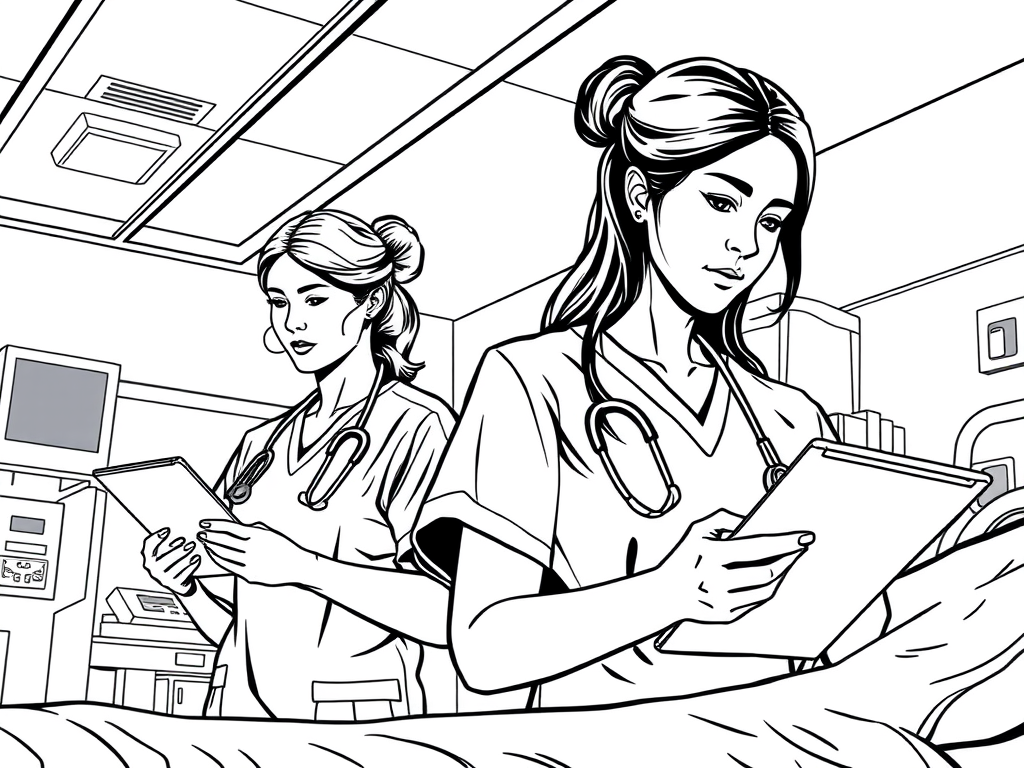
“We don’t treat sin. We treat symptoms.”
Because in this space—in stroke care, in nursing, in human health—we don’t ask who you were before you arrived on the trolley.
We ask:
Are you in pain? Are you safe? Can you swallow? Can you speak? What do you need?
That conversation has stayed with me all night.
Because it touches on something we rarely say out loud in healthcare:
That to offer care without judgment is not naivety—it’s discipline.
It’s choosing, again and again, to believe that every human life holds worth, even when the world has labelled it otherwise.
In nursing, we see people at their most exposed: gowns replacing clothes, words disappearing mid-sentence, strength slipping through fingers. Stroke doesn’t discriminate. It doesn’t pause to ask if you were a good person. It doesn’t care if you were loved or feared. It simply arrives—sudden, ruthless, real.
And so, our care must do the opposite.
It must be intentional. Compassionate. Grounded in the ethics we vowed to uphold.
Because if we begin to care selectively, where do we draw the line?
What if it’s the father with addiction?
The mother who abandoned her children?
The patient who yells and spits because trauma left him feral?
If we only care for those we understand, we lose the heart of what nursing is.
And if I’ve learned anything in these years at the bedside, it’s this:
Humanity is never just one thing.
Tonight, as the ward lights dimmed and monitors hummed their lullabies, I felt grateful—not just for the lighter pace of the shift, but for the weight of meaning it carried.
A weight I will never take lightly.
Because even in the ordinary moments—in handing meds, helping with toileting, adjusting a pillow—I am reminded that care is a choice. One we make over and over, regardless of who stands before us.
We don’t wear robes of judgment.
We wear uniforms of service.
And our hands, trained and tired as they are, are meant to heal. Not to weigh the worthiness of those who need them.
“To be a nurse is to witness the fragility of life, the complexity of morality, and the power of compassion—all in a single shift.”
Tonight reminded me of that. And for once, I had the quiet space to feel it.






















 superanjventures
Leave a comment