
What I Let Go—and What Found Another Way to Stay Alive
To be Filipino is to grow up cradled in tradition—some spoken, some simply understood. You don’t need to be told what to do. You just watch your parents, your lola, your older cousins, and you know. You offer mano po to elders before you even understand why. You don’t eat until everyone has been served. You cover mirrors when someone passes away. You say “excuse po” to trees you accidentally bump into on provincial roads. You grow up with rituals stitched into your skin. And then one day—you leave.

Mga Tradisyong Naiwan sa Pinto
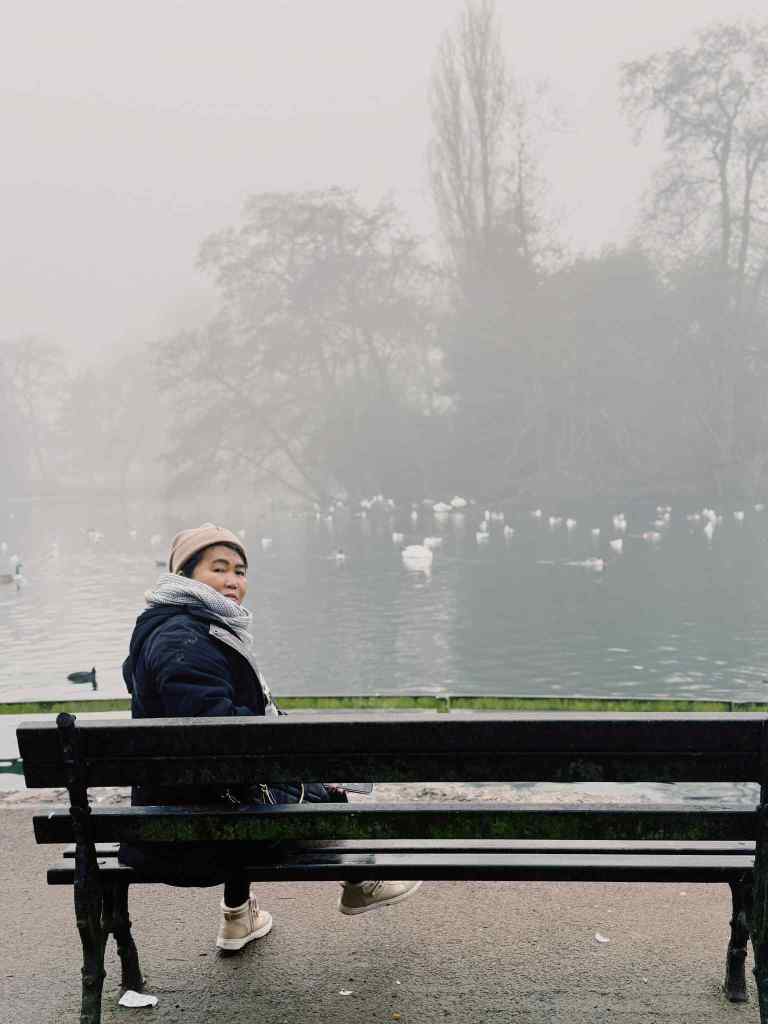
I didn’t realize how much of it I would leave behind until I was standing in a cold kitchen abroad, heating up rice in a microwave instead of scooping it fresh from a warm pot. Until Christmas felt like just another work shift. Until I noticed I hadn’t said mano po in years—not because I stopped respecting, but because no one around me expected it. The truth is, I’ve let go of more traditions than I thought I would. Some slipped away quietly. Some I resisted letting go of. Some I still feel guilty about.
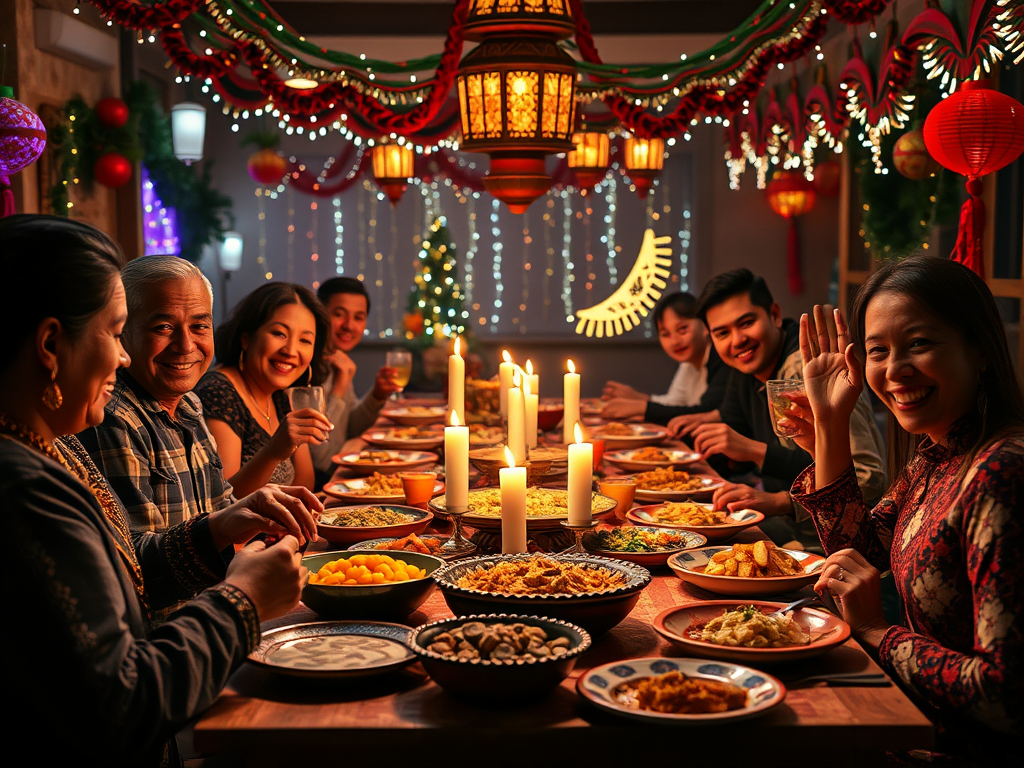
We used to pray the rosary every 6 PM. You’d hear the echo of “Hail Mary” from the TV or from a neighbor’s radio. Now, I barely notice when 6 PM passes. We used to have noche buena and media noche—full tables, new coins in our pockets, jumping as high as we could at midnight in hopes of growing taller. These days, I’m lucky if I have the energy to cook pancit for myself on New Year’s Eve. Simbang Gabi used to mean waking up in the dark, walking with friends to church while the world was still half-asleep. Now I’m wide awake during night shifts and sleeping through mornings, barely remembering what day it is.
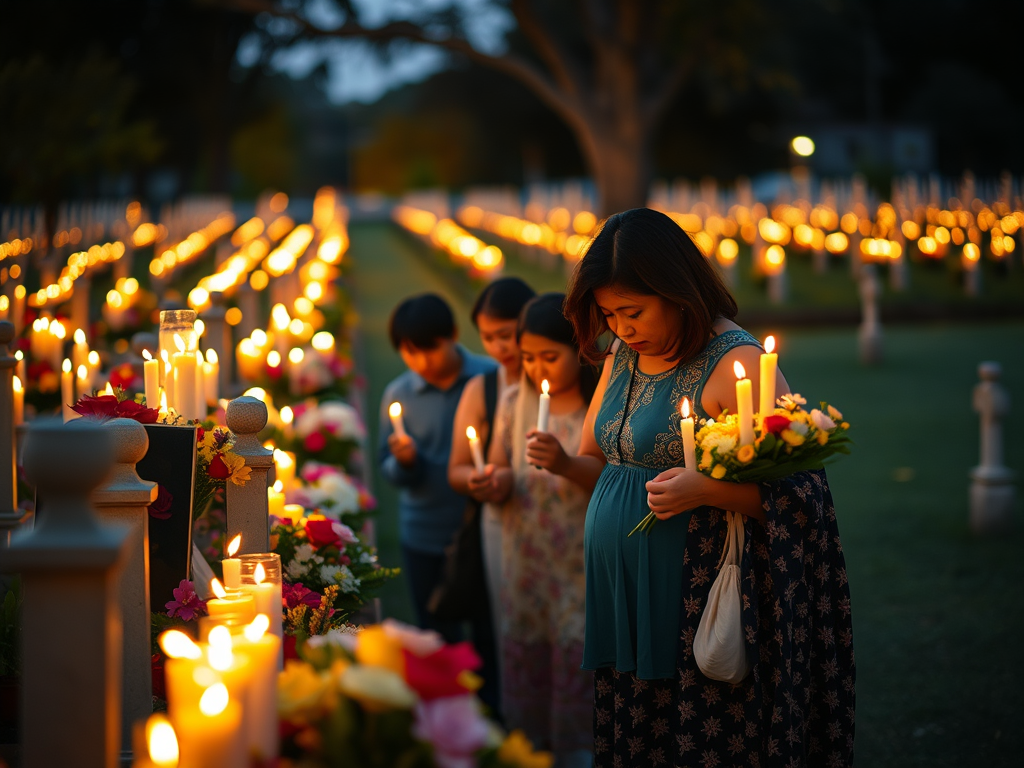
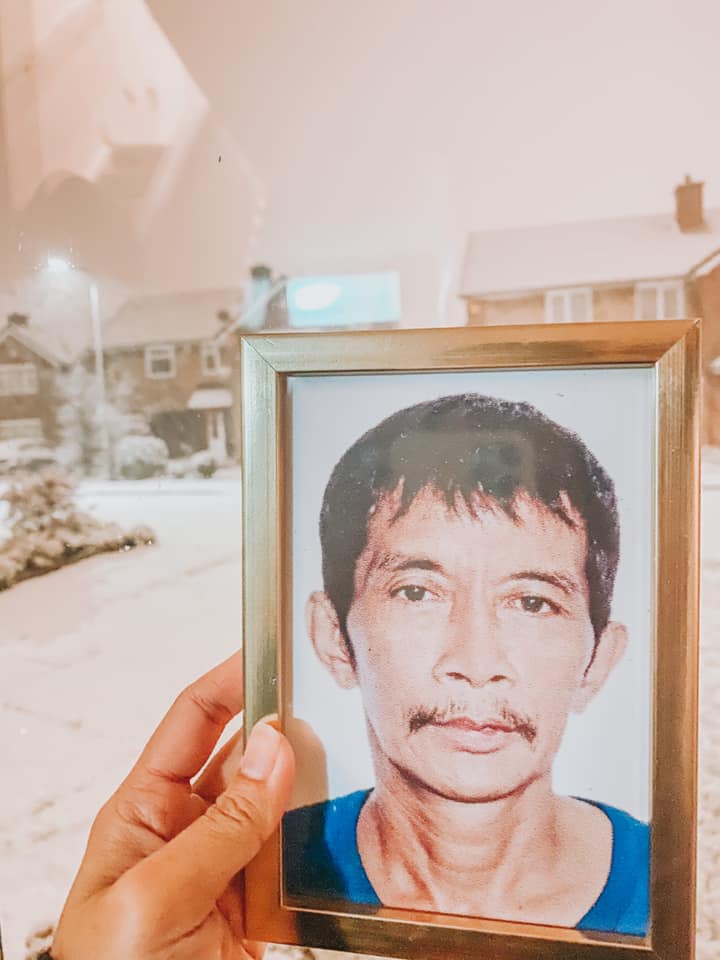
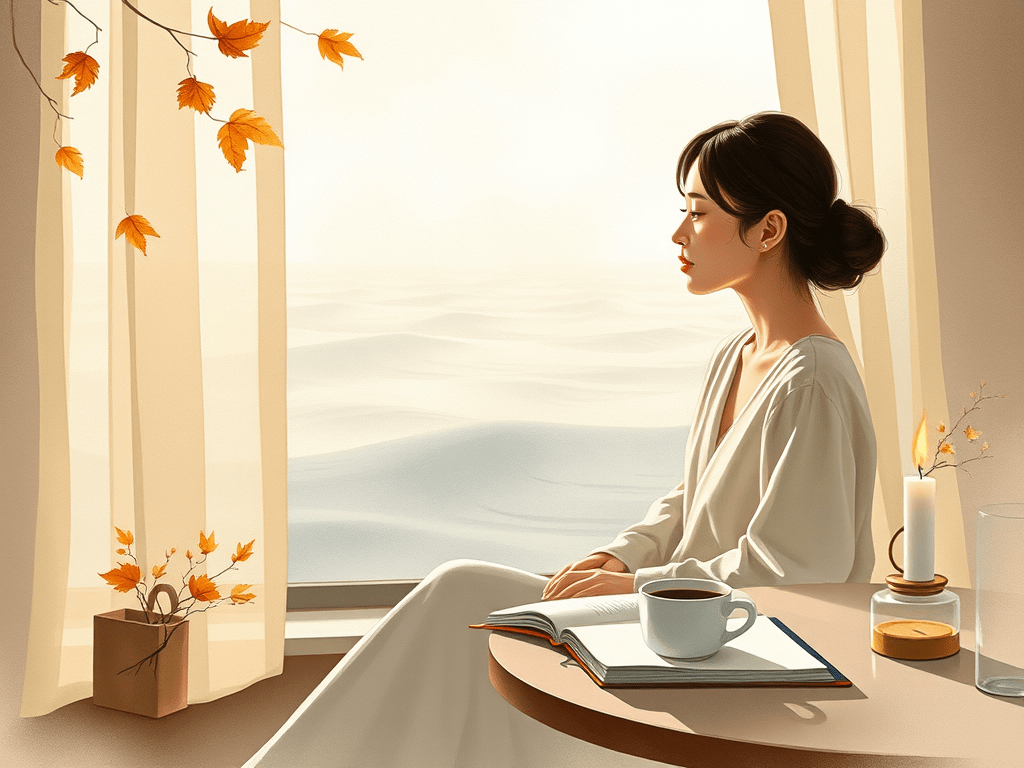
And then there’s undas—All Saints’ Day—when families would light candles at the cemetery, bring flowers, eat beside their loved ones who’d gone ahead. Now, I light a candle on my windowsill and whisper names. No crowd. No vendors. No melted wax on the ground. Just memory.
Even the little things have gone quiet. Like always bringing home pasalubong even if it’s just bread. Like changing into house clothes the moment you get home. Like saying opo in every conversation, even to people your own age. Like harana songs playing during family reunions. Like gathering around for mano po from the oldest family member before leaving a party.
I don’t do those things as often anymore—not because I don’t love my culture, but because life now moves differently. Abroad, everything is faster, lonelier, more individual. There are no titas reminding you not to forget your pamahiin, no nanay warming rice for you before you even ask. Sometimes I feel the guilt creep in—the sense that I’m losing something sacred. That I’ve traded rituals for routines. That I’ve become too modern, too Western, too far.

But then I remember: tradition is not just what you do. It’s what you carry.
I still make adobo without measurements—just like Nanay. I still call my family back home and ask “Kumain na mo?” even if it’s 2 AM their time. I still keep coins in my bag during New Year’s, not because I believe in luck, but because I believe in home. I still cry when I hear OPM songs, especially the old ones that played in jeepneys and sleepy afternoons. I still believe in pamahiin sometimes—especially when I hear a fork fall and someone says, “May bisita ka.” I smile because no one else here would understand that.
So no, I haven’t kept every tradition.
But I’ve kept the essence of them.
The spirit. The warmth. The respect. The instinct to care beyond words.
Living abroad taught me that tradition evolves. It follows you in new shapes. What was once a family rosary becomes a whispered prayer on a tired train ride. What used to be mano po becomes a gentle check-in, a text that says, “Ingat ka lagi.” What used to be large gatherings becomes saving every voice message from your mother because it sounds like home.
I didn’t mean to let the traditions go. But I didn’t forget them.
They just live differently in me now.
And maybe one day—when life slows down, when I have my own children—I’ll teach them, not through instruction, but through habit. Through how I cook. How I say goodbye. How I hold grief. How I say thank you. How I pray without needing a script.
Tradition may fade from practice—but not from heart.
And mine still beats to the rhythm of a home that raised me to remember, even if I sometimes forget.









 superanjventures
Leave a comment