“Only staying active will make you want to live a hundred years.” — Japanese proverb
by Héctor García and Francesc Miralles
Rating: ★★★★☆ (4.5/5)
Category: Book Reviews | Self-help | Life Philosophy
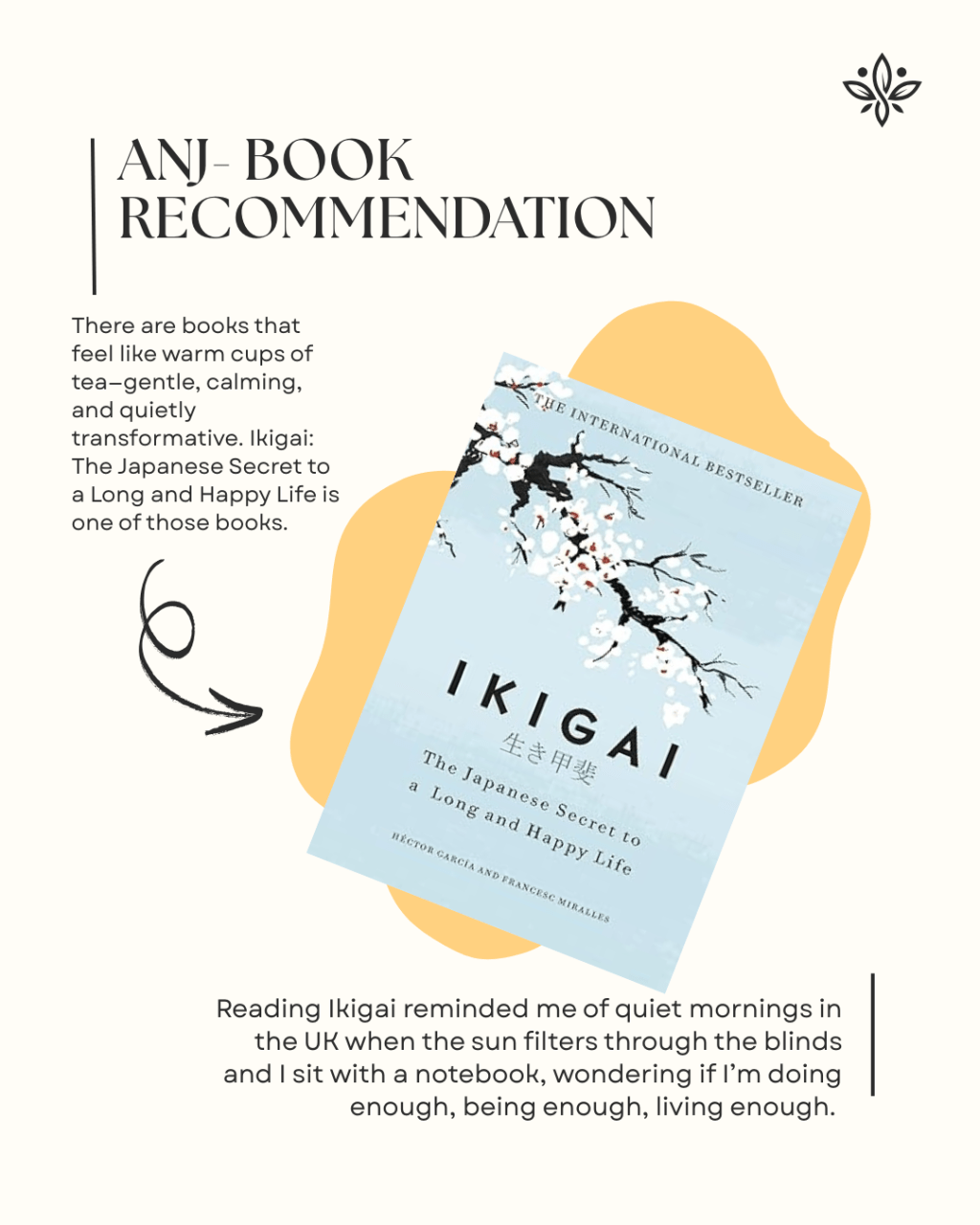
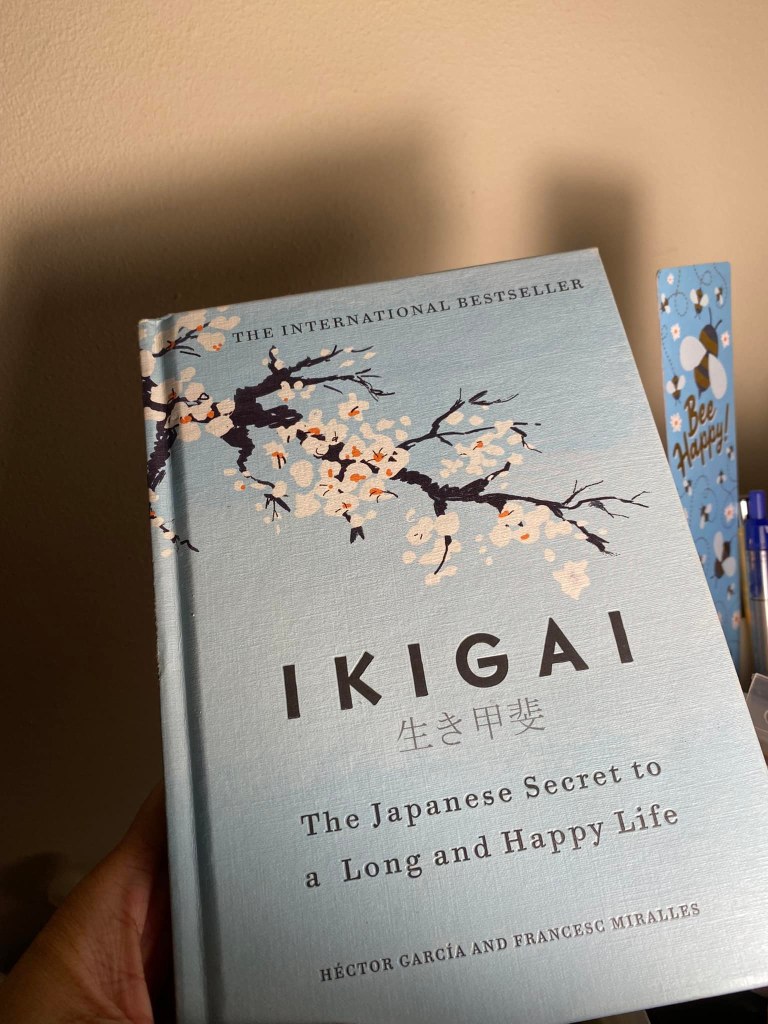
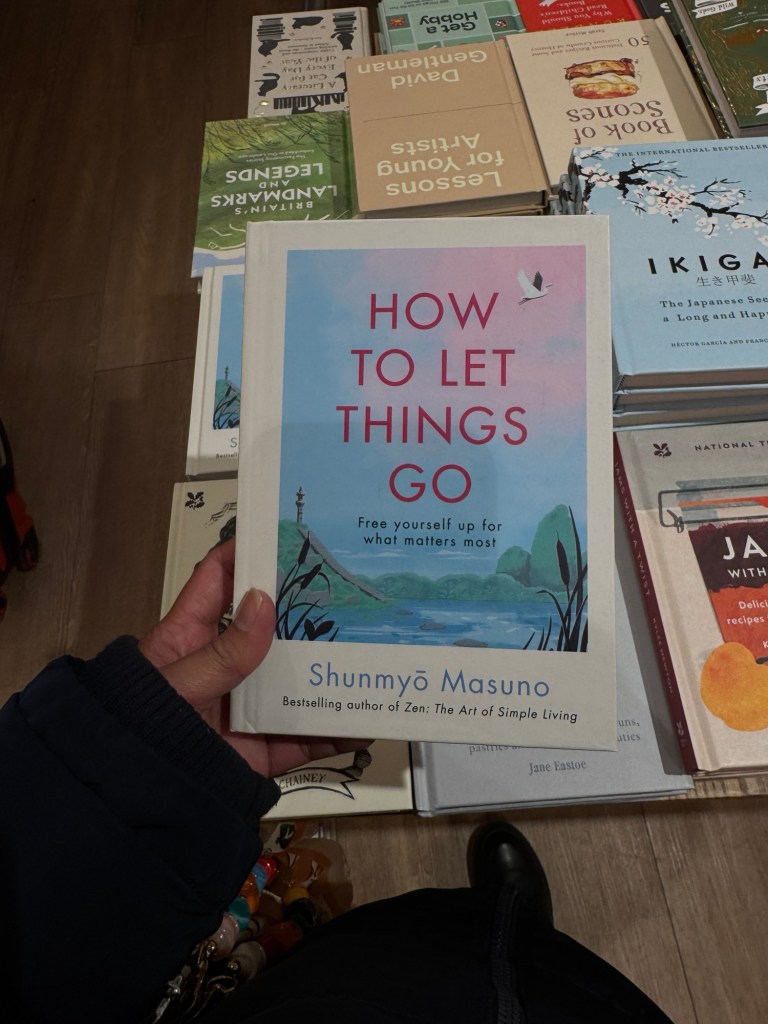
There are books that feel like warm cups of tea—gentle, calming, and quietly transformative. Ikigai: The Japanese Secret to a Long and Happy Life is one of those books. With its pastel blue cover adorned with delicate cherry blossoms, it promises peace even before you turn the first page. But more than just aesthetics, it holds inside it a blueprint for a life that feels worth waking up for.
What is Ikigai?
Ikigai (生き甲斐) is a beautiful Japanese concept that roughly translates to “a reason for being” or “the happiness of always being busy.” The authors take us on a reflective journey through Okinawa, home to some of the longest-living people on earth, to uncover why these islanders live not only longer—but more joyfully. At its heart, the book explores the balance between passion, mission, vocation, and profession—what lies at the intersection is your ikigai.
But this isn’t just a poetic philosophy. It’s practical. And it’s rooted in real lives—interviews with centenarians, lessons from longevity hotspots, and everyday habits that nourish body, mind, and spirit.

What I Learned (And Needed to Hear)
Reading this book was like being reminded of things I already knew but had forgotten in the noise of deadlines, expectations, and modern busyness. The authors don’t shout at you with bold promises or dramatic reinventions. They whisper wisdom in quiet, contemplative tones.
Here are a few truths that stayed with me:
Simplicity is the secret. From healthy eating to daily walks to keeping your mind curious and your heart soft, the book repeats this truth: joy comes from the simple, sustained choices we make.
Don’t retire from life. The Okinawan elders don’t even have a word for “retirement” in their vocabulary. They believe in keeping active—not in the frantic, productivity-obsessed way we’ve come to normalize, but in the gentle rhythm of doing something meaningful every day, no matter your age.
Flow matters more than success. When we are absorbed in something we love—gardening, writing, cooking, fixing things—we enter a flow state where time disappears. That flow is where ikigai lives.
Friendships and community are not luxuries. They’re lifelines. The concept of moai, or informal social groups that support each other for life, made me pause. How many of us have these soul communities? And how often do we forget to nourish them?
Personal Reflection
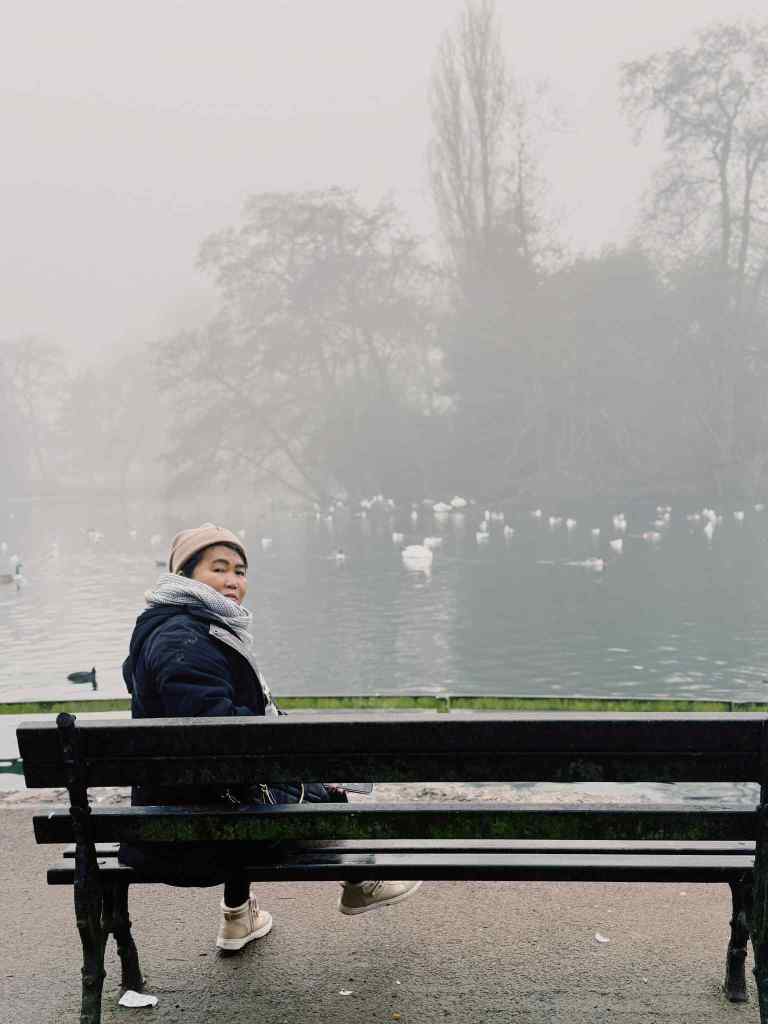
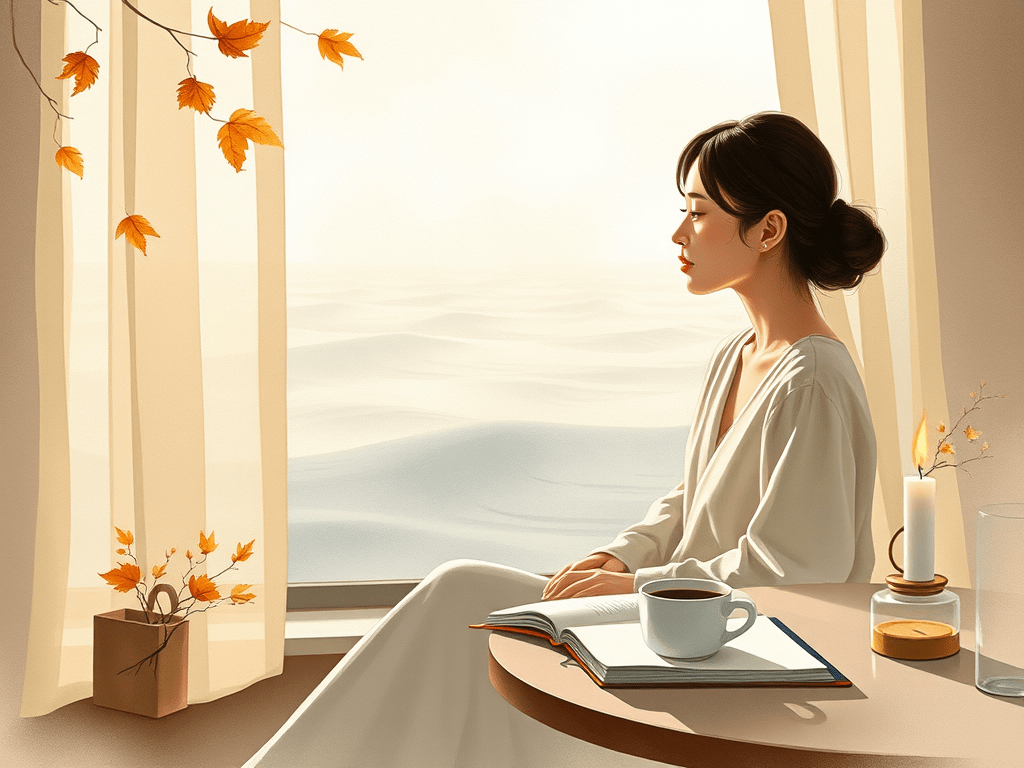
Reading Ikigai reminded me of quiet mornings in the UK when the sun filters through the blinds and I sit with a notebook, wondering if I’m doing enough, being enough, living enough. As a nurse, a writer, a daughter, and a woman constantly juggling dreams with duty, I often find myself stretched thin. But Ikigai taught me that life’s meaning doesn’t always come in grand achievements. Sometimes, it’s in the steady heartbeat of daily rituals—boiling water for tea, scribbling down a story idea, feeding Millie, calling home.
It also made me question the Western obsession with “purpose” as something large, performative, and externally validated. In contrast, ikigai is quiet and internal. It’s the joy of tending to something—not because it pays well or wins applause, but because it makes your spirit feel alive.
This shift in mindset was deeply healing. I started noticing how my ikigai shows up in small moments: comforting a patient after a stroke scare, writing a blog post that connects with someone halfway across the world, choosing a slow dinner with my partner over a to-do list. It’s these little things, done with heart, that string together into a life worth living.
Life Lessons I’m Taking With Me
Living well is not about speed—it’s about presence.
Purpose doesn’t have to be big. It just has to be yours.
Movement, laughter, and community are longevity tools. Use them daily.
Multitasking kills joy. Focused attention is a gift to yourself.
We age, but our ikigai doesn’t. It grows with us.
Final Thoughts
Ikigai isn’t a book that overwhelms you with research or lectures you with life rules. It’s a soft companion that sits beside you and reminds you of the quiet truths you already know in your heart. It’s a nudge back to simplicity, to mindfulness, to the beauty of staying curious and purposeful in everyday life.
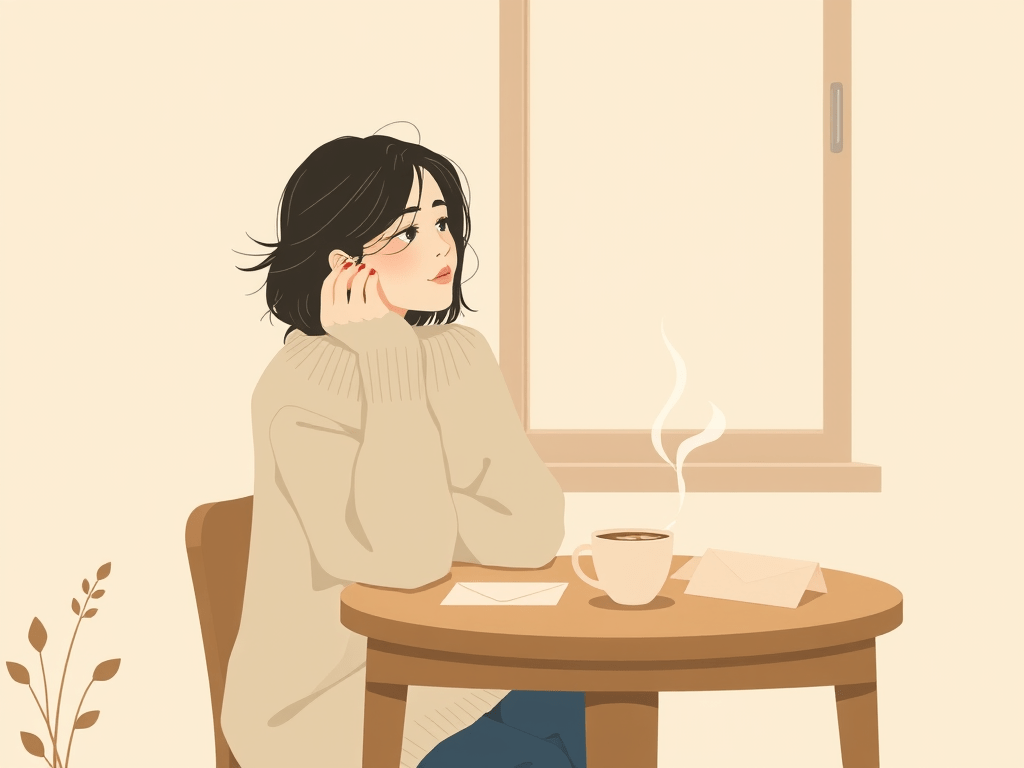
If you’re in a season of burnout, questioning your path, or just craving a reset, I highly recommend reading this. Not with a highlighter or a pen. But slowly, with a cup of tea. Let it breathe into your routine. Let it become part of your mornings, your walks, your reflections.
Because the secret to a long and happy life isn’t hidden in some faraway philosophy—it’s in the tiny, intentional ways we choose to live today.
Would I read it again?
Yes. Especially during moments when I forget what truly matters.
Best read when:
You’re craving peace, questioning your life path, or needing a reminder that simple is beautiful.


















 superanjventures
Leave a comment