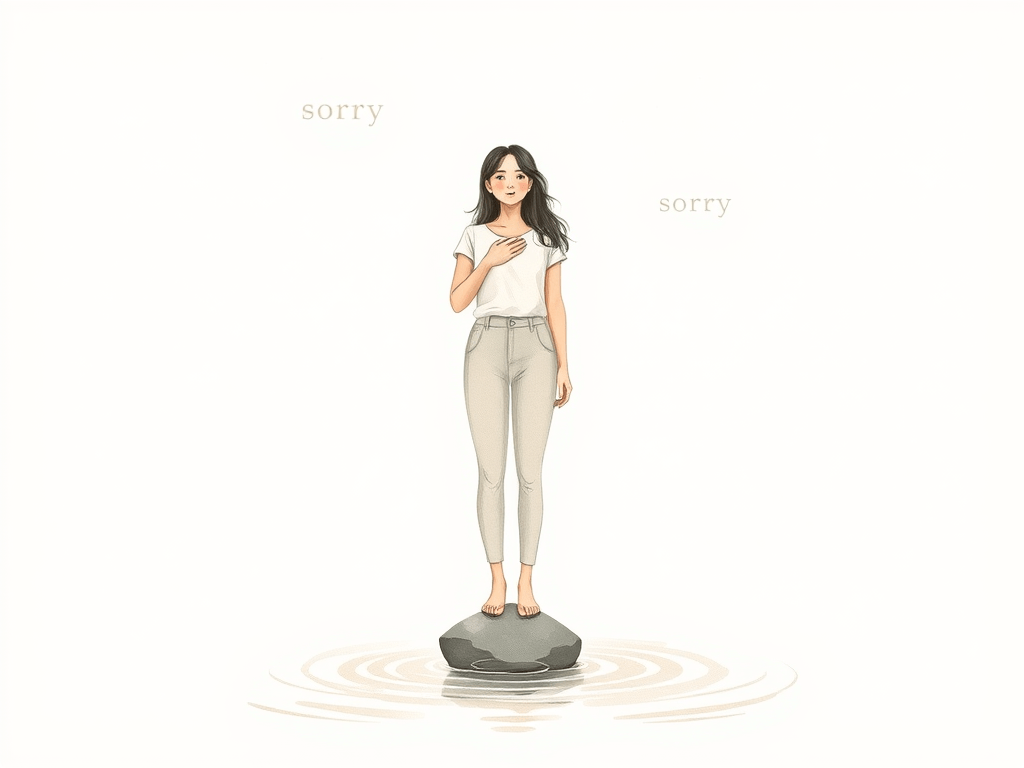
I’ve been thinking a lot about the word “sorry.” Not the gut-deep one you say when you’ve really messed up, when you’re looking someone in the eye and the weight of it sits heavy in your chest. No, I’m talking about the other kind—the reflex sorry. The one that slips out without thought, as casually as breathing. The kind that leaves your mouth before you’ve even decided if you mean it, like muscle memory you never asked for.
I say it when someone bumps into me. Which makes no sense—physics will confirm I was not the moving force in that collision. I say it when I take a little too long at the cash machine, like there’s a race happening and I’m the stubborn tortoise holding up the queue. I say it in meetings before I dare ask a question, as if seeking clarity is a personal offence to everyone’s time. I’ve even apologised to a waiter for bringing me the wrong order—as though I’d been in the kitchen, gleefully messing up my own dinner just to be a nuisance.
It’s absurd. And yet, here we are.
Somewhere along the way, “sorry” stopped being about remorse and started being about… existing. It’s a verbal curtsy, a polite little bow to the world. A constant low-level announcement that says, “Don’t worry, I’ll make myself small. I won’t take up too much space.”
Maybe it’s because I was raised to be polite, to smooth over rough edges before they cut anyone. Maybe it’s the nurse in me—forever scanning for discomfort in the room, shifting out of the way before anyone has to ask. Or maybe it’s just easier to apologise for being “in the way” than to believe I’m allowed to stand there in the first place.
But here’s the thing about words—they lose their weight when you overuse them.
And “sorry”, the real sorry, deserves to be heavy. It should feel like a stone dropped into still water—intentional, solid, impossible to ignore. It should mean something you can feel in your bones, not just a placeholder between sentences.
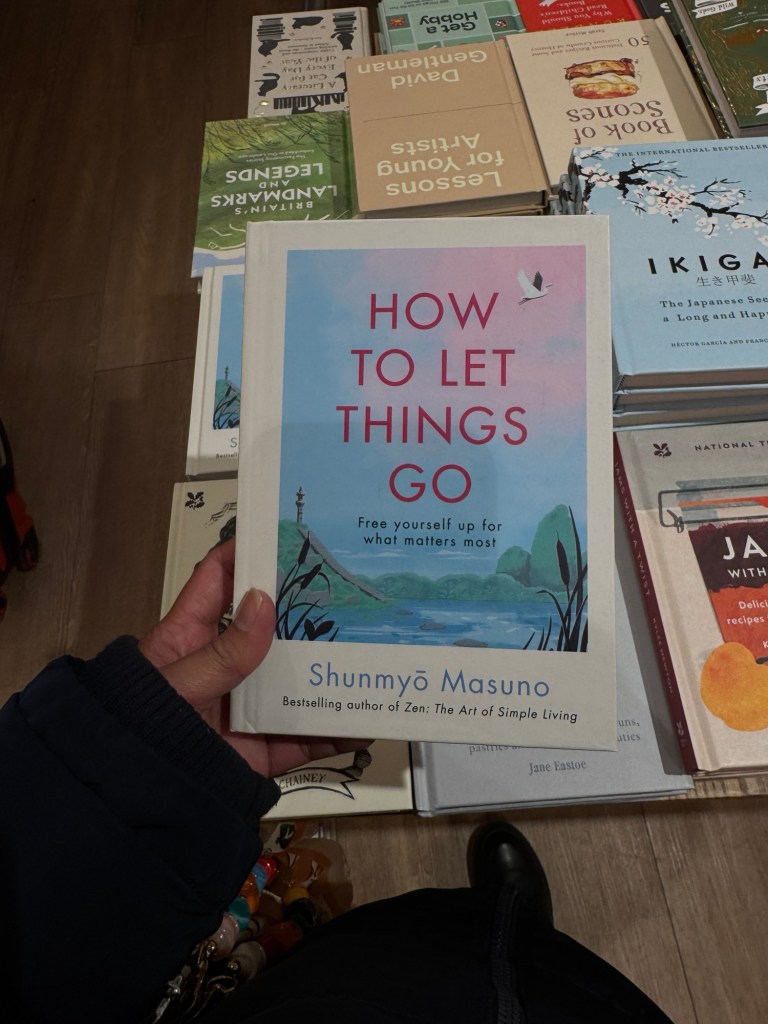
So lately, I’ve been trying to break the habit. Swapping it for words that actually fit. For “Excuse me.” For “Thank you.” For “I understand.” Words that tell the truth without chipping away at my right to exist. It feels strange, unnatural even, like learning to write with my non-dominant hand. Sometimes the old sorry still slips out before I catch it, and I have to remind myself—again—that I’m not here on borrowed space.
Because I don’t want my sorry to be noise. I want it to land. I want it to mean something. I want it to bridge a gap, heal a wound, or acknowledge a fault in a way that leaves both of us changed, even just a little.
And I’m done apologising for breathing. For existing. For the sound my shoes make when I walk into a room. From now on, my apologies will be intentional, and my presence will be unapologetic.




























 superanjventures
Leave a comment