
Book Reviews | Reflections | Timeless Wisdom
by Dale Carnegie
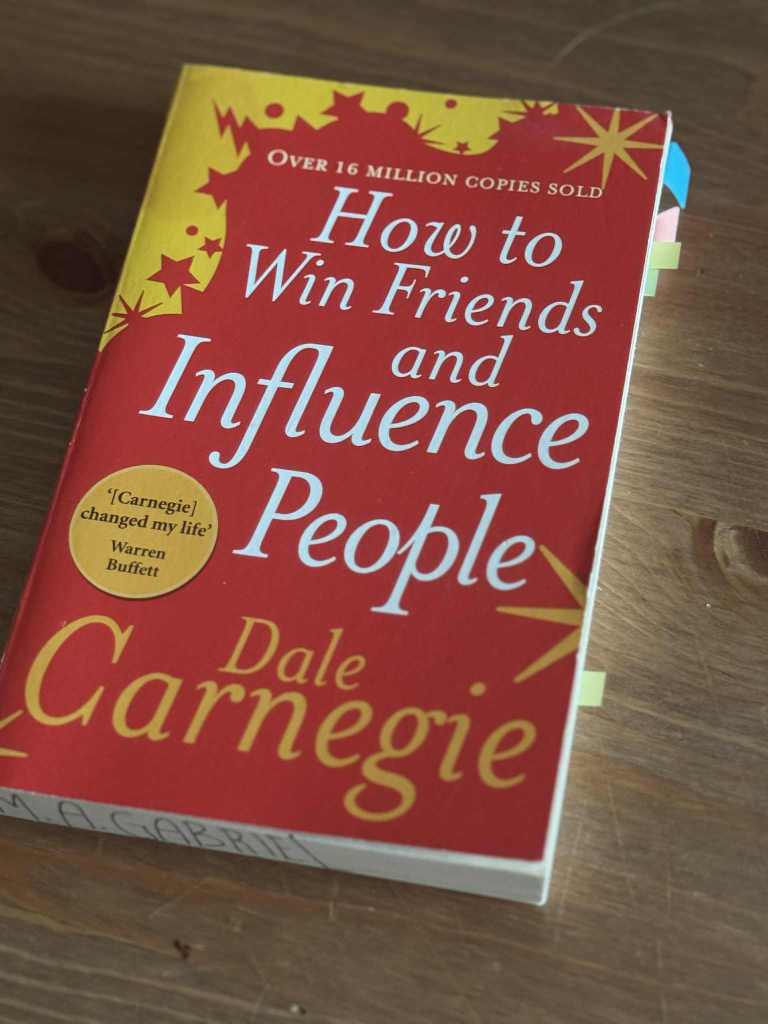
Some books entertain. Some inform. But a rare few reach across decades to hold up a mirror—not just to how we interact with others, but to the very core of our humanity. How to Win Friends and Influence People by Dale Carnegie is one of those rare few. First published in 1936, its pages may have yellowed in libraries and on bookshelves, but the truths it contains are startlingly fresh.
This is not a manual on manipulation, nor is it a shallow list of “tricks” to get people to like you. Instead, Carnegie’s work is a gentle but firm reminder that at the heart of every conversation, negotiation, or relationship, we are not engaging with machines of reason. We are engaging with human beings—messy, emotional, complex creatures brimming with pride, insecurities, and deeply held beliefs.
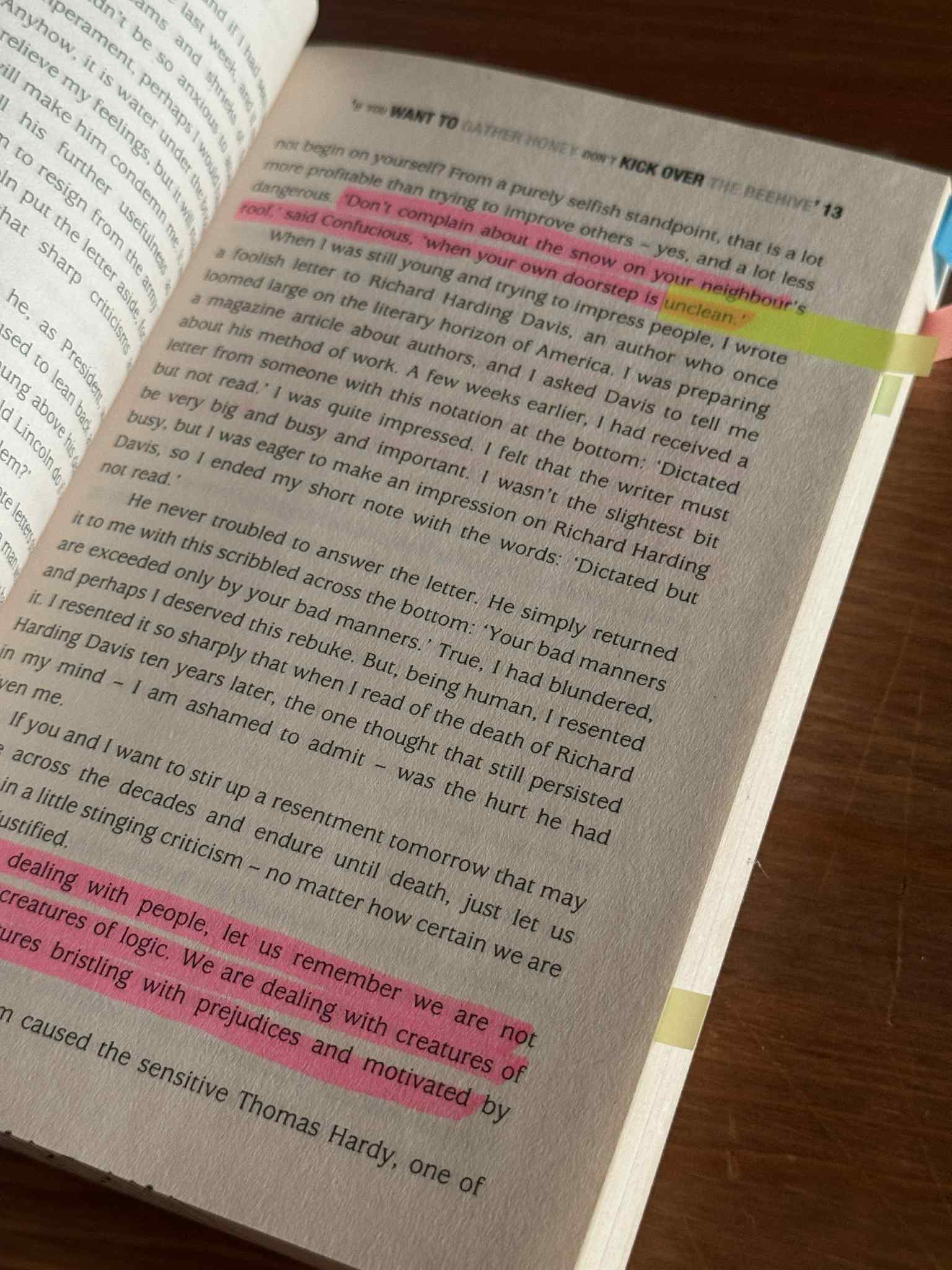
“When dealing with people, let us remember we are not dealing with creatures of logic. We are dealing with creatures of emotion, creatures bristling with prejudices and motivated by pride and vanity.”
One highlighted passage stood out to me as the soul of the book: “When dealing with people, let us remember we are not dealing with creatures of logic. We are dealing with creatures of emotion, creatures bristling with prejudices and motivated by pride and vanity.” That line is not just a statement—it’s a paradigm shift. It asks us to lay down our expectations that others should respond purely based on facts and reason. Instead, it calls for empathy, patience, and a willingness to step into the emotional landscapes of those we meet.
Carnegie illustrates his principles with stories—of leaders, salespeople, ordinary citizens—showing how small shifts in approach can transform relationships. Simple practices like showing genuine interest, avoiding direct criticism, and sincerely appreciating others can open doors that force and argument could never unlock. Reading these examples, I found myself thinking of moments in my own life when I could have chosen understanding over reaction, curiosity over correction.
Another quote I marked was from Confucius: “Don’t complain about the snow on your neighbor’s roof when your own doorstep is unclean.” It’s a humbling reminder that influence begins with self-awareness. Before attempting to correct or persuade others, we must tend to the state of our own attitudes, biases, and habits. This isn’t just advice for winning friends—it’s a compass for living with integrity.
“Don’t complain about the snow on your neighbour’s roof when your own doorstep is unclean.”
What makes Carnegie’s writing enduring is its human warmth. His principles aren’t lofty ideals meant for perfect people in perfect circumstances; they are rooted in the imperfections of real life. He acknowledges that we all stumble, react out of ego, or get swept up in our own importance. But he also offers a way forward—through humility, active listening, and a genuine concern for the other person’s perspective.
By the time I closed the book, I realised that its title is almost misleading. It’s not only about winning friends or influencing people—it’s about understanding the deeper currents of human connection. It’s about cultivating a mindset where relationships aren’t battles to be won, but gardens to be tended.

If you read this book only as a self-help manual, you will miss its deeper gift. It is, at its heart, a guide to living with more kindness, tact, and emotional intelligence. In a world that often rewards quick comebacks and self-promotion, Carnegie’s call to slow down, listen, and understand is more radical than ever. I would recommend this to anyone—not just leaders, not just salespeople, but to every person who believes that the quality of our lives is measured in the quality of our relationships.
⭐ Rating: ★★★★★ (5/5)
Best For: Readers seeking timeless principles for communication, leadership, and human connection.






























 superanjventures
Leave a comment