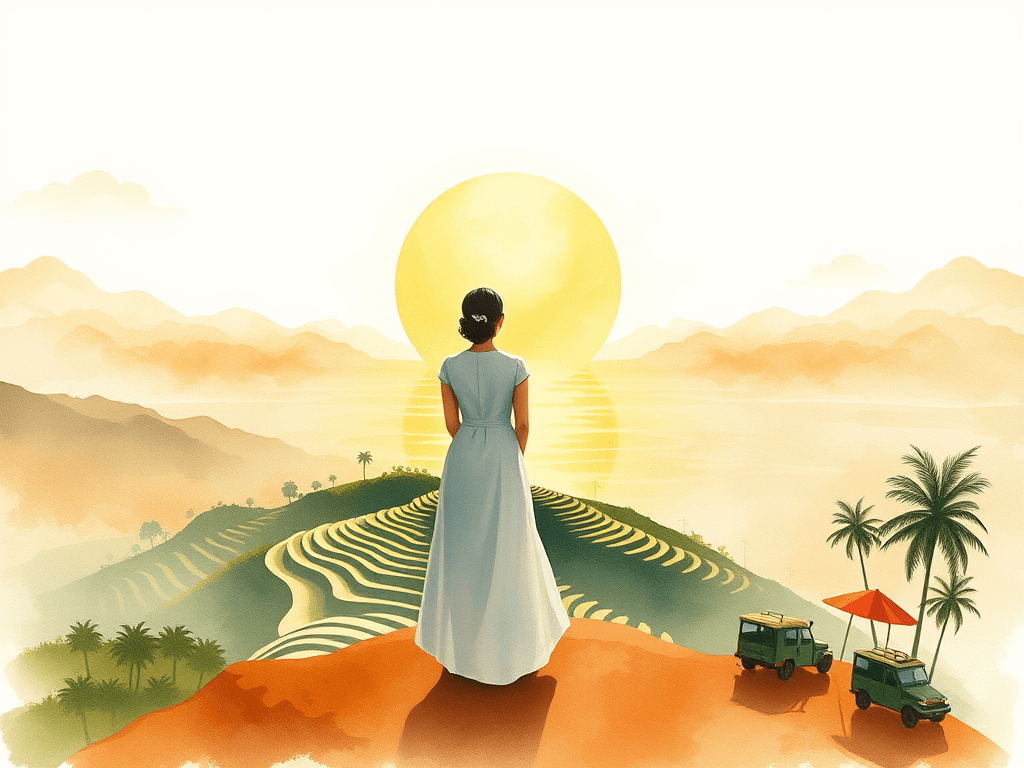
There are places in the world that dazzle with skyscrapers and glittering lights, and there are those that disarm you with quiet, timeless beauty. The Philippines belongs to the latter. It is a country of more than seven thousand islands, each one carrying a secret: a sunrise that paints the sea in fire, a mountain that seems to hum ancient prayers, a street where laughter is louder than poverty.
To step into the Philippines is to be embraced. Not just by the warmth of the sun, but by the warmth of its people. You’ll find joy in the smallest corners: a child flying a makeshift kite made from a plastic bag; a grandmother offering you food she cooked with her last handful of rice; a group of friends singing karaoke on a night when there’s no electricity but plenty of hope.
There is resilience here, woven into the very fabric of being Filipino.
This morning, I woke up, poured myself a cup of coffee, and did what I often do — checked the news back home. And there it was: Senator Erwin Tulfo’s remark that “sometimes you have to bend the law to please the people.” I read it twice, almost in disbelief. In a country that has suffered so much from corruption and injustice, hearing a lawmaker suggest that the law itself can be bent felt like a betrayal, not just of justice, but of the very people it was meant to serve.
The Beauty That Cannot Be Stolen
There is nothing quite like waking up in Batanes, where rolling hills meet the sea in a marriage so perfect it makes you believe in God again. Or swimming in the turquoise waters of Palawan, where the corals bloom like cities of color beneath the waves. You can walk through the rice terraces of Ifugao and hear the whispers of ancestors who carved life into stone. Or lose yourself in the chaos of Manila, where jeepneys crawl like painted caterpillars, and every stranger feels like a distant cousin.
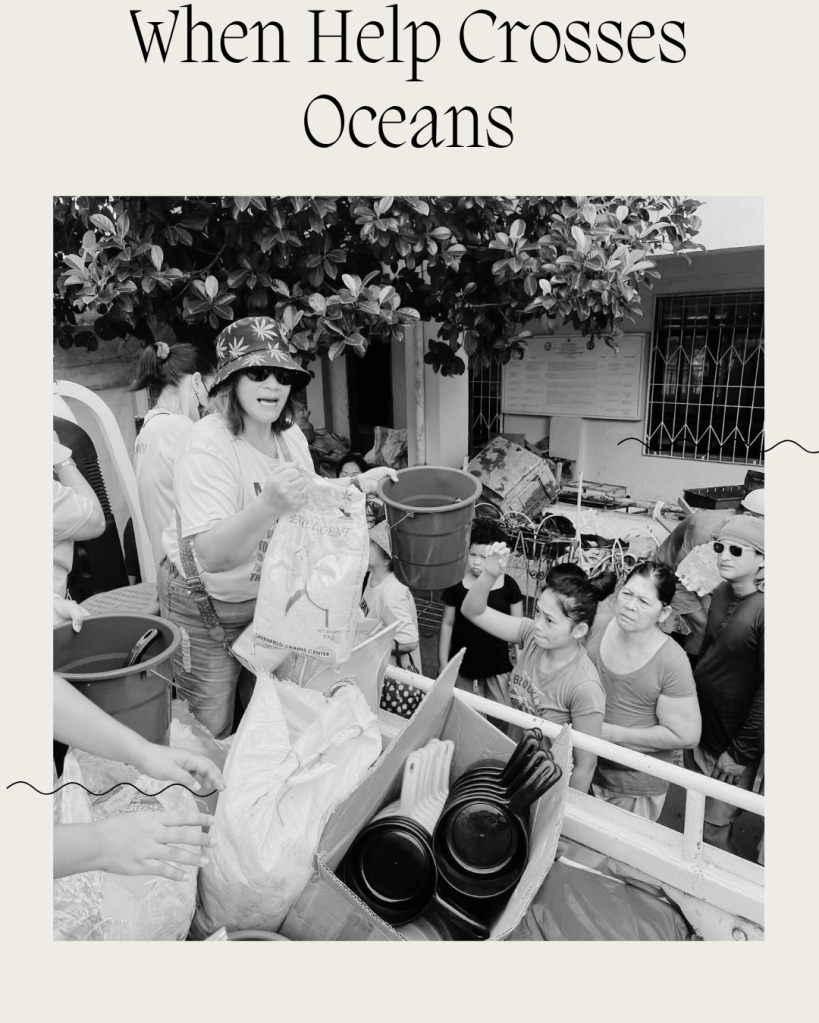
Filipinos are storytellers. Every meal is a story (often served with rice), every fiesta is a chapter of color, every smile a promise that no hardship can fully erase. The culture thrives not only in churches and monuments but in the living tradition of bayanihan — neighbors helping neighbors, even when their own hands are empty.
And if there is one thing you learn about the Philippines, it is this: beauty here is not fragile. It is fierce. It survives typhoons, earthquakes, and generations of neglect. It survives, because the people themselves are beauty in motion.
But the Wound Runs Deep
And yet, alongside this beauty lies a wound that refuses to heal. The politics of the Philippines has long been a theater of broken promises. Leaders rise with slogans of hope but often end with pockets heavy and souls empty. Laws bend, not in service of justice, but in service of those who can pay for its silence.
Recently, Senator Tulfo’s remark echoed a dangerous idea — that the law can and should be bent when public emotions run high. To me, those words do not uplift the people; they undermine the very foundation of democracy.
Why I Do Not Agree
I cannot agree with Senator Tulfo’s remark. The law should not be bent to please emotions; it should be strengthened to uphold justice. When leaders suggest that pleasing the people justifies bending the law, it risks turning governance into a popularity contest instead of a solemn duty. The rule of law is the backbone of democracy. Once you bend it for one reason, you create excuses to bend it again — and soon enough, it breaks.
Yes, I understand the anger of the people. I understand the desire to see stolen money returned quickly, to see corrupt officials punished without endless bureaucracy.
But shortcuts do not heal wounds; they only cover them temporarily.
What the Philippines needs is not “bending” the law, but enforcing it consistently, swiftly, and transparently. Justice should never be a show staged for applause; it should be a system the people can trust, even when the spotlight is gone.
Senator Robin Padilla was right to counter Tulfo’s statement. While public emotions are powerful, governance cannot be anchored in temporary sentiments. It must be grounded in integrity, fairness, and accountability. If we allow bending the law today to satisfy outrage, what will stop leaders from bending it tomorrow for their own gain?
The Greater Paradox
This is the paradox of the Philippines: a country so rich in natural resources, creativity, and talent, yet so often betrayed by the very leaders sworn to protect it. The people endure floods not only from storms but from anomalous projects and misplaced funds. They carry the weight of poverty, not because they lack ability, but because politics has long been a game of power instead of service.
How ironic it is that in a land of abundance, millions go hungry. That in a nation full of brilliance, education and opportunities remain unequal. That in a democracy fought for with blood and sacrifice, the laws are treated like clay to be molded at will.
A Land That Deserves Better
The Philippines is too beautiful to be betrayed by corruption. It is too rich in spirit to be governed by shortcuts. What it needs is not leaders who bend the law, but leaders who embody it. Not politicians who please the crowd for a moment, but statesmen who serve the nation for generations.
To love the Philippines is to see both its light and its shadow. To admire its beaches, mountains, and culture, but also to demand accountability for the poverty, injustice, and inequality that dim its glow. True patriotism is not blind.
It is the courage to say: This land is worth fighting for, and it deserves better.
Because in the end, the Philippines is not just islands or politics. It is its people — the fisherfolk rising before dawn, the nurses working abroad to feed families back home, the students dreaming under dim light, the jeepney drivers who keep the city moving. They are the real Philippines. And they deserve a country as honest and steadfast as they are.





























 superanjventures
Leave a comment