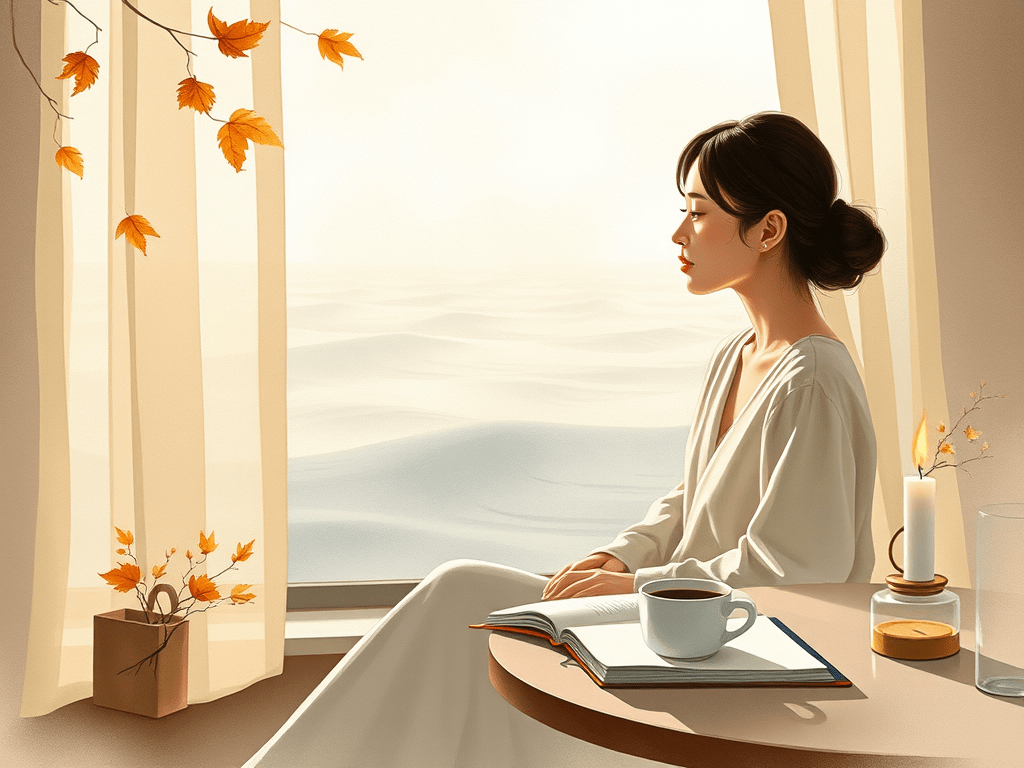
“You can’t control the waves, but you can learn to be steady when they come.”
A reflection on Stoicism, silence, and the art of staying calm when life storms.
Every once in a while, you stumble upon a video that doesn’t just entertain you — it disarms you. It doesn’t tell you what to think or how to feel; it simply lays the truth bare and lets you sit with it, uncomfortable but awake. I found myself watching one of those recently, a short film that spoke about Stoicism by The Stoic Habit on youtube — not as a cold philosophy, but as a way of living with clarity. It didn’t use the usual motivational tone or soft, comforting words. Instead, it challenged everything I thought I knew about strength, emotion, and control. There were no promises of easy happiness — only reminders that life will not always be gentle, and that our greatest power lies in how we respond when it isn’t.
The first thought that lingered in me was how much power there is in calmness. I’ve seen this countless times in the hospital — in those moments when everything feels urgent, when the alarms sound, and the world seems to spin. The calmest person in the room is rarely the one who speaks the loudest; it’s the one who breathes deeply, observes quietly, and acts with precision. I realized that calmness isn’t just emotional restraint; it’s mastery. It’s the art of not letting your emotions run ahead of your reason. In life, as in nursing, chaos will always exist — but if you can meet it with stillness, you remain in control. I’ve come to believe that the truest form of intelligence is not how fast you react, but how gracefully you respond.
The video also made me confront an uncomfortable truth: people act according to their own needs, not our expectations. I used to think that kindness would always be reciprocated, that sincerity would naturally return as sincerity. But the world doesn’t always mirror our intentions. People move differently; they love differently; they carry their own definitions of loyalty and truth. The sooner you accept that, the freer you become. There’s a quiet strength in releasing others from the duty of understanding you, and instead learning to meet them where they are — or, when needed, to let them go. Not everyone will give what you give, and that doesn’t mean you gave wrong. It only means you gave from a place they couldn’t reach.
Another idea that struck me was how comfort can be deceptively dangerous. We often equate comfort with happiness, but comfort can also become a soft kind of prison — one that keeps us from growing, questioning, or daring. The Stoic reminder was simple: the easiest path rarely builds strength. I’ve seen this in myself. The moments that shaped me the most were never the easy ones. They were the nights when I doubted everything, when I felt tired beyond reason, when I thought I couldn’t keep going — but did. Discomfort, though painful, is often the birthplace of resilience. We need to stop cursing the things that challenge us, because they are quietly teaching us who we are capable of becoming.
Then there’s the truth about fairness — or rather, the lack of it. The world doesn’t owe us a thing. It doesn’t owe us success for our effort or kindness in exchange for our goodness. It simply is what it is. Accepting this used to make me sad; now it makes me strong. Because when you stop expecting life to be fair, you stop waiting for the world to reward you — and start rewarding yourself through purpose. You work because you believe in what you do. You help because compassion is part of who you are. You continue not because life guarantees balance, but because doing what’s right is its own kind of peace.
The video also reminded me of how much unnecessary suffering we invite by taking every word personally. Not every opinion needs to be absorbed. Not every criticism needs to be defended. I used to let people’s words cut me deeply, replaying them in my head until I believed they were true. But over time, I’ve learned that the way others see me often has more to do with their wounds than my worth. It’s liberating to realize that silence is sometimes the most powerful response — not out of pride, but out of self-respect. You don’t need to explain yourself to those who are committed to misunderstanding you.
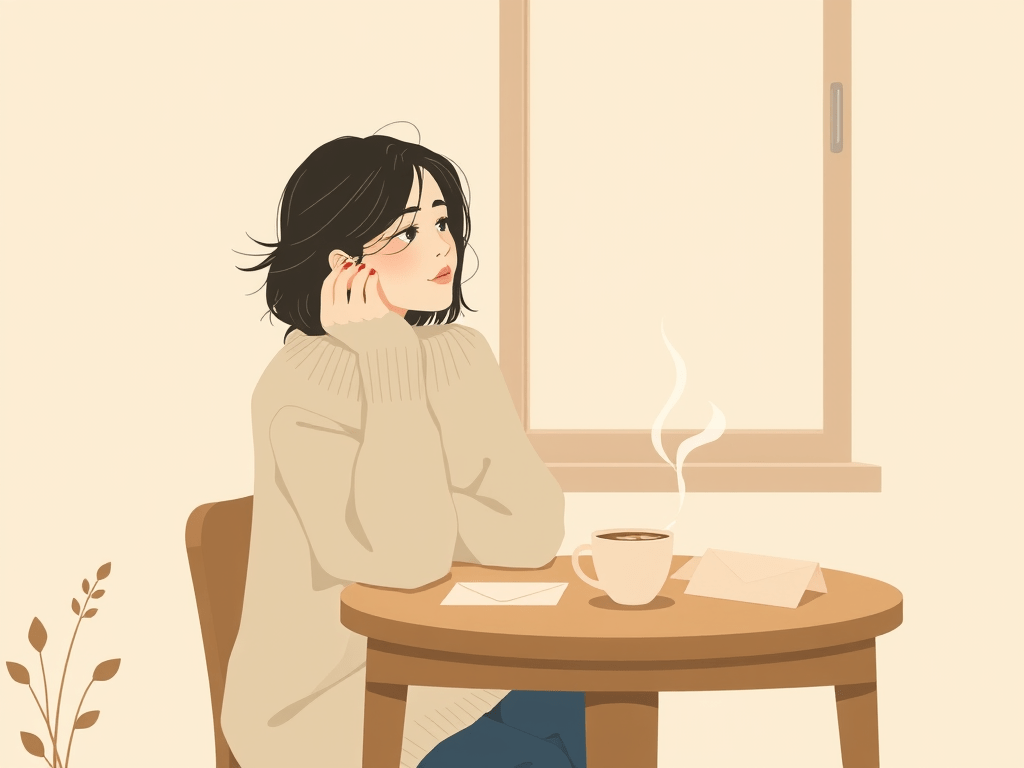
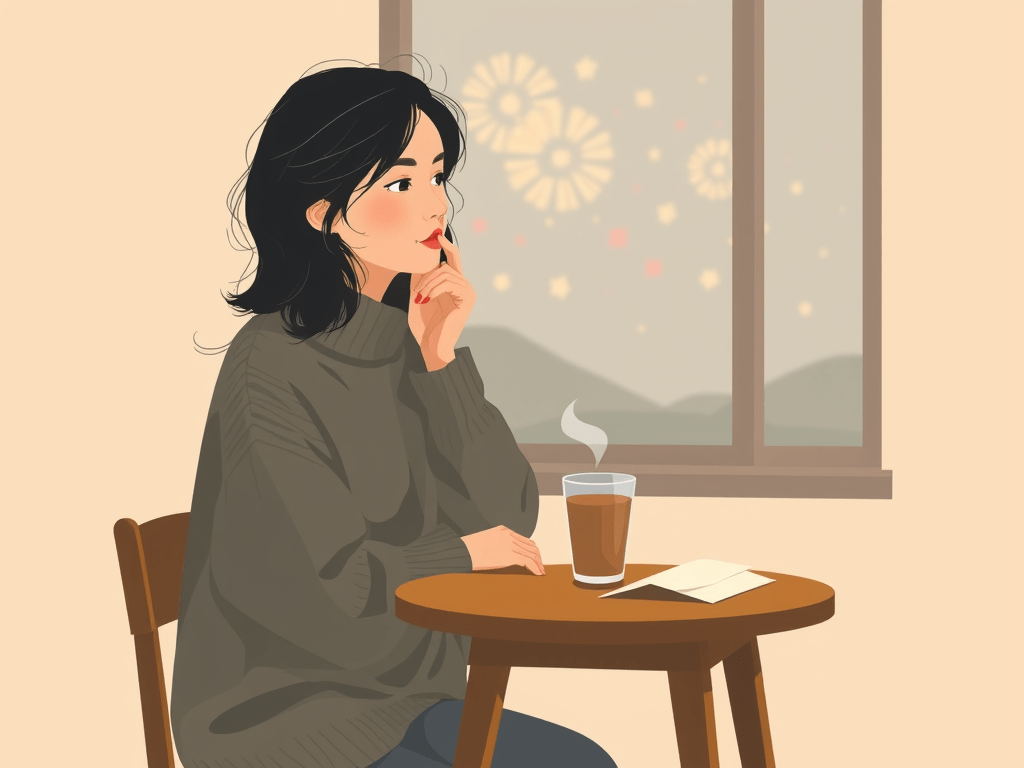
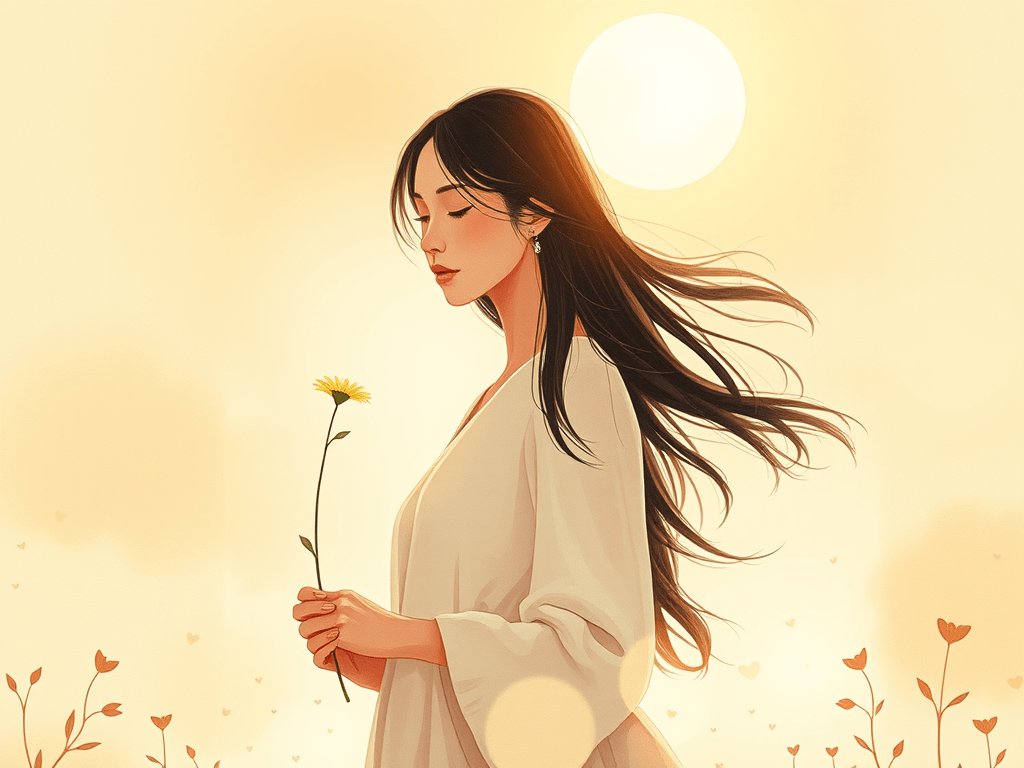
There was also a section that spoke about solitude — about how people fear being alone because they don’t know how to be with themselves. That line pierced me. Solitude has been my quiet teacher for years. I used to associate being alone with loneliness, but I’ve since discovered it’s the opposite. Solitude is where I meet the truest version of me — away from noise, comparison, and expectation. It’s in quiet walks after work, or in the stillness of writing when the world is asleep, that I rediscover peace. Being alone doesn’t mean being unloved; it means you’ve learned how to love your own company.
And then came the reminder that time is running — not in a panicked sense, but in a sacred one. We all know life is short, but we rarely feel it until something forces us to. The Stoics taught the principle of memento mori — to remember that we will die. Instead of sadness, it brings clarity. It makes you realize that you don’t have to wait for the perfect moment to start living. If tomorrow isn’t promised, why not tell people you love them today? Why not write the story, take the trip, or chase the dream that’s been sitting quietly in your chest? Awareness of mortality doesn’t darken life; it brightens it. It makes every breath, every laugh, every sunrise — feel like grace.
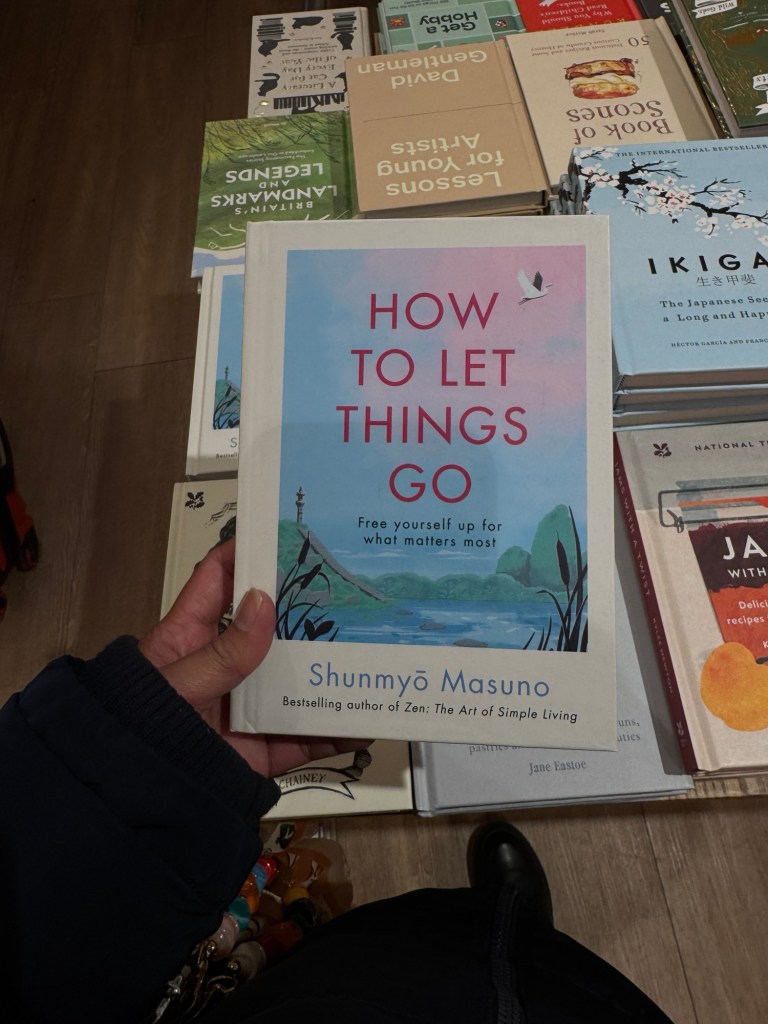
Finally, the most grounding lesson of all: focus only on what you can control, and let go of what you can’t. It sounds simple, yet it’s one of life’s hardest lessons. I’ve spent so much energy trying to fix things beyond my reach — people, outcomes, circumstances — until I realized that peace begins where control ends. I can do my best, but I cannot dictate how others will respond. I can give my all, but I cannot command results. There’s a quiet kind of power in surrender — not the helpless kind, but the wise acceptance that says, I will do my part, and trust life to handle the rest.
When the video ended, I sat there for a while, not rushing to play another one. I just stayed in the silence, thinking about how much noise we live with every day — and how rare it is to hear something that doesn’t just talk about wisdom but invites you to live it. The more I thought about it, the more I understood that being “dangerously smart” isn’t about being calculating or emotionless. It’s about being clear — clear about your values, your reactions, your boundaries, and your peace. It’s about walking through chaos without letting it define you.
In a world that teaches us to speak louder, this reminded me of the quiet art of being still. To not flinch when things go wrong. To not beg for fairness. To not chase comfort. To not fear solitude. To not waste time. To not grasp at control. To not be ruled by emotion.
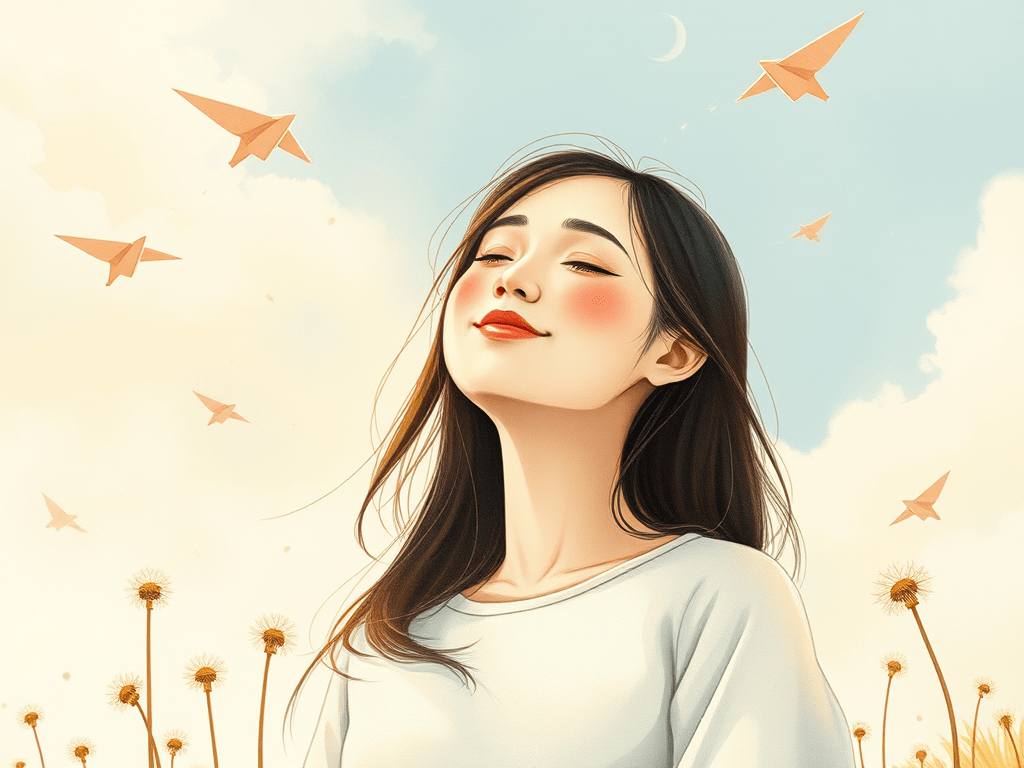
Maybe that’s what wisdom really is — the quiet confidence to stand in your truth without needing to shout it. And maybe that’s the lesson life keeps whispering, over and over, in moments of silence: you can’t control the waves, but you can learn to be steady when they come.














 superanjventures
Leave a comment