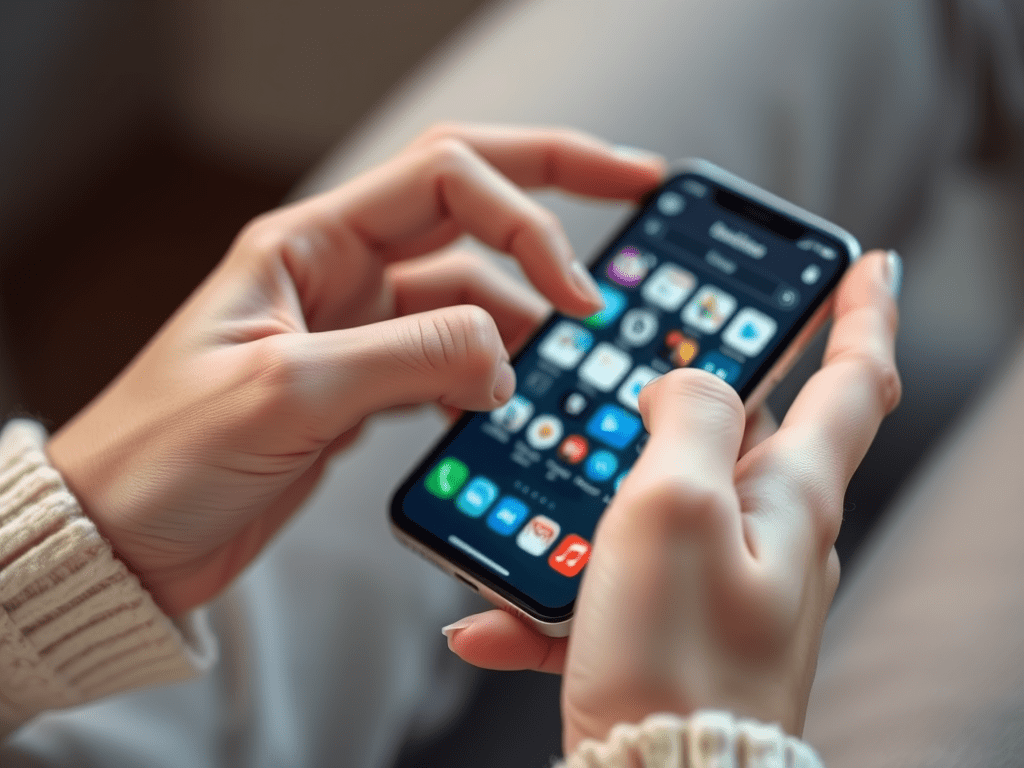
Today’s prompt asked a question that seems harmless at first glance, but lingers long after you’ve read it: What technology would I be better off without—and why?
At first, I wanted to laugh it off. We live in a world built on convenience; everything we do is wired, synced, stored, or streamed. It’s hard to imagine a life without the glow of a screen, without the tap of a notification, without that subtle pull to check if the world has something new to show us. But then the question sat with me a little longer. I realised it wasn’t asking for a blanket rejection of technology—it was asking what kind of technology steals more from us than it gives.
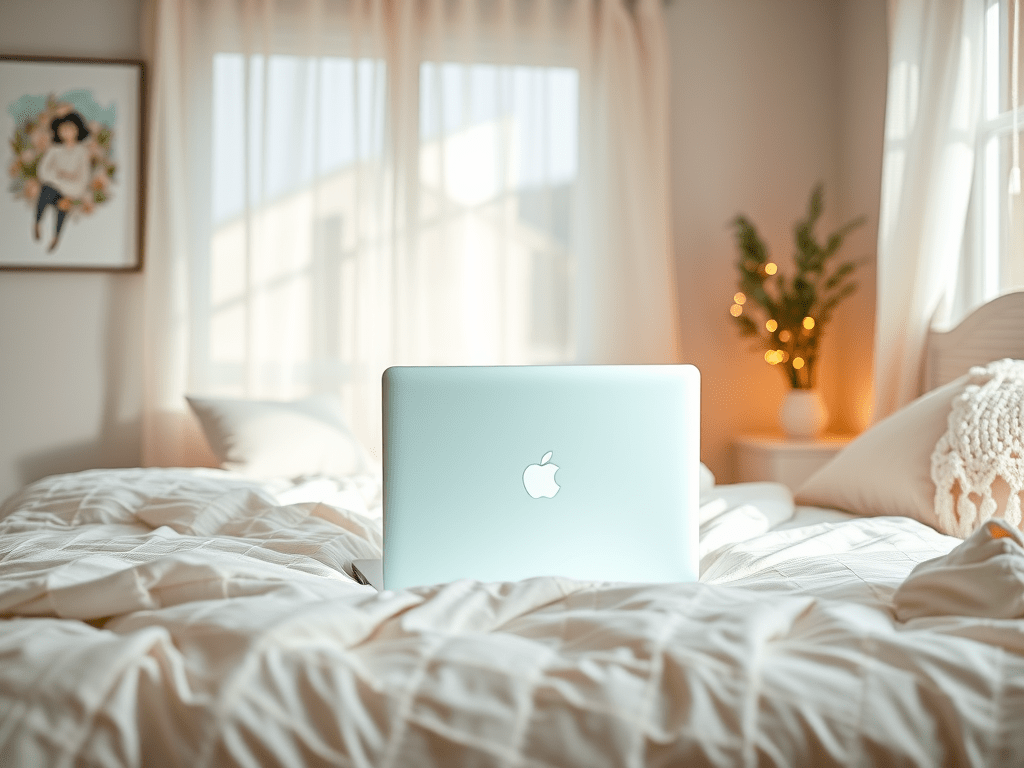
If I had to choose, I’d let go of the kind of technology that doesn’t serve life, but interrupts it. The kind that rewards distraction and punishes stillness. Not my phone itself, not the internet, not even social media as a whole—those things can connect, inspire, and even heal when used with intention. What I’d give up is the part of technology that feeds addiction disguised as engagement: the endless scroll, the autoplay that never asks for consent, the notifications designed to pull us back in just as we’re about to put the phone down.
It’s not the tools that are the problem; it’s the way they’ve been designed to make us forget the boundary between utility and escape. Somewhere between the first swipe and the thousandth, the line between curiosity and consumption disappears. Minutes turn into hours, and hours turn into something heavier—guilt, exhaustion, a quiet sense of having lived less than we intended.
There’s something deeply unsettling about how easily we trade our silence for stimulation.
We wake up and check our phones before we even check in with ourselves. We scroll while eating, while walking, while waiting in line—filling every pause with noise, as if stillness were something shameful. We have access to all the information in the world, yet we’ve never been so easily distracted from our own thoughts.
The irony, of course, is that technology was meant to give us more time. Faster communication, quicker access, smarter systems—all so we could live fuller lives. But somewhere along the way, we stopped using it as a bridge and began using it as a hiding place. The moments that used to belong to daydreams, to boredom, to reflection—now belong to algorithms.
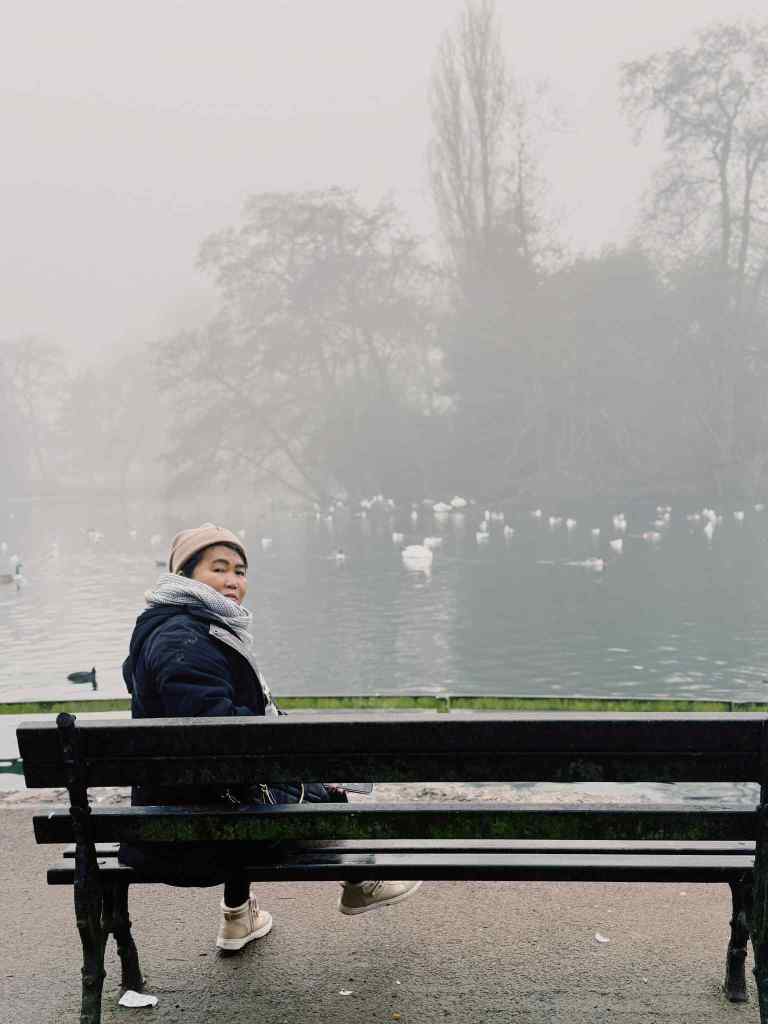
When I consciously step away from that kind of consumption, something shifts. The silence that once felt awkward begins to feel sacred. The world returns to its natural pace: the clink of spoons against a mug in the morning, the slow rhythm of footsteps on the pavement, the warmth of conversation unpunctuated by alerts. There’s something grounding in reclaiming your attention, in deciding that your presence belongs to you again—not to a feed that never ends.
Without that constant digital hum, even the smallest things regain their color. I start to notice how the sunlight moves across the floor throughout the day, how strangers smile more often than I think, how food tastes better when I’m not half-listening to a podcast. I feel my focus lengthen, my breathing deepen, my thoughts unclutter. It’s not about cutting off from the modern world—it’s about learning to come home to yourself amid its noise.
Maybe the real danger isn’t in technology itself, but in the way it quietly redefines our idea of enough.
Enough information, enough productivity, enough entertainment, enough validation. The truth is, there will always be more to see, more to consume, more to prove. But the moment you remember that not everything needs your attention, life expands. You begin to live in your moments instead of merely documenting them.
So if you ask me now what technology I’d be better off without, my answer would be this: any form of technology that makes me forget to be fully human. Any feature that teaches me to react instead of reflect. Any noise that drowns out the quiet wisdom of simply being here.
Because in the end, life isn’t lived through screens or scrolls—it’s lived in the pauses we protect, in the stillness we dare to return to, in the presence we choose to keep.
And maybe, that’s the most revolutionary kind of disconnection there is.












 superanjventures
Leave a comment