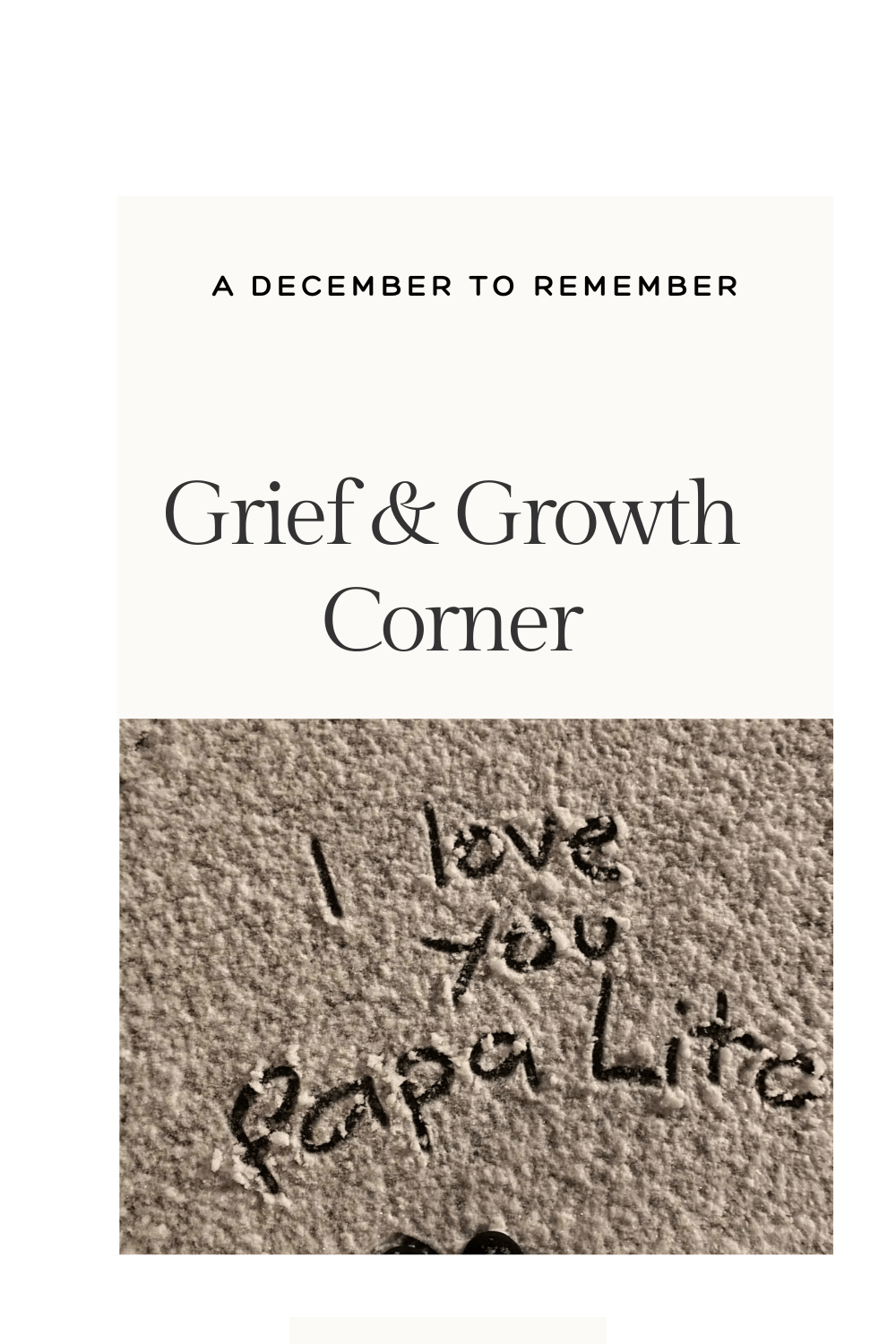
I was thousands of miles away from the Philippines, desperately trying to reach my family, praying the signal would hold and the worst wouldn’t come.
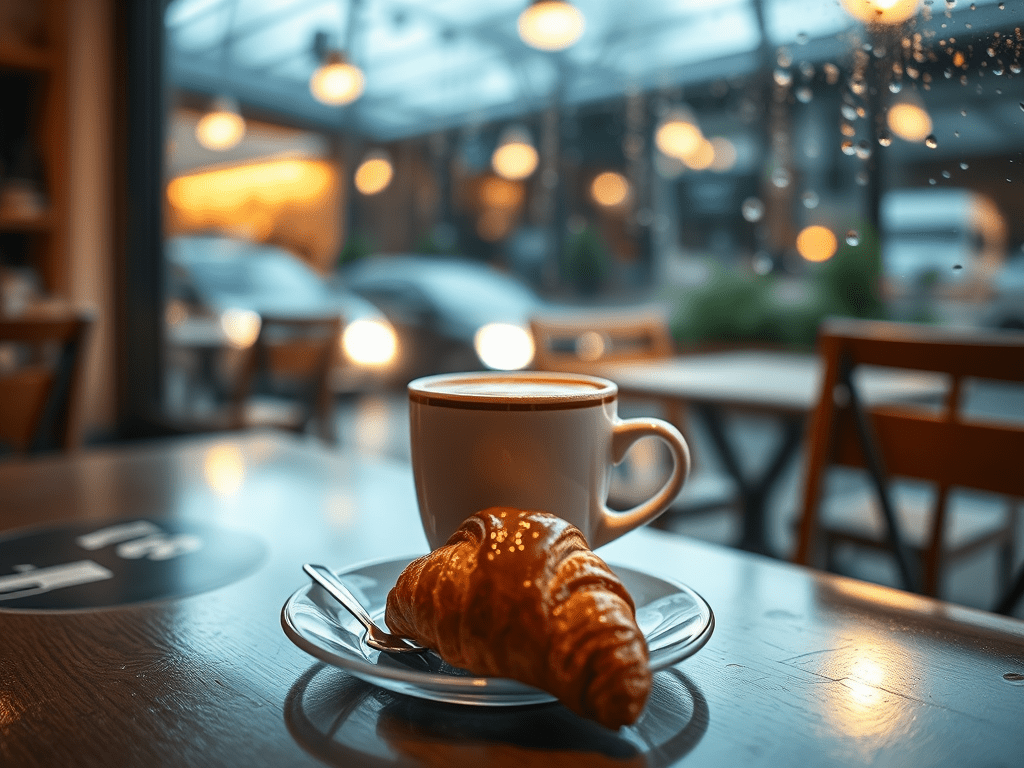
This is the hardest post I’ve ever written. Even now, it feels like it only just happened. I remember exactly where I was—curled up in my favorite pink winter pajamas, clutching a warm cup of coffee like it was the only thing holding me together. Outside, the rain tapped against the windows as the cold settled in at -1°C. But inside, the chill ran deeper. The air felt heavy. My hands trembled. My father was in the hospital, and everything in me knew something wasn’t right. I was thousands of miles away from the Philippines, desperately trying to reach my family, praying the signal would hold and the worst wouldn’t come.
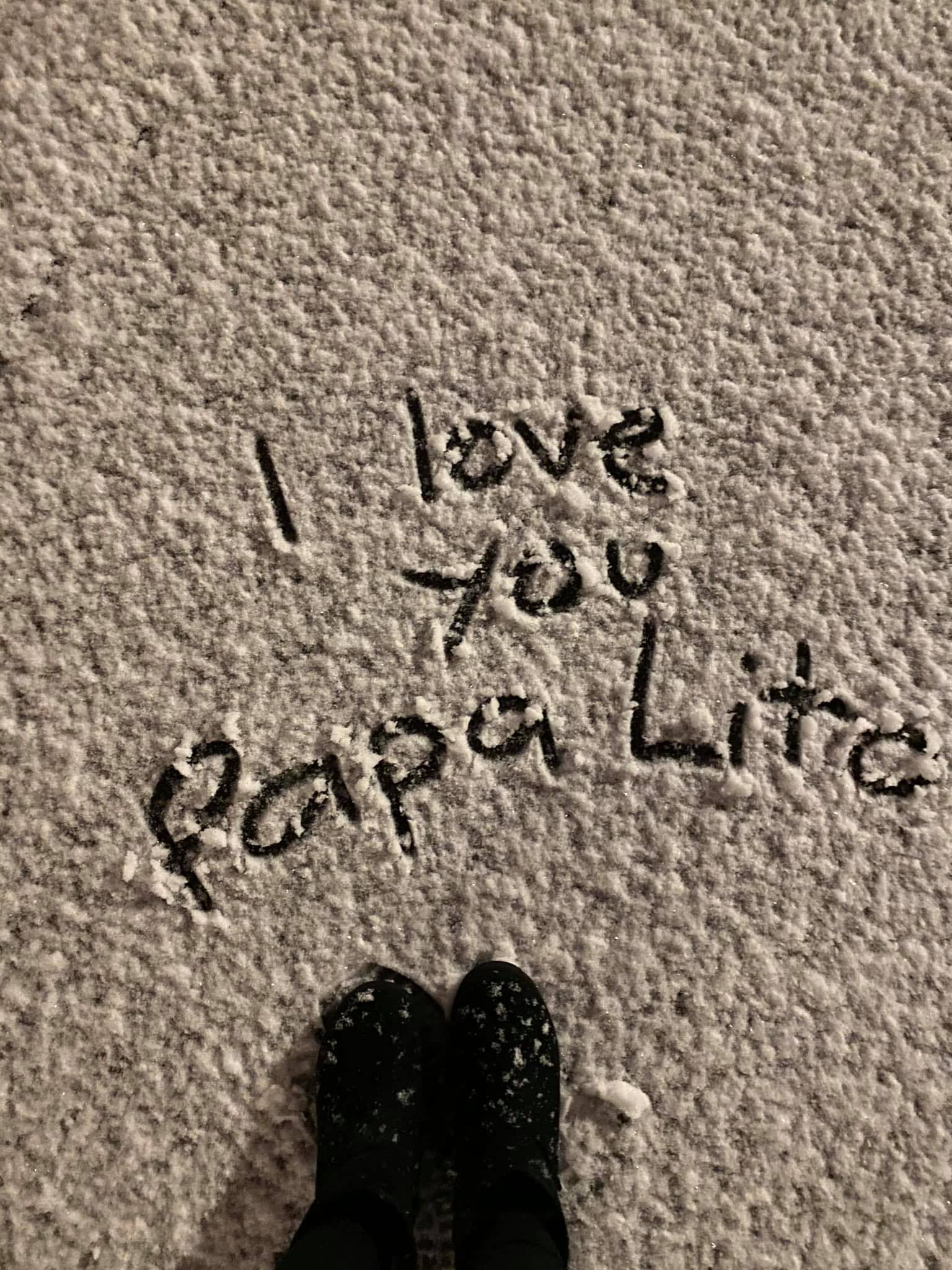
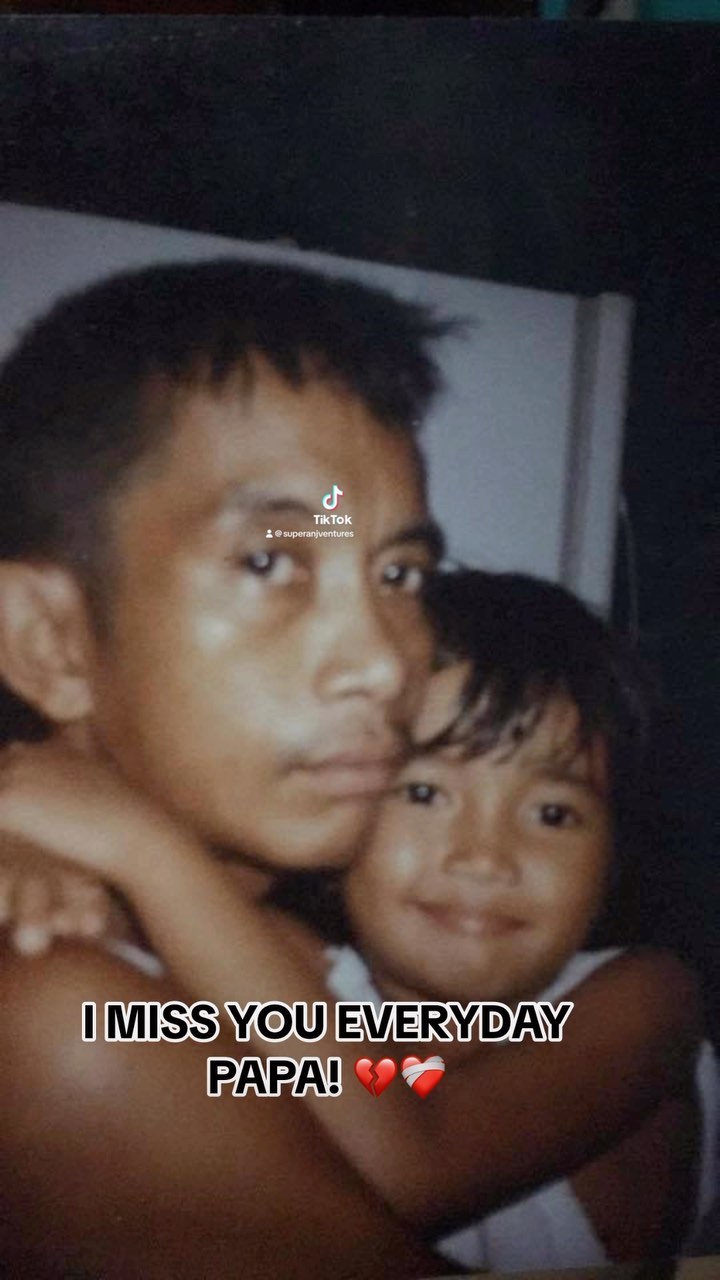
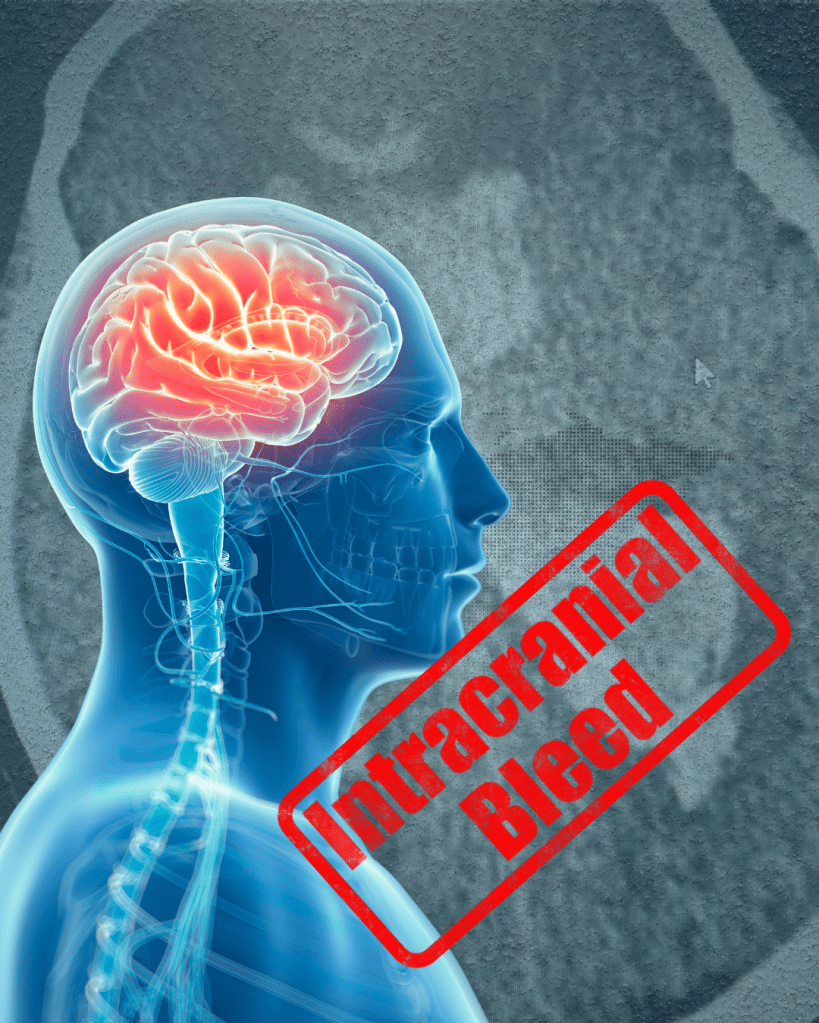
I still hear the words that traveled across the line—clinical, urgent, and devastating: inotropes, STAT blood transfusion, CT scan. As a nurse, I’ve said those words countless times without flinching. But that night, I wasn’t a nurse. I was a daughter—helpless, terrified, and completely undone. My younger brother answered the video call and turned the screen toward Papa. He was lying there—pale, weak, fragile, his chest rising slowly beneath the oxygen mask. He looked at me. And softly, he said he was tired. I didn’t want to hear it. I begged him silently to fight, to stay, to hold on. Then, with all the strength he had left, he lifted his hand and gave me a thumbs up. And in that moment, I believed it. I believed we still had time.
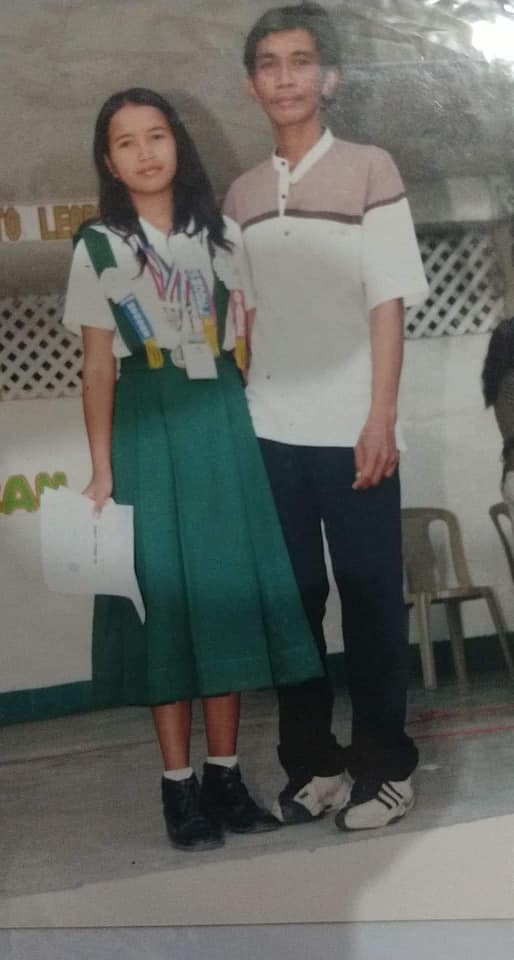
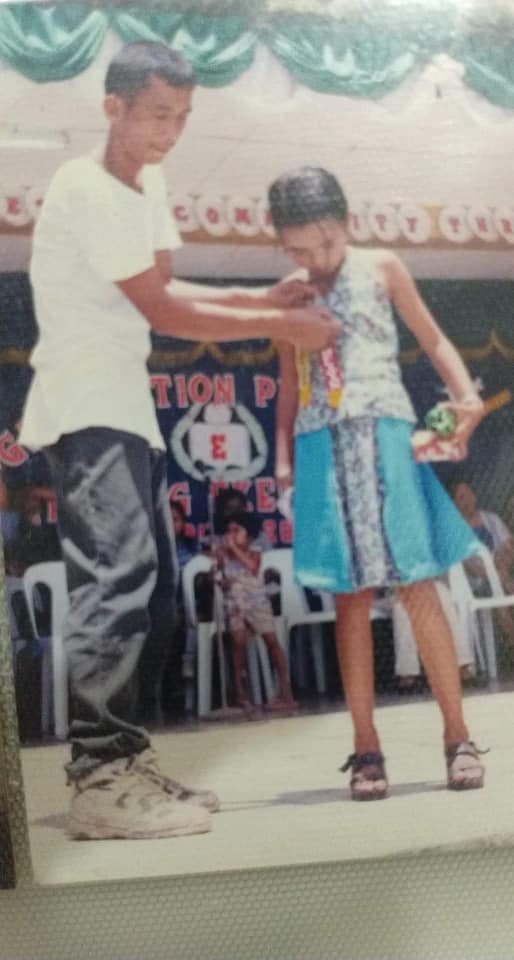
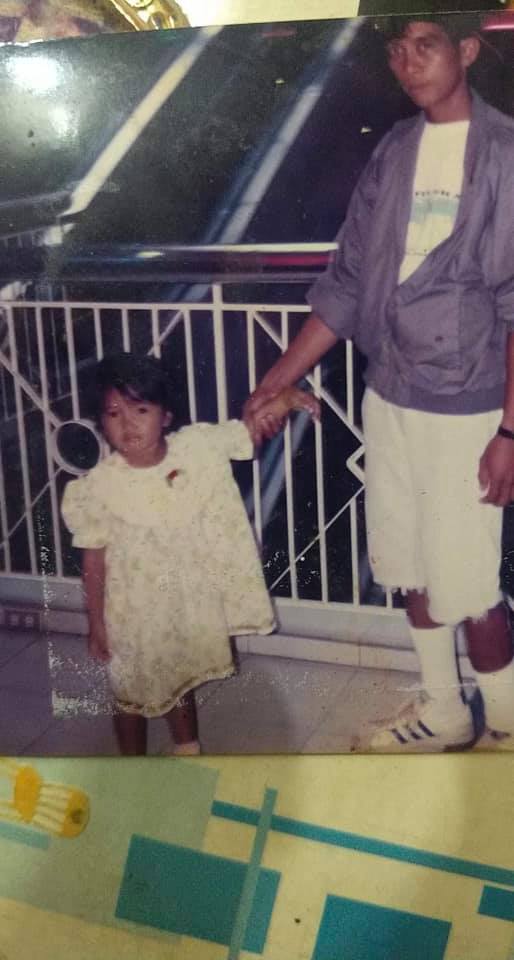
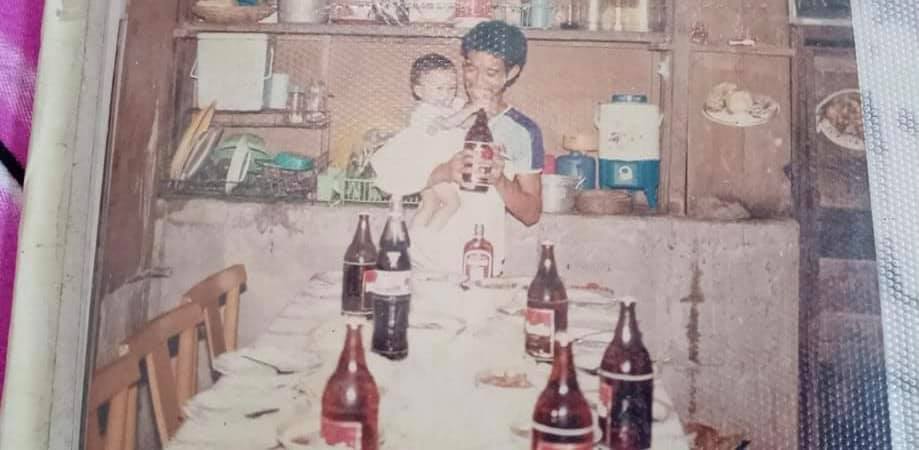
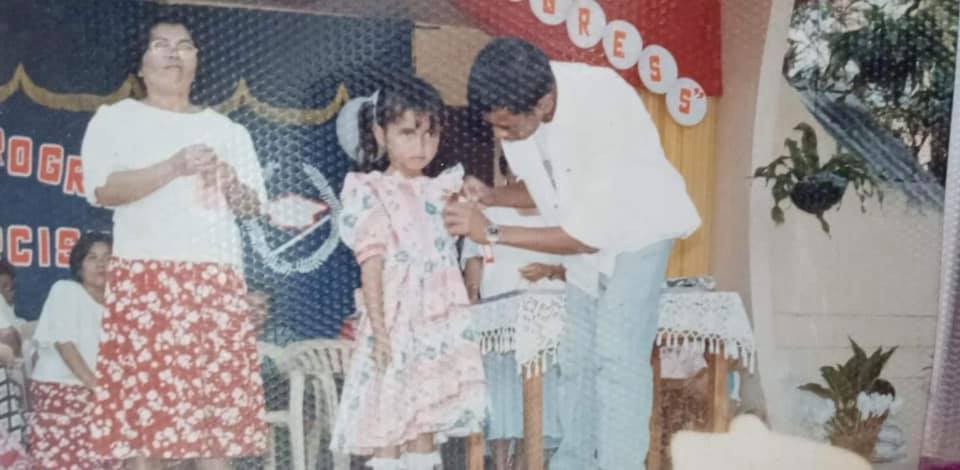
But moments later, he whispered that he couldn’t breathe. I urged my brother to call the nurse. My mom and cousin were at the blood bank, fighting to secure the three units he needed. And then it happened—without warning, without ceremony. I watched my father take his final breath through a screen, from the other side of the world. I couldn’t help. I couldn’t hold his hand. I couldn’t even say goodbye. I’m a nurse. I’m his daughter. But I couldn’t save him.
I couldn’t hold his hand. I couldn’t even say goodbye. I’m a nurse. I’m his daughter. But I couldn’t save him.
The rest of the night is a blur. My memory has blurred the details to protect me, and yet I remember every ache. It was Wednesday, December 23, 2020—the day my world changed forever. There’s no handbook for this kind of grief. No guide for how to mourn when your heart is caught between time zones and glass screens. For a while, I tried to pretend it hadn’t happened. I buried the pain because facing it felt like drowning. I told myself I had to be strong—for Mama, for RR. I put on a brave face. I went to work. I kept moving like I was okay. But inside, I was breaking.
Eventually, I learned that strength doesn’t mean silence. It’s okay to fall apart. It’s okay to cry in public, to scream into a pillow, to feel like a mess. That’s not weakness—it’s grief. And grief, at its core, is love trying to find a way out when it no longer has a place to go. I still replay that night in my mind more times than I care to admit. I wonder if I could’ve said something more, done something different. But I can’t rewrite the ending. So instead, I choose to hold on to the pieces that remain. The moments when I made him laugh. The times he looked at me like I was his whole world. The way he called me anak with such tenderness, as though the word itself carried his entire heart.
And grief, at its core, is love trying to find a way out when it no longer has a place to go.
And then came Christmas Day. My dear friend Jean surprised me with a video greeting from my family. And in it—my Papa. Before he passed, he had recorded a message for me. I wasn’t prepared. But there he was. His voice, his presence, his love. He said thank you. He said he loved me. It was the most beautiful gift I’ve ever received. And it broke me in the most sacred way. I’ve watched that video more times than I can count. Each time, my heart shatters. And still, I watch. Because in his voice, I find pieces of myself. Because even in death, he found a way to speak to me.
But Papa didn’t raise me to crumble. He raised me to rise. To live with grace. To keep going, even when life doesn’t make sense. And so, I try. I carry him in everything I do—in the sound of laughter, in quiet acts of kindness, in the way I show up even when I’m tired. I feel him in the wind, in warm coffee, in the sudden silence that feels like presence. I believe he’s still with me, somehow, somewhere. And as long as I carry him in memory, in prayer, and in love—he will never truly be gone.
It’s not always the grand gestures we remember. Sometimes, it’s the ordinary
To anyone reading this: please, don’t take a single moment for granted. It’s not always the grand gestures we remember. Sometimes, it’s the ordinary—the way they brewed your coffee just right, the way they said “I love you” in passing, the way they smiled like you were home. Those are the moments that become everything. Hold them close. Say the words. Be present. Because when the time comes, it’s those small, quiet things that we carry for the rest of our lives.
With all my love,
Anj ❤️



















 superanjventures
Leave a reply to Kimberly Cancel reply