
I have walked through Telford in rain and in sunshine, under the blush of spring blossoms and the rust of autumn leaves, even in the quiet grip of winter frost. Each visit feels like returning to a familiar friend who dresses differently depending on the mood of the year. In spring, the air carries that faint, green scent of new life — damp earth and shy buds unfolding along the woodland paths. The leaves are young, almost translucent, catching the morning light like nature’s own stained glass. Summer changes everything — the same trails are now drenched in gold, shadows dancing under thick foliage, the sky an open stretch of blue that makes you want to linger longer than you should.
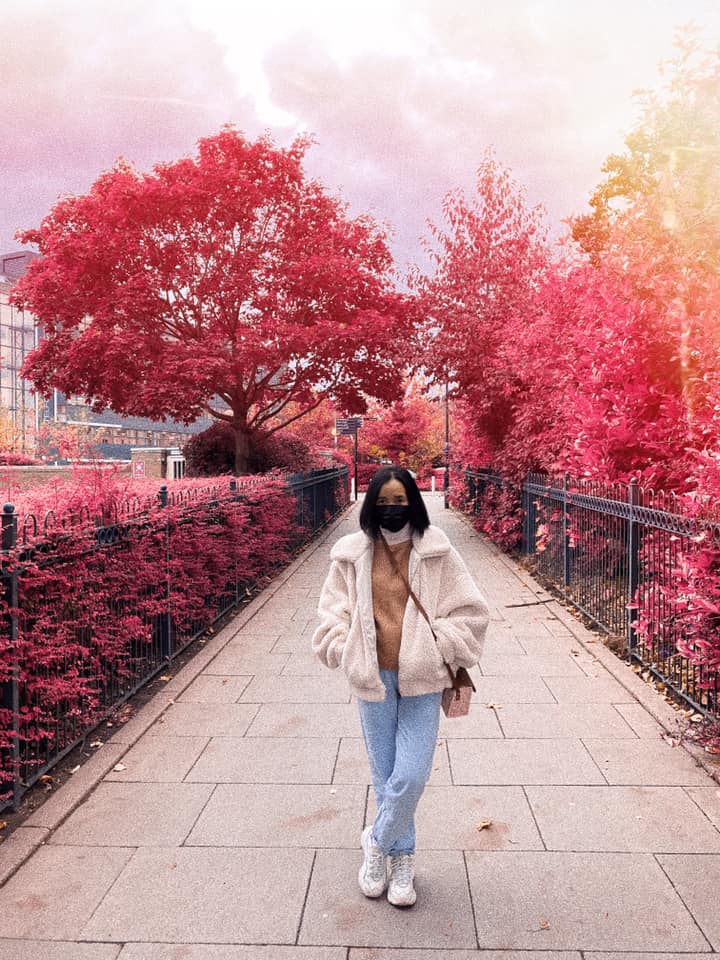

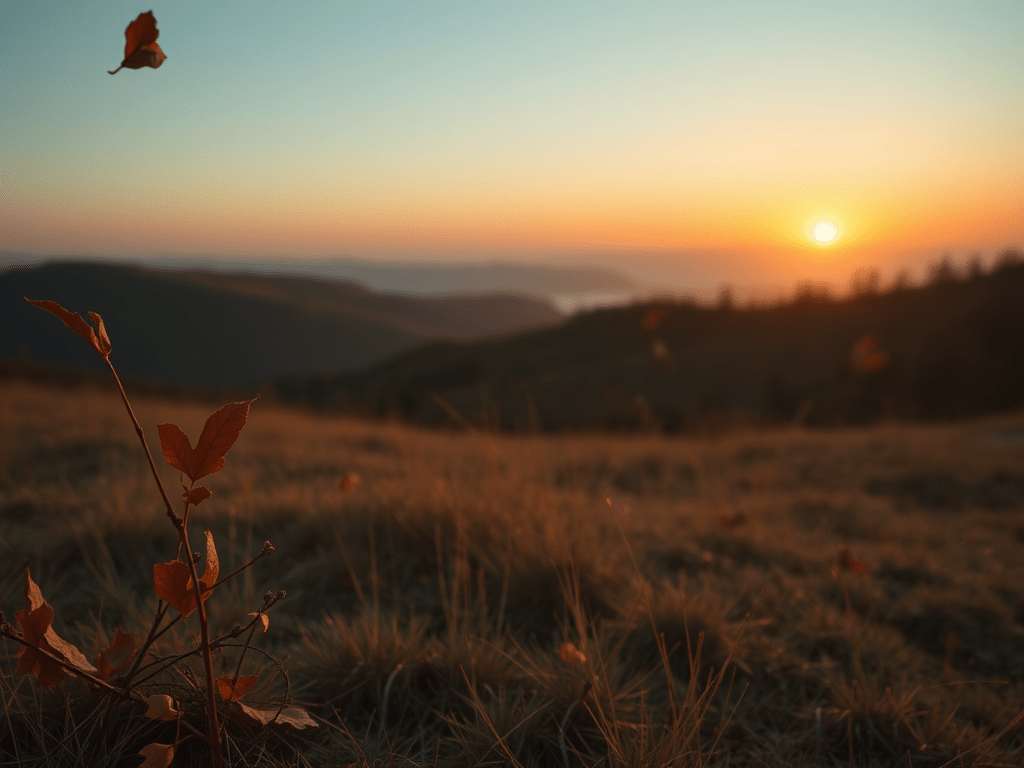
Then there’s autumn — my personal favourite. The trees erupt into an orchestra of reds, oranges, and yellows, their leaves carpeting the ground in a crunching mosaic. There’s a particular park I return to during this season, where the trees turn such a vivid shade of crimson they almost don’t look real, as though Telford decided to paint itself in a dream. And winter, though quieter, is no less beautiful. Frost clings to rooftops like lace, the river runs dark and reflective, and the air feels still enough to hear your own thoughts more clearly.
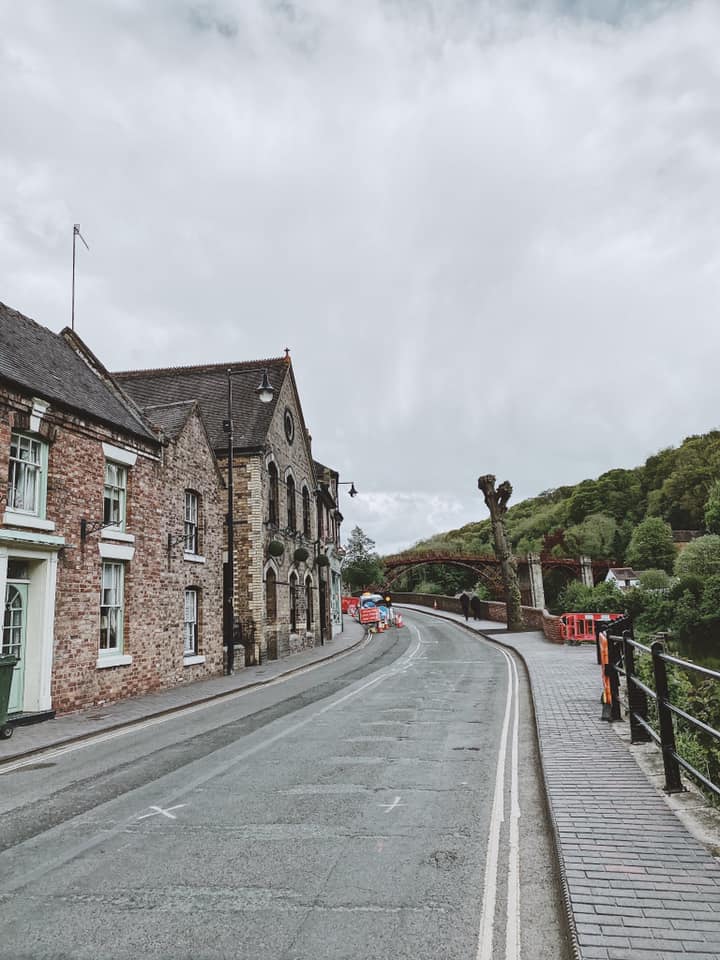
But no matter the season, my compass always seems to point toward the Iron Bridge — the pride and heartbeat of this place. Built in 1779, it was the first bridge in the world to be made entirely of cast iron, a groundbreaking leap forward in engineering that didn’t just connect two sides of the River Severn — it connected centuries. This bridge wasn’t simply a means to cross the water; it was proof that human imagination could reshape the future. Standing on it, you can almost hear the echoes of the Industrial Revolution: the clang of metal, the murmur of traders, the footsteps of those who built an era. It’s no surprise that Ironbridge Gorge, with the bridge at its centre, is now a UNESCO World Heritage Site. It’s a place where history is not tucked away in dusty books but written into the very stones and beams you walk upon.
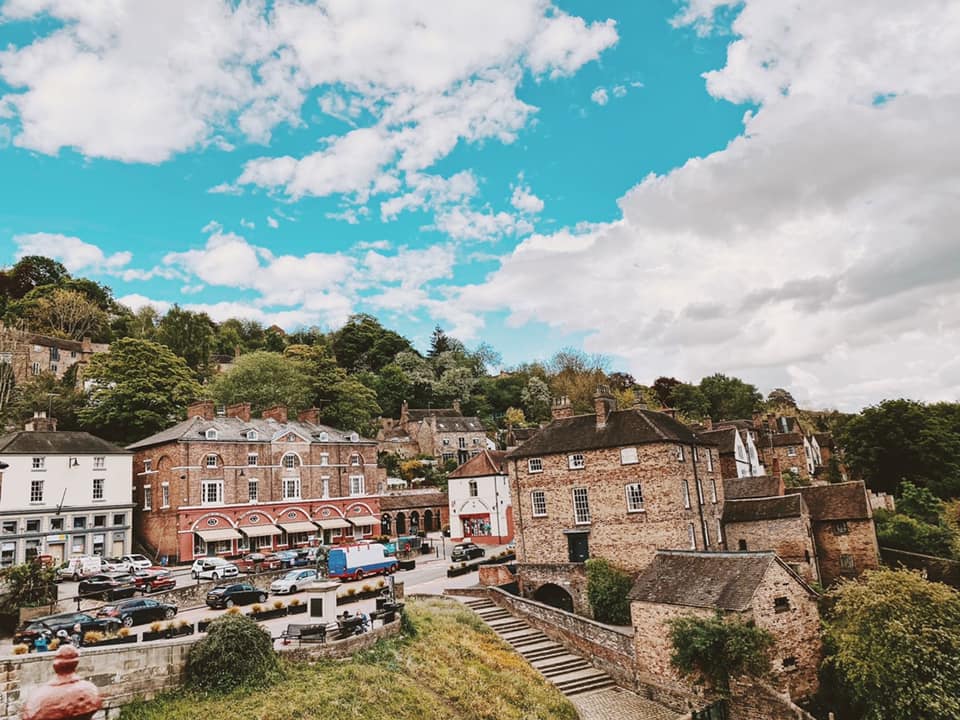
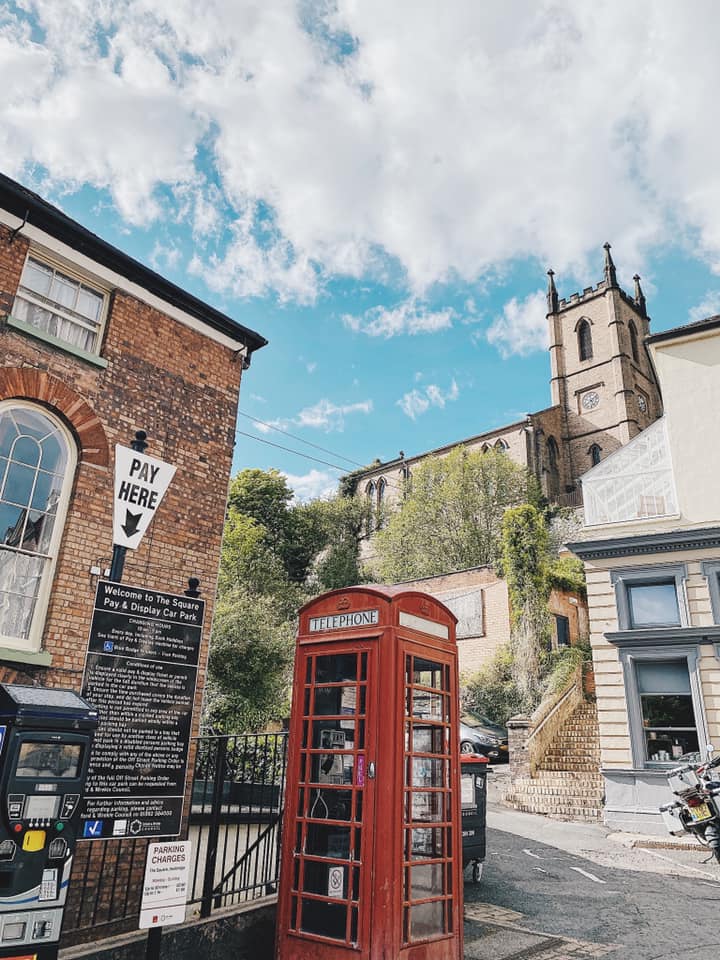
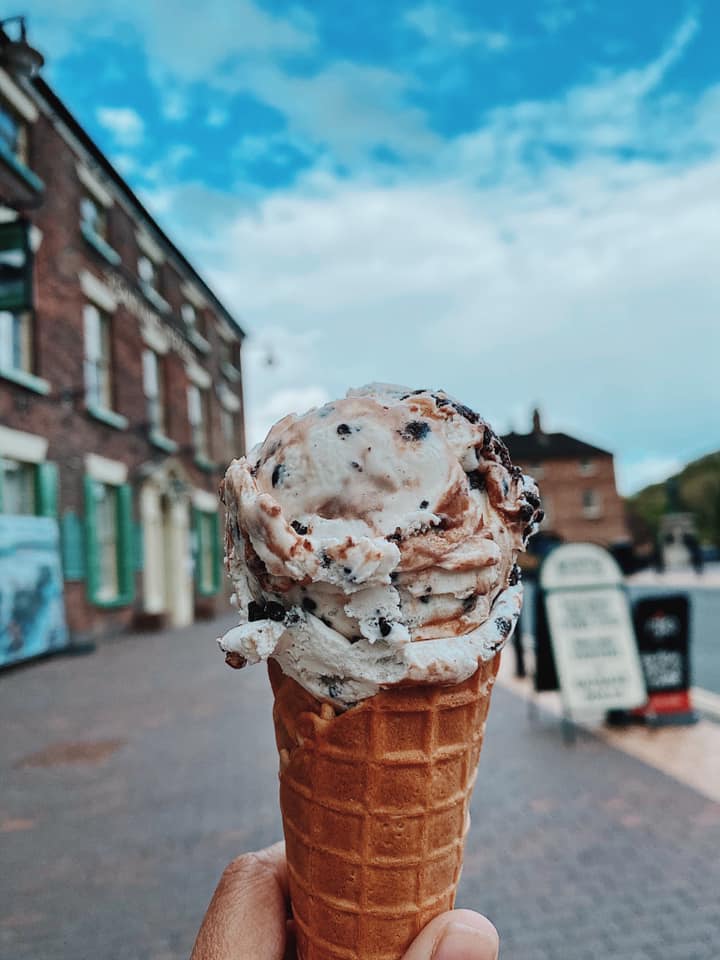
Around the bridge, the town unfurls in layers — cobbled streets lined with red-brick buildings that once held bustling workshops, now home to tearooms, boutique shops, and museums preserving the stories of those industrious years. The River Severn curves gently below, carrying both reflections of the sky and whispers of the past. There’s something grounding about standing there, coffee in hand, watching the current flow by, knowing it’s been flowing long before you and will continue long after.
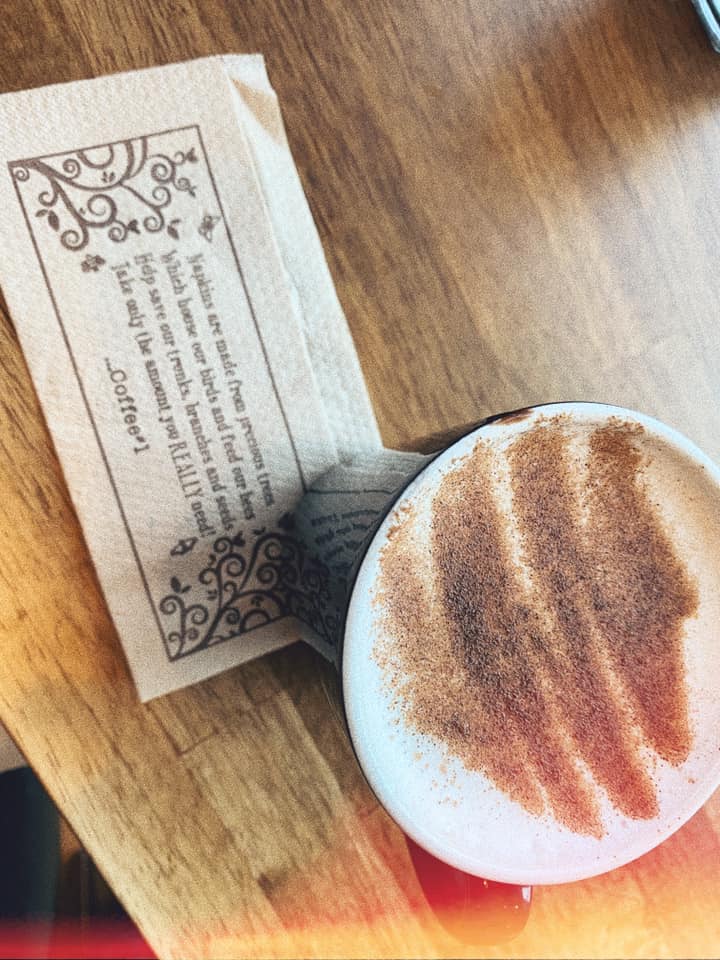

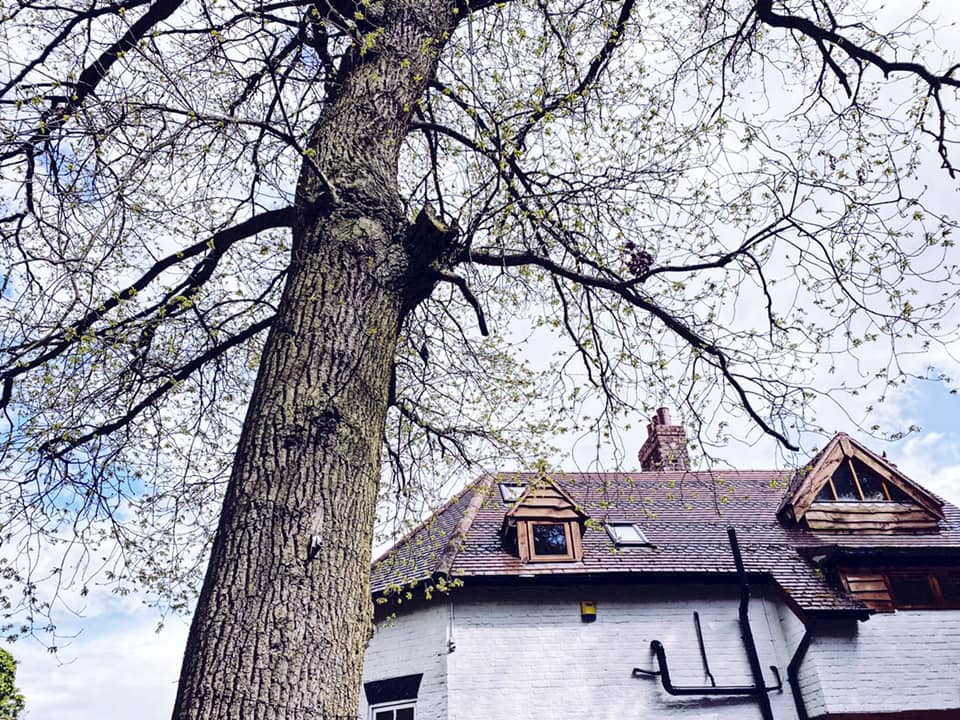
On my visits, I’ve often found myself in small cafés where a cinnamon-dusted latte comes with a paper napkin printed with words worth pausing for. There’s a warmth here that isn’t just in the drinks — it’s in the way people smile when you ask for directions, the way shopkeepers tell you about the history of their building, the way a walk can turn into an unexpected conversation with a local.
Beyond the bridge, Telford offers green spaces that shift with the seasons. The parks aren’t merely background scenery; they are living portraits, changing their colors, mood, and texture as the months pass. I’ve seen daffodils bowing gently to the breeze in early spring, children chasing bubbles under summer skies, and leaves swirling in little whirlwinds down the paths in October.
Telford is not a place that demands attention. It doesn’t try to overwhelm you with grandeur. Instead, it invites you to slow down. To listen. To notice how a single bridge can hold centuries of human progress. To appreciate the quiet dignity of a town that has adapted and thrived without losing its soul.
If you visit, don’t just make it a day trip. Let yourself return in different seasons. Walk across Iron Bridge at dusk when the sky turns the Severn into liquid gold. Wander the streets on a frosty morning when shop windows glow like lanterns. Sit in a park in midsummer and watch the way light filters through the leaves. In Telford, the magic isn’t in one grand moment — it’s in the way time moves here, changing everything yet leaving the heart of the town beautifully unchanged.

















 superanjventures
Leave a comment