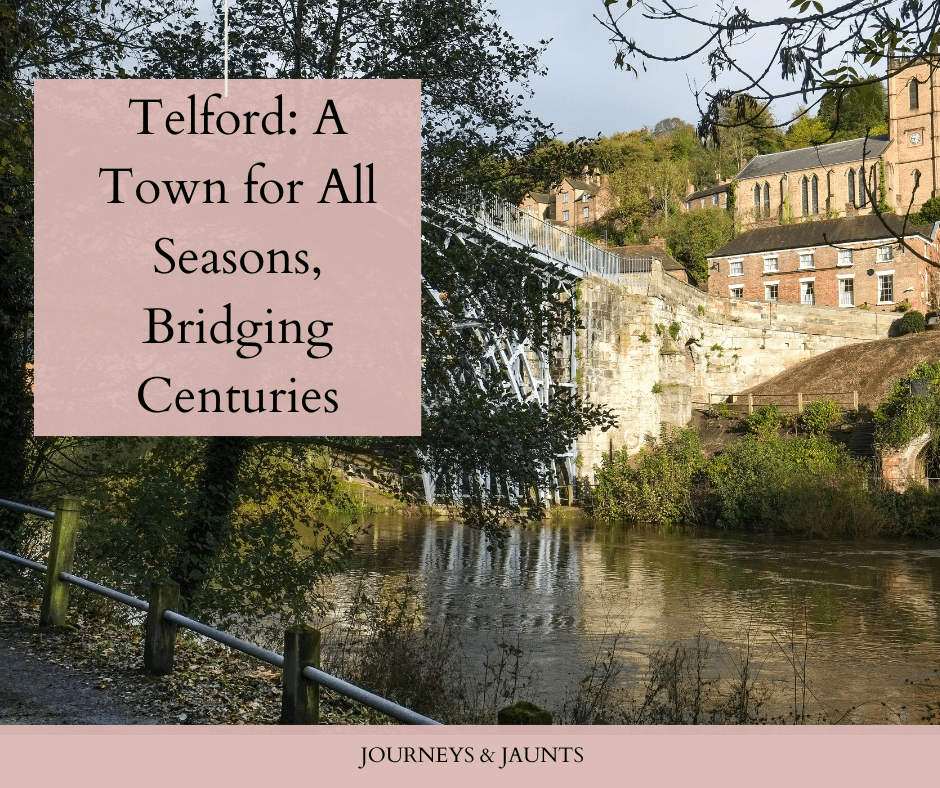
I have walked through Telford in rain and in sunshine, beneath the pale blush of spring blossoms, under the deep green canopy of summer and through paths softened by the rust and gold of autumn leaves. I have seen it under winter skies too, when frost settles quietly over rooftops and the air feels sharp enough to make every breath noticeable. Each visit feels a little like returning to an old friend who has changed clothes since the last time you saw them. The streets remain familiar, the paths still lead where you remember, but the mood is never quite the same. Perhaps that is what I have come to love about Telford: it does not need to reinvent itself to feel different. The seasons do that for it.
Spring arrives gently. There is a faint green scent in the air, the smell of damp earth and something beginning again. Along the woodland paths, buds unfold without ceremony, and the leaves appear almost translucent at first, thin enough for sunlight to pass through them. There are mornings when everything feels freshly washed, as though winter has finally loosened its grip and the town is beginning to breathe again. Daffodils appear in patches of yellow, small enough to be overlooked if you are walking too quickly, and perhaps that is the first lesson the season offers. Some of the most beautiful signs that life is changing arrive quietly enough that we have to slow down to notice them.
Summer transforms those same paths. The young leaves become thick and confident, stretching over walkways and turning sections of the trail into corridors of green. Sunlight falls through the branches in broken pieces, moving across the ground whenever the wind passes through. The sky seems larger in summer, an uninterrupted blue on the better days, and there is something about walking beneath it that makes you want to stay outside longer than originally planned. Parks that felt quiet in winter suddenly fill with movement. Children run across grass, families sit with food spread between them, and ordinary afternoons stretch out because nobody seems particularly eager to go home while the light remains.


Then autumn arrives, and perhaps I am biased, but this is when Telford feels most like itself to me. The trees seem to abandon restraint altogether, turning crimson, amber, gold and burnt orange until familiar places begin to look almost theatrical. There is a particular park I return to during this season where some of the trees become such a vivid shade of red that photographs never seem to capture them properly. They look almost unreal, as though somebody has increased the saturation on the landscape and forgotten to turn it back down. The ground becomes a mosaic of fallen leaves, and every step comes with that satisfying crunch that belongs almost entirely to October and November.
Autumn has always made me think differently about change. Spring celebrates beginnings, but autumn seems to understand endings without treating them as failures. Trees let go openly. Leaves fall without apology. The landscape becomes beautiful precisely while it is losing what covered it all summer. Perhaps nature understands something we spend much of our lives trying to resist: letting go does not always make something less beautiful; sometimes it reveals a different kind of beauty altogether.
Winter is quieter. The colours retreat, the days shorten and Telford seems to pull inward. Frost clings to rooftops and grass like lace, the river darkens beneath pale skies and the air becomes still enough that even familiar sounds seem sharper. It is not the kind of beauty that announces itself. Winter asks more of the person looking. You have to notice the silver edge of frost on a railing, the warmth behind a café window, the bare geometry of branches against a grey sky. There are days when the town seems almost monochrome, but I have come to appreciate that too. Not every season needs to be loud in order to be memorable.
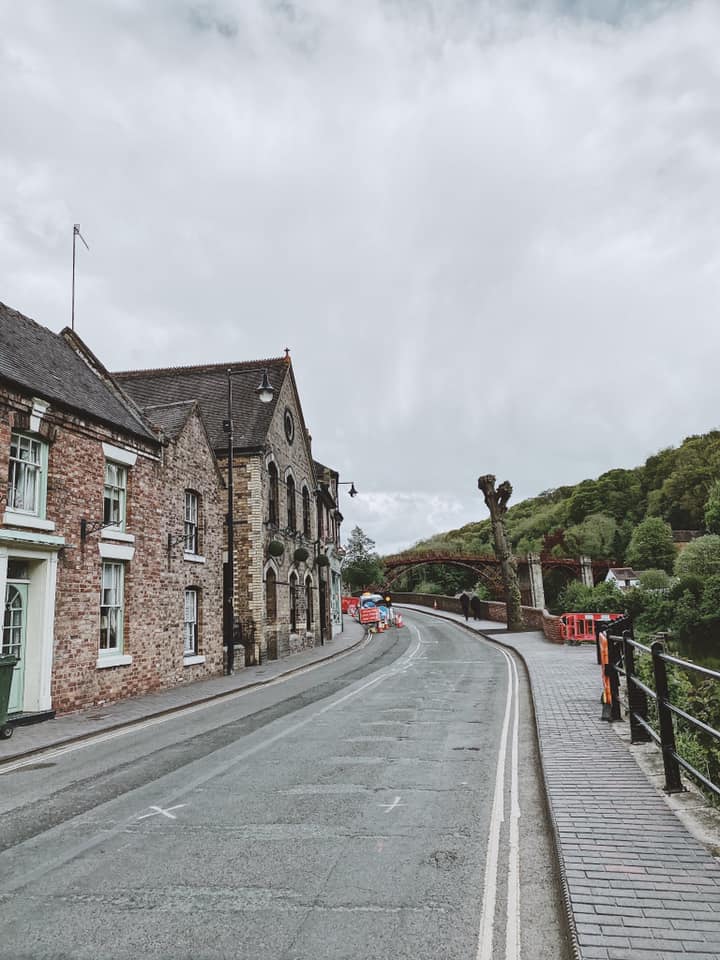
No matter when I visit, however, my sense of direction eventually seems to pull me towards the Iron Bridge. There are landmarks that belong to a place geographically, and then there are landmarks that seem to contain something of its identity. The Iron Bridge feels like the latter. Built in 1779 and recognised as the first major bridge in the world constructed entirely from cast iron, it represents far more than a practical way of crossing the River Severn. It stands as evidence of a moment when imagination, industry and engineering met and changed what people believed was possible.
Standing there, it is difficult not to think about the generations who crossed before us. The bridge has witnessed centuries of movement, work, trade, change and ordinary human life. We arrive with our phones, cameras and takeaway coffees, while the structure beneath us belongs to a completely different age. Yet somehow the two coexist naturally. That is one of the things I find most fascinating about historical places. They remind us that history was never really separate from ordinary life. The people we now read about in museums once complained about weather, hurried home, argued, laughed, worried about money and crossed the same river carrying concerns that felt enormous to them.
History becomes more intimate when you realise the people inside it once believed their present moment was simply an ordinary day.
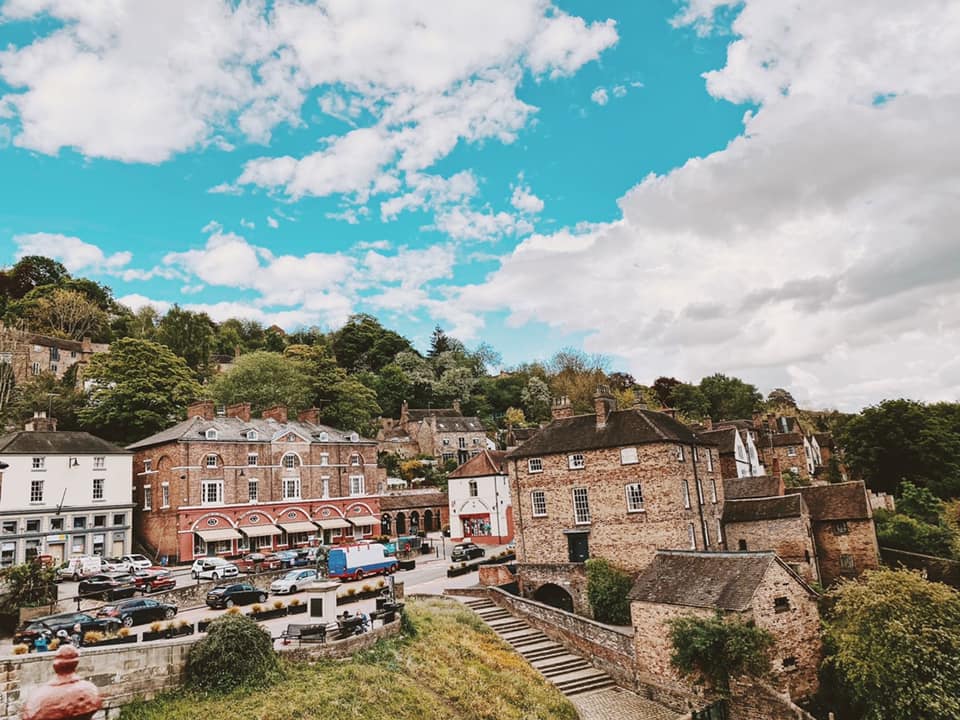
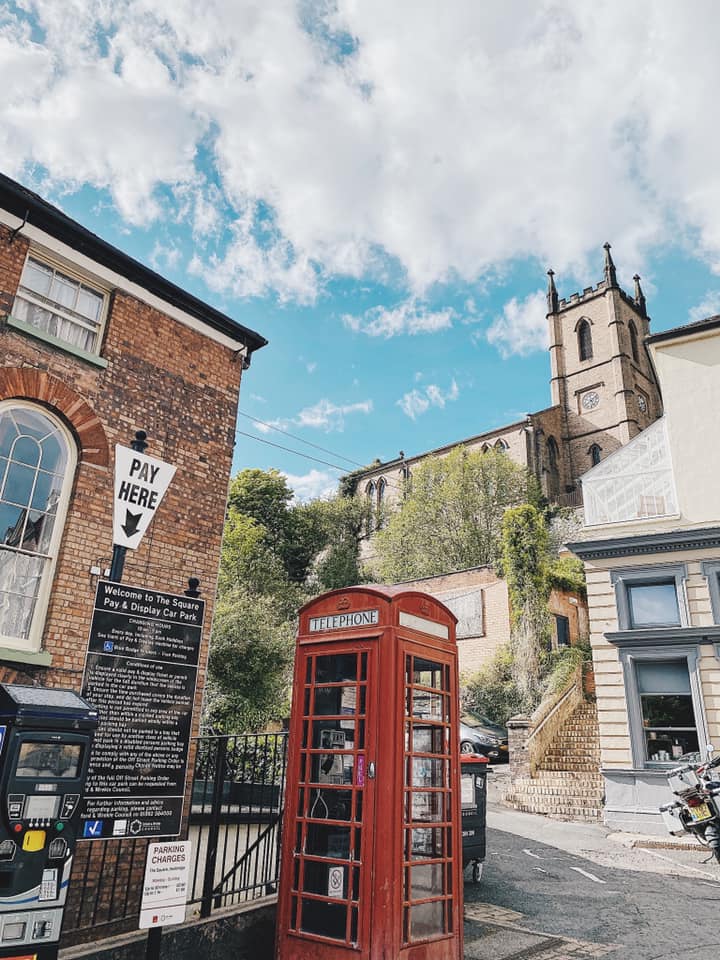
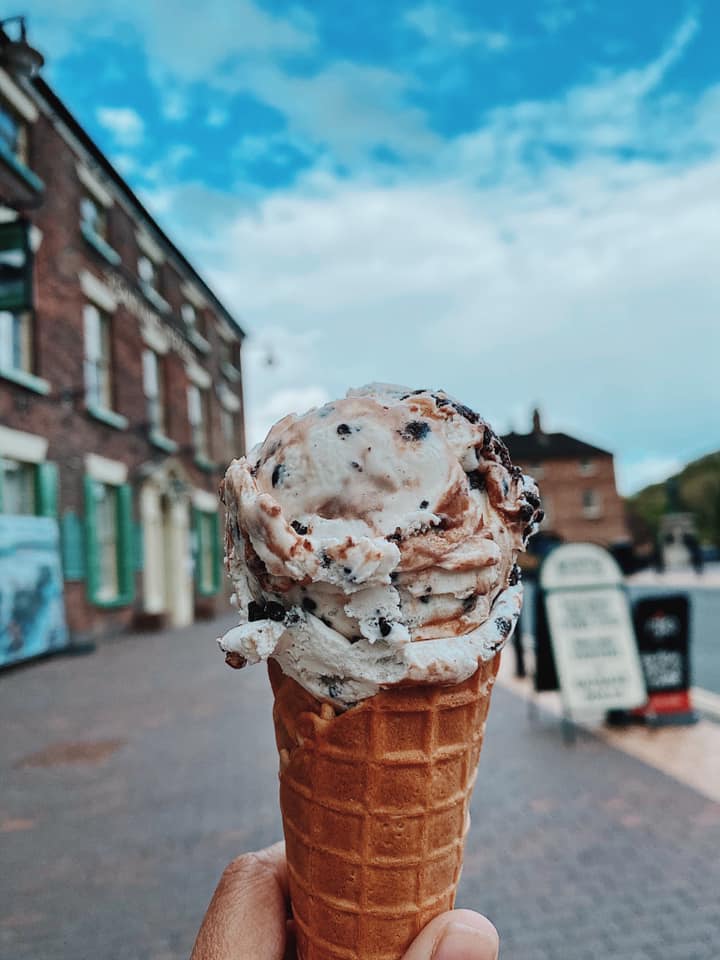
The Ironbridge Gorge carries that feeling everywhere. The bridge is at its centre, but the surrounding landscape holds its own stories in brick, stone, water and old industrial structures. It is easy to understand why the area became a UNESCO World Heritage Site. History here is not confined to information boards or museum displays. It exists underfoot. You encounter it while walking, while looking at buildings that have survived longer than anyone currently standing beside them, and while following the river that has continued moving through every version of the town.
Around the bridge, streets unfold between red-brick buildings that once belonged to another rhythm of life. Workshops and industrial spaces have gradually become tearooms, museums, small shops and places where visitors stop for coffee. I like that transition. It feels respectful rather than erased, as though the town has found ways to carry its past forward without becoming trapped inside it. The buildings have changed purpose, but they have not disappeared.
Perhaps places age in a way similar to people. They adapt. Rooms change function. Streets become quieter or busier. Buildings survive uses their original builders could never have imagined. Yet something recognisable remains underneath all the change. Preservation does not always mean keeping everything exactly as it was; sometimes it means allowing something to change without losing the story that made it matter.
The River Severn curves beneath the bridge with a kind of indifference to all of this human history. It reflects whatever sky happens to be above it and continues downstream regardless of who is standing on the bank. I have spent time there with coffee in hand simply watching the water move, and there is something grounding about that. Rivers have a way of placing our sense of urgency into perspective. They were moving before our problems existed and will likely continue long after our particular worries have become irrelevant.
It is strange how a place can make you think about time without making you feel sad about it. Standing by the Severn does not make me feel insignificant so much as temporarily relieved from the pressure of believing everything needs to matter forever. Some things are meaningful precisely because they are temporary: a walk, a conversation, a cup of coffee beside a river, a version of ourselves passing through a particular season of life.
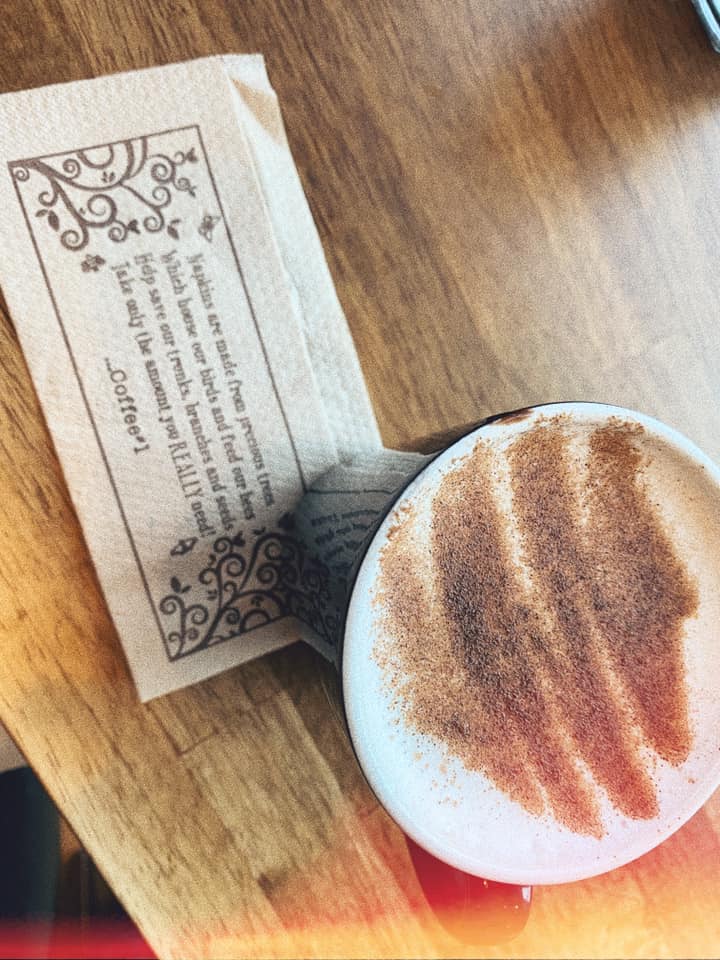

On my visits, I’ve often found myself in small cafés where a cinnamon-dusted latte comes with a paper napkin printed with words worth pausing for. There’s a warmth here that isn’t just in the drinks — it’s in the way people smile when you ask for directions, the way shopkeepers tell you about the history of their building, the way a walk can turn into an unexpected conversation with a local.
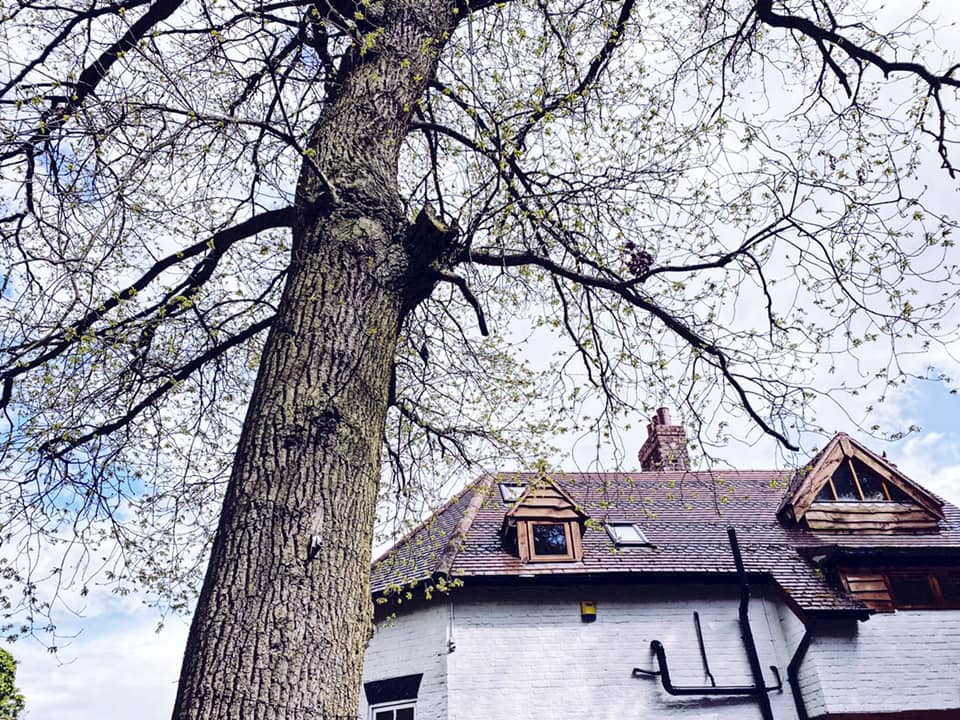
Beyond the bridge, Telford offers green spaces that shift with the seasons. The parks aren’t merely background scenery; they are living portraits, changing their colors, mood, and texture as the months pass. I’ve seen daffodils bowing gently to the breeze in early spring, children chasing bubbles under summer skies, and leaves swirling in little whirlwinds down the paths in October.
Telford is not a place that demands attention. It doesn’t try to overwhelm you with grandeur. Instead, it invites you to slow down. To listen. To notice how a single bridge can hold centuries of human progress. To appreciate the quiet dignity of a town that has adapted and thrived without losing its soul.
If you visit, don’t just make it a day trip. Let yourself return in different seasons. Walk across Iron Bridge at dusk when the sky turns the Severn into liquid gold. Wander the streets on a frosty morning when shop windows glow like lanterns. Sit in a park in midsummer and watch the way light filters through the leaves. In Telford, the magic isn’t in one grand moment — it’s in the way time moves here, changing everything yet leaving the heart of the town beautifully unchanged.
One of my favourite parts of returning to Telford has always been the smaller details that never make it into travel brochures. I remember sitting in cafés where a cinnamon-dusted latte arrives with a paper napkin carrying some small phrase worth pausing over. I remember asking questions and receiving far more history than I expected because a shopkeeper happened to know the story of the building they were standing inside. There is a warmth in those exchanges that has nothing to do with temperature.
Perhaps that is why certain places become familiar even when we do not live there. We begin collecting small encounters. A café table we recognise. A bend in the path where the light always seems particularly good. A shop we enter whenever we return. Eventually, the place stops feeling like somewhere we visited and begins feeling like somewhere we know.
The parks around Telford have their own way of recording time. I have seen daffodils bending in early spring winds, summer light filtering through dense trees and children chasing bubbles across open grass. I have watched autumn leaves gather along the edges of paths before being lifted again by the wind and scattered somewhere else. In winter, those same spaces become almost bare, revealing shapes and distances hidden during the rest of the year.
The park itself remains, but our experience of it changes completely.
Maybe that is why I enjoy returning to the same places rather than always chasing somewhere new. Travel is often presented as collecting destinations, as though the value lies in increasing the number of places we have seen. But there is another kind of travel in returning. Familiarity allows you to notice what changed, and sometimes, more importantly, what changed inside you.
We never truly return to the same place because the place has changed, the season has changed, and so have we.
A path I once walked while worried about something can feel completely different years later when the worry has long disappeared. A café can hold one memory during summer and an entirely different one beneath Christmas lights. A bridge can be simply a beautiful structure on a first visit and become something almost comforting after enough returns.
Perhaps that is what Telford has gradually become for me. Not a destination demanding attention, but a place that rewards it.
It does not overwhelm you with spectacle. There are cities that seem determined to impress the moment you arrive, places built around iconic skylines and attractions that announce themselves immediately. Telford feels quieter than that. It asks you to walk, look and notice. It lets history sit beside ordinary life without needing to turn every corner into a performance.
And sometimes that is exactly what I want from a place.
I want somewhere I can walk without feeling that I need to complete an itinerary. Somewhere I can stop because the leaves look particularly beautiful rather than because a guidebook tells me the spot is important. Somewhere history can be encountered without feeling distant. Somewhere a bridge, a river and a cup of coffee can be enough for the afternoon.
There is a different kind of richness in places that do not demand to be admired but quietly reward the people willing to pay attention.
The Iron Bridge captures that perfectly. You can photograph it, learn the dates, read about its engineering significance and understand its role in the Industrial Revolution, and all of those things matter. But there is also something to be gained simply by standing on it. Looking down at the Severn. Watching people walk towards you from the other side. Feeling the structure beneath your feet and remembering that what is now considered history was once innovation.
Imagine what it must have represented when it was new. An idea that sounded ambitious becoming something people could physically walk across. A material associated with industry becoming a bridge. The impossible gradually becoming infrastructure.
That thought has always stayed with me because human progress often looks inevitable only in hindsight. Once something exists, we forget there was a time when somebody first had to imagine it.
Every ordinary thing we inherit was once somebody else’s audacious idea.
Perhaps that is one reason historical places matter. They remind us that the world we live in was built by people who could not see the full consequences of what they were creating. They worked with what they knew, took risks, solved problems and left structures behind that became part of lives they would never witness.
There is something humbling about being one of those future lives.
I sometimes wonder what our own generation is building that will still be standing centuries from now. What will people look at and wonder about us? Which technologies will seem primitive? Which decisions will appear visionary? Which ordinary objects will eventually belong behind museum glass?
Maybe the answer does not matter as much as the reminder that we are part of the same continuity. We often imagine history as something behind us and the future as something ahead, but really we are standing between them all the time.
Telford makes that visible.
A modern town surrounds an industrial landscape. Cars pass near buildings that existed before cars. People photograph a bridge built centuries before anyone could imagine a smartphone. Coffee shops occupy spaces shaped by another economy. The old and new do not cancel each other out. They simply coexist.
That coexistence may be part of the reason the town feels so grounded. It has changed enormously, but its history remains visible enough to keep the present in perspective.
And then the seasons keep moving across all of it.
- Spring: Places blossom beside old brick.
- Summer: Fills ancient paths with green.
- Autumn: Scatters leaves across structures that have survived hundreds of other autumns.
- Winter: Covers everything temporarily in frost.
Perhaps that is the image of Telford I carry most strongly: permanence surrounded by change.
Some things endure not because the world around them stays the same, but because they learn how to remain while everything else keeps changing.
There is a lesson somewhere inside that, although I do not think every place needs to become a metaphor. Sometimes a bridge can simply be a bridge, and an autumn tree can simply be beautiful. But perhaps the reason certain places stay with us is that they give language to things we are already trying to understand.
Life moves in seasons too, though ours are less predictable. There are times of beginning when everything feels tender and uncertain. There are fuller seasons when life seems abundant and busy. There are periods of release when things we thought would remain begin falling away. And there are winters when life becomes quiet enough that we wonder whether anything is growing at all.
Nature never seems embarrassed by any of these stages. Trees do not apologise for being bare in January. Perhaps neither should we.
Returning to the same town across different seasons has made me appreciate that beauty does not belong exclusively to fullness. A tree heavy with green leaves is beautiful, but so is the same tree revealing its branches beneath a winter sky. A town covered in summer sunlight feels alive, but a frosty morning can make familiar streets feel equally extraordinary.
Maybe we become kinder to our own lives when we stop expecting every season to look like summer.
If someone asked me how best to experience Telford and Ironbridge, I would probably tell them not to rush. Of course, see the bridge. Learn the history. Walk through the Gorge, visit the museums and explore the surrounding streets. But leave enough time for the things that cannot be scheduled precisely.
Have coffee somewhere simply because it looks inviting. Walk beside the river without needing a destination. Notice the buildings. Talk to somebody local. Sit in a park. If the weather changes, let it change the day rather than ruin it.
And if you can, return.
- Return when the trees look different.
- Return when the light changes.
- Return when winter has emptied the branches.
- Return when spring begins filling them again.
Because perhaps the greatest gift of revisiting a place is recognising how much can change without everything becoming unfamiliar.
Years from now, I suspect I will remember Telford less through individual photographs and more through atmosphere. The sound of leaves beneath my shoes. The River Severn passing quietly below the Iron Bridge. The cold of a winter morning. Autumn trees that looked almost unreal. Coffee warming my hands while I stood somewhere history had already been unfolding for centuries before I arrived.
I will remember the feeling of slowing down.
And perhaps that is enough reason to keep returning.
Telford has never needed to shout for my attention. It has earned it gradually, one season at a time. It has taught me that places, like people, reveal different parts of themselves depending on when we meet them, and that familiarity does not have to make something less remarkable. Sometimes knowing a place well allows us to love it more carefully because we stop looking only for what is impressive and begin noticing what remains.






















 superanjventures
Leave a comment