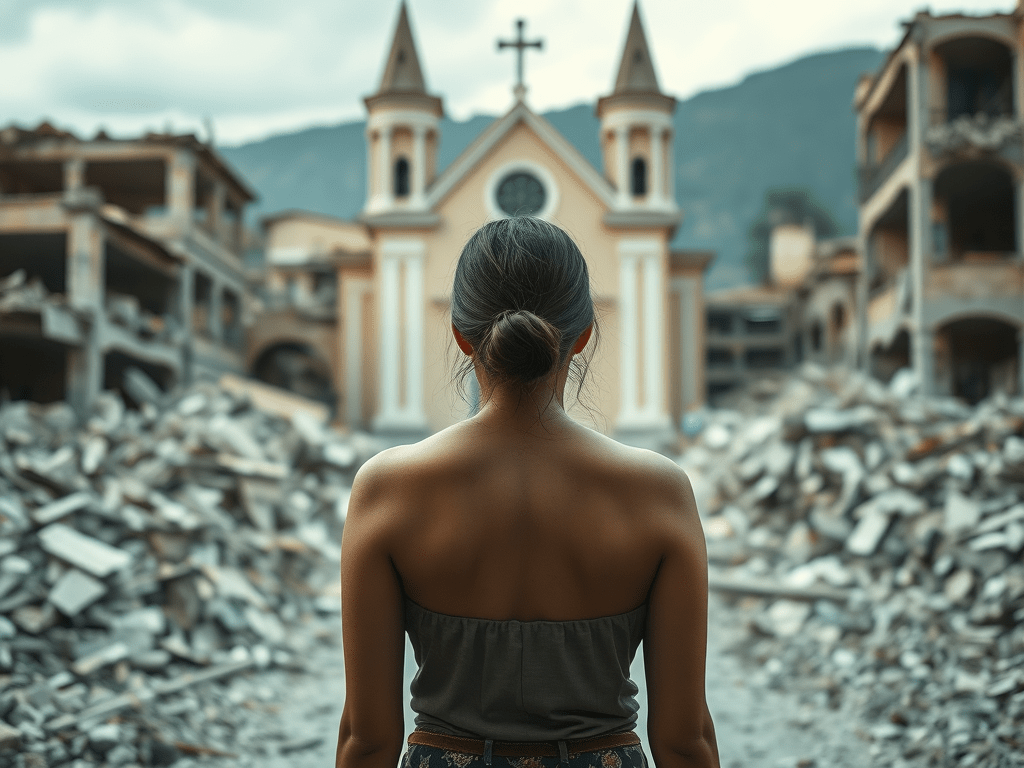
The morning I read the news that Cebu had been struck by a powerful earthquake, the world around me fell silent. Even here in the UK, far from the tremors, I felt the ground shift inside my chest. Distance does not soften the fear when it’s your hometown that’s hurting. If anything, it sharpens it. I thought of my family, my friends, my neighbors, the ordinary streets that once carried my laughter and footsteps. To imagine them rattled by such force—it felt like the air itself grew heavy.
Earthquakes have a cruel way of teaching us how fragile life is. One second, everything is familiar—walls, roads, bridges, routines. The next, the world you knew collapses, and all you have left is fear and faith. Cebu is no stranger to hardship, but each disaster feels personal. And this one—claiming lives, damaging homes, shaking centuries-old churches—left scars that no quick repair can erase.
And yet, in the middle of devastation, something else rises—something I have always known, something that makes me proud to call myself Cebuana.
Resilience. Strength. Bayanihan.
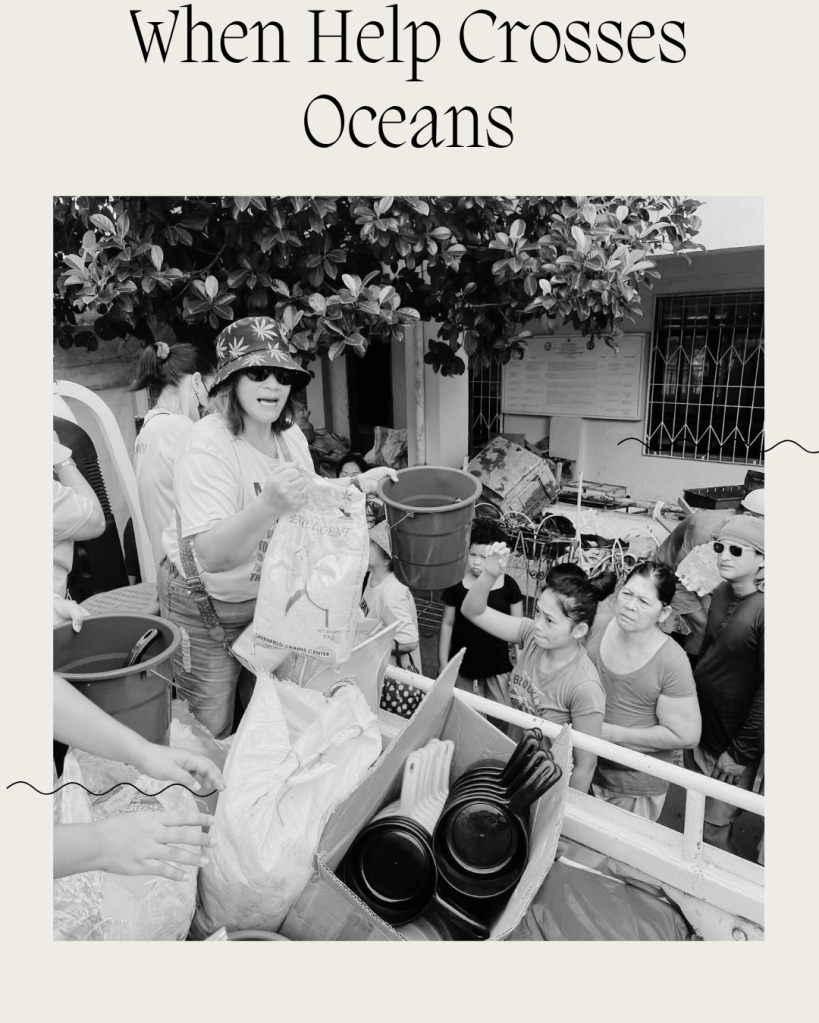
It is the Filipino way of surviving: not alone, but together. I have seen photos and read stories of neighbors forming human chains to clear rubble, strangers sharing bottles of water in evacuation centers, children clutching rosaries while their parents whisper prayers through trembling lips. Some sleep outside because aftershocks keep them awake, but even there, under the night sky, they find each other. They share food, they share blankets, they share hope.
This is Cebu. This is the Philippines. A land where tragedy arrives often, but where hope arrives faster. A culture where grief is heavy, but never carried alone.
There’s something sacred about the way Filipinos handle disaster. It’s not that we don’t feel the pain—we do. We cry, we mourn, we fear the unknown. But alongside that sorrow is an unshakable instinct to help, to reach out, to give even when we ourselves have little. It’s what makes bayanihan more than just a word—it’s a way of life. It’s the grandmother who offers you her last plate of rice. It’s the neighbor who carries a stranger’s child out of danger. It’s the collective spirit that says, we will not let each other fall, even if the ground itself does.
Cebu is beautiful not just because of its mountains, its white-sand beaches, or its rolling hills. Cebu is beautiful because of its people. Because even when their walls collapse, their courage does not. Because even when their homes are cracked open, their hearts remain wide enough to welcome one another.
I grieve deeply for the lives lost, for the families in mourning, for the children who went to bed frightened and woke up to broken streets. I grieve for the churches that carried centuries of history, now standing wounded. But even in grief, I find pride. Pride that my co-Cebuanos know how to rise, how to rebuild, how to remember that survival is not just enduring—it is enduring together.
This earthquake is a wound. It will take time to heal. But Cebu has always healed—not by erasing the scars, but by wearing them as reminders of resilience. Our people are too strong to be defined by tragedy alone. We are defined by the way we carry each other through it.
To be Cebuano is to understand that hardship will come, but so will the helping hands. To be Filipino is to know that love is not a luxury in times of crisis—it is the only currency that matters.
The ground may have shaken, but Cebu did not fall. Our spirit remains unbroken. And in that truth, I find comfort.
Because Cebu is not just a place on a map—it is a people. A people who will rise again, who will rebuild again, who will love again. And no earthquake, no matter how powerful, can take that away.



















 superanjventures
Leave a comment