
Where joy tastes like breakfast and silence grows on muddy roads.
Our first full day back in Toledo didn’t begin with fanfare. It began with something much better—Jollibee. And not just any Jollibee meal, but the sacred trio of Chickenjoy, rice, and gravy that has survived every OFW’s homesick craving and tear-stained night abroad. It sounds almost silly, the way a fast-food chain can hold so much emotional gravity. But that first bite—crispy, salty, unapologetically oily—did something to me. It unlocked a door I had forgotten was closed. The skin clung to my fingertips and my memory at the same time, and the steaming rice brought back the echo of childhood breakfasts: Mama humming in the kitchen, plates clinking, the scent of garlic and soy sauce still lingering in the air. Across from me, she sat with her usual egg, just the way she liked it—yolk soft, edges browned. And beside me, Jan stared down at his plate like it held a long-lost piece of himself. For a moment, we weren’t adults carrying responsibilities and return tickets. We were just three people, quietly reunited with something we didn’t even know we missed.
On the wall near our table, a bright poster read: Toledo – The Joyful City. A slogan, probably. A tourist’s invitation. But in that moment, it felt like truth. Because joy doesn’t always arrive with loud laughter and grand gestures. Sometimes, it hums quietly beneath the surface—full bellies, shared silence, the soft ache of belonging. After breakfast, we wandered the streets without a plan. The sun was already high, casting sharp shadows and warming the sidewalks that had once felt enormous under my small feet. Now they looked narrow, even gentle. Everything seemed smaller than I remembered—except the potholes. Those had aged like memories left unattended, deeper and wider than before.
The tricycle ride home was less of a journey and more of a remembering. The kind you don’t realize you’ve needed until it begins. We squeezed ourselves into the sidecar, knees knocking against cold metal, bags pressed into our laps. The familiar rattle of the engine vibrated through our bones, a sound I hadn’t heard in years but could recognize instantly, like an old lullaby. I looked around as we moved—banana trees swaying above us like giant hands waving in welcome, sari-sari stores lined with rainbow-colored sachets, electricity wires tangled like messy thoughts overhead. Children played in slippers that barely held together. Vendors sat beneath umbrellas that had seen too much sun. Every corner of this place carried a kind of worn-out poetry—faded but not forgotten.
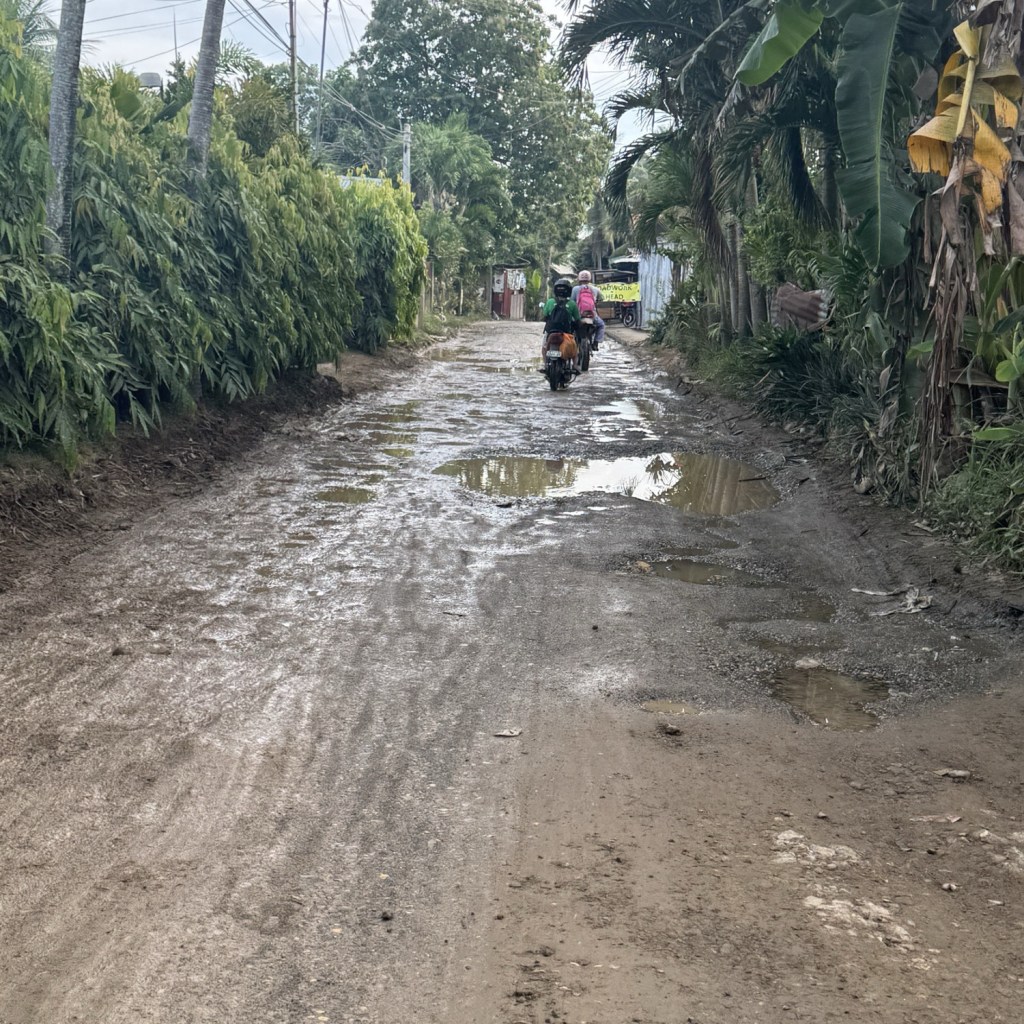
The road to Awihao was muddy. Thick with the kind of soil that clung to shoes and slowed you down. And yet, there was beauty in its stubbornness. The tricycle bounced and jerked, forcing us to hold on tighter, move slower, be present. I looked down at our shoes, now splattered with earth, and realized that this was exactly how healing often looks—uneven, inconvenient, and soft in its own messy way. There’s something profoundly humbling about coming home through roads like this. It doesn’t allow you to rush. It demands your attention, your patience, your surrender.
There’s a quiet kind of poetry to returning home. Not the kind you craft with metaphors or write down for applause. But the kind that exists in moments too ordinary for stories—watching barefoot children chase each other on cracked pavement, passing by a rusting grader left beside a sugarcane field like an old warrior finally allowed to rest, sitting beside your partner in silence while your hands rest together, neither of you speaking but both knowing. These are not headline-worthy memories. They won’t go viral. They won’t win likes or hearts. But they are the ones you carry the longest. The ones that anchor you. The ones that say, without speaking, you’re home now.
And maybe that’s what home really is—not just the place you came from, but the place that receives you with softness after the world has tried to harden you. A plastic plate of warm rice and a perfectly cooked egg. A muddy road that doesn’t let you hurry. A wind that kisses your face not because you’ve achieved something, but simply because you returned. A sky that doesn’t ask questions—it just shows up, again and again, in light and grace, as if to say, you don’t need to prove anything here.
Today, I remembered that healing rarely feels like thunder. It often feels like stillness. Like sitting in the back of a tricycle beside someone you love. Like seeing your mother smile across the table. Like watching old trees sway in recognition as you pass by. Healing is not always a revelation. Sometimes, it is a quiet reacquaintance—with the soil, with memory, with yourself.
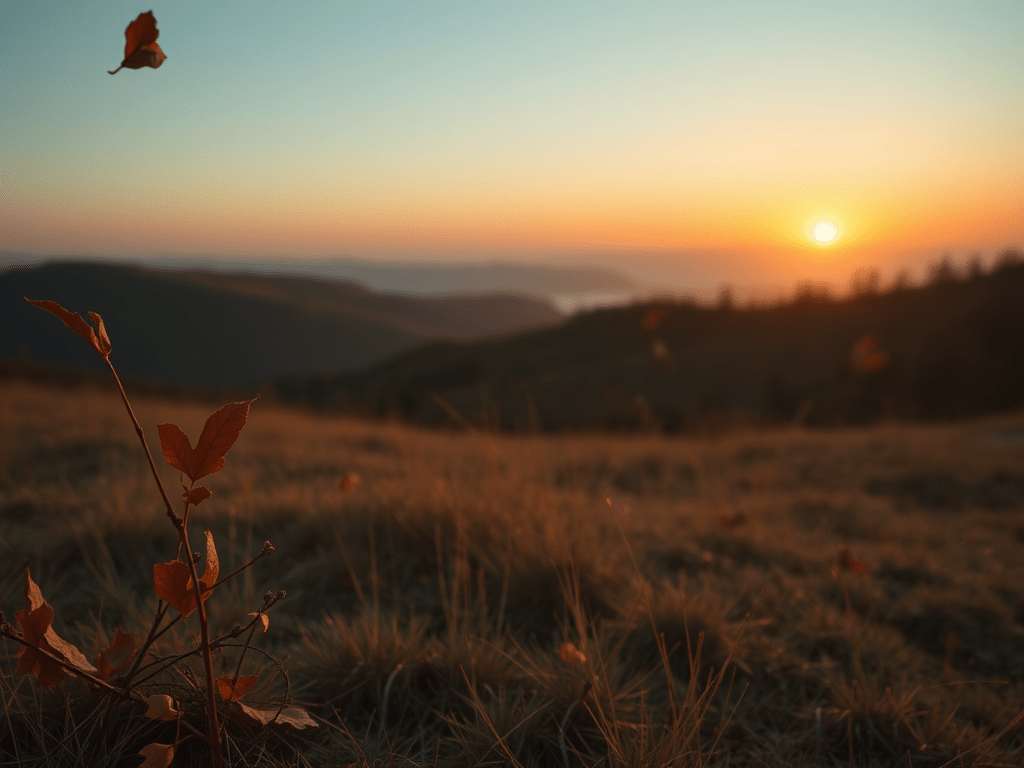
So here I am, muddy shoes and all, back in Awihao. Back where I don’t have to translate my joy. Back where the rice is always warm, and the wind knows my name.






















 superanjventures
Leave a comment