
I used to hold grudges. Not over little things, but over the kind of hurt that cuts close to the heart—betrayals, broken trust, disappointments that came from people who mattered to me the most. And I think that’s why the weight of those grudges felt so unbearable. It wasn’t just about what happened, but who it came from. When you love someone, you place a part of yourself in their hands, and when that trust is broken, it’s as if a part of you breaks with it.
For a long time, I carried those hurts like stones in my pocket. At first, I thought holding on to them meant protecting myself, making sure I never forgot, never let it happen again. But all it really did was weigh me down. The days felt heavier, my thoughts more cluttered, and even in moments of joy, I felt the shadow of those disappointments following me.
Over time, I learned something: a grudge is not justice—it is just hurt we keep alive. It does not punish the person who betrayed us. It punishes us, again and again, long after the moment has passed.
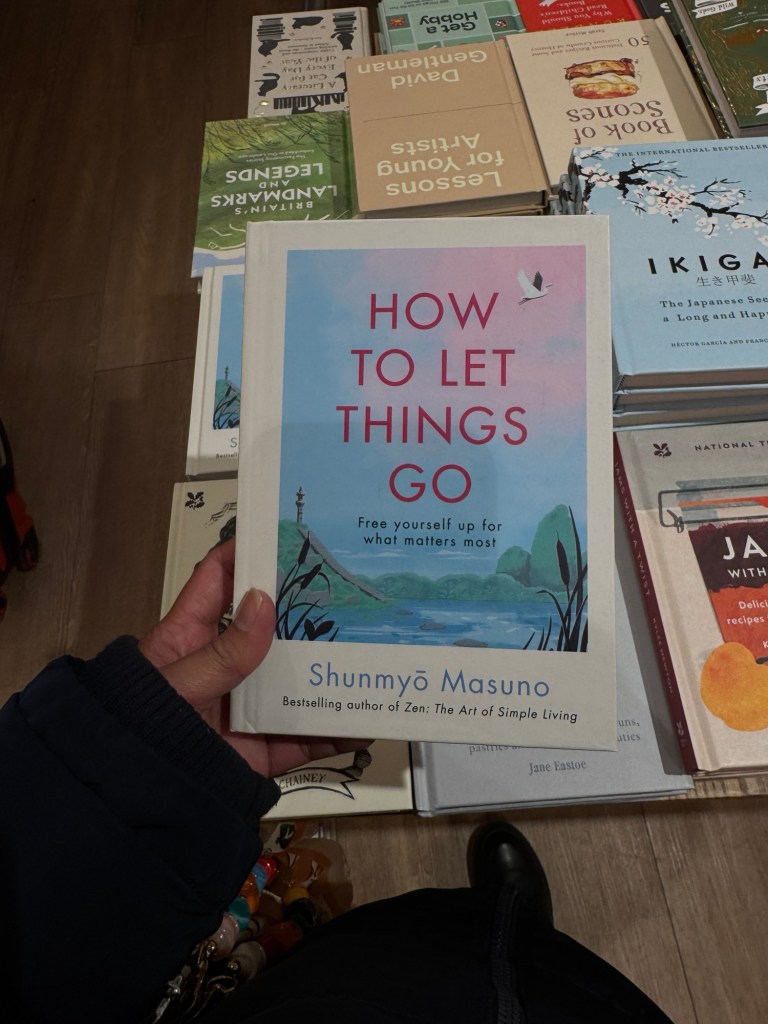
Letting go doesn’t mean forgetting, and it certainly doesn’t mean what happened was okay. It means choosing to stop carrying the pain forward. It means giving yourself permission to live lighter, freer, without the constant reminder of wounds you’ve already survived.
I realised that holding a grudge was like giving someone continued power over me. Letting go was reclaiming that power—not for them, but for myself.
So now, when I think of grudges, I don’t see them as a sign of strength or protection. I see them as unhealed places. And when I release them, I choose peace over bitterness, presence over the past, freedom over chains.






























 superanjventures
Leave a reply to Bob Lynn Cancel reply