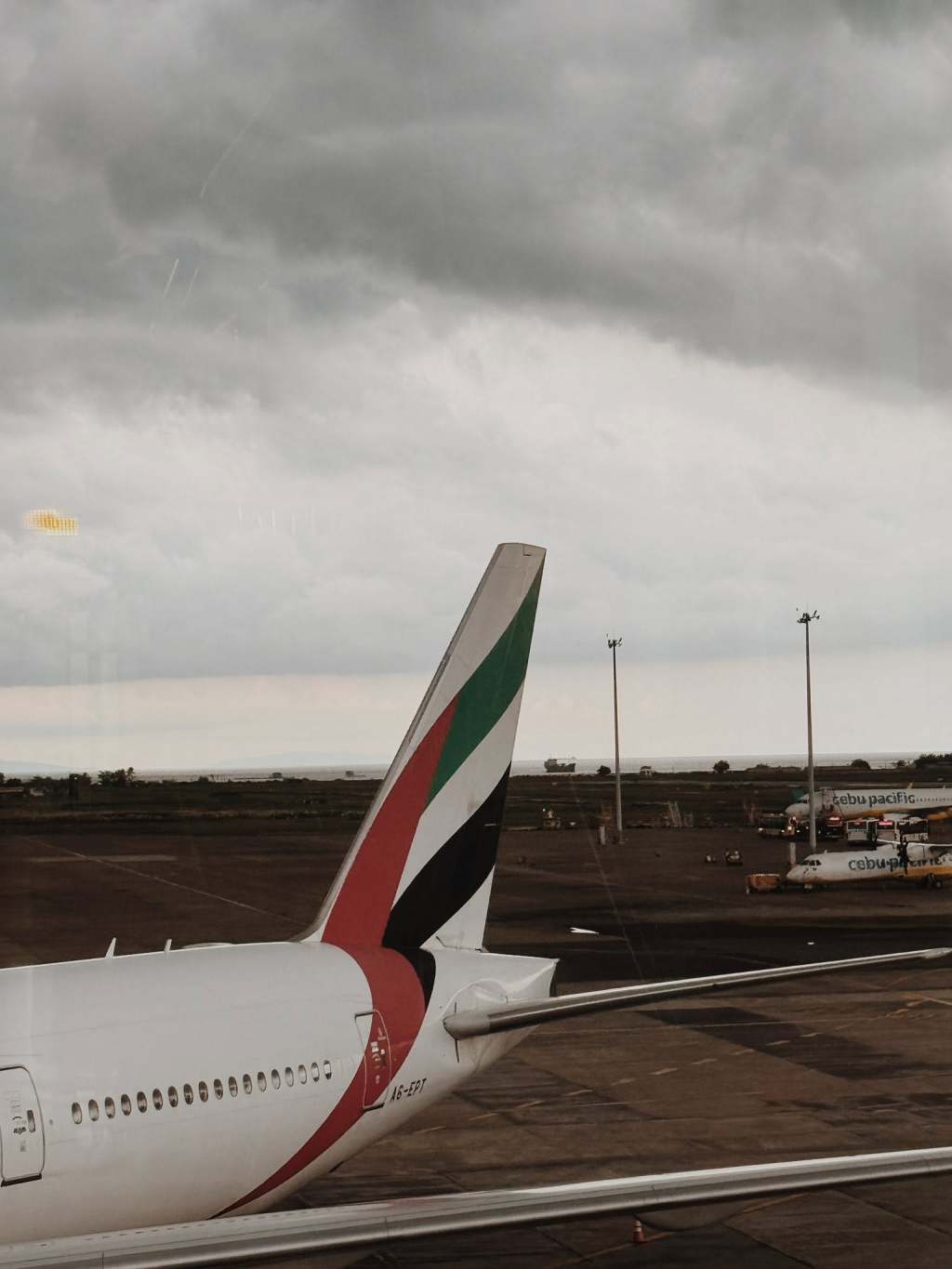
The little aeroplane on the in-flight screen had been crawling across the map for hours, stubbornly inching away from the Philippines while I sat perfectly still in seat 30-something, wrapped in an airline blanket that had approximately the warmth of a large tissue. Beyond the oval window there was almost nothing to see except darkness, the occasional blink of the wing light and clouds I could not distinguish from the night. The engines produced that endless low hum peculiar to long-haul flights, trays rattled whenever someone opened an overhead compartment, and somewhere behind me a passenger had achieved the sort of deep sleep I considered both admirable and personally offensive. I could not sleep. Somewhere behind that aircraft was Cebu—heat, familiar voices, rice appearing at almost every meal, neighbours whose conversations occasionally became community broadcasting, roosters with no understanding of reasonable working hours. Somewhere ahead was the United Kingdom, a place I knew through documents, photographs, plans and weather forecasts. The map showed exactly how many miles separated the two. What it could not show was how far I was travelling from the life I understood into one I had not yet learned how to live.
I had wanted that journey. That part matters. I was not being carried unwillingly from one life into another. I had worked towards it, hoped for it, prayed for opportunities and imagined what my future might look like elsewhere. Yet excitement does not cancel fear simply because both have booked the same flight. I was proud of myself and terrified. Hopeful and already homesick. Certain enough to board the aeroplane and uncertain enough to spend several hours wondering whether boarding it had been a terrible idea. Courage, I eventually learned, is rarely the absence of fear. More often, fear comes along, puts its bag in the overhead locker and sits beside you for the journey.
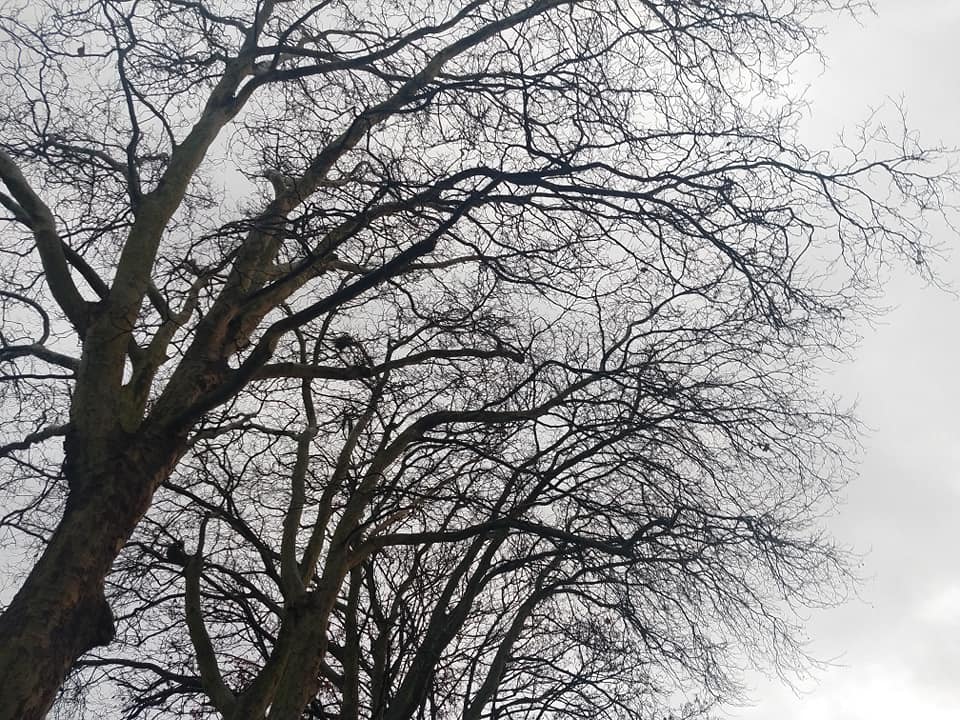
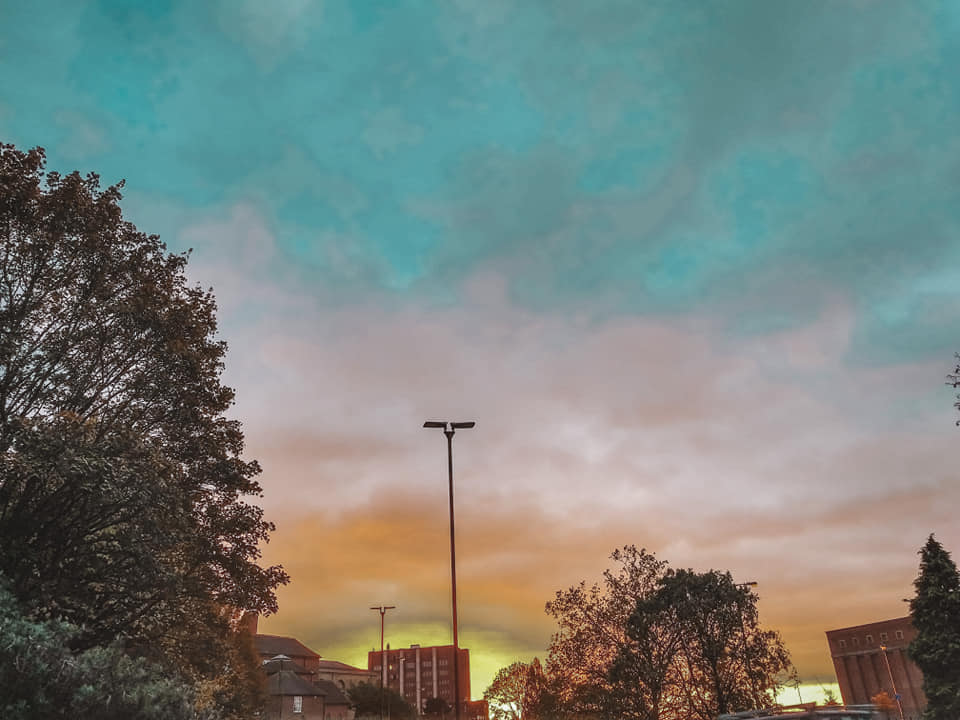
Then Britain introduced itself through temperature. Coming from Cebu, I thought I understood cold. I did not. The first proper blast of British air seemed less like weather and more like a personal disagreement. Suddenly every coat, scarf and extra layer I had packed stopped looking excessive and began looking like evidence of foresight. The sky required adjustment too. Cebu had trained my eyes to expect brightness from daylight; Britain presented an impressively detailed catalogue of grey. I soon understood why people here could discuss the weather for several minutes with complete sincerity. It was not small talk. It was surveillance.
The cold, however, was the easy part. Ordinary life had suddenly become a concentration exercise. Buying a bus ticket required thought. Directions required thought. Grocery shopping required thought. Accents required my full auditory department. I would mentally convert pounds into pesos and occasionally frighten myself enough to put something back on the shelf. Even speaking English did not guarantee understanding English. “Cheers” apparently meant several things. “You alright?” did not necessarily require a medical history. “Loo” was essential vocabulary. Slowly, I discovered that knowing a language and knowing how a country uses that language are very different qualifications.
Starting again has a peculiar effect on competence. You can be educated, independent and perfectly capable in one country, then move elsewhere and find yourself staring at a bus timetable as though it contains an encrypted government message. Things other people perform automatically suddenly require deliberate thought. At first, that was humbling. I was used to knowing how everyday life worked. Then I became a beginner again, and beginners spend a considerable amount of time pretending they know where they are going while quietly hoping somebody else walks in the same direction.
But getting lost was never the hardest part. Neither were accents, buses or weather. The harder thing was what happened after the front door closed.
In Cebu, silence had often been something you searched for. Life had sound. Roosters announced mornings nobody had asked them to announce. Dogs developed arguments with invisible enemies. Vehicles passed. Neighbours talked. Family voices moved from one room into another. Food came with conversation. Privacy occasionally functioned more like a flexible recommendation than a fixed arrangement. In Britain, there were evenings after work when I closed the door and the silence inside felt almost physical. That was when distance stopped being a figure on an airline map.
Homesickness is clever because it rarely waits for a suitably dramatic occasion. It can appear while you are eating something ordinary and suddenly remember exactly how your mother made it. It arrives when something funny happens and your first instinct is to tell somebody living several time zones away. It sits beside you on birthdays, Christmases and perfectly unremarkable Sundays. Strangely, I even began missing things I had once complained about—the heat, the noise, interruptions, several conversations happening simultaneously at Filipino gatherings, food tasting exactly the way memory expected it to taste. Apparently distance can turn former irritations into treasured cultural heritage.
For a while, I thought gratitude and homesickness were contradictory. I had chosen this life, so surely missing the old one meant I was failing to appreciate the new one properly. But migration is rarely that tidy. You can be deeply grateful for where you are and still grieve what is far away. You can love the future you are building while missing the people who knew you before you had to build it. Loving one home does not require betraying another.
Then something strange happened: the unfamiliar became boring.
I mean that as one of the greatest compliments migration can receive.
The routes I once studied became roads I travelled without thinking. My ears adjusted to accents. I stopped converting every price into pesos before purchasing toothpaste. I learned where to shop, which buses went where, what British expressions actually meant and how many layers of clothing were reasonable for various degrees of disappointment in the weather. I learned to cook things I missed. Friendships formed. Work became familiar. Places accumulated memories. Nothing announced the change. There was no morning when Britain officially stamped my forehead with BELONGS HERE NOW. It happened through repetition: one road, one friendship, one difficult shift, one successful journey, one winter, one Christmas, one ordinary morning after another. Eventually, I looked around and realised I had not merely moved somewhere. I had built a life there.

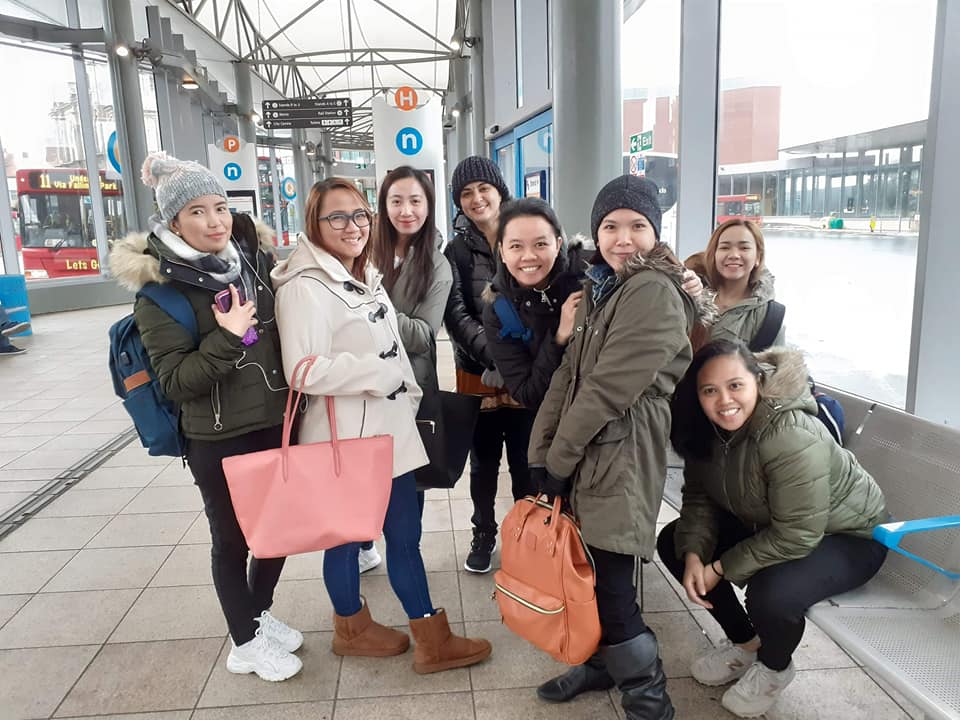
Living far from home taught me an independence considerably less glamorous than inspirational quotes suggest. Real independence is often administrative. It is sorting things out because nobody else is coming to sort them for you. It is asking for help when pride would prefer otherwise. It is going to work when your heart is somewhere across an ocean. It is celebrating victories through a screen. It is being frightened and functioning anyway. Some of the things that once required courage eventually became routine, and that may be one of adulthood’s strangest transformations: one day you realise you now perform casually what once terrified you.
Yet the farther I travelled from Cebu, the more clearly I understood what Cebu had given me. When you live somewhere for most of your life, home can feel like geography. Leave it, and it becomes vocabulary, flavour, humour, instinct, prayer, family habits, manners, values and the strange emotional response produced by unexpectedly hearing your own language somewhere it does not usually appear. Home becomes the food you attempt to recreate from memory. It becomes the reflex to feed people. It becomes expressions that reach your tongue before their English equivalents. It becomes the way your childhood continues participating in your adulthood even after your postcode changes.
No airline ever weighed those things.
They weighed the suitcase, of course. Airlines are extremely interested in whether you have exceeded twenty-three kilograms. They were considerably less interested in the family habits, prayers, memories, humour and entire cultural operating system I had packed invisibly alongside my clothes. There was no excess baggage fee for Cebu living inside me, which is fortunate because I suspect the charge would have been unreasonable.
Faith travelled too. Some of the prayers I carried with me were answered differently from what I expected. There were roads I did not understand while I was walking them, opportunities I could not have predicted and difficulties I would certainly not have selected from a catalogue. Looking backwards makes faith look easier because the route becomes visible after you have already travelled it. Standing at the beginning is different. At the beginning, there is only uncertainty and the decision to move anyway. Trusting God has not meant knowing where every road leads. Often it has meant believing that an unfamiliar road can still contain purpose.
For years, I thought leaving home meant increasing the distance between myself and where I belonged. Instead, distance complicated the definition. Cebu remained home because it formed me. Britain became home because it held the person I was becoming. One gave me roots; the other gave those roots new soil to understand themselves in. They do not need to compete for ownership of me. One heart, I discovered, is surprisingly capable of holding more than one geography.
Sometimes I think about the woman sitting beside that aircraft window again. She is staring into darkness, unable to sleep, watching a tiny plane crawl across an illuminated map. Her documents are organised. Her luggage is probably heavier than necessary. Her emotions are considerably less organised. She thinks the biggest journey happening that night is the distance between Cebu and Britain. I wish I could sit beside her for a moment—not to tell her everything will be easy, because it will not, and not to promise she will never feel lonely, homesick or frightened, because she will. I would only tell her that one day the roads ahead will stop looking foreign. She will know where she is going without checking. She will recognise herself in a life that currently feels impossible to picture. And most importantly, she will eventually understand that she is not leaving home as completely as she thinks.
The plane on the screen would keep crawling forward anyway. Cebu would grow farther behind us, mile after mile, until geography could prove beyond argument that I was travelling away from home. Yet years later, geography has turned out to be only partly correct. The farther I roamed, the more clearly I recognised what had travelled with me—the language, the food, the faith, the humour, the values, the people whose love did not weaken simply because an ocean appeared between us. And somewhere along those unfamiliar British roads, another strange thing happened: I found home waiting ahead too.
Perhaps that is the contradiction I had to cross an ocean to understand. Sometimes going farther from home is exactly what teaches you how close it has always been.
Still carrying more than the airline ever weighed,
Anj ✈️ 🖤




































Leave a Reply