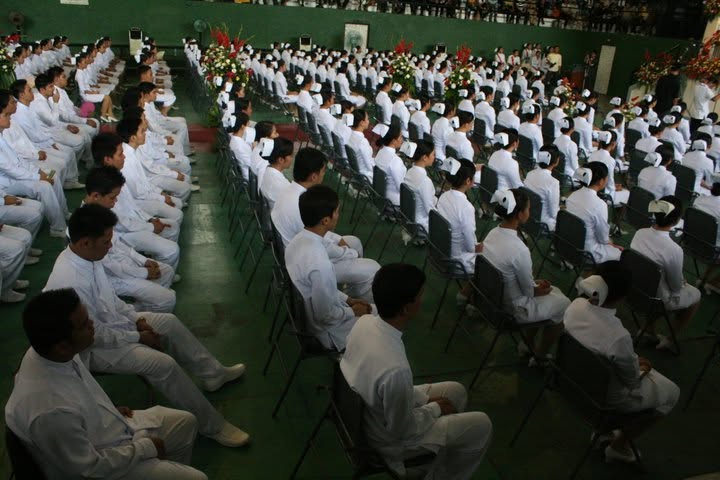
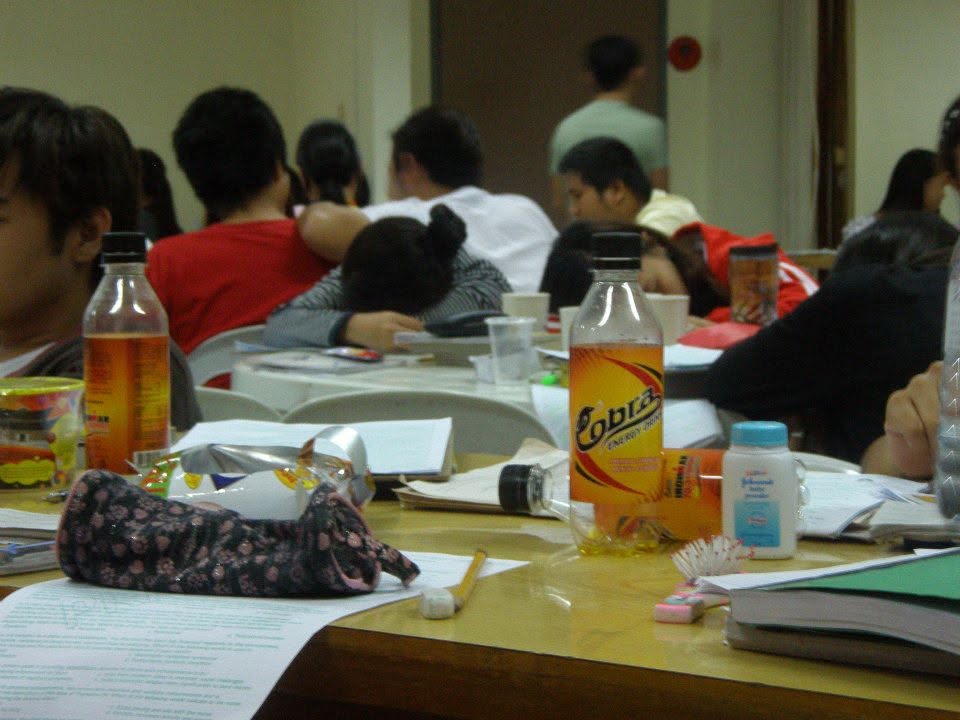
I used to think nursing school came with one syllabus. It did not. There was the official version—the respectable one with anatomy, physiology, pharmacology, clinical practice and carefully arranged learning outcomes—and then there was the syllabus nobody printed because it would probably have frightened applicants away. That version included How to Function on Very Little Sleep, How to Look Calm While Internally Panicking, How to Protect a White Uniform from Every Known Substance on Earth, and the advanced elective How to Answer “Why?” Without Forgetting Your Own Name. Looking back at my old university photographs now, I realise we were being assessed on both. Only one of them came with grades.
I remember the official curriculum being impressively detailed. Anatomy and physiology were there. Microbiology was there. Pharmacology was most definitely there and seemed personally committed to making our lives difficult. Community health, medical-surgical nursing, clinical practice, return demonstrations, case presentations—the important things were all neatly accounted for. What I do not remember seeing was How to Answer Your Clinical Instructor When Your Brain Has Suddenly Left the Building. This turned out to be an important module. Somewhere between 2008 and 2011, I became surprisingly familiar with it.
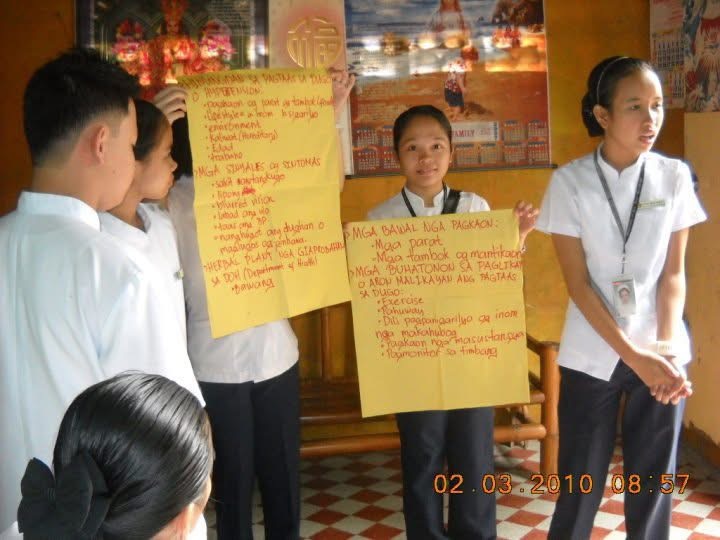
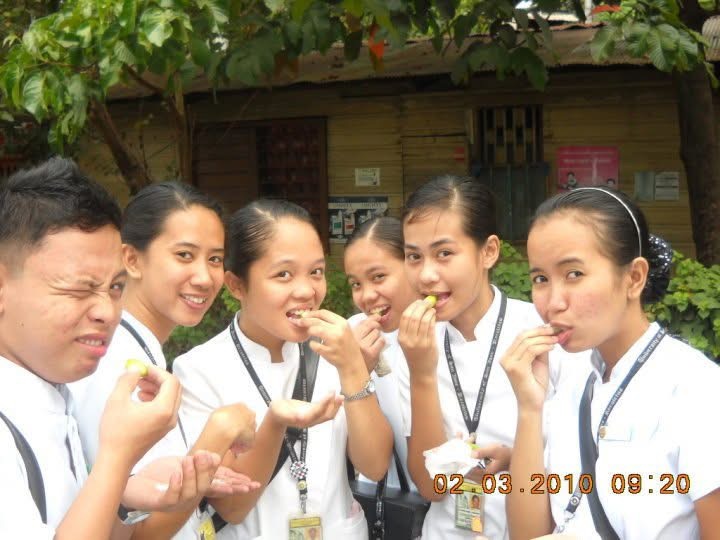
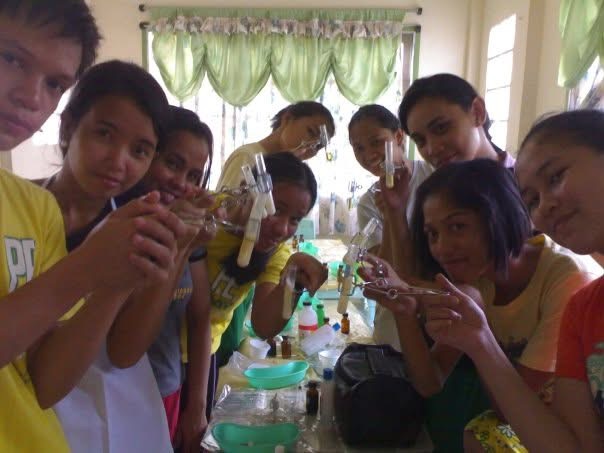
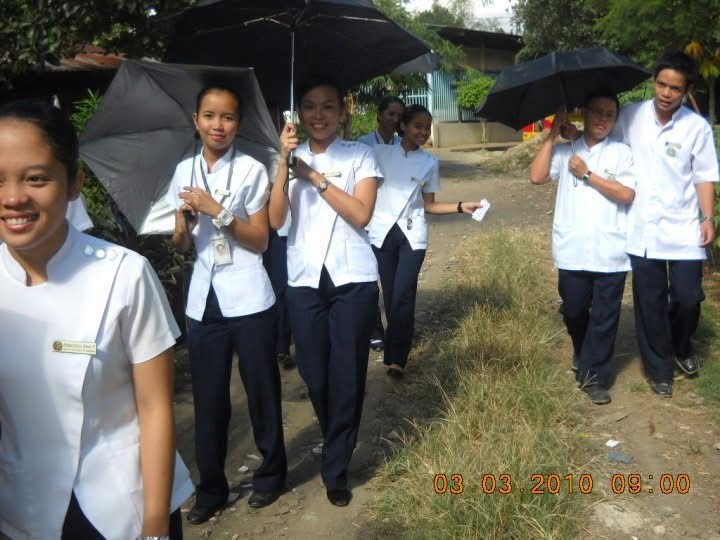
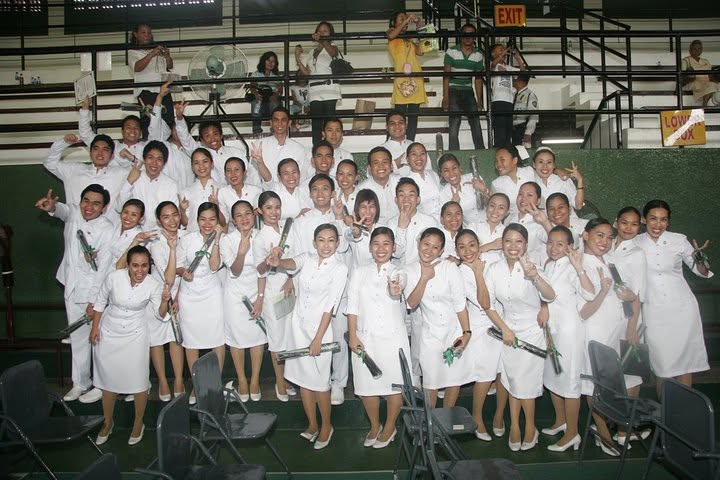
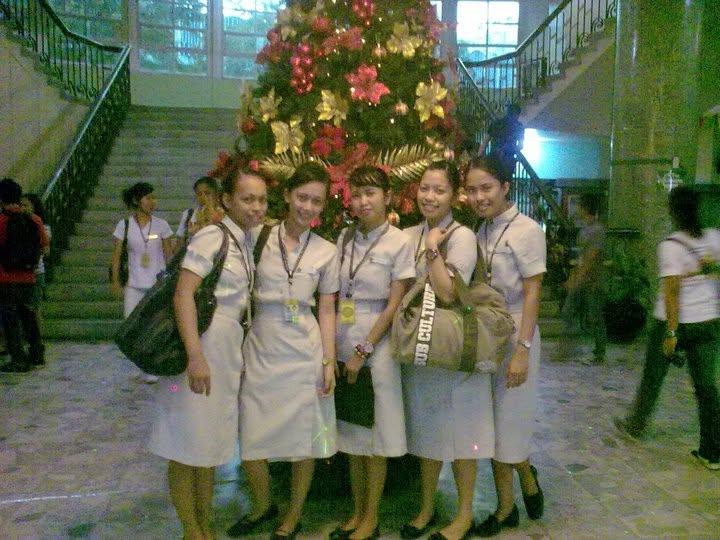
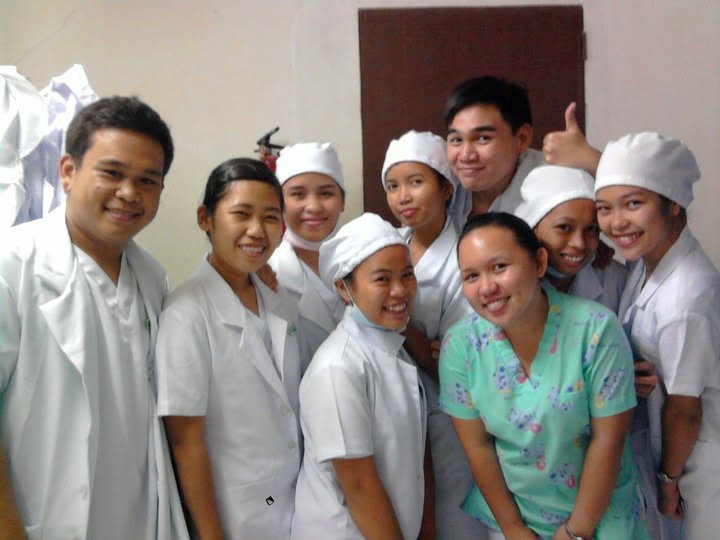
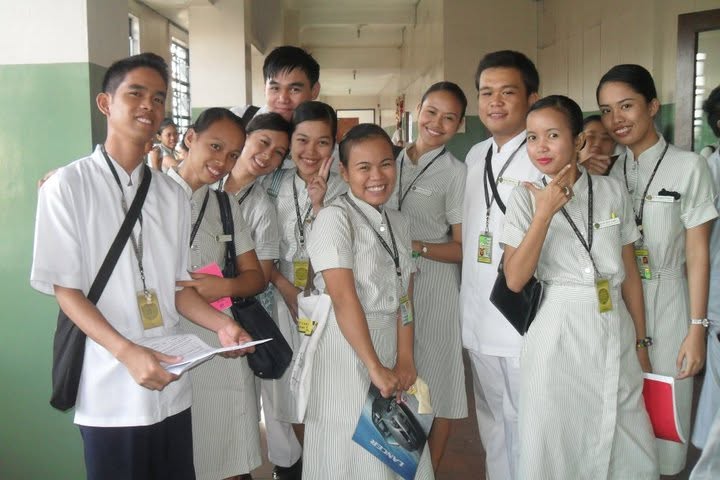
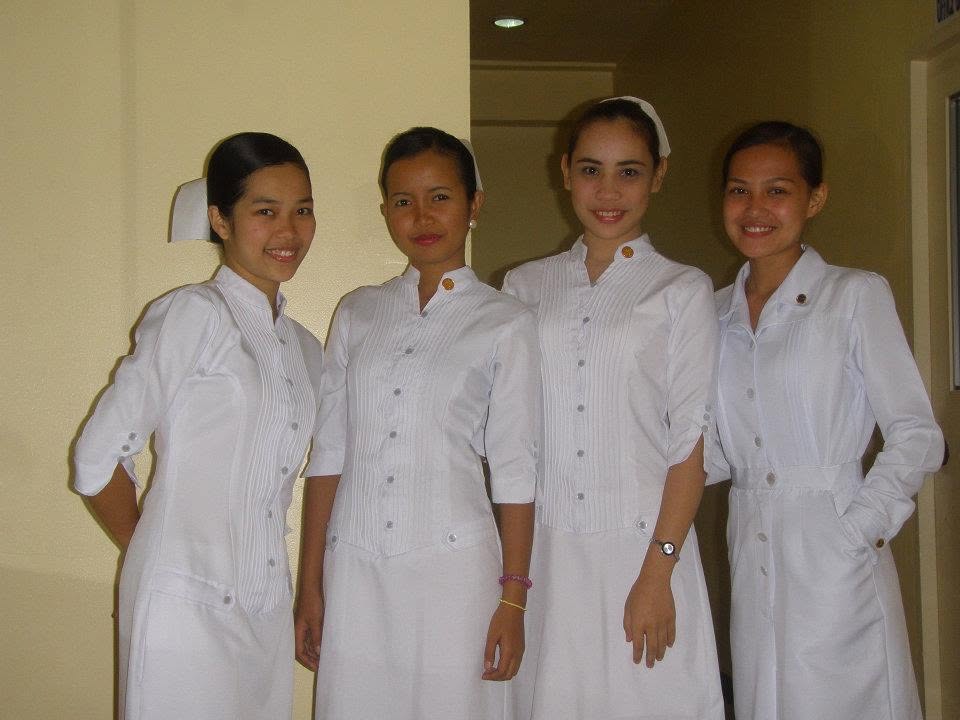
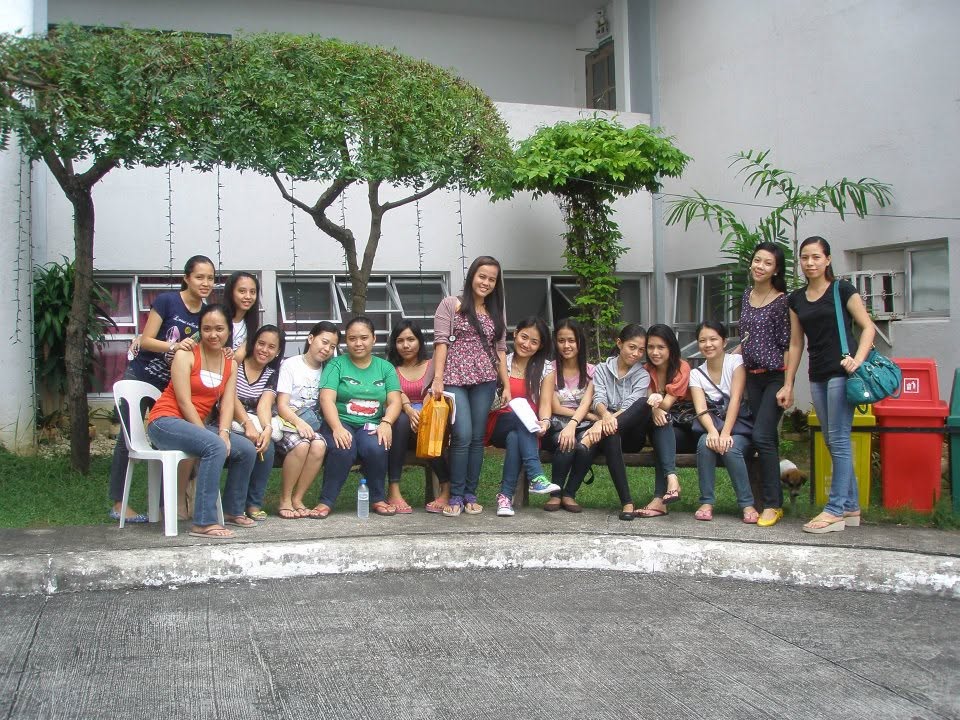
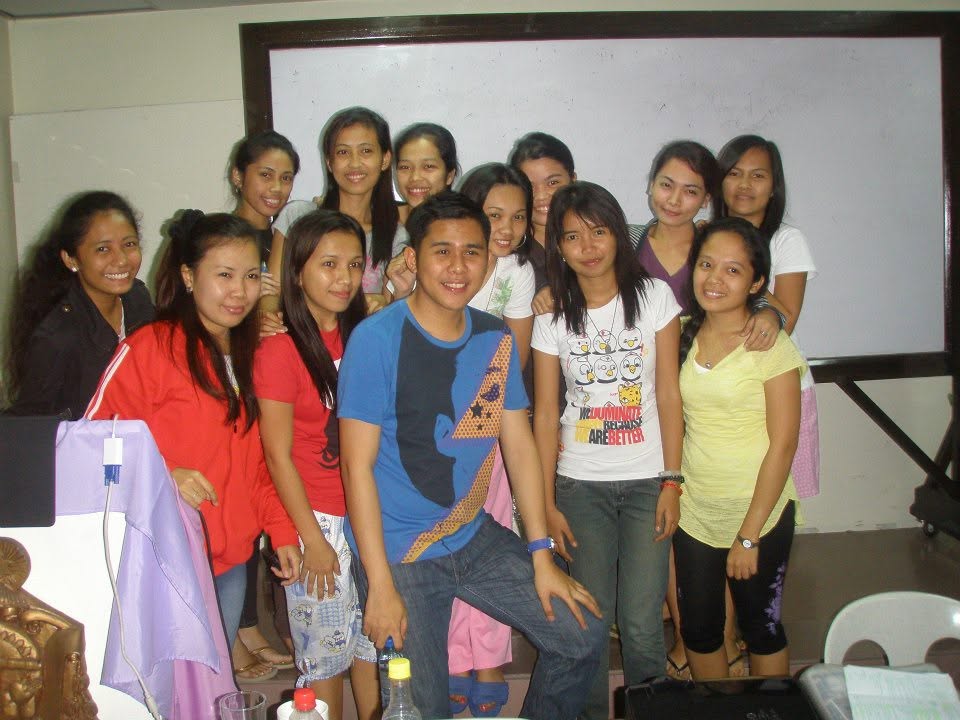
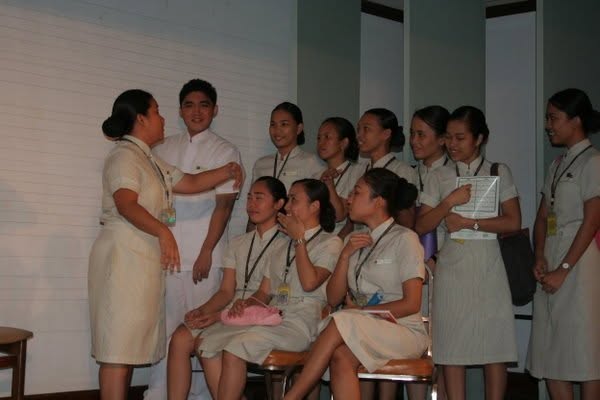
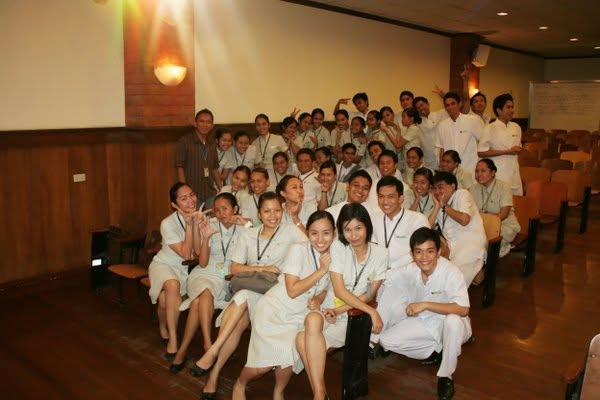
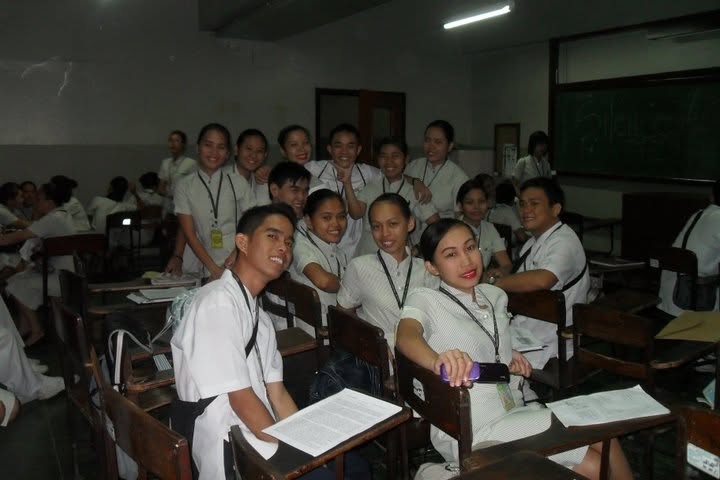
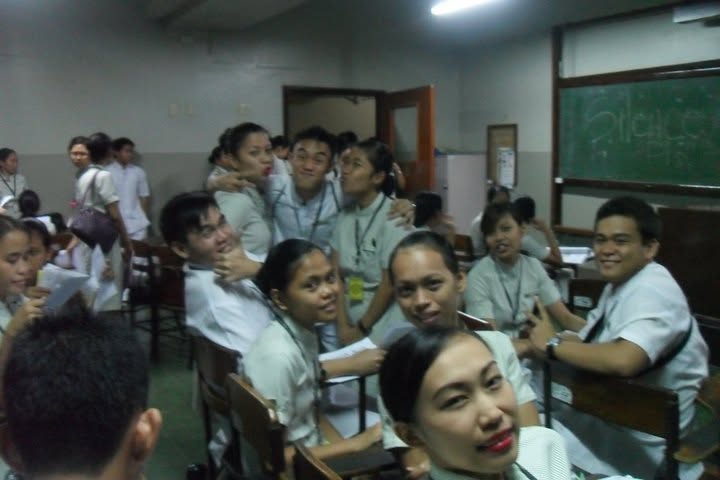
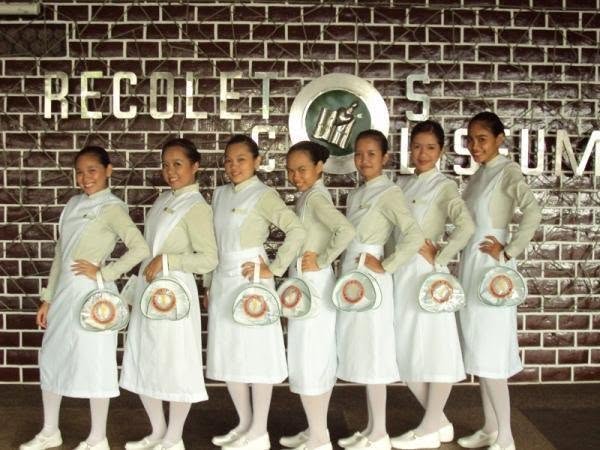
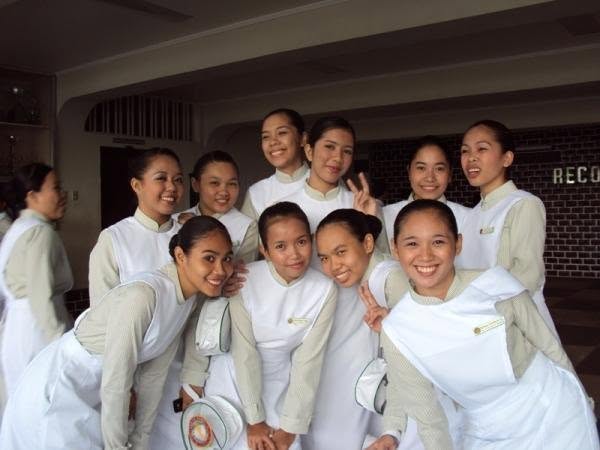
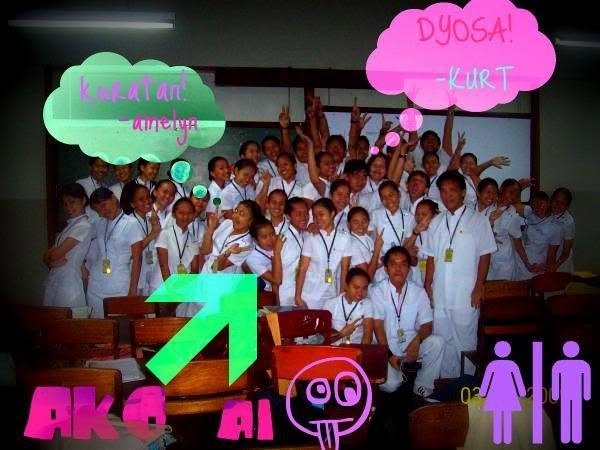
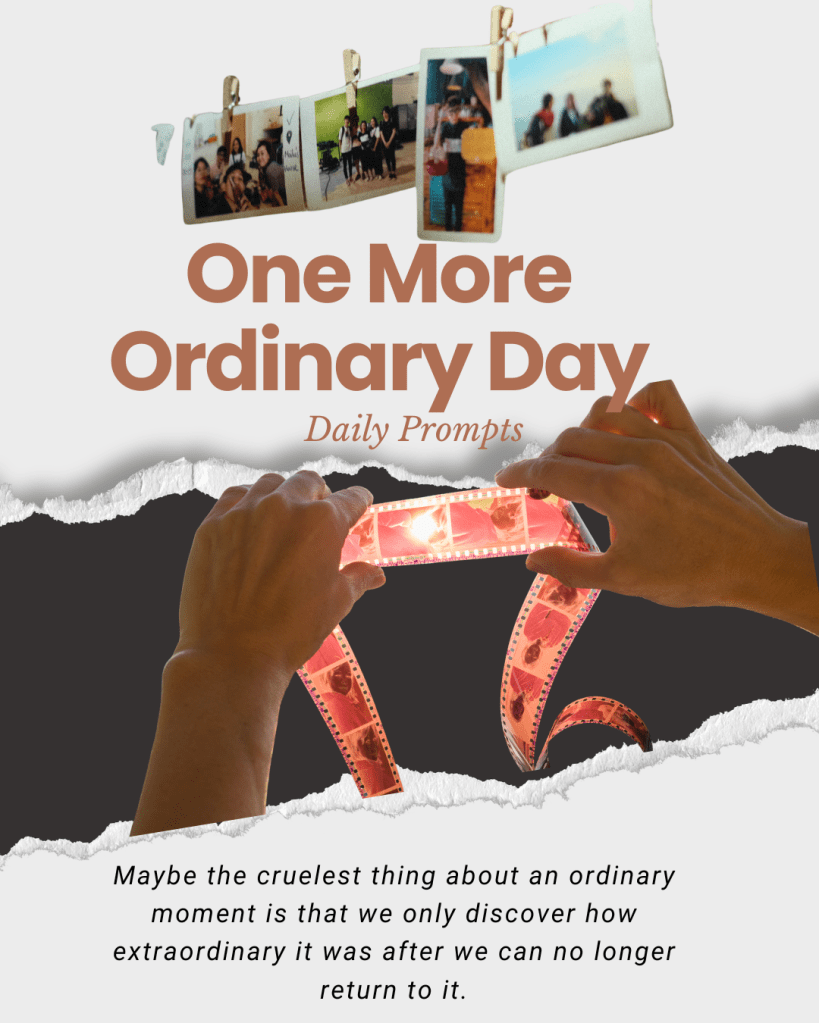
I found these old photographs recently and spent far too long looking at them. There we were in our white nursing uniforms, IDs hanging around our necks, hair properly tied back, carrying presentation materials, standing around laboratory tables, walking through communities beneath umbrellas, eating together and travelling on buses while looking considerably happier than people with pending academic requirements had any right to look. We looked terribly respectable. This is one of the great advantages of photography: it cannot record panic. A photograph of nursing students before clinical duty might show several pleasant young people smiling at the camera. What it does not show is that one of them has forgotten something important, another has slept for approximately four hours, somebody is desperately reviewing notes, and at least two are silently praying that nobody asks them a question before their brains have fully loaded.

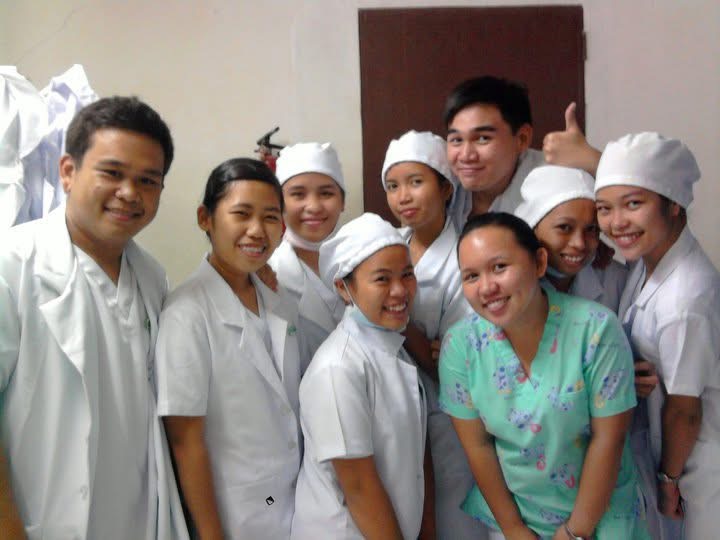
We were learning nursing. At least, that was what the university called it. Looking back, I think we were learning considerably more.
The syllabus taught us anatomy. Nursing school taught us humility. There is nothing quite like studying for hours, feeling reasonably intelligent and then being asked one additional question that reduces your entire academic confidence to dust. “Why?” I still think why is one of the most frightening words ever introduced into nursing education. Why are you doing that? Why is this medication prescribed? Why did you choose that intervention? Why is this result significant? You know this. You studied this. You highlighted this. You explained it to your friend the previous night with such authority that, for approximately seven minutes, you considered yourself an expert. Then your instructor looks at you and suddenly there is nothing. Your brain has closed for essential maintenance.
Back then, I occasionally thought those questions existed purely to expose what we did not know. Years later, I understand their purpose much better. Nursing is not a profession where knowing what to do is enough; eventually, you need to understand why. The patient in front of you will not always behave like the patient in the textbook. The presentation may be incomplete, the observations may change, or something may simply not fit. Memorisation might get you through an examination. Understanding is what you carry into practice.
The syllabus also failed to mention that you would get things wrong. As students, we were terrified of mistakes. We wanted to perform every procedure perfectly, produce the correct answer immediately and convince our instructors that beneath those white uniforms were fully formed future nurses. In reality, we were students trying very hard not to contaminate something. Return demonstrations were particularly effective at destroying confidence. At home, you could rehearse a procedure perfectly. Then somebody handed you the equipment, stood beside you with a checklist and suddenly your own hands became unfamiliar objects. Every movement became suspicious. Did I touch that? Was that sterile? Was I supposed to do this first? Why is she writing something? Never underestimate the psychological power of an instructor quietly writing on a clipboard.
But we repeated the skill. Somebody corrected us. We tried again. Then again. Eventually the awkward movements became less awkward, and something that once required enormous concentration slowly became familiar. That is something I wish more students understood: being corrected is not evidence that you are failing to become a nurse. Correction is part of how nurses are made. The student who needs no correction has never existed. If someone claims otherwise, I suggest checking their documentation.
The syllabus did not mention how much of nursing education would be conducted through your feet either. There we are in the photographs, walking through communities beneath umbrellas, carrying our materials in those wonderfully white uniforms. Community exposure taught us health education, assessment and public-health principles, certainly, but it also taught us that nursing happens long before somebody reaches a hospital. People live in families and communities, not textbooks. Their health is affected by what they can afford, what they eat, where they live, what they believe, what they understand, what resources are available and whether the advice we give is remotely realistic within their lives. You can deliver the most academically beautiful health education imaginable, complete with carefully prepared visual aids, but if the person listening cannot understand it or cannot realistically follow it, then what you have mostly delivered is a speech.
I did not fully appreciate that lesson at the time. I do now.
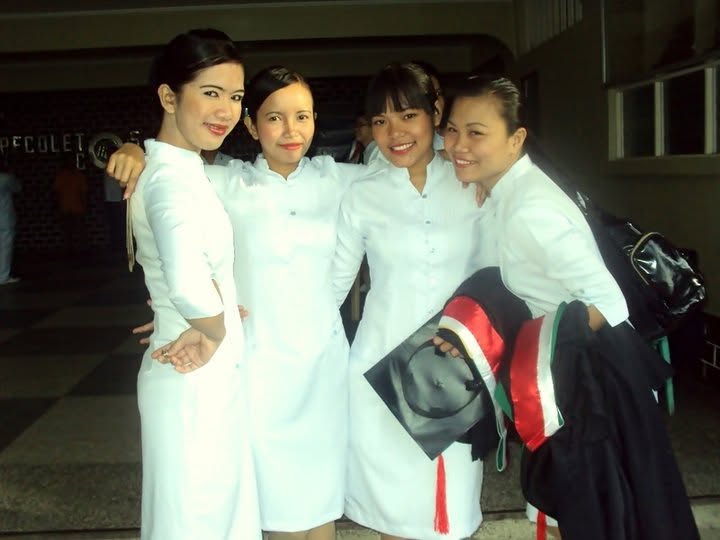
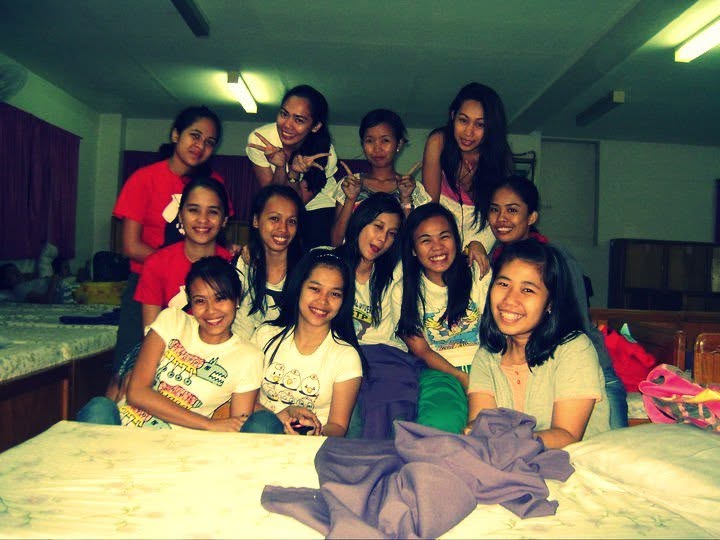
There was another subject missing from the official curriculum: You Need People. I look at these photographs and realise how much of nursing school I remember through the people standing beside me. We studied together, travelled together, ate together, complained together and panicked together. There was always somebody with better notes, somebody who remembered something the rest of us had forgotten and somebody who would suddenly ask, “Did you do the requirement?” followed by perhaps the most terrifying response in student life: “What requirement?”
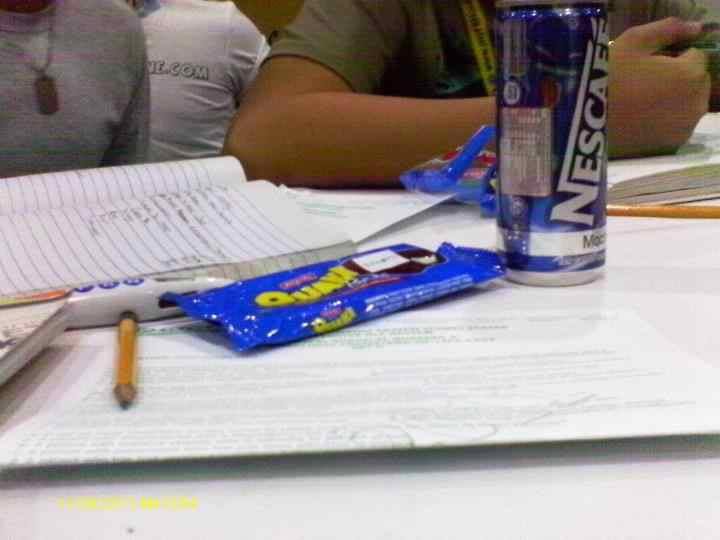
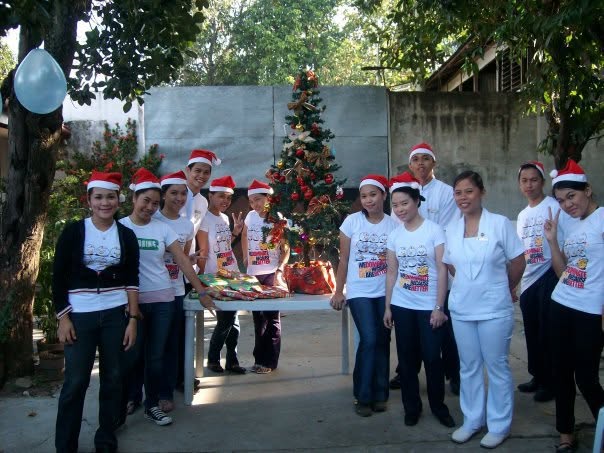
We shared information, food, anxiety and occasionally answers delivered with enormous confidence and questionable accuracy. Somehow, despite all the pressure, we laughed. A lot. There is a photograph of us sitting together eating fruit, another around a laboratory table, another walking beneath umbrellas. There are bus journeys, outings, community duties and completely ordinary moments between all the things we believed were important. At the time, those moments were simply gaps between requirements. Years later, they became the memories.
University never put Take the Photograph in the syllabus either, but perhaps it should have. You will forget the examination score. You may forget the lecture. You will almost certainly forget much of what you were panicking about at two in the morning. But years later, one photograph can return an entire afternoon to you. Suddenly you remember exactly how it felt to be young, tired, ambitious and surrounded by people who were equally tired and ambitious. You remember the laughter, the food, the journey, the uniforms and the version of yourself who thought the next examination was one of the most important events in human history.
That is the strange thing about ordinary days: nobody announces that you are currently living something you will miss fifteen years later. You simply live it. You complain about the heat. You worry about the exam. You borrow somebody’s pen. You eat with your friends. You get on the bus. Somebody says something ridiculous and everyone laughs. Then time moves on, and suddenly those apparently unimportant moments are the ones you would happily return to for an afternoon.
The syllabus taught us communication. Patients eventually taught us how to listen, and those are not quite the same thing. As students, we learned how to take histories, ask questions and collect information. We had frameworks, forms and lists of things that needed to be covered. Real people rarely speak in frameworks. Sometimes the most important thing a patient tells you arrives after you think the conversation is over. Sometimes it is the relative who quietly says, “She isn’t normally like this.” Sometimes it is the hesitation before an answer, the change in behaviour or the sentence that sounds insignificant until you stop and actually listen to it. Years later, I would understand that listening is not the passive part of nursing. It is clinical work.
Perhaps the biggest lesson missing from the syllabus, though, was this: you will never know everything. I wish somebody had told me that when I was a student. There is a temptation to imagine that qualified nurses eventually reach some magical point where uncertainty disappears and everybody walks around knowing exactly what they are doing at all times. Then you qualify and discover that nursing has an excellent sense of humour. The more you learn, the more clearly you recognise the limits of what you know.
That is not incompetence. It is professional maturity.
There is enormous safety in being able to say, “I don’t know, but I will find out.” There is considerably more danger in pretending otherwise.
If you are studying nursing now and constantly feel there is too much to learn, there is. You have chosen a profession centred on the human body, human behaviour, science, illness, medicines, communication and people—subjects humanity has spent centuries studying and still has questions about. You are not going to master it by Thursday.
So learn properly. Ask questions. Let people correct you. Understand rather than simply memorise. Be curious when something does not fit. Do not become so frightened of looking inexperienced that you stop admitting when you need help. You are a student; you are supposed to be learning. “I don’t know” is not a shameful sentence when it is followed by “Let me check,” “Can you teach me?” or “I need help.” One day, those words may matter far more than pretending to know an answer you do not.
And please, occasionally, enjoy yourself.
Nursing education can become so consumed by grades, competencies, deadlines and the pressure to succeed that students begin treating their entire university experience as something to survive. Study hard. Take your training seriously. Do the requirements. But eat with your friends. Laugh on the bus. Go on the trip when you can. Take the ridiculous photograph. Enjoy the moments when nobody is asking you to calculate, demonstrate, explain or submit anything. You are not wasting time. You are living the part of your life you will eventually call the old days.
I know because I am looking at mine now.
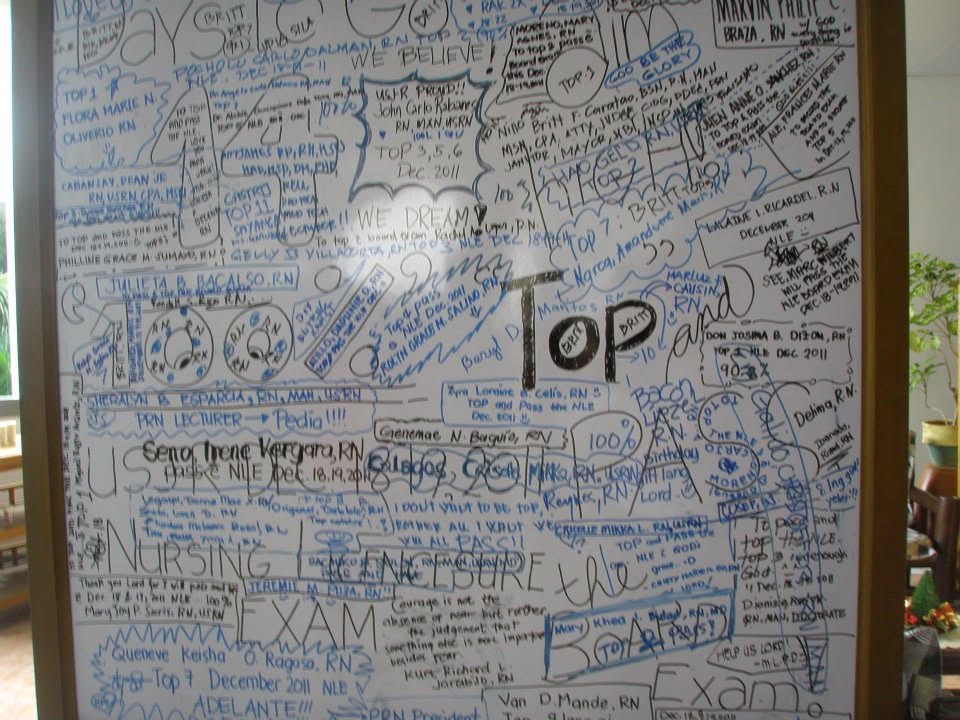
The funny thing is that I do not remember university according to the syllabus. I remember it in flashes: white uniforms, umbrellas, handwritten presentations, laboratories, food shared around a table, somebody laughing when we were supposed to be serious, somebody asking about a requirement I had apparently forgotten and all of us somehow continuing anyway.
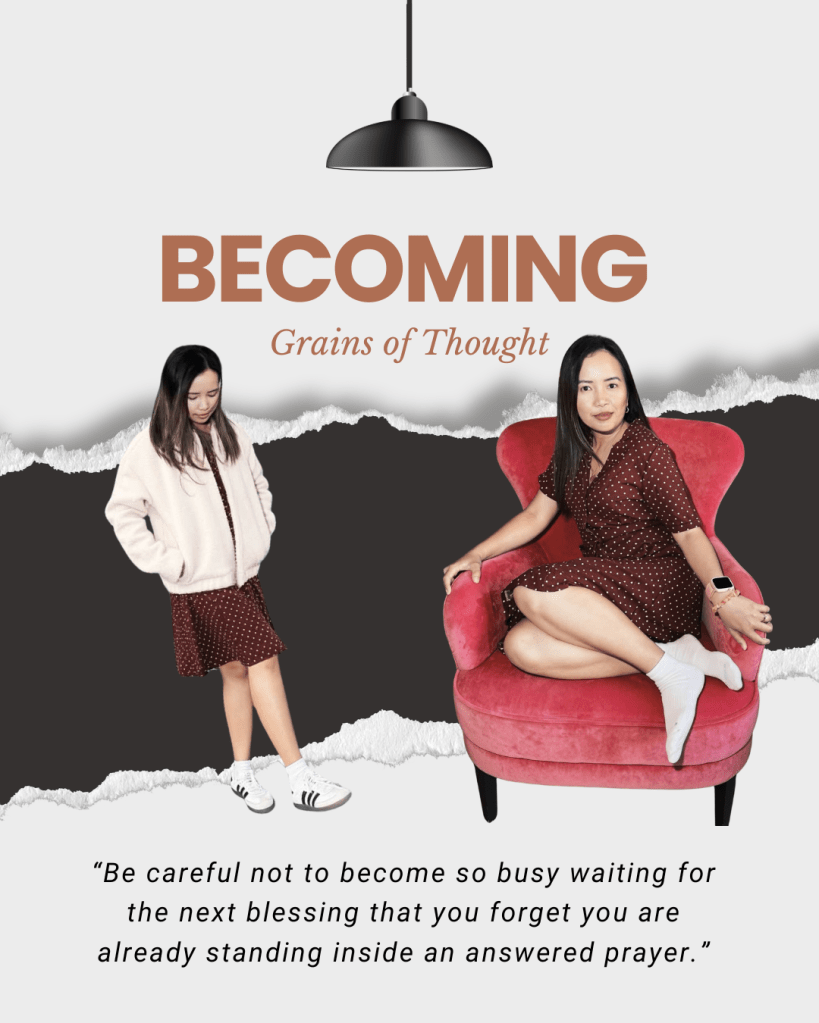
The girl in those photographs did not know where nursing would take her. At that age, the ambition was much simpler: pass the subject, complete the requirement, survive clinical duty, graduate and become a nurse. One thing at a time. She did not know how difficult the profession could become, how much responsibility would eventually sit behind that small word Nurse, or how many times she would still question herself long after graduation. She also did not understand that becoming a nurse would not be something completed on graduation day.
You become one through thousands of ordinary days. One lecture understood. One mistake corrected. One procedure practised again. One patient listened to. One difficult shift survived. One question asked. One moment when you choose to check instead of assume. One day when you are tired but still remember that another human being is depending on you.
The qualification eventually gives you the title. Experience gives you confidence. Knowledge gives you judgement. Patients give you perspective. Mistakes give you humility. Time teaches you that becoming a better nurse never really finishes.
I started university thinking nursing school would teach me how to become a nurse.
It did.
It just turned out that some of the most important lessons were never written in the syllabus.
Click here for more photos




























Leave a comment