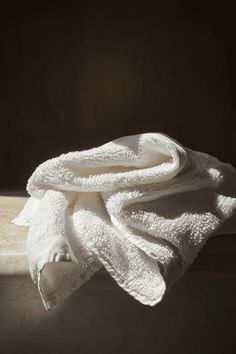
There is an old story about a family who lived beside a river. Every rainy season, the river would rise, creep towards the house and eventually find its way underneath the door. The family had a system for this. Towels went on the floor. Important things went onto higher shelves. Chairs were moved. Shoes were rescued. Then everybody waited for the water to behave itself and return to where water was supposed to be. The grandfather had done it this way. Then the father. Eventually the son became old enough to join what had apparently become the family’s annual battle against indoor flooding. Nobody questioned it because, as with many things passed down through families, repetition had eventually acquired the authority of tradition.
One year, while helping his father arrange the usual collection of damp towels, the son asked why they did not simply build something outside to prevent the water from entering in the first place. His father looked at him with the sort of expression parents sometimes give children who have asked an offensively sensible question. “Because this is how we have always dealt with the rain,” he said.
I thought about that story when I came across the writing prompt, What’s something you do completely differently from how you were raised? It sounded easy enough at first. I could write about money, relationships, work, communication, household habits or perhaps the fact that adulthood has somehow turned me into someone who becomes genuinely pleased by a clean kitchen. There are countless things I do differently now. But the more I thought about it, the more the word differently bothered me, because doing something differently from our parents can sometimes sound suspiciously like announcing that they did it wrong.
I do not think those two things are necessarily the same.
When we are children, we rarely realise that we are being taught a particular version of life. Home is simply home. We assume everyone’s family works more or less like ours. We learn how adults argue by listening through walls. We learn how affection is expressed by noticing whether people say “I love you” or quietly place food in front of each other instead. We learn what happens when somebody makes a mistake, how money is discussed—or carefully not discussed—who makes decisions, who keeps quiet, who apologises and who apparently plans to take their grievance directly to the grave. Nobody sits us down with a textbook called How to Become an Adult Without Making a Complete Mess of It. We simply watch.
Some of what we absorb becomes the best part of us.
Growing up Filipino gave me many things I still carry proudly. Family mattered. Visitors were fed whether they claimed to be hungry or not, because saying “I’m fine” in a Filipino house has never been legally recognised as refusing food. Elders were respected. Faith was woven into ordinary life. People helped one another. Humour appeared even when circumstances were not particularly funny. Somehow, no matter how little there was, another plate could usually be found for someone who arrived at the table.
Living far from the Philippines has made me appreciate some of those things even more. Distance has a strange talent for sharpening what once looked ordinary. Things I barely noticed growing up can suddenly make me homesick now. A particular food, the way relatives gather, the noise of several conversations happening at exactly the same time, somebody insisting you take food home even after you have already eaten enough for a minor festival. Home becomes clearer when you are no longer standing inside it every day.
But distance also gives you enough room to look at certain things properly.
I have learned that loving where I came from does not mean carrying everything that came from there without inspection. Some things are heirlooms. Some things are habits. Some things were survival skills that belonged to a completely different circumstance but somehow remained in the family long after the emergency had passed. And because nobody questioned them, they started looking permanent.
One of the biggest things I now approach differently is boundaries. I grew up understanding that family helps family. If somebody needs you, you show up. If you have something to give, you share it. Sometimes inconvenience is simply part of loving people. I still believe all of that. I hope I always will.
What has changed is my understanding of where helping ends.
That particular line has taken me years to locate, and I still occasionally lose it.
There is something especially uncomfortable about saying no when you were raised to think that a good person tries to accommodate everyone. There is always another reason to make an exception. Another sad circumstance. Another request that sounds reasonable when explained properly. Another voice in your own head saying, But what if you can still do something? Before long, you are solving problems that existed perfectly well before anybody remembered your phone number.
I used to think that caring meant doing everything within my ability to make things easier for people I loved. Age has made that definition slightly more complicated. Sometimes helping someone is generous. Sometimes helping them repeatedly simply teaches everyone involved that you will continue absorbing the consequences. Those two things can look remarkably similar while you are standing in the middle of them.
I still want to be generous. I simply no longer want generosity to require the gradual disappearance of myself.
Respect has changed for me too. When I was younger, respect often seemed tied to age and silence. Older people knew more because they had lived longer, and disagreement could easily be mistaken for disrespect. I understand now why that idea existed. Experience does deserve consideration. There are things my parents and elders understand because they have survived years I have not lived.
But growing older myself has taught me that respect does not require intellectual surrender. I can listen without agreeing. I can honour someone’s experience without abandoning my own judgement. I can speak politely and still speak. Having a voice of my own does not erase the people who helped me find it.
The same goes for emotions.
Many of us were raised by people who became strong because life gave them very little choice. They endured. They worked. They carried responsibilities because somebody had to. They did not necessarily have the time, vocabulary or luxury to sit down and analyse how all of it made them feel. Survival came first. Feelings could queue politely behind everything else. I admire that kind of strength. I also wonder what it cost.
There are things I want to do differently because of that. I want to say when something hurts before silence turns it into resentment. I want apologies to be spoken instead of telepathically assumed. I want affection said aloud sometimes, even if showing it through food, sacrifice and practical things still comes more naturally. I want people I love to know that I love them while they are still here to roll their eyes at me for becoming sentimental.
Losing people has probably made me more stubborn about that.
Death is extremely efficient at revealing how many things we planned to say “later.” We behave as though tomorrow has already confirmed the booking. We postpone the visit, the conversation, the thank-you, the apology, the ridiculous little message saying, I remembered you today. Then life occasionally reminds us that it never promised any of us that much organisation.
So I am trying to leave fewer important things unsaid.
I am also more comfortable now with changing my mind. There were beliefs I once held mainly because they were the first beliefs handed to me. They came from family, school, culture, religion, community and whatever happened to be considered normal around me at the time. Some of them remain. Some became stronger after I left home and saw more of the world. Others became difficult to defend once I met good people who lived completely differently from everything I had assumed was universal.
That has been one of the stranger parts of living abroad. You suddenly discover that millions of perfectly respectable human beings have been organising their lives without consulting the rules you once believed everybody followed.
It does something to you.
Not necessarily in a dramatic way. You do not wake up one morning and announce that you have rejected your entire upbringing. At least I did not. Instead, small things begin moving around inside your head. You observe another family. You hear how somebody communicates with their parents. You notice how another culture approaches independence, relationships, work, money or ageing. Some things feel foreign. Some make you appreciate your own culture more. And every now and then, something makes you quietly wonder, Why did I always assume there was only one proper way to do this?
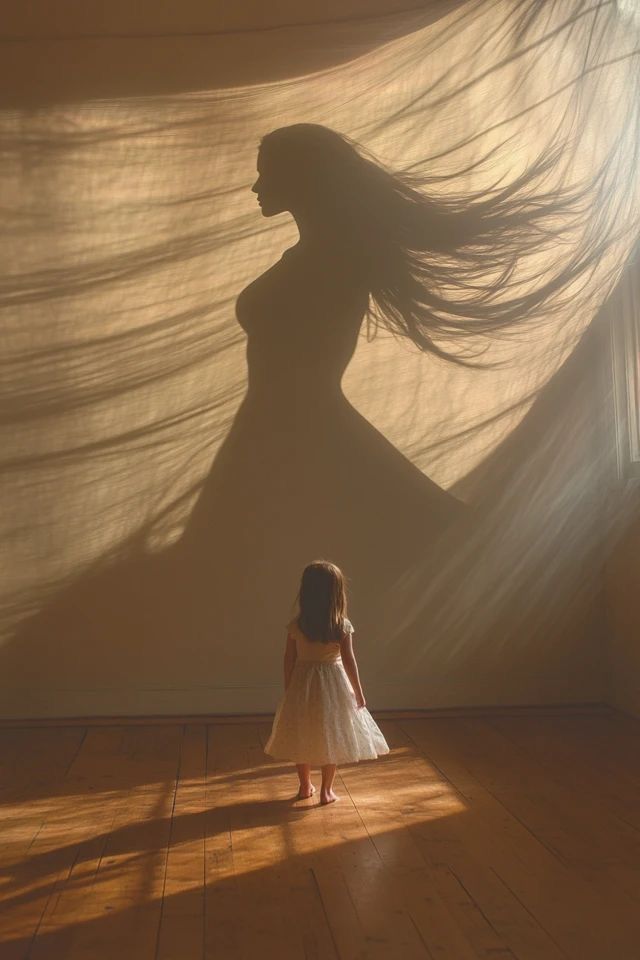
Perhaps adulthood is partly becoming the curator of everything we inherited.
We receive a very strange collection from the people who raised us: faith, fears, recipes, humour, expectations, coping mechanisms, family stories, wounds, traditions, prayers, financial habits, insecurities, ways of expressing love and several opinions nobody remembers requesting. Then life hands us the responsibility of deciding what stays.
Some things belong permanently. Some need repairing. Some make much more sense once we understand where they came from. And some can probably be placed gently on a shelf with a respectful thank-you and never used again.
That thought has actually made me kinder towards the generations before me. It is very easy to look backwards with knowledge they did not have and conclude that they should have done better. Sometimes they should have. But sometimes they were navigating lives with fewer resources, fewer choices and an entirely different emotional vocabulary. People can only make decisions using what is available to them at the time.
Recognising that something hurt me does not require me to believe somebody intended to hurt me.
That has been an important distinction.
There are things I can understand differently precisely because people before me carried enough difficulty to give me the privilege of questioning it. Perhaps that is how families are supposed to move forward. One generation survives something. Another gains a little more stability. Someone later learns how to talk about it. Another person finally decides that a particular pattern has travelled far enough.
Nobody fixes an entire family tree in one lifetime. That sounds exhausting, and frankly I already have enough things on my to-do list.
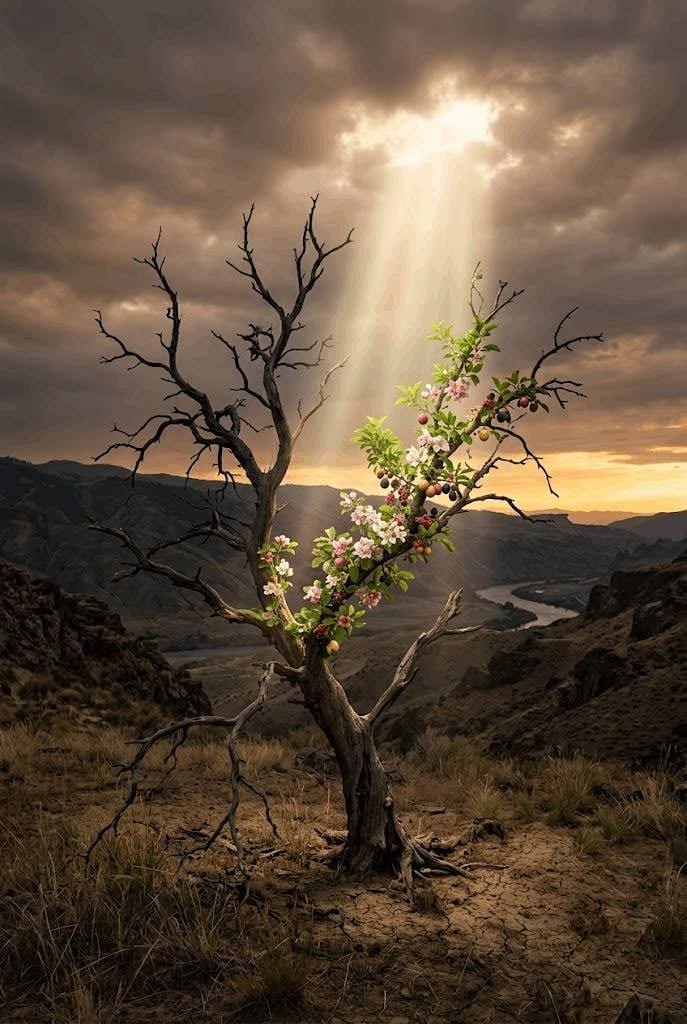
But perhaps we can trim a branch.
I think about forgiveness differently now too. Forgiveness does not mean declaring everything harmless. Gratitude does not require pretending nothing ever hurt. I can say that my family loved me and still recognise things I needed to unlearn. I can be grateful for sacrifices while acknowledging that some expectations became heavy. I can love where I came from without pretending every tradition deserves permanent citizenship in my future.
Two things can be true at the same time, which is inconvenient because life would be much easier if everyone could simply be placed neatly into categories marked good and bad.
Families rarely cooperate with that system.
Patterns are particularly stubborn because they know how to disguise themselves as personality. A fear becomes a rule. The rule gets repeated enough times that it becomes a habit. The habit survives several decades, attends birthdays, weddings and Christmas gatherings, and eventually somebody shrugs and says, “That’s just how our family is.”
Maybe.
Or maybe that is simply how the family has been until someone tries something else.
I do not want to change everything I was taught. In fact, getting older has made me fiercely protective of some of it. I still believe family should care for one another. I believe generosity matters. I believe elders deserve respect. I believe faith should have something to say about how we treat people outside church. I believe you should feed visitors, preferably until they begin negotiating for their freedom. I believe humour can rescue people from difficult days, and I believe showing up for someone still matters.
What I want to change is what sometimes attaches itself to those good things.
Generosity can become entitlement. Respect can become fear. Family loyalty can become the disappearance of individuality. Strength can turn into emotional silence. Sacrifice can become a debt that keeps collecting interest long after everybody has forgotten the original amount.
I want the good parts without pretending the difficult parts are necessary companions.
And I am aware that one day, somebody younger may examine the way I live and decide I got several things wrong too. I probably will. There are beliefs I hold confidently now that life may eventually embarrass me into reconsidering. That possibility keeps me from feeling too superior about doing things differently.
Growth is not standing above the people who raised us and congratulating ourselves for knowing better. Most of the time, we can see farther because somebody before us gave us somewhere to stand.
Which brings me back to the family beside the river.
The son did not need to mock the towels. Those towels had served a purpose. They had protected the house as best they could. His father and grandfather had learned how to survive those rainy seasons using what they knew and what they had. There was nothing shameful about that.
But the son was allowed to notice the water.
He was allowed to ask whether there might be another way.
And if he eventually built something outside that kept the river from entering the house, it would not mean his grandfather had been foolish for laying down towels. It would simply mean the next generation had been given enough shelter, enough time and perhaps enough stubborn curiosity to build upon what came before.
Maybe that is my real answer to the question.
What I do differently from how I was raised is not one dramatic habit I abandoned. It is that I try, as much as I can, to examine what I carry before assuming I must carry it forever. I want to keep the faith, humour, generosity, loyalty and sense of family that formed me. I also want better boundaries, clearer conversations, spoken affection and enough courage to recognise when love is beginning to look too much like obligation.
There will probably always be towels somewhere in my life. Some old reflex I fall back on because it feels familiar. Some belief I discover hiding underneath a decision. Some inherited habit that makes perfect sense only after I ask myself where it came from.
That is fine.
I do not think becoming an adult means throwing everything away and starting from nothing. Perhaps it simply means being willing to look down every now and then, notice that the floor is wet, and ask a question nobody before us had the chance—or the need—to ask.
Why does the water keep coming in?
And perhaps, instead of spending another generation becoming exceptionally skilled at arranging towels, we can still love the people who taught us how to survive the rain while quietly beginning to build something outside.
Still keeping the good, still questioning the rest,
Anj










Leave a Reply