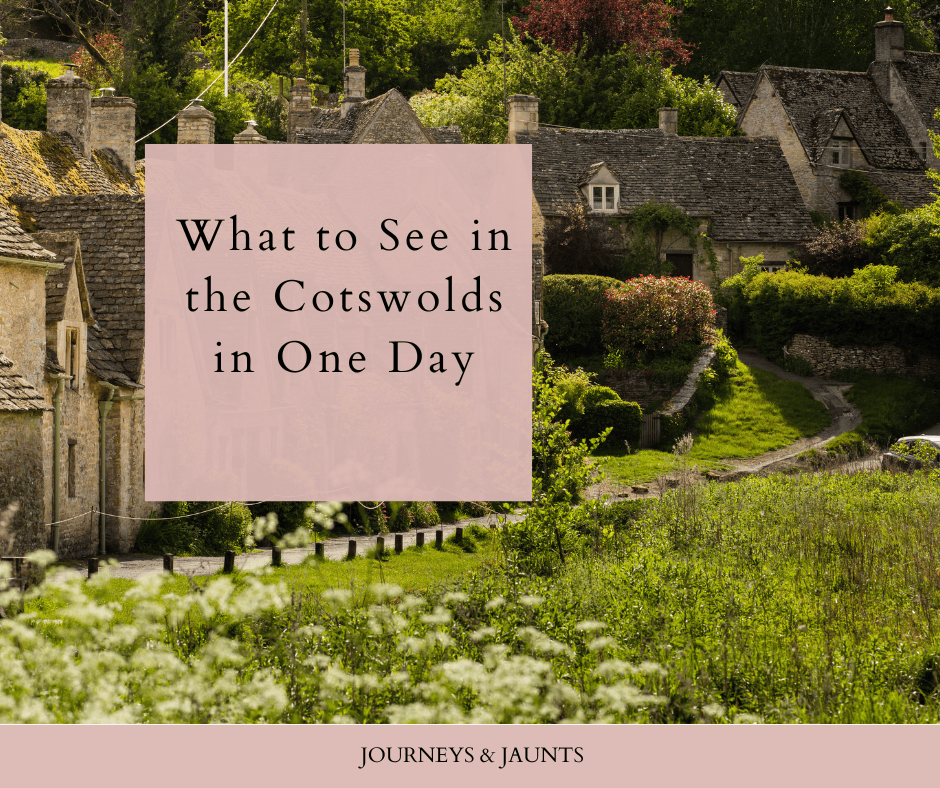
Can you see the Cotswolds in one day? Technically, yes. Can you see all of it properly, understand several centuries of English history, admire every honey-coloured cottage, investigate every old church, photograph every charming doorway, visit some penguins and still return home at a respectable hour? Absolutely not. But that did not stop us from trying.
There is something mildly contradictory about visiting the Cotswolds with an itinerary. This is a place famous for slow living, little villages, rolling countryside and the sort of streets that make you want to wander without checking the time. Naturally, we arrived with several places to cover before the day ended. Nothing says “embrace a slower pace” quite like looking at your watch because Bibury is still on the schedule.
Still, if you only have one day, a little organisation helps. Our route took us through Stow-on-the-Wold, Burford, Bibury and Bourton-on-the-Water, four places that regularly appear on Cotswolds itineraries but have very different personalities once you actually walk through them. By the end, my camera roll was approximately ninety per cent stone buildings, my legs had opinions, and I had developed an unreasonable confidence that I could live happily in a cottage despite having no evidence that I could afford one.
Stow-on-the-Wold
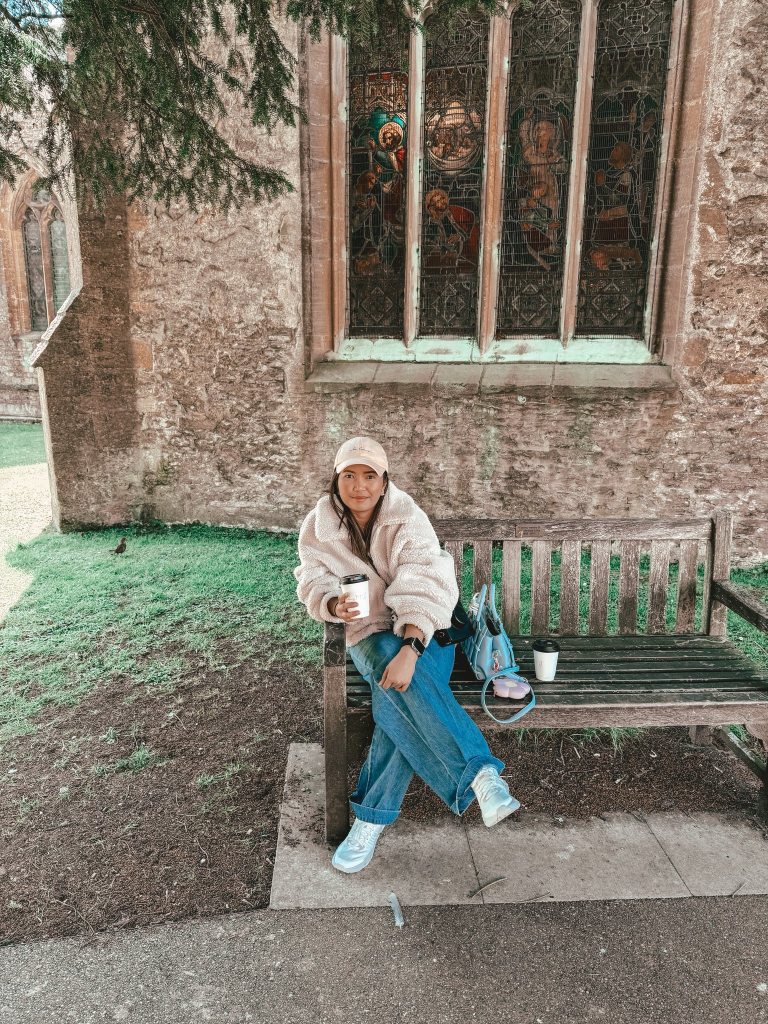
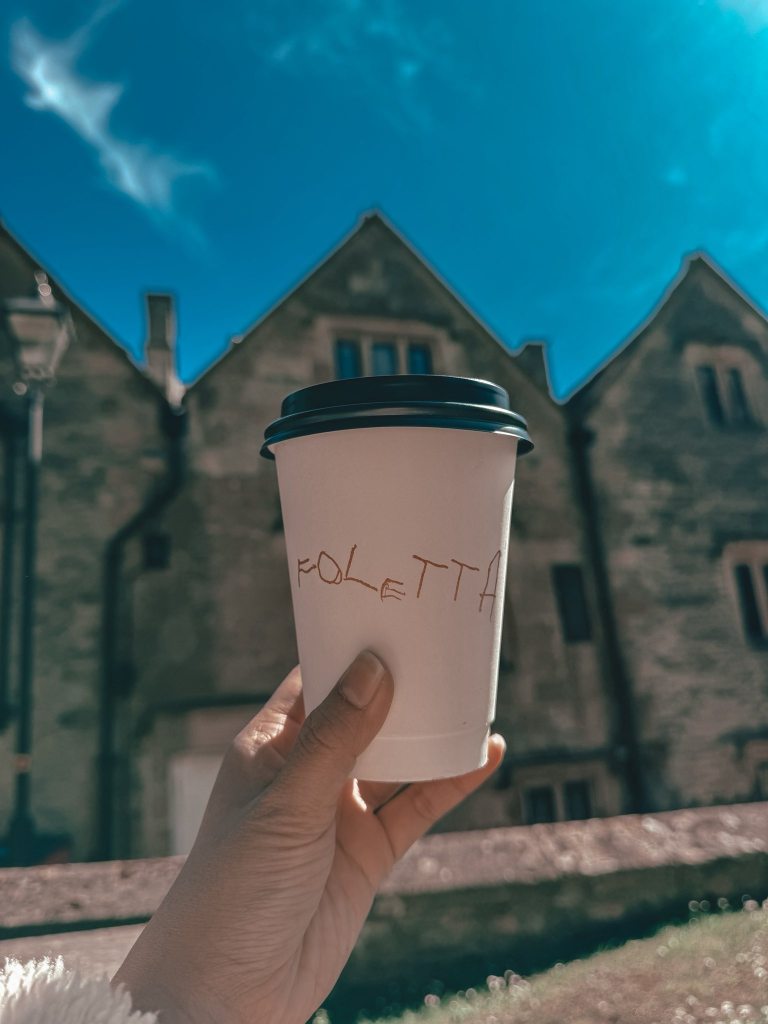
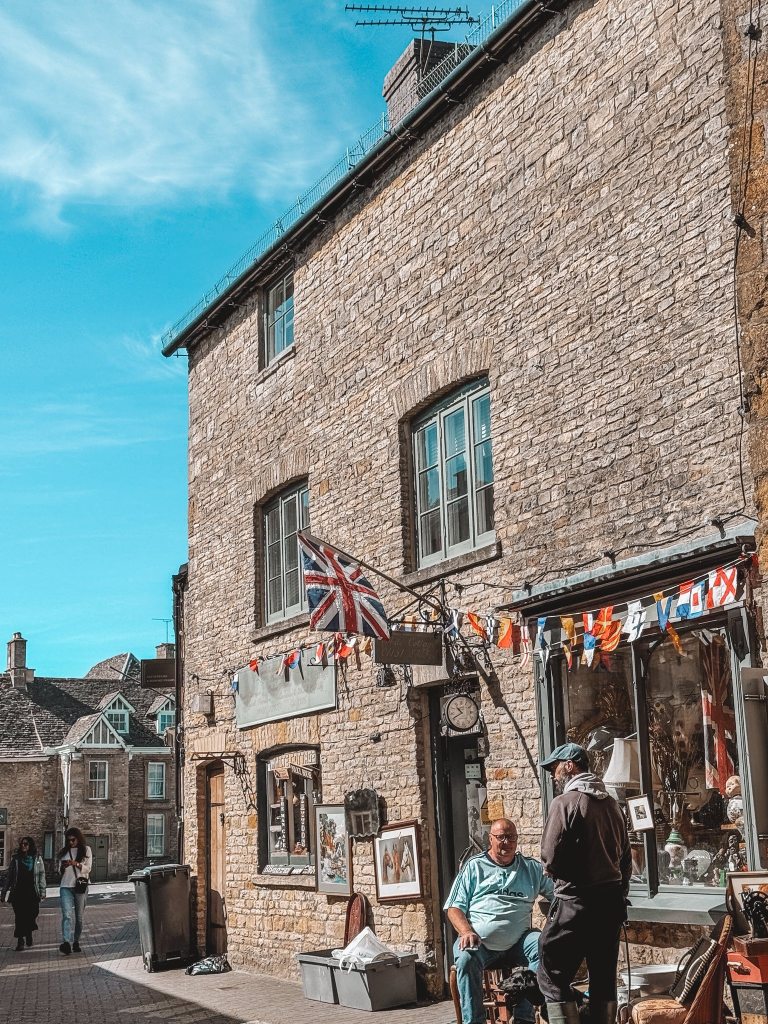
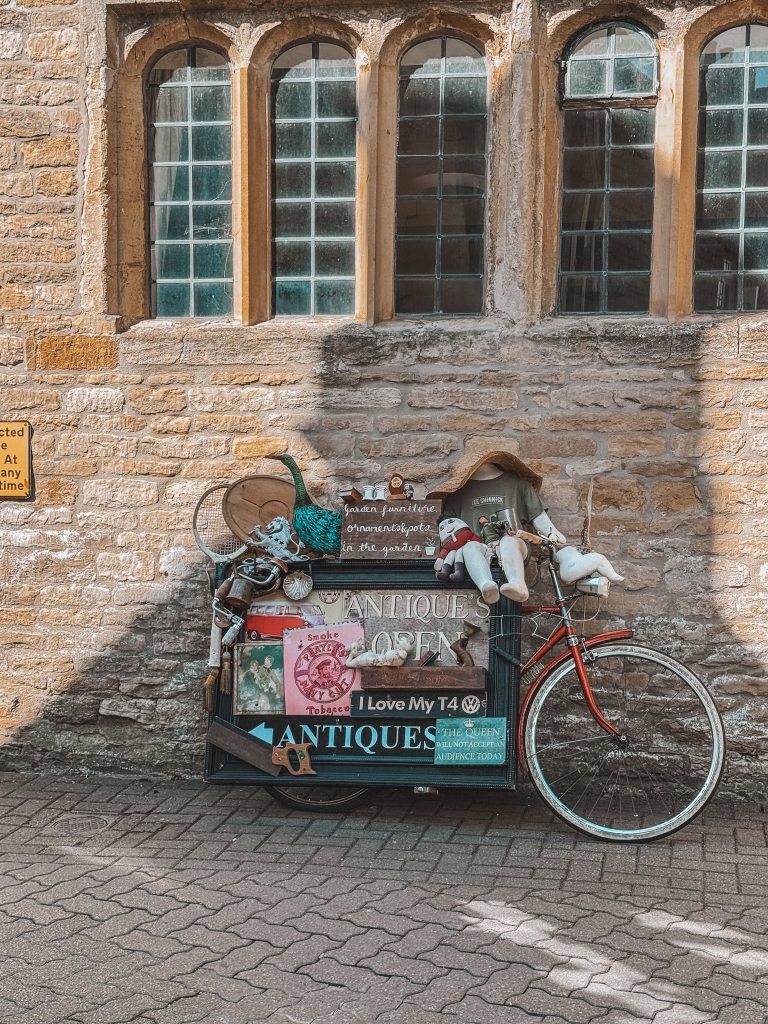
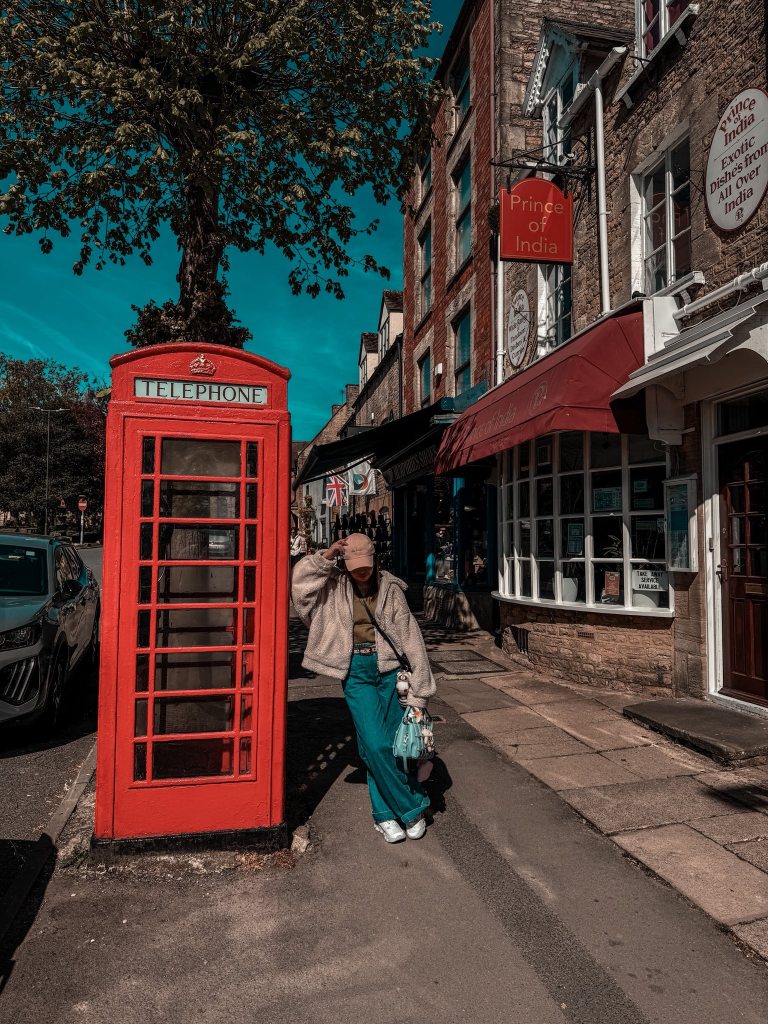
Our first stop was Stow-on-the-Wold, one of the highest towns in the Cotswolds and historically an important centre for the wool trade. Its market square once handled enormous sheep fairs, with thousands of animals traded during the height of the wool industry. Today, the sheep have largely been replaced by cafés, shops, visitors and people like me standing in the middle of the square trying to imagine what several thousand sheep would have done to the traffic situation.
That contrast is part of what makes Stow interesting. It is undeniably pretty, but it was never built simply to be pretty. It was a working market town. The buildings, square and surrounding streets are connected to commerce, farming and the wealth that wool brought to the region. Knowing that gives the place more substance than simply saying, “Look at the lovely old houses,” although there was plenty of that too.
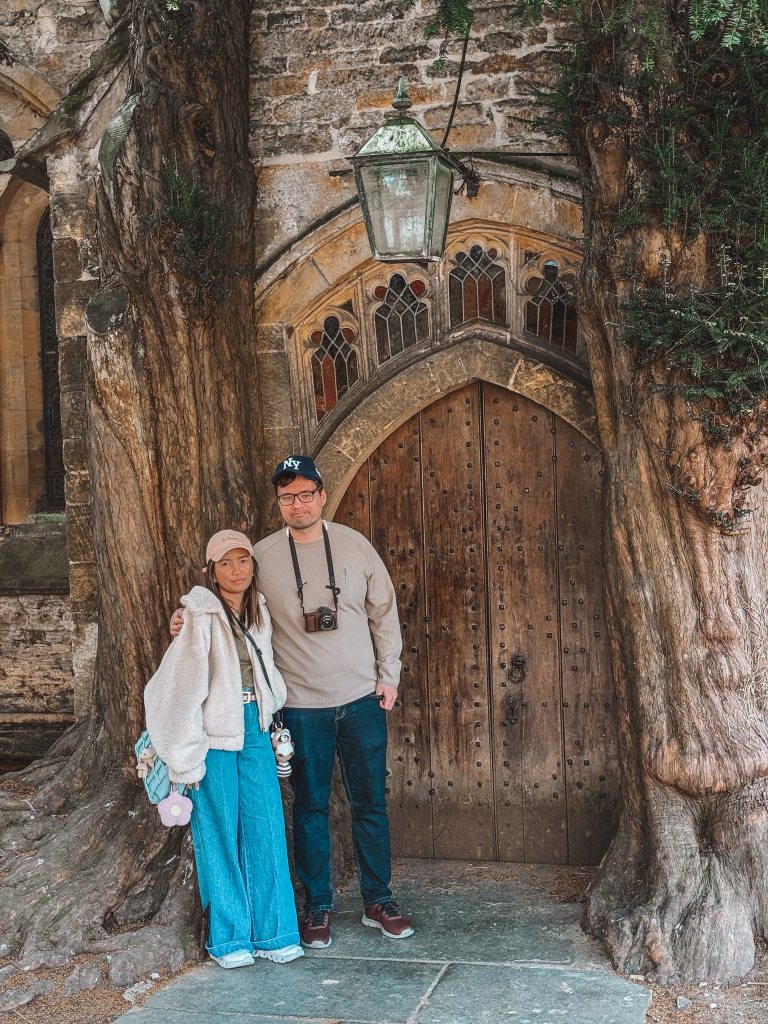
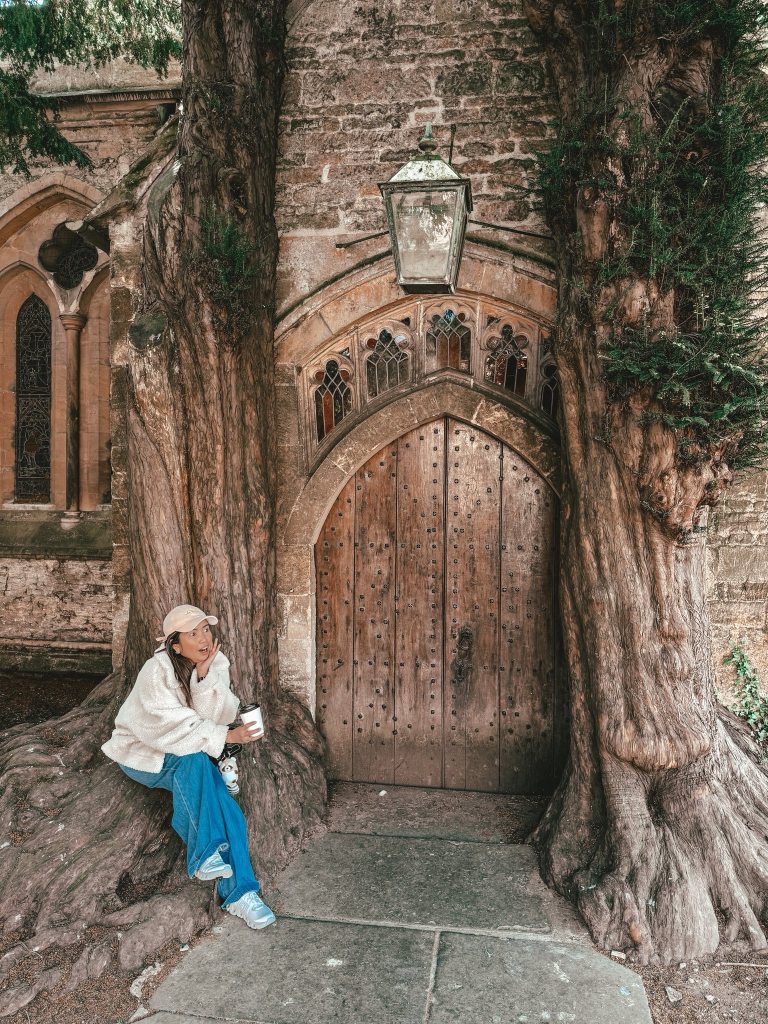
One of the places I particularly wanted to see was St Edward’s Church, especially its famous north door framed by two old yew trees. The doorway is frequently linked with J. R. R. Tolkien and is often said to resemble imagery associated with Middle-earth, although the exact claim that it directly inspired him is difficult to establish. Honestly, it does not need the Tolkien connection to make it interesting. The trees seem to grow around the doorway like something deliberately designed for a fantasy film, except nature apparently handled the set decoration centuries before Instagram arrived.
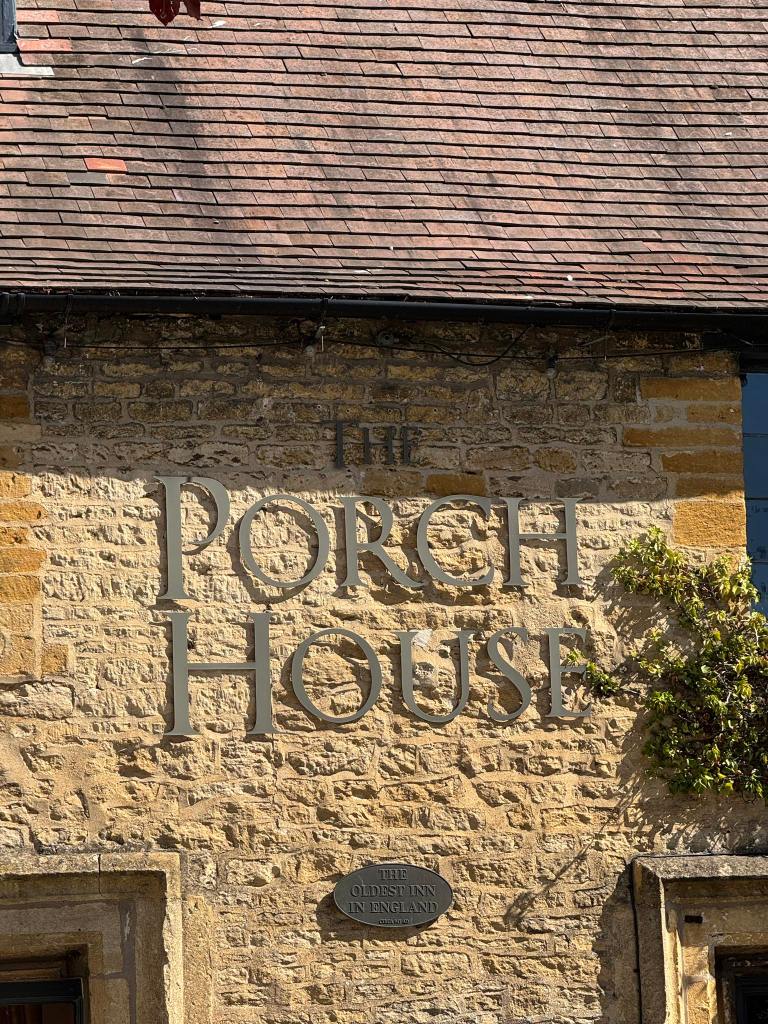
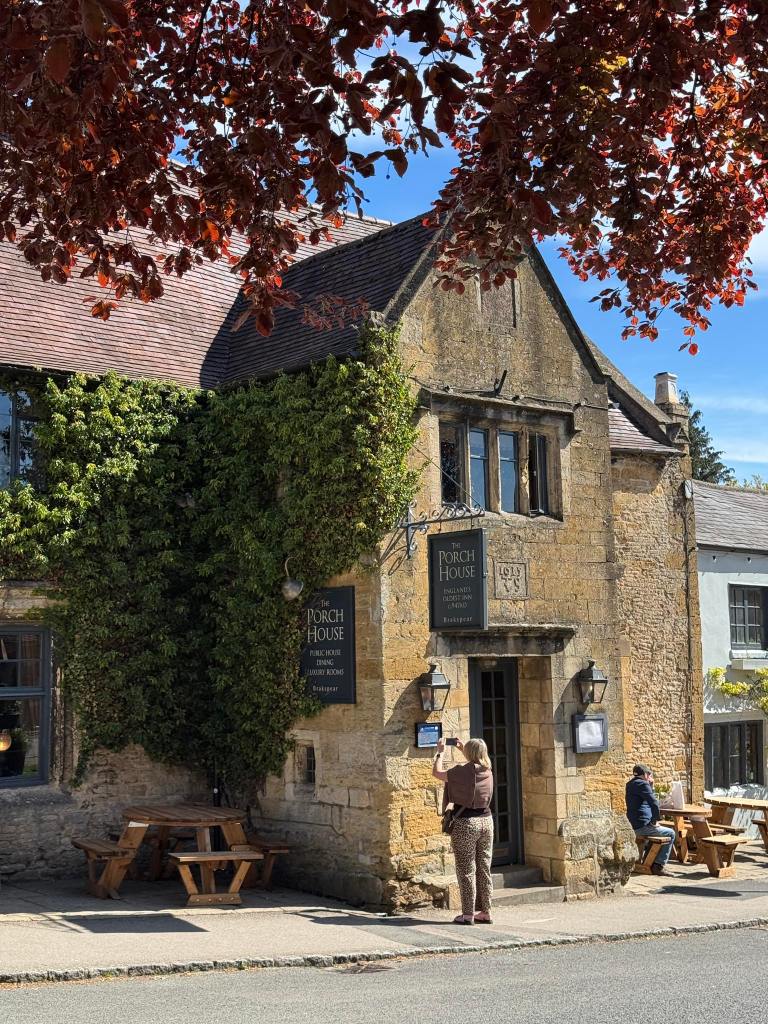
Nearby is The Porch House, which is often described as one of England’s oldest inns, with parts traditionally dated to around AD 947. When you stand near buildings with that sort of history, your own concept of “old” begins requiring adjustment. I sometimes complain when household furniture survives less than ten years. Meanwhile, parts of an English inn have apparently been getting on with things for over a millennium.
Stow would be easy to spend much longer in. There are independent shops, cafés, historic buildings and enough photogenic corners to sabotage any efficient itinerary. This became the first problem with trying to “do” the Cotswolds in a day: every town quietly encourages you to abandon the schedule you created specifically to see the other towns.
Burford: A Living Timeline

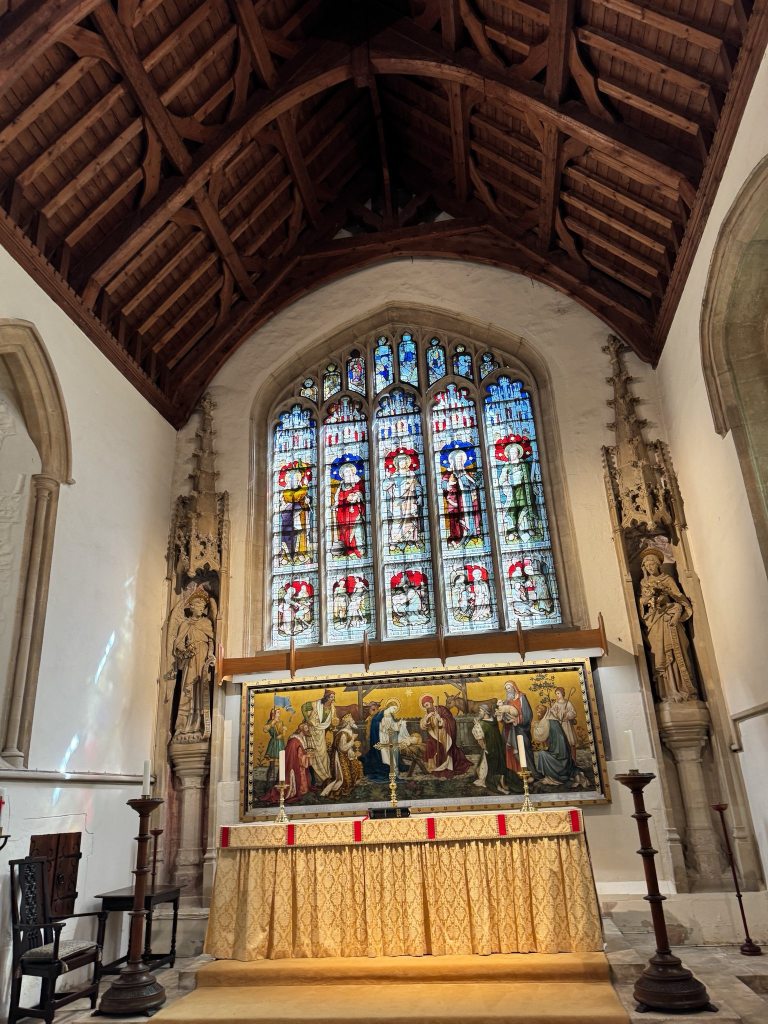
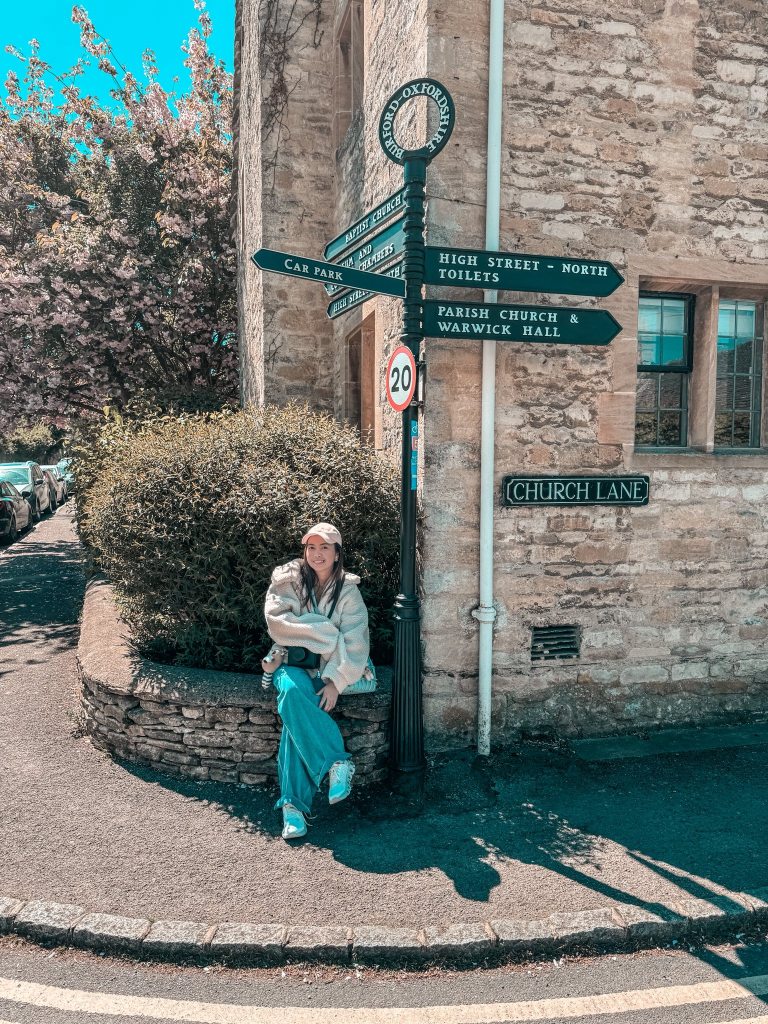


Eventually, though, we moved on to Burford, often called the Gateway to the Cotswolds. If Stow felt like an old market town, Burford felt like somebody had arranged several centuries of English architecture along one very determined hill.
Burford’s High Street is beautiful. It is also steep enough to make you appreciate the difference between admiring a hill and personally participating in it. Old stone buildings line both sides, with shops, pubs and houses occupying structures from different periods. Medieval and Tudor features sit comfortably beside everyday modern life. Someone may be buying coffee in a building older than several countries, and everybody behaves as though this is completely normal.
That is one of the things I like most about historic English towns. The past has not always been separated from ordinary life and placed behind museum glass. People still live in these buildings. They put signs outside them, open cafés inside them, repair the roofs and probably become irritated when tourists stop directly in front of the doorway for photographs.
At the lower end of Burford is St John the Baptist Church, whose history reaches back to the 12th century. The church has witnessed centuries of religious, political and social change, including events connected with the English Civil War. Standing somewhere that has survived that much history does make whatever minor inconvenience you experienced earlier in the day feel slightly less dramatic.
I resisted giving Burford a large philosophical assignment because I am trying to improve as a traveller. Sometimes an old church can simply be an old church without becoming a metaphor for the human condition. I would say I succeeded for at least several minutes.
What Burford did make me appreciate was continuity. Modern life tends to treat improvement as something that must involve replacing, redesigning or making things faster. Yet here were buildings that had been adapted rather than erased, still useful hundreds of years after they were built. They were not frozen in the past, but neither had they been forced to abandon it.
Bibury: The Weight of Quiet Beauty
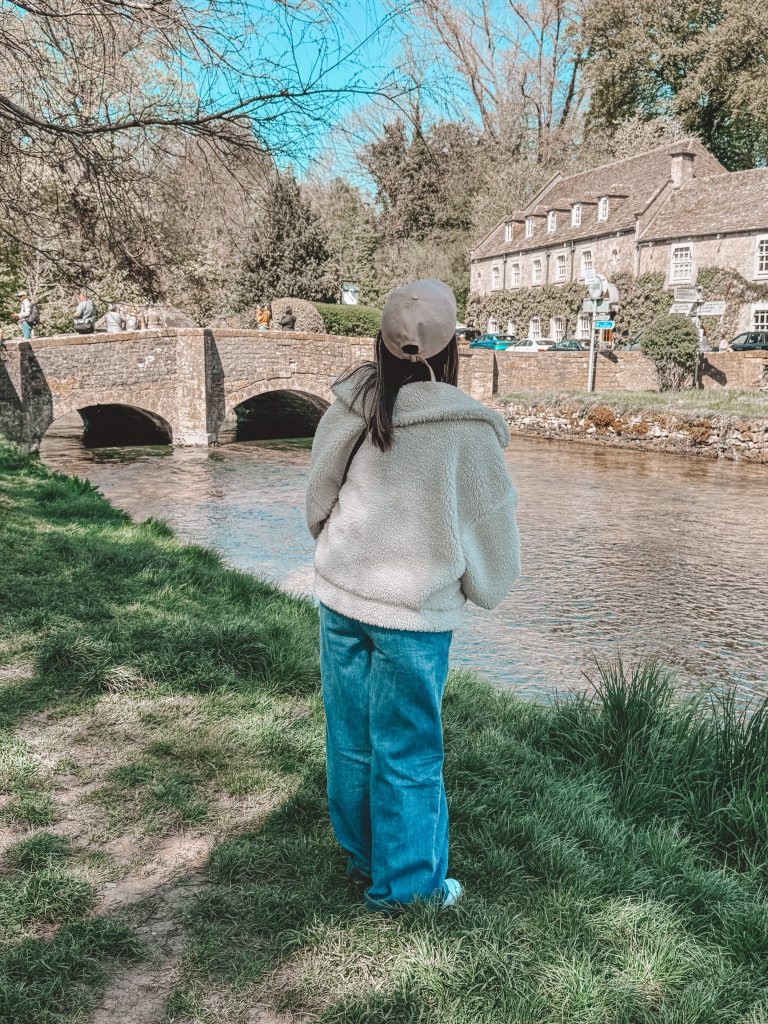
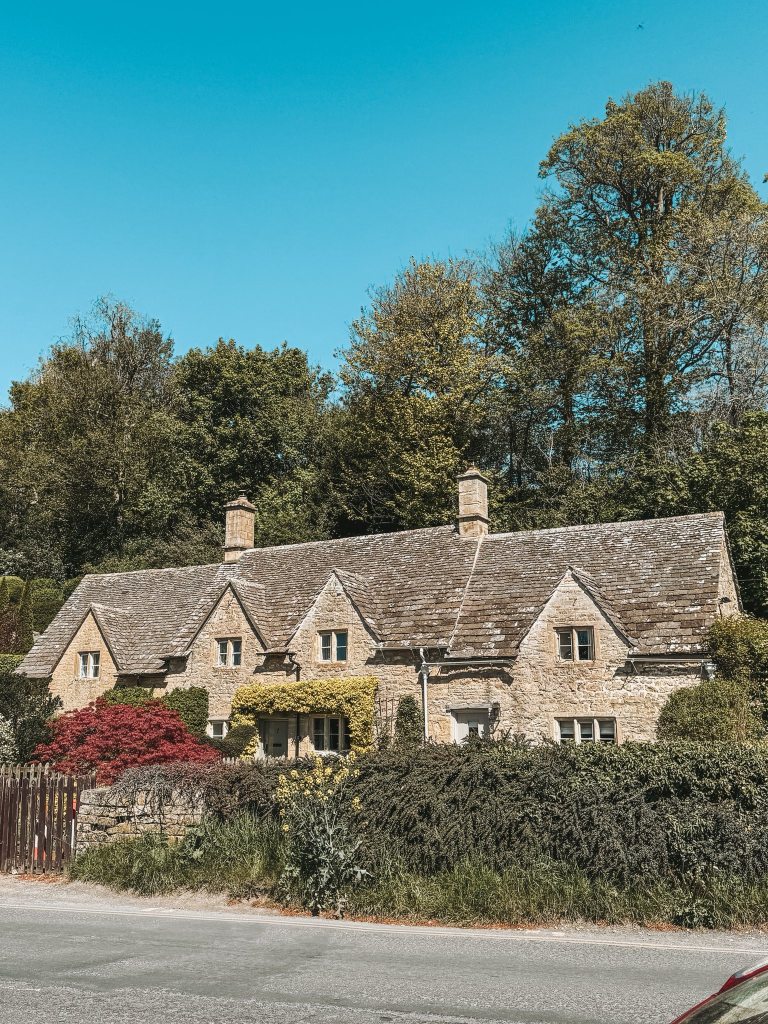

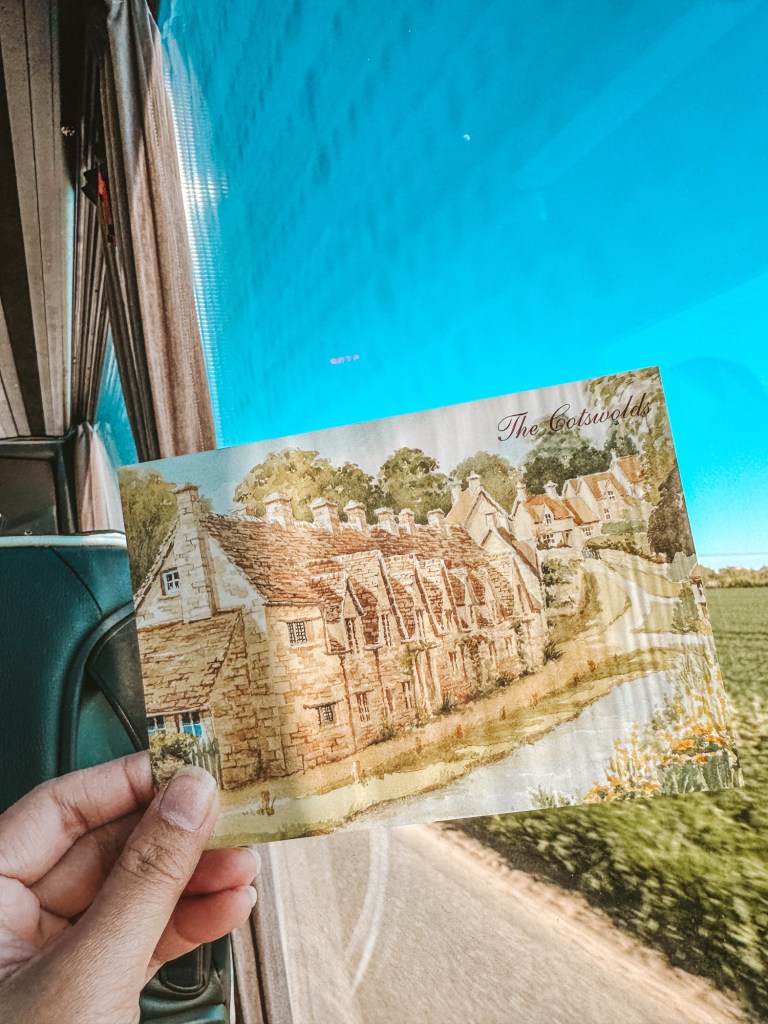
After Burford came Bibury, which may be one of the villages most responsible for unrealistic expectations about English rural life. If somebody who had never visited Britain asked me to show them the image they probably already had in their head, Arlington Row would be a strong candidate.
The cottages of Arlington Row date back to the 14th century, when the building was used as a monastic wool store. It was later converted into cottages for weavers during the 17th century. Today, it is one of the most photographed locations in the Cotswolds, which means you arrive hoping to experience timeless rural England alongside several other people who have had exactly the same idea.
Even with visitors around, however, Bibury is beautiful. The cottages, River Coln and surrounding greenery fit together almost suspiciously well. England was showing off again.
This was also the point when I understood why trying to see the Cotswolds quickly is slightly ridiculous. Bibury does not contain a huge list of attractions that need ticking off. Much of its appeal is simply being there. You walk beside the river. You look at the cottages. You notice gardens, stone walls and water moving past. You take far too many versions of essentially the same photograph because the light changed slightly and apparently that justified another twelve images.
There are places where rushing makes sense. An airport, for example. Bibury is not one of them.
Bourton-on-the-Water: Where Life Gathers Gently


Our final major stop was Bourton-on-the-Water, often called the “Venice of the Cotswolds” because the River Windrush runs through the village and is crossed by several low stone bridges. I am generally suspicious whenever anywhere is described as “the Venice of” somewhere else, but Bourton has enough personality not to need the comparison.
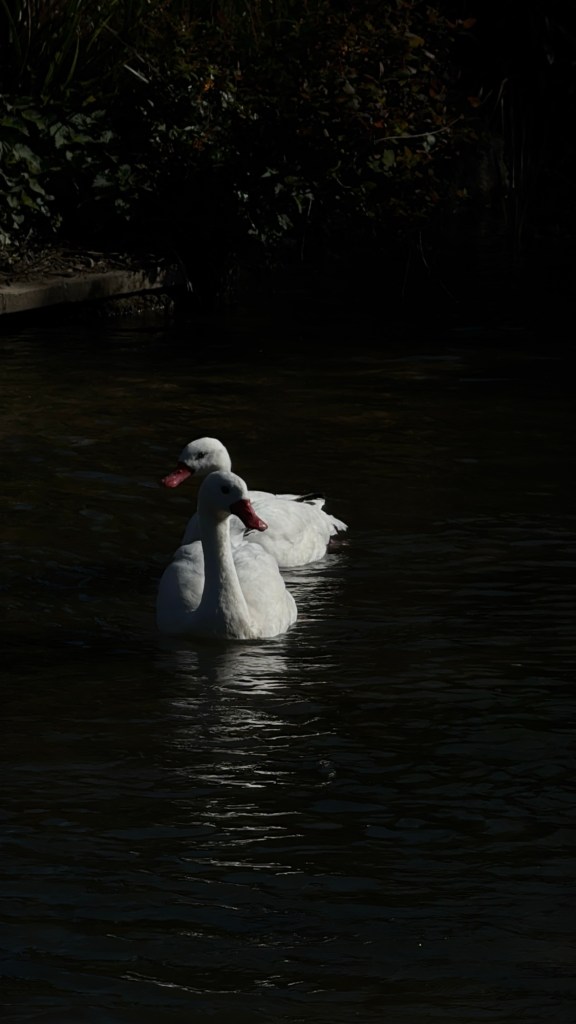
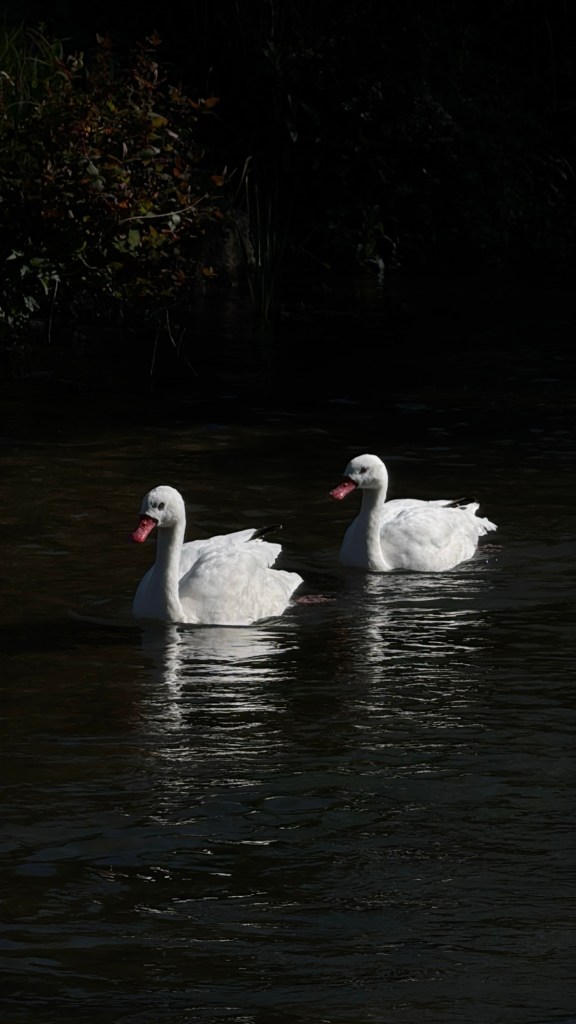
Compared with Bibury, it felt busier and more animated. People sat beside the water, families walked along the riverbanks, cafés were busy and swans moved through the whole scene with the confidence of residents who know tourists are photographing them.
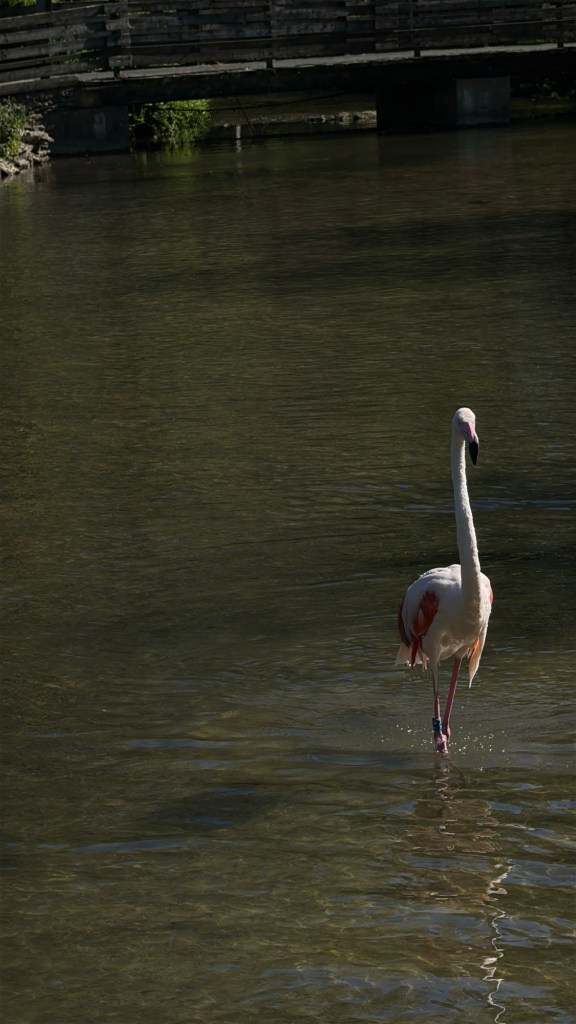
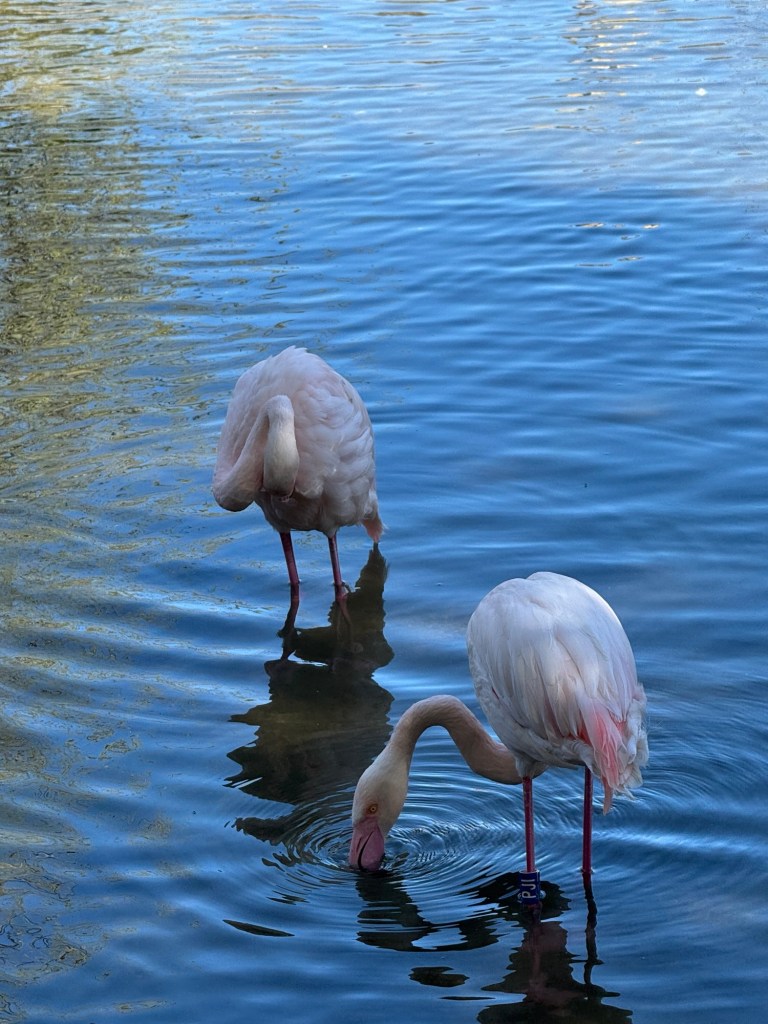

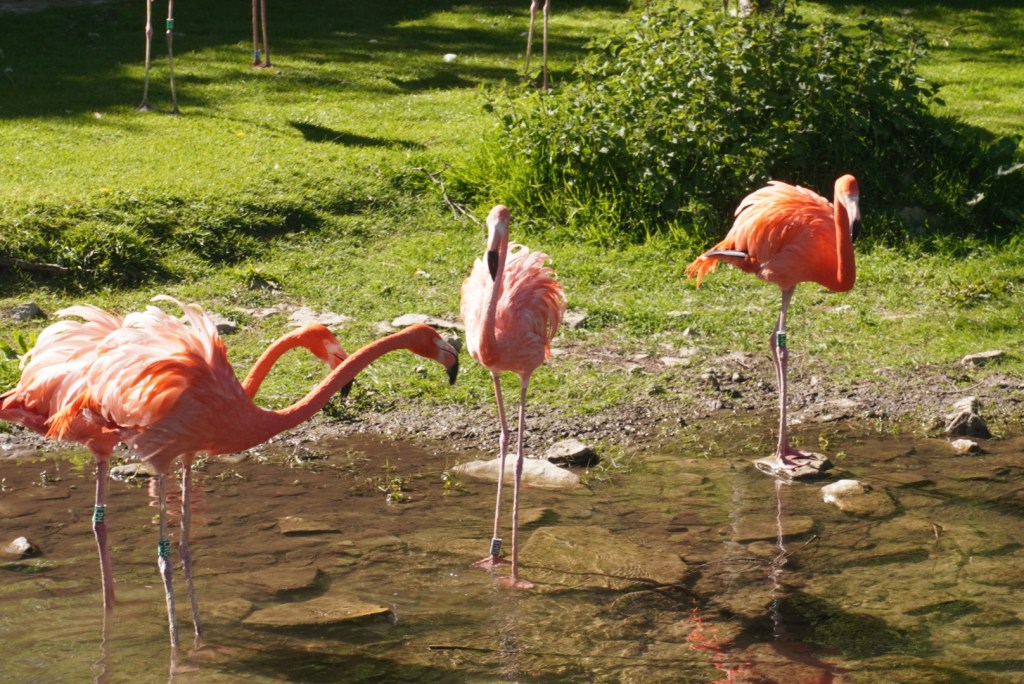
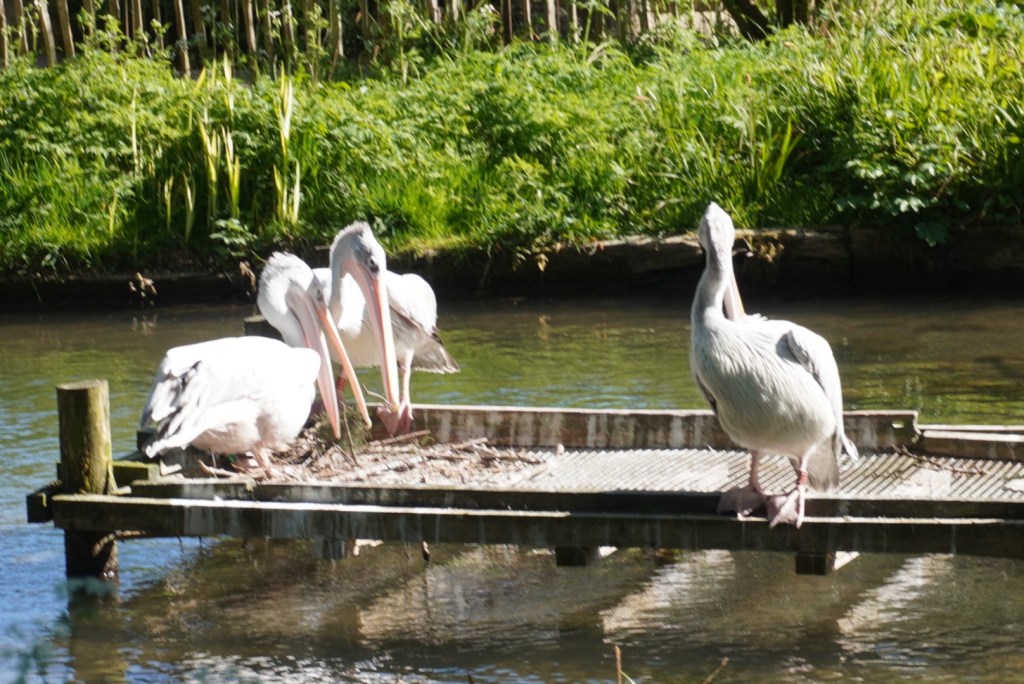
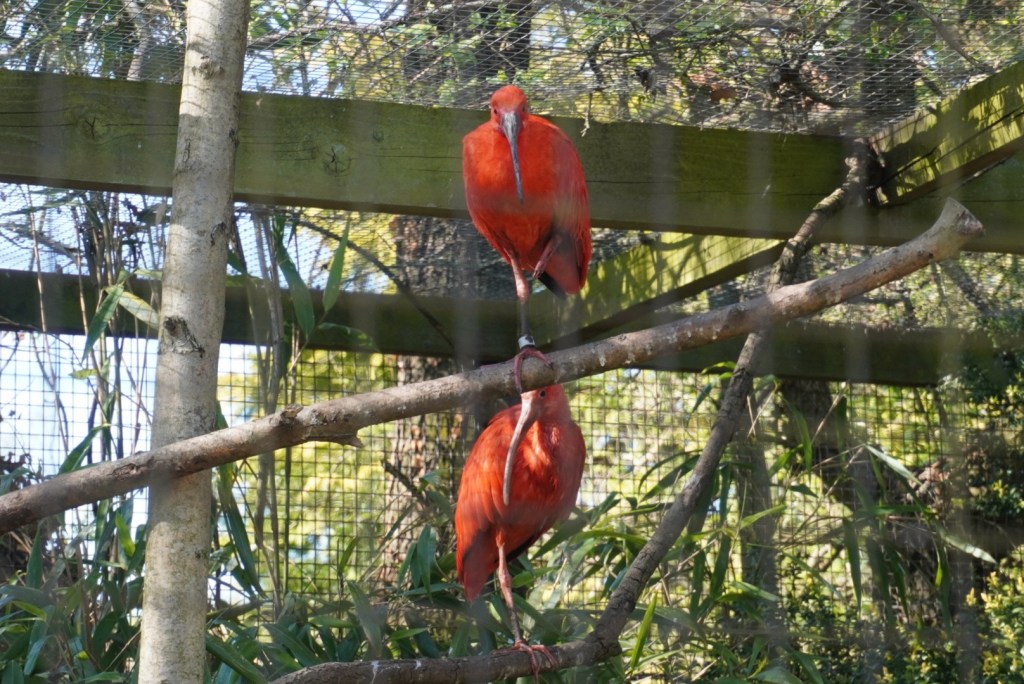
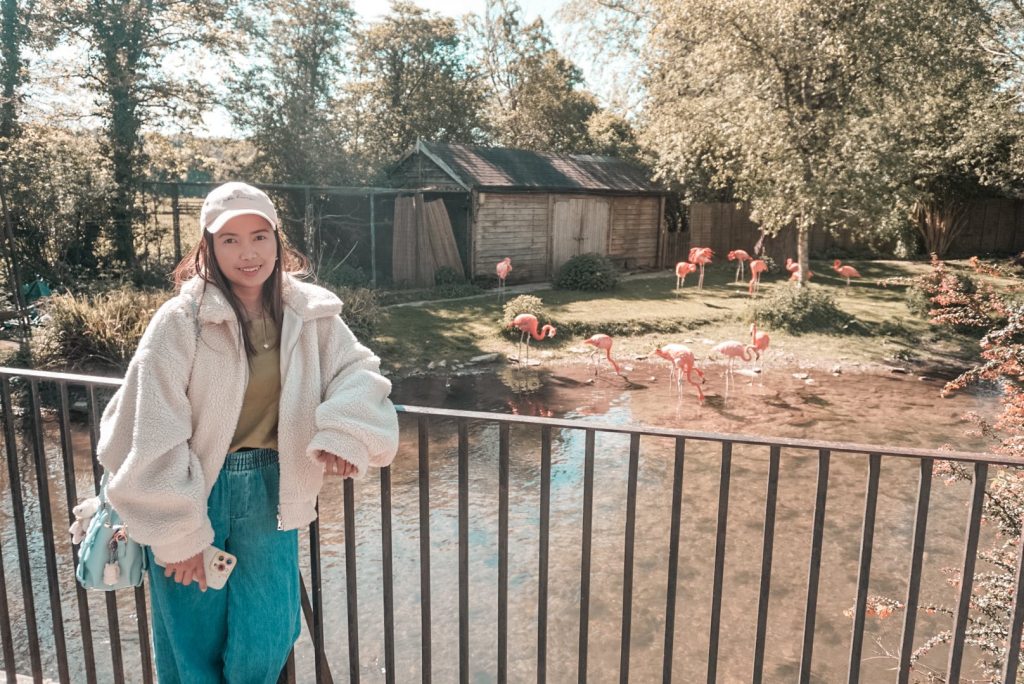
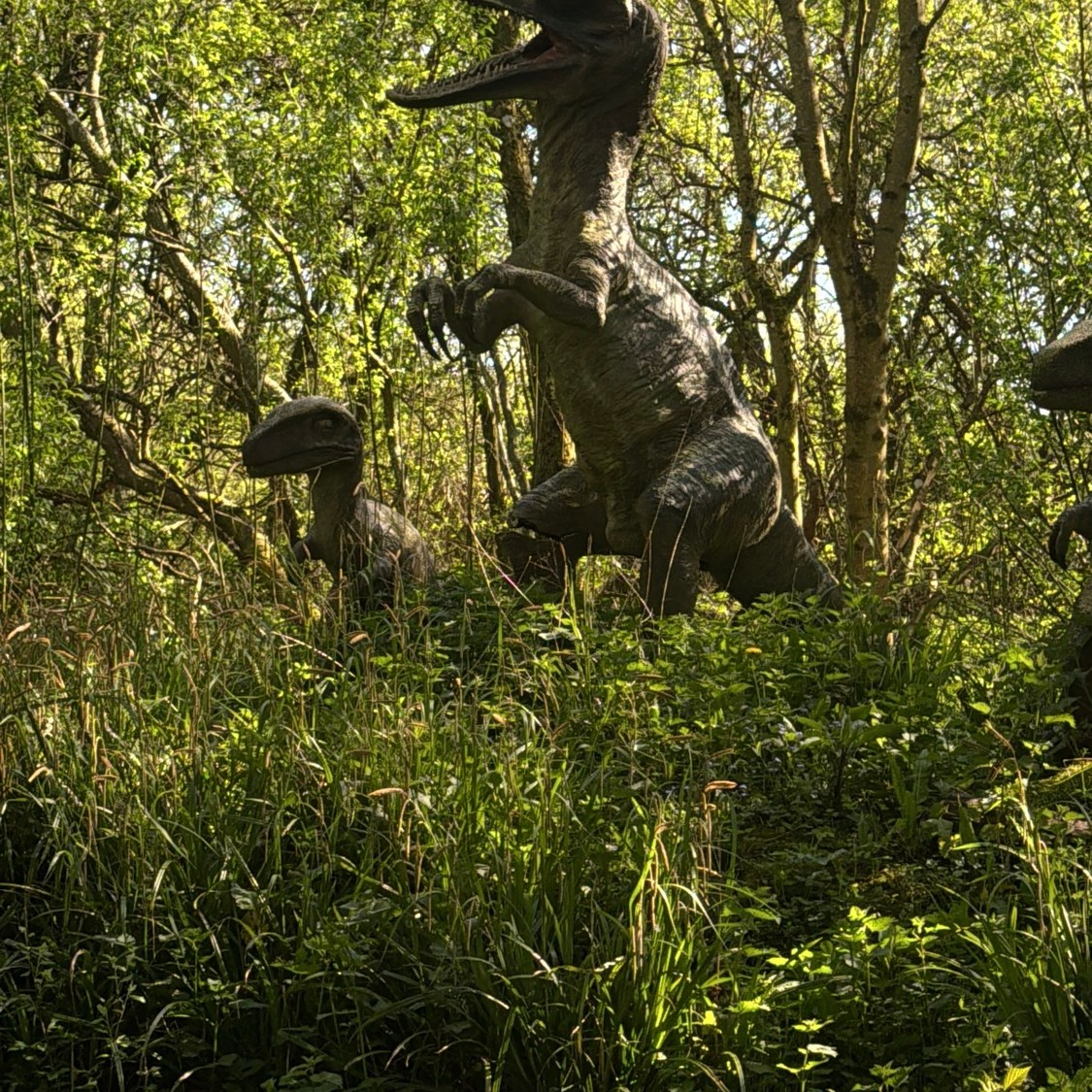
After spending much of the day looking at medieval buildings and thinking about the wool trade, we went to Birdland Park and Gardens, which gave the itinerary a useful change of subject. Birdland is home to hundreds of birds, including flamingos and penguins, and I appreciated moving from historical architecture to creatures that had absolutely no interest in England’s economic development.
There is something very funny about the progression of a British day trip. At breakfast, you can be discussing medieval wool merchants. By mid-afternoon, you are watching a penguin and asking yourself whether it knows how charming it is.
Birdland also made the day feel less like a checklist of picturesque villages. The Cotswolds is often marketed through cottages, flowers and stone bridges, but stopping somewhere completely different gave us a break from continuously admiring architecture. There are only so many times in one day you can point at a building and say, “That is lovely,” before your vocabulary begins failing you.

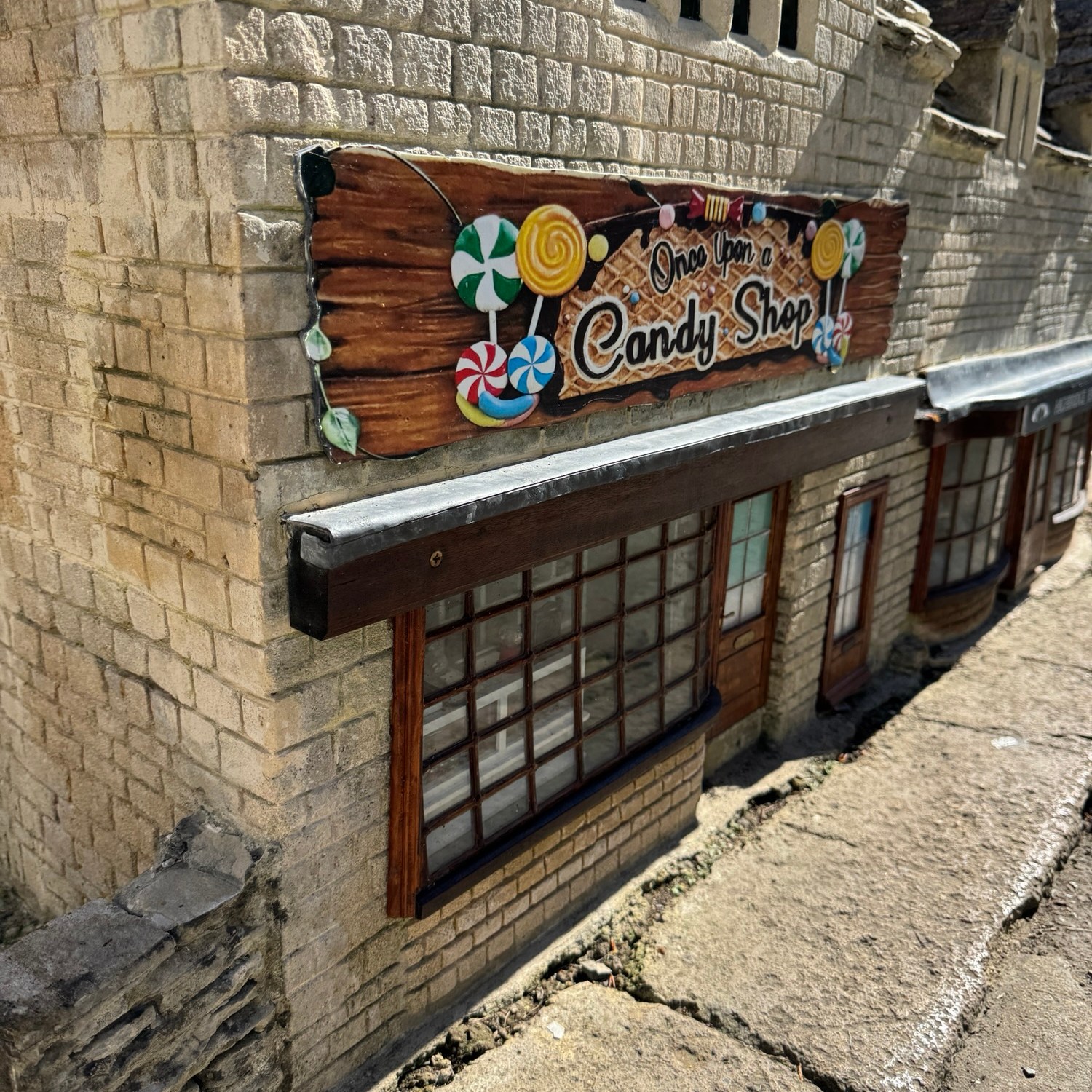
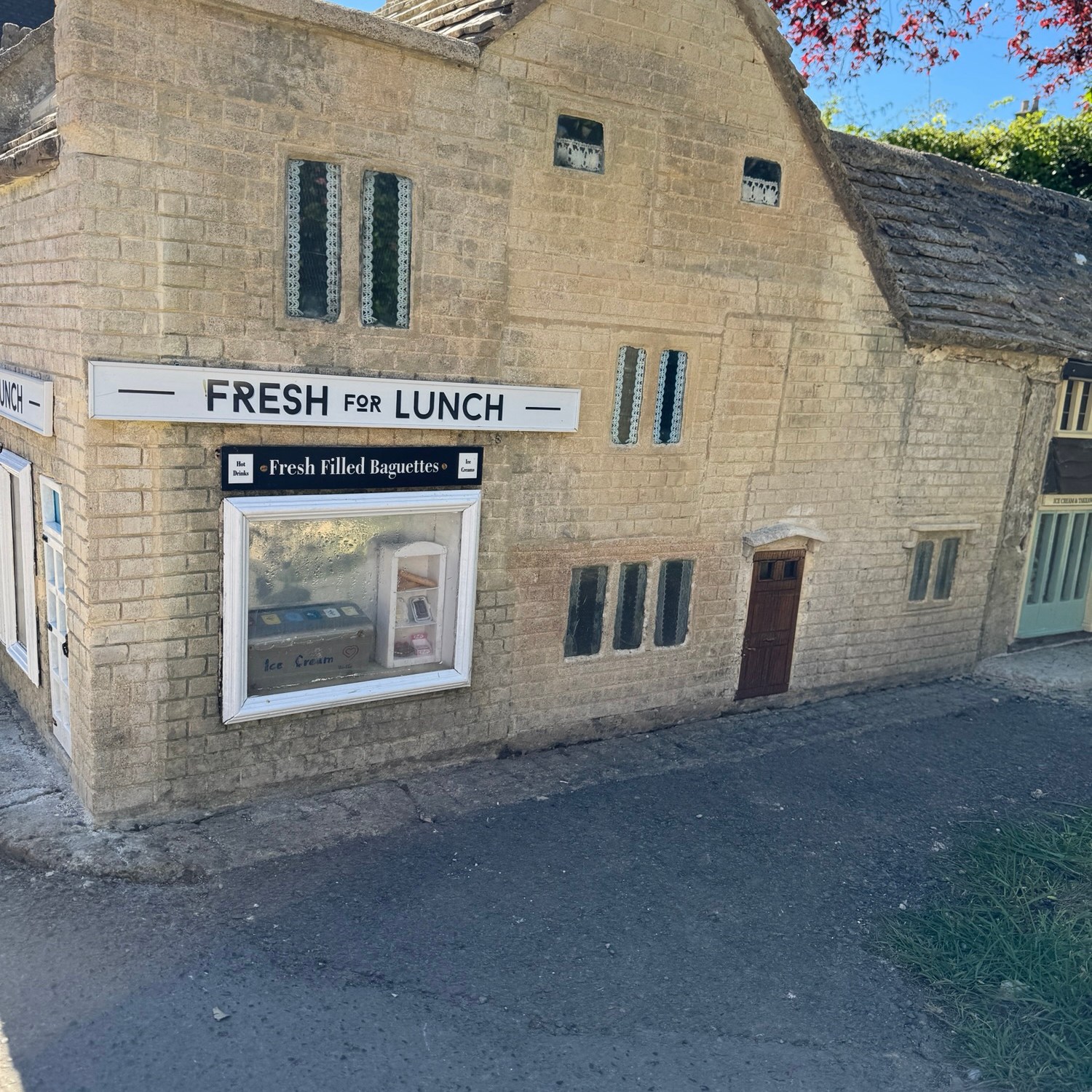
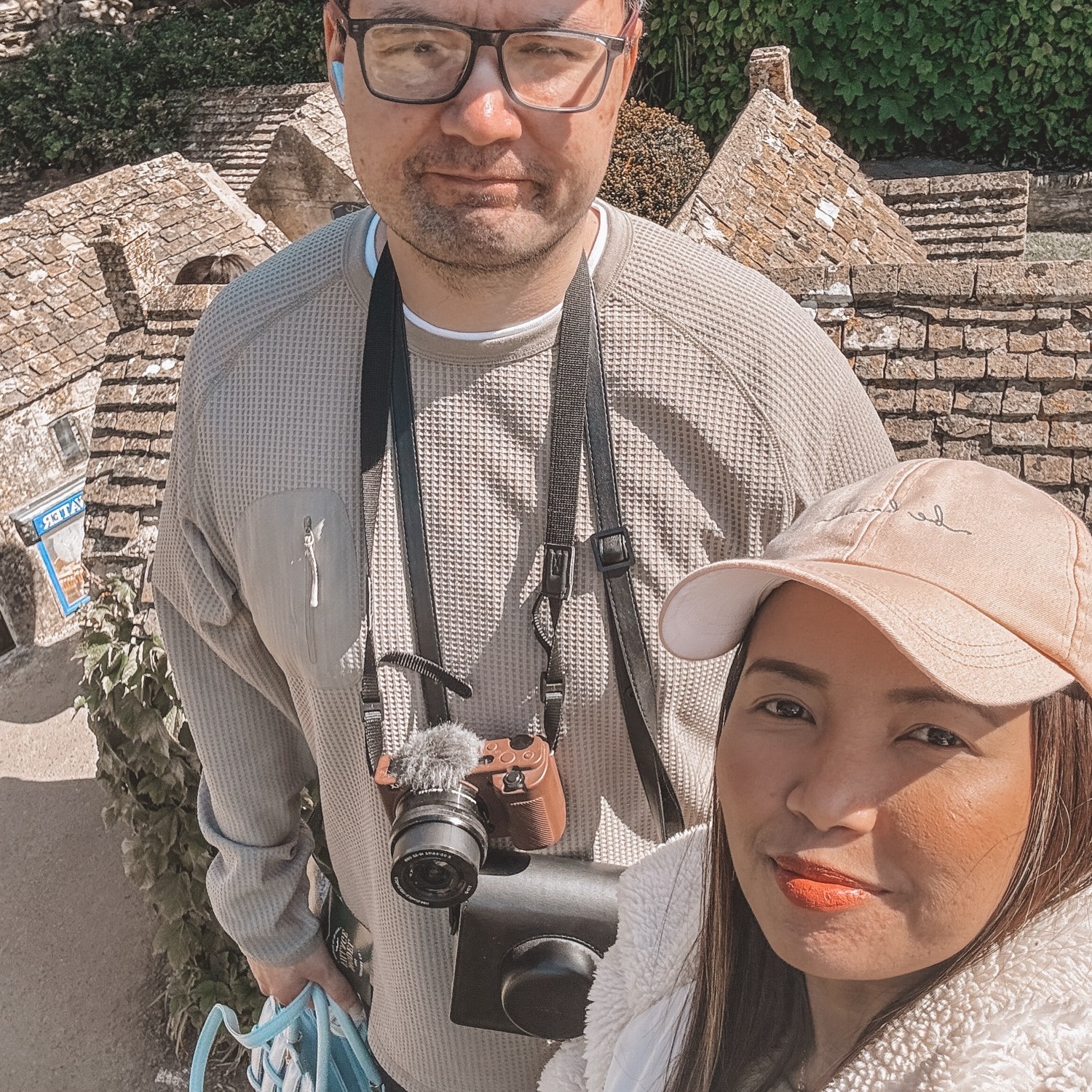

Then came The Model Village, a one-ninth scale replica of Bourton-on-the-Water. This is wonderfully strange because you spend time walking through the real village and then enter a miniature version of the place you have just been exploring. Buildings, bridges and streets suddenly shrink beneath you, and you become an enormous tourist inspecting tiny versions of locations you were standing beside not long before.
It is clever, detailed and slightly disorienting. It also offers an excellent opportunity to discover how much easier navigating Bourton would be if you were approximately nine times larger.
By then, we had covered enough ground for one day. Four places had somehow produced medieval sheep fairs, Tolkien-adjacent trees, an ancient inn, a steep historic High Street, one of England’s most photographed rows of cottages, rivers, bridges, flamingos, penguins and an entire village reduced to miniature scale.
So, can you visit the Cotswolds in one day? Yes, and if one day is all you have, I would still recommend going. You will not experience everything, and trying to do so would defeat the point. Choose a sensible route, accept that some stops will be shorter than you would ideally like, wear shoes capable of handling old streets and hills, and leave enough flexibility for the places that tempt you to stay longer.
Stow-on-the-Wold gave us history and one of the most memorable church doors I have seen. Burford gave us a beautiful High Street and a useful cardiovascular component. Bibury delivered the classic Cotswolds postcard moment. Bourton-on-the-Water gave us the liveliest ending, plus birds and an opportunity to become giants in a miniature village.
What I would change next time is simple: I would give the Cotswolds more time. One day is enough for an introduction, but it is not enough to become bored of it, which is probably a good problem to have.
The most memorable parts were not necessarily the things I had read about beforehand. They were the transitions between them: driving through the countryside, noticing another village appear around a bend, stopping longer than planned because somewhere looked interesting, and gradually realising that the entire region seems specifically designed to destroy efficient travel schedules.
I also came home with the familiar traveller’s problem of suddenly wanting an entirely different lifestyle. Spend enough time in the Cotswolds and it becomes alarmingly easy to imagine yourself living in a stone cottage with flowers around the door, writing beside a window and casually walking to a village café in the morning. In this fantasy, I have apparently also acquired the finances required to maintain a historic property, which is convenient.
Reality eventually returned, as it tends to do.
But that is why I like day trips. You do not need to permanently relocate, reinvent yourself or buy an ancient cottage to enjoy the temporary pleasure of wondering what life might look like somewhere else. Sometimes it is enough to spend a day wandering through old streets, learning something, taking far too many photographs and returning home with a camera roll full of buildings that all somehow deserved their own picture.
We tried to do the Cotswolds in one day. We did not conquer it, complete it or see anywhere near all of it, and I think that is the correct outcome. We saw enough to understand why people keep returning and enough to know that next time, one day probably will not be enough.
For once, being unable to finish the itinerary feels less like poor planning and more like an excellent reason to go back.

Sources and references for this trip include the Perlyny Tours Cotswolds Itinerary (2026), alongside historical information on the region’s wool trade and local heritage insights from Stow-on-the-Wold, Burford, Bibury, and Bourton-on-the-Water.





























Leave a Reply