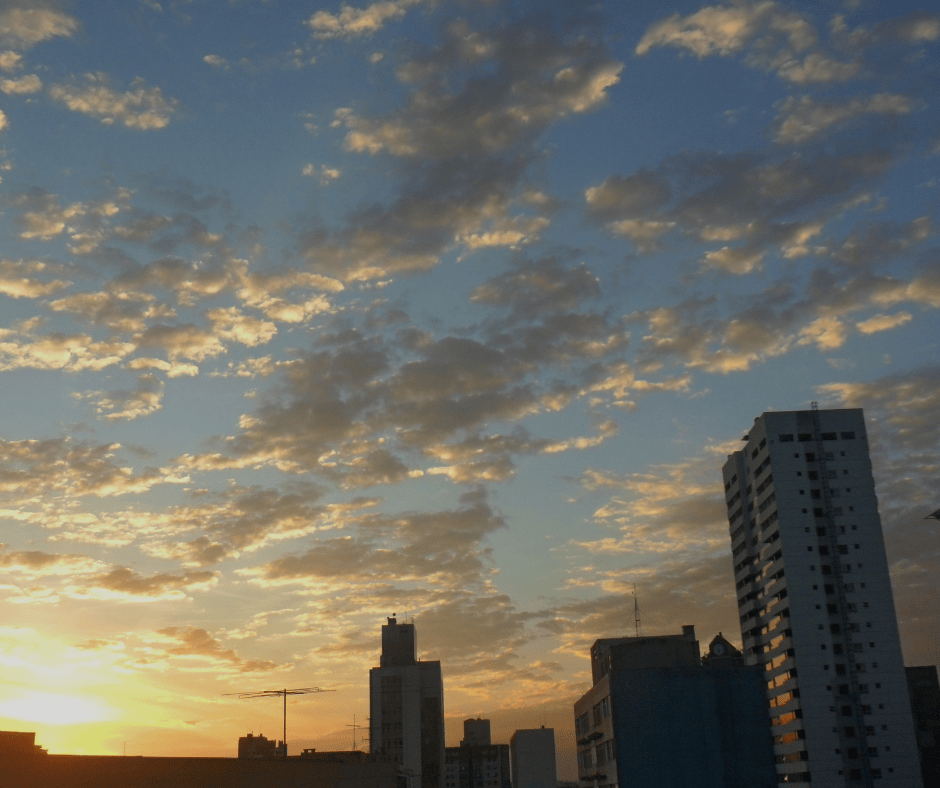
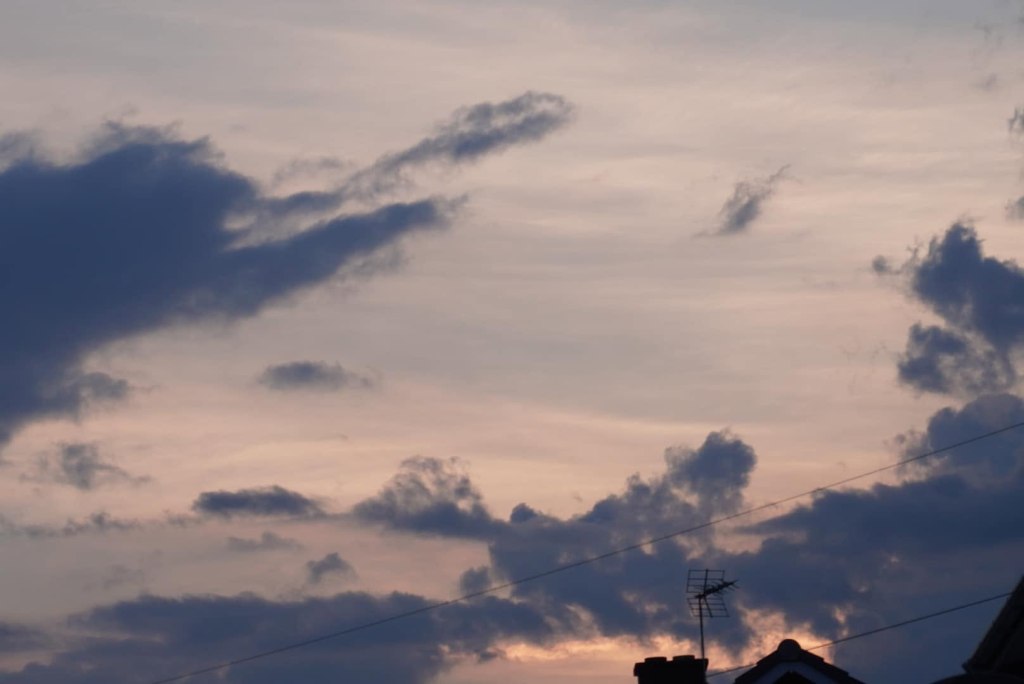
This morning, I found myself staring at the tree outside my window for far longer than was necessary. September has only just begun, so most of its leaves are still stubbornly green, apparently refusing to acknowledge that summer has already started packing its bags. Every now and then, though, the wind catches one leaf that seems to have received the memo before everyone else and carries it somewhere beyond my view. The sky has that familiar English greyness that makes staying indoors feel like a very reasonable life decision, and the birds are chirping as if seasonal change is none of their concern. There is no dramatic autumn scenery yet, no pavement buried beneath copper leaves, no cinematic gust of wind sending an entire tree into surrender. Just small changes. The light feels different. The air is cooler. One or two leaves are beginning to lose their summer confidence. Autumn, it seems, does not arrive with an announcement. It simply begins.
Perhaps that is why I have become more fond of it as I grow older. I used to think change was supposed to be obvious. You moved somewhere. You lost someone. You began a new job. A relationship ended. A milestone arrived and divided life neatly into before and after. But some of the biggest changes in me happened without ceremony. There was no date I could circle on a calendar and say, There. That was the day I became different. It happened through disappointments I survived, prayers that took longer than expected, relationships that changed shape, responsibilities that made me reconsider what mattered and ordinary days that seemed completely unimportant while I was living them. Then one day I looked back and realised I no longer reacted to certain things in the same way. Somewhere along the road, without noticing the exact moment, I had changed colour too.
Nature seems remarkably relaxed about this. The tree outside my window is not having an identity crisis because August has ended. It is not desperately trying to preserve every leaf because summer was beautiful. Human beings, meanwhile, can spend years trying to negotiate with things life has already begun changing. We hold onto plans because they once made sense. We preserve relationships because they contain history. We keep old versions of ourselves alive because familiarity feels safer than admitting that we have outgrown them. If trees behaved like us, autumn would probably require several meetings, a risk assessment and a lengthy email explaining why each individual leaf was being released. Letting go sounds much more elegant when trees do it. When it is our turn, we are considerably less graceful.
We revisit conversations. We imagine different endings. We think about what we should have said, what we should not have said, what we might have done differently if only the person we are now had been available to advise the person we were then. Regret has a strange habit of giving our present selves access to information our past selves never had and then blaming them for failing to use it. I have had to become kinder to earlier versions of myself because of that. She made decisions with what she knew. She loved according to what she understood love to be. She tolerated things using the boundaries she had at the time. She trusted people before experience taught her to become more cautious. It feels unfair to stand years ahead of her carrying all the lessons she had not yet learned and judge her for not knowing them sooner. Growth creates distance between who we were and who we are, but I do not think that distance has to become embarrassment. Sometimes maturity is simply being able to look backwards without wanting to punish yourself.
Relationships have taught me something similar. Some people remain for decades. Others belong to much shorter chapters. There are friendships that survive distance, silence, new careers, marriages, children and years of not seeing each other, then continue as though someone had merely paused the conversation. There are others that slowly become unfamiliar. Nobody necessarily did anything terrible. The language simply changed. What once felt effortless begins requiring more effort than either person knows how to give. That can be painful because history has weight. We sometimes believe that because something mattered once, it must continue mattering in exactly the same way forever. But perhaps that is not how life works. A leaf does not become useless simply because it eventually falls. It gave shade. It survived rain. It caught sunlight. It belonged to the tree completely while its season lasted. Falling does not erase any of that. Perhaps some people are like that too. Someone can have been important without remaining permanent. A relationship can end without making every good thing inside it false. We can be grateful for what something gave us without forcing it to remain long after it has stopped fitting the lives we now have.
The trees also seem completely uninterested in comparison, which is perhaps another reason I envy them. One can already be turning amber while another remains almost entirely green. A third may start dropping leaves early while the one beside it appears determined to continue pretending it is July. Nobody walks through the park whispering that the second tree is behind in life. Nobody suggests it should have achieved more colour by now. We understand without difficulty that each one is responding according to its own rhythm. Human beings, unfortunately, have turned looking sideways into something of an Olympic event. Someone gets promoted, buys a house, gets married, has a child, changes careers or travels somewhere beautiful, and suddenly we are holding their life beside ours as though both were required to follow the same timetable.
Social media has not helped. It allows us to inspect dozens of polished lives before we have even finished breakfast and then use those fragments as evidence that we have somehow missed our turn. But another person’s harvest does not mean our soil is barren. Someone else may currently be living inside a prayer we are still making, but there are probably parts of our own life that another person is praying to experience too. Comparison has an excellent memory for what we lack and a terrible one for what we already have. A tree does not become late because the one beside it changed first, and perhaps neither do we.
I still have plans, of course. Plenty of them. There are professional goals I want to pursue, places I want to see, personal dreams I hope will unfold and chapters whose timing I cannot fully control. I can prepare, save, study, work, plan and pray, but reality has repeatedly demonstrated that it does not consider my spreadsheet legally binding. I have learned this several times, although apparently I remain the sort of person who needs the same lesson delivered in slightly different packaging before it becomes permanent. Perhaps that is why my understanding of God’s timing has changed too. I once thought waiting was simply the irritating space between asking for something and receiving it. Now I wonder whether waiting sometimes changes us enough that, if the thing does arrive, we meet it as a different person.
There are things I might have mishandled had they arrived earlier. There are delays I once resented that quietly redirected me. There are also things I still cannot explain, and I do not want to manufacture a beautiful reason simply because uncertainty makes me uncomfortable. Some prayers remain unanswered in ways I understand. Others remain unanswered in ways I do not. Faith, for me, has become less about pretending I know exactly what God is doing and more about resisting the conclusion that nothing is happening simply because I cannot see it yet. Nature seems to understand hidden work better than we do. Winter trees can look almost lifeless while preparing for another spring. Roots continue their work underground where nobody applauds them. Not everything important announces itself above the surface.
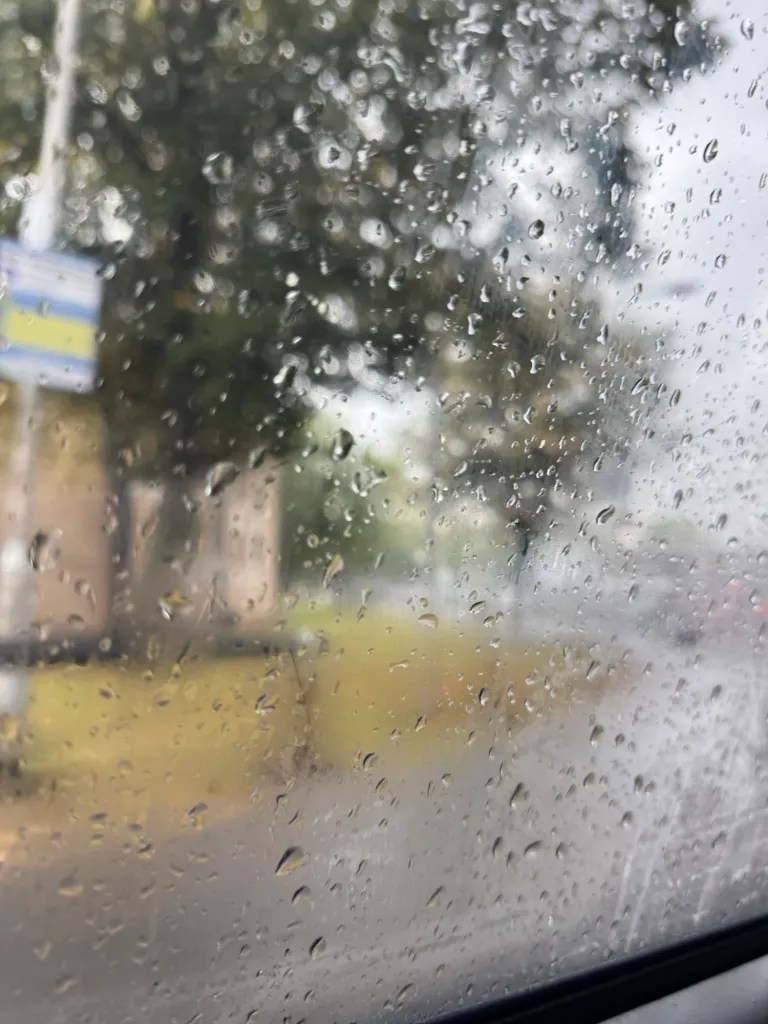
That thought has also changed my relationship with rest. For years, I found productive days much easier to justify because they leave evidence behind. The kitchen is clean. The emails are answered. The work is finished. The list has ticks beside it, which is perhaps adulthood’s equivalent of receiving a gold star. Rest, on the other hand, can leave absolutely nothing to show for itself. An afternoon reading, listening to music, staring at the rain or doing very little does not produce much proof that the hours were used correctly. That used to bother me more. But nature itself refuses to remain permanently productive. Fields rest. Trees become bare. Daylight shortens. Growth disappears underground for a while. Perhaps rest is not always the opposite of progress. Sometimes it is simply the part of progress that does not photograph well.
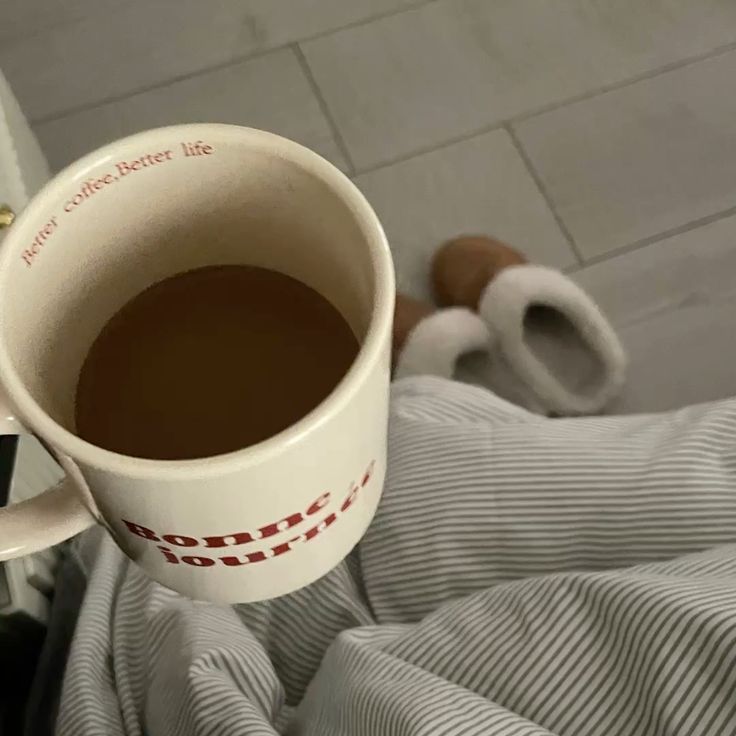
Autumn makes ordinary comforts more noticeable too. Coffee somehow tastes more convincing when the morning is cold. Coming home feels different when darkness has already settled outside. A blanket that would have been an act of self-punishment in July suddenly becomes one of the wisest purchases in the house. Lamps come on earlier. Warm food becomes more appealing. Rain tapping against the window can turn an uneventful evening into something strangely comforting. None of these things has suddenly become more valuable. I have simply become more aware of their value.
Maybe gratitude works in much the same way. We often wait for extraordinary events before deciding that life deserves appreciation, yet some of its greatest gifts have been sitting quietly in repetition. A safe home. Food on the table. Work. Rest. Someone asking how the day went. A familiar voice answering the phone. A person beside us whose presence has become so ordinary that we occasionally forget there was once a time when we hoped desperately they would stay. Familiarity can hide blessings in plain sight.
Some things become invisible not because they are small, but because we have been fortunate enough to receive them so consistently.
Grief has probably taught me this more brutally than anything else. When someone is gone, memory does not always reach first for birthdays, holidays or grand occasions. Sometimes it reaches for a completely ordinary Sunday. Someone cooking. A television playing in another room. A conversation about nothing important. A familiar voice. Everyone simply being where they were supposed to be, none of us understanding that the ordinariness itself was temporary. There is something painful about realising that many of the moments we would later give anything to revisit were moments we barely noticed while they were happening.
I do not think the answer is to become frightened of happiness because everything eventually changes. That would be another way of leaving the present before it has ended. The fragility of life is not asking us to grieve beautiful things in advance. Perhaps it is asking us to pay attention while they are still here. That may be why I have become increasingly attached to photographs, writing and little observations. I know now how quickly today becomes inaccessible. Still, even photographs have limits. They preserve what something looked like, not exactly what it felt like to be there. Writing can return me to a memory, but it cannot fully return the person I was before I knew what came next. The present remains the only place where life can actually be lived.
And yet I spend a surprising amount of time mentally living somewhere else. Replaying yesterday. Rehearsing tomorrow. Preparing arguments nobody has started. Imagining problems that have not happened. Overthinking sometimes disguises itself as preparation because preparation sounds responsible, but there is a point when worrying about the future stops protecting us and simply begins charging emotional interest on debts we may never owe. Autumn does not seem interested in doing that. September is not panicking because December exists. The trees change a little at a time. The light fades gradually. The season inhabits its own transition instead of treating it as something inconvenient to hurry through.
I want to become better at that. I do not want every present season to become a waiting room for the next one. There will always be another qualification, another journey, another plan, another goal and another version of the future I can persuade myself will finally make everything feel complete. I do not want to become someone without ambition, because wanting things has carried me towards many good places. But I also do not want the life I am building to require me to be permanently absent from the life I already have. Perhaps presence and preparation can exist together. A tree can release what is finished while remaining rooted. It can prepare for winter without refusing the beauty of autumn. I can make plans without pretending I control every outcome, love people without trying to control them, help without adopting every consequence and hold something carefully without gripping it so tightly that fear becomes the only reason I refuse to let go.
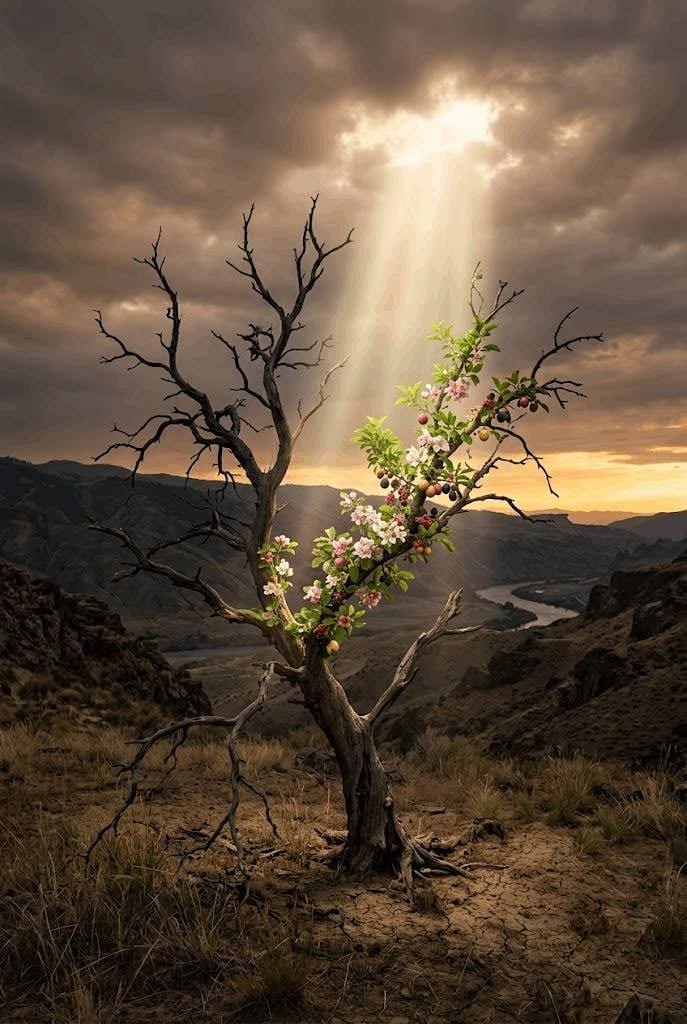
Soon, the tree outside my window will look completely different. More leaves will turn. Pavements will become impossible to keep clear. Evenings will darken earlier, and eventually branches that are full today will stand almost bare. Nobody will look at those branches and call the tree a failure. We understand that bare does not mean dead, that empty does not automatically mean ruined and that a season of losing leaves is not the end of the tree’s story. Perhaps I need to extend the same faith towards myself. Not every ending is punishment. Not every delay is rejection. Not every season of rest is stagnation. Not everything I release needs to be replaced immediately before my life can still be meaningful.
As I look again at the tree, it is still mostly green. Autumn has barely begun its work, and perhaps that is what comforts me most. Transformation does not need to happen overnight before it counts. One changing leaf is already evidence that something is moving. Maybe we deserve the same patience. We do not need to wake tomorrow as entirely different people. We do not need every relationship understood, every grief resolved, every boundary perfected, every prayer answered or every plan secured before we are allowed to call ourselves growing. Sometimes change is much quieter. It is responding differently to something that once stole your peace. It is saying no without writing a dissertation explaining why. It is seeing somebody else succeed without turning their happiness into an accusation against your own life. It is resting before exhaustion makes the decision for you. It is praying without demanding an immediate explanation. It is finally putting down something you have carried long after it stopped belonging to you.
Perhaps those are our changing leaves, small enough that we barely notice them while they are happening. Then years later we look backwards and realise that a season we thought was uneventful was rearranging us from the inside. Autumn reminds me that becoming does not always resemble blooming. Sometimes it looks like release. Sometimes it looks like stillness, uncertainty, waiting or branches becoming lighter. And perhaps the lesson is not to fear every season that takes something away, but to trust that we can change without losing ourselves, release something without erasing what it once meant, and remain rooted even when the landscape around us no longer looks the way we expected.
This morning, the tree outside my window is still mostly green. Tomorrow it may look almost exactly the same. Perhaps the day after that too. But somewhere at the edges, autumn has already begun. Maybe change often happens like that in us as well: quietly enough that we keep thinking nothing is happening, until one day we look back and realise that while we were waiting for our lives to change, we had been changing with them all along.
Still changing at the edges,
Anj 🍂


















Leave a Reply