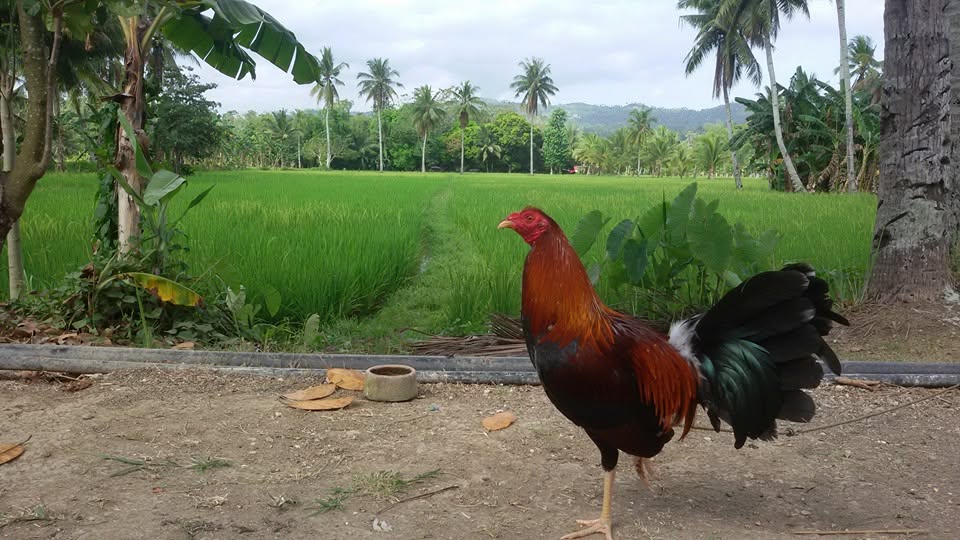
The morning light in Cebu used to arrive warm and gold, slipping through curtains already carrying the promise of heat. Outside, somebody would be sweeping the pavement, a motorbike would cough itself awake, pots would begin clattering in a nearby kitchen, and then the rooster would make his entrance. Not politely. Not once. He approached dawn like a public service announcement nobody had requested, shouting into the neighbourhood with the confidence of a creature who believed sunrise required his personal supervision. Somewhere farther away, another rooster would answer, then another, until half the barangay appeared to be involved in a conference call about morning.
Years later, I would wake beneath a completely different sky.
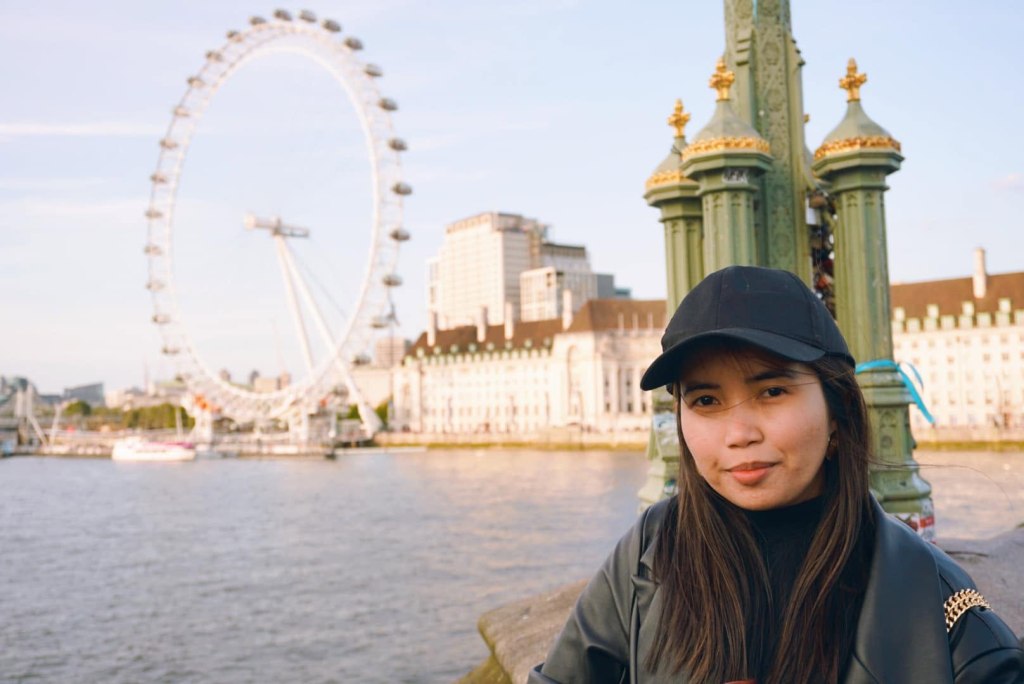
England preferred grey. The light came through the window pale and undecided, rain sometimes tapping the glass as though considering whether to commit, and the air outside had a talent for finding whichever part of my neck the scarf had failed to cover. The neighbourhood sounded different too. No rooster. Instead there were delivery vans, tyres whispering over wet roads, the occasional bin lorry beginning its shift with industrial enthusiasm, and somebody somewhere dragging a wheelie bin across the pavement at an hour when I personally felt society should still be negotiating with consciousness.
And then one morning, standing outside with my coat zipped halfway, I heard myself say, “It’s actually quite mild today.”
I stopped.
There are moments in life when you realise you have changed, and apparently mine arrived disguised as a weather comment.
Somewhere in Cebu, the younger version of me would have been appalled. Mild? This was weather she would once have classified somewhere between “why are we outside?” and “surely someone should issue blankets.” Yet there I was, speaking about British temperature with the calm authority of a woman who had survived several winters, accumulated more coats than her tropical upbringing could possibly justify and developed opinions about which sort of cold required which one. Rain-cold was not the same as windy-cold. Work-cold had different requirements from proper-cold. There was also the coat for occasions when I wanted to look vaguely presentable while still being attacked by all of the above. The woman who grew up in Cebu would have considered the entire collection excessive. The woman living in England considered every coat individually necessary.
That was when it occurred to me that Britain had probably been becoming part of me long before any citizenship application confirmed it.
Not dramatically. There was no single morning when I woke up and suddenly felt British. It happened in tiny betrayals. Saying “sorry” when someone else bumped into me. Putting the kettle on when somebody visited before they had even asked for tea. Understanding that “You alright?” usually required something much shorter than an honest medical history. Developing respect for queueing that bordered on moral principle. Learning that “not bad” could mean quite good, that “interesting” could mean almost anything depending on the face delivering it, and that discussing the weather was not empty conversation at all but a perfectly respectable national bonding exercise.
Of course, Britain had met me very differently in 2019.
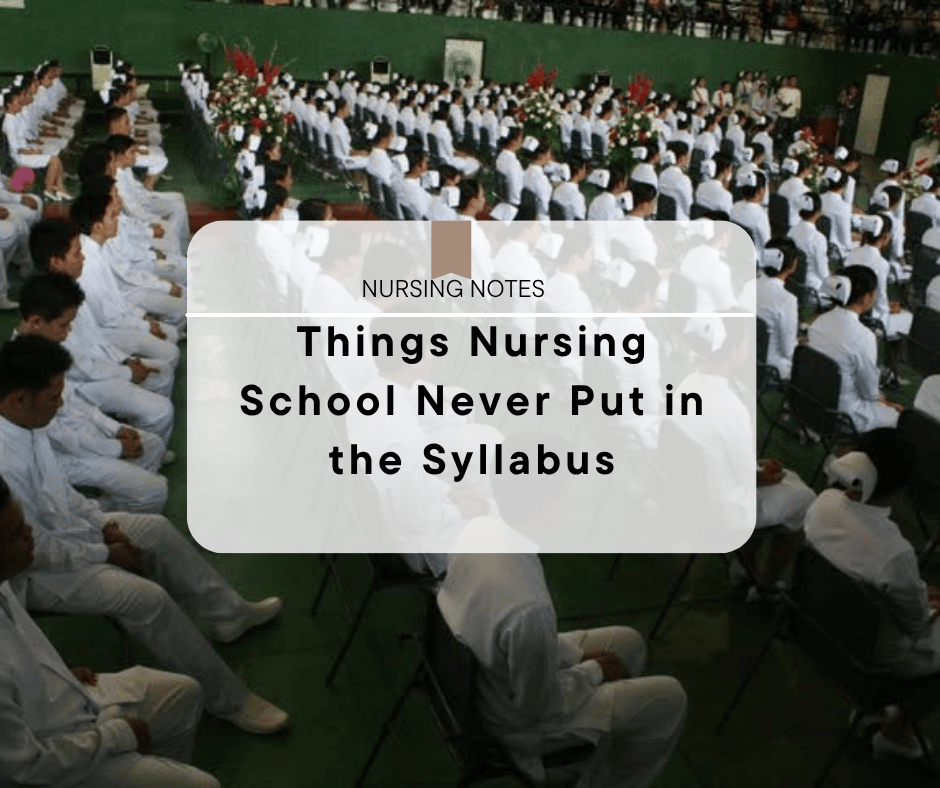
I arrived from the Philippines already carrying a life. I was Filipina, Cebuana, a daughter, a sister and a nurse. I had been nursing since 2012, which meant seven years of hospital life had already taught me about aching feet, interrupted meals and the astonishing bladder capacity healthcare workers develop through necessity rather than training. I knew how fear looked on a patient’s face. I knew families sometimes needed explanations more than medical vocabulary. I knew kindness mattered even when everybody involved was tired. I had an identity before I boarded that plane. What I did not have was a sensible luggage allowance for the number of things I believed absolutely had to come with me.
Leaving your country to live somewhere else feels very different from going away on holiday. Airports seem to know this. Everything looks ordinary—check-in desks, suitcases, boarding passes, fluorescent lights—but emotions become strangely heavy around departure gates. My family checked my documents repeatedly as though my passport might disappear if left unsupervised. “Have you got your papers?” “Did you pack this?” “What about that?” “Call when you land.” “Eat properly.” “Be careful.” “Look after yourself.” The final instruction amused me slightly because I had already spent years being paid to look after other people, but Filipino families reserve the right to remind you how to remain alive regardless of your professional qualifications.
Eventually, the bags disappeared onto the belt, the practical reminders ran out and the hugs came. I walked towards immigration, looked back, then looked back again. Excitement came with me. So did fear, sadness, ambition and the peculiar guilt of leaving people you love in order to build something you also love. Apparently emotions do not respect baggage restrictions.
Then Britain happened.
The first shock was the cold. I had understood the concept academically. I knew what low temperatures were. I had seen winter in films. None of this prepared me for British air locating the single centimetre of exposed skin between my scarf and coat and attacking it with military precision. People walked past looking entirely unalarmed while I wondered why nobody had declared an emergency. Coming from Cebu, where stepping away from an electric fan could feel like a questionable life choice, this required recalibration.
Then came the accents.
I had spoken English for years, yet suddenly someone would speak quickly in a regional accent and I would recognise every individual word while understanding absolutely none of the sentence. There were early conversations in which I smiled, nodded and hoped context would eventually rescue me. Sometimes I said, “Sorry?” only to receive the exact same sentence at exactly the same speed, which felt less like clarification and more like a listening examination I had not revised for.
My ears eventually caught up. So did the rest of me.
Work came with its own education. I already knew nursing, but the NHS had pathways, systems, policies and an impressive dedication to abbreviations. At first, I occasionally nodded professionally during conversations while mentally writing a list of things to Google later. Acronyms appeared inside other acronyms. Forms reproduced. Referrals had routes. I sometimes wondered whether the NHS had decided complete words were financially irresponsible.
But the important part of nursing remained familiar. A frightened patient looked frightened in any country. Families still needed somebody to explain what was happening. Pain did not change its language because I had crossed an ocean, and neither did kindness. The instincts I had built during my years in the Philippines came with me, while Britain taught me how to use them inside a different healthcare system. Over time, the processes that once confused me became ordinary. Responsibilities grew. Confidence followed more slowly but eventually caught up. At some point, the reversal became almost funny: I went from quietly trying to understand what everybody else was talking about to becoming one of the people others came to with questions.
Life outside work changed in similarly unceremonious ways. The journeys that once required Google Maps became automatic. I learned which supermarket sold what I wanted and developed opinions about which supermarket sold it better, which is apparently one of the final stages of local adaptation. I understood meal deals. I began putting the kettle on automatically. I said “sorry” reflexively. Then one day I caught myself discussing roadworks with genuine interest and realised Britain had made significant progress.
The seasons also taught me to notice time differently. I grew up with heat, rain and humidity powerful enough to undo a hairstyle before arrival. In England, the year changed visibly. Trees turned copper and gold. Pavements disappeared beneath autumn leaves. Daffodils emerged after winter with the confidence of people who knew everyone had been waiting for them. Summer evenings stretched improbably late, while winter afternoons became dark early enough to make five o’clock feel like bedtime.
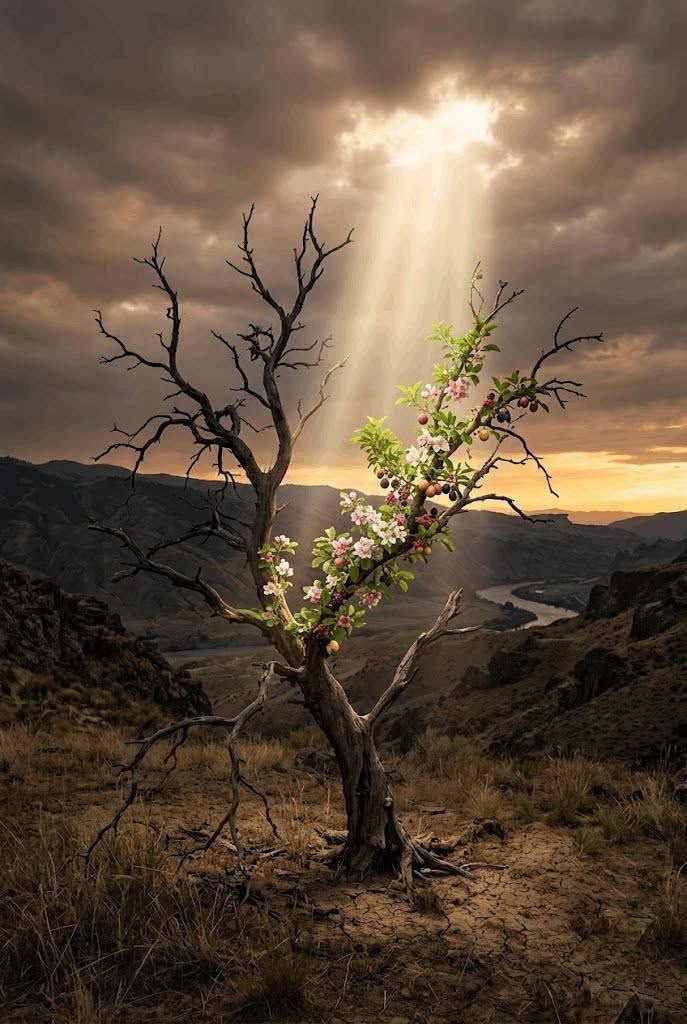
Winter was harder. There were shifts when I travelled to work in darkness and returned home in darkness and began to suspect the sun and I had suffered some kind of personal disagreement. Then spring would appear almost casually, flowers growing from places that had looked completely lifeless weeks earlier. After enough British winters, I finally understood why the first genuinely warm day makes everyone behave as though civilisation has been restored.
I grew fond of other things too. British humour, especially the ability to say something utterly ridiculous with a completely straight face. The sacredness of a proper queue. Strangers calling you “love” or “duck.” Sunday roasts. Christmas lights against dark afternoons. Train journeys through countryside that can still make me look out of the window instead of down at my phone. Long summer evenings when gardens suddenly regain national importance. I learned that affection here could be understated. Somebody might tease you without mercy and still be the first person to turn up when something went wrong.
But living abroad is not made only of charming cultural discoveries and seasonal observations.
There were birthdays attended through screens, celebrations missed because of work or distance and family news received thousands of miles from where it was happening. Homesickness was unpredictable. It could be triggered by food, a song, a smell or hearing Cebuano unexpectedly in public and turning instinctively towards the voice before I had even decided to. Sometimes it arrived after a long shift when I wanted home to be a short drive away rather than an international flight.
Independence also became less glamorous once I discovered that being an independent adult largely means nobody automatically cooks dinner because you have had a terrible day.
Still, life kept filling itself in.
There were friendships, hospital corridors, celebrations, mistakes, achievements, grocery trips, delayed trains, coffee, rainy weekends, sunny weekends treated as national festivals, Christmases and countless ordinary Tuesdays that would never appear in an immigration application. Yet I suspect those ordinary days did more to make England home than any official milestone ever could. You know the road back from work without thinking. You recognise the landscape from the train. You know where to go when you want coffee, which places hold memories and who you message when something happens. Eventually, you say “home” and occasionally have to clarify which country you mean.
The Philippines never stopped being home because England became one too.
I am still Filipina. Still Cebuana. Cebuano reaches a part of me that English does not touch in quite the same way. Filipino food still tastes partly like memory. My faith, humour, family ties and values survived every British winter perfectly well. I can sit in England and miss Cebu desperately, then land in Cebu and begin complaining about the heat within twenty-four hours. I consider this one of the privileges of belonging to two places: you earn the right to complain affectionately about both.
Then came the citizenship application.
Immigration has an extraordinary ability to compress years of human existence into dates, addresses, evidence, fees and boxes requiring very precise answers. Nearly seven years of work, friendships, responsibilities, bills, prayers, train journeys, supermarket habits, homesick evenings and ordinary life suddenly had to become paperwork. I checked everything repeatedly. I submitted what was required. I prayed. Some prayers were thoughtful and beautifully composed. Others were essentially, “Lord, please.”
Then came the waiting.
When the decision finally arrived and I learned that my British citizenship had been approved, I stared at the words longer than necessary. Relief came first. Then excitement. Gratitude followed, and beneath all of it was something heavier and quieter to name: pride.
I was proud.
Not because becoming British erased where I came from, but because it acknowledged where life had also taken me.
I thought about the nurse who arrived in 2019 trying to understand accents and survive her first winter. I thought about every shift, responsibility, friendship, mistake, journey, prayer and ordinary day that had slowly built a life around me. Britain had given me opportunities to grow professionally and personally, but it had also given me something no application form could adequately measure: familiarity. Belonging. Another place in the world that I could sincerely call home.
That is why the citizenship ceremony will mean more to me than another administrative requirement. I will stand there grateful for a country that welcomed me, challenged me, employed me, taught me, occasionally confused me, frequently made me discuss the weather and froze me often enough that I now own several coats without apology.
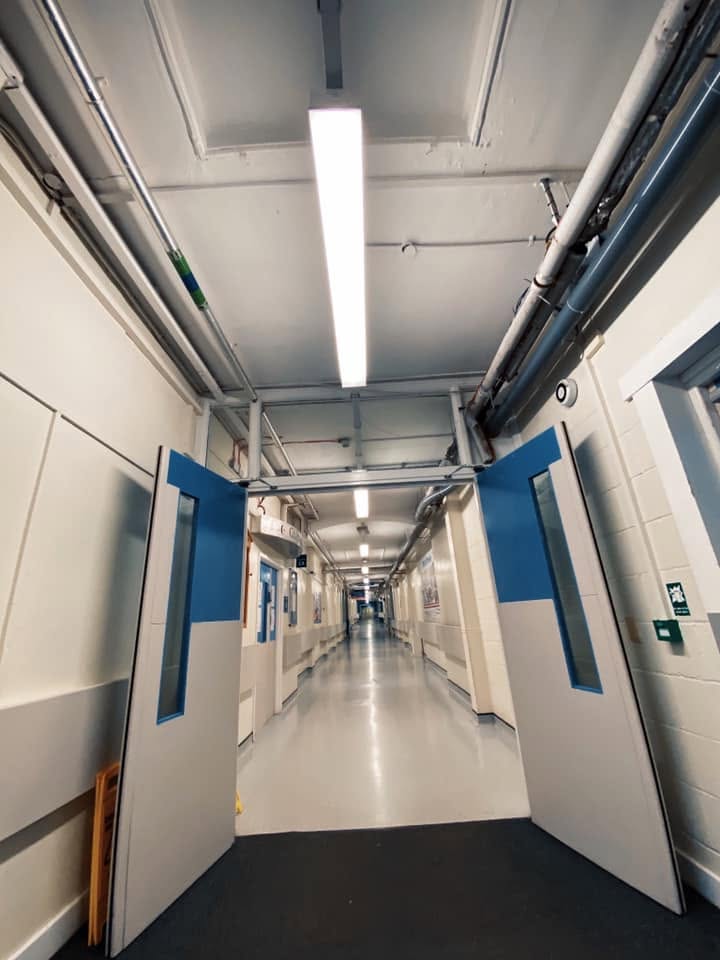
There will be photographs, obviously. Many photographs. I know myself. But the photographs will only show the woman standing there on the day. They will not show the first winter, the misunderstood accents, the hospital shifts, the homesick evenings, the prayers, the train journeys, the friendships, the supermarkets, the first cup of tea offered at precisely the right moment or the first time I casually said, “It’s quite mild today,” while wearing a coat.
And they certainly will not show the rooster.
Which may be why I keep thinking about him.
Long before Britain knew anything about me, there was Cebu. There were mornings warm enough to feel before fully opening your eyes. There were neighbours sweeping outside, motorbikes beginning their day, family voices travelling easily across rooms, food appearing whenever somebody arrived and one determined rooster conducting his daily campaign against sleep. There was a young nurse who started her career in 2012 and, seven years later, stood at an airport with too much luggage, too many emotions and absolutely no idea that England would one day become ordinary enough for her to complain about roadworks.
Soon, that same woman will stand at a citizenship ceremony and become British. I am proud to write that. Proud of the life I have built here, proud of the work I have done, proud of the country I learned slowly enough to notice the learning. But I am equally proud that the woman receiving that citizenship began somewhere else. Britain changed my life; the Philippines shaped the person who came here to live it. I do not have to reduce one in order to honour the other.
Perhaps citizenship is called becoming for a reason. It does not require me to stop being what I was before. It simply adds another layer.
The woman at the ceremony will still be the Cebuana nurse who left home in 2019, only now she will also carry nearly seven years of England with her: NHS corridors, British winters, summer evenings, friendships, cups of tea, delayed trains, supermarket loyalties, weather complaints and all the ordinary days that quietly stopped feeling foreign.
If somebody asks me afterwards what becoming British feels like, perhaps one day I will give them this entire explanation. On the day itself, I suspect I will take too many photographs, call my family, thank God for how far life has travelled and make some unnecessary observation about the weather before heading home.
And somewhere in my imagination, morning is beginning in Cebu again. The heat is already gathering. Someone is sweeping outside. A motorbike passes. Pots move in a kitchen. Then, right on schedule, one rooster announces himself to the neighbourhood as though absolutely nothing important has happened since 2019.
He has no idea that the girl who once woke to his noise now owns several winter coats, understands meal deals, works in the NHS, discusses the weather voluntarily and is about to become a British citizen.
The rooster never saw this coming.
To be fair, neither did I.
Still becoming, just with one more place to call home,
Anj 🖤















Leave a Reply