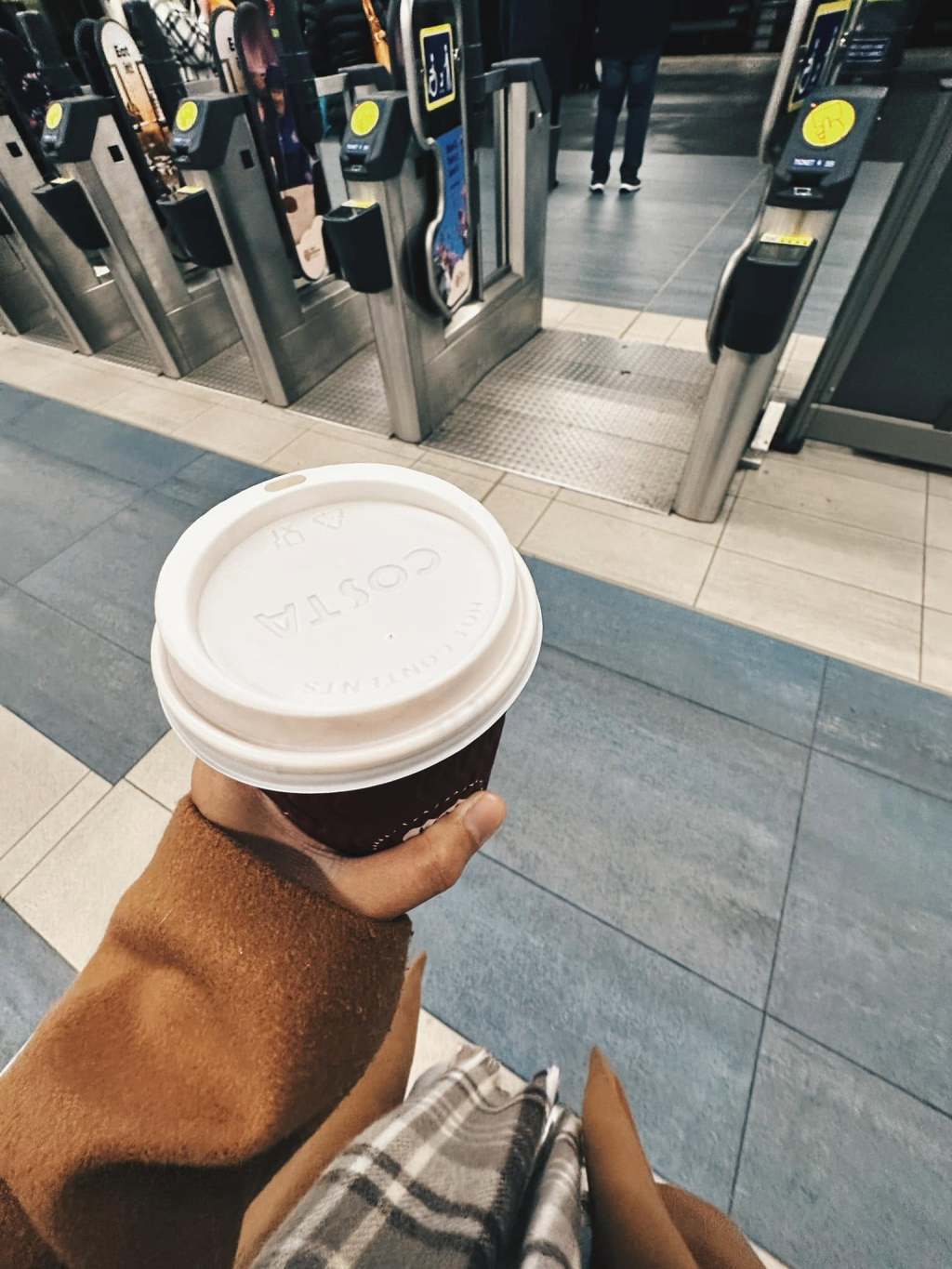
The departure board changed again before I had finished reading it. Platform 3 became Platform 5. “On time” became “delayed.” Someone beside me sighed with the deep personal offence British commuters reserve for public transport, while an announcement crackled overhead and apologised for something nobody in the station appeared capable of fixing. The air smelled faintly of rain and coffee, train brakes screeched somewhere beyond the platform, and people shifted bags from one shoulder to the other with the resigned choreography of people who had clearly done this before. I checked the board again, as though perhaps my attention alone might persuade it to become more decisive. It did not. Then my phone lit up.
A breaking-news alert. Then another. Within a few minutes, the delay above my head had become the least uncertain thing in front of me. On the platform, nobody knew exactly when the train would arrive. On my screen, experts were trying to explain what might happen next in places thousands of miles away. There were maps, arrows, warnings, political tension, footage filmed by people standing much closer to danger than I ever wanted to imagine, and comment sections populated by strangers who seemed to have solved international problems before breakfast. Apparently certainty is particularly abundant among people who are not required to implement any of it.
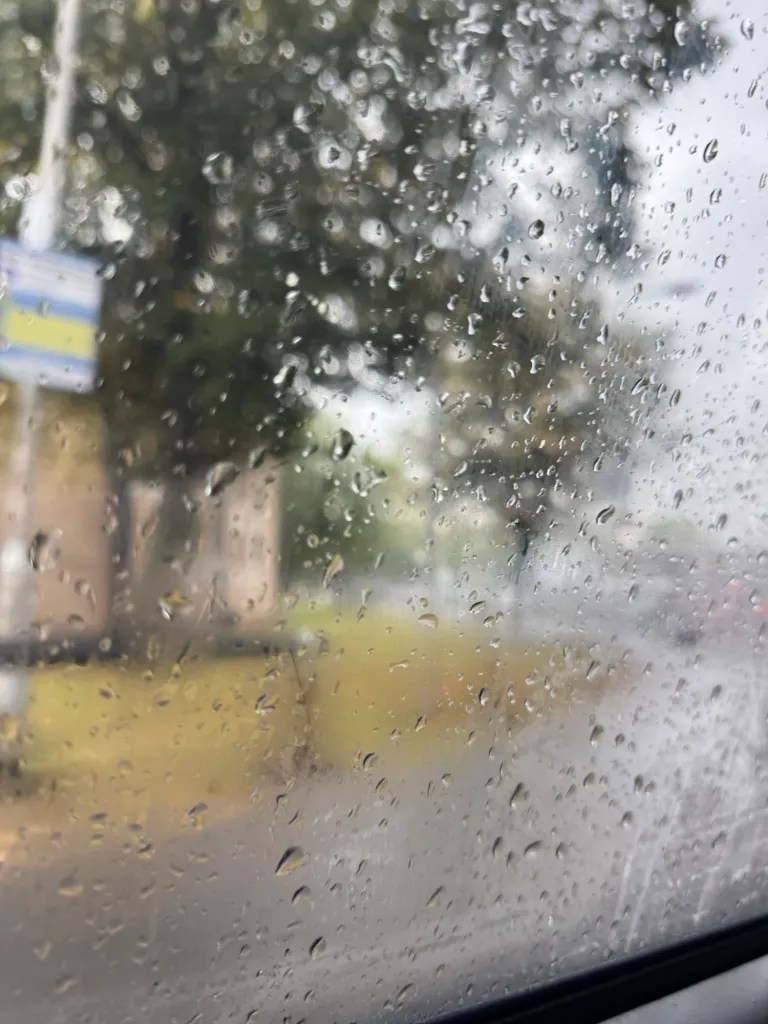
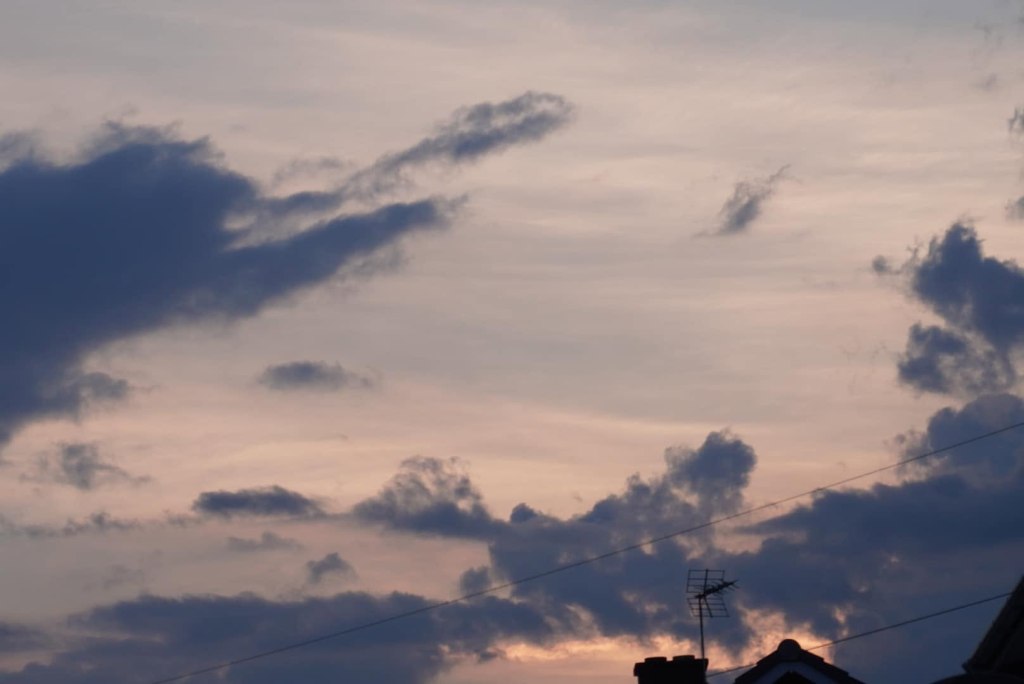
For a moment, uncertainty seemed to be everywhere. Above me on the departure board. In my hand on the screen. In the clouds gathering beyond the tracks. Everyone appeared to want the same thing in a different form: a time, an answer, a forecast, some reliable indication of what was coming next. Perhaps that is what unsettled me most. Not simply that the world felt uncertain, but how quickly I began trying to consume enough information to make it feel otherwise.
One article became another. One update became a newer update, which naturally made the previous one feel ancient despite being approximately seven minutes old. Then came another headline, another expert, another map, another video and, eventually, the comments section, which is rarely where wisdom has chosen to establish its headquarters. I kept scrolling as though something essential might have happened during the previous four minutes and as though more information would eventually make me feel calmer. Usually, it achieved the opposite.
That is one of the stranger things about modern life. You can begin a morning thinking about work, traffic, what you need to buy on the way home and whether you remembered to charge your phone, then within minutes find yourself emotionally travelling through crises thousands of miles away. Somewhere, people are waking into circumstances that have completely rearranged their lives. Perhaps the night before they had ordinary plans. Food waiting in the fridge. A message they meant to answer later. A birthday being organised. Laundry still sitting in the machine. An argument with someone they loved about something so insignificant that nobody involved imagined it might one day become important in memory. Then something happens, and an ordinary life becomes footage watched by strangers on train platforms.
Headlines have a peculiar way of flattening people. A place becomes a crisis. A family becomes a number. A neighbourhood becomes an aerial photograph with coloured arrows. We say there was an attack there, a disaster there, unrest somewhere else, and the language becomes so large that the individual lives underneath it almost disappear. Yet every international event eventually reaches somewhere painfully domestic. Somebody’s bedroom. Somebody’s street. Somebody’s family group chat. Somebody’s mother receiving a phone call she will remember for the rest of her life. Somewhere beneath every breaking-news banner is a person whose Tuesday was supposed to be boring.
Thinking about that can rearrange your complaints quickly, although I do not think perspective should become guilt. A difficult shift does not suddenly become pleasant because somebody elsewhere is suffering more. Exhaustion remains exhausting. Disappointment remains disappointing. If pain required a global ranking system before we were allowed to acknowledge it, most of us would spend our lives applying for permission to feel anything at all. But perspective sometimes walks into the room and moves the furniture around. The problem that occupied the entire space ten minutes earlier may suddenly take up one chair instead.
Life, meanwhile, continues with almost suspicious determination. People turn up for work. Phones ring. Coffee gets made. Somebody laughs in a corridor. Someone begins looking for the object they definitely placed somewhere “safe,” which is usually the first stage of never seeing it again. Patients need care. Families need answers. Outside the hospital, traffic continues forming for reasons known only to traffic, supermarkets remain full of people buying bread and milk, and somebody somewhere is complaining about the weather because Britain may tolerate great uncertainty, but discussing atmospheric conditions remains one of its more stable national institutions.
The contrast fascinates me. At exactly the same moment, one person may be receiving the worst news of their life while somebody else is being told that a baby has arrived safely. One person walks into a hospital while another finally walks out. One family says goodbye while another waits at an airport arrivals gate, watching the doors for somebody they love. Somewhere, a couple gets married while another couple argues about whose turn it is to empty the dishwasher. Billions of lives are happening simultaneously, and every single one feels enormous to whoever is standing inside it.
The world never really has one mood. We simply experience whichever part happens to be closest.
Phones have made that harder to remember because now the distant parts of the world can become close enough to hold in one hand. Conflict before breakfast. Political tension while travelling to work. Disaster while waiting for a train. Several thousand furious opinions before nine in the morning. Then the screen goes dark and somehow I am expected to return immediately to whatever ordinary thing I was doing before my brain briefly acquired responsibility for the emotional state of the entire planet.
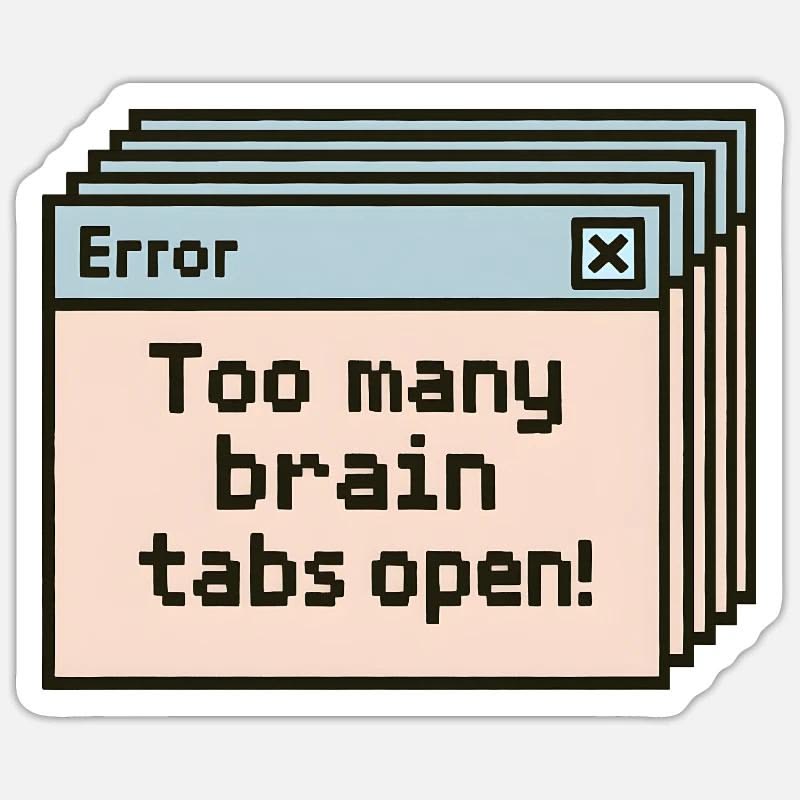
I noticed myself developing the habit of checking repeatedly. Perhaps something had changed. Perhaps another announcement had been made. Perhaps one more article would finally give me the certainty the previous eight had failed to provide. Twenty minutes later, I usually understood very little more than before and had acquired a considerably larger amount of anxiety.
There is a strange pressure now to know everything immediately. Every event demands attention. Every development seems to imply that we should already understand it. Every issue arrives with an invitation to form an opinion before we have even understood the question properly.
Stepping away can begin to feel morally suspicious. If I stop reading, does that mean I care less? If I do not post about something, am I indifferent? If I laugh at something stupid ten minutes after seeing terrible news, have I somehow failed an examination in compassion nobody told me I was taking?
I do not think so.
There comes a point when information stops informing and starts occupying. That distinction matters to me more now. I do not want peace purchased through deliberate ignorance. What happens beyond my own life matters. Geography does not make another person’s suffering less real. But caring about the world cannot require giving every terrible thing permanent accommodation inside my head.
So I have started putting the phone down more often. Nothing outside me immediately improves. Wars do not end because I stop refreshing the page. Political disagreements do not become reasonable. Natural disasters do not reverse themselves because I close an app. But the small territory immediately around me begins appearing again.
A familiar face. A conversation. The relief of sitting after being on my feet for too long. Somebody making me laugh unexpectedly. Food. A message from someone I love. The journey home. An evening so ordinary no news organisation would ever consider reporting it.
At first, I occasionally felt guilty about how comforting ordinary life could be when other people were losing theirs. Then I began wondering what that guilt actually achieved. My refusing to enjoy dinner does not make another person less hungry. My refusing to laugh does not comfort somebody grieving thousands of miles away. Making my own evening miserable does not repair somebody else’s tragedy.
Compassion should enlarge our humanity, not require us to punish ourselves for every good thing still available to us.
Perhaps awareness of fragility should make ordinary life more precious rather than more shameful. Drink the coffee while it is warm. Call the person. Stay at the table. Laugh when something is genuinely funny. Say thank you while someone is still there to hear it. Appreciate the boring evening. Somewhere in the world, somebody would give almost anything for a day uneventful enough that the biggest inconvenience was a delayed train.
Another thought followed. The news naturally prefers things that break. That is understandable. “Everything Remained Reasonably Fine Today” is unlikely to receive a breaking-news banner. Violence interrupts. Disaster announces itself. Conflict demands attention.
What rarely arrives as a notification is the nurse who stays a little longer because a frightened patient needs reassurance. The neighbour checking on someone who lives alone. The stranger returning a lost wallet. The friend answering a call at an inconvenient hour. The parent working another shift. The person angry enough to say something cruel who decides, at the final second, not to say it.
Most goodness has terrible publicity.
It happens without cameras, hashtags or experts standing in front of maps. Somebody carries a bag. Somebody gives directions. Somebody listens. Somebody teaches a child. Somebody brings food. Somebody repairs something another person needs. Somebody offers more patience than the situation deserves. Millions of these small transactions happen every day, and almost none of them will appear in our summary of what happened in the world. Yet remove enough of them and we would notice immediately. Perhaps what the screen shows us is not necessarily false. It is simply incomplete.
That changed the way I think about resilience too. We often make resilience sound heroic, something reserved for extraordinary people surviving extraordinary circumstances. But history is full of ordinary people living through periods when the future looked deeply uncertain, and they still planted gardens, raised children, fell in love, wrote books, cared for sick people, cooked meals, celebrated birthdays and made plans for years they had no guarantee of seeing. There is something almost defiant about making plans in uncertain times. Human beings have always built while knowing things can break, loved while knowing people can leave and made homes beneath skies nobody could control.
I cannot resolve an international conflict from a railway platform. I cannot prevent every disaster, carry every grieving family or personally repair everything wrong with humanity. Expecting my individual emotional response to somehow match the scale of every global problem would eventually leave me too overwhelmed to be useful anywhere.
But there is still a piece of the world within reach.
I can decide how I speak to the person standing in front of me. I can refuse to add unnecessary anger to an already angry place. I can listen before deciding that disagreement automatically makes somebody terrible. I can do my work properly. I can check on somebody. I can help where help is possible. I can protect my peace without confusing peace with indifference.
I am still learning how to remain informed without becoming saturated. Some days I manage it better than others. I want to understand enough about the world to care intelligently about it, but exhaustion is not evidence of compassion. I do not need to consume every update until I become too overwhelmed to notice the human being directly in front of me.Sometimes putting the phone down is not abandoning the world. Sometimes it is returning to the part of it where I can actually do something. Eventually, another announcement crackled through the station. The platform changed again.
People looked up almost simultaneously, collected bags and began moving with the strange collective obedience of commuters who had complained continuously but still intended to board the train. The screen above us updated. A new time appeared. Not the original time, naturally. That would have been too generous. But at least the train was coming.
I thought about how much of that morning I had spent looking for forecasts. The departure board. My phone. Experts. Maps. Updates. Predictions. I kept wanting somebody, somewhere, to tell me exactly what would happen next and exactly what I should carry when it did.
Perhaps that is what uncertainty does to us. It makes us stare harder at boards that were never capable of promising permanence in the first place.

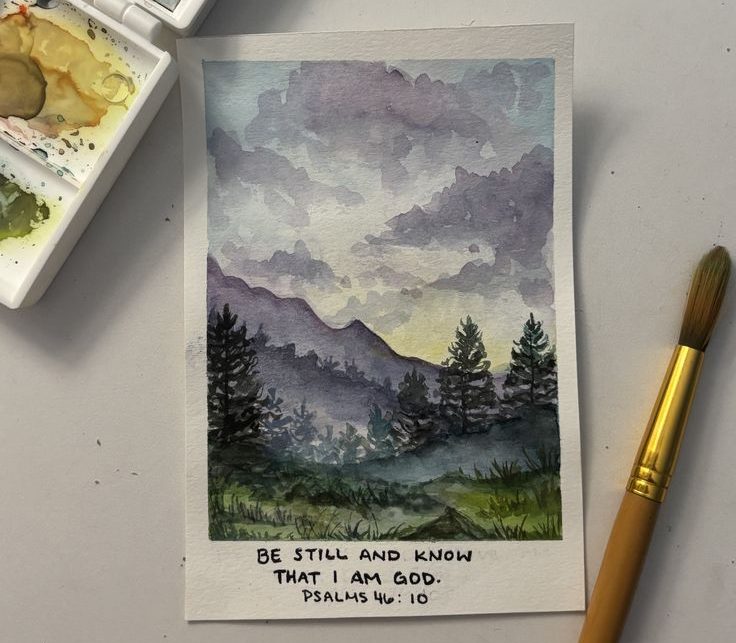
Staying steady could never mean making the timetable obey me. It could not mean preventing headlines, storms, delays or frightening possibilities. The world has never promised predictability, and pretending otherwise only makes every change feel like betrayal. Maybe steadiness belongs somewhere else.
Perhaps it means being aware that storms exist without spending the whole day staring at clouds. It means being informed without allowing every alert to commandeer the nervous system. It means preparing for what I reasonably can, accepting that preparation is not control, and remembering that uncertainty does not automatically mean catastrophe.
The train eventually arrived with the usual metallic screech and rush of displaced air. Doors opened. People stepped aside, then forward. Within seconds, the platform that had been full of waiting became a place people were leaving. I boarded, found somewhere to sit and slipped my phone into my bag.
Outside the window, buildings began moving backwards. The departure board disappeared. The headlines remained unresolved. Somewhere, terrible things were still happening. Somewhere else, people were laughing, cooking, working, falling in love, recovering, arguing about dishwashers and getting on with Tuesday.
Nothing had become certain.
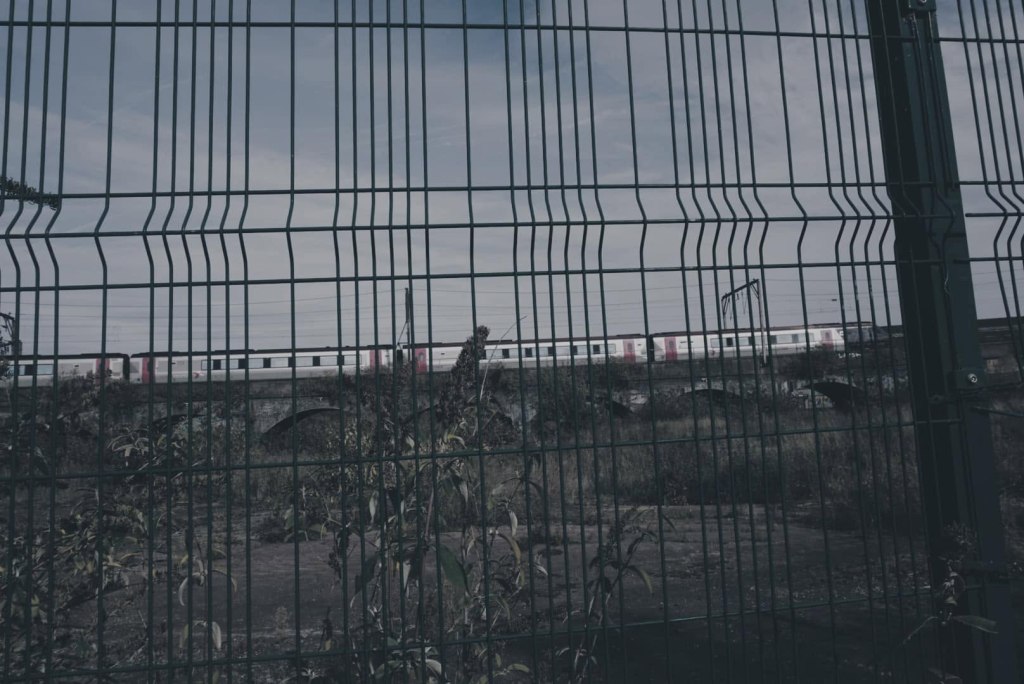
The train had simply arrived when it arrived. On time was never promised. Apparently, neither was the rest of life. But I could still know when to look up, when to stop refreshing, what was worth carrying and when it was finally time to get on the train.
Still boarding without all the answers,
Anj 🚆




















Leave a Reply