There are three parties involved in my relationship: me, Jan, and the rota. The rota is by far the least romantic of us. It does not care about anniversaries, dinner reservations, meaningful eye contact, or whether Valentine’s Day would be considerably more convenient if it happened after adequate sleep. It simply appears with the confidence of someone who knows the entire household will eventually rearrange itself around it. So when February arrived and the 14th looked less like a romantic opportunity and more like another logistical exercise, we did what people who have spent enough years together tend to do: we moved Valentine’s Day. Cupid, apparently, had failed to consult staffing.
Somewhere in a parallel universe, couples were probably planning candlelit dinners for the exact evening printed on the calendar, arriving beautifully rested and emotionally available. Meanwhile, our version of romance involved statements such as, “I’m free then, but only if I sleep immediately after work,” followed by the sort of rota analysis normally associated with military operations. Nothing quite says passion like checking whether affection can be safely scheduled between twelve-hour shifts. Fortunately, love proved remarkably flexible about dates.
So our Valentine’s celebration happened early, and I actually preferred it that way. There was no pressure to force romance into one particular square on the calendar, no obligation to compete with the entire population for the same evening, and most importantly, there was food. We went to The Pasture, which has very quickly become one of those restaurants I would recommend with suspicious enthusiasm whenever anybody asks where they should eat. The atmosphere was warm and slightly fancy without making you feel as though speaking above a whisper might result in removal from the premises, and the lighting was flattering enough to remind me that good restaurant illumination is one of adulthood’s underrated luxuries.
Then the steak arrived.
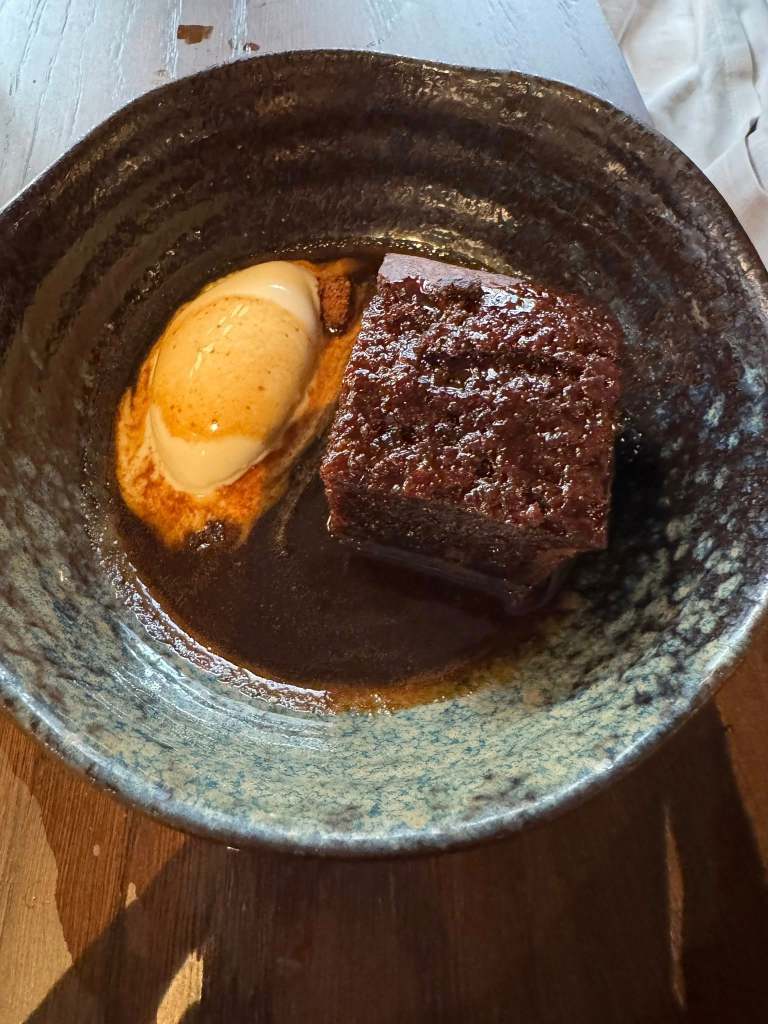
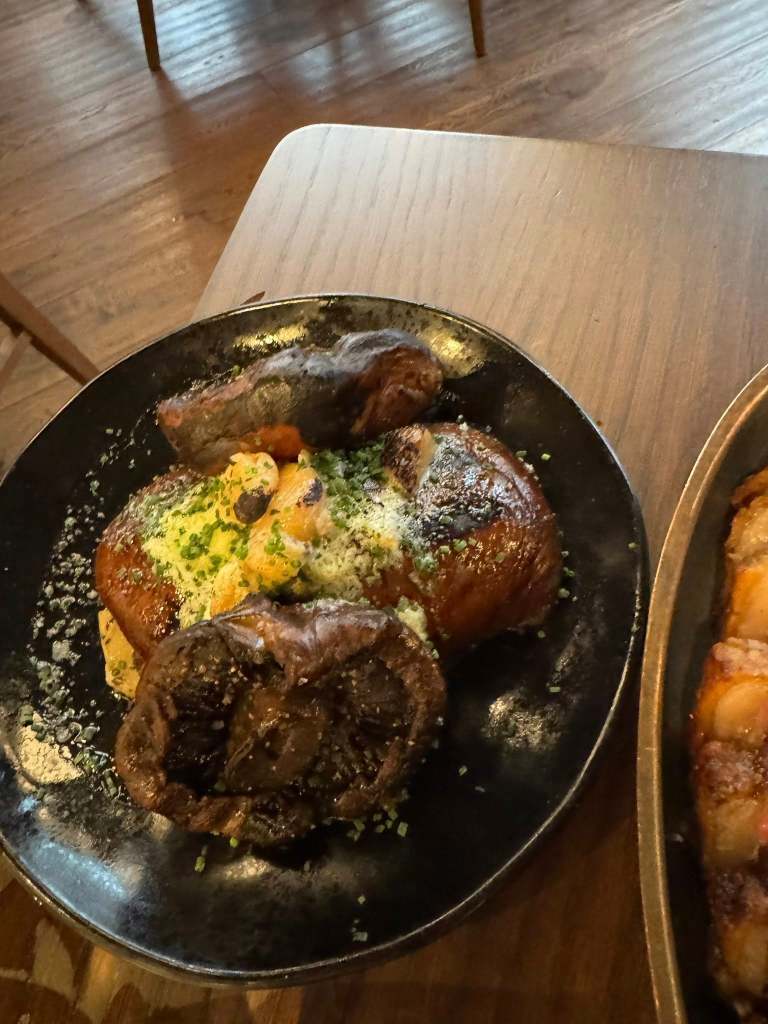
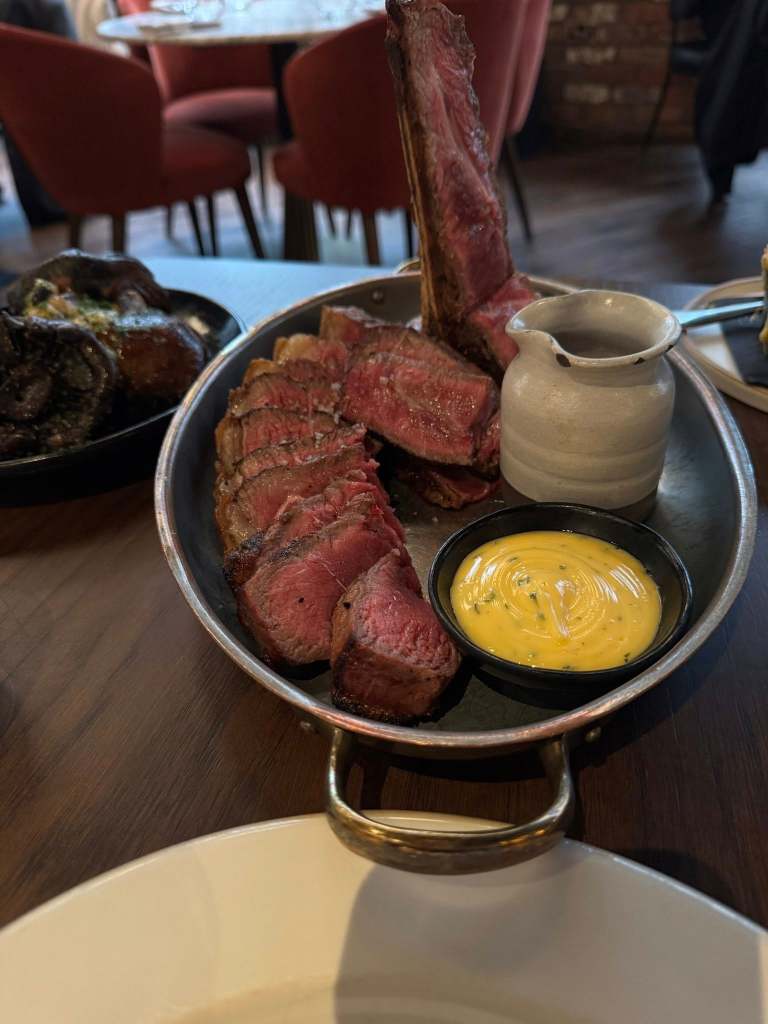
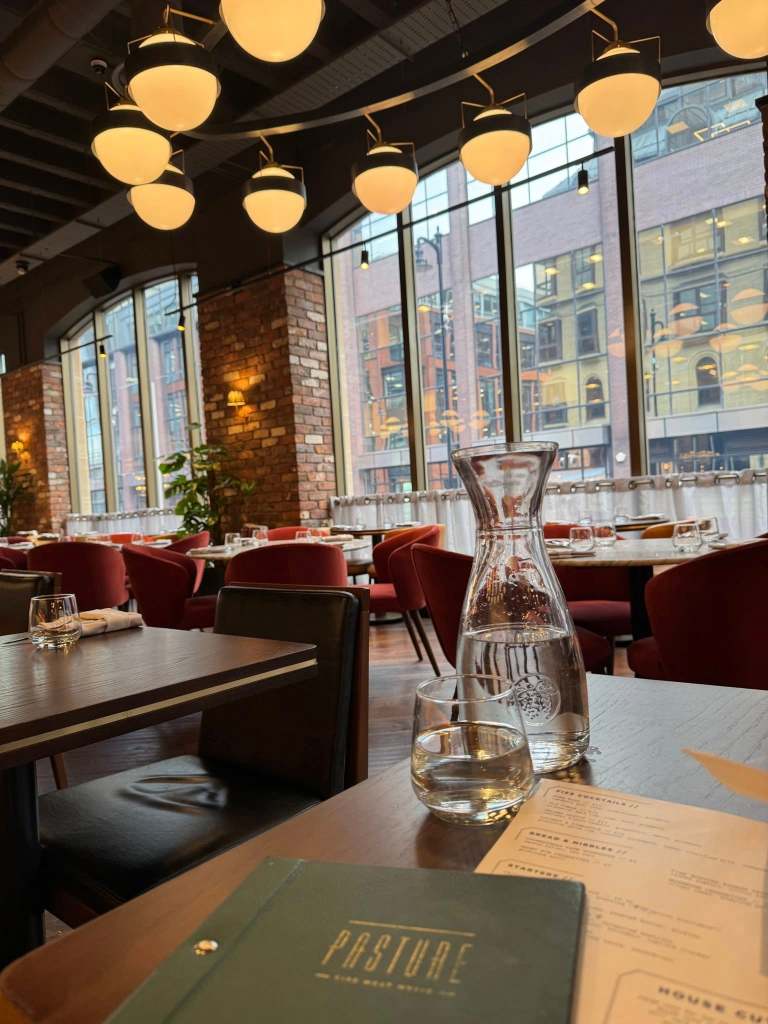
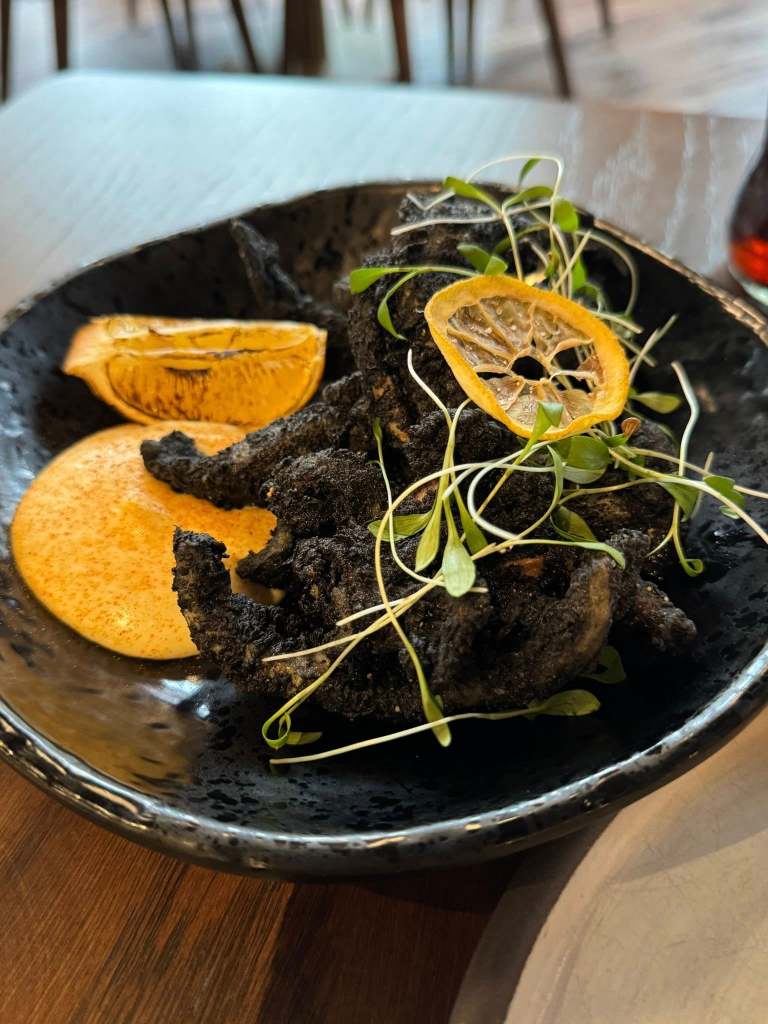
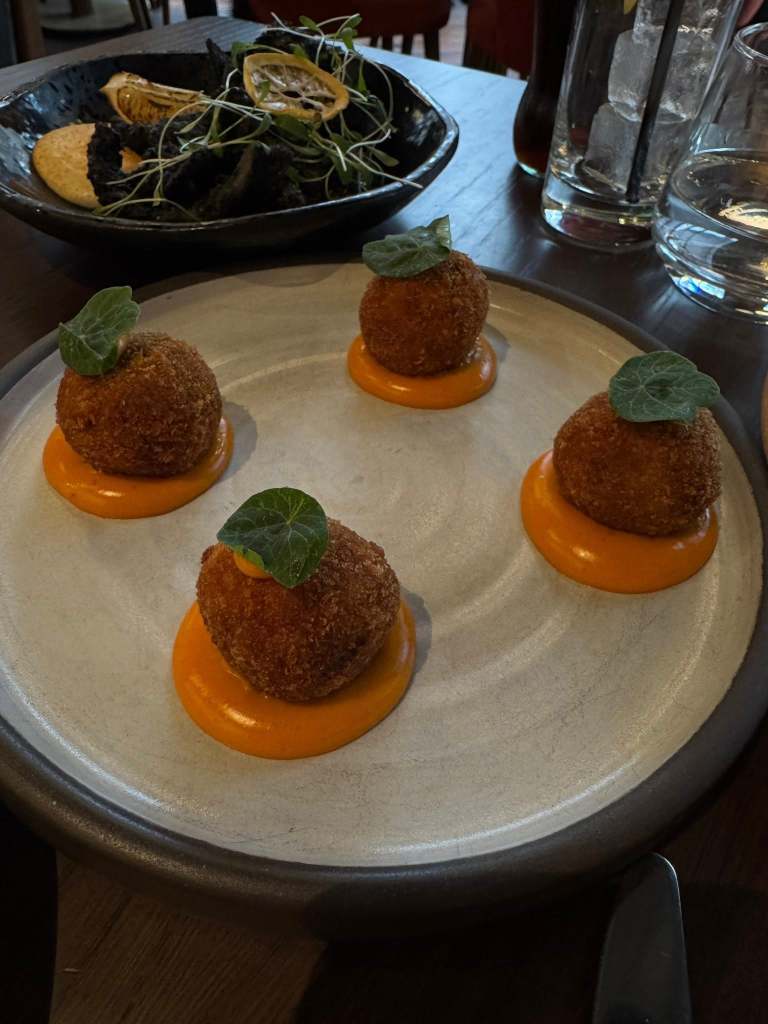
There are meals you enjoy, meals you remember, and meals that temporarily interrupt your ability to contribute meaningfully to conversation. This belonged firmly to the third category. I took the first bite and stopped talking, which Jan probably recognised as evidence that something medically significant had occurred. There was no need for further assessment. No second opinion. No multidisciplinary discussion. The steak had presented its case, supplied sufficient evidence, and won unanimously.
Valentine’s Day is traditionally associated with flowers, declarations of love and meaningful glances across tables. I was having a meaningful relationship with a piece of beef. Fortunately, Jan understands that affection in a long-term relationship sometimes requires accepting that your partner may briefly rank dinner above you. He did not appear threatened. This is maturity.
Perhaps the steak tasted even better because I had recently been working nights, and anyone who has done night shifts knows that afterwards the body becomes rather creative with its interpretation of time. Breakfast occurs whenever consciousness returns. Dinner can happen at ten in the morning. Sleep becomes something you negotiate with rather than something that simply arrives. You open the curtains and daylight feels unnecessarily confrontational, as though the sun has personally noticed your poor decisions.
Post-night-shift me is technically awake, but this should never be confused with being fully operational. There is usually a brief diagnostic period during which I establish three important facts: what day it is, whether I have eaten, and why I am standing in the room I have just entered. Occasionally a fourth question appears—whether I was supposed to be doing something important before becoming distracted by the first three.
Still, I wanted our date.
Work has an impressive ability to consume every bit of space offered to it. There is always another shift, another responsibility, another decision, another thing waiting tomorrow. Healthcare in particular can make your internal world feel permanently occupied by tasks that matter, which is precisely why sometimes you have to interrupt ordinary life deliberately and decide that tonight, for a few hours, nobody is discussing anything urgent unless the restaurant catches fire.
So we ate. We talked. We laughed. We discussed work, future plans, ridiculous things and probably several subjects that would have sounded painfully uninteresting to anyone at the next table. There was no attempt to engineer one of those profound Valentine’s conversations where couples gaze at one another over candles and discuss destiny for three uninterrupted hours. We have been together long enough to know that love can survive perfectly well while discussing something completely pointless between bites of steak.
That may be one of my favourite things about long-term relationships. At the beginning, everything comes with a label. First date. First trip. First anniversary. First photograph together. Every new experience feels like a milestone worthy of documentation. Years later, love becomes far less ceremonial and considerably more practical. “Have you eaten?” begins carrying emotional significance. Remembering someone’s favourite thing from the supermarket becomes an act of devotion. Adjusting plans because the other person has just finished nights becomes almost poetic.
Nobody writes sonnets about remembering the correct snack aisle, which feels like an oversight.
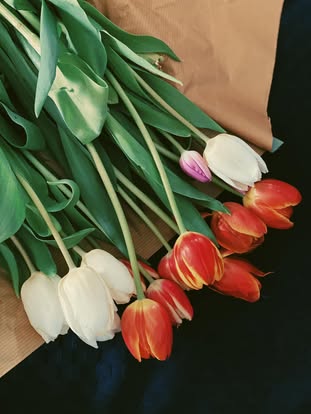
Social media, of course, has given Valentine’s Day a much more ambitious job description. Flowers should apparently require their own postal code. Restaurants should glow beautifully. Gifts must photograph well. Someone somewhere needs balloons, rose petals, fairy lights and possibly a violinist who has been waiting behind a curtain since January. I have nothing against any of this. I will happily accept the flowers. I am certainly not campaigning against chocolate. If someone wishes to illuminate an entire room in my honour, I am unlikely to file a complaint.
But after enough years with somebody, the practical gestures start carrying a different kind of weight. Someone notices you are exhausted and does not demand that you suddenly become energetic for romance. Someone remembers something you mentioned casually three weeks ago. Someone knows when to leave you alone, when to make you laugh, when to ask if you have eaten and, importantly, when not to believe you after you claim you are “fine” despite looking approximately one inconvenience away from horizontal.
That evening did not feel like us performing Valentine’s Day. It felt like us having dinner, and perhaps that was why I enjoyed it so much.
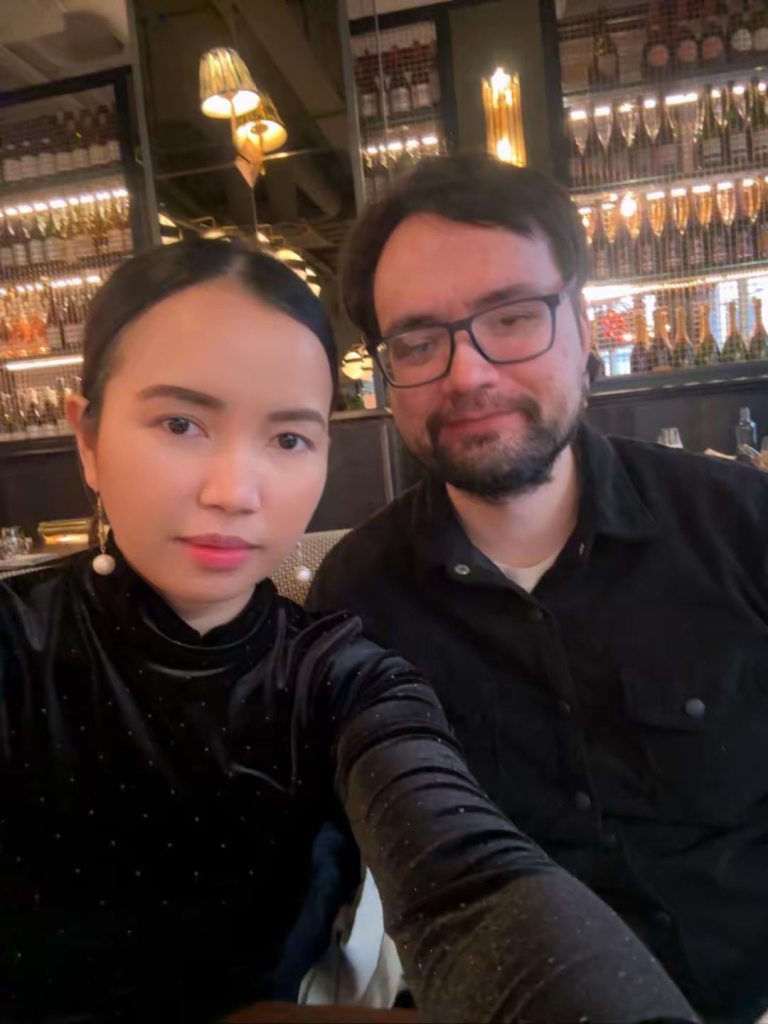
The following morning, however, it appeared the Valentine’s programme had been renewed for a second episode. I woke up still negotiating with consciousness and found a card, chocolates and a cute bag Jan had bought for me after our date. This was strategically excellent timing because presenting gifts to somebody operating at roughly 63% capacity greatly reduces the likelihood of an unnecessarily complicated reaction. My brain had not yet completed its morning loading screen, but it understood gifts perfectly well.
I loved all of them. The bag was cute and practical, which has become an increasingly thrilling combination as I have grown older. There reaches a point in adulthood when “I can actually use this” begins competing very successfully with anything traditionally considered glamorous. The chocolates required no analysis because chocolate has never struggled to communicate its intentions.
The card, though, was probably my favourite.
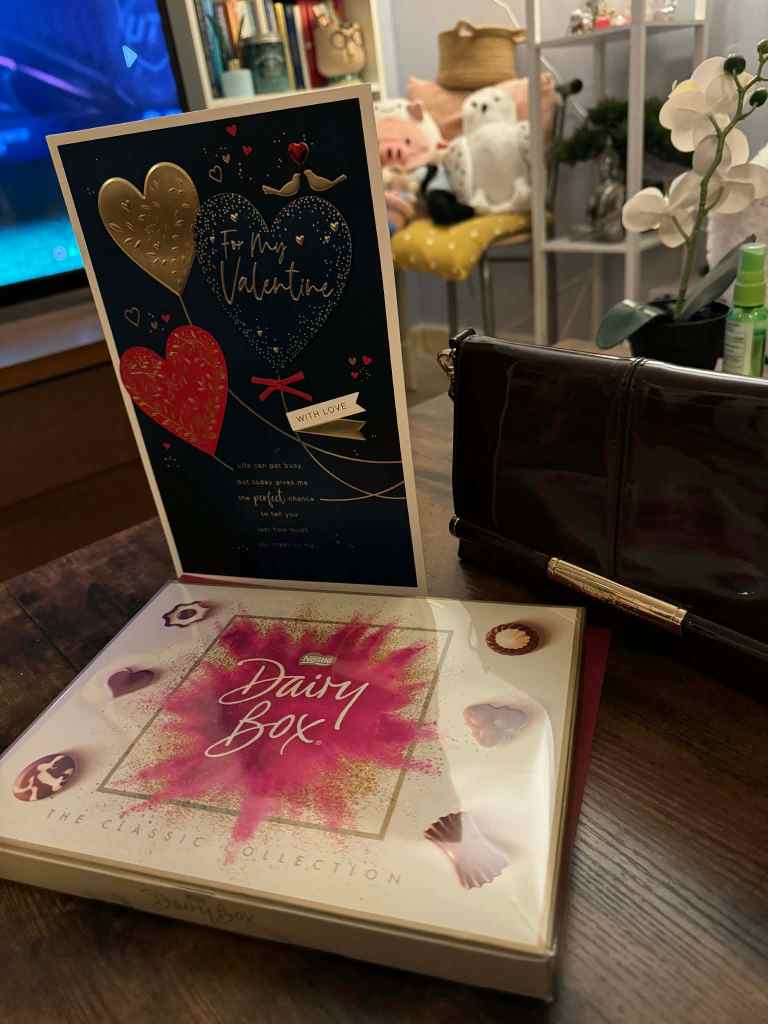
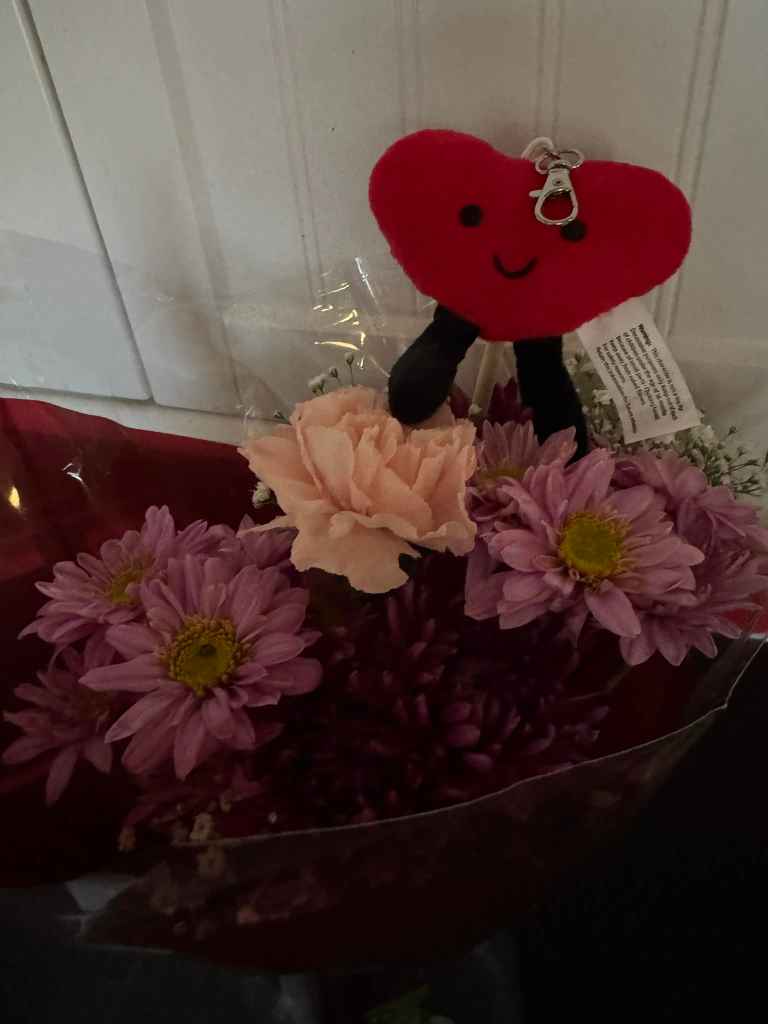
Perhaps that is the writer in me. Handwritten cards feel strangely valuable now because we live in a world where most words arrive through screens while somebody is walking, eating, working or only half paying attention. A card means somebody stopped. They chose it, opened it, wrote inside it and left you something physical that will still exist after a notification disappears. There is something quietly intimate about handwriting belonging to somebody you love, especially when so much of modern communication can vanish beneath newer messages within a day.
Although, for clarity, I did not reject the chocolates in favour of literature. I have principles, but they have limits.
What amused me most about the whole celebration was how un-grand it actually was. There was no enormous surprise. Nobody hired a string quartet. No speech occurred beneath falling rose petals. We simply found a day that worked around my shifts, went somewhere we both liked, ate ridiculously good food and exchanged a few thoughtful things.
And it felt exactly right.
Relationships are mostly built from this kind of ordinary material anyway. They are not decades of consecutive candlelit dinners. They are grocery shopping, rotas, tired evenings, somebody forgetting why they walked upstairs, deciding what to eat, cancelling plans because one person is exhausted, inside jokes that stopped making sense to outsiders years ago, and repeatedly asking each other what they want for dinner despite having conducted the same discussion the previous evening.
Romance survives inside all of that.
In fact, I think that is often where it becomes most convincing. Anyone can arrange flowers once. Long-term love is remembering how somebody takes their coffee after years of making it. It is adjusting dinner because they are working late. It is knowing when they need company and when they need sleep. It is familiarity without indifference, routine without carelessness, and continuing to choose one another long after the first-date version of yourselves has disappeared.
I still love beautiful dinners. I still appreciate surprises. I still want flowers occasionally because I have made absolutely no attempt to spiritually transcend bouquets. I will also continue discussing that steak until another restaurant presents evidence strong enough to challenge it.
But perhaps what I loved most about our slightly early Valentine’s celebration was how little it needed to prove.
The date did not have to be exact. I did not have to be perfectly rested. We did not need a grand plan. My body clock was confused, Jan worked around it, we ate very well, I received a card, chocolates and a useful bag, and nobody demanded that February become a cinematic production simply because the calendar said romance was due.
Years ago, I might have imagined romance as something that happened when everything lined up perfectly: the right date, the right place, the right atmosphere, both people rested and looking as though neither had spent the previous week negotiating with work. Real life has been considerably less cooperative and, strangely, much better.
Because when you have spent enough time with someone, love stops needing perfect conditions.
Sometimes it just needs both of you to find the same free evening.
So Valentine’s Day came early this year. There was excellent steak, flattering lighting, post-night-shift brain fog, chocolates, a practical little bag and a handwritten card waiting the next morning. The rota had moved the celebration, sleep had complicated it, and Cupid was apparently operating without access to NHS staffing information.
Romance was subject to staffing.
Thankfully, love was flexible.
With love,
Anj 🖤


































Leave a Reply