
It was June 2022 when we left the noise behind. I remember that period of my life as one filled with tired laughter, demanding schedules and the particular kind of exhaustion that does not always disappear after a good night’s sleep. We were working, functioning, showing up and doing everything expected of us, but somewhere underneath all of that competence was a shared sense of fatigue that perhaps none of us needed to explain to one another. So we packed our things into a caravan and travelled south towards Cornwall, carrying bags, food, stories and probably far more exhaustion than any of us realised at the time.
The sky was kind to us that day. I remember low, pale clouds making room for thin pieces of sunlight as we travelled, the scenery gradually changing as the distance between us and our ordinary routines grew. There is something about leaving familiar roads that makes the body understand before the mind does that it is finally allowed to slow down. With every mile, work seemed to move slightly further away. Responsibilities did not disappear, of course. They were simply no longer sitting beside us demanding immediate attention. I remember thinking that perhaps this was exactly what we needed: not an escape from our lives, but a small pocket of time inside them where nothing urgently required us.
We were a group of Filipino nurses, colleagues by profession but connected by something more complicated than simply sharing a workplace. There is a particular kind of companionship that develops when you are building a life far from the country that first taught you what home feels like. You begin recognising certain things in each other without needing long explanations. You understand the tiredness after difficult shifts, the humour used to make homesickness lighter, the conversations about family happening thousands of miles away and the strange experience of creating another home while still carrying the first one inside you.
Sometimes we spoke about home. Sometimes we laughed about work. Sometimes we talked about absolutely nothing important. And sometimes silence sat between us comfortably because nobody needed to perform happiness for the others. We understood that tiredness had many forms, and not all of them could be fixed by sleep.
There are friendships formed through shared interests, and then there are friendships formed because somebody understands the weight you are carrying without asking you to translate it first.
Looking back, I think that trip became a kind of medicine for us. Not the clinical kind we were accustomed to giving other people, but something quieter and much harder to prescribe. It was distance from routine, uninterrupted conversations, sea air, laughter and the temporary permission to exist without constantly being needed. Sometimes you do not realise how tightly you have been holding yourself together until you reach somewhere safe enough to loosen.
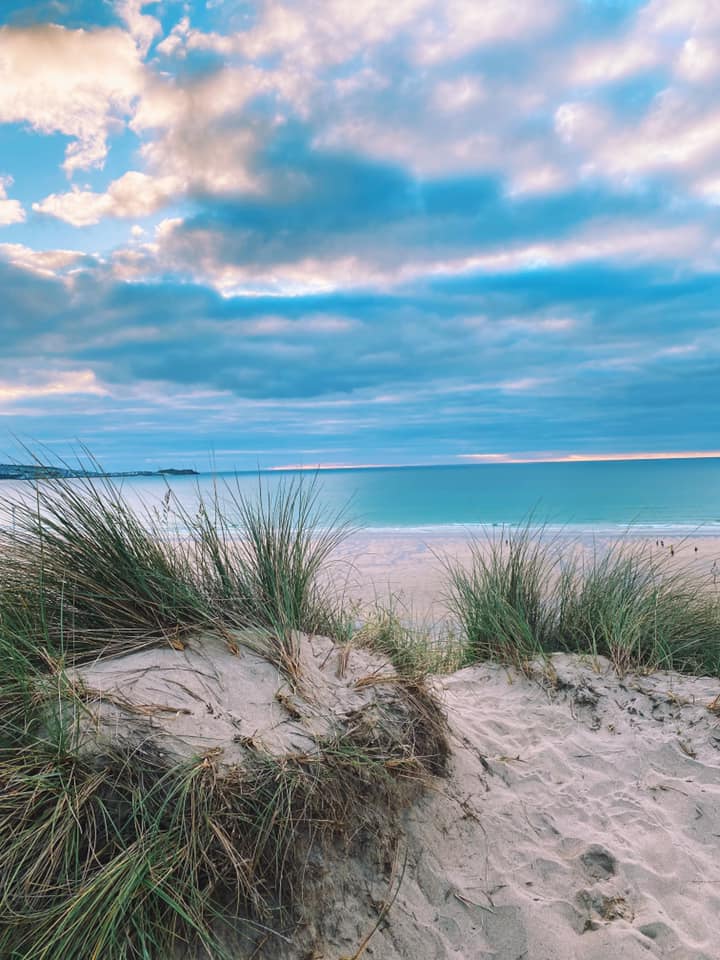
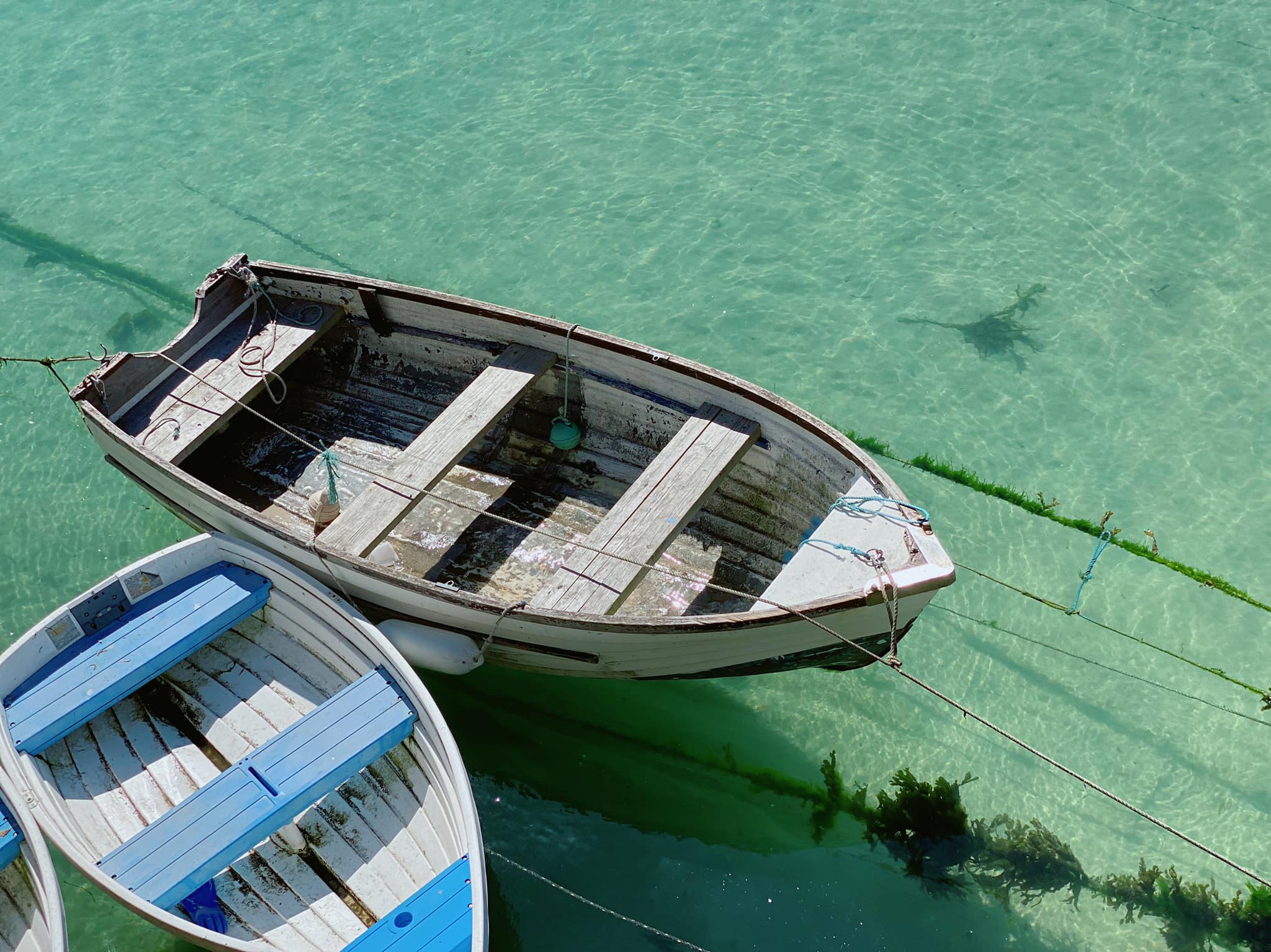
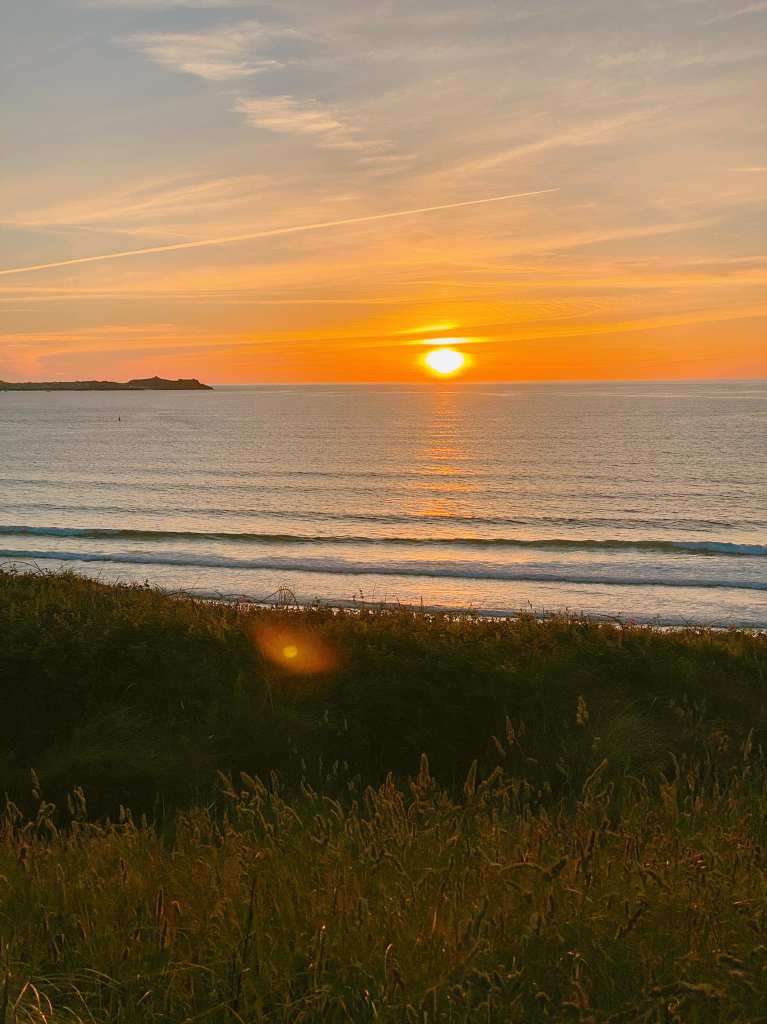
Cornwall was beautiful without appearing to try very hard. It did not need extravagance to impress us. There were stretches of coastline that seemed to make the world larger, hills rolling quietly towards the horizon and the sea existing with that ancient confidence oceans seem to possess, completely uninterested in whatever problems human beings have carried to their shores.
We stayed in a caravan that moved gently with the wind at night. It was not luxurious, and perhaps that was part of what made the experience memorable. We had what we needed. There were people around the table, food being prepared, conversations moving in several directions and mornings that did not begin with the urgency of an alarm telling us somebody needed us somewhere.
We woke slowly. We made breakfast without turning the morning into a schedule. Coffee lasted longer because nobody was drinking it while rushing out of the door. We shared stories between bites of food and left crumbs, dishes and laughter behind us. There was something wonderfully ordinary about it all. Sometimes rest is not doing nothing; sometimes it is finally having enough time to notice what you are doing.
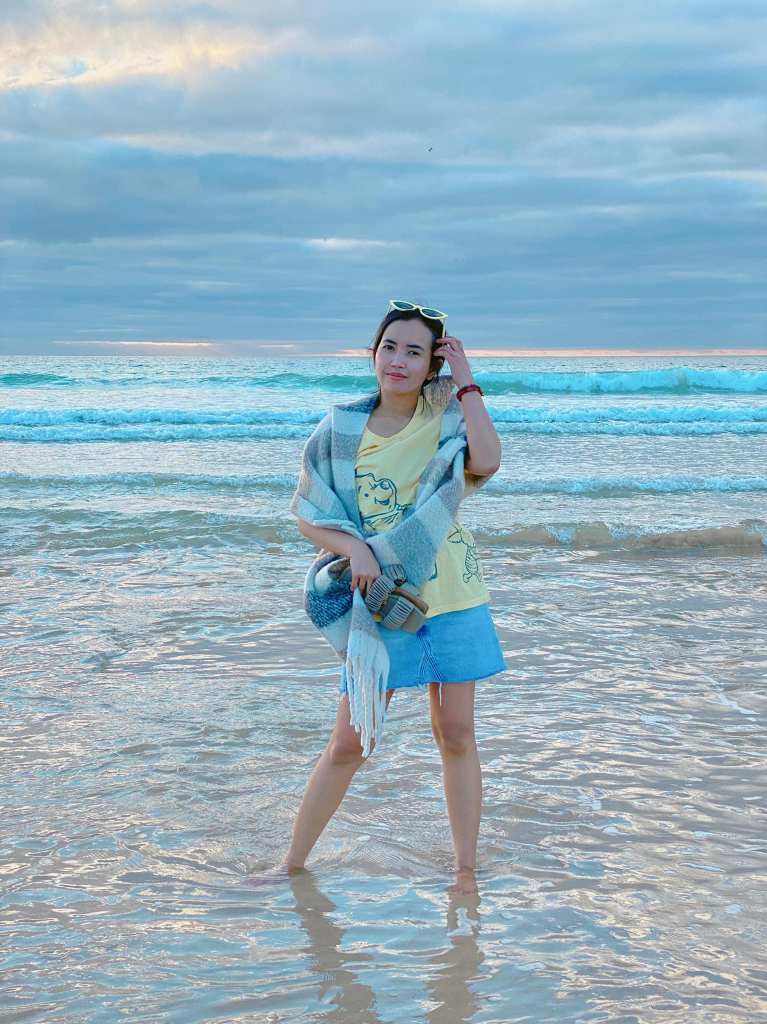
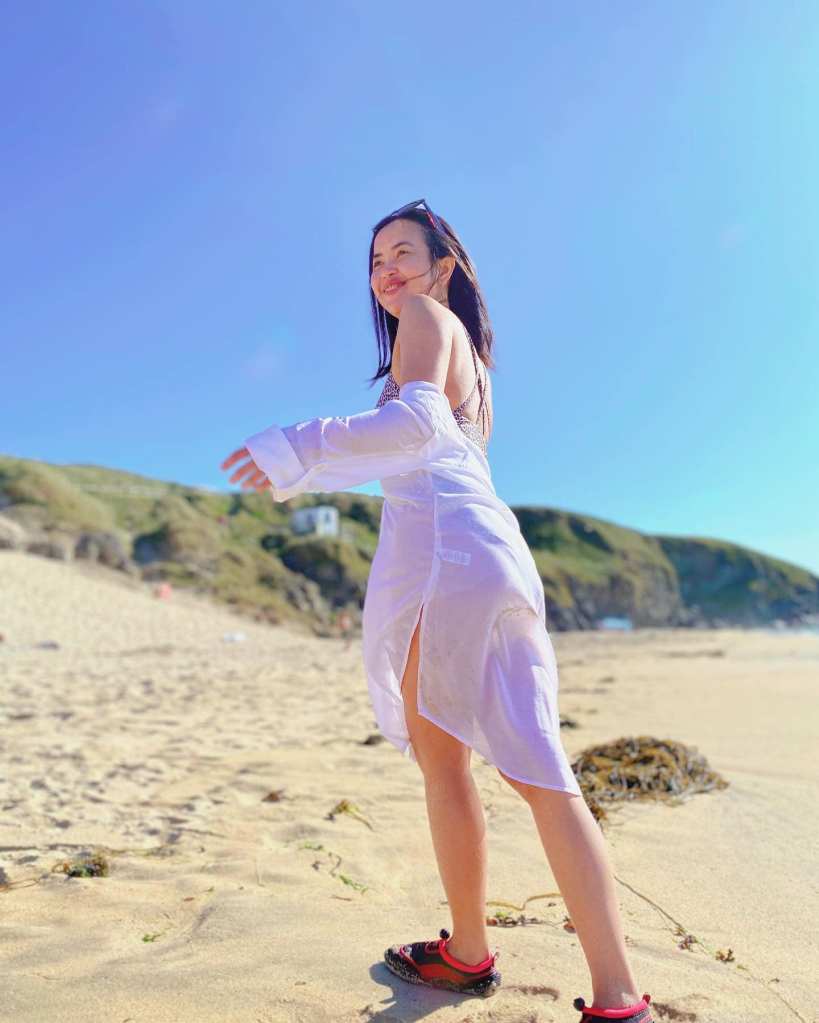
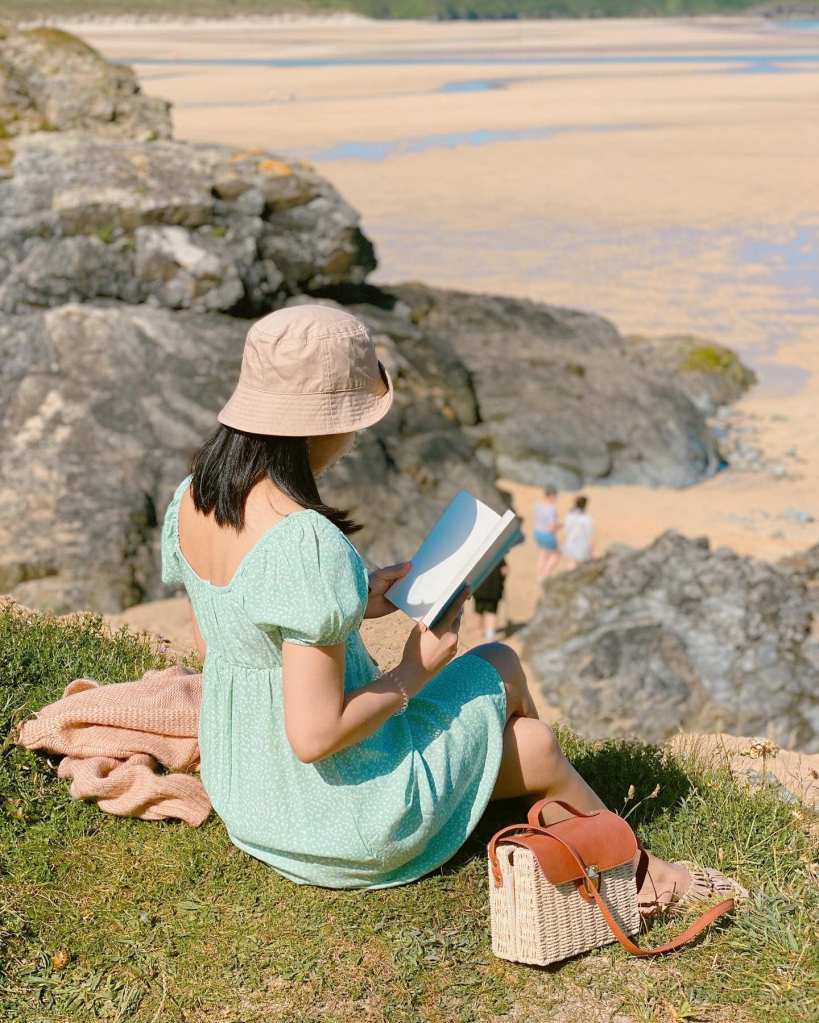
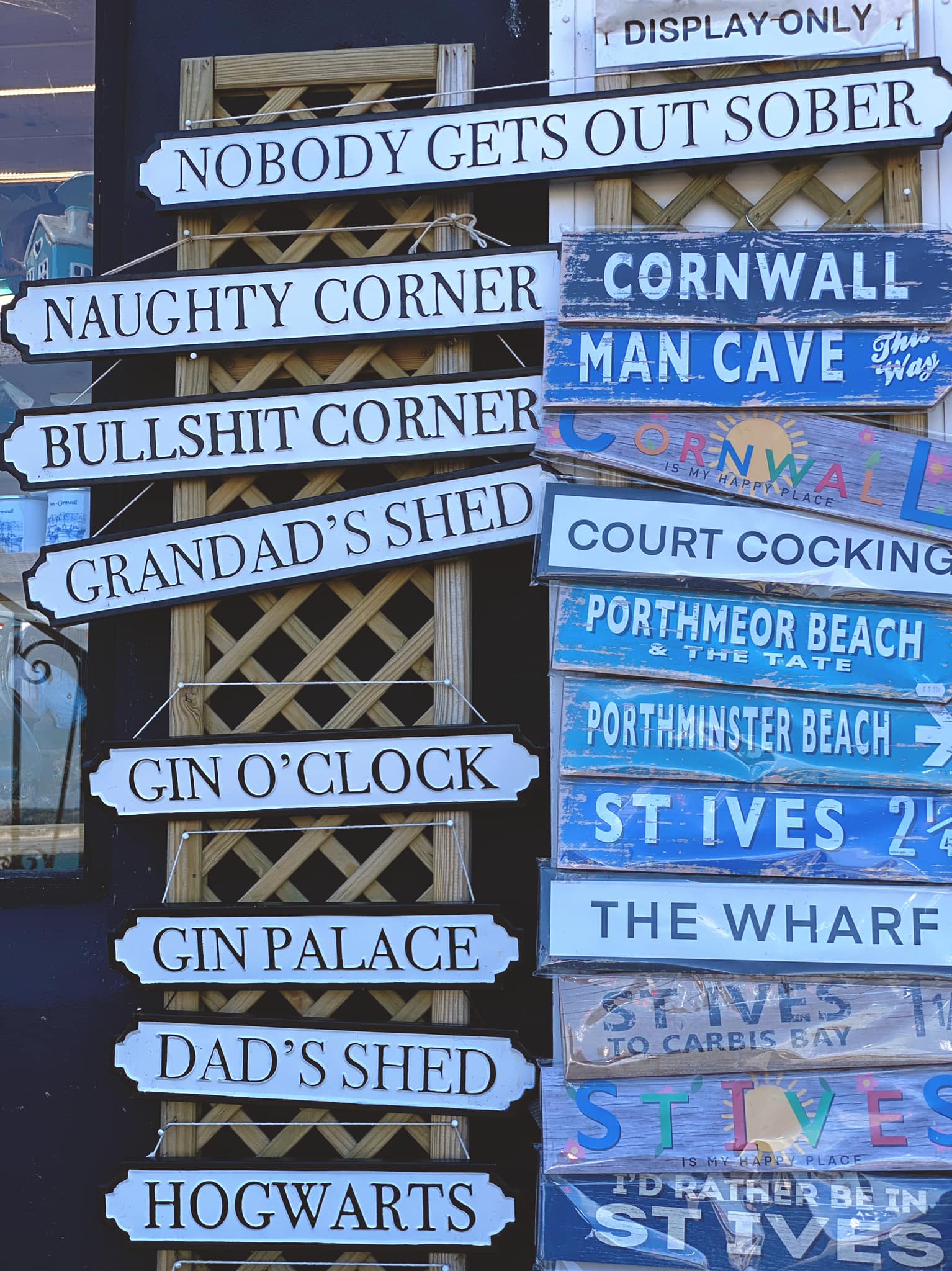
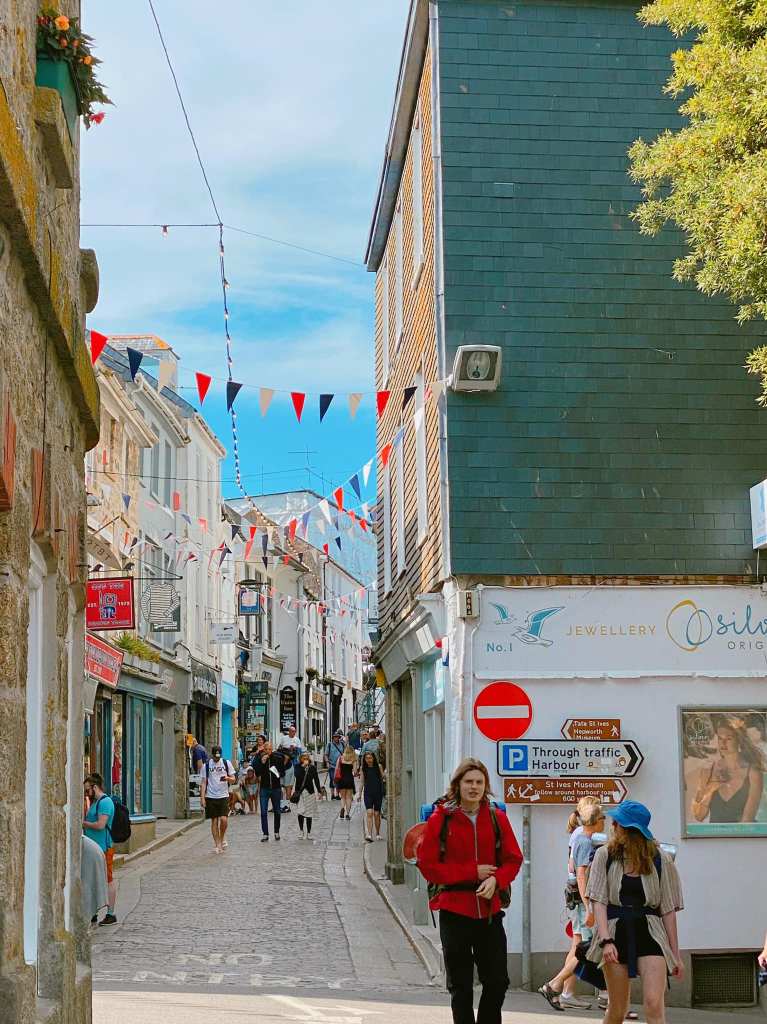
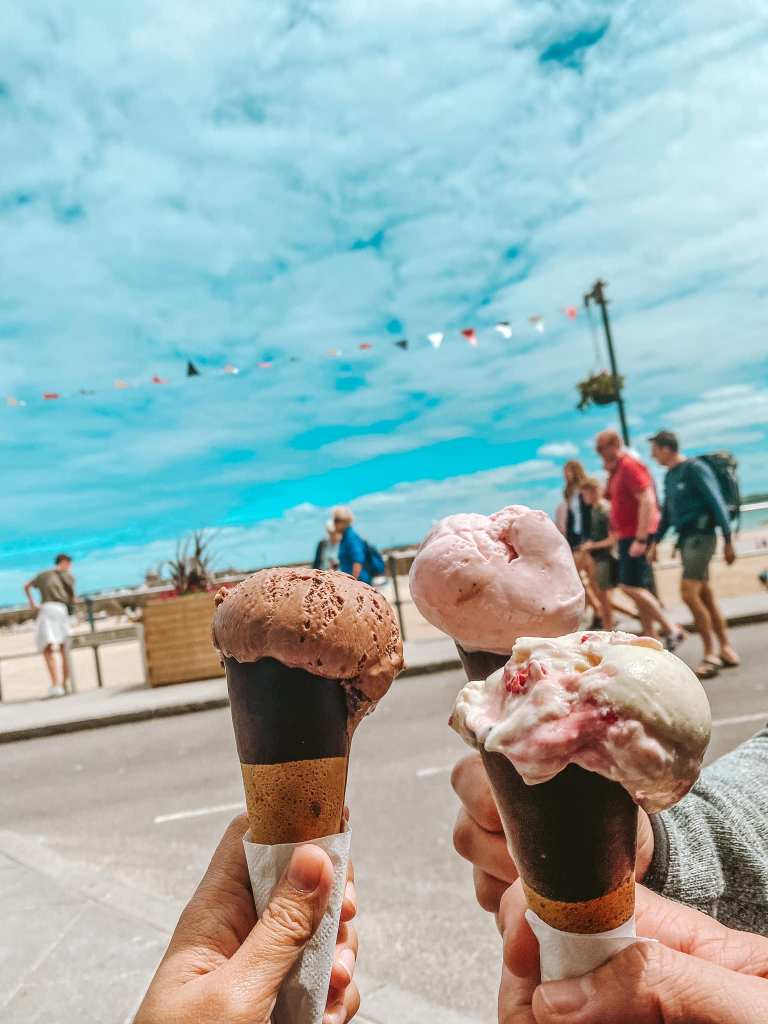
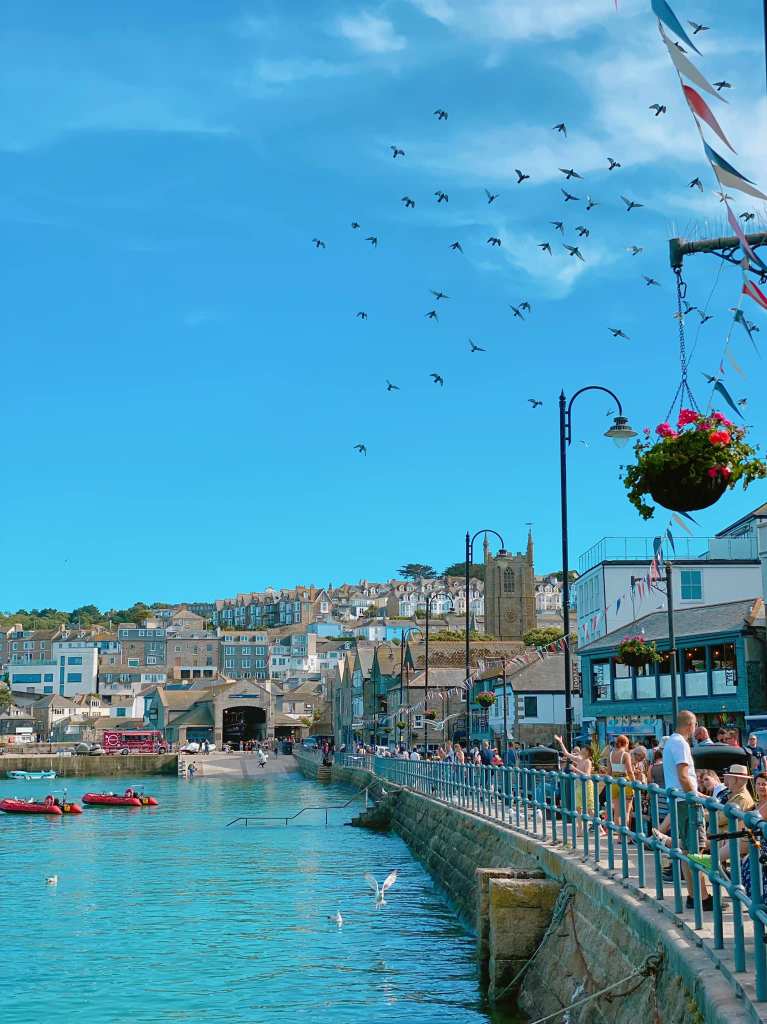
I remember the beaches particularly well. The water was cold in the way British coastal water seems almost personally committed to reminding you where you are, but we went near it anyway. I remember the texture of the sand, how it clung stubbornly to our feet long after we had left the shore, and the wind rearranging everyone’s hair faster than photographs could capture it properly. St Ives greeted us with its narrow streets, seaside character and those little corners that make you want to slow down simply because walking quickly would feel disrespectful to the place.
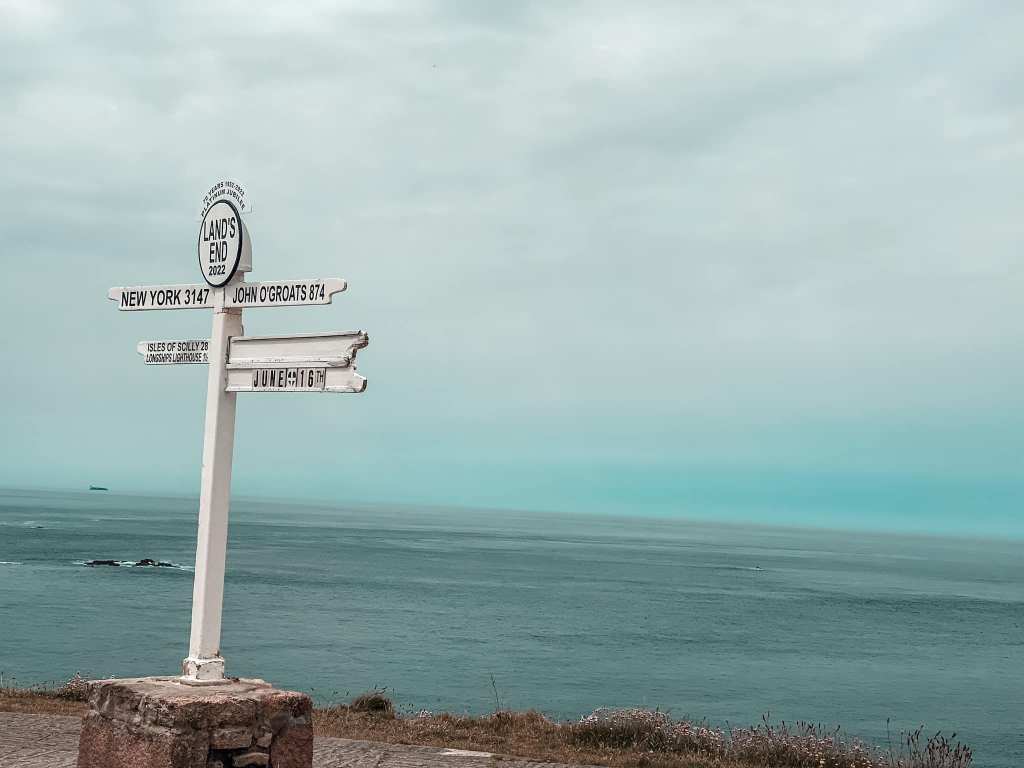
There were moments along the cliffs when the wind was strong enough to interrupt conversation. Perhaps that was useful. We stopped checking our phones as often. We looked outward instead. At the sea, the horizon and each other. For people whose everyday lives revolved around observations, decisions, responsibilities and constantly paying attention to what might happen next, there was something liberating about standing somewhere that required nothing from us except presence.
For the first time in what felt like a long while, I did not need to be professionally composed or particularly useful. I was not trying to solve anything. I was simply there, standing in the wind, breathing salt air and allowing myself to exist without turning the moment into another responsibility.
There are places that impress you with what they show you, and there are places that quietly return you to yourself. Cornwall became the latter for me.
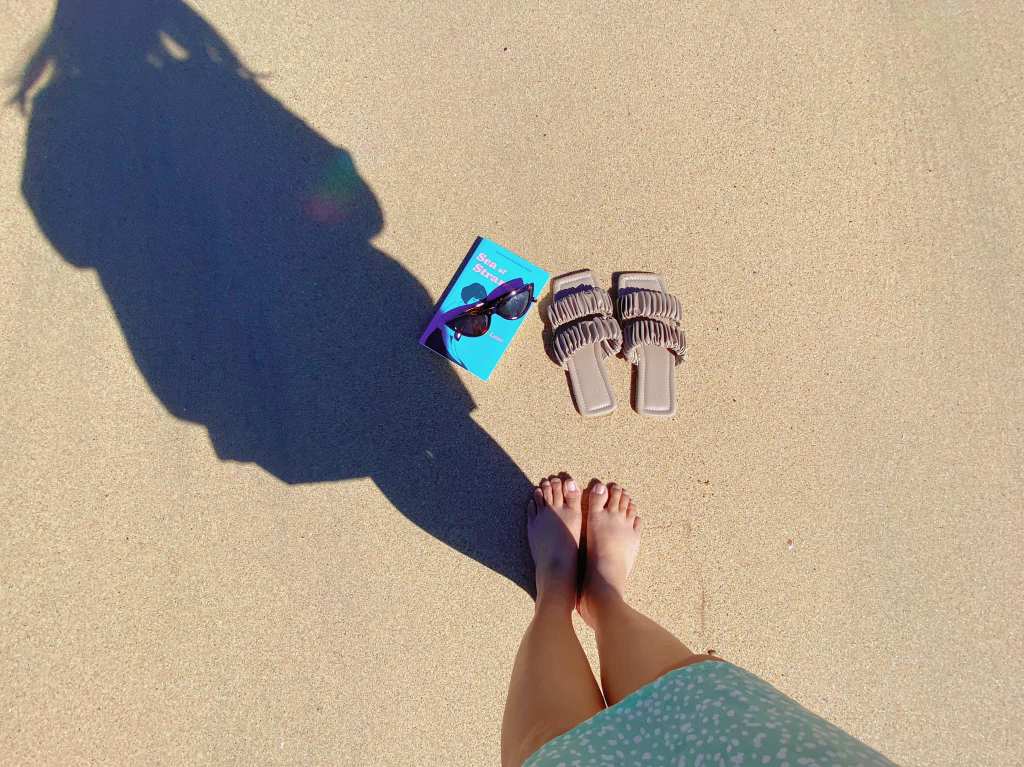

But when I look back at that trip now, I understand something I perhaps did not understand then. Memories are rarely only about places. Geography gives them a setting, but people give them their emotional shape. We remember who was sitting beside us, whose joke made everyone laugh, who appeared in the photograph, who cooked, who complained about the cold and who was part of the version of ourselves that existed there.
That is where this memory becomes more complicated.
When I look through those photographs now, I still see sunlight, wind-tangled hair, arms around shoulders and the unmistakable happiness of people temporarily released from ordinary responsibilities. But I also see someone who is no longer part of my life. Someone I once considered a friend, someone I trusted enough to welcome into my circle and someone whose presence became woven into many of the memories from that trip.
At the time, I could not have imagined looking at those photographs years later and knowing that we would no longer speak. Perhaps that is one of the strangest things about photographs. They preserve relationships without knowing whether those relationships will survive.
A camera captures only what exists in the second the shutter closes. It cannot photograph what will happen three months later, three years later or somewhere much further along the road. It does not know which friendships will deepen, which people will drift quietly away and which relationships will eventually require boundaries we never imagined needing when the picture was taken. Photographs are loyal to the moment, not to the future.
For a while, that can make old photographs complicated to look at. You see a person smiling beside you and remember that at the time, the smile was real. The friendship was real. The laughter was real. Yet you also know what came afterwards, and suddenly one photograph seems capable of holding two completely different truths.
I think we sometimes struggle with that because we want our memories to behave according to what we know now. When a relationship ends badly or a friendship reaches a point where distance becomes necessary, there can be a temptation to revisit everything that came before and question whether any of it was genuine. We look backwards with information our past selves did not have and wonder whether the entire relationship needs to be rewritten.
I no longer think it does. Something can have been real and still have ended. A person can have mattered once and no longer belong in your present. A friendship can contain genuine laughter and later become something you need to walk away from.
An ending does not automatically make everything that came before it a lie.
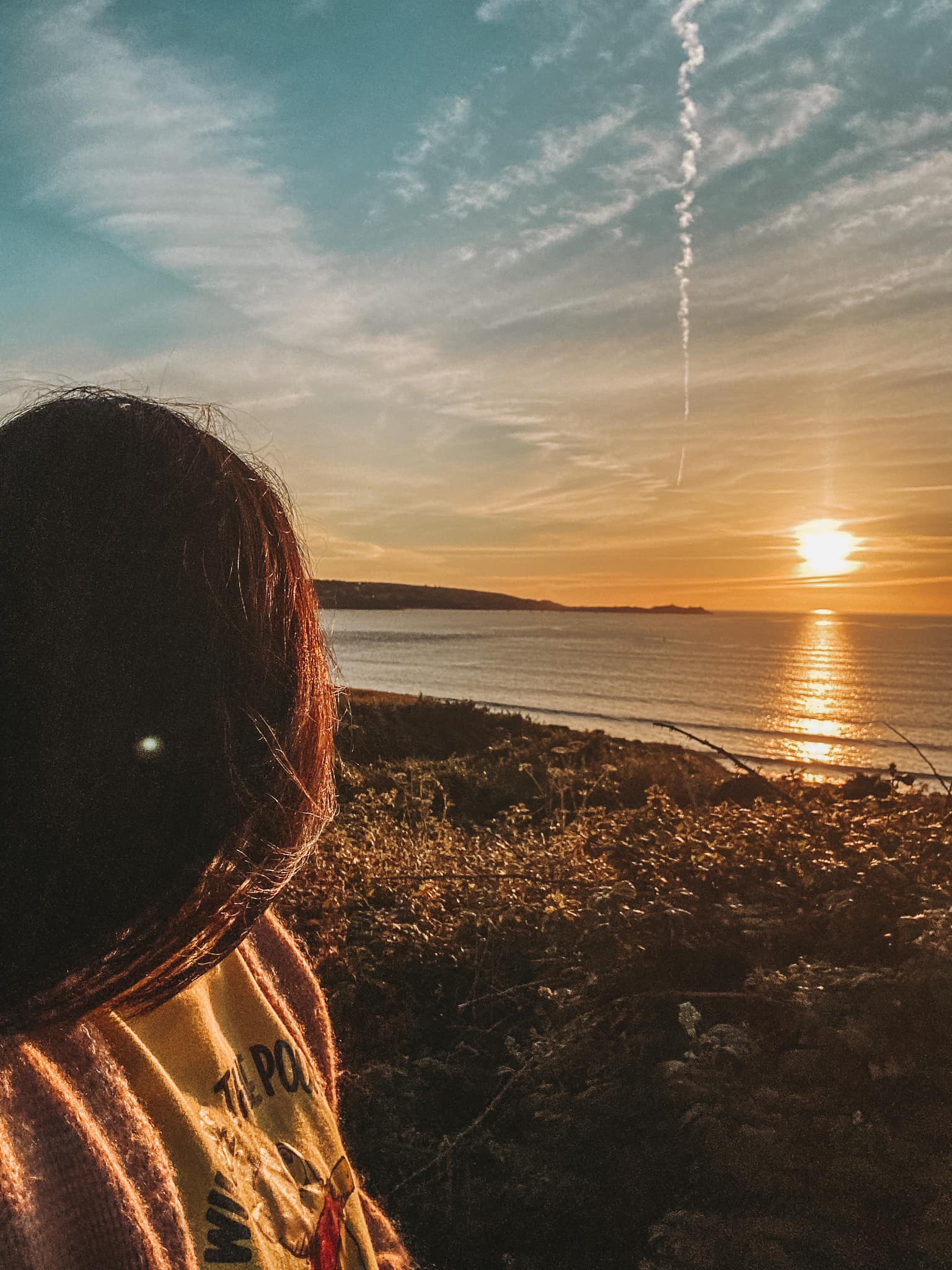
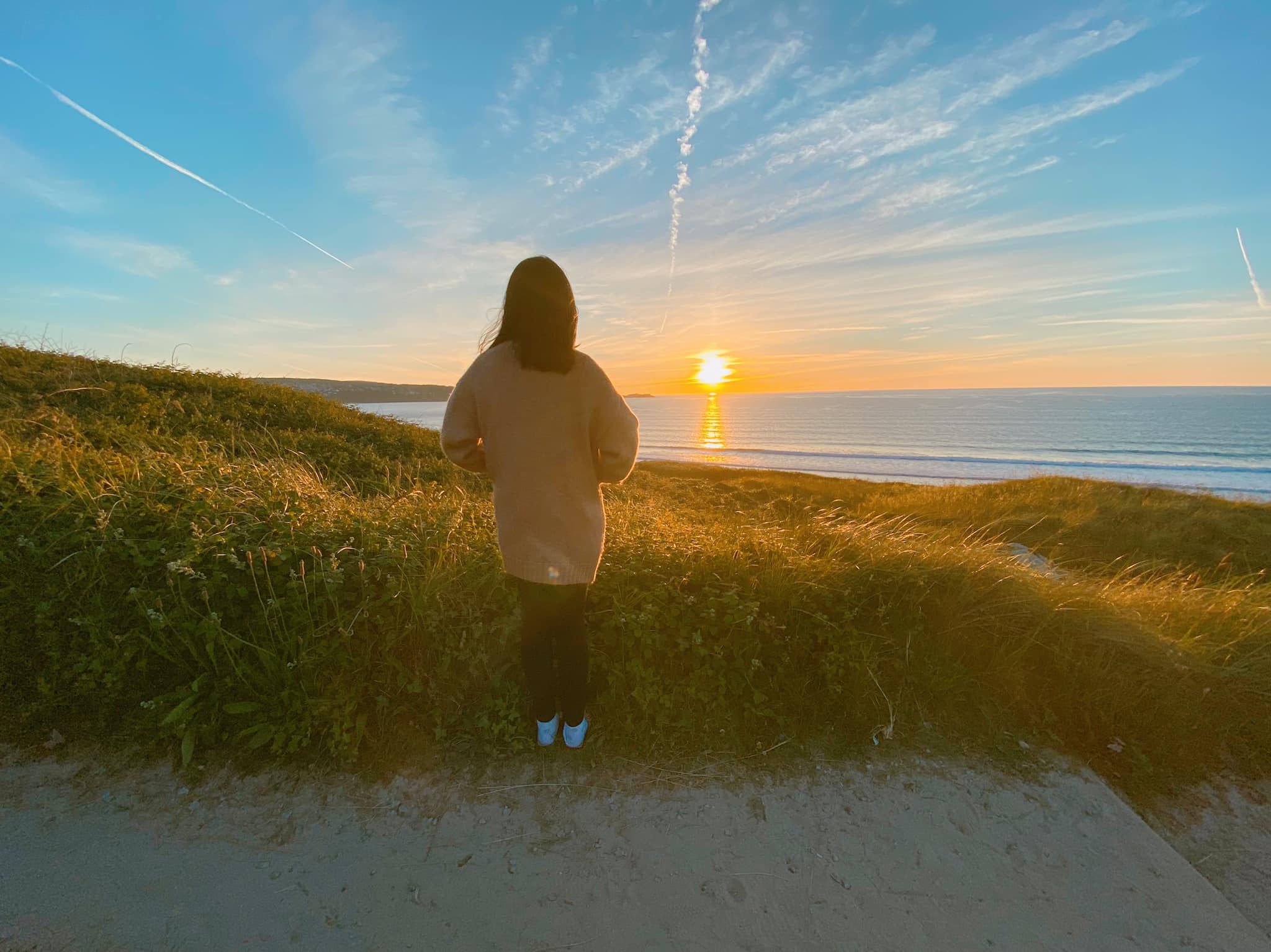
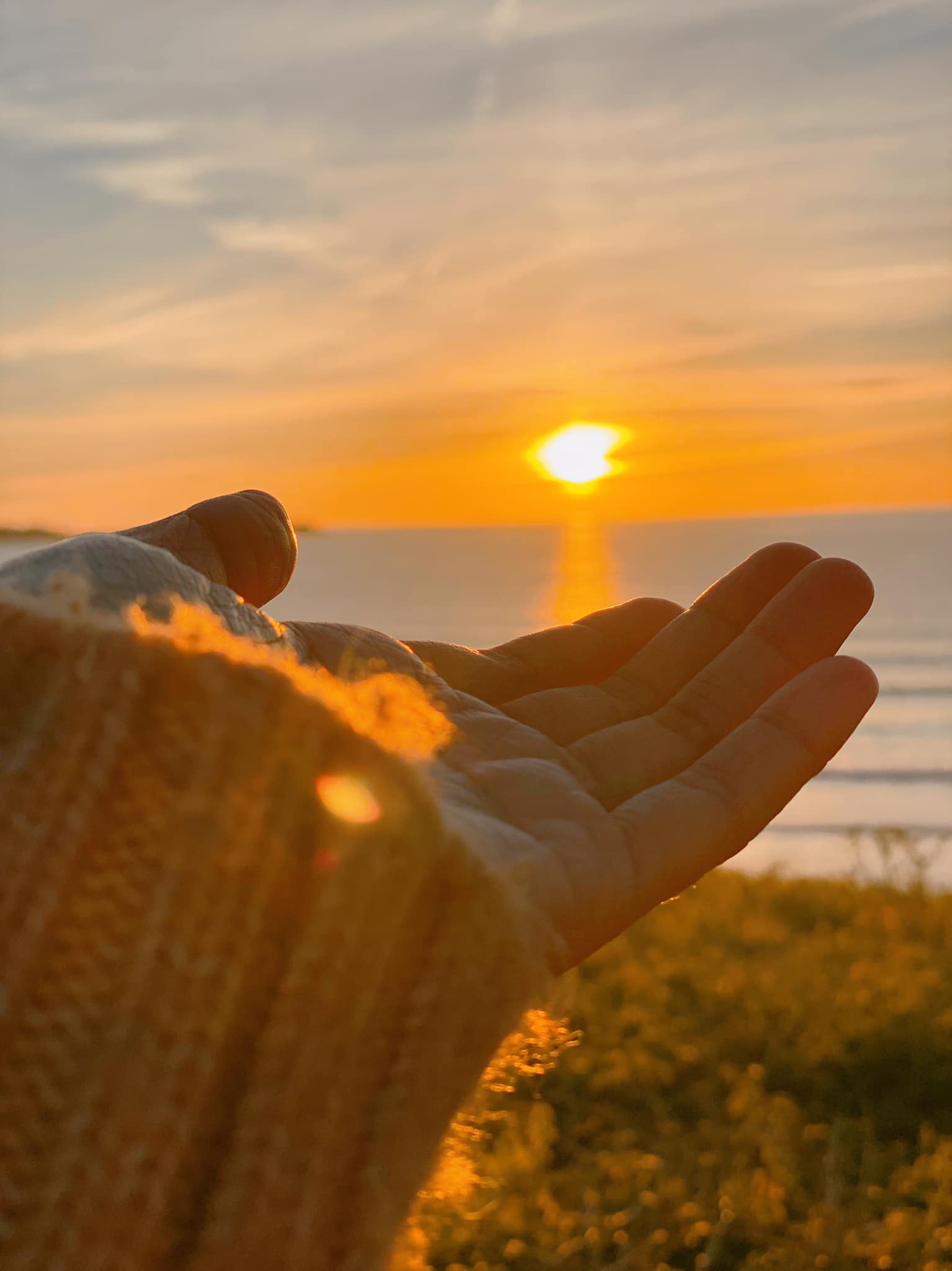
That realisation changed the way I looked at those Cornwall photographs. I did not need to remove someone from the memory in order to protect myself in the present. I did not need to pretend they had never mattered simply because the relationship eventually became something I could no longer carry. What happened afterwards did not travel backwards through time and erase the sea, the caravan, the conversations or the laughter.
I chose to end that connection when I realised protecting my peace required a boundary. Not every relationship is meant to survive every version of us, and sometimes maturity means accepting that history alone is not enough reason to continue giving somebody access to your present. There are doors we close because we are angry, but there are others we close because we have finally become clear about what we can and cannot continue allowing into our lives.
A boundary does not always mean hatred lives on the other side of the door. Sometimes it simply means peace lives on yours.
That distinction has become important to me. Walking away from someone does not require turning them into a villain. Sometimes people simply become incompatible with the person you are becoming. Sometimes trust changes. Sometimes circumstances reveal things we cannot unsee. Sometimes too much has happened, and continuing the relationship would require repeatedly abandoning our own peace just to preserve the appearance of connection.
We are allowed to recognise that without erasing every good thing that came before it. And that is why I can still share those photographs.
- The moment was beautiful.
- The sea really did shimmer.
- The wind really did tangle our hair.
- We really did laugh.
- I really was happy there.
Those facts do not become less true because one person in the photograph no longer has a place in my life. I refuse to surrender an entire beautiful memory simply because one relationship inside it eventually changed.
Perhaps this is something we learn only after living long enough to accumulate photographs containing people who became strangers. Childhood friends disappear into different lives. Colleagues move away. Relationships end. Friendships fracture. Some people drift gradually until one day you realise neither of you knows anything meaningful about the other’s life anymore. Others leave suddenly, and the absence takes much longer to understand.
Yet there they remain inside our photographs, permanently smiling beside versions of ourselves that no longer exist either. Maybe photographs are not promises. Maybe they are witnesses.
They do not promise that everyone in the frame will stay. They simply testify that, for one second in time, those people were there together. Whatever happened afterwards belongs to another chapter.
When I think about Cornwall now, I do not want the ending of one friendship to become the title of the entire trip. There was too much beauty there for that. There were other people whose presence mattered. There were moments of genuine rest, laughter and companionship. There was the version of me who needed that break far more than she realised when she packed her bag.
Looking back, I think something inside me was already changing during those days. At the time, I would not have called it transformation. I certainly was not standing dramatically on a Cornish cliff announcing that I was becoming a new person. Most personal changes are far less cinematic while they are happening. We usually recognise them only afterwards.
Maybe the shift began in the salt air. Maybe it happened during those barefoot walks or while we sat inside the caravan eating together, slightly less guarded than we were at work. Maybe it happened in the hours when nobody needed anything urgent from me and I finally had enough quiet to hear myself think.
Something was softening.
Something was releasing.
Perhaps some version of me was already learning that not everything needed to be carried forever.
We rarely recognise ourselves changing while it is happening. Sometimes becoming looks exactly like an ordinary day until years later, when we realise we never returned as quite the same person.
That is one of the things I love about travel. Of course, it gives us places. It gives us landscapes, photographs, food, stories and little pieces of geography we can later point to and say, I was there. But perhaps travel also gives us mirrors.
We discover who we are when routine is temporarily removed. We notice what we miss and what we surprisingly do not miss at all. We understand which people make us feel lighter, which parts of ourselves appear when we finally have room to breathe and which things we have been carrying simply because we became accustomed to their weight.
Sometimes we leave home expecting to discover another place and end up discovering something about ourselves instead.
Cornwall gave me that without announcing it.
It gave me a few days when I could step outside the constant movement of ordinary life and simply notice where I was. Years later, the meaning of that trip has changed because I have changed too. Memory does that. We revisit the same experience carrying a different version of ourselves, and suddenly we notice things that were invisible the first time.
- I can now look at those photographs without needing everyone inside them to remain part of my life.
- I can be grateful for the people who were there and still accept the distance that came afterwards.
- I can honour a friendship for what it once was without reopening a door I deliberately closed.
Gratitude for the past does not require access in the present.
Perhaps that is one of the gentler forms of letting go. We do not have to burn every bridge emotionally just because we no longer intend to cross it. We do not need to turn every former friend into an enemy or every ended relationship into a mistake. Sometimes people were simply meant to accompany us through a particular stretch of road.
They were there. They mattered. Then the road divided. There can be sadness in that without bitterness. So to the people who shared Cornwall with me, I remain grateful. Thank you for the laughter, the meals, the conversations, the photographs and the days when we temporarily stepped outside our exhausting routines and remembered there was a world beyond work. Thank you for being part of a memory that still feels warm when I return to it.
And to the person who is no longer walking beside me, I do not need to rewrite the entire chapter simply because we eventually stopped writing it together. There was a time when the friendship mattered, and I can acknowledge that while remaining certain about why it belongs in the past. I can wish someone peace from a distance without needing distance to disappear.
Maybe that is what peace actually looks like sometimes. Not reconciliation. Not forgetting. Not pretending nothing happened. Just the absence of a need to keep fighting a story that has already ended.
When I look at the photographs now, I feel less sadness than I once did. Mostly, I notice how young the memory feels, how much life has happened since June 2022 and how many versions of myself have existed between that caravan and the person writing these words now. The photographs have not changed, but I have, and perhaps that is why I can finally allow them to be exactly what they are.
- Evidence of a good trip.
- Evidence of people who once shared the same road.
- Evidence of laughter that was real while it lasted.
- Evidence that not everything beautiful needs to last forever in order to have been worth experiencing.
I think that is what I would tell anyone who keeps old photographs with complicated feelings attached to them. You do not have to delete every memory simply because someone in it eventually became a stranger. You do not have to deny that you loved people whom you later had to leave behind. You are allowed to remember the day fondly while remaining grateful that your life moved in a different direction afterwards.
Letting go of a person does not require letting go of every beautiful moment that happened while they were there.
Perhaps that is the gift Cornwall still gives me when I return to those photographs. It reminds me that memory does not need to choose between gratitude and goodbye. Both can exist in the same frame. I can look at the sea and remember how peaceful it felt. I can remember the caravan, the meals, the tired laughter and the friendship as it existed then without wishing to return to any version of life that no longer fits who I am now.
Some people remain for decades. Others walk beside us only long enough to become part of a few photographs and a handful of stories. We rarely know which is which while we are standing beside them. Perhaps we are not supposed to. Maybe our task is simply to be present while the moment is ours, to appreciate people while they are part of the journey and to have enough courage to release them when the road eventually asks us to walk in different directions.
And when that happens, perhaps we do not have to destroy the memory in order to honour the boundary. We can let the photograph stay. We can let the sea remain blue, the laughter remain genuine and the younger versions of ourselves continue smiling from a moment that belonged entirely to them.
Some memories deserve to remain beautiful even when the people inside them were never meant to remain forever, because letting go does not mean denying what once was; sometimes it simply means being grateful for the road you shared while having enough peace to continue walking when it finally became two.
More photos from my Cornwall Trip
–Anj ❤
















 superanjventures
Leave a comment