There are places that announce themselves before you have even arrived. Their landmarks are printed on postcards, their attractions appear repeatedly on travel lists, and you visit already carrying expectations about what you are supposed to see and how impressed you are supposed to feel. Then there are places that enter your life much more quietly. They do not compete for your attention or demand that you admire them. They simply allow you to arrive, wander and discover them in your own time. Strangely, those can become the places you remember most.
Coventry was one of those places for us.
We did not go there because of a grand occasion. There was no event waiting, no carefully constructed itinerary and no long list of attractions we needed to tick off before going home. We simply decided to go, and perhaps that lack of expectation became one of the best parts of the day. There is a certain freedom in visiting somewhere without asking it to become extraordinary. You stop looking for the photograph everyone else has taken and begin noticing whatever happens to be in front of you.
Maybe we needed that more than we realised. Daily life has a way of becoming noisy even when nothing particularly dramatic is happening. There are schedules to follow, responsibilities to remember, messages waiting for replies and an endless collection of small things asking for pieces of our attention. Sometimes we become so accustomed to functioning inside that noise that we forget what it feels like to have nowhere urgent to be. Coventry gave us a few hours of that freedom.
Some places become memorable not because they give us more to do, but because they quietly give us permission to stop doing for a while.

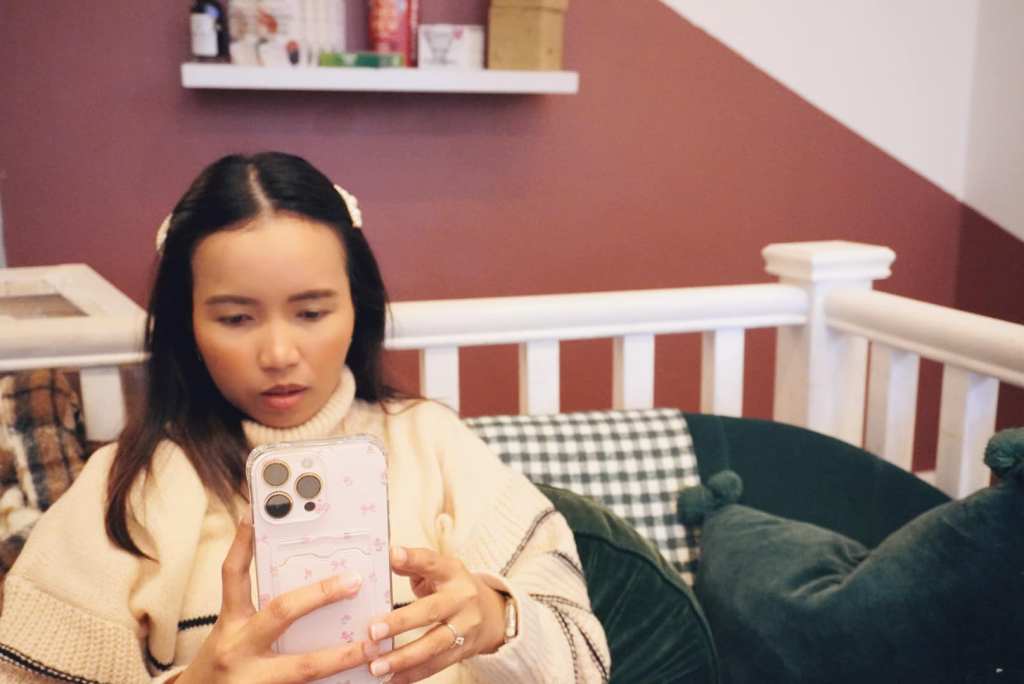

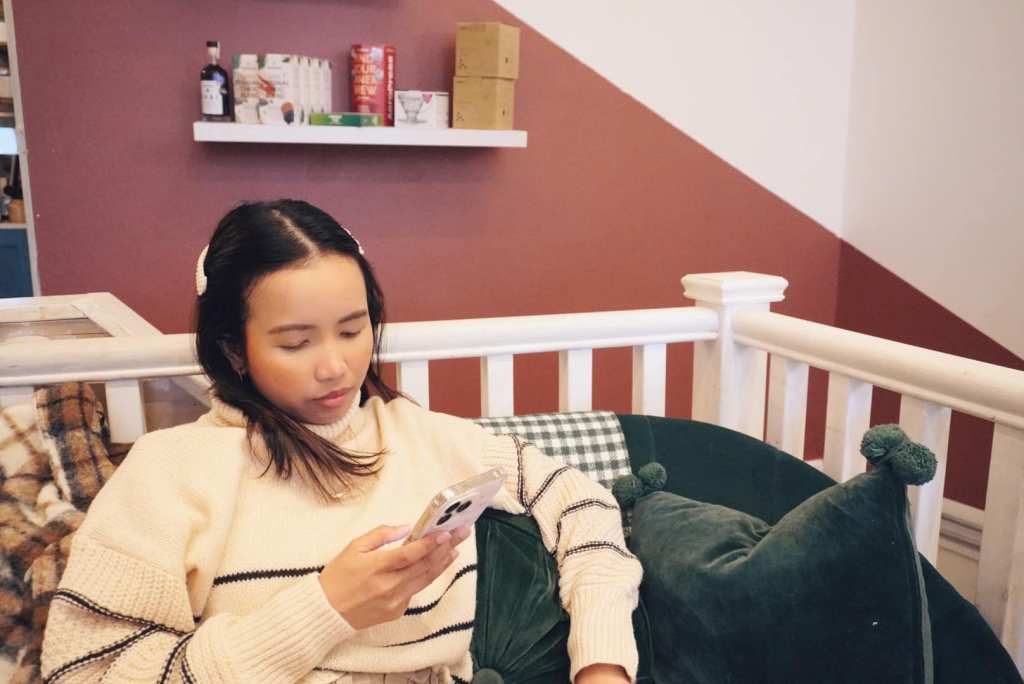
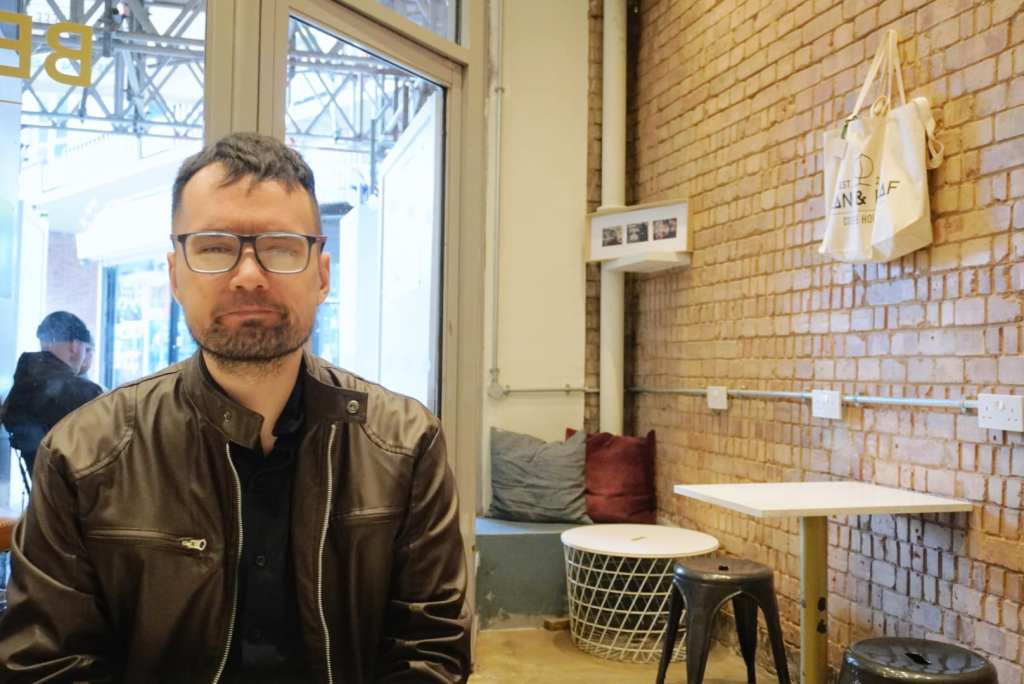
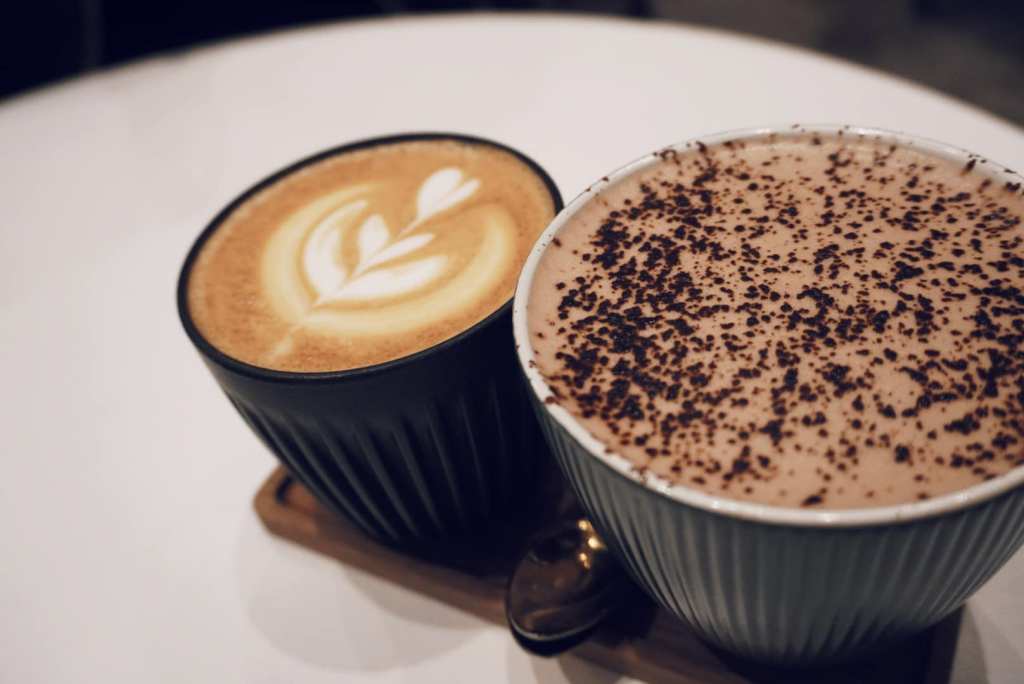
Our day began where many good days seem to begin: inside a café. There was something immediately grounding about stepping into the warmth, ordering our drinks and sitting down without needing to rush towards the next thing. I remember the glow from the hanging lights, the wooden walls making the room feel almost cocooned and the low hum of conversations happening around us. Cups touched saucers, people moved in and out, and somewhere within that ordinary café rhythm, the morning began to feel slower.
One cappuccino, one mocha and two people allowing the day to take its time. Coffee has always had a peculiar ability to become more than coffee when the circumstances are right. Sometimes it is simply caffeine before work, consumed while thinking about everything that needs doing. But on days like this, when there is nowhere urgent to go, a cup becomes an excuse to remain seated a little longer. You notice the warmth against your hands. You talk without constantly checking the time. You allow conversation to wander into subjects that have no practical purpose whatsoever.
☕ That first sip of coffee felt like an exhale I didn’t know I was holding.
We let the morning stretch rather than trying to make it productive. There is something almost rebellious about that in adulthood. We spend so much of our lives measuring time by usefulness that doing something simply because it feels pleasant can seem strangely indulgent. Yet some of the days I remember most fondly are the ones where very little was accomplished according to any conventional definition of productivity.
Eventually, we walked.
Processed with VSCO with f2 preset 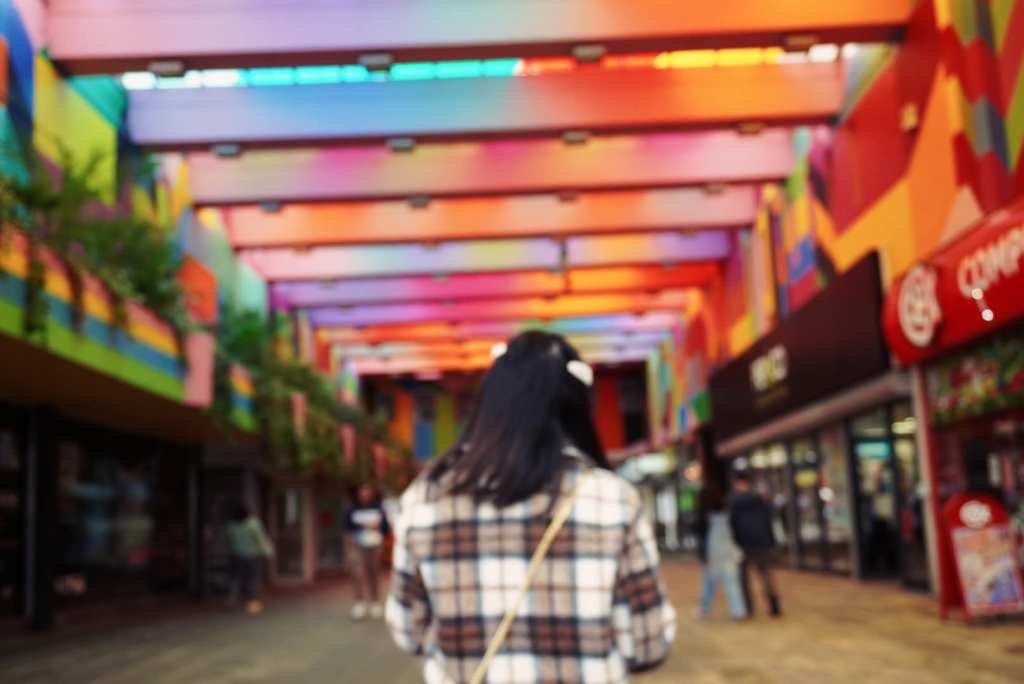
Processed with VSCO with nc preset 
Processed with VSCO with kp3 preset 
Processed with VSCO with f2 preset 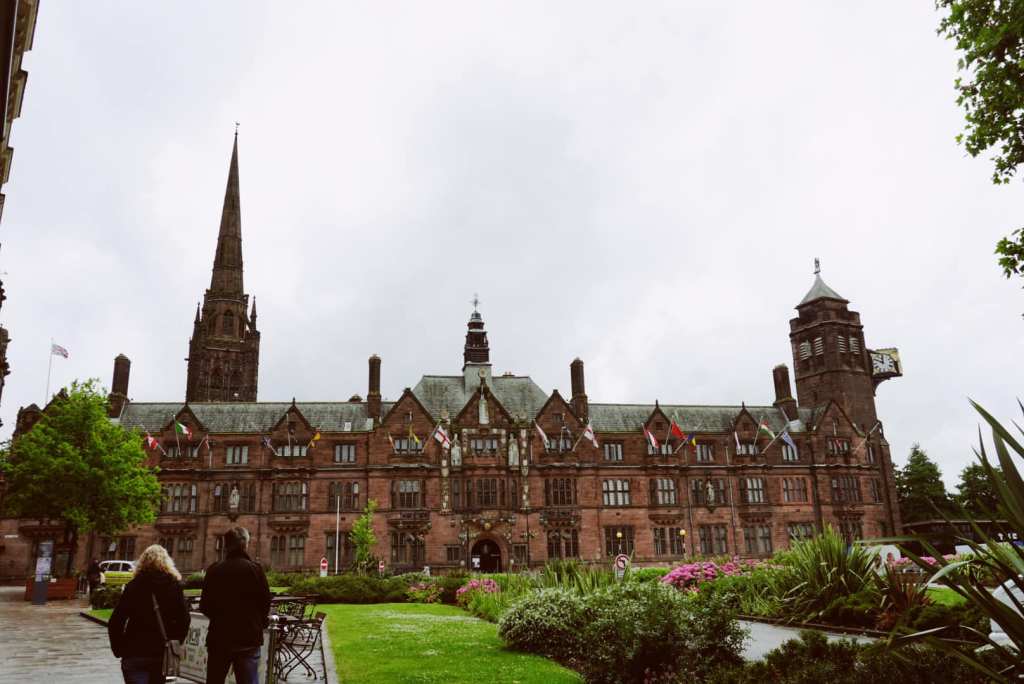
Processed with VSCO with fp2 preset 
Processed with VSCO with 6 preset 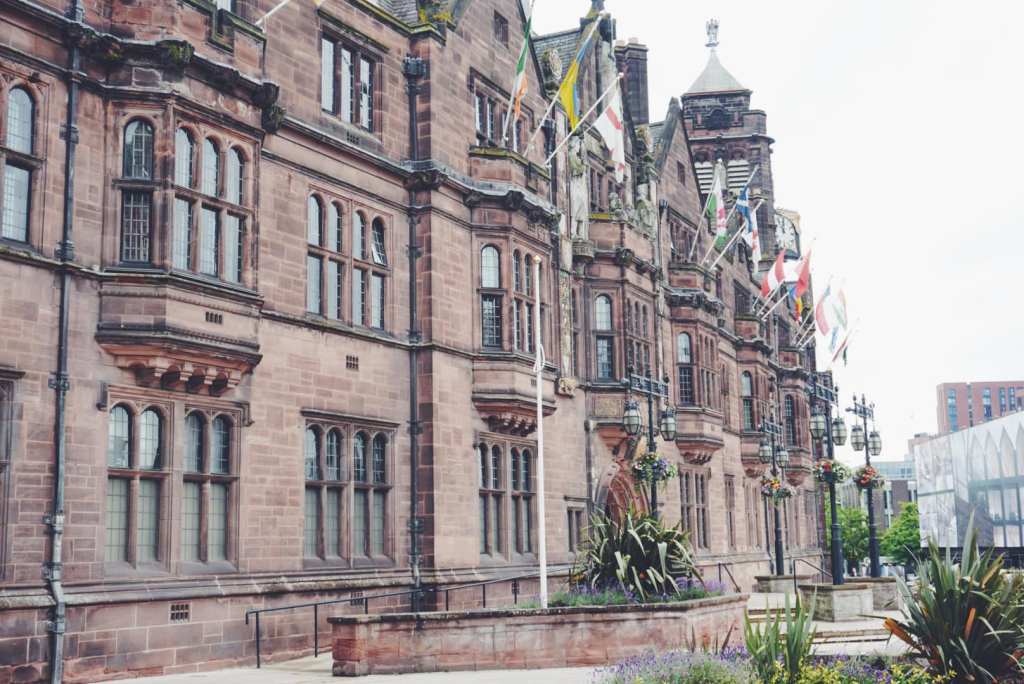
Processed with VSCO with f2 preset 
Processed with VSCO with n1 preset 
Processed with VSCO with al1 preset 
Processed with VSCO with q1 preset 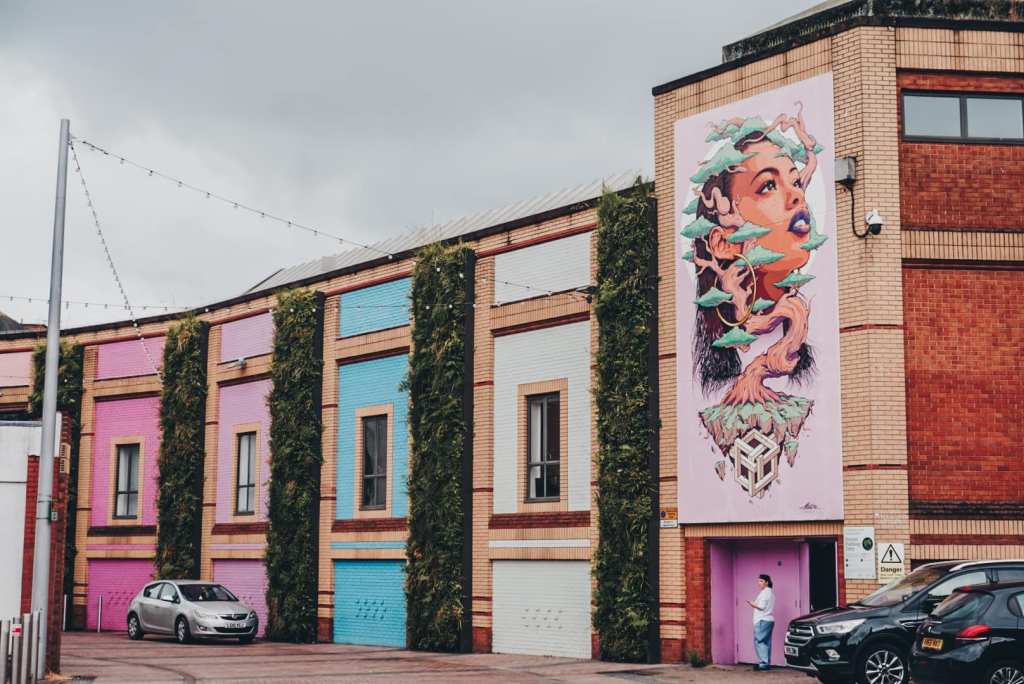

Processed with VSCO with e3 preset 
Processed with VSCO with e3 preset
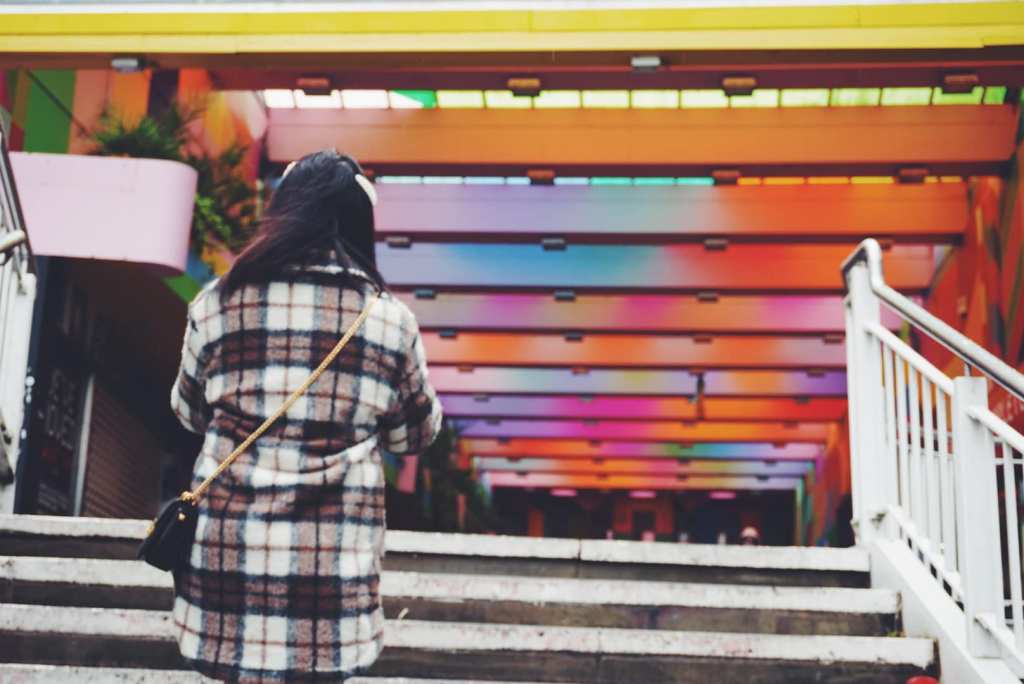
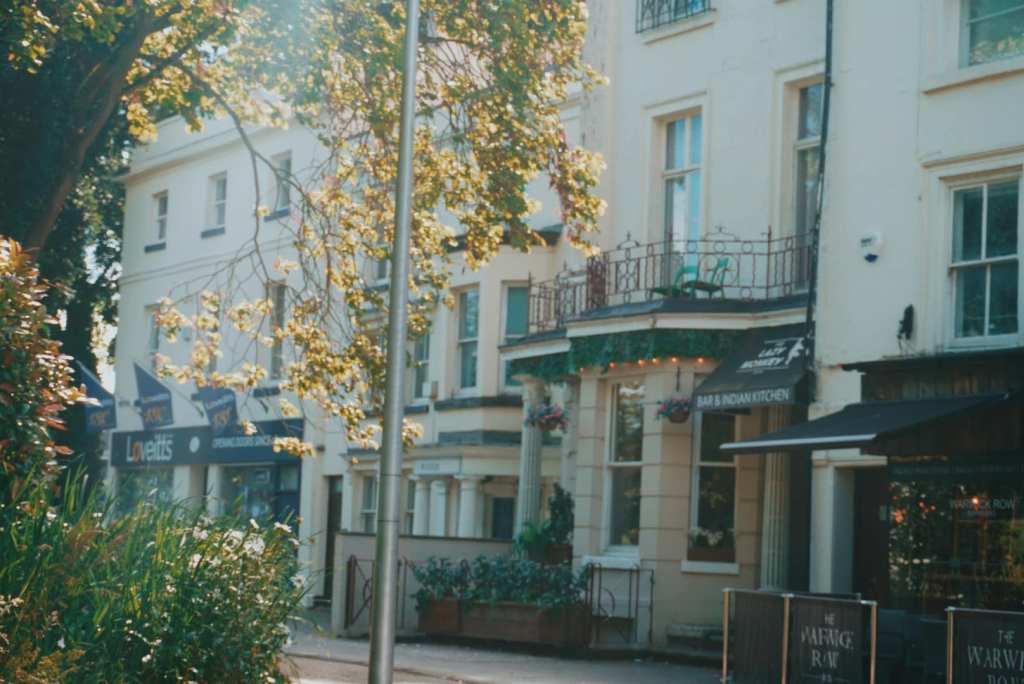
Coventry revealed itself gradually rather than all at once. Its streets felt like a patchwork of history and renewal, old brick standing beside newer architecture, buildings carrying visible traces of previous lives while murals and modern spaces suggested that the city had no intention of remaining frozen in its past. There were pastel-coloured buildings that caught my attention and crooked walls that seemed to lean towards the street as though they had witnessed enough stories to deserve their own voices.
I liked that Coventry felt lived-in.
It was not polished into perfection, and perhaps that made it easier to connect with. Some cities seem almost curated for visitors, every corner offering another attraction or recognisable view. Coventry felt different. People were simply going about their lives. Shops opened, buses passed, conversations happened on pavements and history sat quietly among all of it.
There is something beautiful about places that do not hide the evidence that they have lived.
That thought became much stronger when we reached the cathedral ruins.
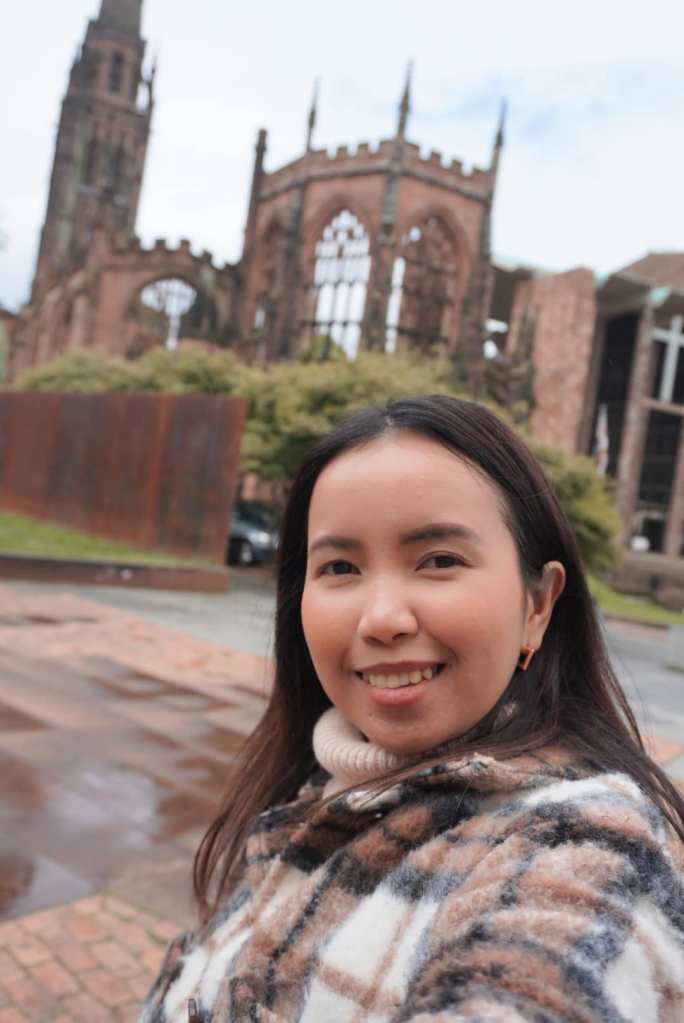
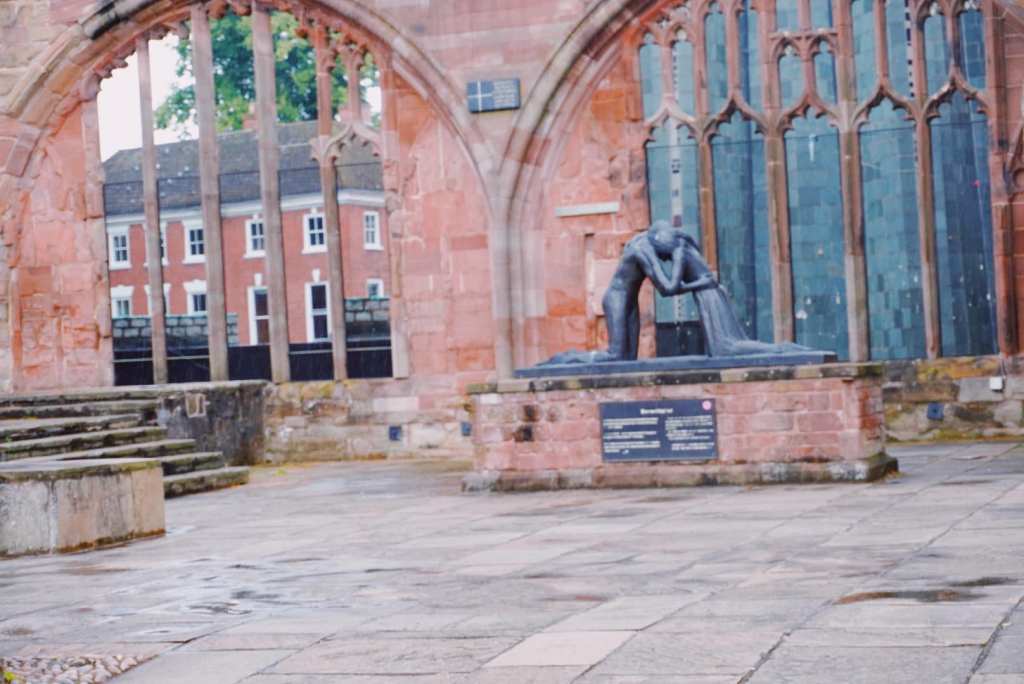
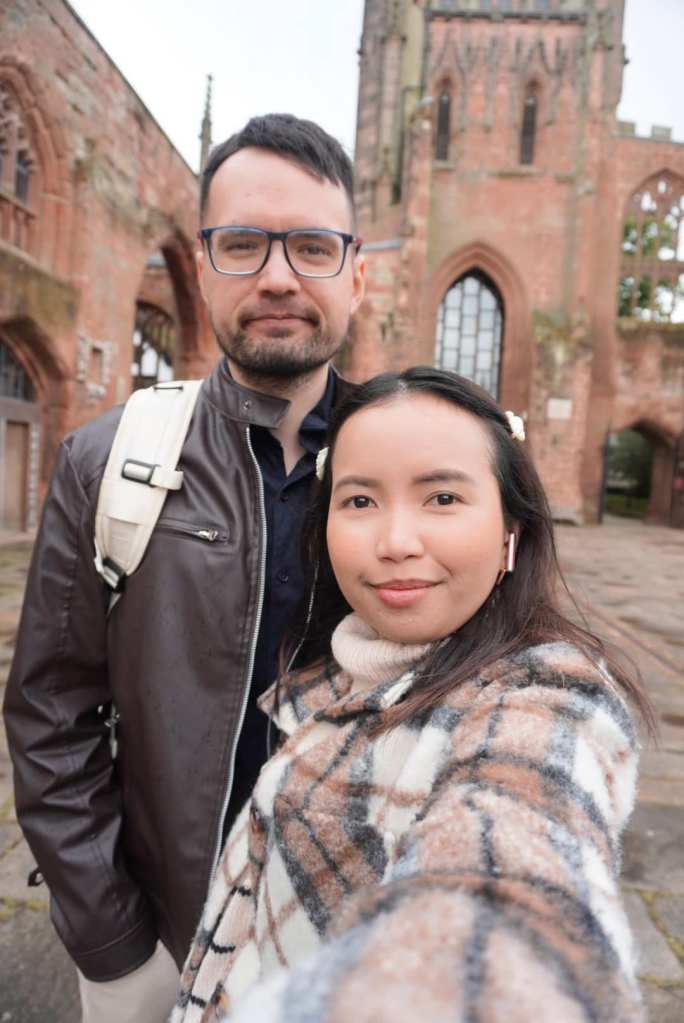
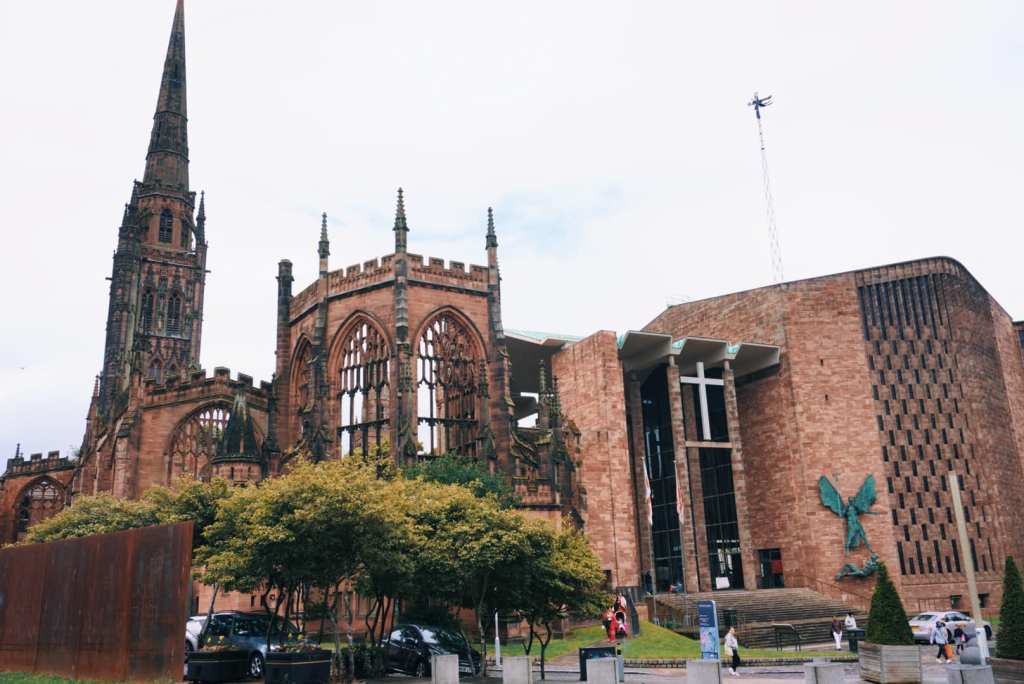


Some places make you lower your voice without anyone asking. The ruins of Coventry Cathedral had that effect on me. Standing among those walls, open to the sky, felt completely different from looking at photographs or reading history from a distance. There was something solemn about seeing what remained and knowing why it remained that way.
The old cathedral was devastated during the Coventry Blitz in November 1940. Much of the building was destroyed, but its surviving walls and tower were preserved rather than removed, standing beside the modern cathedral that would eventually rise next to them. I found that decision deeply moving. The ruins were not hidden as an embarrassment or cleared away so the city could pretend the destruction had never happened. They became part of Coventry’s identity.
- The walls still stand.
- The sky now occupies the space where a roof once existed.
- Sunlight enters through openings created by destruction.
And somehow, none of that makes the place feel defeated.
There are ruins that speak more powerfully than perfectly restored buildings because they do not ask us to imagine what happened; they allow us to stand inside what survived.
I remember touching the cold stone and thinking about the people who had once stood there when the building was whole. There would have been ordinary services, prayers, weddings, funerals and people entering with concerns that had nothing to do with becoming part of history. Then war arrived and changed the meaning of the place forever. Yet destruction did not receive the final word. There is something deeply human about that.
We often talk about resilience as though it means returning to exactly who we were before something happened. We praise people for “bouncing back”, as though recovery requires restoring every broken piece to its original position. But the cathedral ruins suggest another possibility. Perhaps resilience does not always mean rebuilding ourselves into the exact shape we occupied before the damage. Sometimes what happened becomes part of the architecture.
Beauty does not always come from remaining unbroken; sometimes it comes from discovering what can still stand after the breaking.
That does not mean we should romanticise suffering. Destruction is still destruction, and pain does not become beautiful simply because somebody survives it. But there is something powerful about refusing to allow what was lost to erase everything that remains. The cathedral does not deny its wounds. It incorporates them into its story.
Standing there, I thought about how often we try to hide our own ruins. We want to present the restored version of ourselves, the one where everything makes sense and every difficult chapter has already been converted into wisdom. We are less comfortable with unfinished healing, visible scars or the parts of ourselves that never returned to exactly what they were. Maybe we do not always need to return. Maybe sometimes we build beside what happened.
Healing does not always mean removing the evidence that something hurt us; sometimes it means learning how to create a life around the places that changed us.
There was another part of Coventry Cathedral’s story that stayed with me even after we left: its association with reconciliation. After such profound destruction, the cathedral became known not simply as a monument to what war had done, but as a place connected with forgiveness and peace. There is something extraordinary about that choice. It would have been understandable for ruins created by violence to become symbols only of anger. Instead, Coventry found a way to remember without allowing remembrance to become entirely consumed by hatred.
Perhaps that is one of the hardest things human beings are ever asked to do: remember without becoming imprisoned by what we remember.
I carried that thought with me as we continued walking.

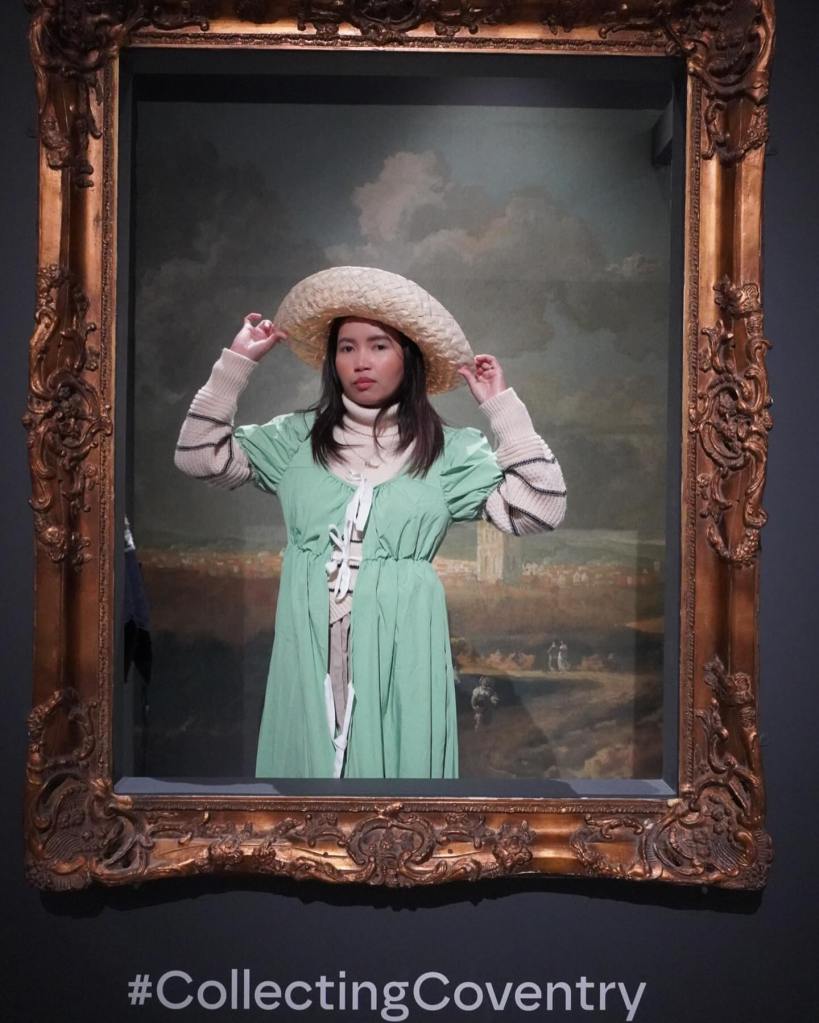
Later, we wandered into the Herbert Art Gallery & Museum, letting curiosity rather than a strict plan determine how quickly we moved through the rooms. Museums have always had an unusual relationship with time. You can step from one century into another simply by crossing a doorway. Objects that once belonged to somebody’s ordinary life become exhibits behind glass, and suddenly a piece of pottery, clothing or machinery becomes evidence that somebody existed.
There were artworks, artefacts, sculptures and interactive displays, and we moved between seriousness and silliness with very little warning. One minute we were quietly considering something historical; the next we were taking ridiculous photographs and laughing like children who had temporarily forgotten they were adults.
I think that is one of my favourite things about visiting museums with someone you love. You get to be curious together. There is no examination afterwards and no requirement to understand every object perfectly. You can simply look, wonder, disagree about what something means, laugh at something unexpected and move into another room.
Museums remind us how enormous the human story is, and somehow that can make the small story we are living beside one another feel even more precious.
Somewhere between the paintings, artefacts and fragments of other people’s histories, I became conscious of my partner’s hand in mine. Nothing had happened to make me reach for it. There was no dramatic moment and no particular reason to hold tighter. But perhaps being surrounded by evidence of how much has existed before us creates a certain awareness of time.
- Entire generations have lived and disappeared.
- People fell in love.
- They made things.
- They travelled.
- They worried.
- They built cities.
- They lost people.
- They left objects behind.
And now here we were, two ordinary people walking through a museum together, temporarily occupying our own tiny place in that enormous timeline.
Sometimes being reminded how vast the world is makes you hold your own little universe a little closer.

Processed with VSCO with al3pro preset 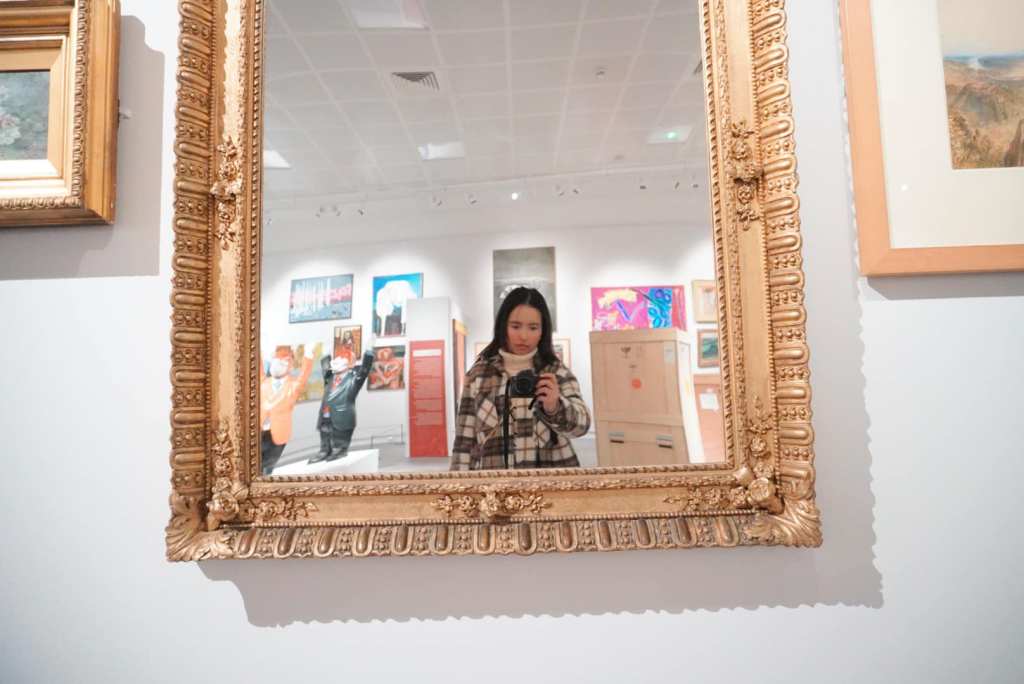
Processed with VSCO with al3pro preset 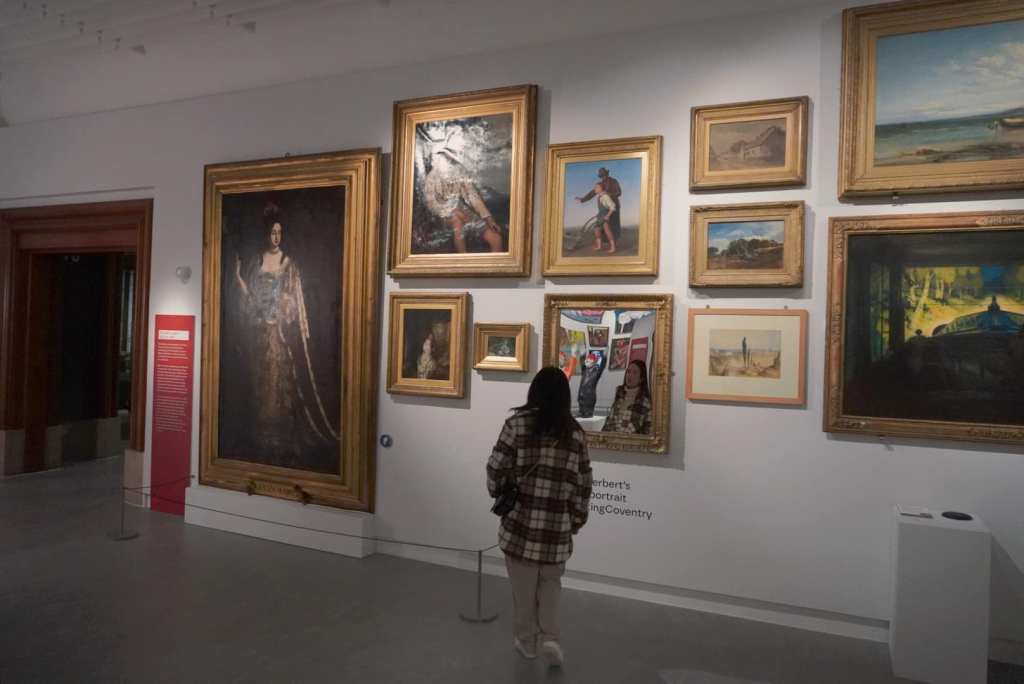
Processed with VSCO with v3pro preset 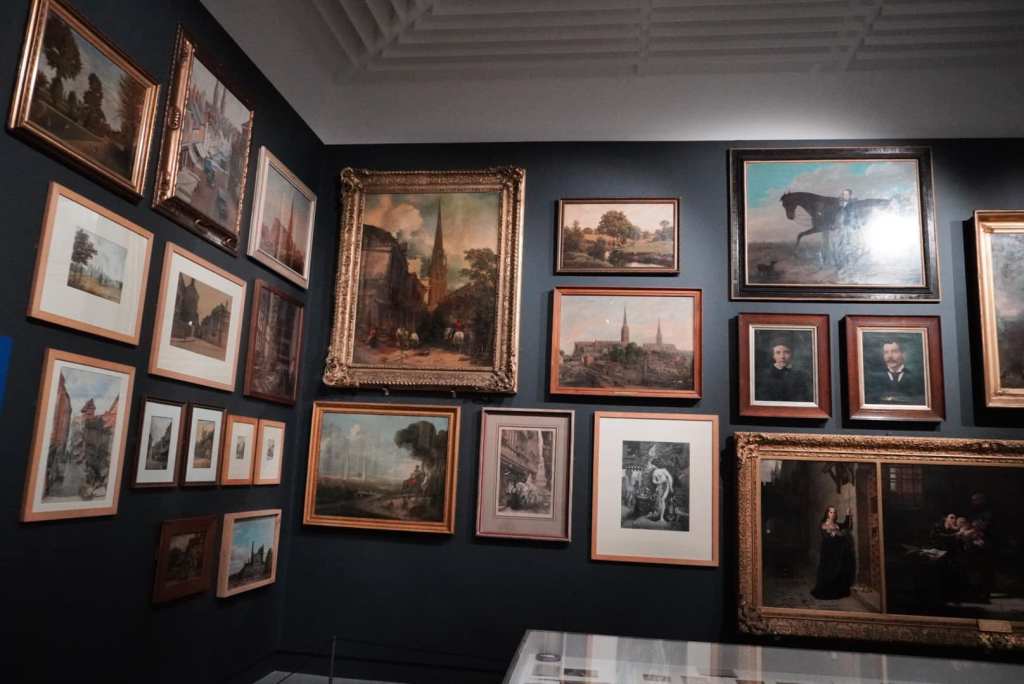
Processed with VSCO with al3pro preset 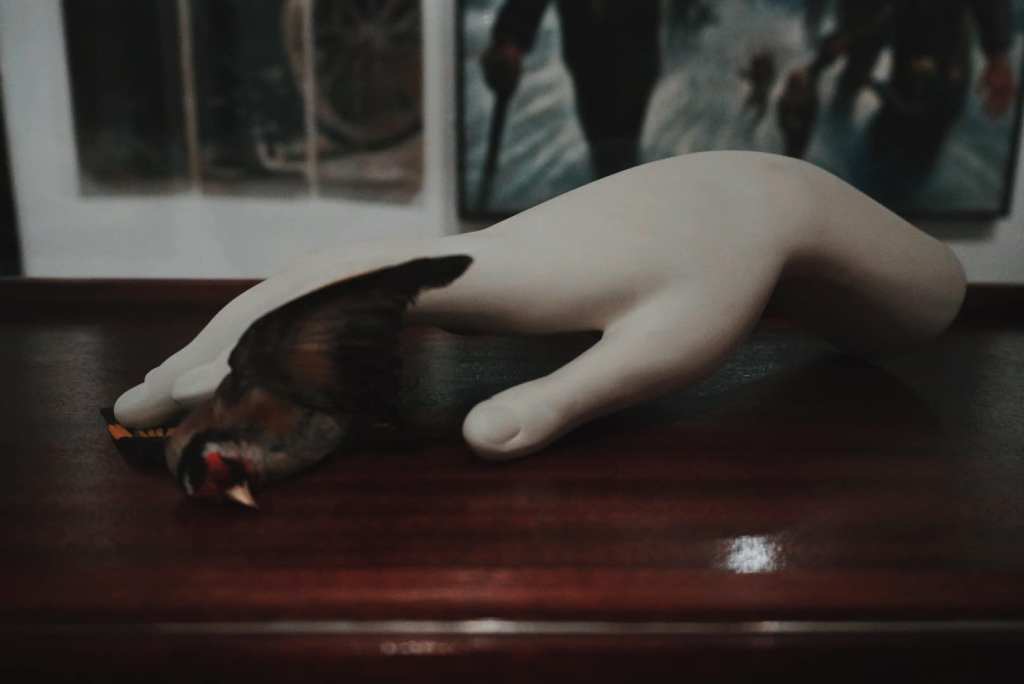
Processed with VSCO with c8pro preset 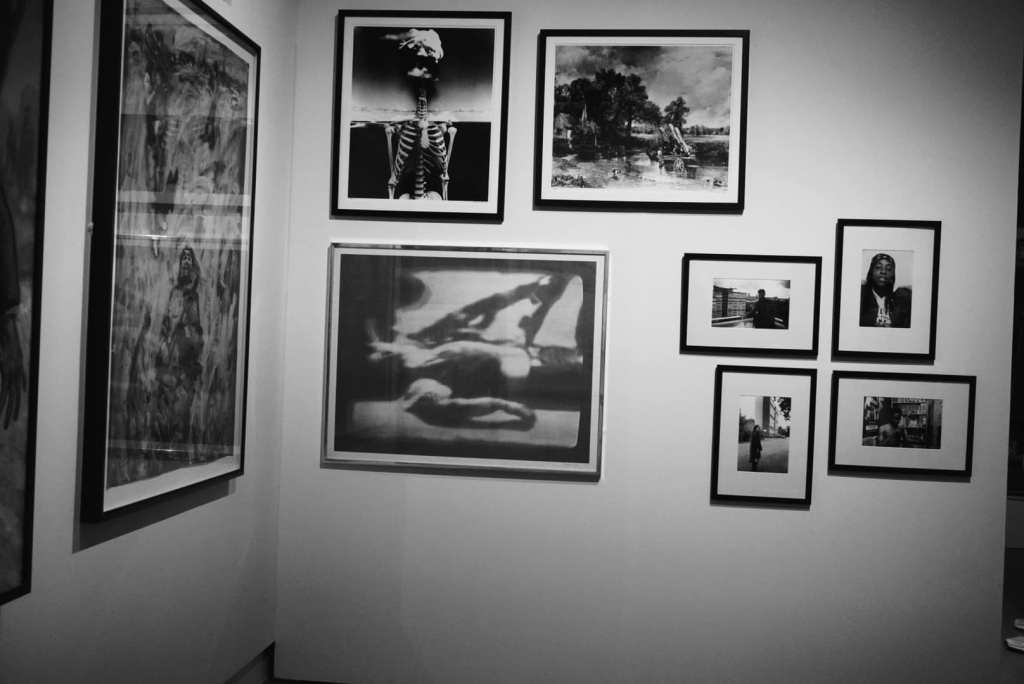
Processed with VSCO with 1pro preset 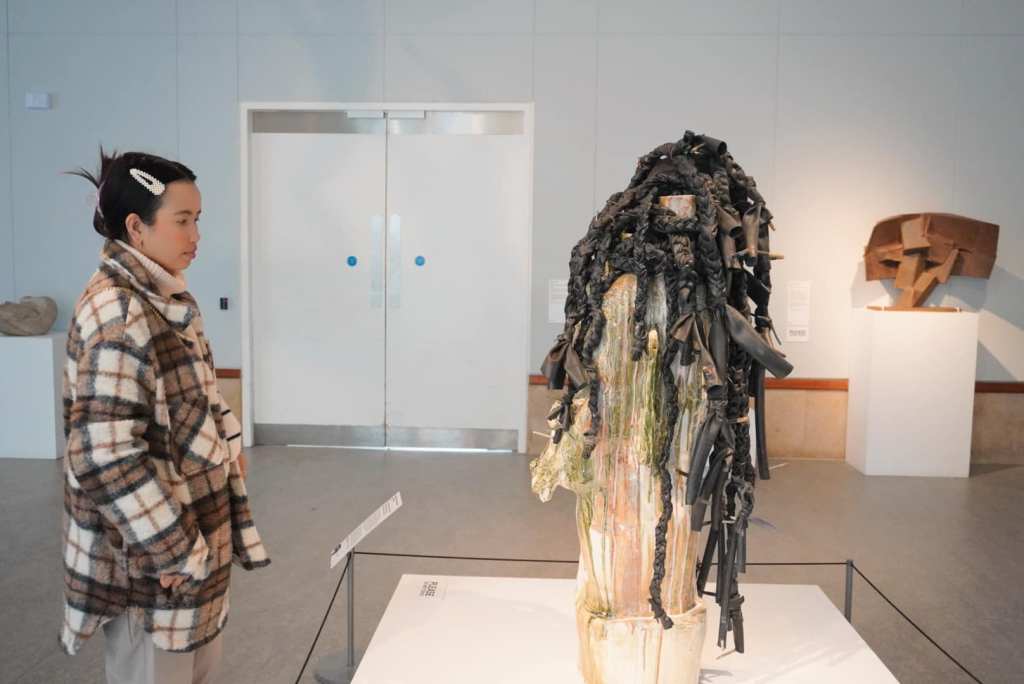
Processed with VSCO with al3pro preset 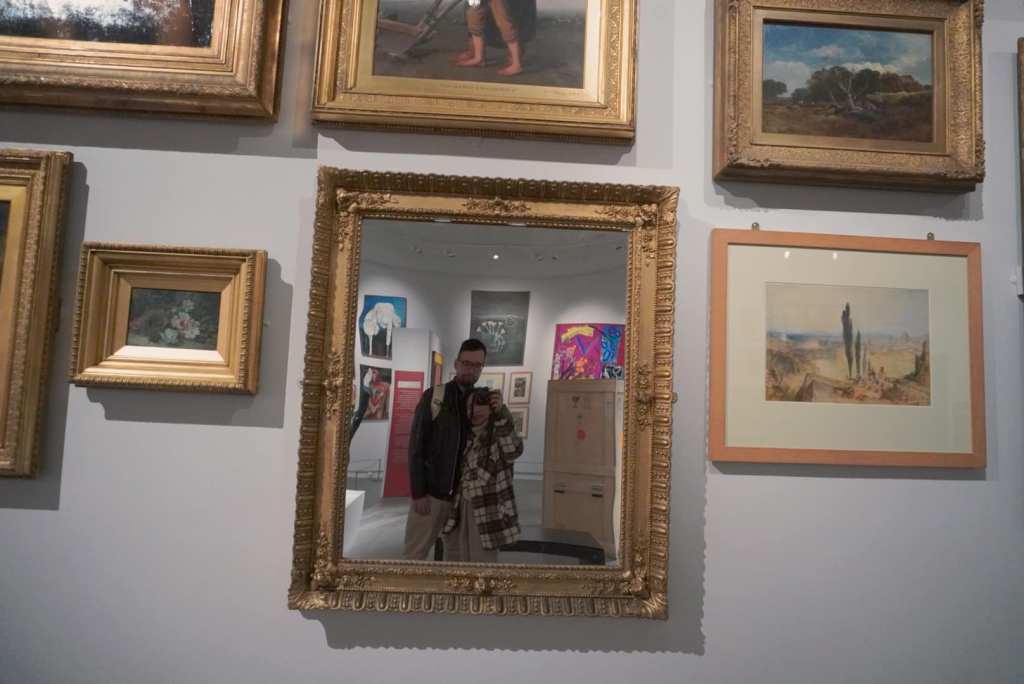
Processed with VSCO with v3pro preset 
Processed with VSCO with al3pro preset 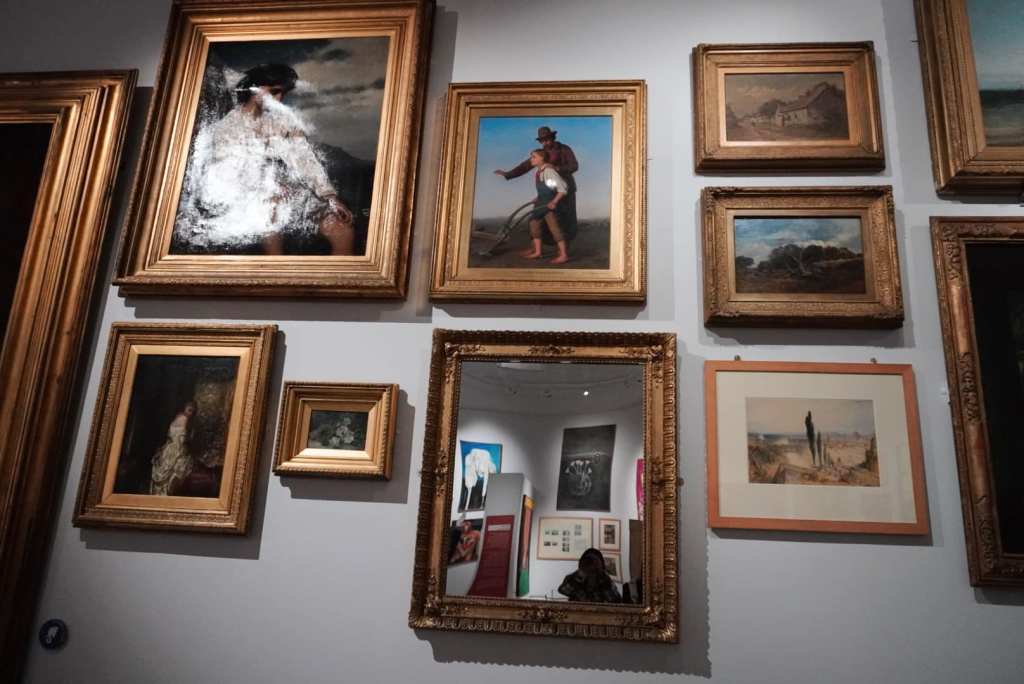
Processed with VSCO with al3 preset 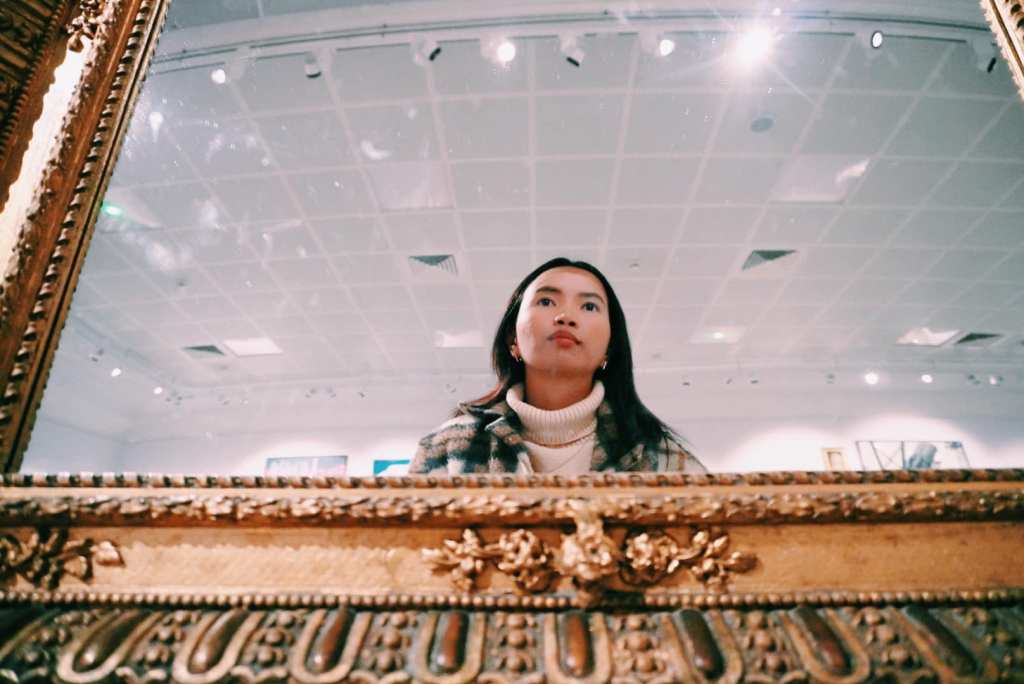
Processed with VSCO with c1pro preset 
Processed with VSCO with g6pro preset 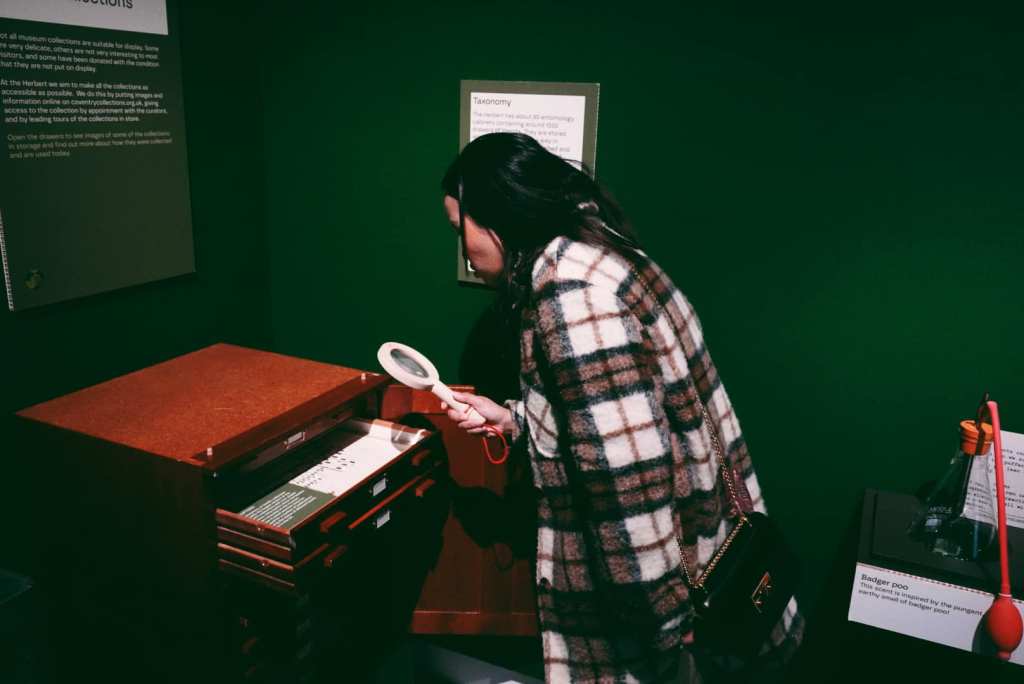
Processed with VSCO with 6 preset 
Processed with VSCO with al3pro preset 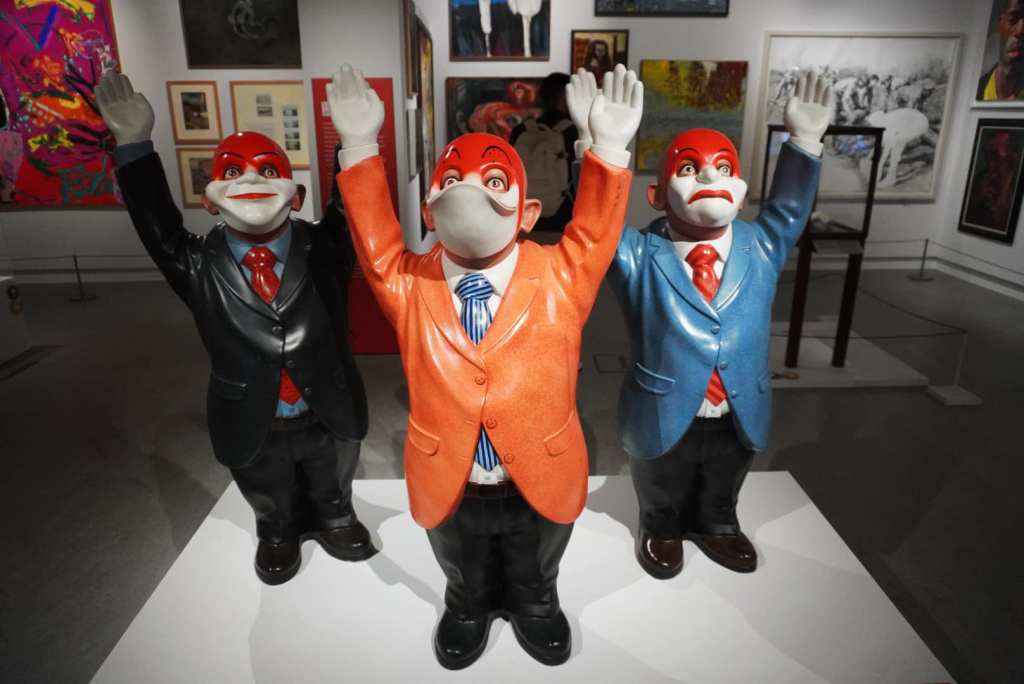
Processed with VSCO with ss1pro preset 
Processed with VSCO with ss1pro preset
By then, I thought Coventry had probably given us enough for one day. We had coffee, walked through its streets, stood among cathedral ruins and wandered through a museum. It would have been perfectly satisfying to stop there.
But Coventry had another story waiting for us, this time told through wheels, engines and movement.
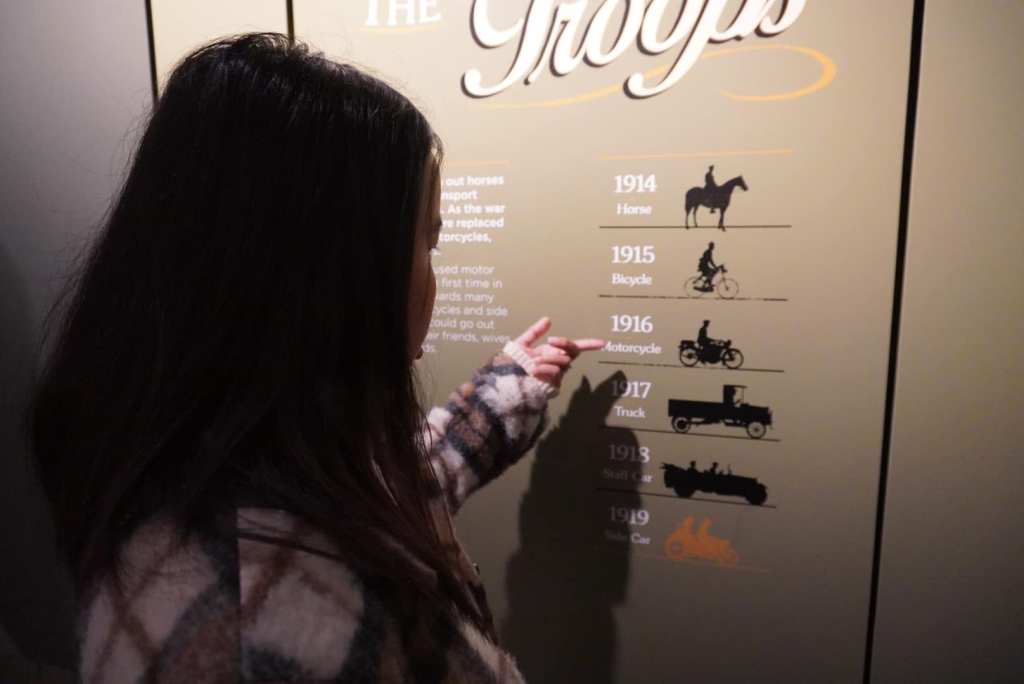
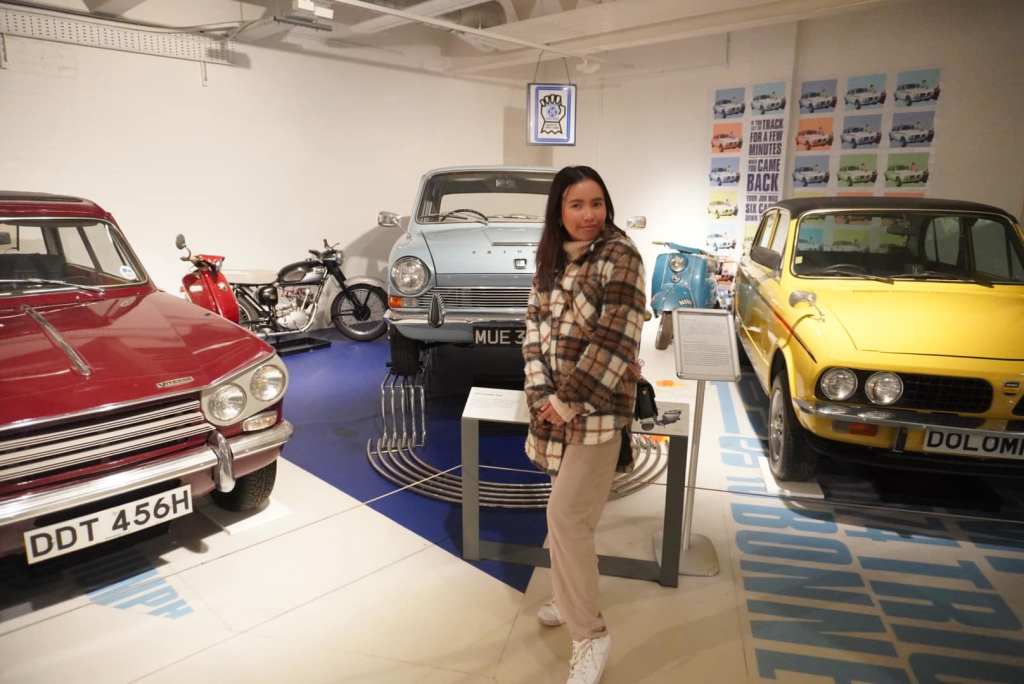
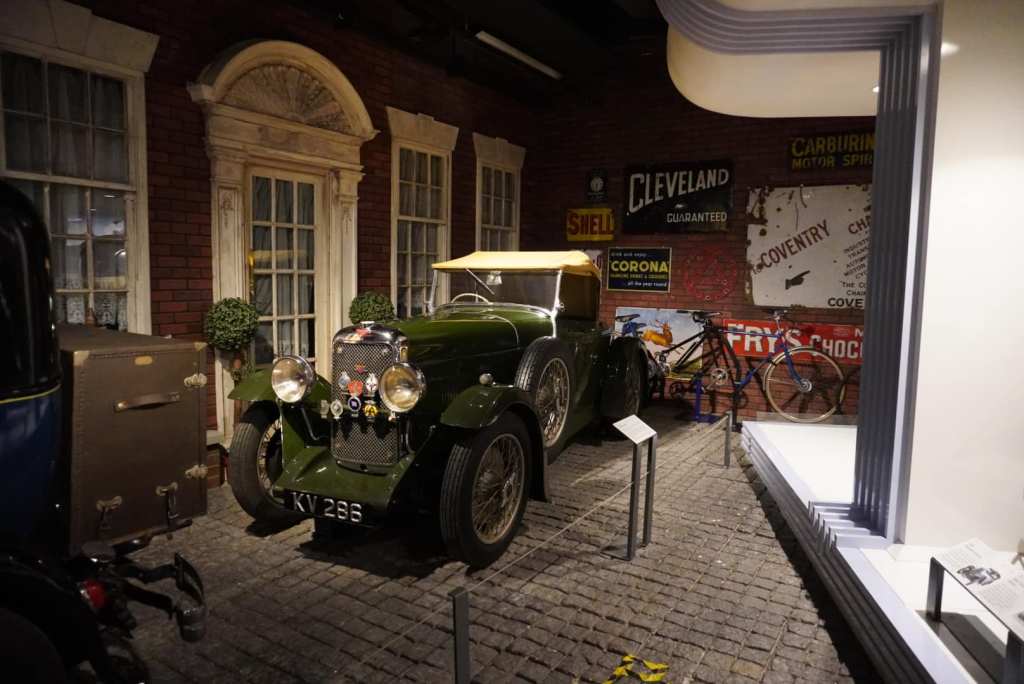
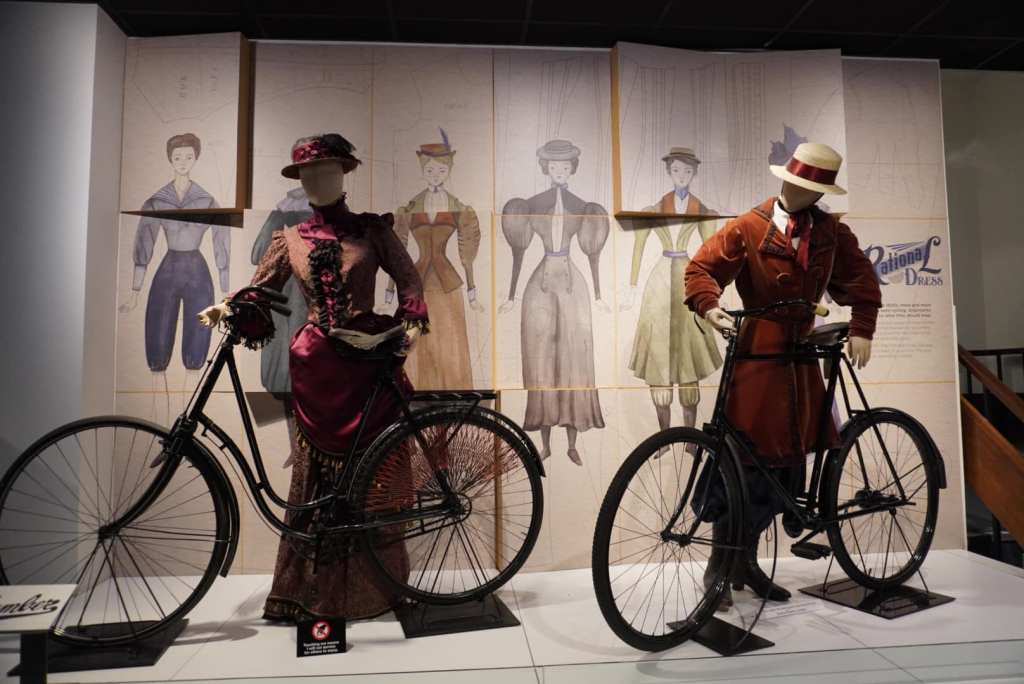
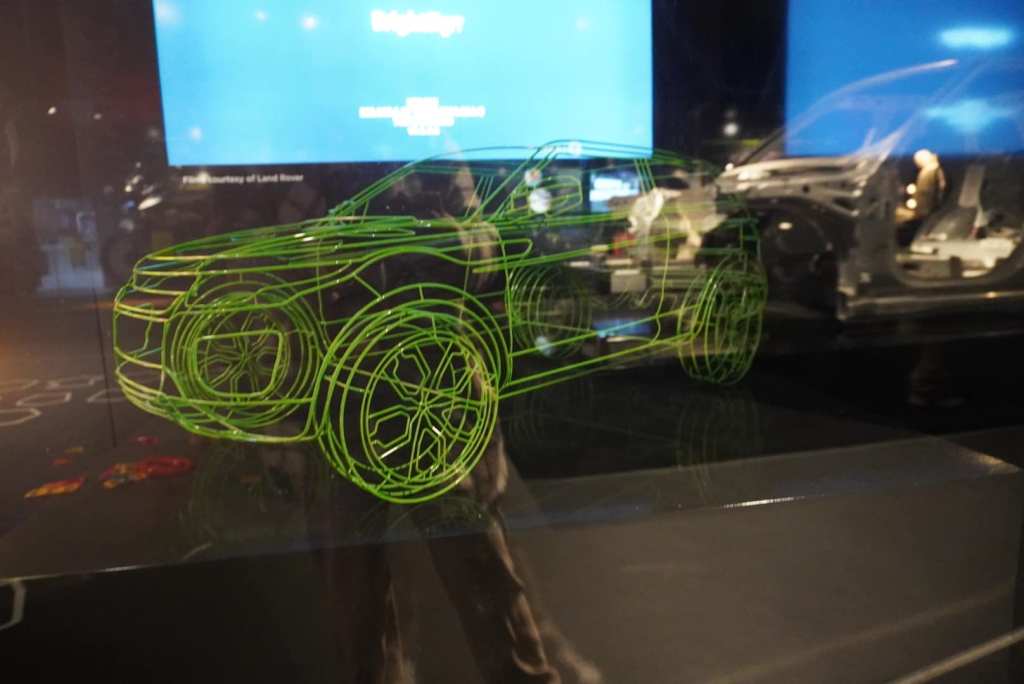
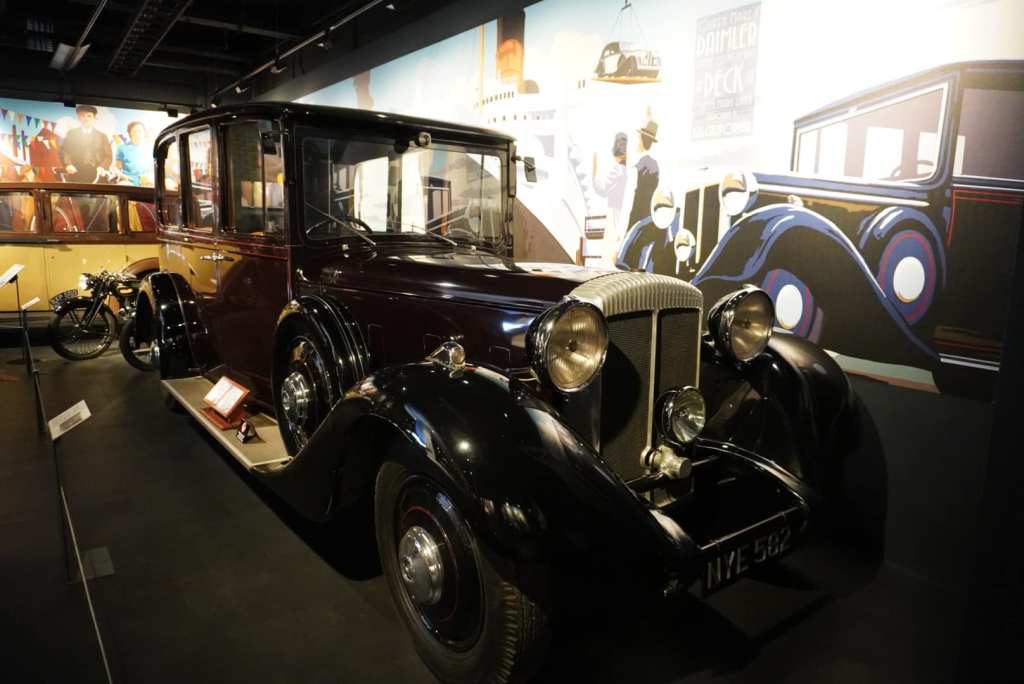
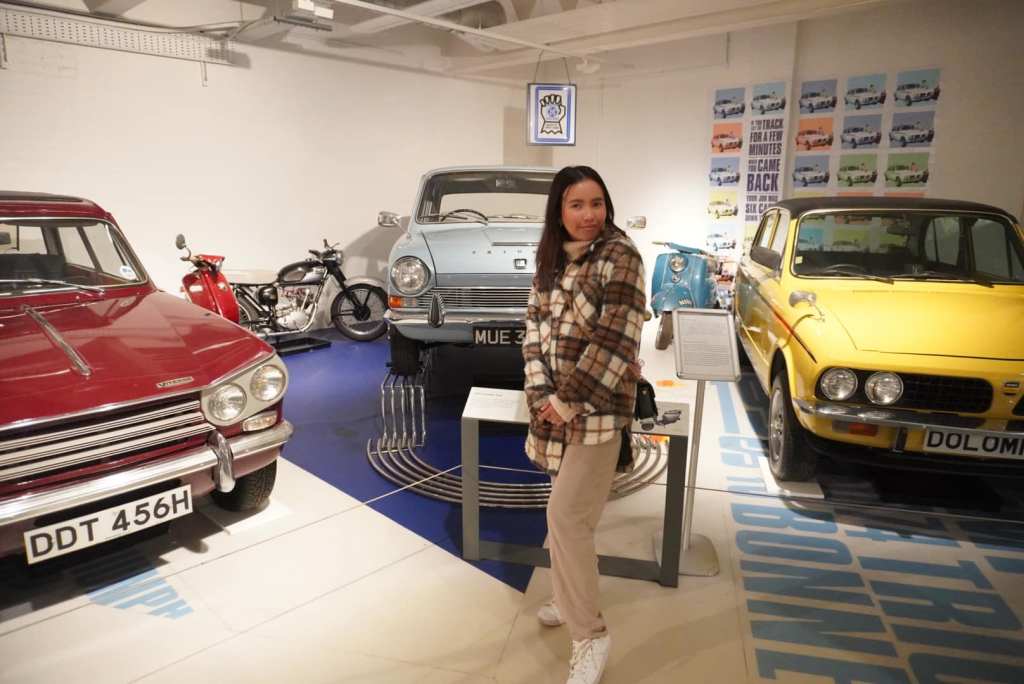
We entered Coventry Transport Museum partly out of curiosity and walked into something far more fascinating than I expected. What initially seemed like it might simply be a collection of cars and bicycles became a timeline of human ambition. The exhibits traced the development of transport through different generations, from early cycles and vehicles to machines representing extraordinary engineering and speed.
There is something fascinating about seeing invention chronologically. What looks primitive to us now was once somebody’s breakthrough. Every improvement existed because someone looked at what already worked and wondered whether it could work differently, faster or better.
Progress often looks obvious only after somebody else has already been brave enough to imagine it first.
The museum also made sense in Coventry. This was a city deeply connected to Britain’s cycle and motor industries, and suddenly the exhibits felt less like isolated machines and more like pieces of the city’s identity. These vehicles represented livelihoods, factories, craftsmanship, engineering and generations of people whose work helped shape how others moved through the world.
We eventually found ourselves standing before one of the museum’s most famous machines, the ThrustSSC, the supersonic car that set the world land-speed record in 1997. There was something almost absurd about standing perfectly still beside a machine created for extraordinary speed.
And perhaps because the entire day had been teaching me to slow down, the contrast stayed with me.
We spend so much of life trying to move faster. We want faster journeys, faster answers, faster success and shorter waits. Technology continually promises to save us time, yet somehow we remain remarkably skilled at filling every minute it gives back to us.
We have become very good at moving faster without always asking whether the things we are rushing towards deserve our hurry.
I watched my partner linger around the vintage motorcycles, his interest obvious in the way he looked at them, and I found myself watching him more than the machines. There is something tender about seeing someone you love become fascinated by something. Their face changes slightly. Curiosity brings out a younger version of them, the one who existed before adult responsibilities began occupying so much mental space.
I smiled because there we were again, doing nothing particularly monumental. Just looking. Talking. Laughing. Walking beside each other. And yet the day felt full. Perhaps fullness and busyness were never the same thing.
A life can be crowded and still feel empty, while one slow afternoon can somehow leave the heart completely full.
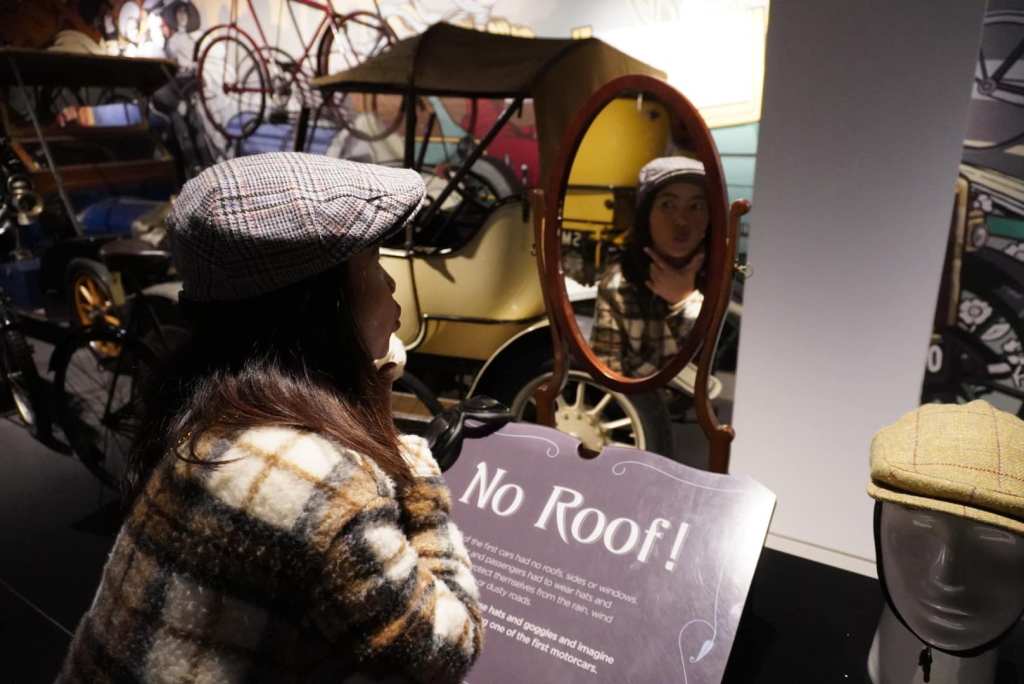

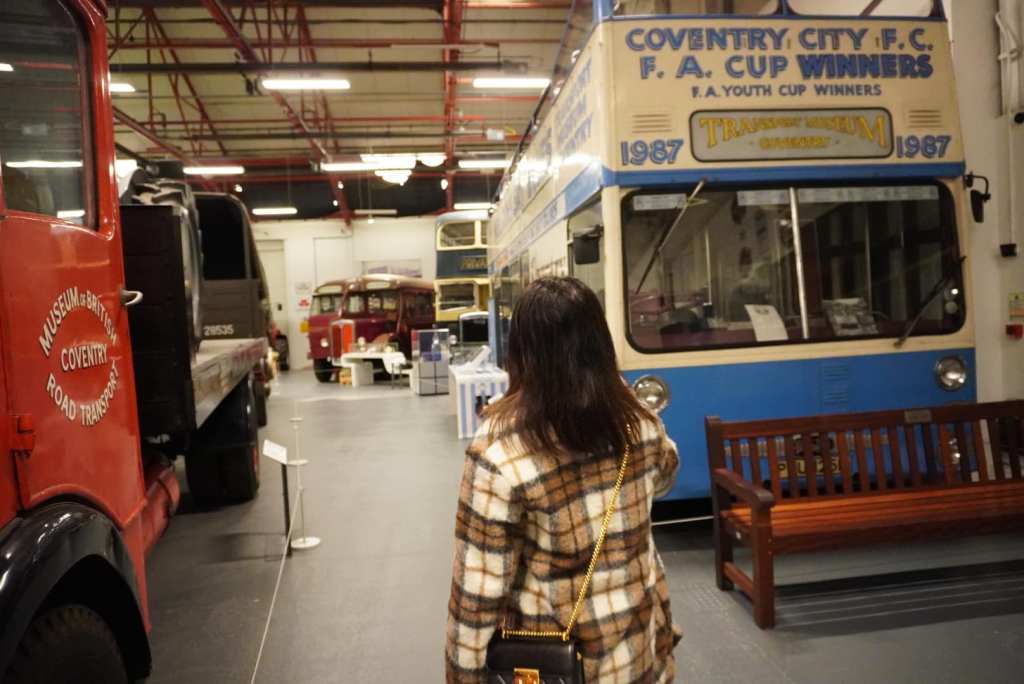


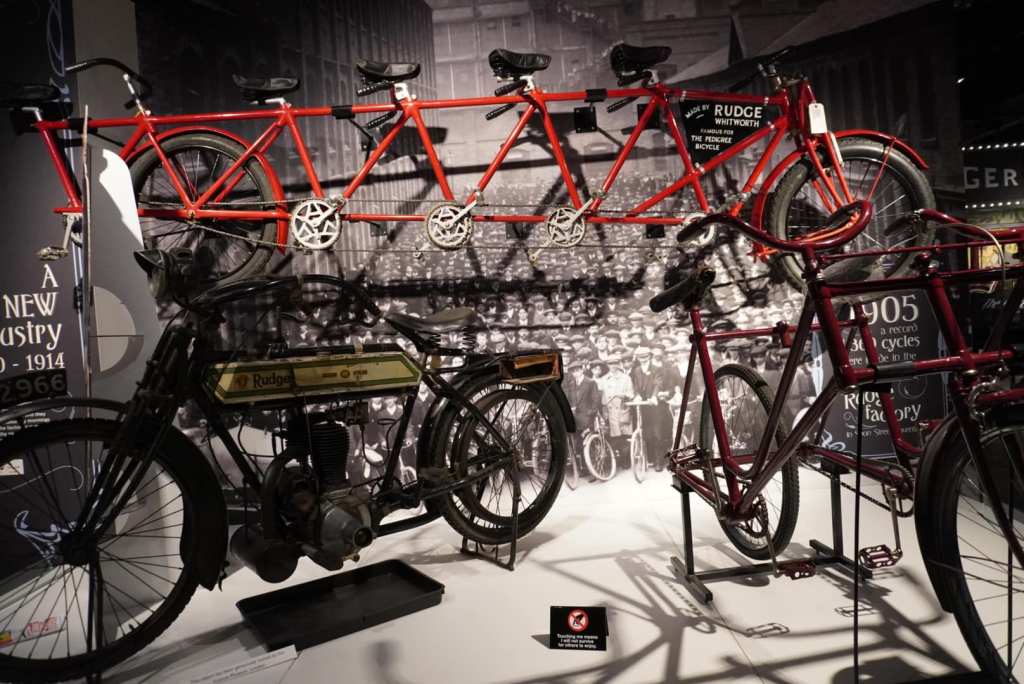

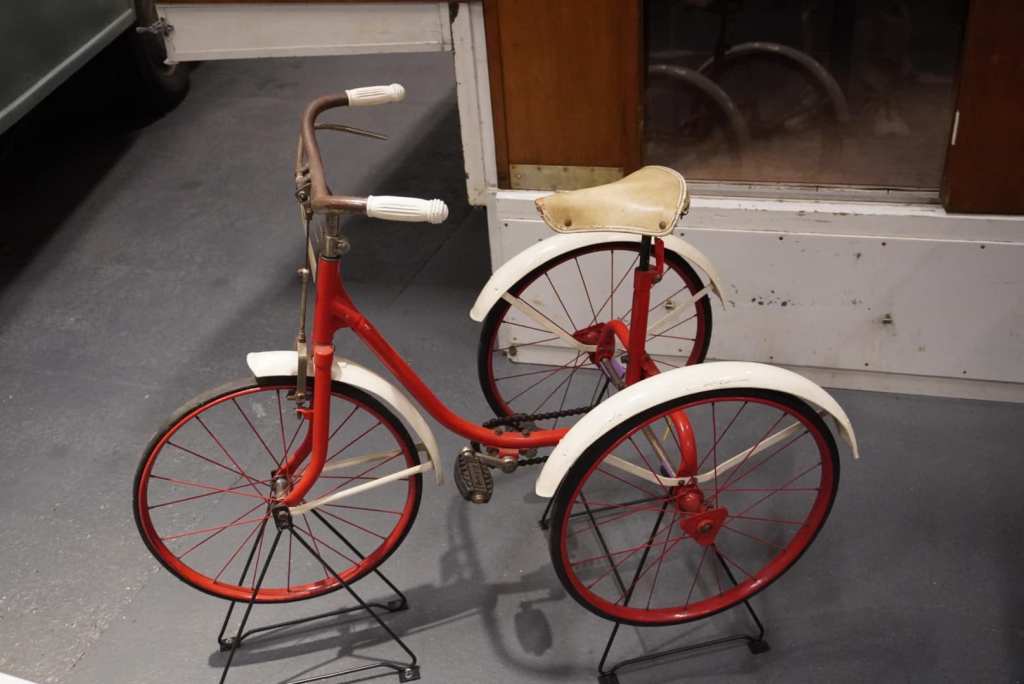
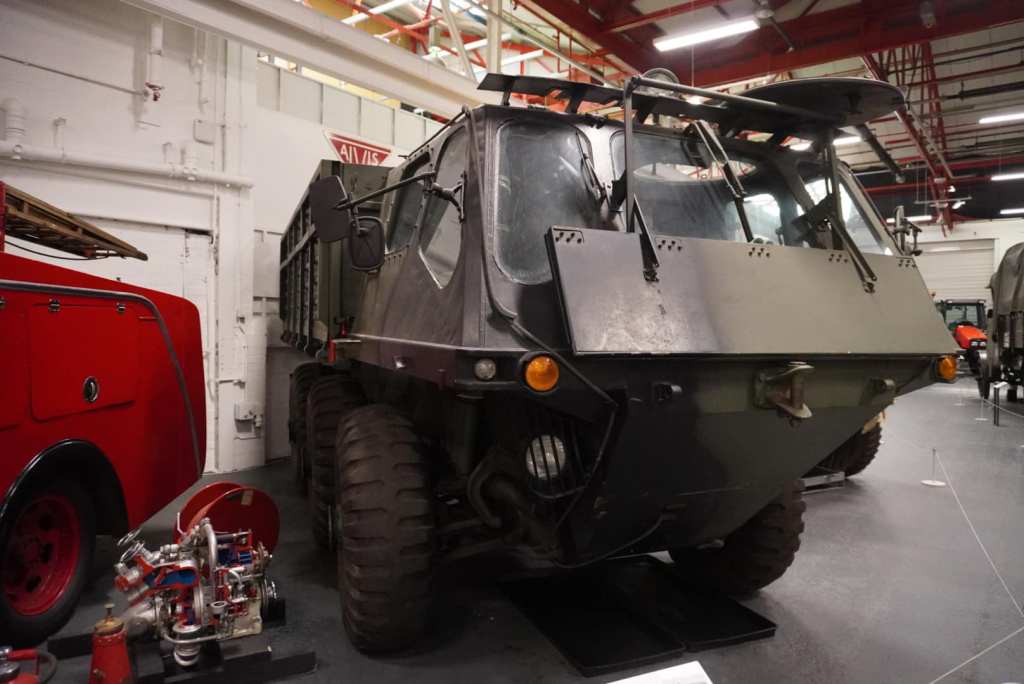

When we eventually walked out of the museum and back into the city, nothing dramatic had changed. Coventry was still Coventry. Our responsibilities had not disappeared. Tomorrow had not been cancelled. We were still the same two people who had arrived earlier that morning.
But I felt slightly different.
That is perhaps my favourite kind of travel. Not the journey that promises to transform you completely, but the one that shifts something by only a few degrees. You return home still yourself, but more attentive. More connected. Perhaps a little more grateful.
We spent the rest of the day simply wandering. There was window shopping, more photographs and those small conversations that will probably never be remembered word for word. We did not need a dramatic ending because the day had never asked to become dramatic in the first place.
Coventry did not try to impress us. And somehow, because of that, it did.
It showed me a city capable of carrying scars without allowing them to become its entire identity. The cathedral ruins stood beside something new. Museums preserved what came before while the streets outside continued moving forward. Old walls existed beside modern art. History was everywhere, but the city did not feel trapped by it.
There is something worth learning from that.
We all carry earlier versions of ourselves. We carry places we have been, people we have loved, mistakes we have made, things that happened to us and decisions that changed the direction of our lives. Sometimes we are tempted either to live permanently inside those stories or pretend they never happened.
Maybe there is another option.
We can honour what shaped us without allowing it to become the only thing that defines us.
The cathedral can remain a ruin and still stand beside something new. A city can remember destruction and choose reconciliation. A museum can preserve yesterday while people outside continue building tomorrow. Perhaps we can do something similar with our own lives.
- We can carry history without becoming history.
- We can remember without returning.
- We can keep what taught us something and still move towards what comes next.
And perhaps that is why this ordinary day in Coventry stayed with me. We did not arrive searching for a metaphor, but the city offered one anyway. Everywhere we looked, the past and present seemed to be having a quiet conversation.
💬 Sometimes the best journeys do not take us very far from home; they simply return us to a version of ourselves that everyday life had become too noisy for us to hear.
By the time we went home, we had no magnets or impressive souvenirs to prove where we had been. There was nothing I needed to place on a shelf to remember the day. We had photographs, of course, but what I carried home felt less tangible: the warmth of that first coffee, my hand inside my partner’s as we moved through museums, sunlight entering an open cathedral, his expression beside the motorcycles and the peculiar contentment of spending an entire day without needing it to become anything more than what it was.
I think we need more days like that.
- Days without an agenda impressive enough to justify them.
- Days when we go somewhere simply because we can.
- Days when conversation has room to wander and nobody is watching the clock too closely.
- Days when love looks less like grand gestures and more like walking side by side through unfamiliar streets.
Perhaps these are the days we underestimate because nothing enormous happens inside them. Yet years later, they may become exactly the ones we wish we could enter again.
Coventry gave us that quietly. It reminded me that a city does not need perfection to be beautiful, that history does not need to disappear before something new can be built and that a relationship does not always need an occasion to deserve intentional time together.
We arrived without expecting very much, which perhaps left enough room for the day to become exactly what it wanted to be.
And when I think about it now, I realise that the promise I carried home was not really about Coventry at all. It was a promise to make more space for slow days, for curiosity, for wandering without purpose and for being beside the person I love without always needing somewhere important to go. Life will always find ways to become busy again, but perhaps that is exactly why we need to deliberately protect these quieter chapters.
Maybe the most sacred days are not always the ones marked by celebrations, milestones or extraordinary destinations, but the ordinary days when we slow down long enough to notice that the person we love is walking beside us, the world is still full of stories, and for this small stretch of time, there is nowhere else we need to be.






 superanjventures
Leave a comment