About
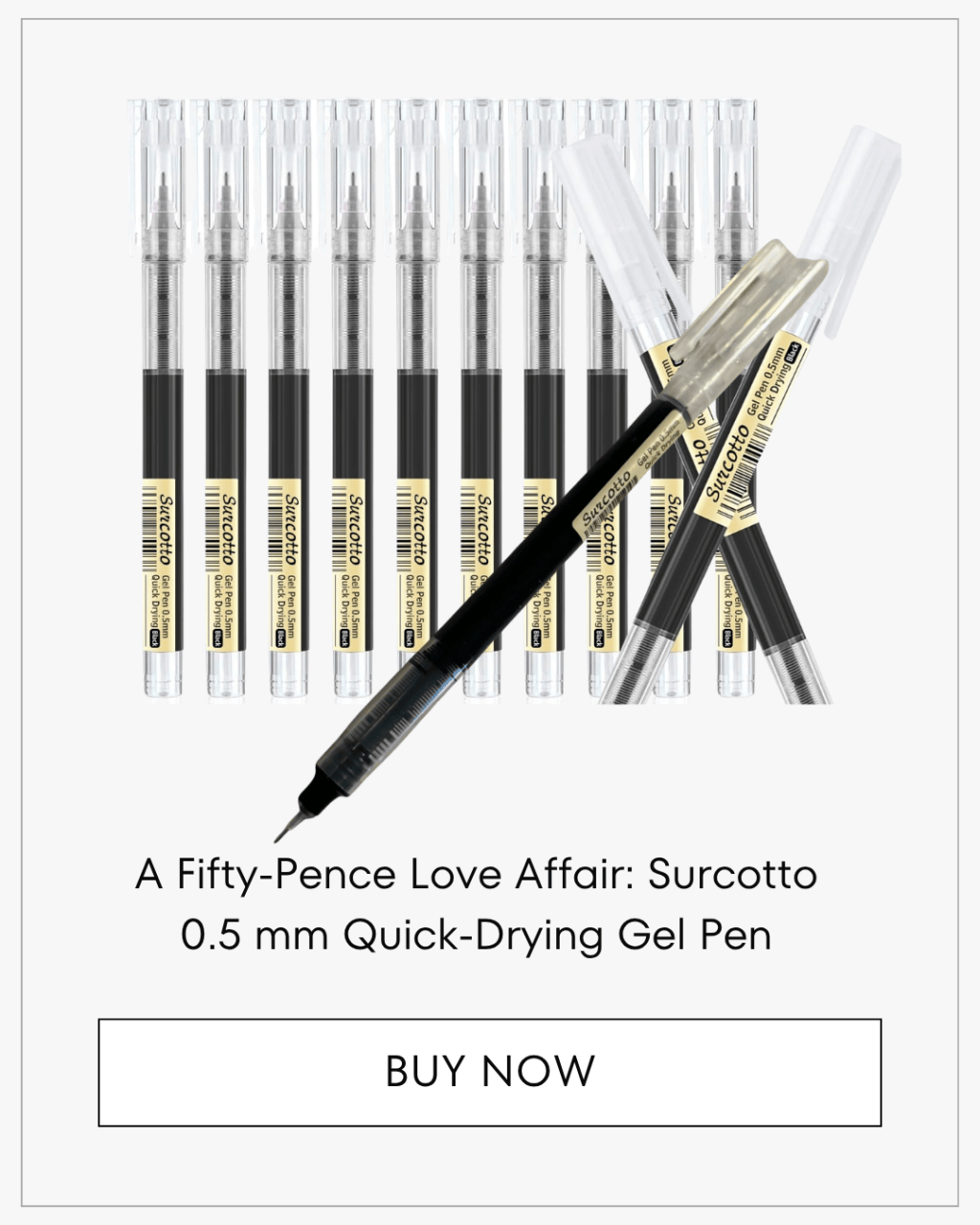
Surcotto 0.5 mm Quick-Drying Gel Pen
At some point in every nurse’s career, a pen ceases to be stationery and is quietly promoted to colleague, confidant, emergency equipment and, on particularly savage shifts, emotional support item. It is there when the phone rings before you have finished the previous call, when three people ask for three different things at exactly the same moment, when your coffee has become so cold it deserves archaeological classification, and when your documentation is beginning to resemble a minor dissertation written under battlefield conditions. A good pen does not sigh, does not disappear for a break, does not ask to swap weekends, and—most importantly—does not choose the middle of an important note to develop a sudden existential crisis. Nurses become fiercely loyal to the pens that survive all this. We carry them in our pockets like tiny trusted accomplices, use them for everything from careful assessments to frantic reminders, and then become suspiciously alert the moment somebody says, “Can I borrow your pen?” because history has taught us that this innocent sentence is often the opening chapter of a disappearance.
So yes, I am particular about pens. Not snobbish, necessarily. I do not need one handcrafted in Switzerland, presented in velvet, engraved with my initials and destined to become a family heirloom passed reverently from one generation to the next. I am not planning to gather future descendants around a fireplace and say, “Children, this is the pen your great-grandmother used during a particularly busy night shift in 2026.” I just want smooth ink, a comfortable grip, a fine dependable line, sensible drying time and a price low enough that I can buy several without needing a meeting with my bank manager. Which is exactly how the Surcotto 0.5 mm Quick-Drying Gel Pen managed to go from “just another pen” to one of my favourite work companions—and, rather embarrassingly, one I now monitor more closely than some of my actual belongings.
Why I’m Fussy About Pens
Some people notice shoes. Some notice perfume. I notice pens.
A few lines are usually enough for me to form an opinion:
- Too scratchy.
- Too thick.
- Too slippery.
- Too wet.
- Too faint.
- Requires too much pressure.
- Randomly stops writing despite knowing me for only thirty seconds.
The ideal work pen should almost disappear from your awareness. Your hand moves, the ink follows, and you can focus on what you are actually documenting. That sounds simple. It is surprisingly difficult to find.
Not All Pens Are the Same
Different pens behave differently, especially when you use them for long stretches.
| Pen type | Writing feel | Main strength | Possible drawback | Best suited for |
|---|---|---|---|---|
| Ballpoint | Firmer, slightly drier | Reliable and low-smudge | Can require more pressure | Everyday notes and general use |
| Rollerball | Very smooth and fluid | Rich, dark lines | Can smudge or bleed more easily | Comfortable long-form writing |
| Gel | Smooth and controlled | Dark ink with easy flow | Some gel inks dry slowly | Documentation, planners, everyday writing |
| Fountain | Very smooth, expressive | Elegant writing experience | Higher maintenance | Journaling, letters, deliberate writing |
| Fineliner | Precise and crisp | Excellent control | Can feel firm or wear with heavy use | Detailed notes, planners, diagrams |
For me, gel pens sit in the sweet spot. I get the smoothness I like without needing the maintenance of a fountain pen or the heavier pressure of some ballpoints.
Why 0.5 mm Works for ME
A line fine enough to keep notes tidy
Dark ink that is easy to read
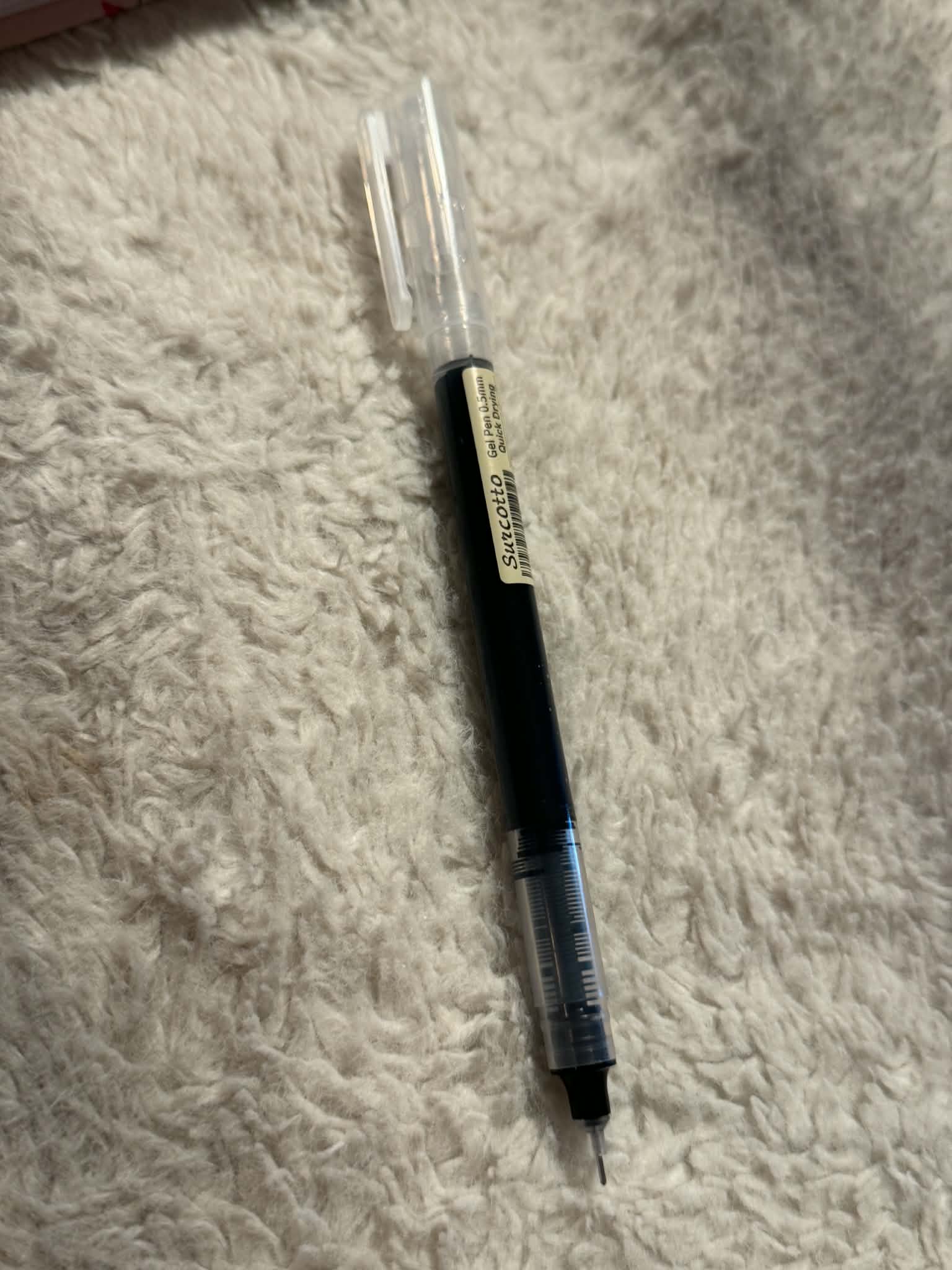
A tip that works well in small documentation spaces
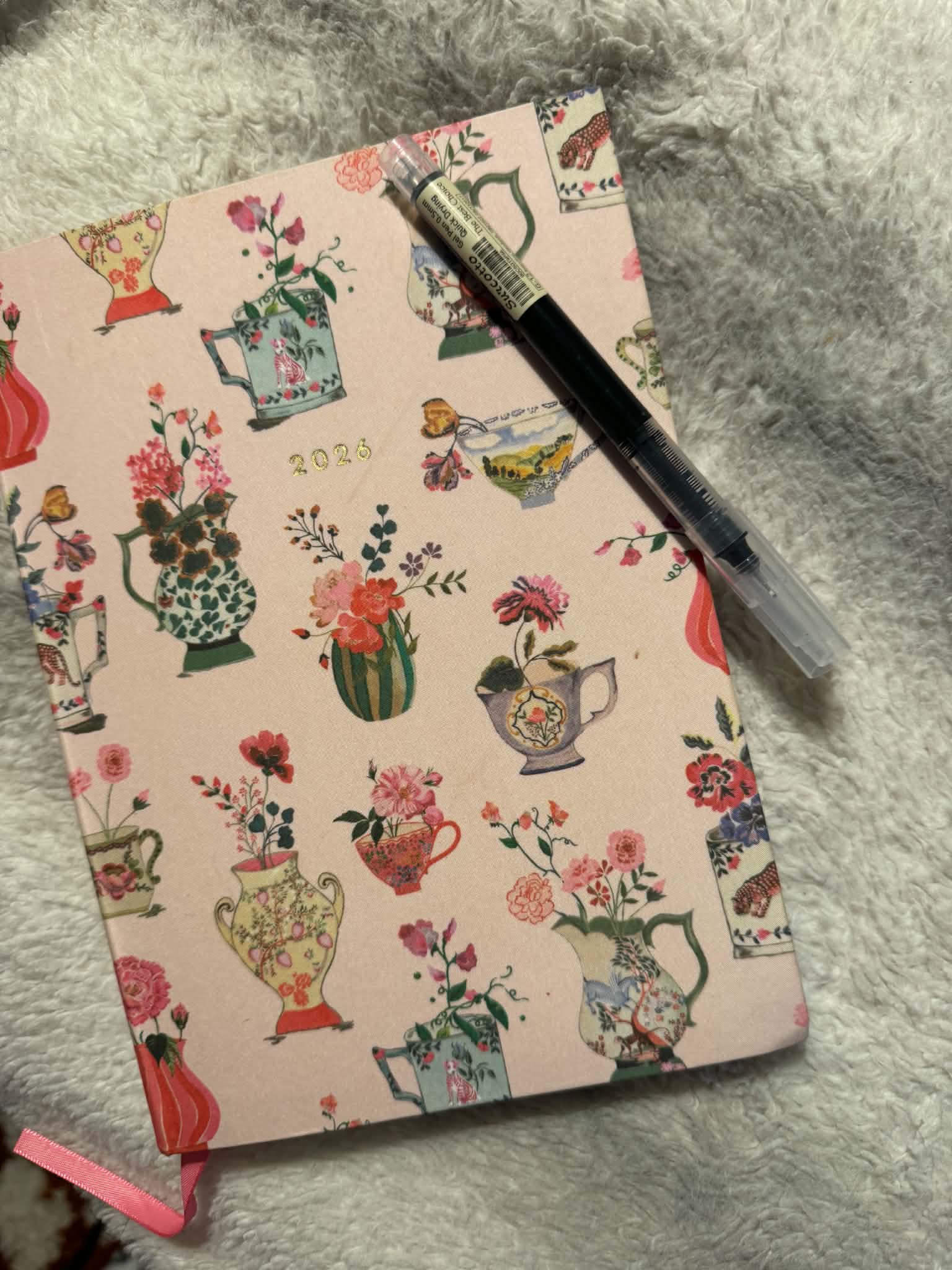
Enough control that my handwriting does not spread all over the page
The Surcotto does that very well. There is something satisfying about a fine tip when you are trying to fit a sensible amount of information into a space apparently designed for three words and a prayer.
Writing Performance: Where It Earned Its Place
This is the part that matters most to me.
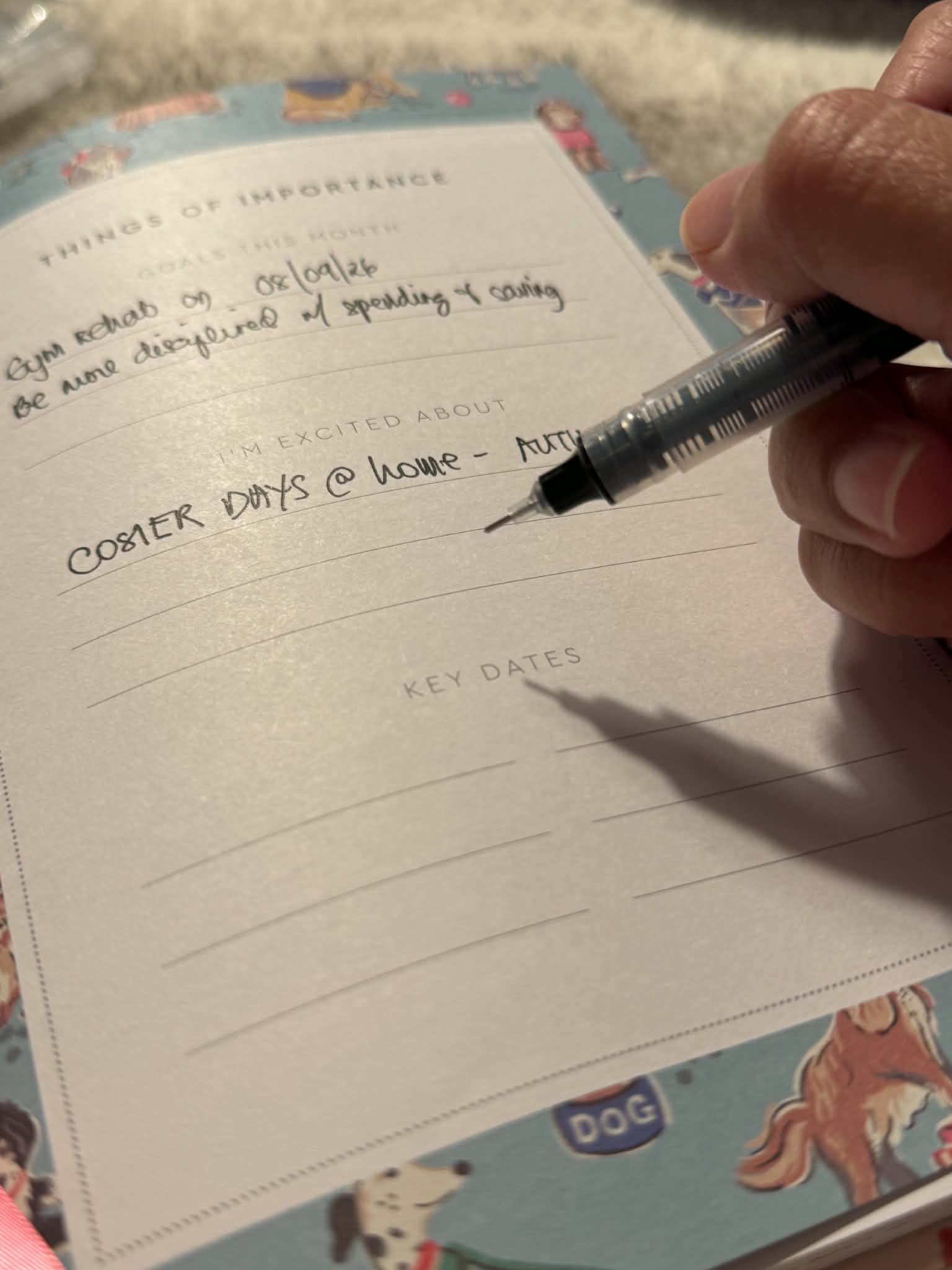
The Surcotto writes smoothly without feeling overly wet. The ink comes out dark and consistent, and I do not have to press hard.
That matters during long documentation because a pen that fights back becomes irritating very quickly.
My experience with it:
- Smooth across ordinary paper
- Consistent black ink
- Minimal pressure needed
- Fine, clean strokes
- Comfortable for repeated writing
- No constant scribbling in the corner of the page trying to revive it
There are few things more annoying than a pen dying halfway through a sentence while you stare at it as though betrayal has just occurred. This one has been reliable.
Apparently, It Also Improves My Handwriting
This is the part I was reluctant to admit.
My handwriting genuinely looks better with it.
Not magically beautiful. I am not suddenly producing eighteenth-century correspondence between assessments. But my writing looks cleaner, more controlled and more deliberate.
Possible reasons:
- The 0.5 mm tip gives better control
- The ink flow is smooth but not excessively wet
- I do not need to press hard
- The line stays narrow and defined
Same hand. Same person. Same mildly chaotic shift. Better handwriting. I would like to claim full credit, but the evidence is unfortunately against me.
Quick-Drying Ink
The packaging describes it as quick drying, and in my experience that is one of its better features. Gel pens can sometimes be wonderful until your hand crosses the page and turns your sentence into abstract art.
With this one:
- The ink settles fairly quickly
- Smudging is minimal in normal use
- I can turn pages without worrying too much
- It works well when I need to write and move on immediately
At work, that matters.
I cannot realistically finish a sentence and then stand there waiting for the ink to achieve emotional readiness.
Comfort and Design
The pen itself is very simple.
It has:
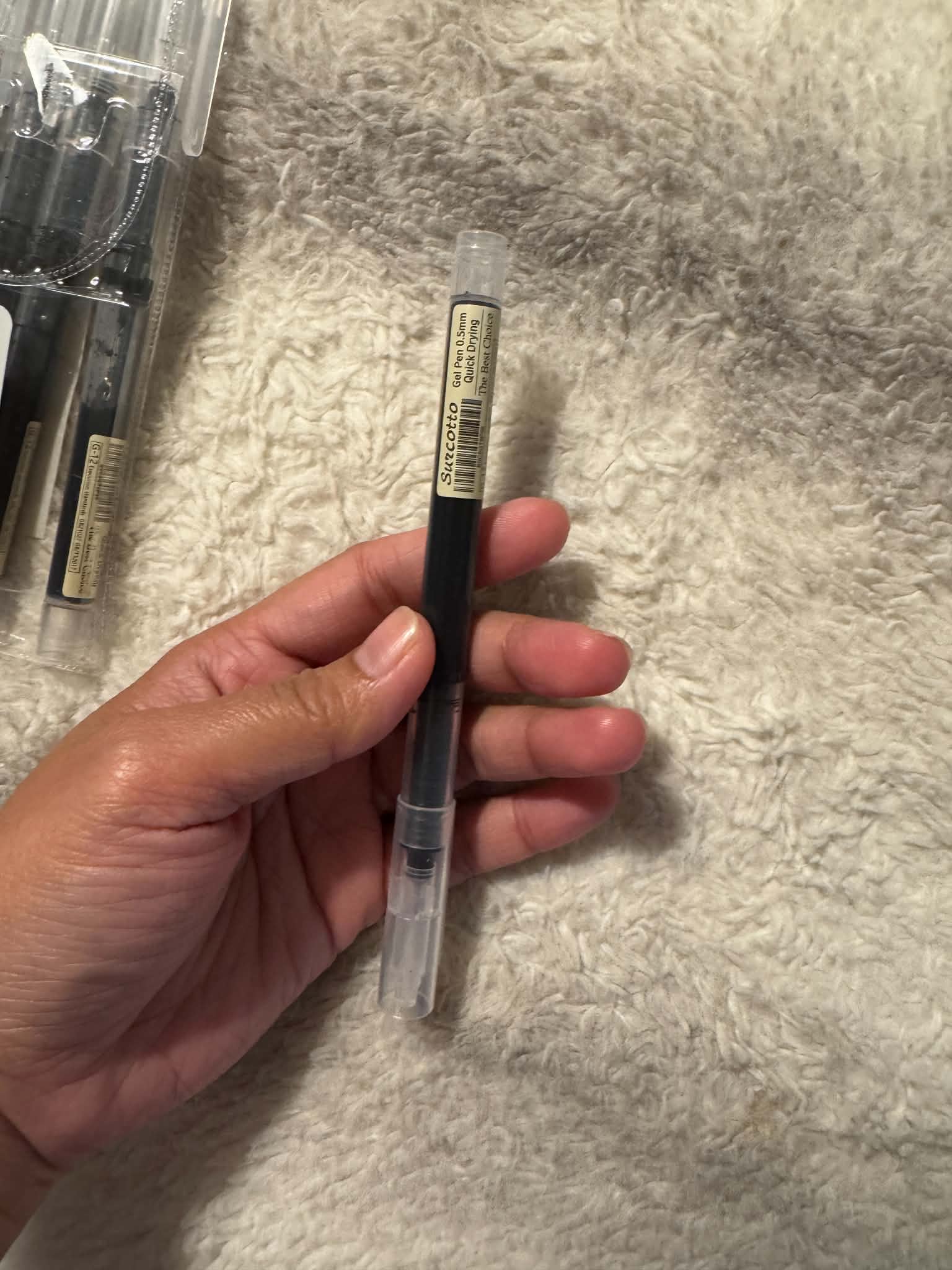
- A slim transparent barrel
- Black internal section
- Clear cap
- Lightweight plastic body
- Fine 0.5 mm tip
It is not luxurious, and that is part of the appeal.
I do not need a work pen that looks impressive. I need one that feels comfortable after repeated use and fits easily into a uniform pocket already carrying enough miscellaneous objects to qualify as a small storage unit.
The transparent barrel is also useful because you can see how much ink remains.
That tiny feature is more helpful than it sounds.
It is much better to know your pen is approaching retirement than to discover it halfway through an important note.
The Hospital Pen Theft Test
Now we come to the true occupational hazard.
A good hospital pen attracts attention.
Someone borrows it.
They write.
They say, “Oh, this is nice.”
That is when I become alert.
Because the next stage is usually involuntary pocket migration.
My unofficial borrowing protocol:
- Ordinary biro: go in peace.
- Promotional pen: your journey continues.
- Random pen from the bottom of my bag: I wish you well.
- Surcotto 0.5 mm: excuse me, I believe you have something of mine.
This is not about money. It is about principle.
Performance Appraisal
Since this pen has now completed several shifts, it seems appropriate to conduct a formal review.
| Appraisal area | Rating | Comments |
|---|---|---|
| Attendance | Excellent | Present whenever I remember to bring it |
| Reliability | Excellent | Writes when asked, which should be basic but apparently is not |
| Documentation | Outstanding | Clean, controlled 0.5 mm lines |
| Communication | Excellent | Dark black ink and clear output |
| Working under pressure | Excellent | Performs during busy documentation |
| Ergonomics | Very good | Lightweight and comfortable |
| Professional boundaries | Requires improvement | Too willing to leave with colleagues |
| Staff retention | High risk | Frequently targeted for borrowing |
| Value for money | Excellent | Cheap enough to replace, good enough to protect |
Overall outcome:
Exceeds expectations.
Promotion to permanent uniform-pocket status approved.
Price and Value
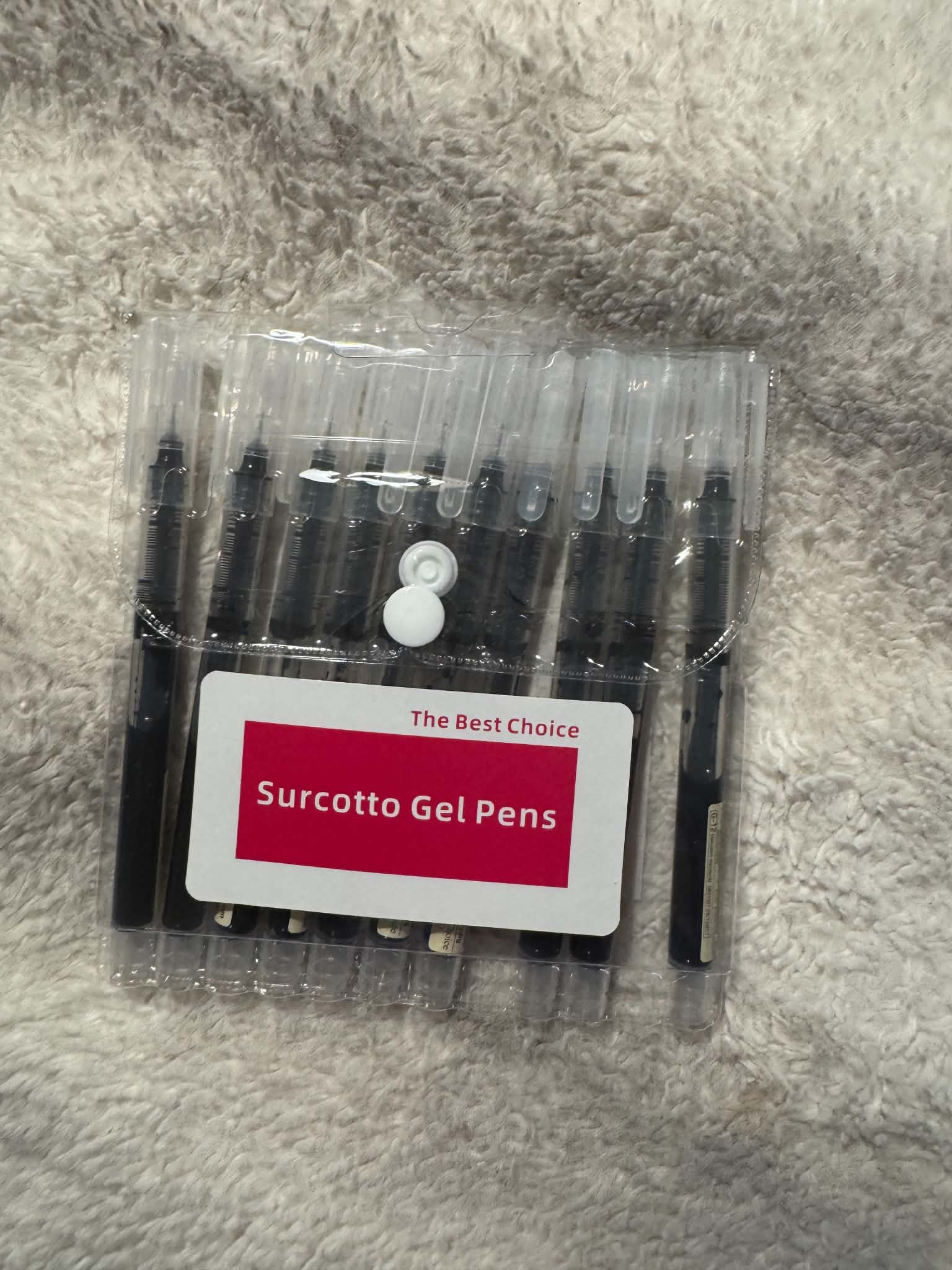
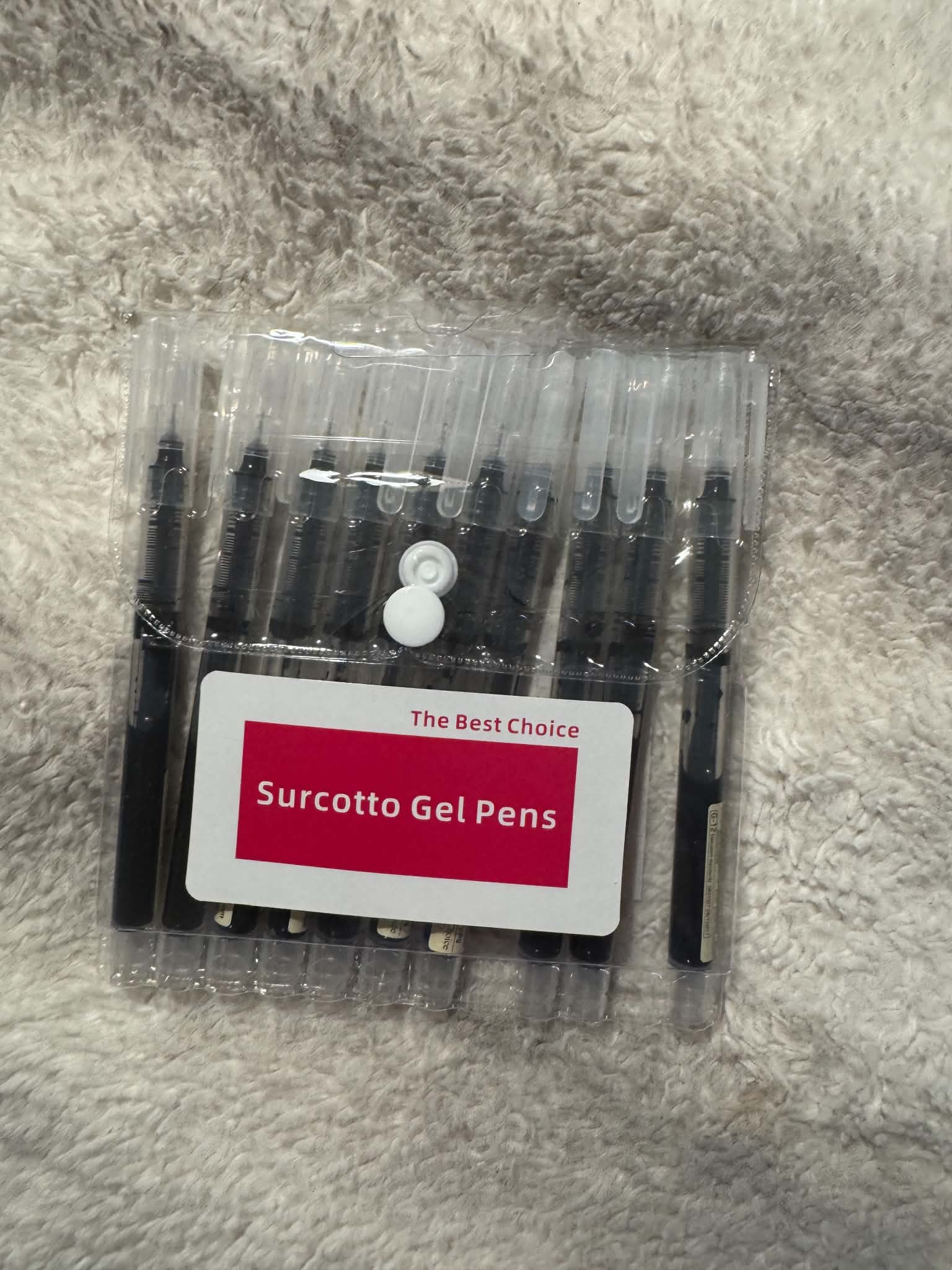
I ordered a 12-pack from Amazon for £5.99, which works out at roughly 50p per pen.
That is one of the reasons I like them so much. I am particular about quality, but I am also practical. I do not want to spend a ridiculous amount on a pen that is going to live in a clinical environment, get shoved into pockets, dropped, borrowed, misplaced and potentially adopted by somebody else.
At around 50p each, these sit in a very useful category:
Affordable enough to use freely. Good enough to become protective over.
I have bought coffees that cost considerably more and contributed far less to my working day.
What I Like Most
My favourite things about the Surcotto are:
- Smooth gel ink
- Fine 0.5 mm tip
- Dark, clear writing
- Quick-drying performance
- Comfortable lightweight body
- Better-looking handwriting
- Transparent barrel
- Very affordable price
- Good for prolonged documentation
- Easy to carry several at work
What Could Be Better
No pen is perfect.
A few things to consider:
- The body is quite slim, so people who prefer a thick cushioned grip may not love it.
- It has a cap rather than a retractable mechanism.
- The plastic construction feels practical rather than premium.
- Gel ink can still behave differently depending on paper quality.
- The biggest weakness remains its tendency to be admired by other people.
That last one is admittedly not the manufacturer’s fault.
Who I Think Would Like It
I would especially recommend it to:
- Nurses and healthcare staff who write a lot
- Students taking lengthy notes
- People who prefer fine handwriting
- Planner and journal users
- Anyone who likes gel pens but dislikes overly wet ink
- People who want something affordable enough for everyday use
- Anyone who becomes irrationally attached to stationery after three successful writing sessions
Which apparently includes me.
My Verdict
For me, a good work pen does not need to be expensive, luxurious or particularly impressive to look at. It just needs to perform well enough that I trust it without thinking. The Surcotto 0.5 mm does exactly that. It writes smoothly, dries quickly, fits comfortably in my hand, keeps my handwriting neat and costs little enough that buying a pack does not require a financial discussion. Yet after enough long shifts and pages of documentation, one of these pens stops feeling like “one of twelve” and becomes the one I am using. So when the phones finally quieten, the last notes are finished and I empty my pockets at the end of the day, I still find myself checking for that familiar transparent barrel. The shift changes, the workload changes, the plan changes several times before lunch—but the little black line keeps following me across the page. And yes, if you ask to borrow it, I will probably say yes. I will simply be watching where you put it.

























Leave a comment