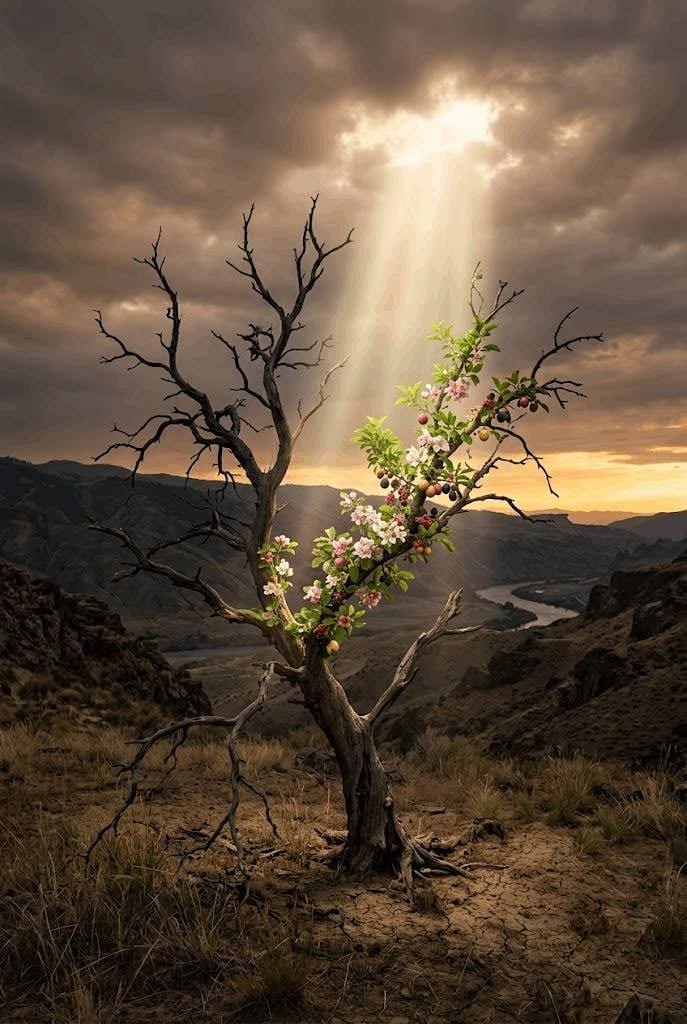
Time is a gardener with no respect for symmetry. It lets people grow beside one another for years, then quietly teaches each branch to reach for its own patch of light.
There were nine of us once, standing much closer together than life would eventually allow. We had suitcases packed with the usual migrant optimism, clothes selected with only a theoretical understanding of British weather, and enough important documents to make losing one plastic envelope feel capable of destroying an entire future. We were nurses arriving in the UK from the Philippines, technically prepared for employment and considerably less prepared for everything else. I doubt any of us looked around and thought, Excellent, these eight people will now become recurring characters in my emotional development. We were simply batchmates sharing the same beginning, and sometimes that is all friendship needs before it starts quietly taking over the furniture.
The photographs from those early days are almost mischievous now. Everyone remains exactly where the camera left them: shoulder to shoulder, smiling, younger, unaware. Photographs are wonderfully dishonest in that way. They preserve proximity but cannot record what will eventually happen between the people inside the frame. They cannot show which friendships will deepen, which ones will stretch, which conversations will become difficult, who will find new circles, who will need space, or how differently nine people can grow after beginning on the same patch of ground.
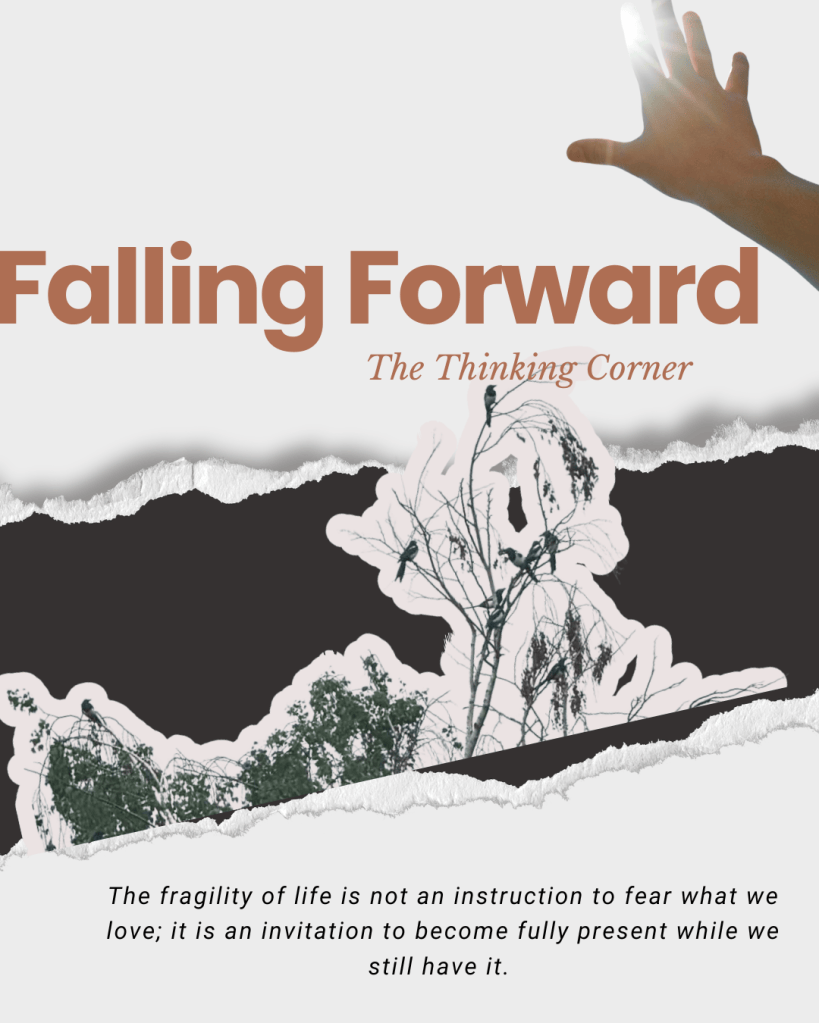
If I imagine the nine of us as that tree now, I realise we were probably never meant to become identical branches in the first place. One branch grows almost straight, dependable and sensible, the sort that looks as though it has already read the instructions before the rest of the tree has located the manual. Another bends easily, adapting to whatever weather comes without making much announcement about how much strength that actually requires. One stretches towards everyone, always trying to keep people connected, occasionally forgetting that even branches responsible for holding things together are allowed to get tired. Another grows farther from the centre, not because it has forgotten the tree, but because some people need more sky around them before they can understand what they need.
There is the branch that flowers generously, giving warmth almost instinctively, the kind of friend whose affection appears through checking in, feeding people, remembering little things or simply making a room feel less heavy. There is another that seems tougher from the outside, with bark a little thicker perhaps, affection hidden beneath humour, practicality or the occasional insult that somehow translates perfectly into I love you. One branch has been bent by weather more times than most of us probably know and continues growing anyway, carrying storms privately while still managing to appear in other people’s photographs with a smile. And there is the branch that has begun turning towards a different direction altogether, discovering boundaries, reconsidering where it belongs and asking questions that may be uncomfortable for the rest of the tree but are nevertheless real.
Then there is me, the ninth branch, describing everyone else as though I have somehow escaped botanical inspection. I have not. I have my own awkward bends, stubborn knots and seasons when I probably required pruning. I have reached towards people when I feared losing them and pulled back when I felt hurt. I have misunderstood, overthought, cared deeply, become disappointed, disappointed others, and probably spent far too much time examining the tree when I could simply have enjoyed sitting underneath it. If I am going to describe how eight other branches have changed, fairness demands that I admit the gardener has been working on me too.
Seven years have passed since then, and seven years are more than a number attached to an anniversary. They are night shifts, career changes, homesickness, relationships, marriages, families, illnesses, celebrations, disappointments, private battles, ridiculous conversations, and enough screenshots from group chats to potentially ruin several respectable reputations. They are learning to understand British accents while pretending you heard the first time. They are discovering that “a bit chilly” can apparently describe weather in which your ancestors would have advised you to remain indoors. They are becoming adults in ways none of us could fully predict when we first arrived on 4 October 2019.
Somewhere during those years, friendship changed too, and that feels more noticeable to me this time. Not necessarily worse, and not necessarily better. Simply different. I used to think longevity was one of the strongest pieces of evidence a friendship could present. Surely, if people had survived enough birthdays, night shifts, arguments, celebrations, misunderstandings, holidays, homesickness and group-chat nonsense together, the accumulated years themselves must guarantee something. I still believe shared history matters enormously, but I no longer think history is a contract requiring people to remain exactly as close as they once were.
People change, which is one of those painfully obvious sentences that becomes much less obvious when the changing person is someone you love. We grow into versions of ourselves that our younger selves would probably require a short orientation session to understand. Priorities rearrange themselves. Tolerance shifts. We discover boundaries we once did not know we needed. Things that amused us years ago may later exhaust us. Somebody who used to want company may begin craving distance. Another person may suddenly ask where they truly stand inside a friendship they had assumed was secure.
That question can feel threatening when you are on the other side of it, but I am beginning to understand that asking where you stand does not automatically mean you are preparing to leave. Sometimes people examine a friendship because the friendship matters enough to examine. I have also realised that being part of a group and being individually close to everyone inside it are two very different things. Nine people can share one history and still have nine entirely different relationships living inside it. Someone may be the first person you call when life falls apart. Another might be the one you contact when you need to laugh before you commit a minor emotional crime. Somebody else may rarely be physically present but remembers to pray for you when you need it. And there will almost certainly be one person who is physically present at dinner but whose soul appears to have left after the starter.
No single friend can perform every job, and perhaps we make friendship unnecessarily difficult when we expect people to care in exactly the way we would care. Some people arrive at your doorstep. Some send a message. Some pray. Some bring food, which in Filipino culture is dangerously close to becoming a legally binding declaration of love. Some give advice when you only wanted them to listen. Others listen beautifully while you sit there desperately hoping someone will simply tell you what on earth to do. People can love us genuinely and still love us rather incompetently on certain days.
I know I have done the same. There have certainly been moments when someone needed more from me than I realised. Maybe I was working, sleeping after nights, consumed by my own problems, distracted or simply unaware that there was a friendship examination taking place and I had apparently forgotten to revise. I have probably disappointed people I genuinely cared about. If friendship required perfect attendance, flawless emotional intelligence and immediate WhatsApp replies, most of us would have been dismissed during probation.
That does not mean everything should be tolerated in the name of history. Some things hurt, some things cross boundaries, and sometimes someone you care about becomes a source of pain. Understanding their circumstances does not require you to keep volunteering for the same wound. Shared memories are valuable, but they are not permission slips for disrespect. There are moments when stepping away becomes necessary, and there should be no guilt attached to protecting your peace when remaining close keeps burning you.
I learned this recently from a frying pan, because apparently adulthood now delivers philosophical lessons through cookware. I touched one before properly registering how hot it was. My hand withdrew immediately, accompanied by language that would have disappointed several saints. I did not stand there analysing the pan’s childhood, intentions or contribution to previous meals. I let go because it hurt.
We understand this instinctively with physical pain. If something is burning your hand, you put it down. Nobody shouts, “But you have been holding that pan for seven years!” Nobody produces old photographs of you and the frying pan during happier times. Nobody accuses you of abandoning the cookware after everything it has done for the kitchen. You put it down because pain has already supplied enough information.
Relationships sometimes require the same permission, but putting the pan down is not always the same as throwing it away. That distinction matters to me more now than it once did. Sometimes distance is not a verdict. It is simply space in which everyone can cool down enough to think clearly. You tend to the hand first. You stop making decisions while the pain is shouting. Then, when the heat has settled, you decide whether you can pick the relationship up again with better boundaries, whether it needs to take a different shape, or whether leaving it where it is has become the healthiest answer. There is no medal for emotional third-degree burns, but there is also no rule saying every painful season must become a funeral.
What makes this difficult is that hurt is a persuasive storyteller. It remembers what happened, but sometimes it becomes ambitious and starts writing motives nobody actually admitted to having. Someone did not show up, therefore they never cared. Someone chose distance, therefore all the years before it were false. Someone disappointed us, therefore everything good they once did should be cross-examined for hidden intentions.
Pain deserves to be heard, but it should not be allowed to write everybody else’s entire character without evidence.
Perhaps maturity is learning to say, This hurt me deeply, without automatically adding, therefore I know your heart. The mirror has to turn occasionally too. While asking who has been genuine with me, I also have to ask how genuine I have been with them. While remembering who did not show up, I have to admit there may have been times when somebody waited for me and I never noticed. Friendship consists of imperfect people trying to interpret one another through lives already crowded with work, family, responsibilities, grief, ambition and whatever fresh nonsense Tuesday has brought. None of this excuses behaviour that should be addressed. It simply leaves room for the possibility that misunderstanding and malice are not always the same thing.
And perhaps that is what feels different about this seventh anniversary. Seven years ago today, on 4 October 2019, nine of us arrived in the UK sharing one beginning. Today, we still share that beginning, but we do not necessarily occupy the same places in one another’s lives anymore. Some friendships have grown stronger. Some have changed shape. Some people have found different circles. Some may need distance. Some relationships may eventually become memories rather than active friendships, and admitting that no longer feels like betrayal.
It feels like recognising that people are alive, and nothing living remains perfectly still. A friendship can change without becoming fraudulent. A person can need distance without erasing everything that came before it. Two people can disagree about what a relationship has become and still both be telling the truth from where they are standing. There are friendships worth repairing, friendships worth redefining and friendships we may eventually have to release with gratitude rather than resentment. The difficult part is knowing which is which.
Maybe we are not supposed to decide that while everything is still hot. Sometimes the kindest thing we can do, for ourselves and for one another, is loosen our grip long enough to see whether what remains is affection, habit, obligation, history, or something still capable of growing. History matters, but history should not become a cage.
Seven years ago, the nine of us stood much closer together. I can look at those old photographs now and feel affection for the people we were without demanding that the people we have become recreate the exact same arrangement. That photograph belongs to us. Nothing happening now can travel backwards and steal the laughter from it, cancel the things we survived together or erase the years when we genuinely mattered to one another.
When I think again about those eight branches beside mine, I realise I would not want them all to grow the same way anyway. What sort of tree would that be? One entirely made of identical branches pointing obediently in the same direction would look less like nature and more like something assembled from IKEA, probably with three screws missing and instructions nobody bothered to read. The beauty of a tree is precisely that one branch reaches high, another stretches sideways, one shelters what grows beneath it, another flowers, another carries scars where storms once broke something, and another disappears into leaves you cannot fully see from where you are standing.
Friendship can be like that too. The friend who stays closest is not automatically the one who cares most, and the one who moves away is not automatically the one who cares least. Presence matters, certainly, but presence has different forms. Some branches provide shade. Some bear fruit. Some strengthen the structure simply by holding their own weight. Some are visible every season, while others seem bare for a while and surprise you later with signs of life.
Sometimes branches rub against each other when the wind becomes strong, and that does not necessarily mean either branch is rotten. It may simply mean they have grown close enough for friction to become possible. Maybe that is the lesson I am carrying into this seventh anniversary: friendship should have enough honesty for boundaries, enough humility for self-examination, enough grace for misunderstanding and enough freedom for change. We should be able to say you hurt me without immediately turning the other person into a villain, and I need space without making space sound like punishment. We should also be brave enough to accept that sometimes love remains even when closeness does not.
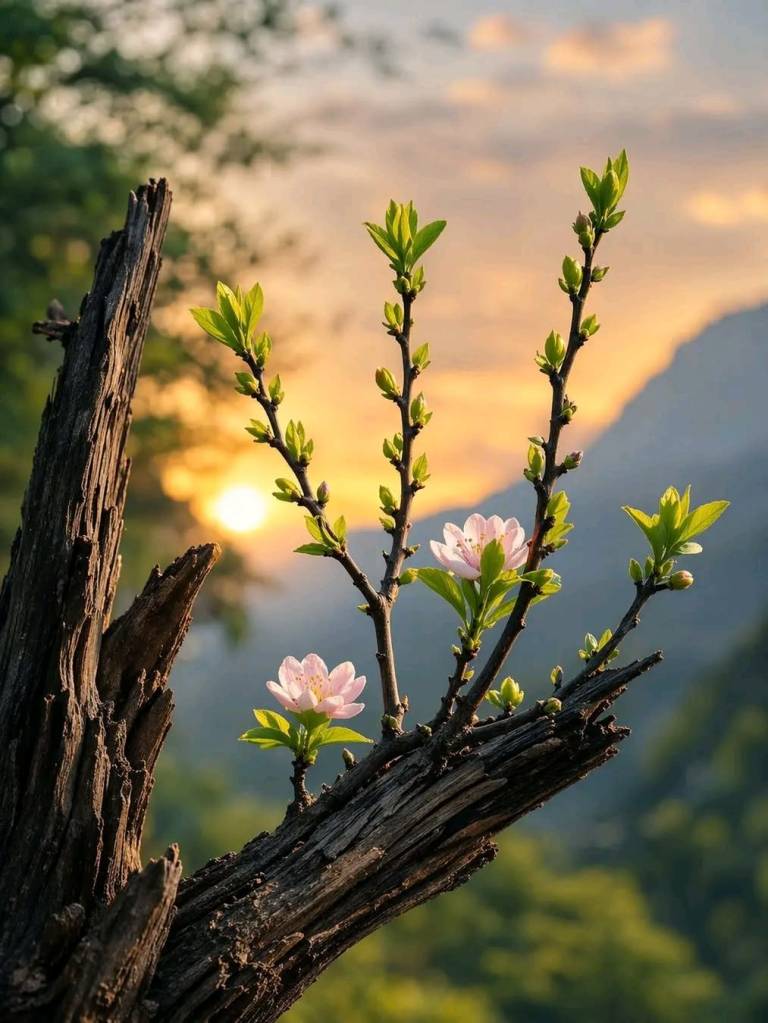
Which brings me back to the gardener. Time has been tending all nine of us for seven years now, and apparently it was never interested in keeping the branches symmetrical. Some grew closer together. Some bent under storms nobody else fully saw. Some reached towards different light. Some became tangled for a while and needed room to breathe. Some gave shade when the others needed somewhere to rest. Some flowered in seasons when the rest of us were struggling. Some carried wounds beneath the bark that were invisible from the other side of the tree. And some began growing towards a part of the sky the rest of us could not follow.
From the tips of the branches, the distance between them can look enormous, but follow them backwards and there are still rings in the wood from the years they grew beside one another. There is still a shared season. There is still a beginning. Perhaps friendship is not proven by forcing every branch to remain touching forever. Perhaps sometimes the greater kindness is allowing each other enough room to grow, trusting that distance does not automatically make the past meaningless. A branch can change direction without denying the tree that once held it. Another can remain close without owning the branches beside it. And sometimes the healthiest thing the whole tree can do is stop demanding symmetry from something that was alive enough to grow differently in the first place.
Time may be a gardener with no respect for symmetry, and after seven years, I think I finally understand why. A healthy tree was never supposed to keep all nine branches in exactly the same place. It was supposed to let every one of them grow.























Leave a comment