On individuality, the strange business of fitting in, and the courage to remain yourself.
I have always found it amusing that society spends so much time encouraging people to be unique, only to become terribly uncomfortable when someone actually takes the advice. We are told to express ourselves, develop our personalities, and discover what makes us different. Yet the moment somebody dresses unusually, thinks differently, questions an accepted opinion, or chooses an unfamiliar path, the same people who celebrated individuality begin exchanging suspicious glances. Apparently, we are all encouraged to be ourselves, provided the result resembles everybody else closely enough to avoid causing inconvenience. What a wonderfully contradictory arrangement.
I sometimes wonder who decided what being normal should look like. Was there a meeting? Did somebody distribute a handbook explaining the acceptable ways to dress, speak, behave, and dream? And if such a handbook exists, why was I never given a copy? It would have saved me considerable confusion, although I suspect I would have disagreed with several chapters.
Growing up, I noticed how easily people formed opinions about one another. Somebody was too quiet, somebody talked too much, somebody dressed differently, and somebody had ambitions that seemed rather unrealistic to everyone else. There was always something to criticise. Even the most ordinary personal preference could become an invitation for unnecessary commentary. Apparently, human beings possess an extraordinary talent for noticing differences, particularly when those differences belong to somebody else.
Perhaps that is why fitting in can become so important when we are young. We want friends, acceptance, and the comforting assurance that we belong somewhere. Nobody particularly enjoys becoming the subject of whispers, laughter, or unkind remarks. So we begin making little adjustments. We reconsider our opinions before expressing them, hide interests that others might find unusual, and occasionally pretend to enjoy things simply because everybody else seems enthusiastic about them.
At first, those adjustments may appear harmless. We all adapt our behaviour to different circumstances, after all. I would hardly speak to a professor in precisely the same manner I speak to my closest friends, and I certainly would not behave during a formal occasion as though I were enjoying a ridiculous afternoon with my classmates. Understanding social expectations is part of learning how to live with other people.
But there is a difference between adapting to a situation and gradually becoming a stranger to yourself.
I think that distinction is easy to overlook.
There are people who seem to possess very clear expectations about how others should live. They have opinions about what is appropriate, what is admirable, and what constitutes a successful life. Some offer advice with genuinely good intentions. Others deliver their judgements with such impressive confidence that one might assume they have personally been appointed to supervise the entire human population.
I have encountered enough unsolicited opinions to suspect that criticism is one of the world’s most generously distributed resources.
The difficulty begins when we allow those opinions to determine how we see ourselves.
A person may enjoy something harmless and meaningful, only to abandon it because somebody has decided it is embarrassing. Someone may have an unusual ambition but hesitate to pursue it because their friends consider it impractical. Another may remain silent during conversations because past experiences have taught them that disagreement attracts ridicule.
Little by little, the desire to avoid criticism can become more influential than our own interests and judgement.
And what a peculiar way to live that would be, allowing people who know only fragments of our lives to make decisions about the entirety of them.
I do not believe being different automatically makes somebody extraordinary. There are people who seem determined to disagree with everyone simply for the pleasure of appearing original. They reject ordinary things because they are ordinary, as though uniqueness were a competition requiring constant evidence of rebellion. Personally, I find that rather exhausting. If I enjoy something popular, I see no reason to pretend otherwise. And if I prefer something unusual, I should not have to manufacture an elaborate explanation to justify it.
Individuality, to me, is less about being noticeably different and more about being comfortable with the possibility that we will not always resemble the people around us.
I can admire somebody without wanting to become an imitation of them. I can appreciate another person’s achievements without assuming that my own ambitions must follow the same pattern. And I can learn from people whose opinions differ from mine without surrendering my ability to think independently.
That sounds simple enough, although putting it into practice can be considerably more difficult.
Especially when criticism becomes personal.
Bullying is one of the cruelest expressions of our tendency to judge difference. There is something deeply troubling about people deliberately humiliating somebody because of their appearance, personality, interests, background, or the simple fact that they do not fit a particular group’s expectations. What one person dismisses as a joke may be experienced very differently by the person receiving it.
And the familiar excuse, “We’re only having fun,” does not automatically make unkind behaviour harmless.
I have never understood why some people find entertainment in making others feel inferior. Perhaps they want attention. Perhaps they feel powerful when someone else becomes uncomfortable. Perhaps they have grown accustomed to treating cruelty as humour because the people around them have allowed it.
Whatever the explanation, another person’s individuality is not an invitation for humiliation.
There is a difference between laughing with somebody and making somebody the reason everyone else is laughing.
I wish more people understood that.
Of course, telling someone to ignore unkind remarks is much easier than actually experiencing them. Words can linger, particularly when they come from people whose acceptance we hoped to receive. We may replay a thoughtless comment long after the person who said it has forgotten the conversation entirely.
That is why I hesitate to suggest that people should simply become strong enough to feel nothing. We are human beings, not stone statues placed in public squares for everybody to inspect. We have emotions, insecurities, and a natural desire to be treated with consideration.
Being affected by cruelty does not mean somebody has failed to be brave.
Sometimes courage means speaking up. Sometimes it means seeking support from people we trust, reporting bullying when necessary, or choosing not to remain in an environment where disrespect has become normal. There is wisdom in recognising that we do not have to confront every difficult situation alone.
And there is certainly no obligation to prove our strength by tolerating repeated mistreatment.
I think we sometimes confuse confidence with the ability to remain completely unaffected by other people’s opinions. We imagine a confident person as somebody who never questions herself, never feels embarrassed, and never worries about being judged. But I suspect genuine confidence is considerably more ordinary.
Perhaps it is being willing to express an opinion even when we know somebody may disagree. Perhaps it is enjoying a personal interest without constantly seeking approval. Or perhaps it is having the humility to recognise when we are wrong without concluding that one mistake makes our entire personality unacceptable.
After all, being yourself should not mean refusing to change.
That would be a rather unfortunate interpretation of individuality.
I have changed my opinions about certain things as I have grown older. Interests that once seemed terribly important have become less significant, while subjects I previously ignored have begun to fascinate me. I have discovered qualities in myself that I appreciate and habits I would very much like to improve.
I am still learning how to distinguish between changing because I have genuinely understood something new and changing merely because I am afraid somebody will disapprove.
It is not always an easy distinction.
Sometimes the people who challenge us are offering valuable advice. A friend who questions an unwise decision may be showing more genuine care than someone who agrees with everything we say. Constructive criticism can help us recognise limitations, reconsider assumptions, and become more thoughtful individuals.
But criticism intended to improve our judgement is different from ridicule intended to make us feel ashamed of who we are.
One invites reflection. The other demands conformity.
And I believe we should learn to recognise the difference.
There is an interesting contradiction in the way we admire originality. We celebrate artists, writers, inventors, and thinkers who introduce ideas that others have not considered. We praise people who challenge familiar assumptions and create something remarkable from their individual perspectives. Yet before their differences become achievements, those same qualities may be dismissed as strange, impractical, or unnecessary.
I wonder how many interesting ideas have disappeared because somebody was too embarrassed to express them.
How many stories were never written because their authors feared criticism? How many interests were abandoned because somebody laughed? How many people have spent years pretending to enjoy a life that was never particularly suited to them?
It seems a terrible waste of human possibility.
We are surrounded by different personalities, backgrounds, experiences, and ways of understanding the world. Some people are naturally outgoing, while others prefer quiet conversations and familiar company. Some enjoy carefully arranged plans, while others find pleasure in spontaneity. Some dream of travelling, writing books, building businesses, or pursuing careers that their families may never have imagined.
There is no sensible reason to expect all those ambitions to resemble one another.
Imagine a world where everybody possessed exactly the same interests, agreed on every subject, and made identical decisions. Conversations would become extraordinarily predictable. Fashion would consist of one acceptable outfit. Every restaurant would serve the same food, every book would tell the same story, and every person’s opinion would simply repeat what somebody else had already said.
I suspect we would become bored before lunchtime.
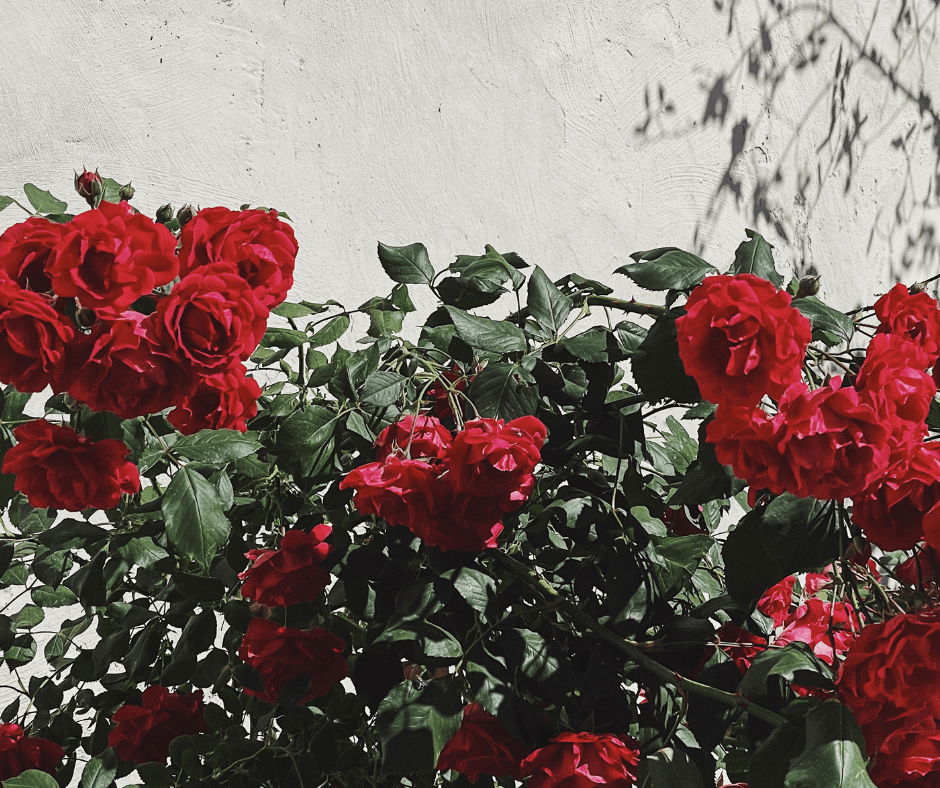
Even nature seems wonderfully uninterested in producing identical things. Flowers differ in shape, colour, and the conditions under which they flourish. Some grow in carefully maintained gardens, while others appear along roadsides where nobody deliberately planted them. A rose does not become more valuable by persuading every other flower to resemble it.
And a sunflower would look rather ridiculous attempting to behave like an orchid.
Perhaps human individuality deserves the same freedom.
We do not need to compete for the privilege of being different. We simply need room to become ourselves without being unnecessarily diminished for the qualities that distinguish us from others.
That includes extending the same consideration to people whose differences we may not immediately understand.
It would be rather hypocritical to demand acceptance for our own individuality while ridiculing somebody else’s. If I want people to respect my choices, interests, and personality, I must also recognise their right to make decisions that may not resemble mine.
Respect does not require agreement.
It requires recognising that another person has a life and perspective beyond our personal preferences.
I am beginning to think that being yourself is not a dramatic declaration we make once and then spend the rest of our lives defending. It is a continuous process of understanding our values, recognising our limitations, discovering our interests, and making choices we can explain honestly to ourselves.
Some days, we will feel confident about those choices. Other days, we may question them, reconsider them, or discover that a different approach would be wiser.
That does not make our individuality less genuine.
It simply means we are still becoming the people we are capable of being.
And perhaps that is the part I find most encouraging.
We are not required to remain permanent copies of our younger selves. We can develop new interests, change our minds, learn from mistakes, and gradually understand what matters to us. The opinions of other people may influence our thinking, but they need not become the sole authority over our lives.
There will always be somebody who finds our choices strange. Somebody may consider our ambitions unrealistic, our interests boring, or our personalities incompatible with their expectations.
We cannot reasonably expect to receive universal approval.
Even the most popular people have critics, and the most admired individuals occasionally become the subject of complaints. If everybody’s happiness depended on being liked by absolutely everyone, I suspect humanity would have accomplished very little beyond apologising to one another.
So I would rather spend my time becoming somebody I can respect than exhaust myself trying to become somebody nobody could possibly criticise.
I want to remain curious, considerate, and willing to learn. I want to recognise my own preferences without assuming they are superior to anybody else’s. I want to be brave enough to express my ideas while remaining humble enough to listen when someone offers a thoughtful disagreement.
And when I encounter people who are different from me, I hope I remember how much courage it can sometimes require simply to live without pretending.
Perhaps the next time somebody tells me to be unique, I shall ask what exactly they mean. Do they want me to become more interesting, more noticeable, or simply less concerned about fitting a particular expectation?
Because I have no particular ambition to become unusual for the sake of attracting attention.
I would much rather become comfortable with being ordinary in some ways and wonderfully peculiar in others.
If I enjoy popular music, I will listen to it. If I prefer an unusual hobby, I will enjoy that too. If I make a mistake, I will try to learn from it. And if somebody finds my personality insufficiently compatible with their idea of normal, perhaps we can simply agree that the world is large enough to accommodate both of us.
After all, a garden containing nothing but roses might still be beautiful.
But I would be rather disappointed if somebody had removed all the other flowers just to make everything match.
For everyone who has ever felt different, questioned their place, or wondered whether acceptance requires becoming somebody else.
— Just Anj



































Leave a Reply