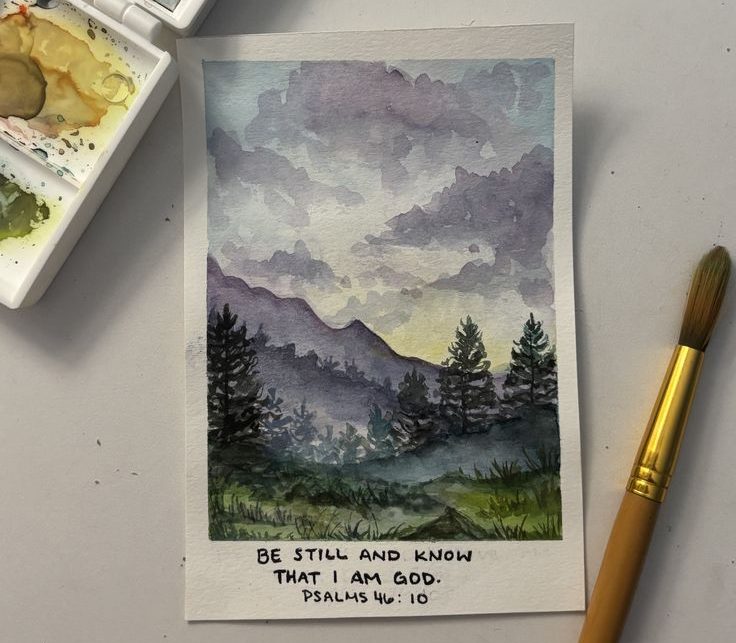
There is something about lighting a candle in church that makes faith look simpler than it feels. The flame is small, steady and almost certain of itself. It does not argue. It does not ask for proof. It does not demand to know what happens next. It simply burns while the person standing before it carries all the complicated things they cannot quite put into words. I have stood in front of candles like that many times—asking, thanking, bargaining a little, surrendering badly, then convincing myself I had surrendered properly. Sometimes I have prayed with confidence. Other times I have simply stood there because I had run out of better sentences.
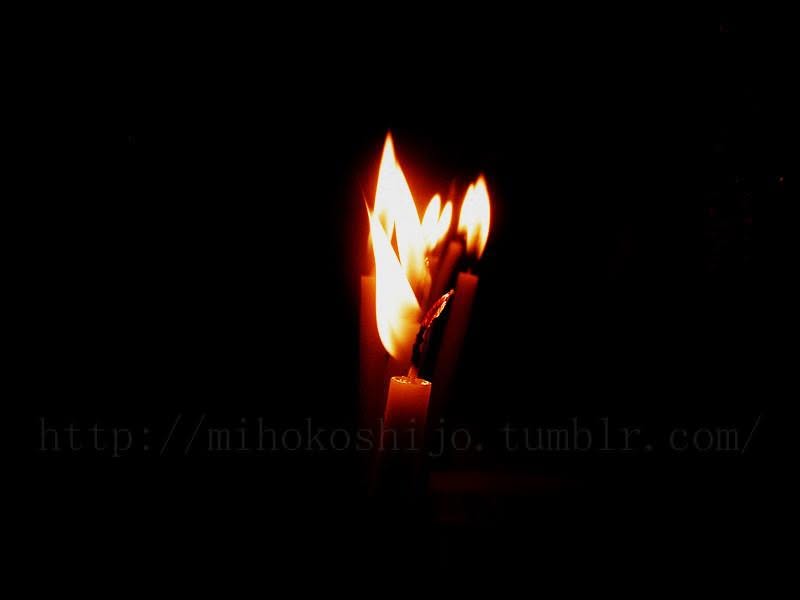
Perhaps that is why candles have always stayed with me. They make faith look beautifully straightforward, even when the person lighting them is anything but. A prayer can be as simple as a flame while the life behind it is full of grief, fear, unanswered questions and plans that have refused to cooperate. Over the years, I have learned that believing in God does not automatically make everything easier to explain. In some seasons, faith has felt less like certainty and more like standing beside that little flame and deciding to remain there even when I do not understand what I am looking at.
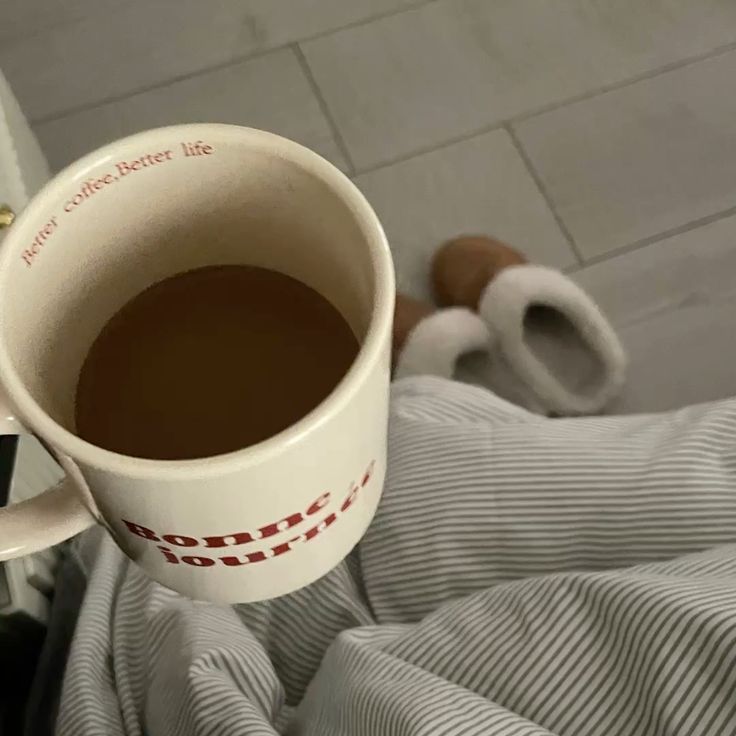
This Sunday, that image kept returning to me. I had meant to write another Sunday Slow Diary—the usual sort of thing. Coffee beside me, probably forgotten long enough to become cold. Curtains open to whatever mood the English weather had chosen. Familiar sounds around the house. A few thoughts waiting to be sorted after a week of work, responsibilities and the usual circus of adulthood. But every time I tried to settle into the room, my mind travelled elsewhere. It kept returning to Nepal.
For the past few days, images from the disaster had been appearing on my screen, and some of them stayed with me long after the phone went dark. People running with the particular fear that comes when remaining still is no longer safe. Elderly people forcing ageing bodies to move faster than those bodies were ever meant to move. Animals fleeing because something in the world they trusted had suddenly become dangerous. There is something deeply unsettling about witnessing another person’s terror through the same device I normally use for messages, recipes, photographs, cats doing ridiculous things and whatever else the internet has decided I ought to see before breakfast. One moment the screen contains something completely forgettable. The next, somebody else’s worst day is resting in the palm of my hand.
The disaster involved a catastrophic high-mountain collapse that sent destructive debris and floodwaters through communities below, leaving death and widespread destruction while rescue and recovery continued across difficult terrain. Scientists studying events like this also have to confront how vulnerable high-altitude environments can become as glaciers, slopes and climate conditions change. I have always thought of mountains as one of nature’s nearest approximations to permanence. They are ancient enough to make a human lifetime look almost embarrassingly brief. We call things permanent so easily when what we often mean is simply that they existed before us and will probably outlast us. Yet even mountains move.
Strangely, though, the mountain itself was not what stayed with me most. I kept thinking about the morning before anyone knew what kind of morning it would become. Somewhere, someone must have woken hungry and prepared breakfast. Someone complained about being tired. A mother probably reminded a child to bring something they had forgotten. Somebody swept a floor, boiled water, fed an animal, opened a door to check the weather or decided that the clothes waiting to be folded could remain there a little longer because, as laundry has repeatedly demonstrated, it possesses extraordinary patience. There would have been meals planned for later, messages left unanswered because there was time, conversations postponed because tomorrow existed, and somebody saying, “See you later,” without placing any particular importance on the words. We say things like that casually because we have to believe in later. Otherwise, ordinary life would become impossible to live.
We buy groceries for next week. We make appointments for next month. We talk about holidays next year. We allow small arguments to stretch into long silences because somewhere beneath our pride is the assumption that another conversation will eventually be available. Most people do not wake knowing that an ordinary date is about to become the dividing line between before and after. History remembers disaster through dates, numbers and locations. The people who live through it probably remember different things: breakfast, an unfinished sentence, who stood beside them, what they were wearing, whether the kettle had boiled. The human heart keeps records no history book could catalogue.
I do not want awareness of that uncertainty to make me afraid of being alive. Fear would be a miserable way to honour life. I would rather let it teach me attention. There is a difference between living as though catastrophe is waiting behind every door and remembering that what exists today deserves to be noticed while it still exists. One makes us afraid to love because we may lose. The other teaches us to look properly while we still have something to see.
The elderly people in the footage affected me most. There is something deeply unsettling about seeing someone who should have earned the right to move slowly suddenly forced to outrun danger. We spend decades constructing identities around ourselves—our jobs, houses, qualifications, savings, routines and plans—and sometimes forget what remains underneath them all: a human body, temporary, vulnerable and capable of fear. Age may slow the legs, but it does not entirely silence the instinct to survive. The animals unsettled me differently. They knew nothing about glaciers, mountains, emergency warnings or evacuation plans. Something familiar had become dangerous, and their bodies told them to run. Disasters do not ask whether their victims understand what is happening. They move through people, animals, rivers, homes and forests with the same indifference. For all the things humanity has invented, moments like these remind us that we still live inside nature, not above it.
We have become extraordinarily clever. We tunnel through mountains, construct bridges across enormous stretches of water, forecast storms through satellites and observe our own planet from space. We can sometimes detect danger early enough to move people away from it, and technology has saved lives precisely because of that. It has also given us an understandable sense of control. Then the earth shifts, a river escapes its boundaries or a mountain gives way, and our claim to being masters of everything suddenly sounds rather ambitious. Somewhere inside that thought, I returned to God.
This is where faith becomes difficult. It is easy to speak confidently about God when the house is safe, the people we love are well and prayer appears to be behaving itself. Faith becomes considerably harder to explain when entire communities are grieving. Natural disasters reopen questions believers have been carrying for centuries. Why this person? Why this family? Why did one survive when another standing nearby did not? Where is God when somebody’s house disappears, when parents search for children or when an ordinary morning becomes something no one involved would ever have chosen? I do not know, and there was a time when writing those three words inside a reflection about faith would have made me uncomfortable. I might have searched hurriedly for something reassuring enough to place beside the suffering: everything happens for a reason, God has a plan, something good will come from it. Sometimes those words genuinely comfort people. Sometimes they are spoken far too quickly, and a grieving person should not have to receive a theological explanation before they have even found somewhere to sleep.
I cannot look at devastation in Nepal and decide those people suffered so that I could learn to appreciate my Sunday. Their tragedy is not a parable arranged for my spiritual development. Their grief belongs to them. Perhaps faith does not always require an explanation. Sometimes it may simply have to survive the absence of one. The prayer becomes smaller than the questions: God, stay near. Stay near the mother waiting for news. Stay near the child who no longer recognises the place once called home. Stay near the elderly person sitting among what remains. Stay near rescuers moving through dangerous ground because somebody may still be alive. Stay near the families searching names, photographs and faces. Stay near those who survived and may spend years wondering why they did when someone beside them did not. I do not need to understand the whole architecture of God before asking Him to enter a damaged room.
Perhaps this is where faith leaves theory and acquires hands. Rescuers move towards places everybody else is escaping. Medical workers treat people whose names they did not know that morning. Neighbours share food, rooms, clothing and information. Strangers send money across countries to families they may never meet. None of this makes disaster beautiful. I have never liked the urge to search quickly for a silver lining inside another person’s catastrophe. There is nothing beautiful about losing a home, a parent, a child or an entire version of life. Grief does not need to become inspirational before we are willing to sit beside it. But there is still something worth noticing in humanity’s refusal to leave suffering completely alone. Terrible things are not secretly good. Sometimes they simply reveal who is willing to stay when there is nothing pleasant left to say.
Social media complicates all of this. We are witnesses in a way previous generations rarely were. A disaster can happen thousands of miles away and reach our screens within minutes. That can create compassion. It can mobilise help. It can tell the world what is happening before official reports have even caught up. It can also turn suffering into something strangely consumable. We watch somebody running for their life, feel horrified for several seconds, move our thumb upwards and suddenly encounter a recipe, somebody’s holiday photographs, a dancing cat or an advertisement trying to sell us shoes. The person in the previous video has not stopped suffering; the algorithm has merely moved on, and I find that unsettling.
I have also learned that I do not need to watch every horrific recording to prove that I care. There comes a point when seeing more no longer deepens compassion; it simply places another image inside the mind that the mind cannot do anything useful with. Turning the phone off is not the same as turning humanity off. I can stay informed without watching people die. I can pray without collecting every devastating image. I can support legitimate humanitarian efforts without repeatedly consuming somebody else’s terror from the safety of my sofa. Perhaps compassion is better measured by what happens after we have seen enough. Does it make us generous? Does it make us careful about sharing unverified information and graphic footage? Does it make us remember that dignity does not disappear simply because somebody’s worst moment has become public?
Eventually, the phone goes down, and there is the house: electricity, running water, food, a roof, familiar walls, people I love still somewhere I can reach them, and the reasonable expectation that tonight I will sleep where I intended to sleep and tomorrow I will probably wake mildly offended by an alarm because normal life has had the audacity to continue. These things rarely feel miraculous because they happen too often. Perhaps repetition is one of the easiest disguises a blessing can wear.
We stop noticing safe journeys home because we have completed hundreds of them. We stop appreciating a familiar voice because we hear it all the time. We complain about coming home exhausted without remembering that coming home tired still contains a home. Routine becomes annoying precisely because it keeps repeating itself. Yet somewhere, someone would give almost anything for one more repetition: one more dinner, one more unimportant conversation, one more familiar person walking through the same door at the expected time.
That does not mean I should become ashamed every time I am tired or disappointed because somebody elsewhere has suffered more. Gratitude built entirely on guilt is not particularly useful. My struggles do not become imaginary simply because somebody else’s tragedy is larger. Pain does not need to win a competition before it qualifies as pain. Perspective does something else; it returns things to their proper size. There are grievances worth addressing and battles worth fighting. There are injustices we should not ignore. But there are also arguments we keep alive long after they have exhausted whatever useful thing they were trying to teach us: pride, resentment, the opinion of somebody who barely knows us, the irresistible need to explain ourselves to people who have already decided what they want to believe. A hurt can be real without deserving permanent accommodation, and mortality does not make our problems meaningless. Perhaps it simply asks us to become more selective about which ones deserve pieces of our limited time.
That is one of the things I want faith to change in me: not simply believing in God when I need Him to solve something, but allowing belief to influence what I do when nothing dramatic is happening. To speak more carefully, judge more slowly, apologise before pride has had time to furnish the room, help without needing witnesses and stop fighting battles whose only prize is being proved right. Sometimes I wonder whether the more difficult question is not, “Do I believe in God?” but, “Would the way I live provide any evidence that I do?” Faith should matter in how I treat people who cannot offer me anything in return. It should matter when nobody is watching. It should matter when another person’s need is inconvenient. Kindness is fairly easy when it costs nothing. Values become more revealing when the bill arrives in time, money, pride, patience, attention or comfort.
There is another part of disaster that cameras rarely capture for very long: the world moves on much faster than the people living through it. Nepal may fill screens for a while. Eventually another disaster, conflict or headline will replace it. The photographs will appear less often. The rest of us will begin speaking about what happened in the past tense. Families there may still wake up inside it. Homes will still need rebuilding. Injuries will still require care. Someone will still wake for half a second and forget that a person they love is gone. For the rest of the world, catastrophe becomes old news. For those who survived it, the present tense can last for years.
Perhaps faith should teach us something about staying after everybody else stops watching. Quiet generosity rarely trends. Neither does the prayer remembered weeks later. Nobody applauds the person who continues helping after the cameras have gone home. Maybe heaven keeps different statistics from the internet. I hope it does.
Today was supposed to be another Sunday Slow Diary, and perhaps it still is. Slowing down does not always mean coffee, books and comfortable thoughts about the weather. Sometimes it means refusing to swipe immediately towards something easier. It means allowing another person’s humanity to remain in front of us long enough that they cease being merely the subject of a headline. This Sunday reminded me that grief and gratitude can exist beside each other without cancelling one another. Science may explain what happened while still leaving human questions unanswered. Faith can remain when certainty does not. Being safe should not make us guilty, but perhaps it should make us more willing to help. Prayer is not a substitute for action any more than action makes prayer unnecessary.
Most of all, it reminded me how easily an ordinary day escapes our notice. I do not know what tomorrow will bring for the people rebuilding in Nepal, and I do not know what tomorrow will bring to this house either. Once, that uncertainty frightened me more. I wanted faith to mean knowing that everything would eventually proceed according to some understandable arrangement. Now I think peace may be something less impressive and more difficult: not knowing tomorrow and still being willing to live today. Surrender is not believing everything ahead will be easy. It may simply be accepting that complete control was never mine.
So today I pray for Nepal—for those grieving, searching and displaced; for people whose lives now contain a permanent before and after; for rescuers, medical teams, volunteers and neighbours doing difficult things because another human being needs them; for those making decisions under pressure; and for communities facing the long, largely unphotographed work of rebuilding after the rest of the world eventually turns its attention elsewhere. And I pray for those of us watching from safety. May we remain tender without becoming consumed. May we stay informed without becoming spectators. May gratitude make us generous instead of merely relieved that suffering happened somewhere else. May faith make us compassionate rather than overly confident about questions we cannot answer. May we recognise what is precious before loss has to explain it to us.
Somewhere nearby, the coffee will probably go cold again. There will be something to eat later, something that needs cleaning and some minor inconvenience tomorrow that will irritate me despite everything profound I have written today. I think that is fine. I do not want awareness of mortality to make every ordinary moment unbearably heavy. I simply want it to interrupt me occasionally and make me look properly at what remains: the familiar room, the person answering the phone, the plate on the table, the door opening and someone expected walking through it, the voice I hear so often that I have never thought to memorise its exact sound.
We spend a surprising amount of life looking for God in dramatic places—in miracles, unmistakable signs and prayers answered so clearly that doubt becomes difficult. Perhaps some of His gifts arrive with such dependable regularity that familiarity eventually makes them almost invisible: another sunrise, another journey completed safely, another meal, another opportunity to apologise, another person still here to irritate us and love us, another completely ordinary Sunday.
And I think again of the candle. Nothing spectacular happens when it is lit. The church does not shake. The questions do not disappear. The flame cannot explain suffering, predict tomorrow or promise that everyone I love will always remain within reach. It simply burns while I stand beside it carrying what I understand and what I do not. Maybe faith has always looked a little like that—not having all the answers, not pretending darkness does not exist, but keeping a small flame alive inside it. Today was supposed to be ordinary. Perhaps ordinary was the gift I almost failed to notice.
Holding today a little more carefully,
Anj













Leave a Reply