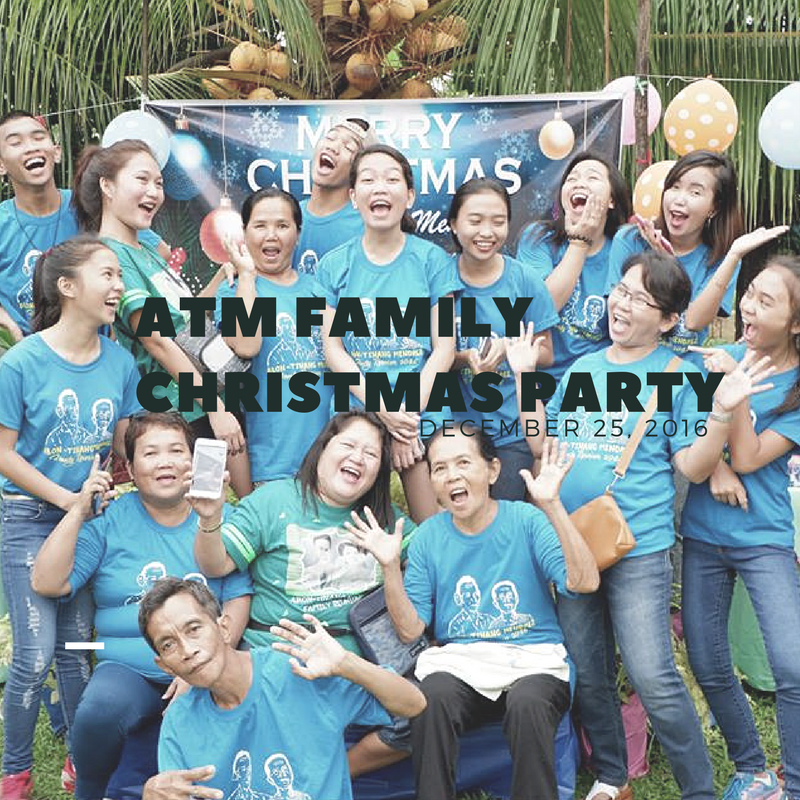
Christmas with the Abon-Tinang Mendrez Clan | December 2016 — A Family Reunion, Questionable Dance Moves, Escaping Roosters, and the Beautiful Chaos of Coming Home
If you ever want to understand how complicated a Filipino family tree can become, I suggest attending one of our Christmas reunions. You will encounter relatives whose names you recognise but whose exact relationship to you requires a brief genealogical investigation, children who have grown several inches since you last saw them, and aunties who possess an extraordinary ability to identify your parents before you have finished introducing yourself. Somewhere between the third cousin, the second helping of food, and the inevitable question about your love life, you begin to realise that tracing your ancestry is considerably more entertaining when everybody involved is gathered in one place. In our family, however, we have taken this arrangement a step further. We have turned an ordinary Christmas gathering into an annual celebration involving dancing, raffles, competitive relatives, and apparently, farm animals with absolutely no interest in participating in our holiday traditions.
Welcome to Christmas with the Abon-Tinang Mendrez Clan, where family bonding occasionally resembles a village fiesta that has escaped the supervision of its organising committee.
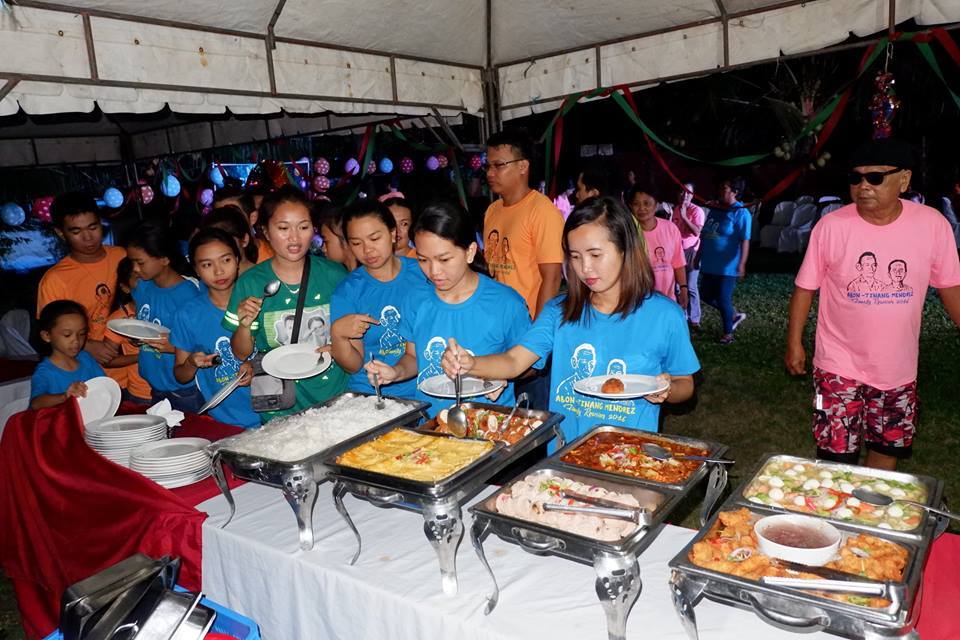
Every December, there is something different about the atmosphere surrounding our family gatherings. The months preceding Christmas are usually occupied with work, responsibilities, and the ordinary complications of adult life. Relatives become busy with their own households, younger family members attend school or pursue their individual plans, and finding an occasion when everybody can gather becomes increasingly difficult. But as Christmas approaches, conversations begin turning towards preparations for the annual clan celebration. Plans are discussed, activities are considered, and the familiar excitement of another family reunion gradually makes its way into our conversations. After months of preparation, the evening finally arrives, and the ordinary surroundings of home become the setting for an event that could probably entertain half the barangay without requiring anyone to purchase a ticket.
There is something particularly comforting about hearing laughter fill the yard again. During an ordinary day, the space may seem familiar enough that we barely notice it. But when relatives gather, voices overlap, conversations develop in different directions, and people move between groups with the enthusiasm of guests who have several months’ worth of stories to exchange. The atmosphere changes almost immediately. Children become excited, adults begin catching up, and somewhere nearby, somebody is already laughing at a joke that the rest of us have not yet heard. I have always enjoyed that transformation because it reminds me how a familiar place can become extraordinary simply through the presence of people who share a history.
Our annual celebration is known as the Abon-Tinang Mendrez Clan Christmas Party, or ATM for short. Before anybody becomes unnecessarily excited about the abbreviation, I must clarify that our ATM does not dispense cash, although the prospect of raffle prizes has occasionally encouraged relatives to behave as though considerable financial rewards might be available. The name comes from my great-grandparents. Abon was the nickname of my great-grandfather, while Tinang was my great-grandmother. Their names became the foundation of our family gathering, linking the generations who now come together to celebrate Christmas and recognise the relationships connecting us.
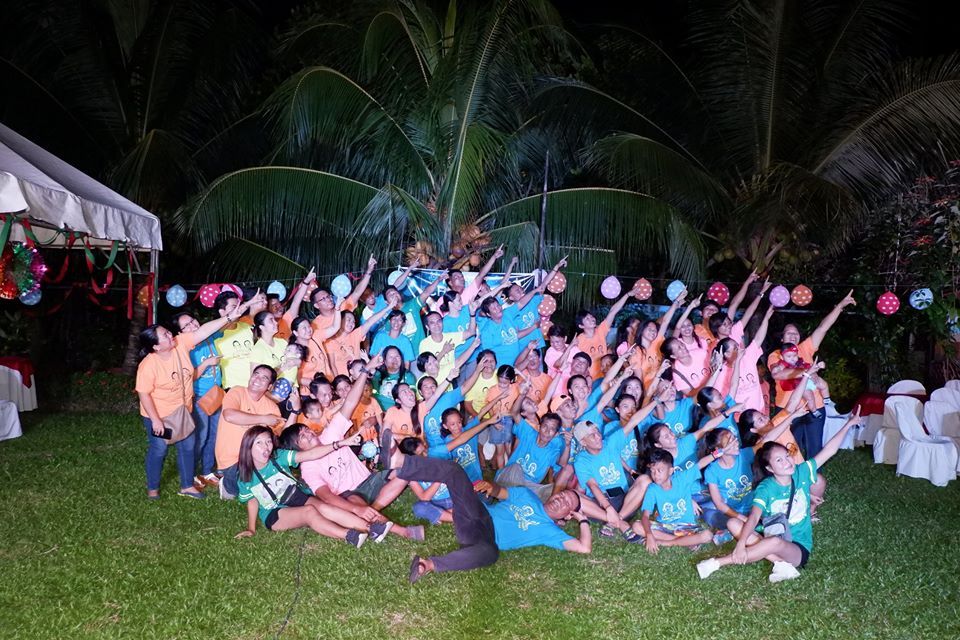
I find that little detail particularly meaningful. Family names can sometimes become so familiar that we forget the people and stories behind them. We use them during gatherings, write them on invitations, and refer to them almost as though they have always existed independently of anyone’s life. Yet our clan’s name begins with two people whose descendants have continued forming families, building relationships, and creating memories of their own. What began with Abon and Tinang has grown into a collection of relatives with different personalities, experiences, and ambitions, all connected through a shared family history. I sometimes wonder what my great-grandparents would think if they could see how enthusiastically their descendants have embraced the tradition of gathering together, especially once the games begin and certain members of the family start demonstrating behaviour that would probably require a little explanation.
There is a delightful contrast between the seriousness of family history and the cheerful disorder of an actual reunion. We can speak thoughtfully about ancestry, generational connections, and the importance of preserving traditions, but give our relatives a microphone, a dance competition, and the possibility of winning a prize, and all historical solemnity temporarily disappears. Suddenly, everybody becomes remarkably competitive. People who spend most of the year behaving with admirable composure begin negotiating the rules of parlour games, defending their team’s performance, and expressing opinions about whether the judges have demonstrated sufficient appreciation for their efforts. I suppose family history is important, but family entertainment appears equally determined to secure its place in our collective memory.
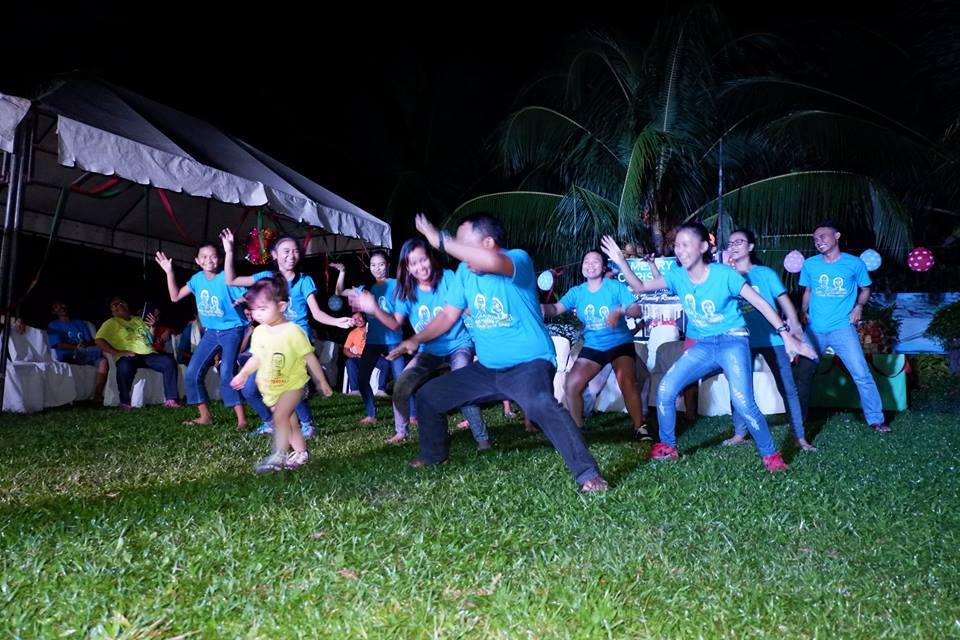
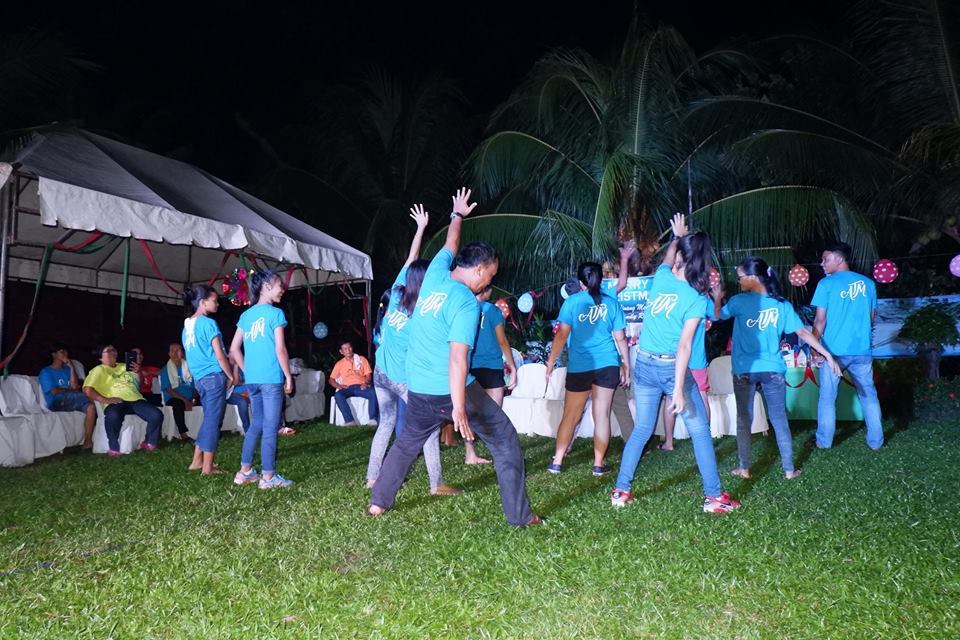
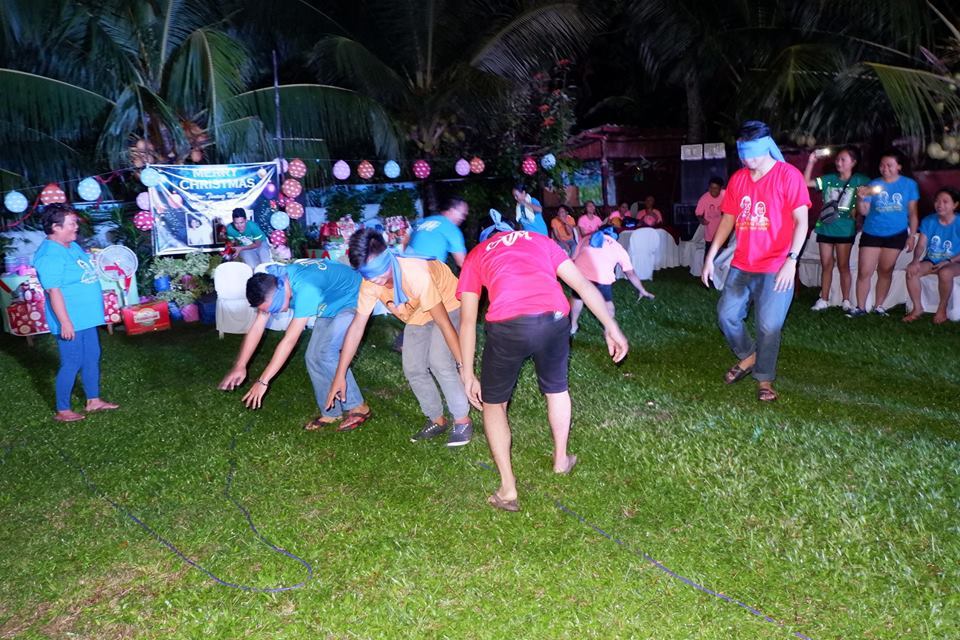
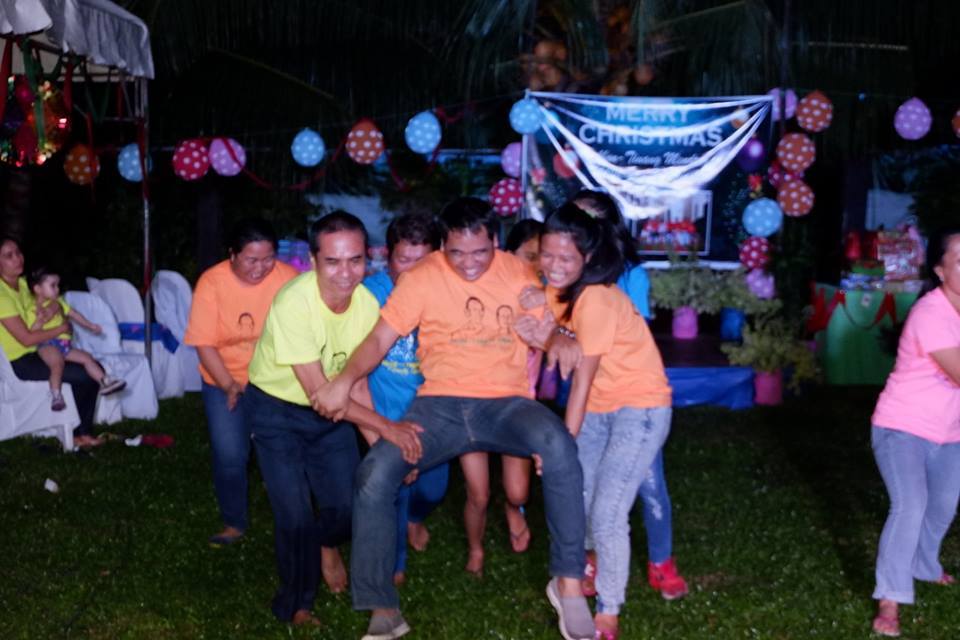
This year’s Christmas party involved a variety of activities, and one of the most entertaining was the surprise dance presentation from each group. I have always believed that dancing reveals aspects of people’s personalities that ordinary conversation manages to conceal. Some relatives approach a performance with tremendous confidence, as though they have spent their entire lives preparing for the possibility of being discovered by a television talent show. Others participate with expressions suggesting that they would much rather be assigned to arrange chairs or distribute food. And then there are those who appear to have abandoned all concern for choreography, musical timing, and the opinions of the audience. They simply dance with such enthusiasm that the technical quality of the performance becomes almost irrelevant.
I admire that kind of confidence, particularly because family Christmas parties seem to operate according to their own standards of entertainment. Nobody expects a production worthy of an international concert. What matters is that people participate, enjoy themselves, and contribute to the general atmosphere of celebration. Of course, this does not prevent certain groups from treating the activity with impressive seriousness. Once the music begins, relatives who were previously discussing entirely ordinary matters may suddenly transform into performers with ambitions that extend far beyond the boundaries of our yard. Watching everyone embrace the occasion is part of the fun, especially when the audience includes people who know exactly how unfamiliar some of those dance moves would be during the rest of the year.
I suspect the performers were not the only ones enjoying themselves. Family audiences possess a special talent for making ordinary performances memorable. There are cheers, laughter, enthusiastic reactions, and the occasional observation from somebody who considers themselves qualified to provide artistic criticism. It is difficult to maintain an excessively serious attitude when the people watching have known you since childhood and are perfectly willing to remind you of your earlier attempts at dancing. Perhaps that is why these performances become so entertaining. We are not trying to impress strangers. We are celebrating with people whose affection allows us to be a little ridiculous without feeling that the evening has been ruined by an imperfect performance.
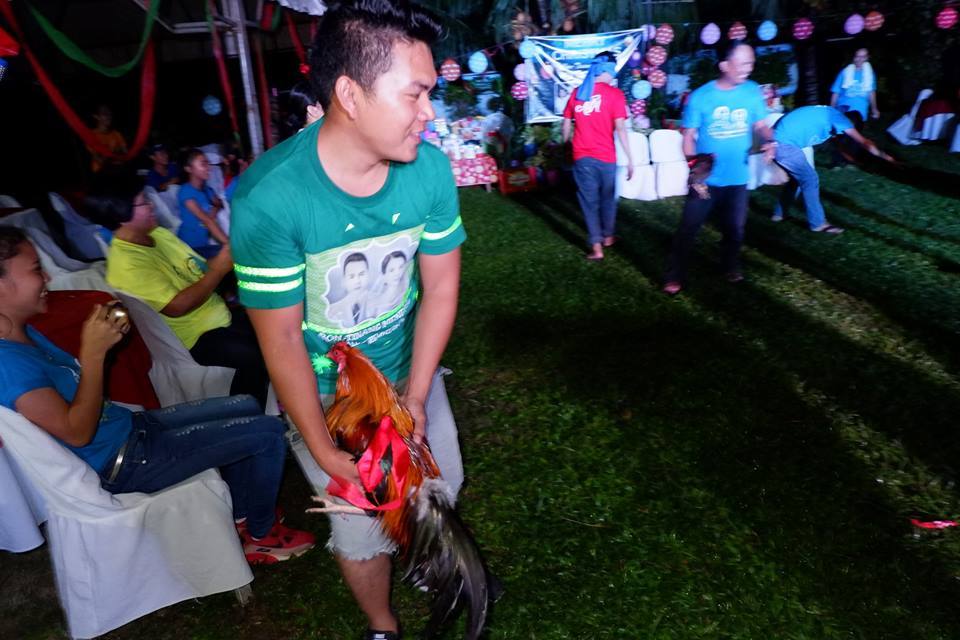
The games, however, were where our family’s creativity became particularly apparent. I have attended Christmas parties involving musical chairs, guessing games, and the familiar Bring Me competition, where participants scramble to produce whatever object the host announces. These activities are entertaining enough on their own, especially when people become unusually determined to win prizes that may not be particularly valuable. But our clan apparently decided that ordinary games required a little agricultural innovation. Among the activities were games involving a running rooster and a goat, both of which had somehow become part of the evening’s programme. I must admit that I am not entirely certain how these ideas survived the planning discussions, but I suppose our family has never lacked imagination.
The thought of relatives attempting to catch a rooster during a Christmas party is ridiculous enough to make me laugh even while writing about it. Roosters, as far as I understand, have no particular interest in celebrating the birth of Christ through competitive participation in human entertainment. They have their own priorities, most of which do not involve cooperating with enthusiastic relatives. The goat, I imagine, would have been equally unimpressed by the sudden attention. I hope the animals were handled gently and without distress, because amusing as unusual games may seem to spectators, their welfare deserves consideration. Looking back, I think the family could have created just as much laughter through games that involved only willing human participants. We certainly have enough enthusiastic relatives to make that possible without recruiting unsuspecting members of the animal kingdom.
There is something wonderfully Filipino about the competitive spirit that emerges during Bring Me. A perfectly ordinary object becomes an item of extraordinary importance the moment somebody announces that it is required for a game. Relatives begin searching, people offer suggestions, and participants suddenly discover that speed and resourcefulness are essential qualifications for success. I have always found it entertaining how quickly adults can abandon their usual dignity when a small prize becomes available. Perhaps the object being requested is something they would ordinarily ignore, but once it has been mentioned by the host, obtaining it becomes a matter of personal achievement. I suspect that if somebody announced a competition requiring the fastest delivery of a household slipper, several of our relatives would immediately demonstrate athletic abilities previously unknown to the family.
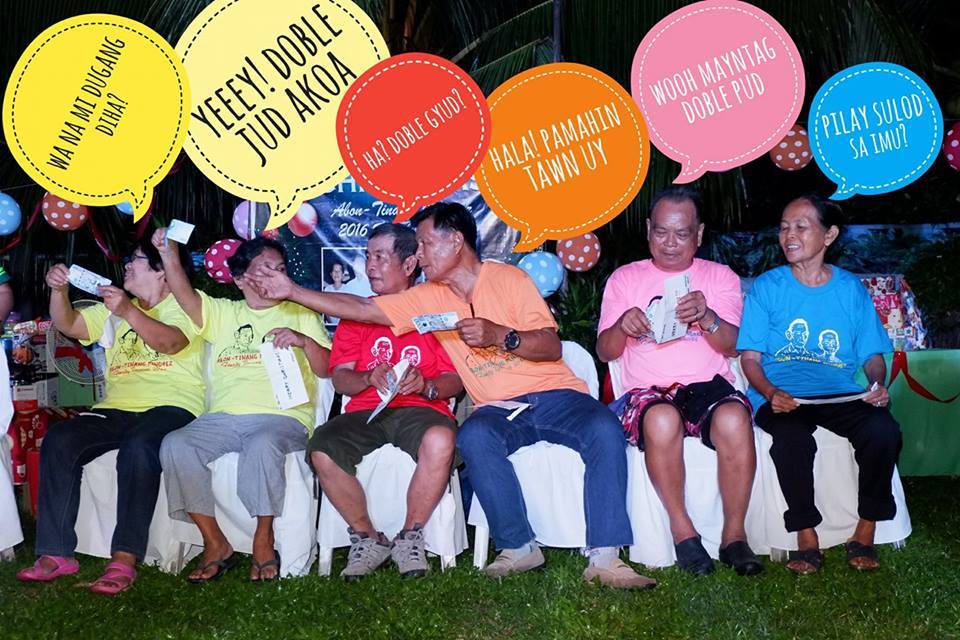
Of course, no Filipino Christmas celebration feels entirely complete without a raffle. Ours was organised with the involvement of Ate Pete and Aunt Nympha, whose efforts contributed to the excitement of the evening. I appreciate the work involved in arranging activities like this because a successful gathering rarely happens without somebody spending time preparing the details. Guests may arrive ready to enjoy themselves, but behind the celebration are people who have coordinated arrangements, considered the programme, and helped make the event possible. Their contributions deserve recognition, particularly when the gathering involves several generations of relatives with varying expectations about what constitutes a proper Christmas party.
Raffles have a peculiar ability to transform even the most relaxed person into somebody intensely interested in numerical probability. The moment prizes are announced, attention becomes unusually focused. People examine their tickets, listen carefully for numbers, and suddenly remember that destiny may be preparing to deliver something wonderful. I suspect most participants are perfectly aware that winning is uncertain, but that does not prevent the excitement of imagining that the next number might belong to them. There is also considerable entertainment in watching the reactions of relatives who win, especially when the prize produces genuine delight or unexpected laughter.
What makes these activities meaningful to me is the atmosphere they create. The games and raffles provide opportunities for relatives to interact beyond their usual conversations. Younger family members become involved, adults participate in activities they might otherwise avoid, and everyone has something to laugh about together. It is easy to assume that family bonding requires serious discussions or elaborate arrangements, but sometimes shared enjoyment can accomplish something equally valuable. A little competition, a silly performance, or a raffle prize can encourage people to participate in the celebration rather than remain separated into familiar groups throughout the evening.
I think that matters, especially in a large family. When several generations gather, people naturally gravitate towards relatives closest to their age or those they already know particularly well. Cousins may form their own conversations, older family members catch up with one another, and children become occupied with their own activities. An organised programme gives everyone a reason to come together, even briefly, and creates experiences that belong to the gathering as a whole. We may not all remember every conversation from the night, but I suspect the dancing, games, and memorable reactions will remain part of our family stories for years to come.
Christmas in the Philippines has always possessed a distinctive atmosphere. There is something about the combination of family gatherings, familiar traditions, food, music, and the enthusiasm with which Filipinos approach celebrations that makes the season particularly memorable. We begin preparing early, discuss plans with considerable excitement, and somehow manage to turn even simple gatherings into occasions involving enough activity to entertain an entire neighbourhood. I have always loved that aspect of our culture, particularly because celebrations often provide opportunities for relatives who rarely see one another to reconnect.
But what I appreciate most about Christmas is the way it encourages us to consider the relationships we sometimes overlook during the rest of the year. We become occupied with work, personal responsibilities, and plans that require our attention. Days pass quickly, and before we realise it, months may have gone by since we last spent meaningful time with certain relatives. Christmas offers a familiar reason to gather, but I think its value lies in what we choose to do with that opportunity. We can exchange greetings, enjoy the festivities, and remember that family relationships deserve attention beyond important dates on the calendar.
As a Christian, I also recognise the spiritual significance of Christmas. The celebration of Jesus’ birth reminds me of God’s love and the importance of expressing that love through the way we treat one another. It is easy to associate the season with decorations, gifts, and elaborate preparations, particularly when the celebrations become so enjoyable. But I hope I never become so occupied with the festivities that I forget the faith underlying the occasion. For me, Christmas is an opportunity to express gratitude, reflect upon the blessings our family has received, and consider how we can extend kindness to others.
I do not think that means every Christmas gathering needs to become a solemn occasion. Joy and laughter have their place, especially when people come together to celebrate something meaningful. In fact, I find it rather lovely that our family can honour a religious occasion while also creating memories through ordinary, sometimes ridiculous activities. The contrast between prayerful reflection and enthusiastic dancing may seem amusing, but both can belong to a celebration centred upon gratitude and togetherness. I suspect that if our ancestors could observe the occasion, they might be pleased to discover that their descendants continue making time for one another, even if the entertainment programme has become increasingly imaginative.
I have also been thinking about how family traditions survive. They do not continue automatically simply because previous generations considered them important. Somebody must be willing to organise the gathering, communicate with relatives, prepare the activities, and encourage people to participate. Maintaining an annual celebration requires effort, particularly when families become larger and individual responsibilities grow more complicated. I appreciate that our clan continues making the attempt, because it gives younger generations an opportunity to understand their connections and recognise that they belong to a family history extending beyond their immediate household.
The Abon-Tinang Mendrez name is an important part of that continuity. It reminds us of the great-grandparents from whom our family branches developed and provides a shared identity that can bring relatives together despite the differences in our individual lives. I like the thought that children attending the celebration may grow up recognising the name as part of their own history, just as older relatives understand the people and memories associated with it. Family traditions can become a way of preserving stories, particularly when they encourage conversations between generations who might otherwise have fewer opportunities to spend time together.
Sometimes I wonder how much of our family history exists only in the memories of older relatives. There must be stories about childhood, marriage, work, celebrations, and ordinary experiences that younger generations have not yet heard. A gathering like this creates opportunities for those memories to be shared, even if the atmosphere is occasionally too lively for lengthy conversations. I hope we continue asking questions about where our family came from and the lives of those whose names we carry forward. There is something meaningful about recognising that our present relationships are connected to people who lived through circumstances very different from our own.
Perhaps that is another reason I appreciate taking photographs during family reunions. The pictures preserve the people who attended, the activities we enjoyed, and the familiar surroundings of a particular celebration. At the time, we may be concerned with arranging ourselves properly in front of the camera or ensuring that everyone appears reasonably presentable. Years later, however, the photographs may become valuable for reasons that have little to do with perfect lighting or attractive poses. They will remind us of who was present, how the younger relatives looked before they grew older, and the ordinary happiness of spending time together.
I suspect some of our photographs will also serve as permanent evidence of questionable dancing. That is simply a risk everyone accepts when participating in a Christmas party where several relatives possess cameras and very little hesitation about using them. I have learned that family photographs rarely provide complete control over one’s public image. Somebody may capture a perfectly lovely group picture, while another person preserves an expression that looks as though you have just received particularly alarming news. I suppose that is part of the entertainment, although I reserve the right to request that certain photographs remain confidential until a suitable period of time has passed.
Looking back upon the evening, I find myself appreciating how much laughter filled the yard. The dancing, games, raffle prizes, and conversations created an atmosphere that felt distinctly ours. Other families may celebrate Christmas differently, with quieter gatherings or traditions shaped by their own histories. Our clan seems to enjoy a particularly enthusiastic combination of entertainment and togetherness, and I am grateful to be part of it. There is something reassuring about returning to familiar people and discovering that, despite the changes happening in our individual lives, we can still gather for an evening and enjoy one another’s company.
I know that family relationships are not always simple. Large families contain different personalities, opinions, and experiences, and disagreements are probably as old as family gatherings themselves. Being related does not guarantee that everyone will understand one another perfectly or agree upon every decision. But I think occasions like Christmas offer opportunities to appreciate the relationships that remain important, even when ordinary life has introduced distance or complications. We do not need to pretend that every family is perfect to recognise the value of spending time together.
Perhaps that is one of the things adulthood has been teaching me. When I was younger, family gatherings seemed like ordinary events that would continue happening indefinitely. I enjoyed the food, games, and companionship without giving much thought to the effort involved or the fact that circumstances could eventually change. As I grow older, I am becoming more conscious of how valuable these opportunities are. People move, responsibilities increase, and the familiar arrangements of one year may look different in the next. We cannot assume that every gathering will include exactly the same people or that circumstances will always make it possible for everyone to attend.
That thought makes me especially grateful for the memories we created during this Christmas celebration. The evening was cheerful, energetic, and wonderfully unpredictable, but beneath the entertainment was the simple fact that our family had made time to gather. We were continuing a tradition associated with our great-grandparents, sharing an occasion that connected different generations, and creating another collection of memories to carry forward. I hope the younger members of the clan will remember these celebrations fondly and eventually recognise the importance of preserving opportunities for family connection.
I also hope that future reunions continue developing in ways that respect everyone involved. Traditions can be preserved while activities change, and I think there is something healthy about allowing each generation to contribute its own ideas. We can keep the dancing, games, raffles, and familiar humour while finding creative activities that are enjoyable and considerate towards people and animals alike. Given the enthusiasm demonstrated by our relatives, I am confident that a perfectly ordinary collection of party games would still provide more than enough entertainment. If necessary, we could simply organise a competition to determine which family group can perform the most ridiculous dance routine without losing track of the music. I suspect the results would be unforgettable.
As I sit down to write about the celebration, I realise that the evening has given me another reason to appreciate the importance of documenting ordinary family experiences. We often reserve our attention for major milestones, such as weddings, graduations, and significant achievements. Those occasions deserve celebration, of course, but annual gatherings can become equally meaningful because they provide a record of family life as it continues through the years. Each Christmas party adds another chapter, with new faces, familiar personalities, and little incidents that gradually become part of our shared history.
I imagine that someday, somebody younger in the family may look back upon these photographs and wonder what our Christmas celebrations were like in 2016. They will see relatives dancing, groups gathered together, and the enthusiastic expressions of people enjoying an evening that had required months of preparation. Perhaps they will laugh at our clothing, hairstyles, and ideas about entertainment. I certainly hope they will question the inclusion of farm animals in the games, because that detail deserves some consideration. But I also hope they will recognise the affection and effort behind the celebration, understanding that our family wanted to create an occasion where relatives could enjoy being together.
The more I think about it, the more I appreciate the significance of the name ATM. It began as a practical abbreviation of Abon-Tinang Mendrez, but it has become associated with an annual tradition that brings together the descendants of our great-grandparents. I find it amusing that such a simple combination of letters can represent so many personalities and memories. In ordinary life, an ATM is a machine people approach because they hope to receive money. In our family, it represents something considerably less predictable and far more entertaining: a gathering where relatives arrive carrying stories, enthusiasm, and occasionally an extraordinary willingness to make fools of themselves for the sake of a Christmas game.
Perhaps that is an appropriate comparison after all. Our family ATM may not distribute cash upon request, but it has certainly provided a substantial collection of memories. Every gathering contributes something new, whether through the activities we enjoy, the conversations we share, or the familiar pleasure of recognising people who have been part of our lives for as long as we can remember. Those experiences cannot be withdrawn from a machine or measured through a financial statement, but they become valuable in ways we may only fully appreciate as the years pass.
I began this entry wondering how anybody could accurately explain the complexity of a Filipino family tree, particularly one whose members are enthusiastic enough to turn Christmas into a lively community celebration. After reflecting upon the evening, I suspect the answer has very little to do with memorising every relationship or arranging our ancestors into a perfectly organised diagram. The connections become more meaningful through the time we spend together, the stories we preserve, and the traditions we continue. We may not always remember exactly how every relative is connected to us, but we recognise the familiar faces, shared history, and sense of belonging that make the gathering worthwhile.
Christmas with the Abon-Tinang Mendrez Clan has reminded me that family traditions do not need to be elegant to become memorable. Ours involved surprise dances, enthusiastic games, raffles, laughter, and a few activities that could probably benefit from a more carefully supervised planning committee. Yet the evening was filled with people enjoying one another’s company, and I am grateful for the opportunity to have been part of it. I hope we continue celebrating together in the years ahead, finding new ways to preserve the tradition while remembering the people whose names gave it a beginning.
As another Christmas passes, I find myself thinking about Abon and Tinang, the great-grandparents whose names remain part of our family’s identity. Their descendants have grown into different generations, each with its own stories and responsibilities, but the annual gathering continues providing an occasion to recognise where our connections began. I like imagining that our family tree is still growing, its branches extending into new households and lives while remaining connected to the history beneath them. It may not always be perfectly organised, and some of its branches may produce relatives with particularly questionable dance moves, but it remains a source of memories worth preserving.
For now, I shall keep the photographs, remember the laughter, and remain thankful that our family made the effort to celebrate together. There will be other Christmases, other reunions, and undoubtedly more imaginative suggestions from relatives who consider themselves qualified to organise entertainment. I look forward to discovering what future celebrations will bring, although I sincerely hope the organising committee eventually develops a programme that does not require roosters or goats to reconsider their holiday arrangements.
And should somebody ask me what made this Christmas particularly special, I will remember the sound of laughter filling the yard, the familiar faces gathered beneath our family name, and the extraordinary spectacle of relatives temporarily abandoning their dignity in the name of entertainment. I suppose that is the beauty of belonging to a large Filipino clan. We inherit more than surnames and family histories. We inherit personalities, traditions, stories, and the occasional responsibility to participate in a surprise dance performance whether or not we possess any measurable talent.
Some families celebrate Christmas with elegant parties and carefully arranged entertainment. Ours apparently believes that the occasion deserves an entire programme of laughter, competition, family history, and agricultural confusion. I would not exchange those memories for a more perfectly organised celebration, although I remain convinced that the rooster would probably have preferred a quieter Christmas.
May we continue gathering, laughing, and remembering the people who brought our family together. May the younger generations grow up understanding the significance of Abon and Tinang’s names, and may the older generations continue sharing the stories that make our family history meaningful. Most importantly, may our celebrations remain opportunities to express gratitude for God’s love and for the people whose presence makes Christmas feel like home.
Merry Christmas from the Abon-Tinang Mendrez Clan, where the family tree has many branches, the laughter travels across generations, and apparently even the chickens need an invitation to the party.
December 2016 | Christmas with the Abon-Tinang Mendrez Clan — a celebration of faith, family, shared history, and the beautiful disorder of bringing several generations together.
— Just Anj, proud descendant of Abon and Tinang, occasional family historian, and firm believer that every Christmas party needs laughter, good food, and significantly fewer escaped animals.


































Leave a Reply