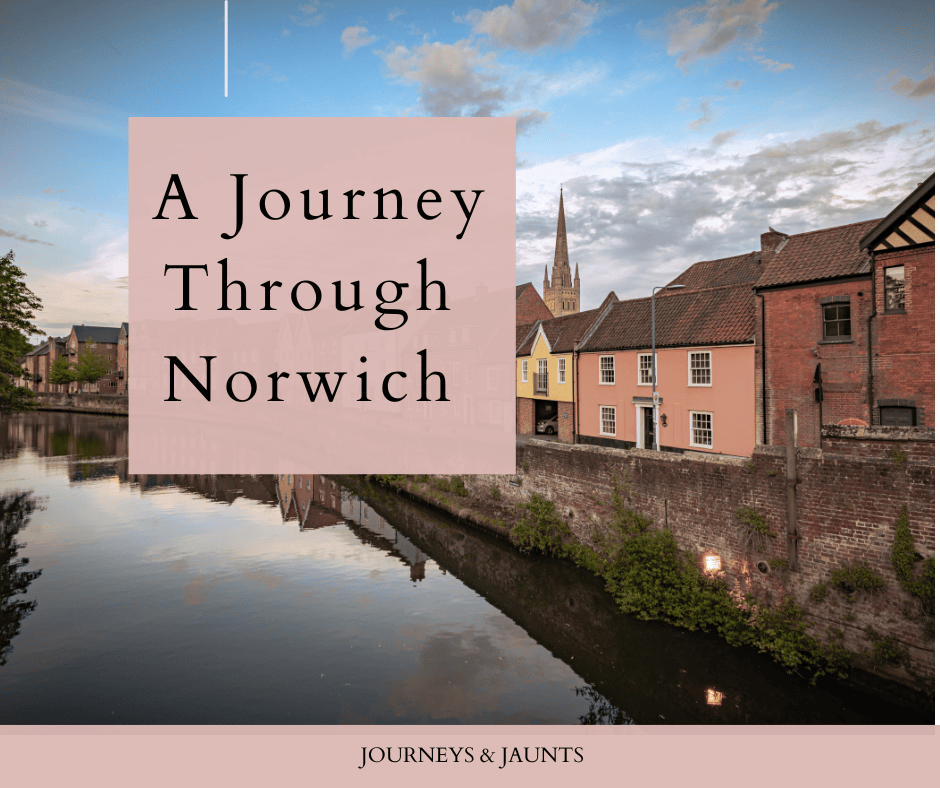
Norwich seemed to have misplaced the century and, rather charmingly, showed no urgency about finding it.
Our journey began for a considerably less poetic reason. My fiancé had dissertation work to attend to, and I saw his academic obligation as an excellent opportunity to attach myself to the itinerary. So, two weeks before I first wrote this in March 2020, we left Wolverhampton aboard a National Express coach bound for Norwich. Nearly nine hours separated us from our destination, which is a length of time that sounds manageable when purchased online and becomes an entirely different unit of measurement once your spine has begun submitting formal complaints. During the first few hours, the coach journey felt almost cinematic. England rolled past our window in long strips of fields, small towns, bare trees and patches of countryside painted in early-spring greens and browns. By the later hours, however, even the most beautiful field could not distract me from the fact that my knees had entered hostile negotiations with the seat in front.
Still, long journeys have their own peculiar gift. They stretch time until conversation becomes unnecessary. We talked, watched the scenery change, occasionally slept in positions no physiotherapist would endorse and sat together in the comfortable silence that develops when two people no longer need to fill every minute with words. The road kept pulling itself beneath us, mile after mile, while the world outside blurred into hedges, roofs, fields and grey March sky. By the time Norwich finally appeared, the journey had already slowed us enough to notice it properly.
And Norwich rewarded looking.
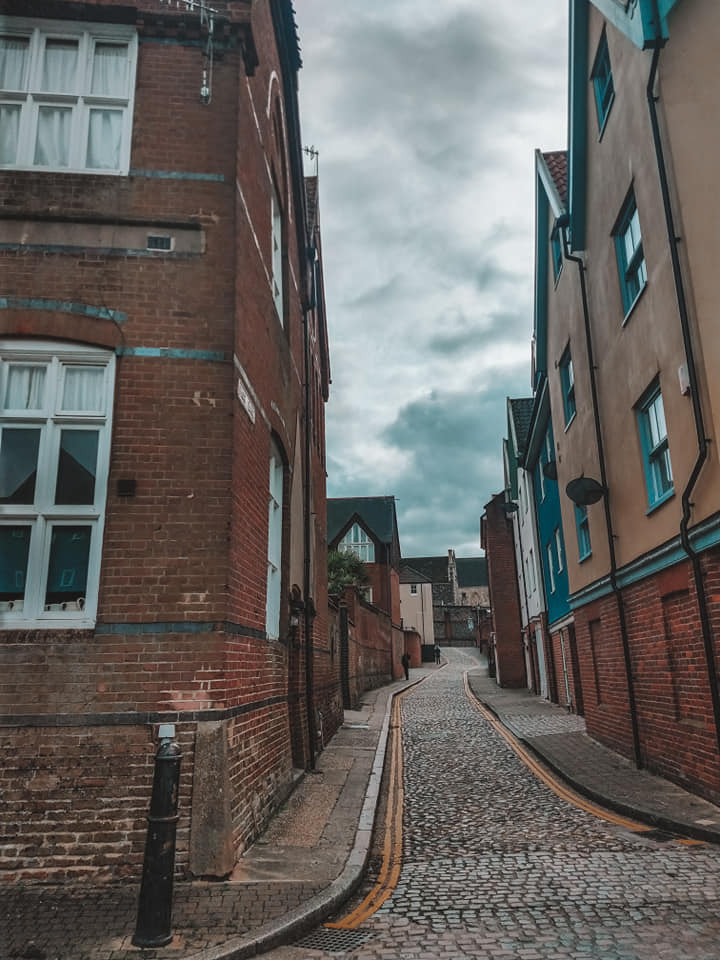


My first impression was that the city seemed to have been built by several centuries that could not agree whose turn it was to leave. Medieval walls stood beside modern storefronts. Timber-framed houses watched buses pass beneath them. Stone churches shared streets with cafés, restaurants and people walking around with mobile phones in their hands. Norwich had none of the polished artificiality of a place trying desperately to convince visitors that it was historic. Its age seemed much more confident than that. History simply lived there.
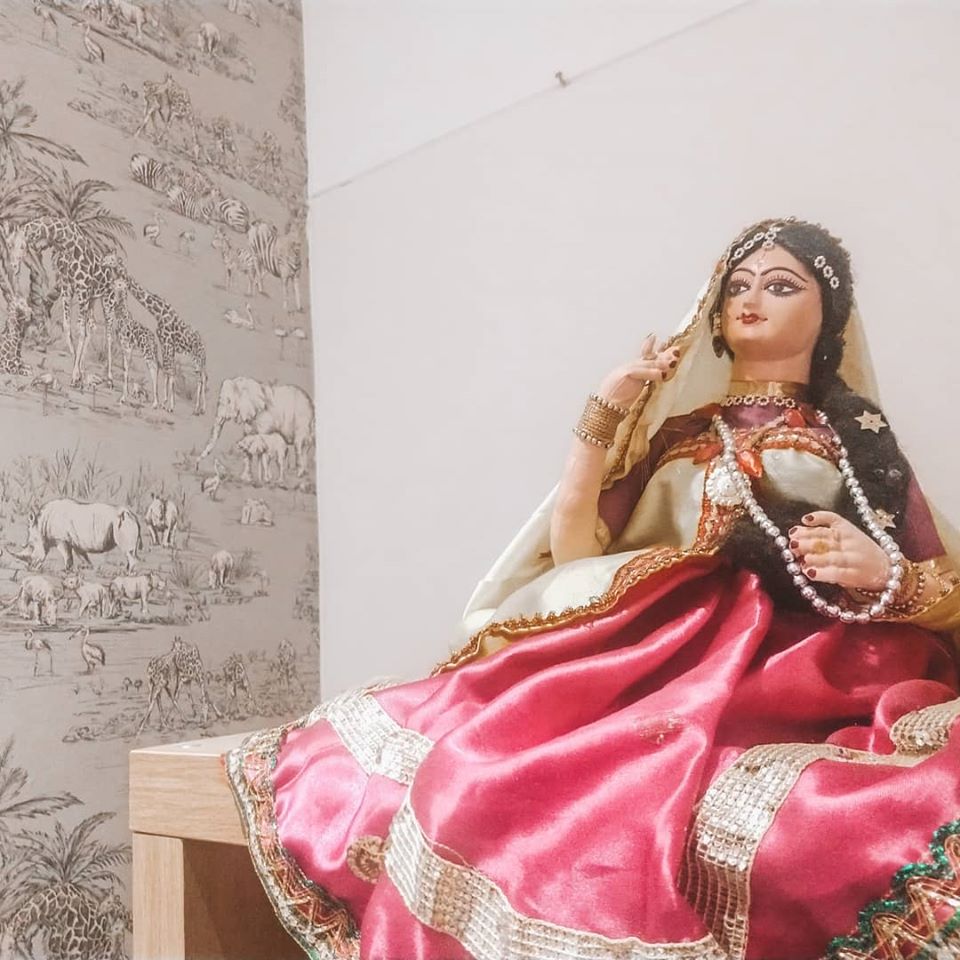
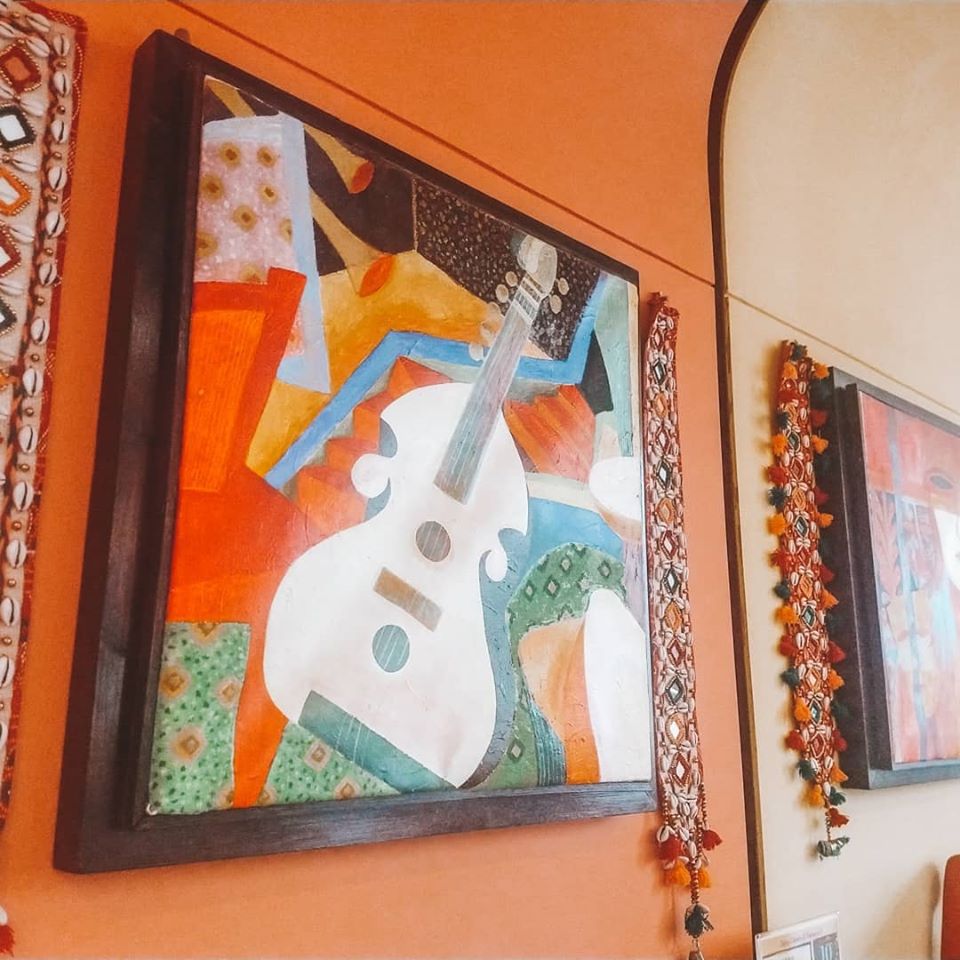
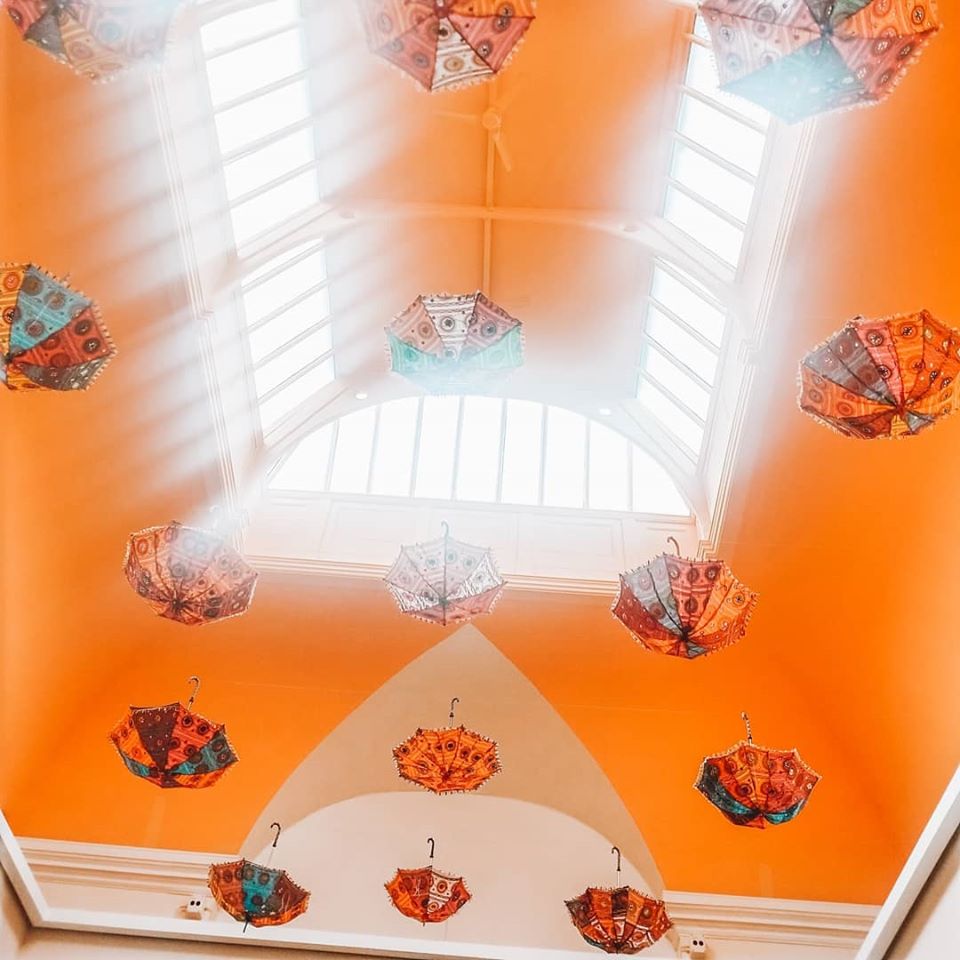
Before properly surrendering ourselves to the streets, we made our temporary home at the Namaste Palace Hotel for four days and three nights. It was simple, clean and comfortable, which became increasingly luxurious each evening as our feet began renegotiating the terms of the holiday. The room gave us exactly what we needed: somewhere calm to return to after hours of cobbles, cold air and architectural enthusiasm. Mornings began with uncomplicated breakfasts—croissants, cereal bars and porridge cups—while we planned the day ahead with more confidence than our legs probably deserved. Downstairs, the Indian restaurant became one of those small pleasures that travel memories cling to: warm lights, fragrant spices and the enormous relief of knowing dinner was only a staircase away. After a full day of walking, that restaurant did not need Michelin stars. It simply needed chairs, hot food and mercy.

I found myself constantly looking upwards. This was partly because I have always had a weakness for Tudor and timber-framed architecture and partly because Norwich appears to reward anyone willing to stop staring directly ahead. Wooden beams crossed pale façades like dark handwriting. Upper storeys leaned towards streets as though gravity had been making patient suggestions for several hundred years. Some windows sat slightly crooked in their frames, and rooflines rose and dipped with the charming refusal of old buildings to conform to modern geometry. These were not perfect structures in the sterile sense. Their imperfections were the evidence.
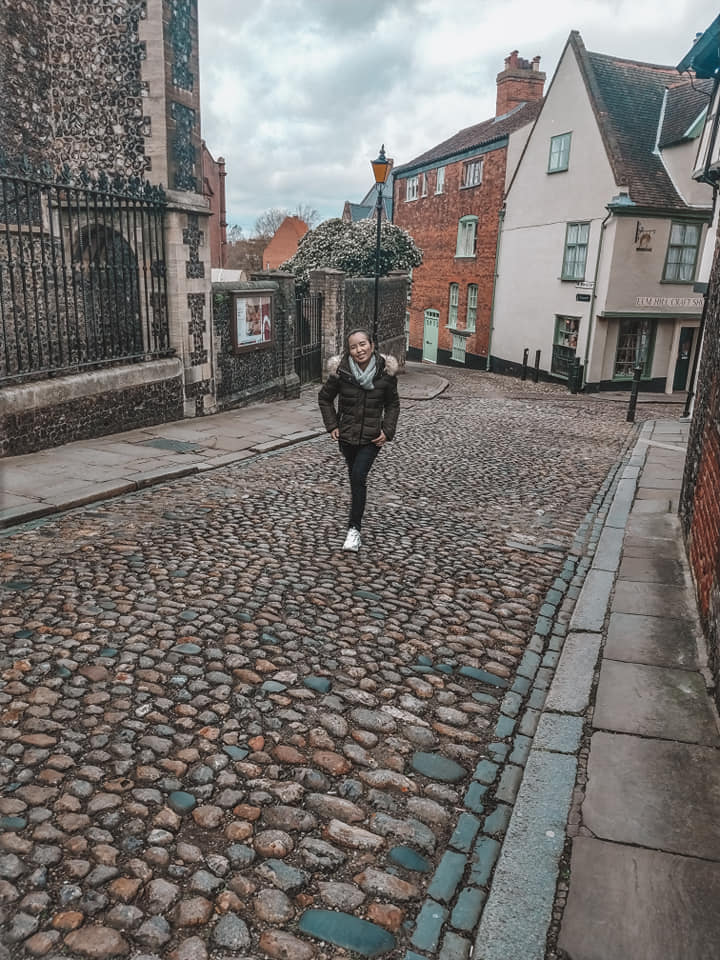
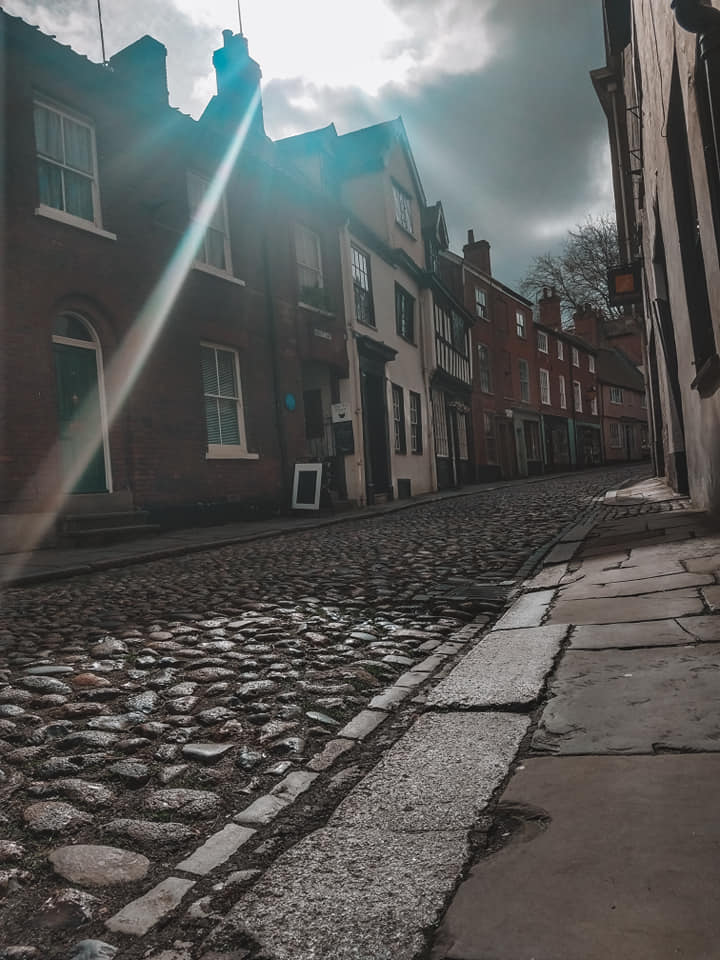
Elm Hill was where Norwich seemed to become most aware of its own beauty. The cobbled lane curved between timber-framed buildings whose upper floors appeared to lean towards each other like old neighbours who had been exchanging the same gossip since the Tudor period. Nothing seemed entirely straight, which only made everything more interesting. Doorways sat beneath weathered beams, windows looked onto stones polished by generations of footsteps, and the narrowness of the street gave it the intimate feeling of somewhere the modern city had somehow forgotten to widen.
Walking there required divided attention. My eyes wanted to remain on the buildings while the cobbles demanded that I pay considerably more attention to where I put my feet. History may be romantic, but an uneven medieval street is perfectly willing to humble an overenthusiastic tourist.
Then I saw The Dormouse.
A bookshop called The Dormouse should not be allowed to exist on a Tudor street without accepting responsibility for the expectations it creates. The name sounded less like a commercial establishment and more like somewhere a waistcoated rabbit might recommend after tea. Together with the tearooms and old shopfronts around it, Elm Hill felt as though someone had taken the vocabulary of a storybook—cobbles, crooked timber, small windows, bookshops, tea—and built an actual street from it.
What I liked most, though, was that Elm Hill was not immaculate. Old streets rarely are. Stone darkened in places, buildings showed their age, and the grey March light occasionally made everything look more austere than enchanting. But perhaps that was exactly why it worked. A medieval street scrubbed into perfection would have looked like a film set. Elm Hill had wrinkles. I trusted it more for having them.
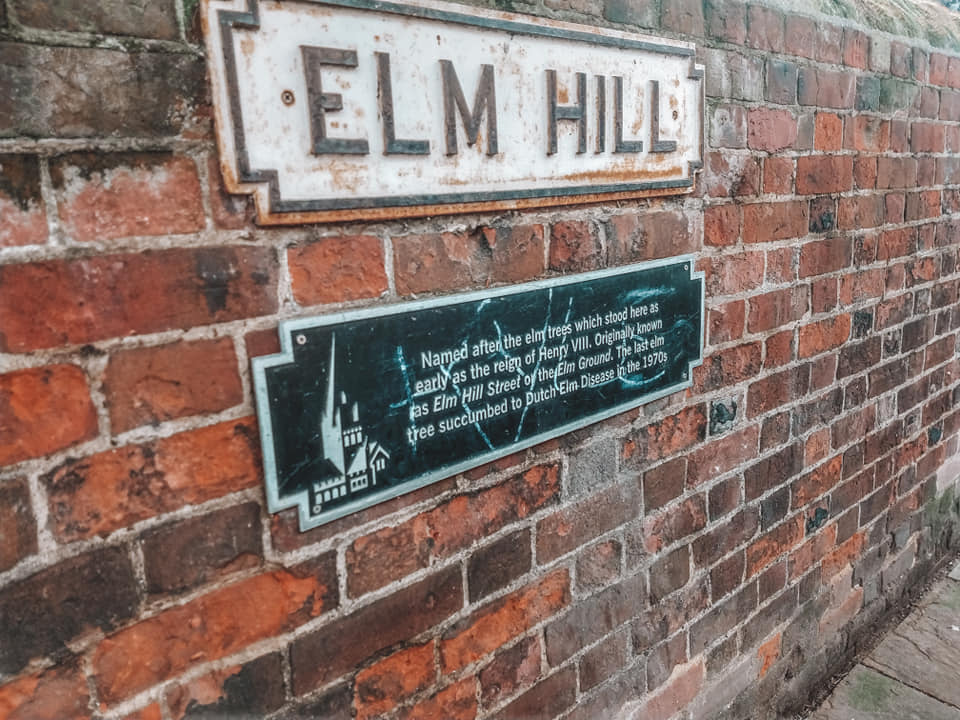
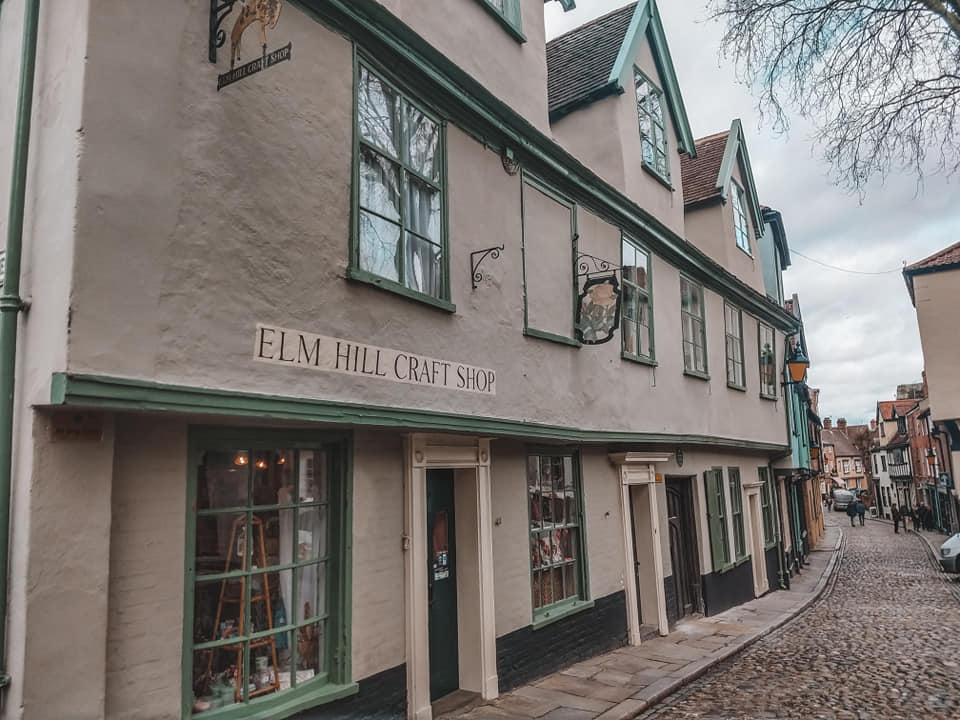
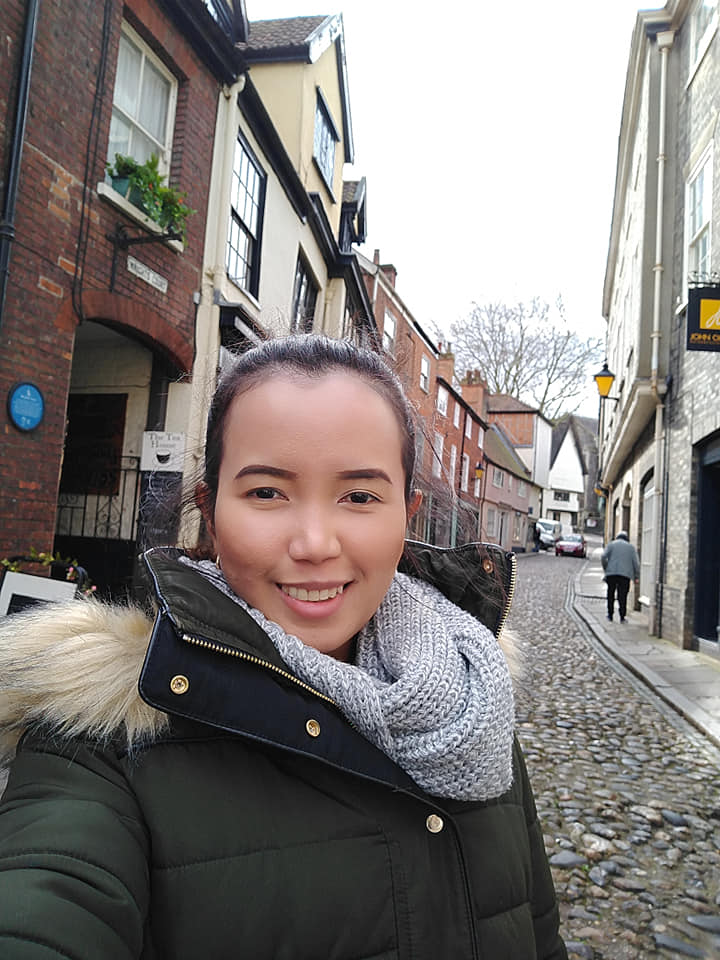

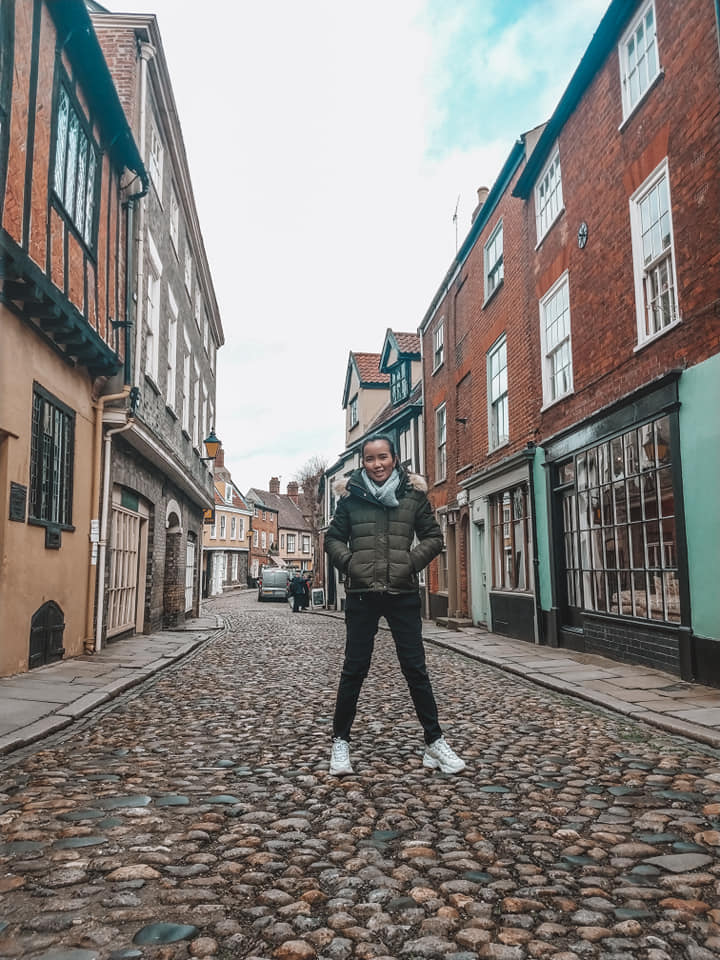
Norwich continued its conversation with the past around Tombland, another name capable of making an unsuspecting visitor wonder whether they had accidentally wandered into a Gothic novel. Despite how ominous the name sounds to modern ears, the area opened around the cathedral quarter with broad views, old buildings and centuries of accumulated history. Here Norwich felt less whimsical than Elm Hill and more stately, as though the city had temporarily stopped whispering secrets and straightened its collar.
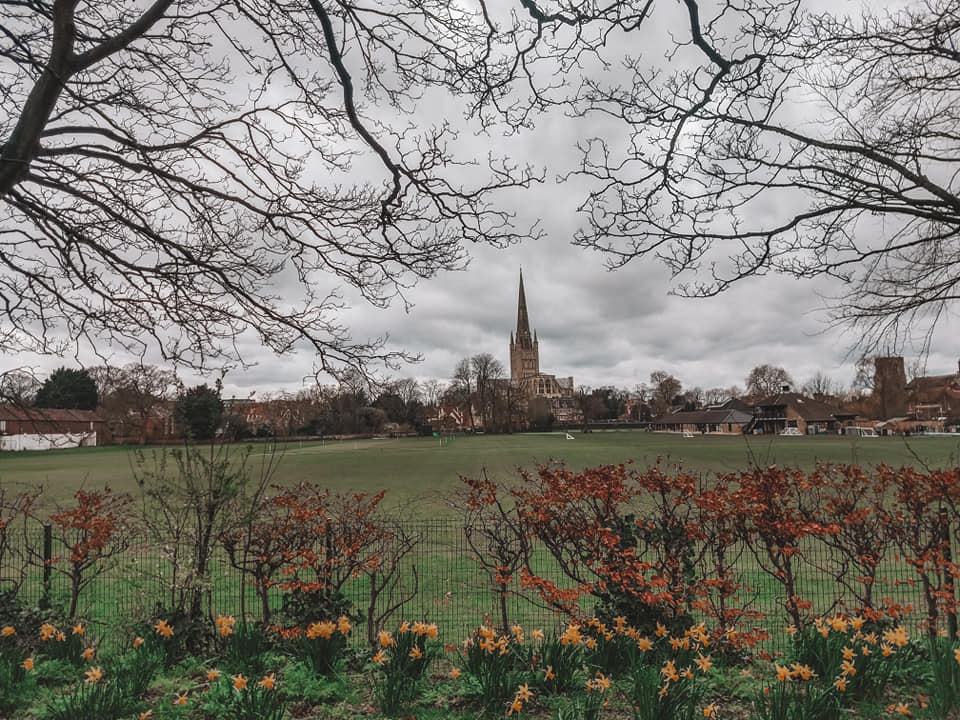
The cathedral itself changed the scale of everything around it. Norwich Cathedral did not merely stand in the city; it seemed to gather the surrounding space towards itself. Pale stone rose above us with the confidence peculiar to buildings that have survived more human lifetimes than anyone can comfortably comprehend. The spire pulled the eye upwards until your neck reminded you of its limitations, while arches, stonework and cloisters turned architecture into something closer to rhythm. Repetition appeared everywhere—columns following columns, arches opening into arches, stone arranged with the patience of people building for generations they would never meet.
Cathedrals always make me think differently about time. We become irritated when a parcel arrives two days late. Medieval builders committed themselves to structures whose completion could stretch beyond individual lifetimes. Standing beneath such architecture makes modern impatience look slightly ridiculous. Somewhere centuries ago, somebody spent an extraordinary portion of his life shaping stone into something beautiful. I sometimes congratulate myself for folding the laundry on the same day.
Around the cathedral, the city seemed to lower its voice. Weathered stone, patches of green and old buildings created an atmosphere less theatrical than Elm Hill but more contemplative. Even if you are not particularly interested in architecture, there is something about standing near a structure that has watched countless people arrive, worship, leave, age and disappear. The cathedral remains while generations pass beneath it like weather.
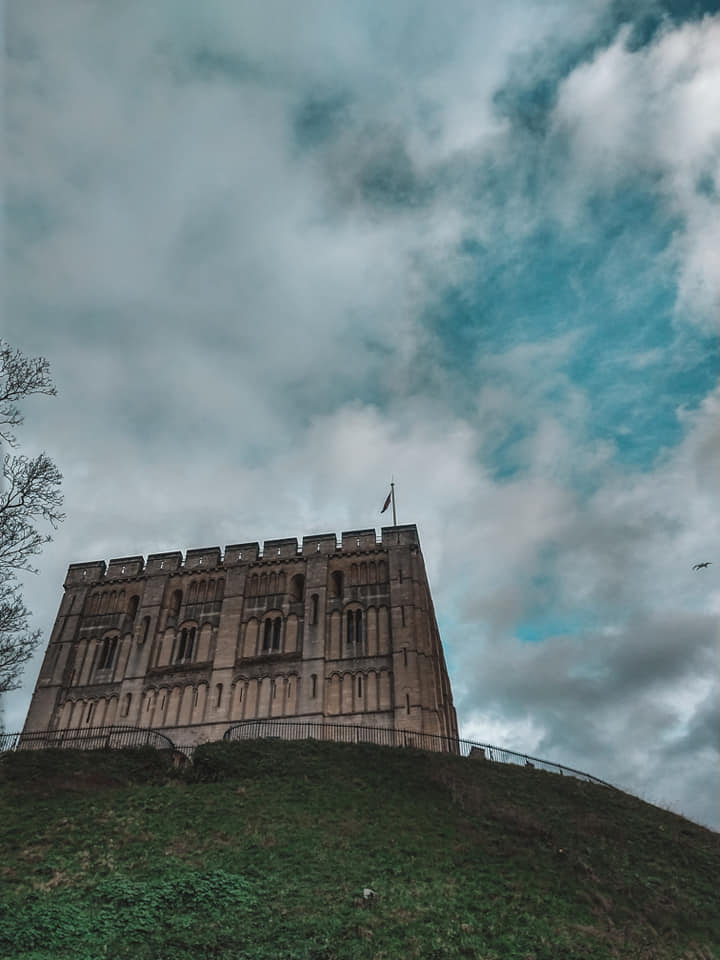
Norwich Castle presented history differently. Where the cathedral reached elegantly into the sky, the castle seemed to plant itself above the city with the broad, heavy confidence of something that had once needed to make its authority unmistakable. Its great mass lacked the delicate romance of timber-framed houses; it was solid, pale and imposing, more fortress than fairytale. If Elm Hill whispered and the cathedral prayed, Norwich Castle looked as though it had once been perfectly capable of issuing orders.
That contrast appealed to me. Old cities become far more interesting when their history is not uniformly picturesque. The past was not composed entirely of lovely windows and charming tea rooms. It contained power, defence, conflict, wealth, punishment, faith, trade and ordinary survival. A castle should perhaps feel slightly severe. If it looked too welcoming, one might reasonably question whether it had understood the assignment.
The Royal Arcade offered another personality entirely. Built at the end of the nineteenth century, it carried itself with more polished elegance than the medieval streets around it. Its decorative details, curved lines and shopfronts felt theatrical, as though Victorian Norwich had decided the practical business of shopping deserved better architecture. After the darker timber and weathered stone elsewhere in the city, the arcade felt almost dressed for an occasion.
I loved the way Norwich could do that within the space of a walk. One moment I was examining Tudor beams that appeared to have survived through sheer stubbornness; the next I was surrounded by late-Victorian ornamentation. The city did not ask visitors to choose a favourite century. It simply stacked them together and let everyone argue privately.
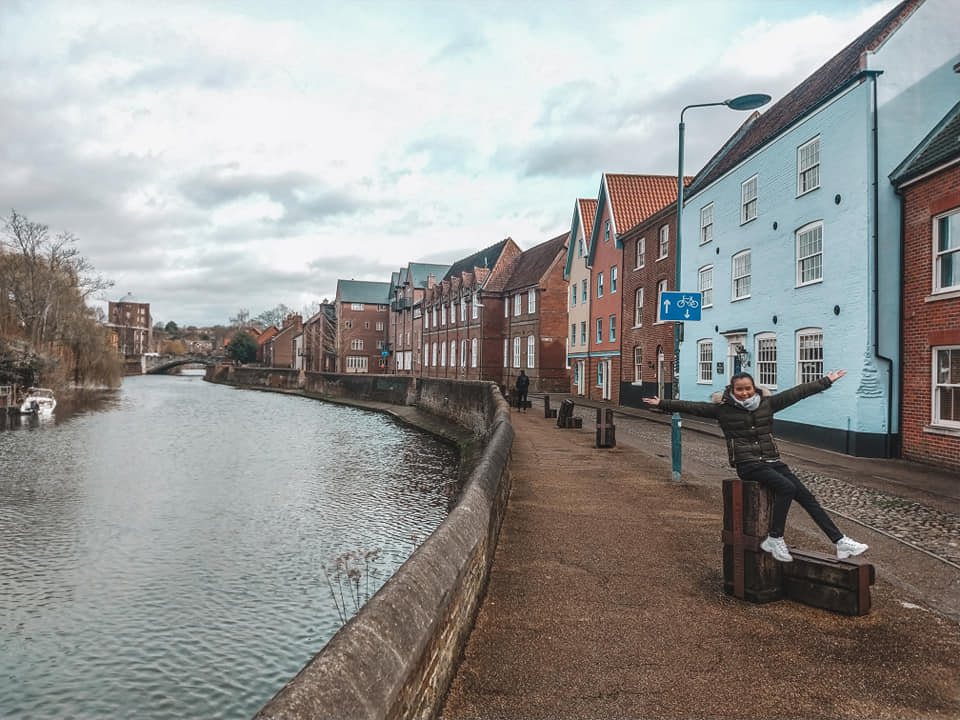
The River Wensum stitched many of these different versions of Norwich into one landscape. It appeared and disappeared during our walks, curving through the city like a loose thread somebody had forgotten to trim. Around Quayside, the river became especially beautiful. Buildings gathered along its edge and leaned their reflections into the water, where the slightest movement rearranged them.
The pastel façades looked almost too composed from certain angles, their colours doubled in the river beneath them. On a still day, the water could behave like glass. When disturbed, it became an impressionist painter, taking straight lines and turning them into trembling strokes of colour.
Quayside had once belonged to a much busier commercial world, and knowing that gave the peaceful riverfront another layer. Places change occupations just as people do. What once carried the urgency of trade could later become somewhere two visitors wandered with cameras and aching feet. The river itself appeared indifferent to the career change. It simply kept moving.

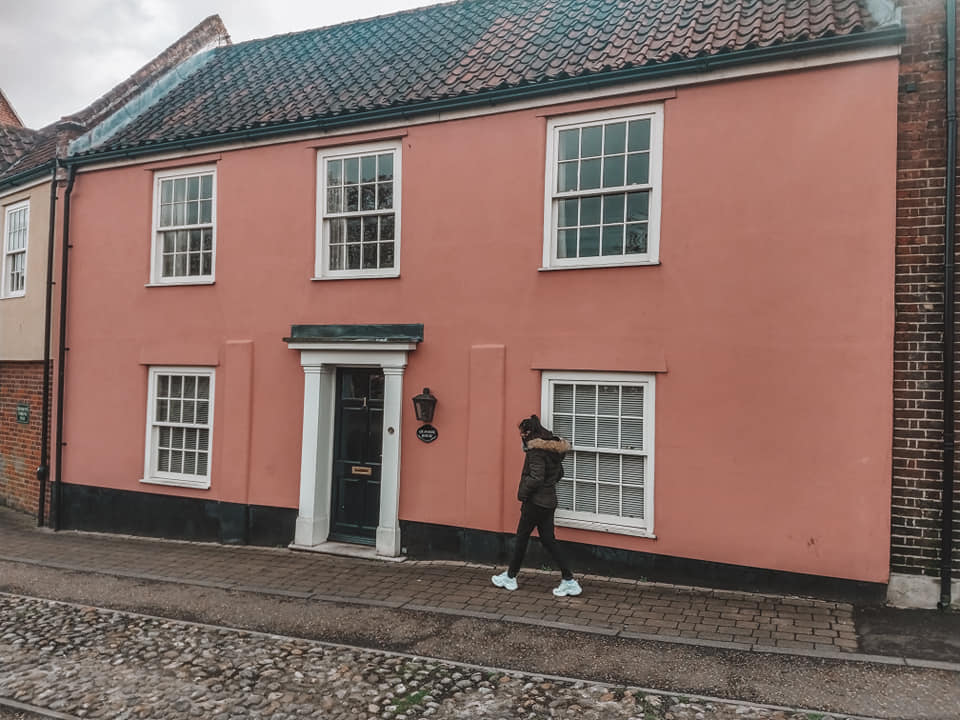
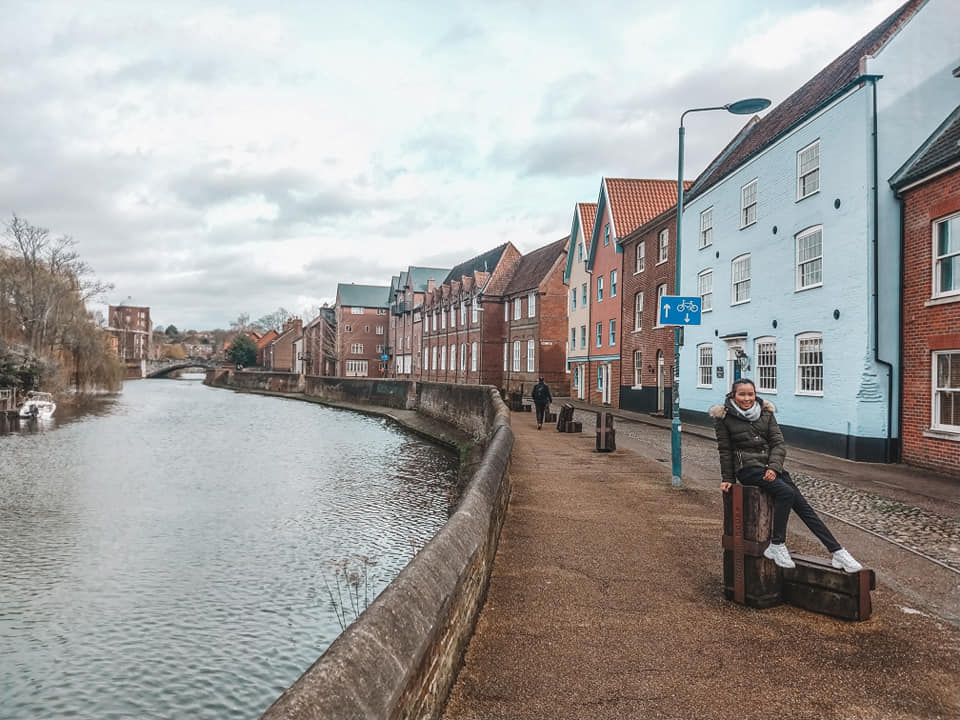

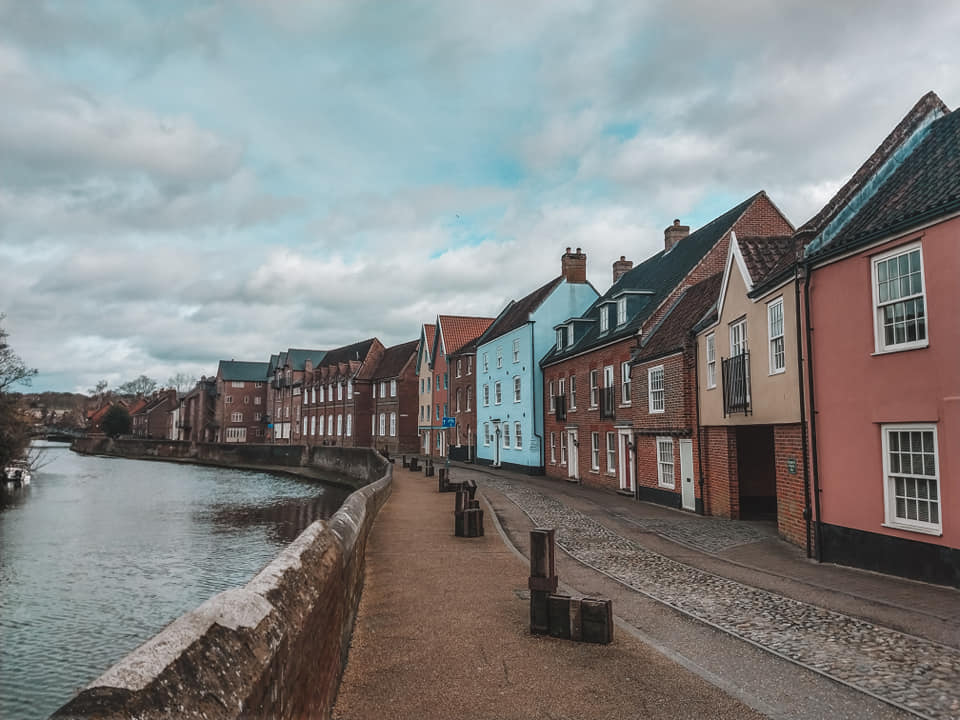
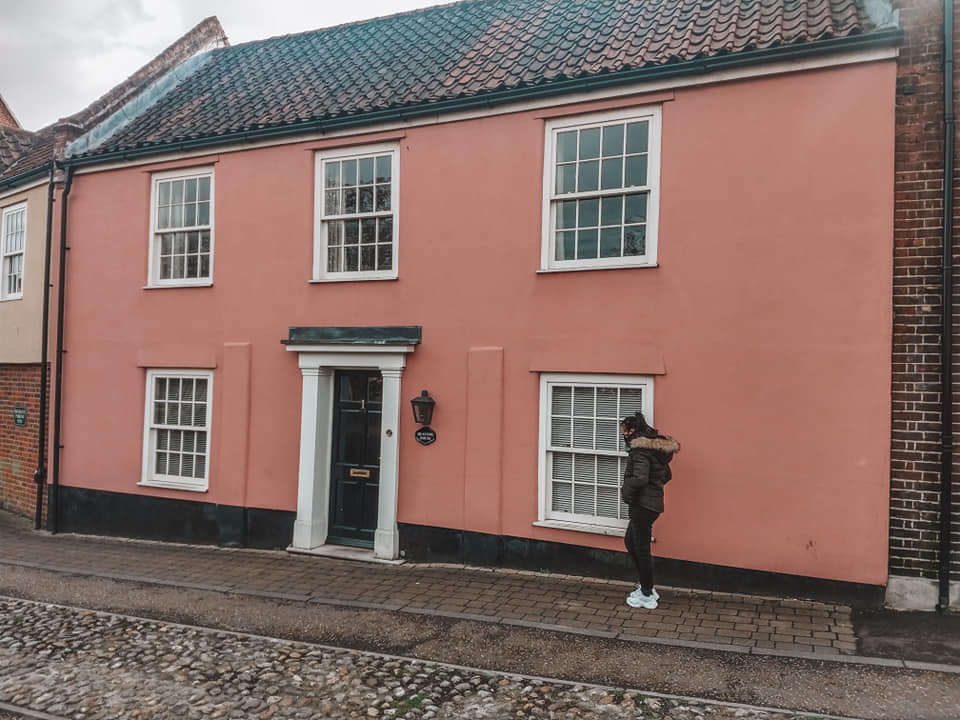

Fye Bridge Street became one of those routes we liked without needing a grand reason. It had water, attractive buildings, cafés and views that changed depending on where we stood. There was something satisfying about repeatedly finding ourselves there. Not every favourite place announces itself with a landmark. Sometimes familiarity forms after the third time you take the same turn and realise you are pleased to recognise what comes next.
The photographs from that part of Norwich are among the ones I still enjoy most. Yet photographs flatten places mercilessly. They preserve the buildings and the water but lose the temperature of the air, the sound of footsteps, the smell from a nearby café, the cold creeping into your fingers while you insist on taking one more photograph. March was not interested in pretending to be summer for our benefit. The sky could become grey, the light could turn flat, and bare trees occasionally made the riverbanks look more skeletal than romantic. But even that suited Norwich. A medieval city under permanently perfect blue skies would have felt suspicious.
Then there was the Plantation Garden, hidden behind a high brick wall near Earlham Road as though Norwich had decided one of its prettiest spaces should require a little effort to find.


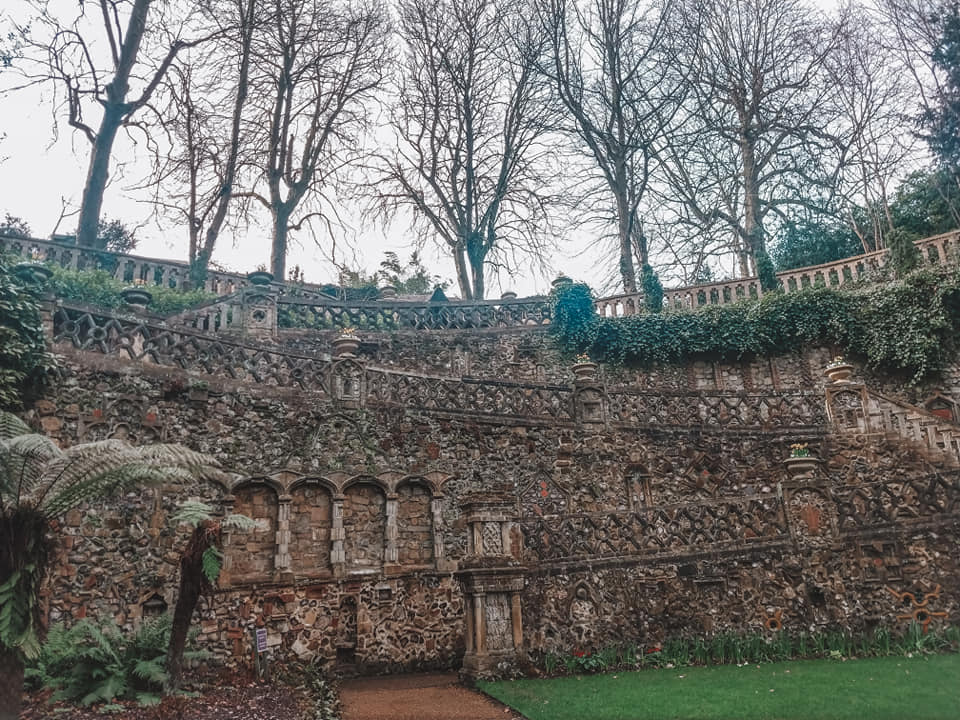
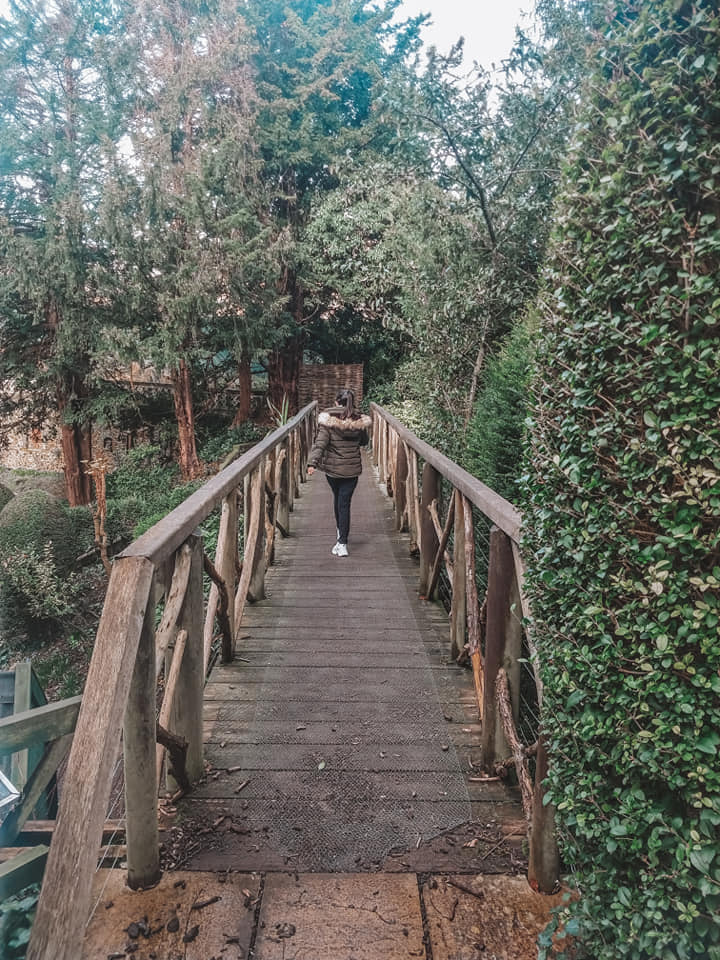
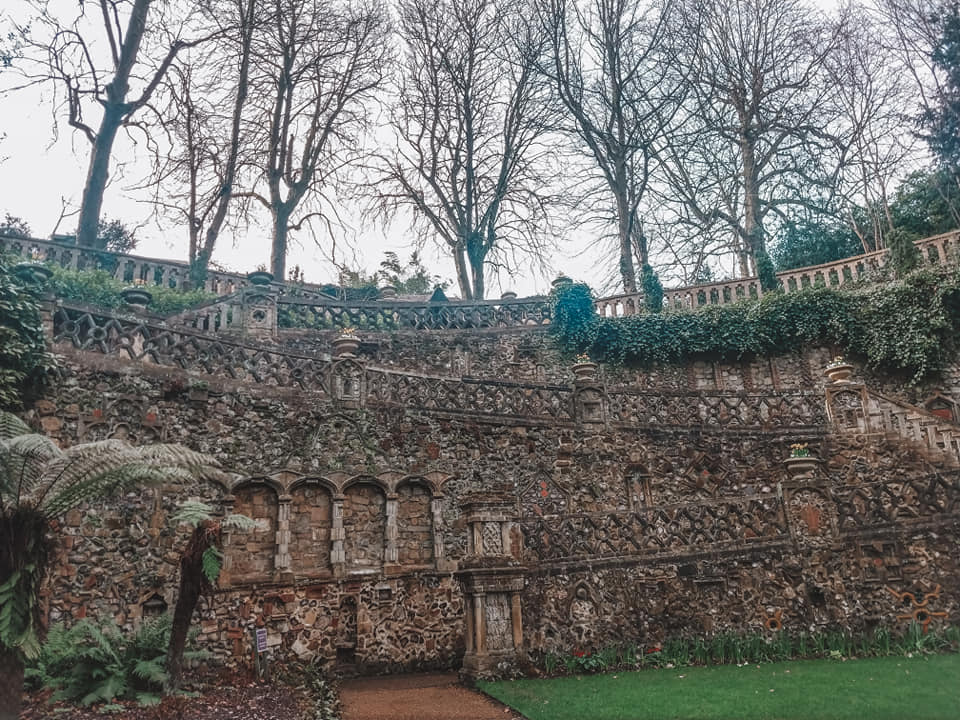
Crossing into it felt like entering a forgotten Victorian chapter. Terraces stepped down through the garden, pathways curled between planting beds, and architectural details appeared among the greenery with the faded grandeur of something that had once expected ladies with parasols to pass by at any moment. The Gothic fountain rose like an elaborate stone daydream, decorative and slightly dramatic in the way Victorians often seemed incapable of constructing anything without wondering whether it might benefit from another flourish.
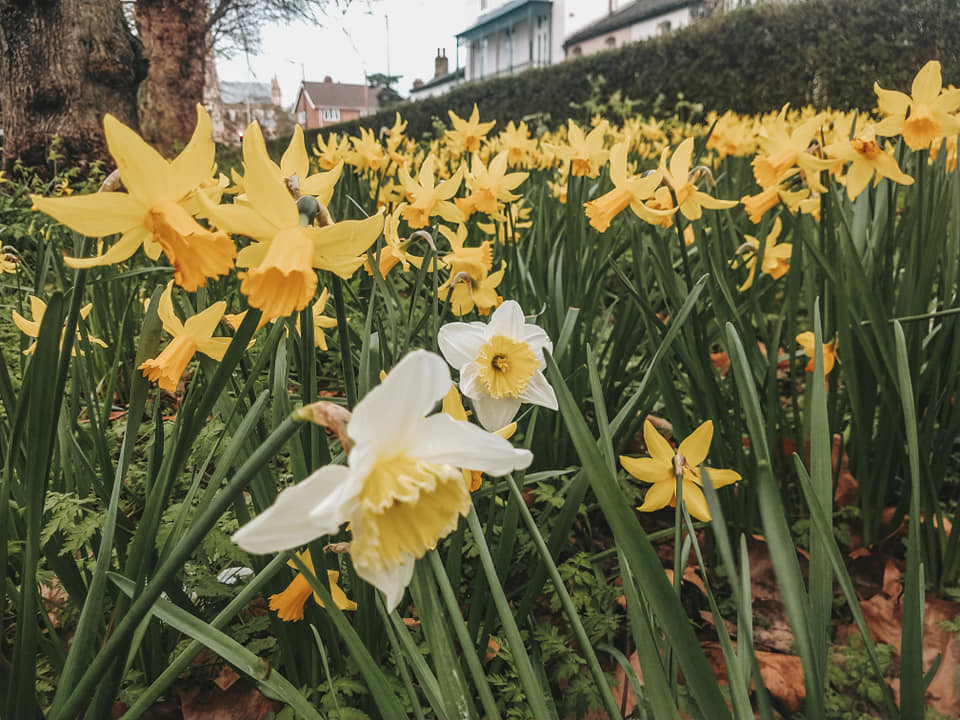
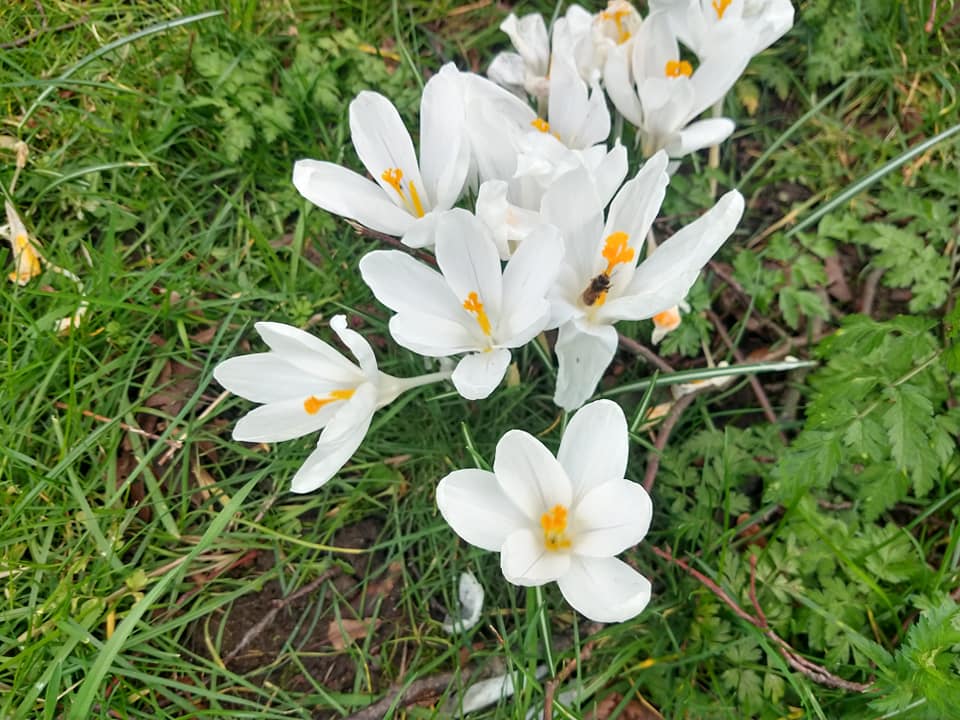
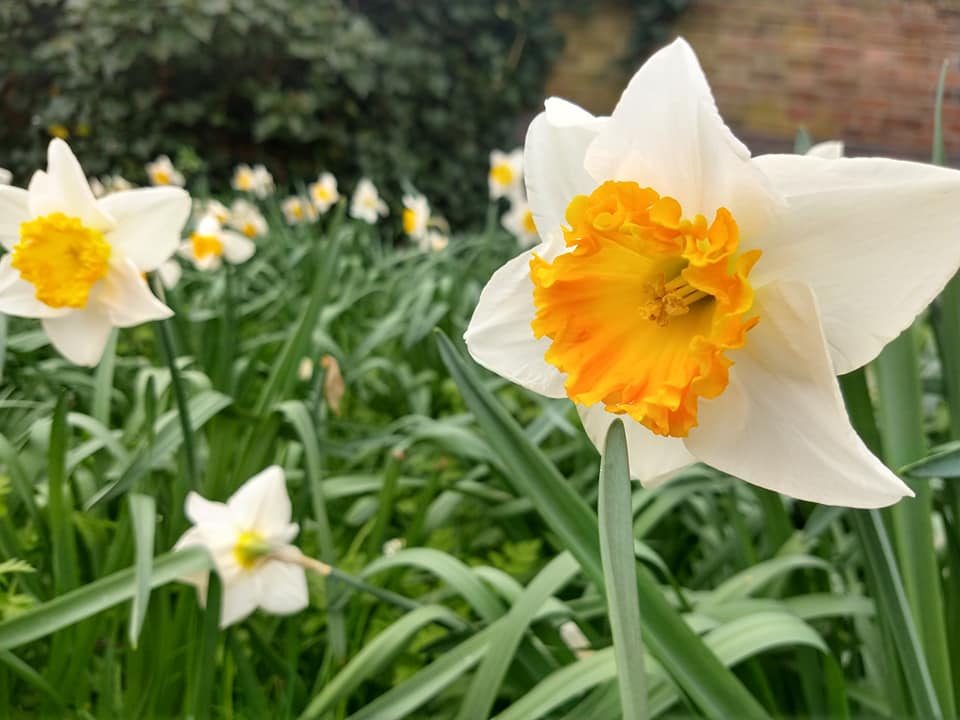
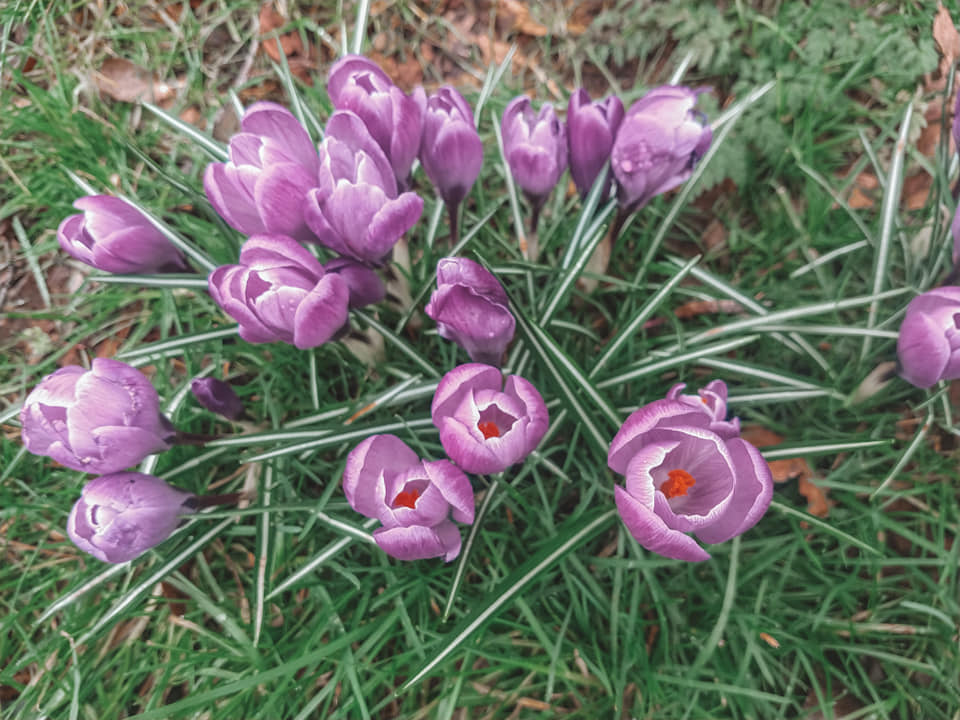
The garden was not at its most spectacular when we visited. Winter had not completely released it. Some beds were still waking, branches remained bare and the richer colours of later seasons had not yet arrived. Someone expecting an explosion of flowers might have been disappointed. But I liked seeing it in that unfinished state. Spring had started knocking without yet being invited fully inside.

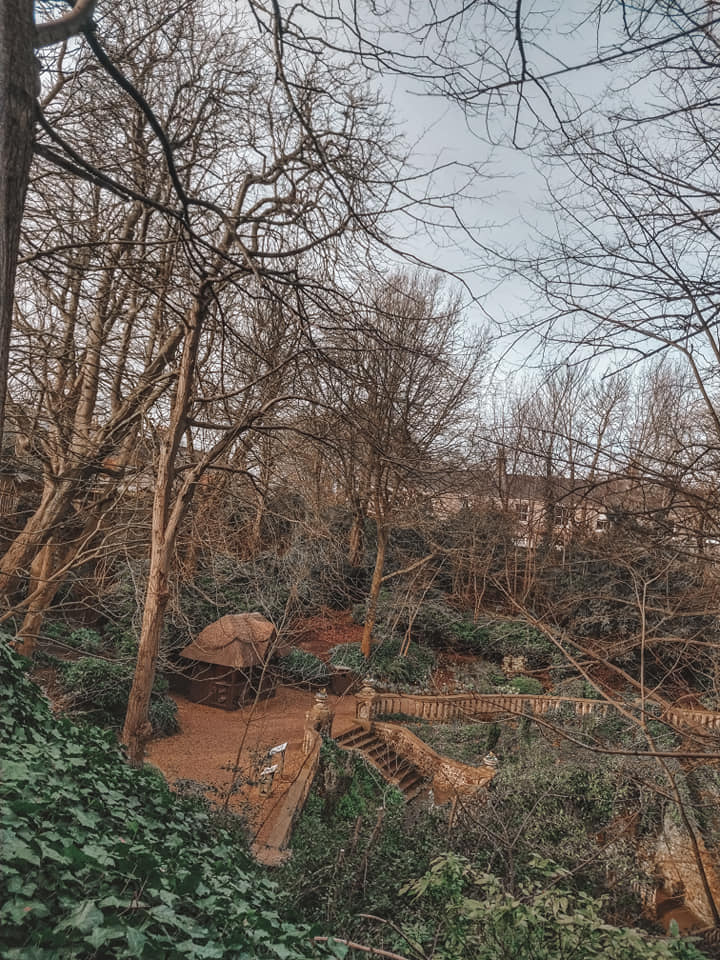

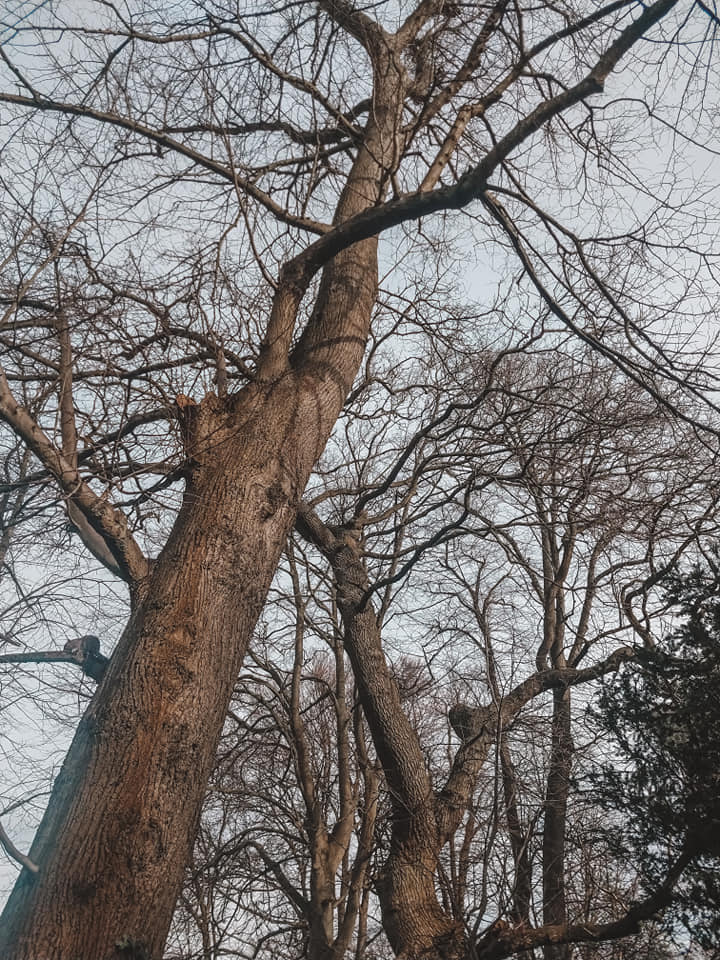
There were tiny suggestions of what was coming: new growth, tentative colour, plants beginning another cycle. The garden looked less like a finished painting and more like the artist had briefly left the room.
For £2, it felt almost absurdly generous. We wandered among terraces and paths, stopping at benches and looking at details that would probably have disappeared beneath fuller summer growth. There was romance in its imperfection. A garden does not cease to be beautiful because it has not yet bloomed.
Strangers’ Hall carried another kind of fascination. Old domestic buildings interest me because grand castles and cathedrals tell us about power, but houses tell us how people actually lived. Rooms, stairs, fireplaces, windows and furniture bring history down from kings and dates into the much stranger territory of ordinary human beings. Somebody once became tired in these rooms. Somebody argued. Somebody prepared food. Somebody worried about money. Somebody probably misplaced an object and blamed another member of the household, proving that certain aspects of civilisation have made very little progress.
The building seemed to hold different centuries within its rooms, each layer offering a glimpse of the people who had occupied it. I like places like that because history becomes less distant when you stop imagining populations and start imagining individuals. A date in a textbook is abstract. A worn staircase is evidence that people once climbed it.
Dragon Hall carried a more mercantile personality. Even its name sounded promising. Any historic building called Dragon Hall begins with an advantage because the imagination has already arrived several seconds before the visitor. Its timber structure and long history spoke of Norwich as a trading city, reminding me that all those picturesque medieval streets had once existed within a much more practical network of business, goods and livelihoods.
That is something travel photography occasionally forgets. We photograph old streets because they are beautiful, but the people who originally used them were not walking around admiring the aesthetic. They were trying to make a living. A beautifully preserved building may once have contained somebody calculating prices, worrying about stock, complaining about customers or wondering whether business would improve next week. Human nature probably requires very little restoration.
Those four days taught me that Norwich is best encountered on foot, even though your feet may strongly disagree by the final afternoon. Walking allowed the city to reveal transitions a car would have erased. Medieval timber became Georgian brick. Narrow streets opened into wider spaces. The river appeared between buildings. Church towers surfaced beyond rooftops. Something interesting repeatedly waited around a corner that had looked completely ordinary from the previous one.
And occasionally there was simply an ordinary street.
I think that matters too.
Not every metre of Norwich belongs on a postcard. There are modern buildings, practical roads, traffic, shopfronts, grey corners and parts of the city that do not make your history-loving heart perform acrobatics. Yet those ordinary sections prevent the historic ones from becoming scenery detached from life. Norwich is not a preserved medieval exhibit. People still have buses to catch, groceries to buy, rubbish to collect and Monday mornings to survive.
That was what ultimately charmed me.
History there did not seem embalmed.
It had learned to coexist.
Old buildings contained new businesses. Ancient streets carried modern shoes. The River Wensum reflected houses from another age while people beside it checked their phones. Tudor beams stood above contemporary shop signs. The centuries appeared to tolerate each other surprisingly well, which is more than can be said for some families at Christmas.
Perhaps that is why the small details stayed with me as strongly as the famous ones. I remember the almost nine-hour journey and the gradual collapse of my sitting posture, the relief of returning each evening to our simple room at Namaste Palace Hotel, and how taking my shoes off after a full day of walking began to feel almost ceremonial. I remember the crooked confidence of Elm Hill, the grandeur of Norwich Cathedral, the stern bulk of the castle, the theatrical elegance of the Royal Arcade, and the River Wensum casually carrying upside-down buildings through Quayside. I remember the Plantation Garden waking reluctantly from winter, a bookshop with a name too charming for its own good, croissants and porridge in the morning, fragrant Indian food downstairs in the evening, and the strange satisfaction of returning to a familiar room after my feet had developed what I considered a legitimate political grievance against cobblestones. Travel often convinces us that memory will preserve the grandest thing we saw, but memory is far less obedient than that. Sometimes it chooses a window, a crooked beam, a reflection trembling in the river, the smell of dinner after a long day, a hotel room that became more beautiful in direct proportion to how tired we were, or the steady sound of wheels carrying us home after hours on the road.
Perhaps that is why Norwich still feels tangled with time whenever I think about it. The city never seemed particularly interested in separating its past from its present. One century leaned against another without apology. Some buildings had been restored, others had weathered beautifully, some stood with grandeur while others looked plain and practical, and somehow none of that diminished the whole. Norwich seemed to understand that character does not come from keeping everything untouched. It comes from allowing age, change, repair, use and memory to remain visible at the same time.
People may be built in much the same way. We carry older versions of ourselves beneath whatever we have become now, adding new rooms while leaving parts of the old structure standing. We renovate certain corners, outgrow others and occasionally discover that something we once considered an imperfection has become part of what makes the whole story ours. Some experiences grow kinder with distance; others remain awkward pieces of architecture we simply learn to live around. There are parts of ourselves we display proudly and others we would rather visitors did not inspect too closely, but every layer contributes something to the structure.
By the end of our four days, my fiancé had accomplished the academic purpose of the trip, my camera had accumulated far too many photographs, and my feet had reached the point where every cobblestone felt personally involved. Namaste Palace had become familiar enough that returning to it each evening felt like reaching a temporary little home within the city. Then it was time to leave, and we boarded the coach back to Wolverhampton carrying images of rivers, gardens, old houses and buildings that had already survived enough centuries to make our short visit seem almost comically brief.
I had arrived thinking Norwich had misplaced the century, but by the time we left, I realised I had misunderstood it. Norwich had not lost track of time at all; it had simply refused to throw the previous centuries away whenever a new one arrived. It kept the crooked beams, weathered stones, grand arches, scars, additions and imperfections, then allowed newer life to grow around them. Perhaps that was why the city felt so human. The most interesting things are rarely the ones that remain untouched; they are the ones that survive time without surrendering their character. Somewhere among Norwich’s crooked roofs, stubborn stones, reflections trembling in the Wensum and one temporary hotel room that became more inviting with every mile we walked, I think that was the story the city had been telling me all along.
CLICK FOR MORE PHOTOS




With love from the cobbled lanes,
Anj 🖤



































Leave a Reply