The box sat on the table with the confidence of something that knew exactly what it had cost me. White, minimal and almost offensively calm, it gave no visible indication that I had spent several days opening the Apple website, closing it again, reopening it, checking my bank account, pretending I was only “comparing specifications,” and then staring at the price long enough for it to become a personal challenge. For years, I had owned perfectly decent phones that performed the necessary duties of modern life: calls, messages, social media, photographs and occasionally freezing at moments specifically chosen to test my patience. I had never felt desperate to own an iPhone. Curious, yes. Tempted, occasionally. Financially reckless enough to buy one before I was ready? Thankfully, no.
So when my first iPhone finally arrived, I did what every financially responsible adult does immediately after making an expensive purchase: I stared at the box and questioned every decision that had led me there. It is strange how a small piece of technology can suddenly make you review your entire economic philosophy. I lifted the lid slowly, as though Apple might have included a second invoice underneath the phone just to finish the job. The handset looked beautiful, naturally. It had that clean, polished appearance that makes you briefly believe your own life might become more organised simply by association. Perhaps I would now answer messages on time. Perhaps my camera roll would develop a coherent filing system. Perhaps owning an iPhone would somehow transform me into the sort of person who remembered passwords without pressing “Forgot password?” every third login. The phone, disappointingly, had not come with a personality upgrade.
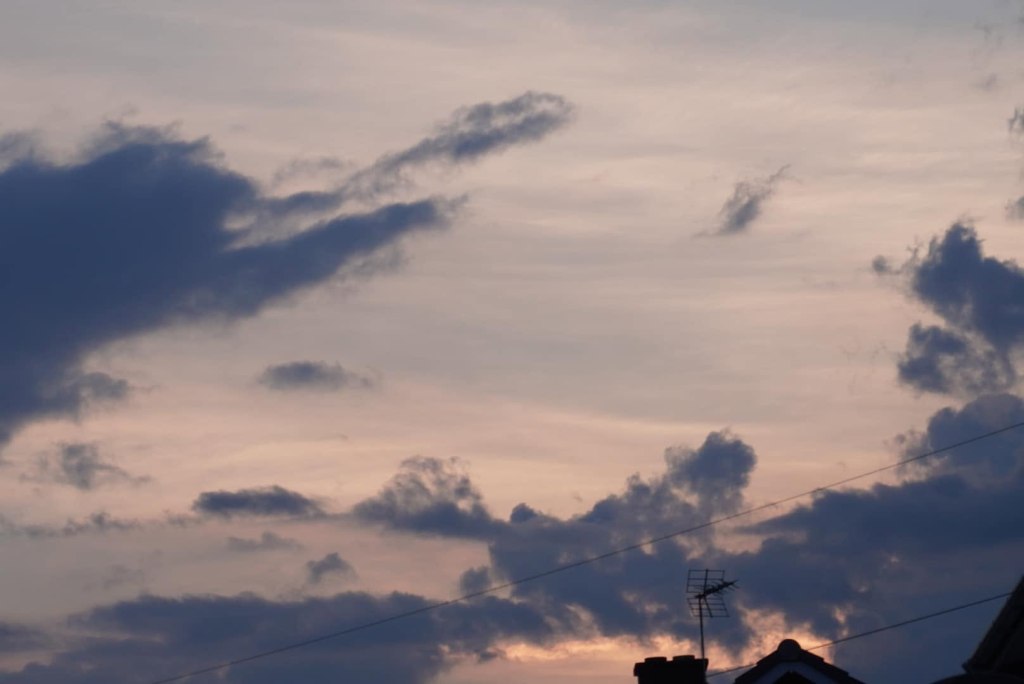
What it did come with was a camera, and that was the dangerous part. I have always loved photographs. I like the obvious ones, of course: birthdays, holidays, beautiful landscapes, family gatherings and meals that arrive looking suspiciously more attractive than anything I could make at home. But I also love the photographs nobody particularly needs. Light falling across a pavement. A strange cloud. The shadow of flowers stretched across concrete. Dry grass catching the sun. A bee sitting on a thistle as though it had personally booked the table. I take pictures because memory has terrible storage management. We think we will remember everything, and then years pass and an entire afternoon survives only because one photograph caught the colour of the light.
That was part of the reason I wanted the iPhone. I was never particularly interested in buying one simply because it was an iPhone. The name did not suddenly make me more interesting, and I doubted the Apple logo would improve my personality by Bluetooth. But the camera intrigued me. I loved the idea of having something in my pocket that could catch small things properly, especially the kind of things I was already stopping to look at. The respectable explanation was photography. The less respectable explanation was that I had watched enough people take beautifully sharp photos with their phones while mine occasionally produced images that looked as though they had been recovered from CCTV footage circa 2007.
Still, I had made myself a rule long before I bought it. I would not buy an expensive phone simply because I wanted one. I would buy one only when I knew I could pay for it and still have money left afterwards. Not technically afford it. Not the sort of “I can buy this if absolutely nothing goes wrong for the next six weeks” affordability. I wanted the kind where the purchase would not transform every supermarket visit into a moral dilemma or make me look at a packet of chicken and calculate how many megapixels it represented.
There is a difference between having enough money to complete a transaction and having enough money to comfortably own what you have bought. It took me years to understand that distinction. When I was younger, expensive possessions seemed to carry a particular authority. A good phone, a branded bag, a nice watch, a new car: these things appeared to suggest that the person owning them had reached some invisible checkpoint in adulthood. Perhaps that feeling becomes stronger when you grow up knowing that money has boundaries. Certain things acquire symbolic weight because they once lived firmly inside the category of maybe someday.
An iPhone had lived there for me for years. It was never impossible, just unnecessary and expensive. Very expensive. Apple has mastered the art of making a financial decision look aesthetically pleasing. The website does not shout, This will remove a substantial amount of money from your account. It simply presents the phone floating peacefully against a white background as though purchasing it will restore balance to your life. The colours have elegant names. The photographs are immaculate. The buttons are reassuringly smooth. Somewhere between selecting the storage and reaching checkout, you begin to feel less like you are spending money and more like you are participating in excellent design. Then you see the total, and reality—unlike Apple—does not use minimalist typography.
I stared at the amount and felt my wallet experience what I can only describe as spiritual decline. This was where all those years of saying not yet became useful. I knew what it felt like to want something and still walk away from it. I had done that before. More than once. I had looked at newer phones, admired them and carried on using whatever device I already owned. No tragedy followed. I remained alive. Society continued functioning. Nobody stopped me in the street and demanded to know why my handset did not have three cameras arranged like a tiny kitchen hob. Waiting had taught me something unexpectedly useful: wanting something does not create an emergency.
So I checked my finances again. Bills covered. Savings intact. Essentials accounted for. There would still be money sitting in my account after the purchase, quietly existing and making me considerably happier than any logo could. That was the moment I knew I could finally buy it. I pressed the button. Somewhere, my younger self probably gasped. My bank account certainly did.
When the phone arrived, the excitement felt different from the kind I would have had years earlier. There was no uncomfortable aftertaste. No immediate panic. No calculation of how many weeks of groceries were now living inside a glass rectangle. I had bought something expensive, yes, but it had not taken anything important hostage. For once, I could enjoy the purchase without mentally opening Excel.
I behaved sensibly for approximately five minutes. I admired the phone, transferred my information, explored the settings and pretended to be interested in menus and system features. Then I opened the camera, and financial responsibility immediately gave way to botanical journalism.
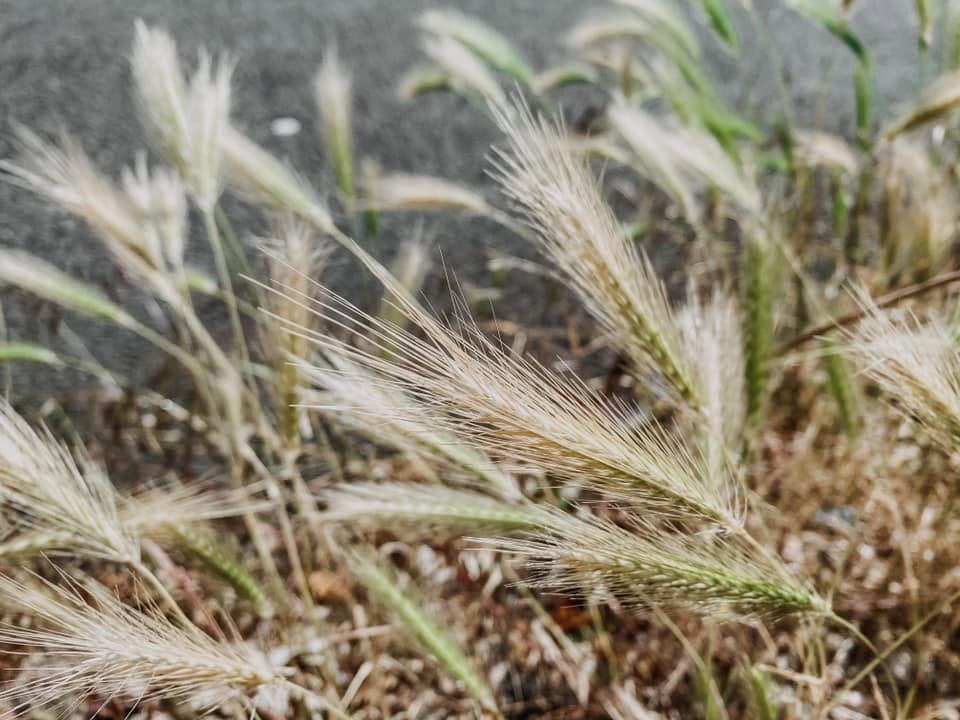
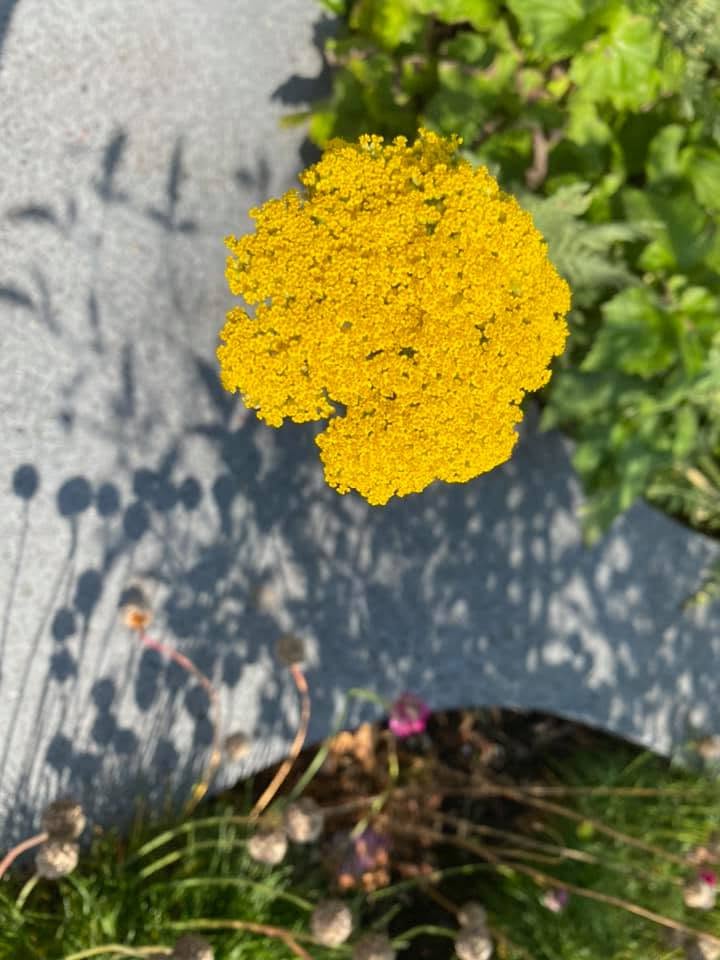
Those first photographs were not of anything remotely dramatic. There were no mountains, famous landmarks or once-in-a-lifetime sunsets waiting outside my door. Instead, I pointed the new phone at flowers growing beside pavements, dried seed heads throwing long shadows onto concrete, yellow blooms glowing under the sun and grasses that looked far more elegant through a camera lens than they had any right to. I crouched beside plants I had previously walked past without introducing myself, adjusting angles and tapping the screen with the concentration of someone documenting a newly discovered species rather than something growing several feet from a footpath.
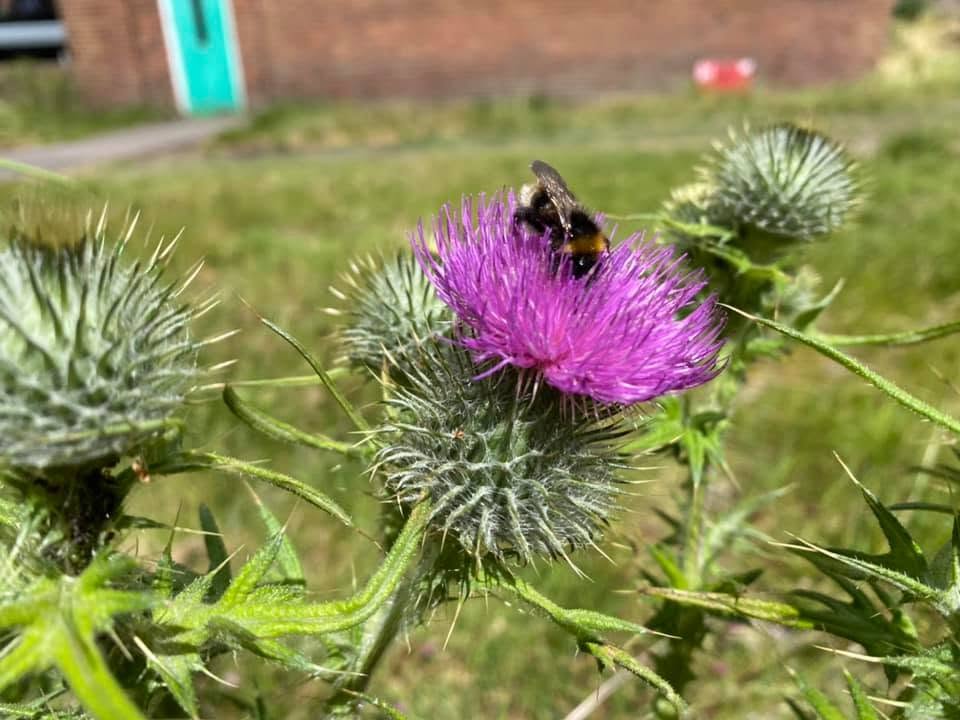
Then there was the bee.
It had landed on a bright purple thistle and was apparently conducting important business. Before the iPhone, I might have noticed it, smiled and continued walking. Now I was suddenly approaching it with the seriousness of a wildlife photographer who had been stationed in the Serengeti for six months. I moved closer. The bee continued working. I moved slightly closer. The bee remained unimpressed. I took several photographs while trying to maintain a respectful distance because there is a very fine line between appreciating nature and getting stung while attempting portrait mode.
When I looked at the image afterwards, I was delighted. The tiny hairs, the colour of the flower, the blurred background, the details I would never have remembered properly—it was all there. That was the moment the phone stopped feeling like a piece of expensive technology and started feeling like something I would genuinely use.
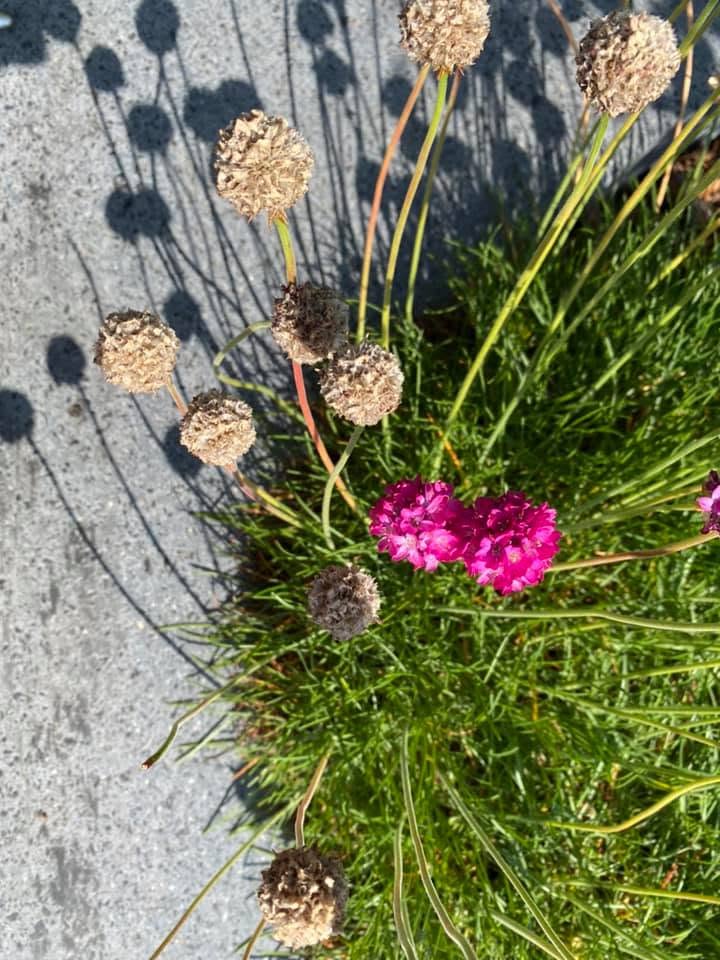
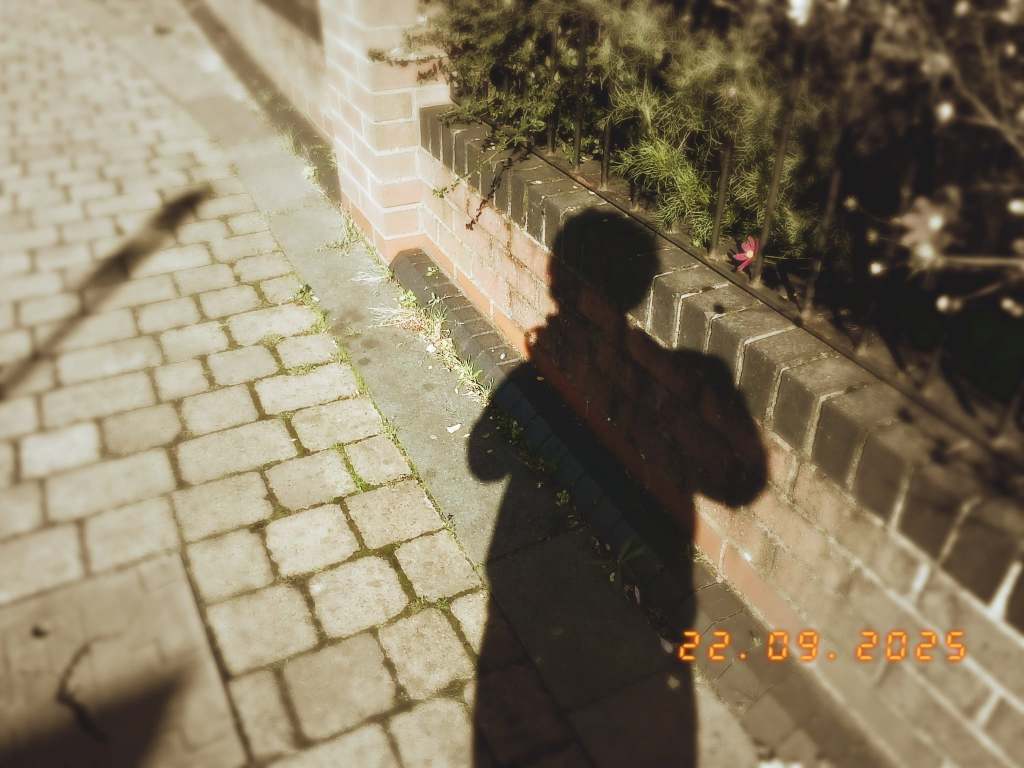
The same thing happened with the other photographs. I found myself noticing shadows. A cluster of faded flower heads suddenly looked interesting because the sun had drawn dark copies of them across a grey wall. A yellow flower that would normally have occupied perhaps half a second of my attention became a study in texture and colour. Dry grass became unexpectedly cinematic when the camera caught the fine strands properly. These were not important subjects in any traditional sense, yet I loved the pictures because they felt like proof that ordinary things become less ordinary when you actually stop.
A better camera did not make the world prettier. It simply made me pay more attention to what was already there.
That surprised me.
I had imagined I would use the phone for travel, portraits and the obvious things people usually photograph, and of course I did. But some of my earliest favourite shots came from nowhere special. They came from walking around, noticing what was growing beside paths, watching how sunlight changed a surface and stopping because something small caught my eye. The phone gave me a reason to look twice, and apparently that was all I needed.
There is something slightly ridiculous about the seriousness with which a person behaves after buying a better camera. Suddenly every object deserves documentation. Food must wait before being eaten. Coffee is required to remain untouched until the lighting has been assessed. Friends learn that “one photo” is an unreliable estimate. Clouds become breaking news. Flowers that have survived perfectly well for thousands of years without my intervention are photographed from six different angles because perhaps angle five will finally reveal their truth.
Nothing was safe.
I loved it.
Of course, my gallery remained thoroughly human. For every beautiful photograph, there were screenshots I would never look at again, blurred images, accidental pictures of the floor and several mysterious photographs taken while the phone was apparently entering my pocket. Technology had improved. I had not necessarily kept pace.
Still, the good photographs mattered to me because they preserved the way I had seen something in that exact moment. A bloom in sunlight. A bee disappearing into purple petals. Shadows stretching across concrete. Grasses moving against a dull wall. Tiny details that would never receive a commemorative plaque but that somehow deserved a place in my camera roll.
The phone itself eventually became ordinary, as expensive things tend to do. During the first week, I handled it as though it had diplomatic immunity. I placed it carefully on surfaces, checked my pockets every twelve seconds and examined the screen for scratches invisible to the naked eye. A few months later, it was being thrown onto the sofa, buried under blankets and occasionally located using another device because I had misplaced the expensive object I once treated like Crown property. Novelty is efficient like that. It turns luxury into Tuesday.
I think there is something healthy about that. Objects are allowed to become ordinary. The point of finally being able to afford something is not to spend the rest of your life worshipping it. It is to use it. Enjoy it. Let it collect fingerprints. Let it become part of the everyday life you bought it to accompany.
What remained significant was never really the phone. It was what buying it represented. For once, I had waited. There is so much pressure to keep up with things specifically designed to become outdated. A new phone appears, people buy it, another one follows shortly afterwards and the advertisement politely suggests that the device you were delighted with last Tuesday has now become archaeological evidence. It is an unwinnable game, and I had no interest in entering a race where the finish line gets moved every September.
I would rather keep my old rule. Buy it when it fits your life. Buy it because you genuinely want it. Buy it when the money left afterwards matters more than the logo on the box. There is freedom in reaching the point where you can say yes without needing the purchase to prove anything.
That was probably the biggest difference between wanting an iPhone years earlier and finally owning one now. I was not buying it to look successful. I was not buying it because other people already had one. I was not buying it because the internet had convinced me my existing phone was an embarrassment to civilisation. I bought it because I wanted it, because the camera suited something I genuinely loved, because I could afford it and because life would remain financially normal the next morning.
That last part felt more luxurious than the phone.
Perhaps adulthood is partly discovering that the things you once thought would prove you had “made it” become less interesting than the circumstances under which you can finally buy them. The handset was beautiful. The camera was excellent. But the real upgrade was being able to enjoy something without fear sitting beside it.
Years earlier, the price would have been the whole story. This time, it was simply the price.
The white box eventually disappeared into a drawer because apparently expensive packaging becomes impossible to throw away, even when nobody can explain why. The phone collected fingerprints, photographs and enough screenshots to raise legitimate questions about my digital housekeeping. The flowers I photographed eventually faded. The bee flew away. The grasses changed with the season. The shadows moved the moment the sun did.
But the photographs stayed.
That, more than anything, made me understand why I had wanted the phone in the first place. I had not really bought it for the white box, the logo or the satisfaction of finally owning an iPhone. I had bought myself a better way of catching things before they disappeared.
An Apple a day may have made my wallet decay, but at least it gave the little things considerably better resolution.
Still taking too many photos and checking the bank balance first,
Anj 📱📸








Leave a comment