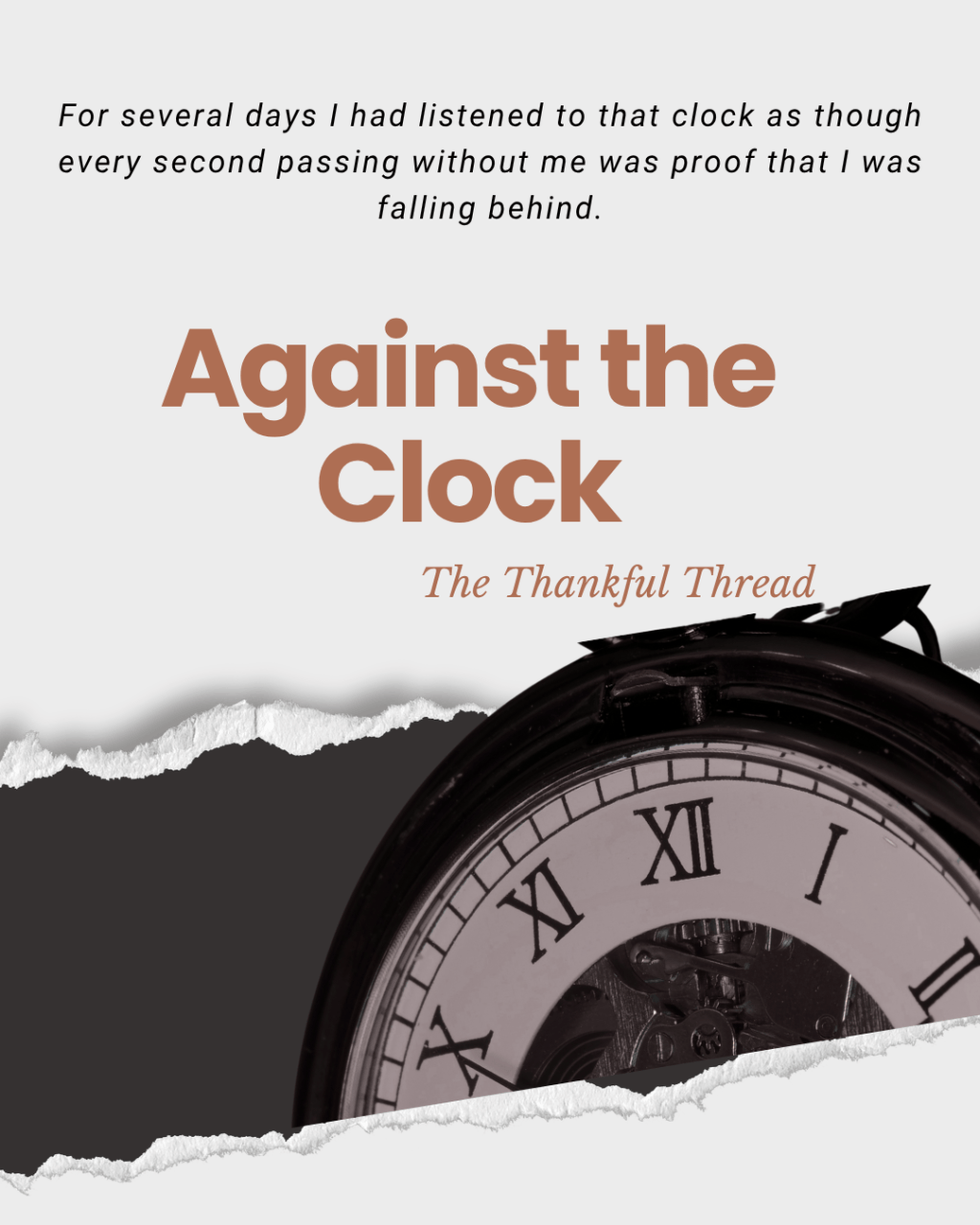
Against the Clock
The room had begun to develop its own weather. The curtains held back a pale October light, the duvet had become both shelter and prison, and the air carried that faint mixture of coffee, medicine, cat fur and being indoors for far too long. Somewhere on the wall, the clock kept counting seconds with insulting enthusiasm, as though it had recently been promoted to supervisor and was determined to prove it deserved the position. Tick. Tock. Tick. Tock. After a few days off sick, time had already lost most of its authority. Morning looked like afternoon. Afternoon tasted suspiciously like breakfast. Night arrived while I was still negotiating with sleep. Even the house sounded different when I had nowhere to be: the low hum of the fridge, the kettle clicking off, the radiator muttering occasionally through the pipes, paws landing softly on the floor, the rustle of blankets, and that clock reminding me that civilisation was continuing quite efficiently without my participation.
The strangest part was how quickly the days began losing their names. Without alarms, uniforms, shifts, traffic or the usual choreography of getting ready for work, time stopped arriving in neat little labelled boxes. A nap could swallow half an afternoon. Breakfast could wander dangerously close to lunchtime. Midnight could turn up while I was still holding a cup of tea and wondering whether I had achieved enough to justify calling the previous twelve hours a proper day. More than once, I checked my phone not because I was expecting a message but because I genuinely needed confirmation of the date. Tuesday and Friday had started to feel like distant relatives at a family gathering: familiar in theory, but I would have preferred somebody else to introduce us.
Even Miyu and Luna seemed unsettled by my prolonged presence. They are accustomed to the usual arrangement in which Mama disappears for work and returns later, tired, hungry and smelling faintly of hospital, outside air and other people’s problems. Instead, there I was every morning, every afternoon and every evening, occupying their sofa, interrupting carefully scheduled naps and wandering into rooms that I had apparently misunderstood as communal spaces. At first, I imagine they regarded my constant presence as an unexpected improvement in staffing levels. More opportunities for treats. More available hands for chin scratches. A human employee permanently on site. By day four or five, however, their expressions had changed. Why are you still here? Have you lost your job? Is this permanent? I am fairly certain that if cats had access to Human Resources, a confidential meeting would already have been arranged.
Being forced to stop also makes the senses strangely attentive. The duvet that felt comforting in the morning becomes unbearably warm by afternoon. The floor feels colder beneath bare feet. Coffee smells stronger before you even decide whether you want it. The room develops a stale heaviness after hours with the windows closed. A cat settling beside you suddenly feels like a small warm anchor. Outside, October keeps changing the light behind the glass while you remain in roughly the same place, watching the day move without you. A shower begins to feel like an event. Fresh clothes become evidence of progress. The journey from the bed to the kettle begins to acquire the significance of a minor expedition. After several days of that, stepping outside stops sounding ordinary. It begins to sound like freedom.
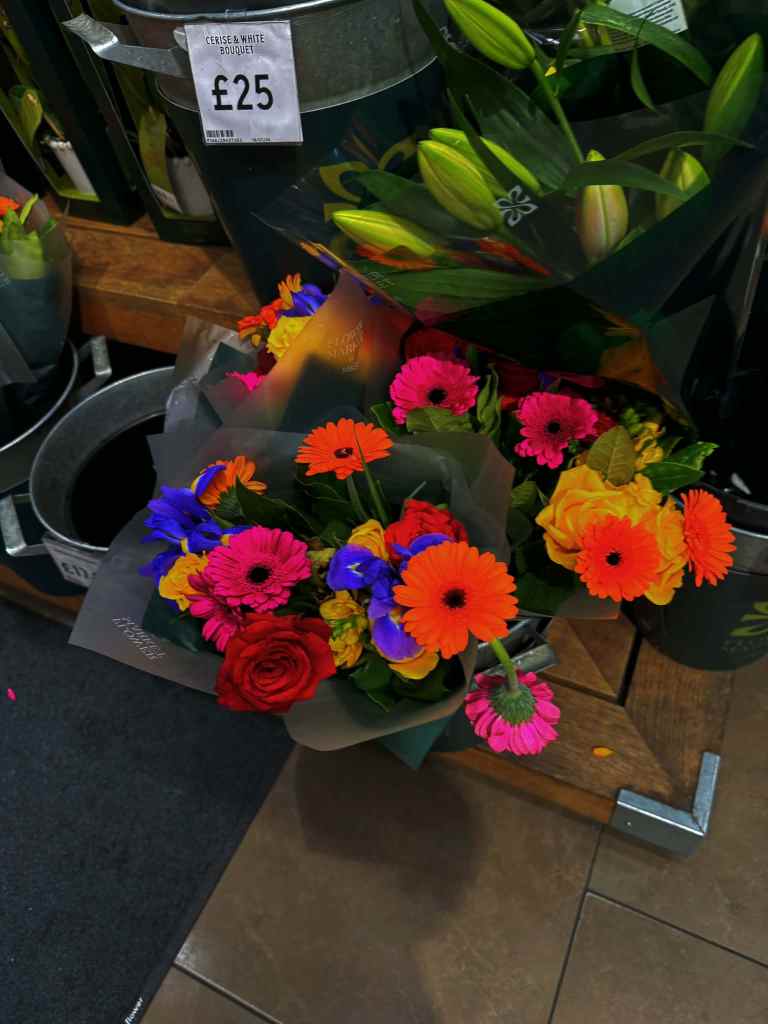
So today, after almost a week of what I have rather dramatically been calling house arrest, I finally went outside. There was no brass band waiting by the pavement, which I thought showed a disappointing lack of organisation from the neighbourhood. Nobody released balloons. No pigeon appeared with a ribbon. The world simply carried on with its Saturday business as though my return to society had not required an entire recovery arc. Somehow, that made it better. Cold air touched my face properly for the first time in days. Cars passed. People carried shopping bags. Shop lights looked brighter than I remembered, flowers stood in buckets wearing impossible shades of orange, pink and yellow, and all those little ordinary things I normally walk past without ceremony suddenly seemed to have had their colours turned up.
It is amazing what several days indoors can do to your standards of entertainment. A flower display becomes worth photographing. A supermarket aisle feels suspiciously eventful. Standing outside with a coffee becomes a lifestyle achievement. Even walking without a destination feels strangely luxurious when your recent geography has consisted largely of bed, sofa, kitchen and back again.
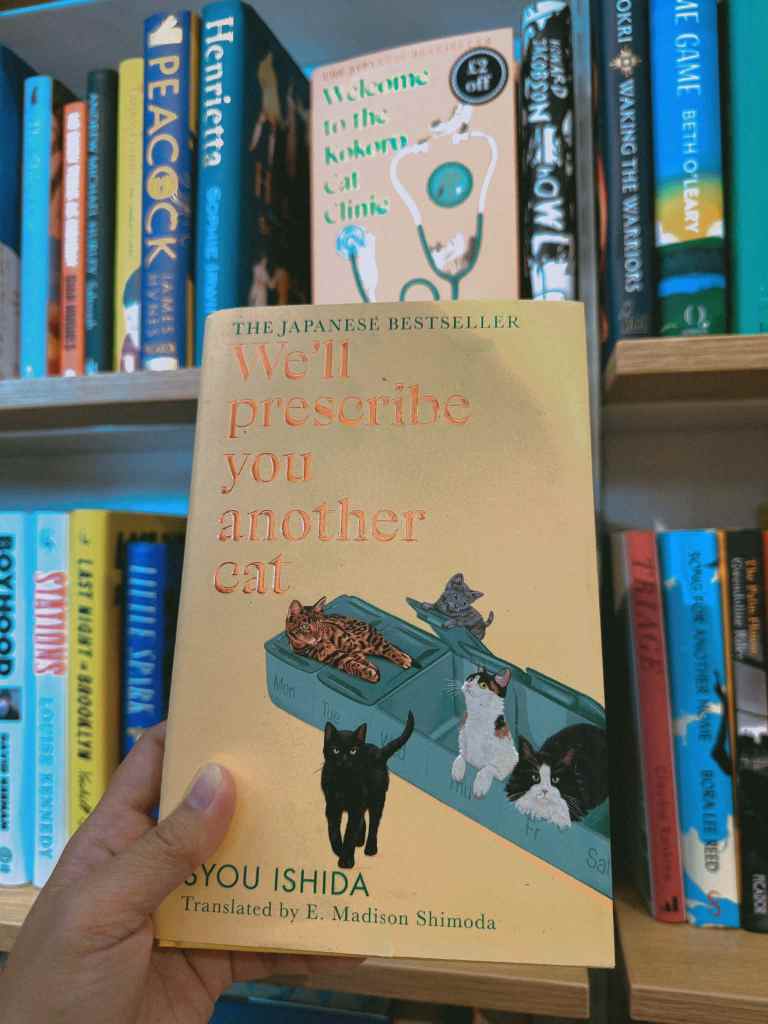
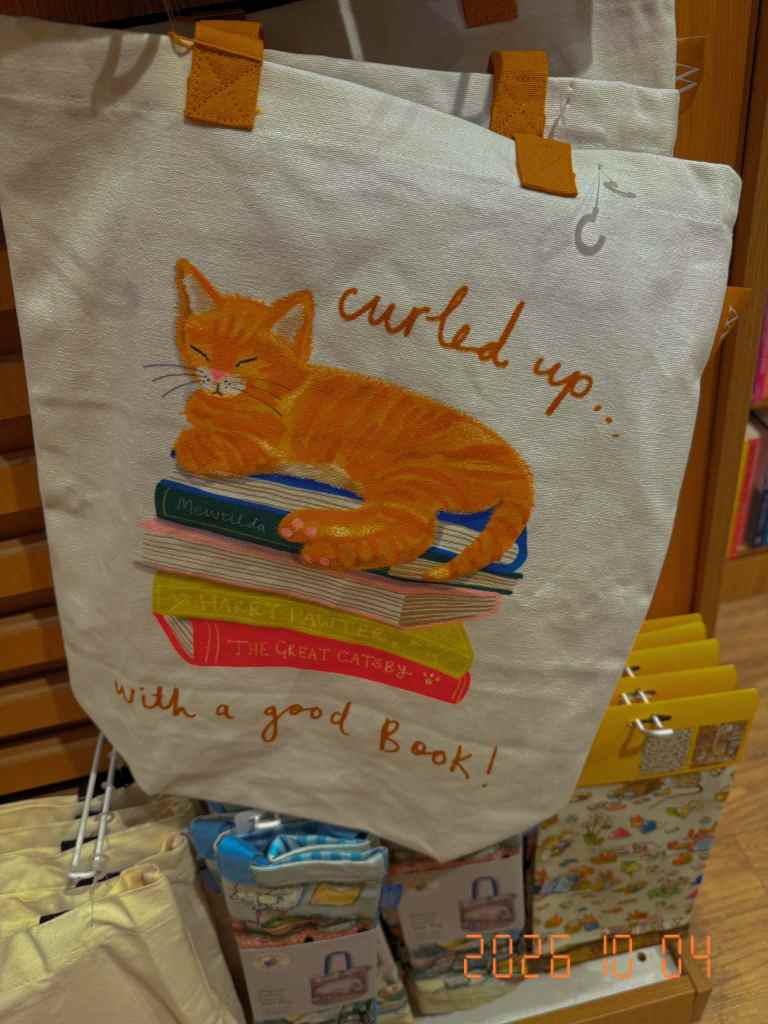
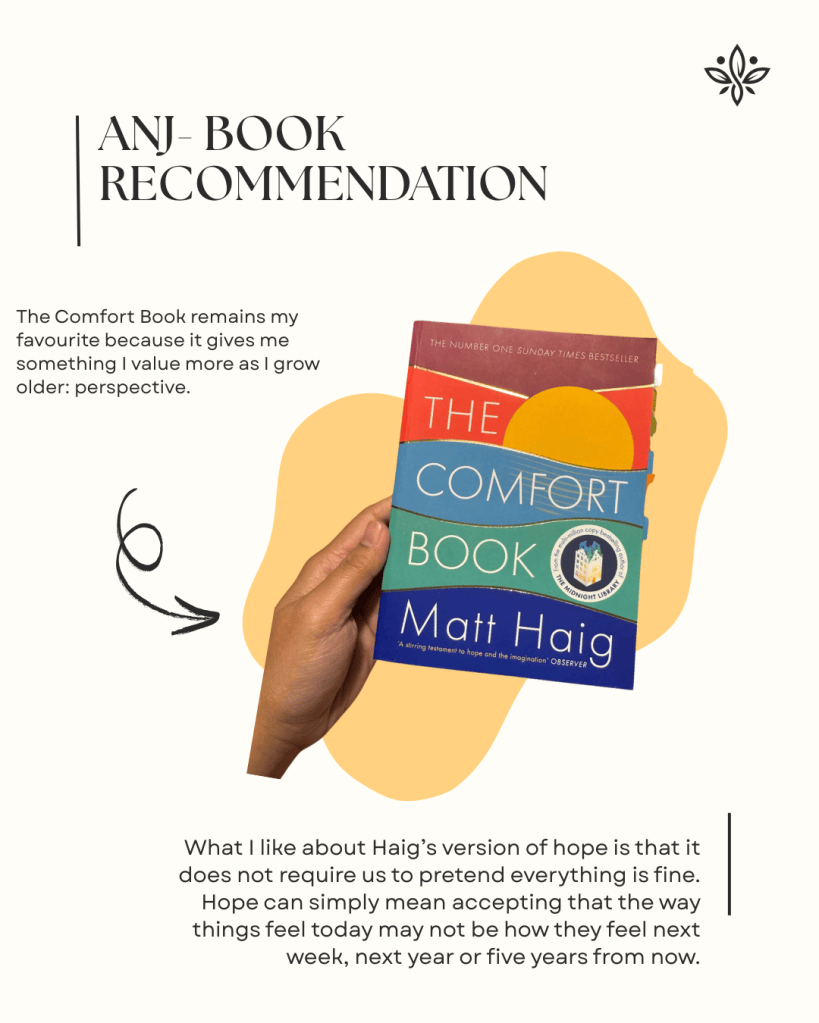
Naturally, one of the places that kept me occupied was a bookshop. Some people emerge from convalescence and immediately seek mountains, beaches or invigorating outdoor pursuits. I apparently seek shelves. There is something about the smell of books—paper, ink, cardboard, hundreds of stories standing shoulder to shoulder pretending they are not competing for your money—that makes me feel instantly better. I went in with the respectable intention of merely browsing, which is a sentence with roughly the same reliability as I’ll just have one chip. Then came the cat-themed tote bags, bookmarks and books, and whatever remained of my financial discipline quietly packed its things and left.
At one point I found myself looking at We’ll Prescribe You Another Cat, which felt less like a book title and more like a dangerously personalised medical recommendation. I already live with two furry administrators who regard my bed as communal property and my privacy as an optional extra. A third cat would probably require a constitutional amendment. Still, I admired the confidence of the prescription.
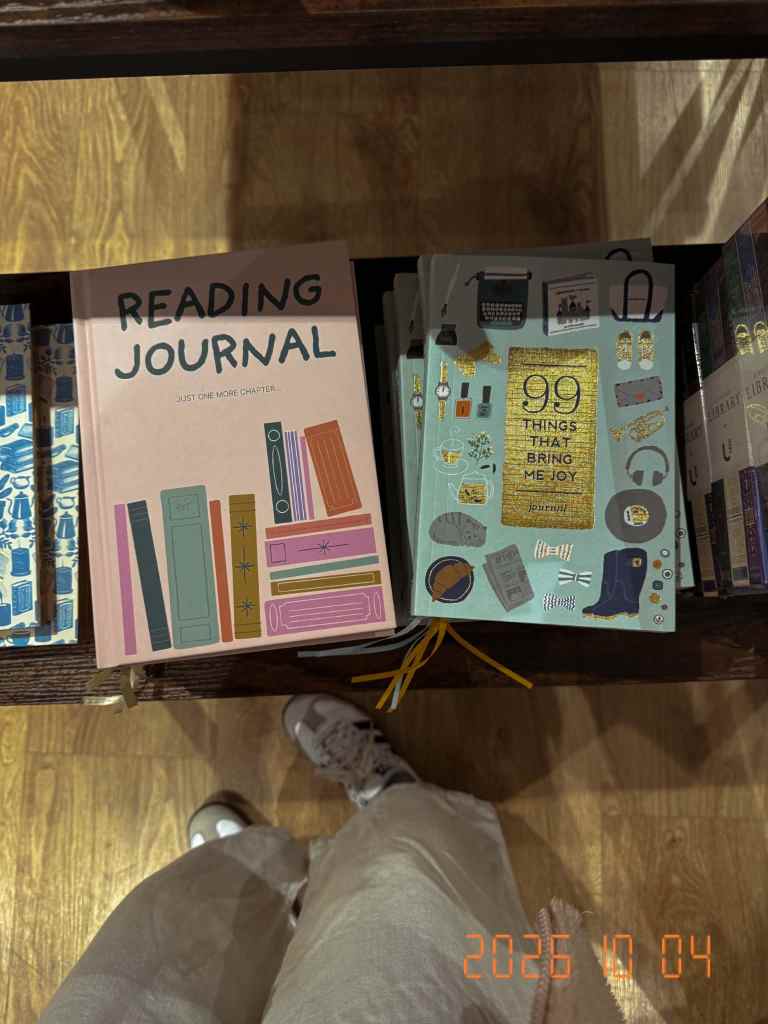
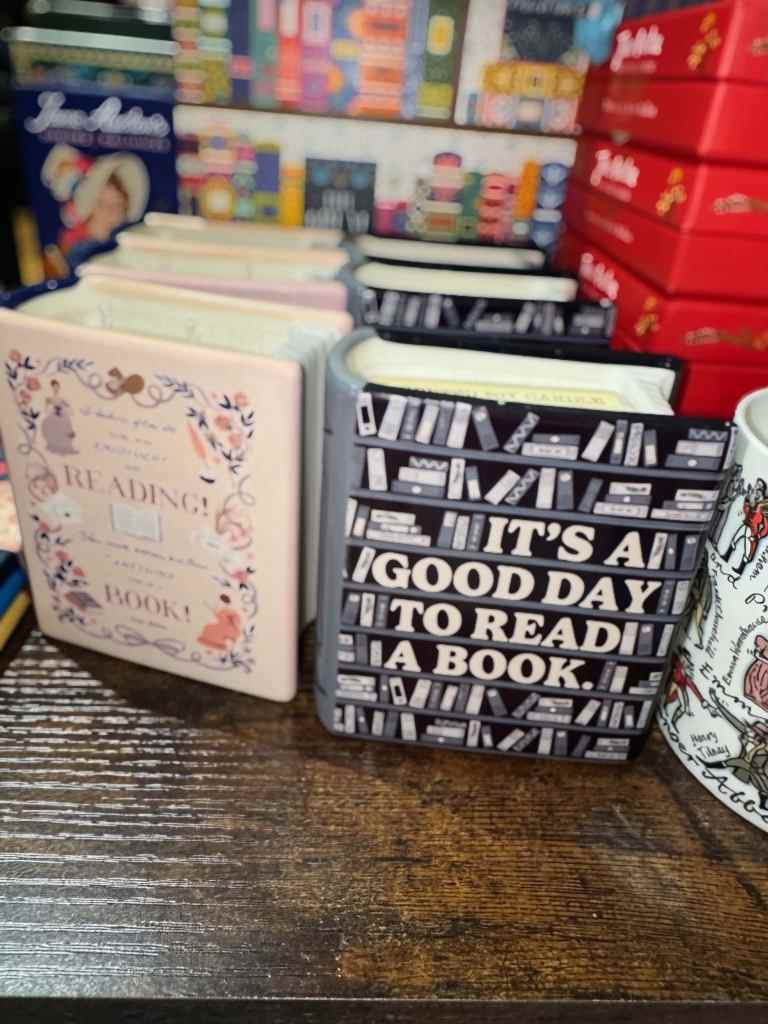

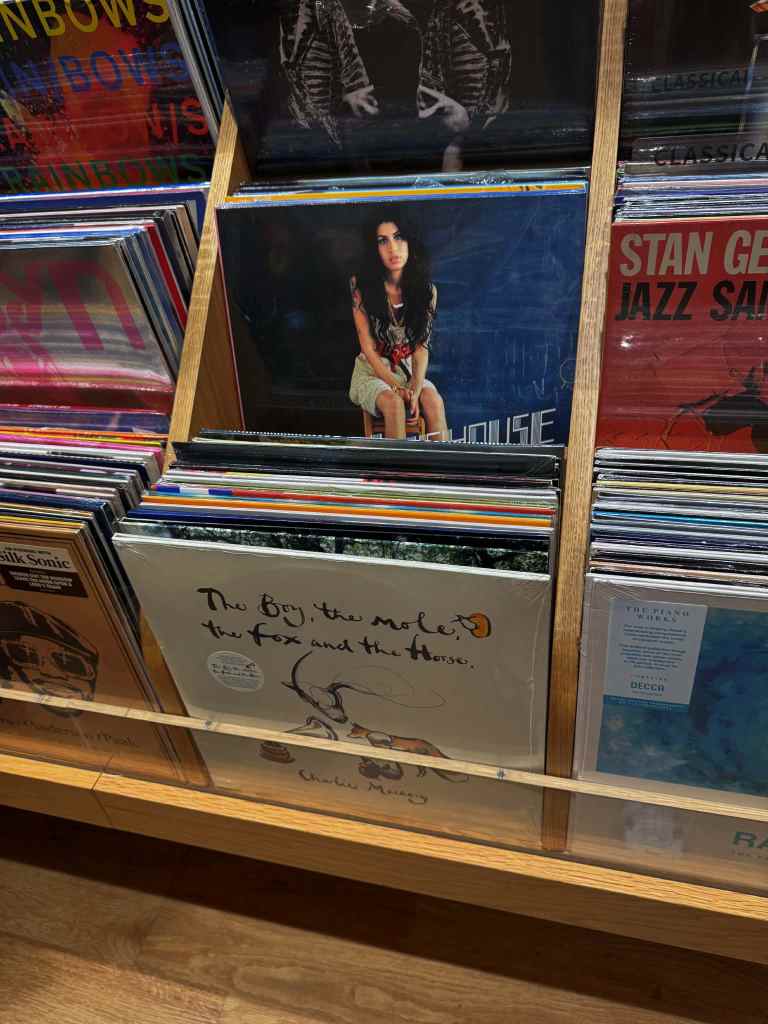
Music found its way into the afternoon too. I lingered around records and familiar album covers, and it reminded me that music can either fill a room or alter it. I have had enough of the first kind lately. This October, I want more of the second—the songs that make you stop halfway through whatever you are doing because one line has landed differently, the ones that make a grey commute feel cinematic, the ones that lend courage to an ordinary morning or somehow understand a feeling before you have found the words for it yourself.
Then came hotpot, which is perhaps one of the least subtle ways to announce that you have rejoined civilisation. Steam rose from the divided pot, broths bubbled in different colours, plates crowded the table and chopsticks began their usual search-and-rescue operation for ingredients that had disappeared beneath the surface. Hotpot requires faith. You lower a perfectly identifiable piece of food into boiling broth and, two minutes later, everyone is peering into the pot wondering whether it has emigrated.
There is also a predictable stage in every hotpot meal when dignity quietly leaves the table. At the beginning, everything is beautifully arranged. Bowls are clean. Chopsticks behave. Everyone seems competent. Half an hour later, sauces have colonised several surfaces, somebody has lost something in the spicy broth, chopsticks have migrated across international borders, and the table resembles the aftermath of very delicious negotiations. I loved every minute of it.
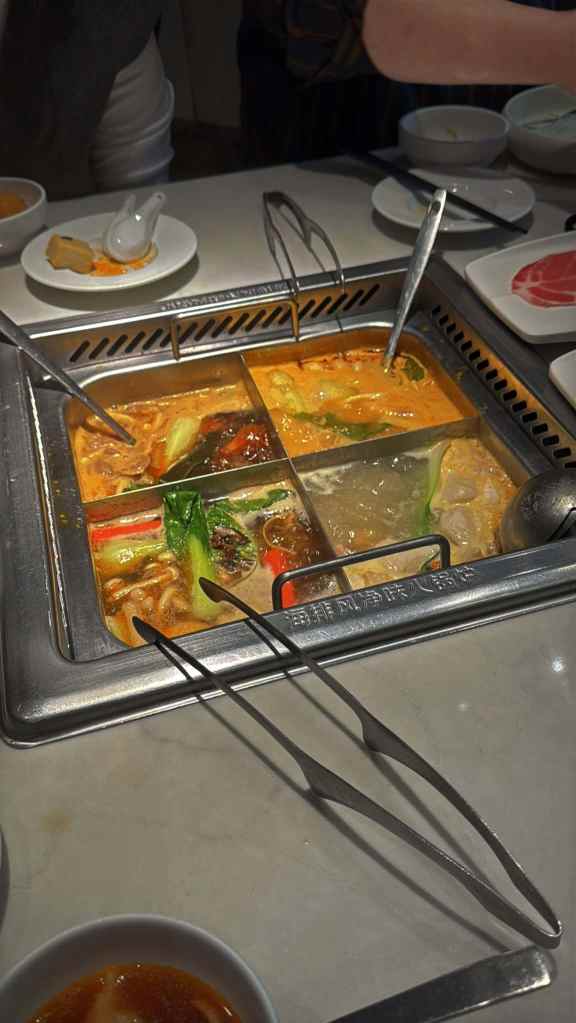
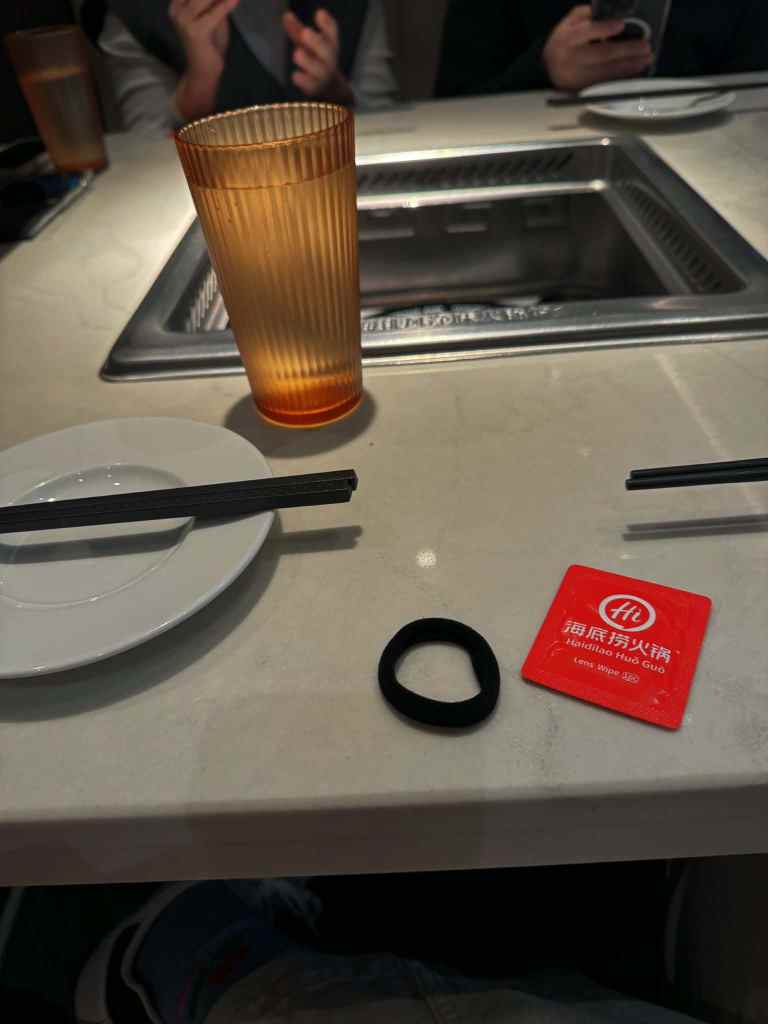
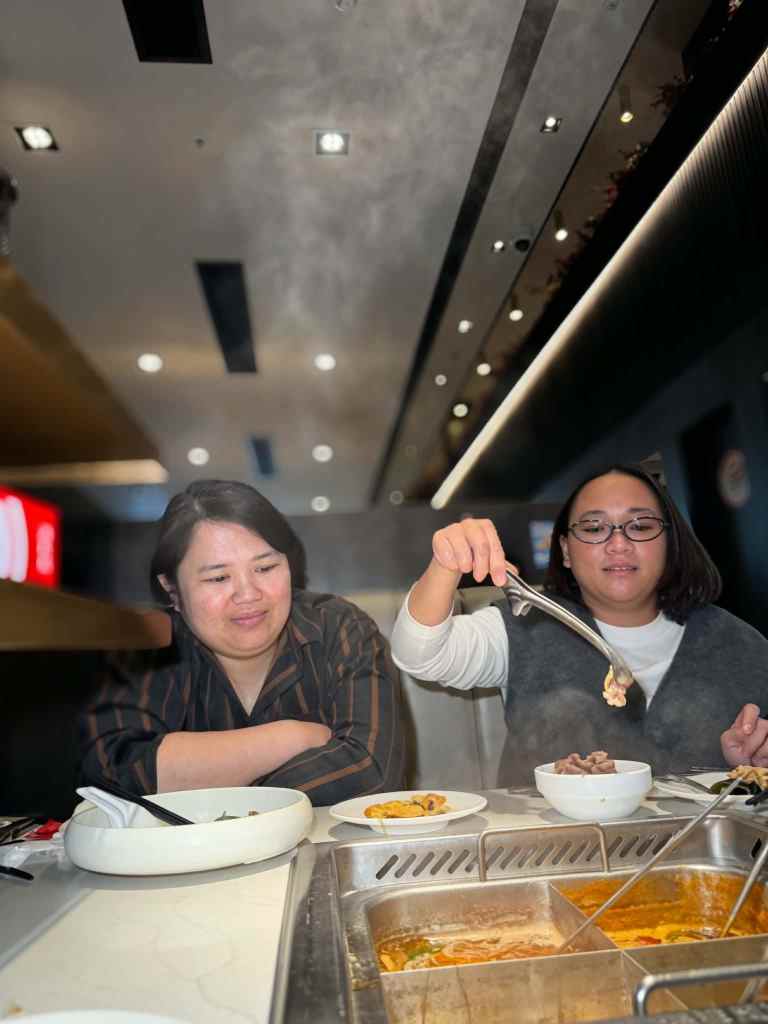
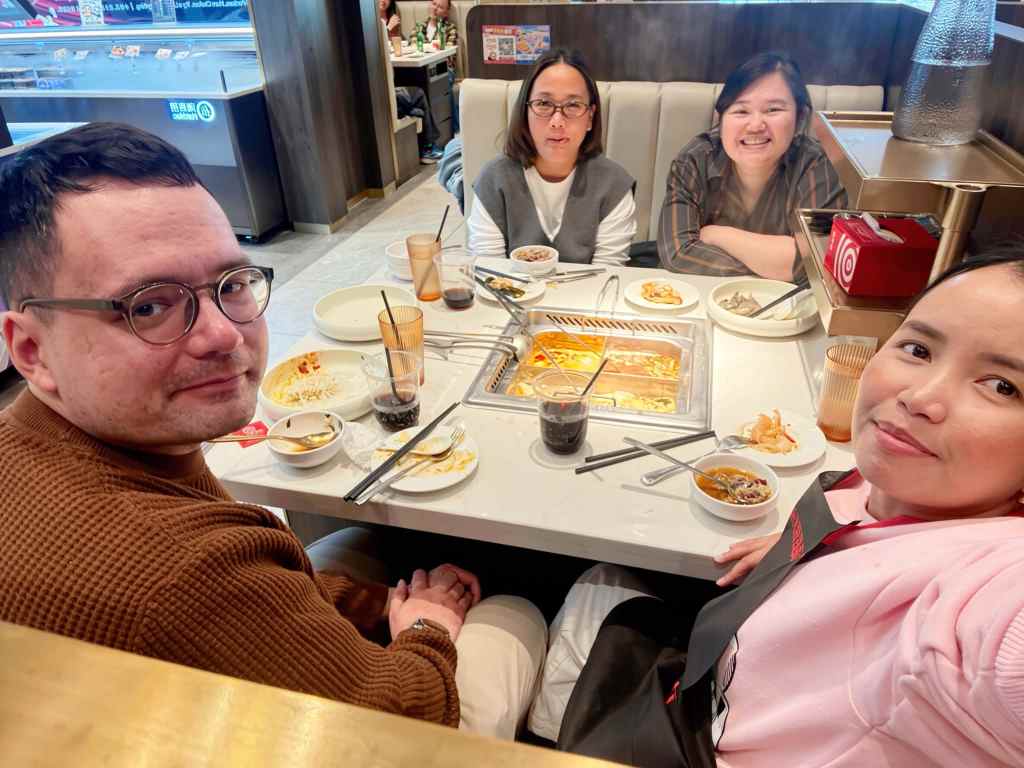
After days of measuring life by cups of tea, naps and how often I had moved from one room to another, sitting around a table with other people felt surprisingly extravagant. The steam touched my face. The broth smelled rich and spicy. There was conversation, laughter, the clatter of bowls and the comforting chaos of people eating together. Nothing extraordinary happened, and perhaps that was exactly what made it extraordinary to me.
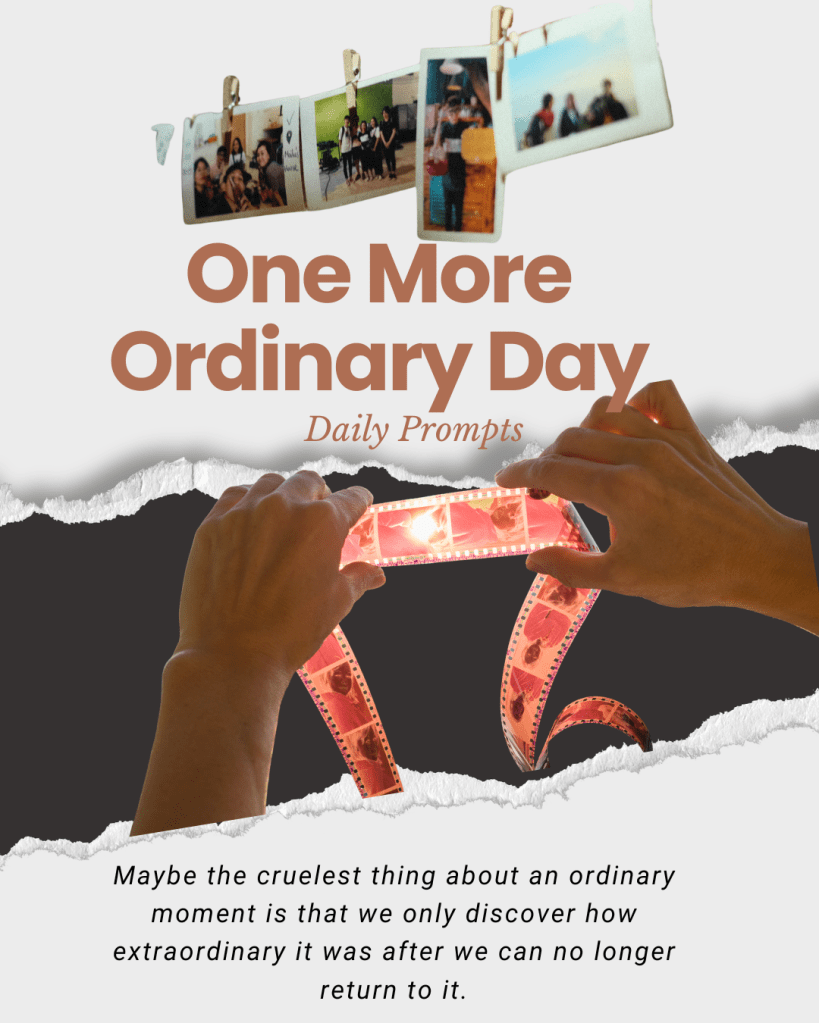
Today also happens to mark seven years since the nine of us arrived in the UK. This anniversary feels different from the previous ones, partly because the people inside that old photograph are no longer standing in exactly the same places in one another’s lives. The group still has not quite decided how or when we will celebrate properly, so for now I marked the day in my own way. Maybe that is fitting. Seven years ago, we shared one beginning. Seven years later, we carry nine different lives, nine different sets of responsibilities, different circles, different priorities and different versions of ourselves. A shared anniversary can remain meaningful even when the friendships inside it have changed shape.
For now, my celebration was smaller: getting dressed, getting outside, browsing books, looking at flowers, listening to music, sharing hotpot and simply being well enough to participate in an ordinary day again. There is something strangely appropriate about that. We often wait for celebrations to look grand before we recognise them as celebrations. Sometimes the body getting you through the front door is enough reason to be grateful.
Being off sick has reminded me of something I know professionally but apparently still need to relearn personally: good health is incredibly easy to take for granted when it is cooperating. When the body is functioning well, we treat it almost like reliable machinery. We make plans over it. We bargain with sleep. We postpone rest. We tell ourselves we will slow down after the next shift, the next obligation, the next deadline, the next thing somebody needs from us. Then the body finally interrupts the meeting and makes its own announcement.
I spend so much of my working life listening to other people describe what their bodies are telling them. I ask questions. I notice changes. I encourage people not to ignore symptoms and to take their health seriously. Yet when it comes to ourselves, it can be remarkably easy to become selective listeners. We hear advice from colleagues, family and friends, but sometimes the most important voice belongs to the body we are actually living in. Other people can tell us what they think we should tolerate, push through or recover from. They do not inhabit our exhaustion. They do not feel the exact weight behind our eyes or the heaviness in our limbs. Advice matters, but self-awareness matters too.
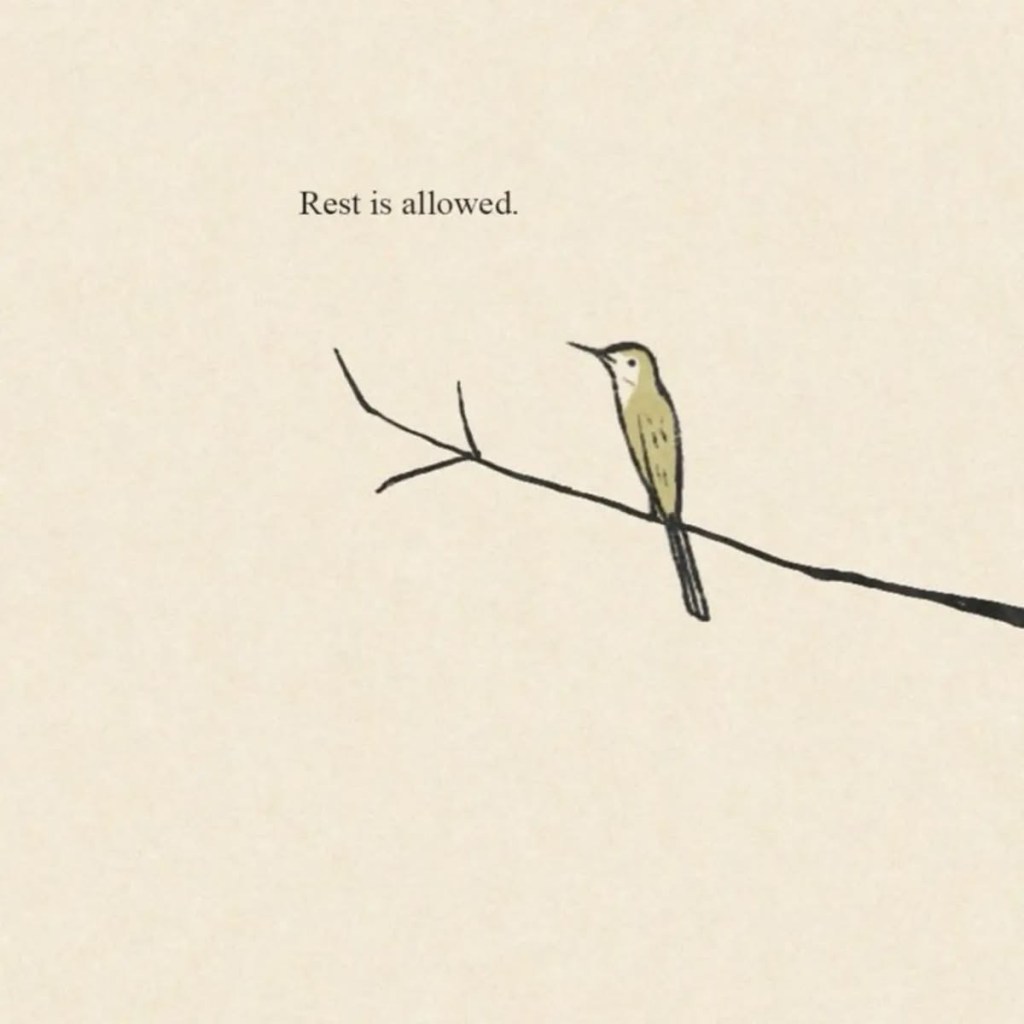
Rest is not always surrender. Sometimes it is maintenance.
That may be one of the things I want to carry into the rest of October. Not the old autumn lesson about leaves teaching us to let go. I have written about that enough times that I suspect the trees are entitled to royalties by now. Every October, I look at falling leaves and become philosophical, while the trees are probably thinking, Please find another metaphor.
So perhaps this year I will leave the leaves alone.
Instead of asking what October wants me to release, I have been thinking about what I want to give more time to.
I want to read more, which means actually opening the books rather than continuing to operate a very attractive retirement home for unread literature. I want to sit with stories long enough for them to change something in me, even if it is only one sentence I remember months later. I want to become better at work, not by endlessly demanding more from myself, but by staying curious, learning deliberately, asking better questions and remembering that competence grows from attention as much as effort.
I want more music in my days too—the sort that inspires rather than merely occupies silence. I want songs for the commute, for slow mornings, for writing, for cooking, for the days when my own thoughts have become repetitive and require somebody else’s melody to interrupt them.
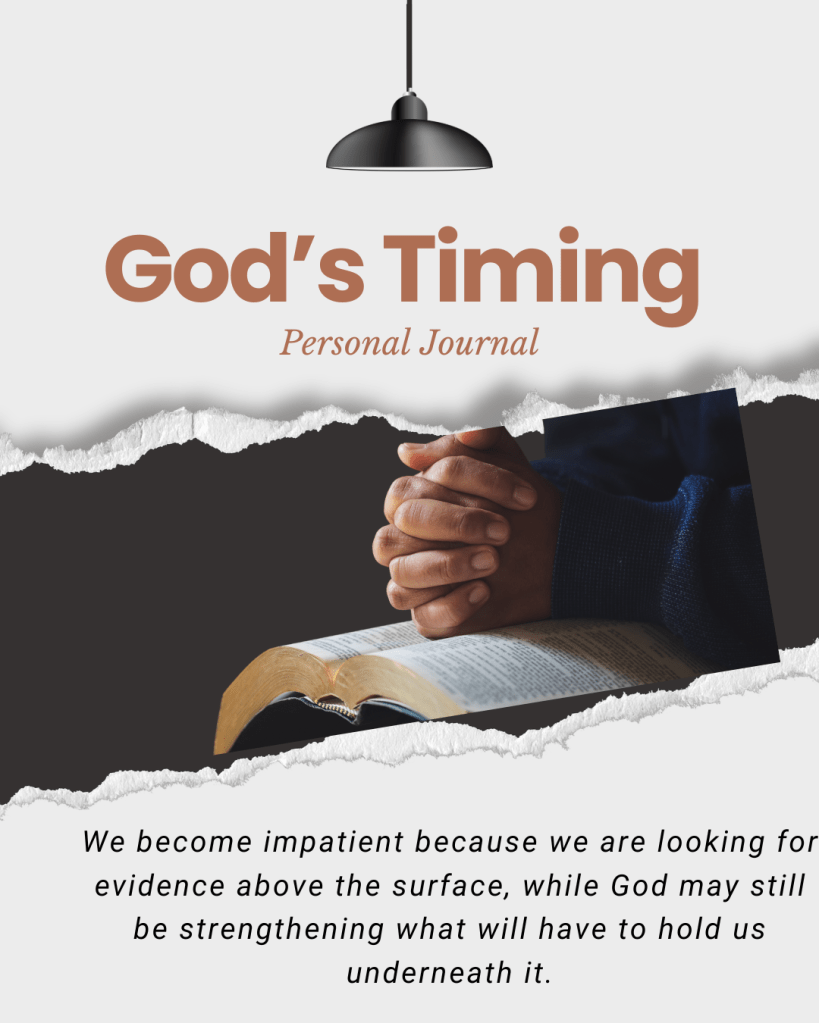
Most importantly, I want prayer to remain part of the ordinary architecture of my life. Not only the emergency button I press when something frightens me or the thing I promise to do more consistently when life feels uncertain. I want to pray when things are going well too. I want to visit church more consistently, to sit somewhere that asks nothing from me for a while except presence, gratitude and attention. There is a kind of inner order I find when I make room for God, and I know how easily that space becomes crowded when work, worry and everyday noise are allowed to move all their furniture into it.
I want to protect my inner peace as well. Not in the sense of avoiding every difficult conversation or pretending nothing hurts, but by becoming more selective about what deserves permanent residence in my head. Peace is not a life without problems. It is learning that not every problem needs a bedroom.
Perhaps that is the real theme of this October for me—not falling leaves, dramatic reinvention or becoming an entirely new woman before November arrives. I simply want to pay better attention. To my health. To my work. To the people I love. To what I read and listen to. To my faith. To the subtle point where responsibility becomes exhaustion. To the difference between resting because I am lazy and resting because my body has quite reasonably threatened industrial action.
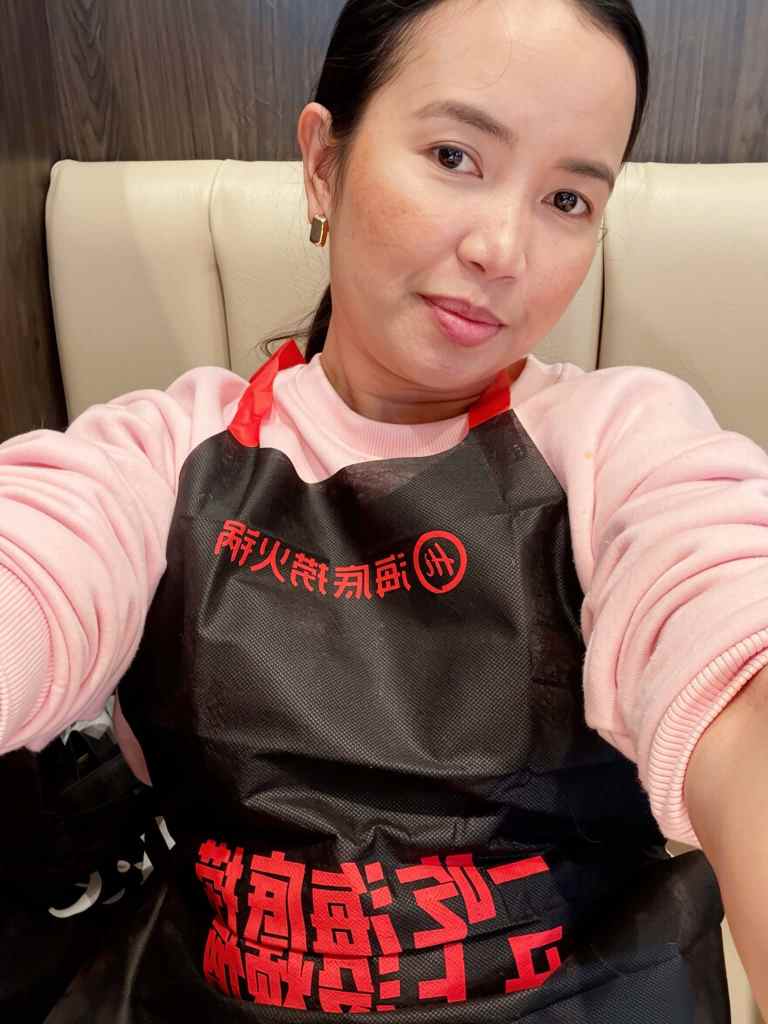

By the time I came home tonight, my energy had begun remembering why the sofa had been such a convincing companion all week. I took off my shoes and the house received me differently. The same rooms were waiting. The same blankets. The same cats, presumably disappointed that their daytime occupation dispute had not resulted in my permanent removal. The kettle still clicked. The radiator still muttered. And somewhere on the wall, the clock was still doing exactly what it had been doing while I was ill.
Tick. Tock. Tick. Tock.
Only this time, I did not resent it.
For several days I had listened to that clock as though every second passing without me was proof that I was falling behind. Today reminded me that time does not require us to perform for every minute it gives us. Some hours are for working. Some are for laughing over a boiling pot of broth. Some are for books and music. Some belong in church. Some are meant to be slept through because the body has asked nicely several times and has finally stopped negotiating.
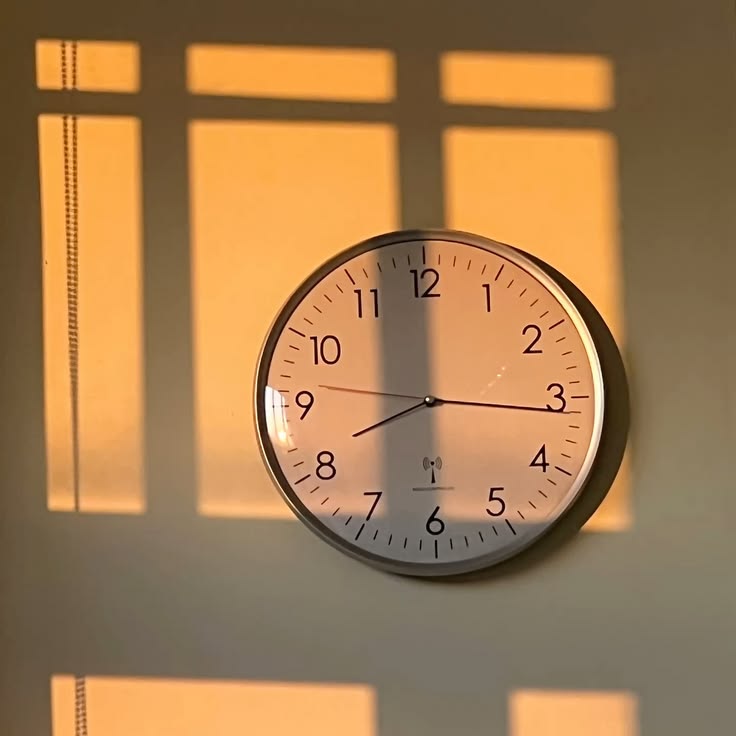
The clock had never been racing me.
I was the one running.
So perhaps Against the Clock is the wrong contest to win. This October, I would rather learn when to move with time, when to use it well, and when to let it pass without feeling guilty for standing still.
The clock can keep counting.
I am finally learning that I do not have to count every second with it.
With love,
Anj 🖤








Leave a comment