
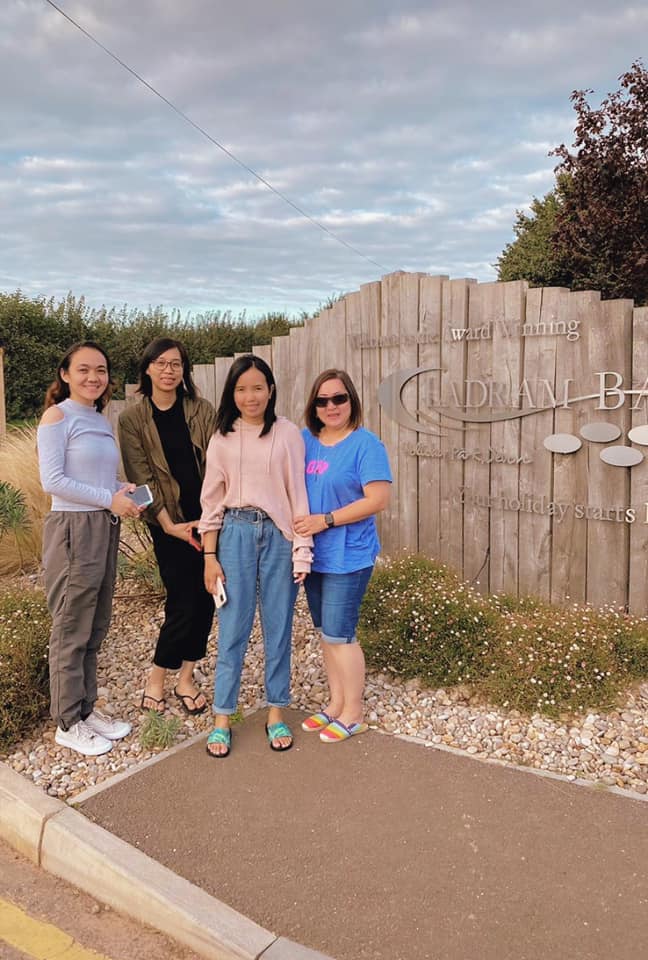
Before this trip, my understanding of caravan holidays came mostly from television, other people’s photographs and a vague assumption that I would have to sacrifice at least one normal household comfort in the name of “getting closer to nature.” I imagined cramped spaces, questionable showers and perhaps making coffee while sitting on the edge of the bed because there was nowhere else to go. Then we arrived at Ladram Bay Holiday Park in East Devon, stepped inside our static caravan, and I realised I had been unnecessarily dramatic. There was a proper kitchen, a comfortable living area, an ensuite toilet in the master bedroom and, most importantly, a double shower in the main bathroom. If this was roughing it, I was prepared to suffer bravely.

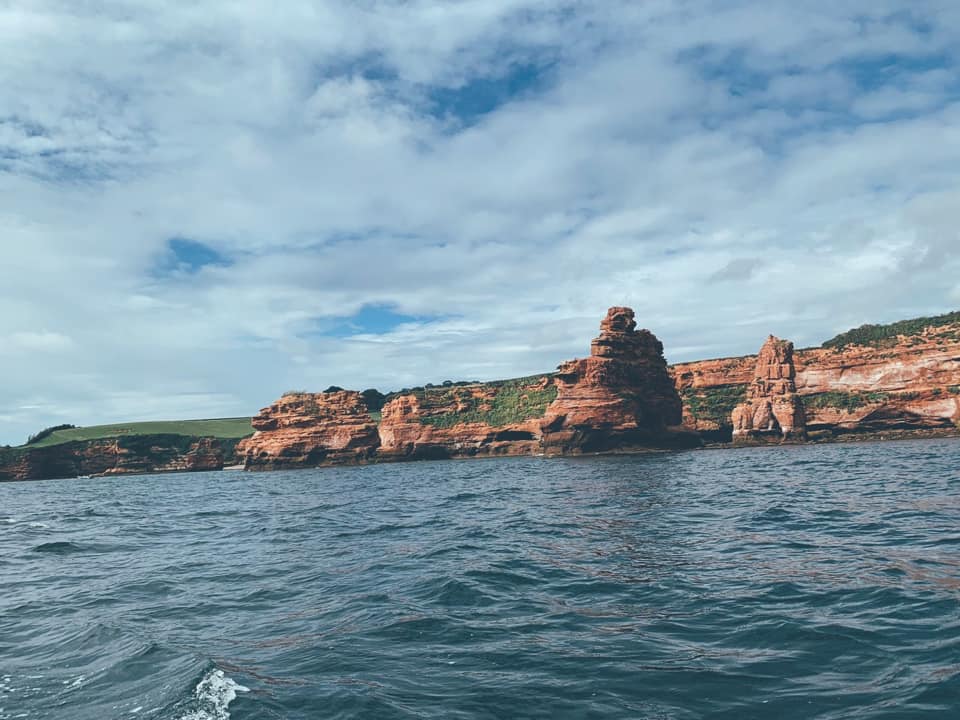
Ladram Bay sits on the East Devon section of the Jurassic Coast, the UNESCO-listed coastline famous for its geology, cliffs and landforms. The bay itself is particularly recognisable for the reddish sandstone sea stacks rising just offshore, shaped over time by erosion along the coast. They are the sort of natural formations that make you stop mid-walk because suddenly the view looks far more dramatic than the casual weekend you thought you had booked.
The holiday park is set above its own secluded pebble beach, with the caravans and facilities arranged against a backdrop of hills and sea. From parts of the park, the coastline opens in front of you rather than hiding behind rows of buildings, and that immediately gave the place a different atmosphere from a typical resort. You still had the convenience of somewhere organised to stay, but beyond the caravan windows were cliffs, water and countryside rather than another hotel corridor. Ladram Bay currently offers several types of accommodation, including holiday homes, lodges, touring pitches, camping and glamping, so the static-caravan experience is only one way to stay there.
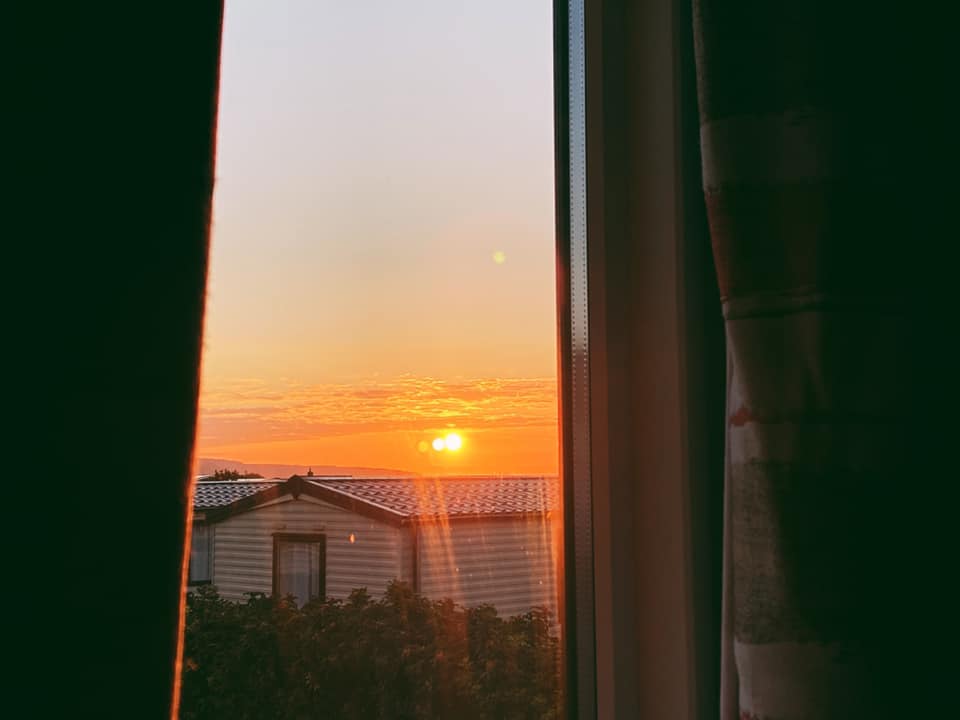
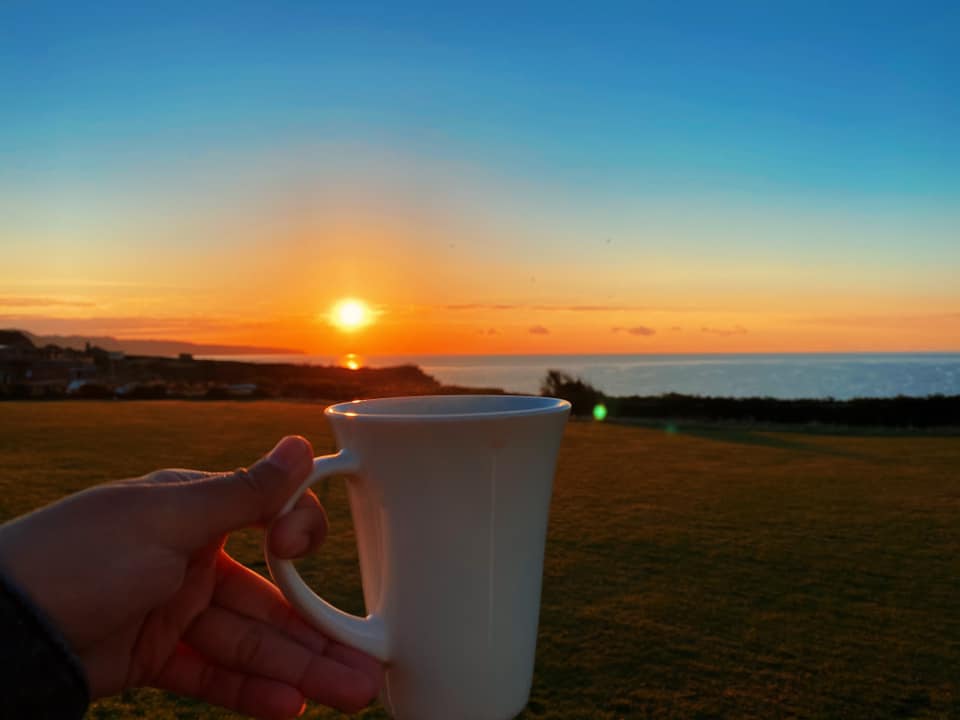
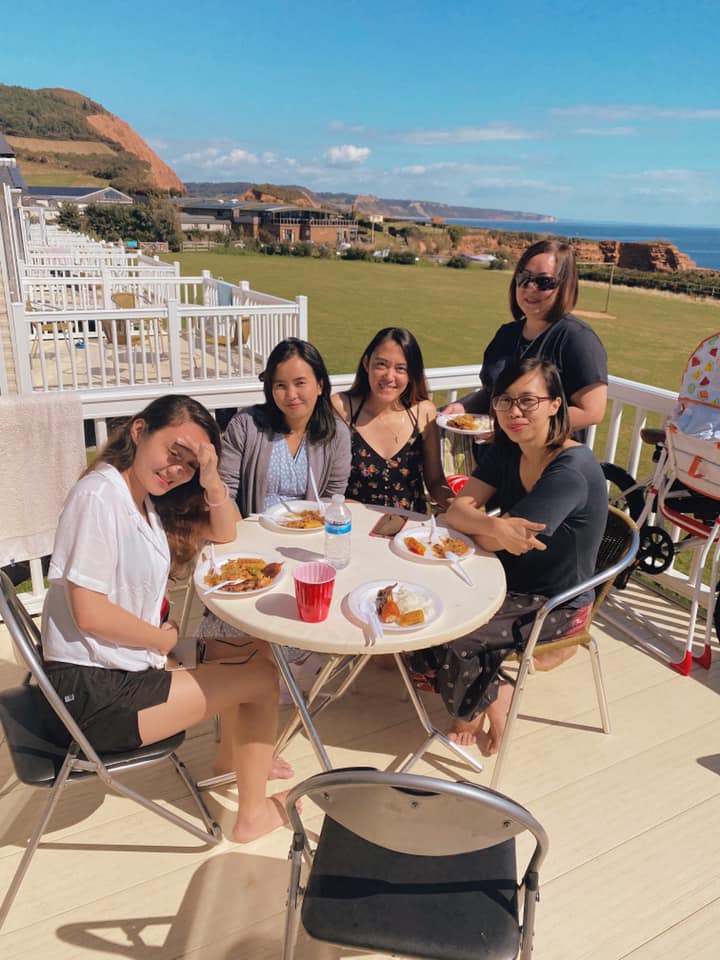
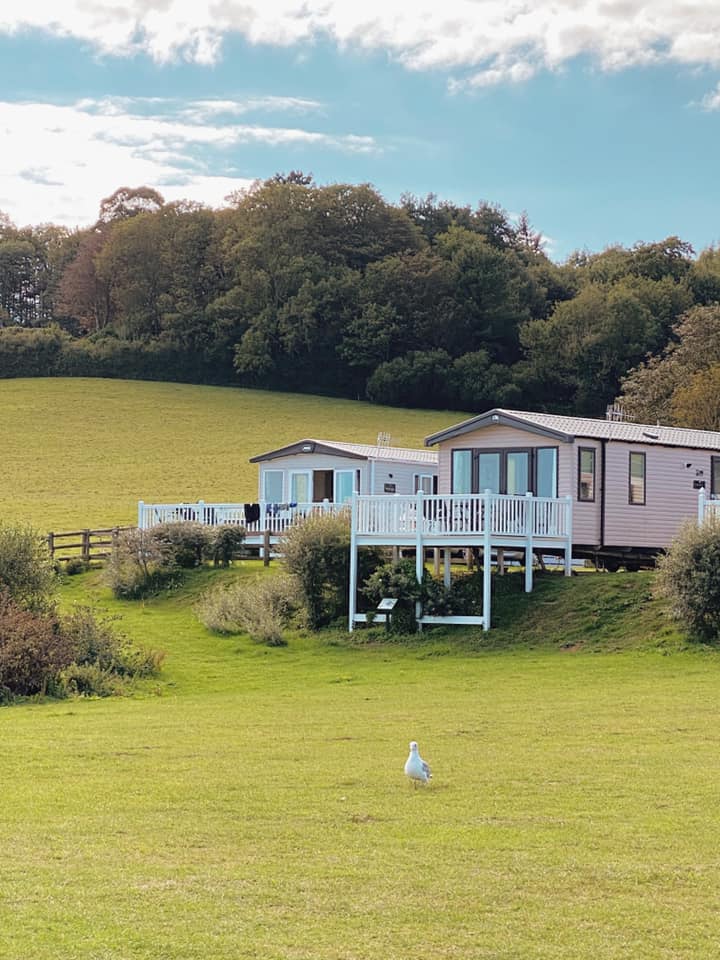
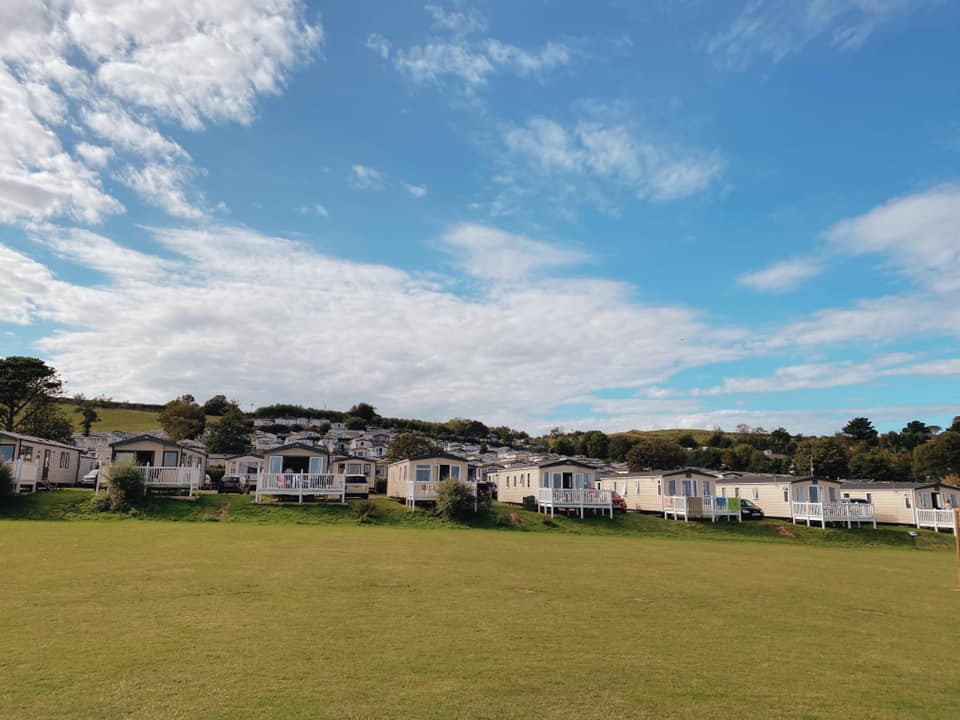
Our caravan became home very quickly. I loved having a kitchen because there is something strangely satisfying about making your own breakfast while on holiday, even though I am perfectly capable of making exactly the same breakfast at home without considering it an experience. Holidays improve ordinary tasks. Coffee in your own kitchen is coffee. Coffee in a caravan overlooking Devon is suddenly a lifestyle choice.
The living area was roomy enough for us to sit comfortably in the mornings and collapse into later after walking around all day. That surprised me most. I had expected “caravan” to mean spending the weekend negotiating with furniture, but there was enough space that we were not constantly trying to move around one another. It felt more like borrowing a small holiday home than camping with plumbing.
This is important information for anyone like me whose enthusiasm for the outdoors has limits. I enjoy nature tremendously, but I prefer nature to remain outside while I sleep indoors with a proper bathroom. I can admire cliffs without needing to become one with the ground beneath them.

The real attraction, though, was waiting downhill.
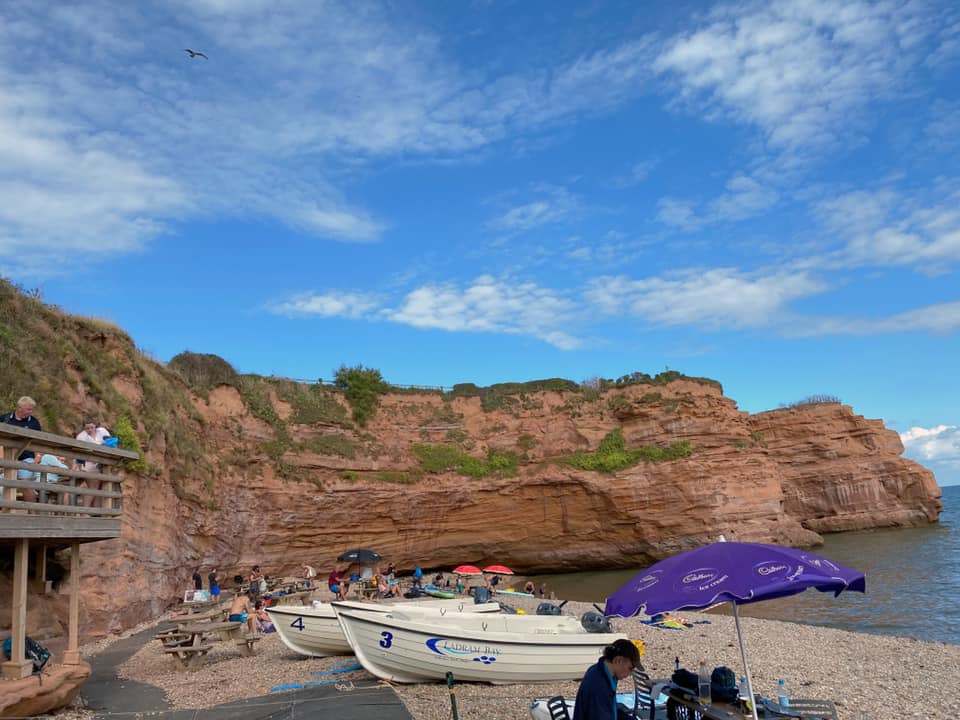
A walk from the park takes you towards Ladram Bay’s private pebble beach, reached via the slipway between the cliffs. Once you get down there, the landscape changes from holiday-park neatness to something much more rugged. Red sandstone rises around the cove, the famous stacks stand offshore and the beach looks directly onto the Jurassic Coast. The rocks around Ladram Bay belong to a much older geological story: this section of coast contains Triassic rocks formed in ancient desert environments hundreds of millions of years ago. The sea stacks themselves are the result of erosion exploiting weaknesses in the sandstone over immense periods of time.
This information does make standing on the beach feel slightly different. One minute you are deciding whether you want an ice cream, and the next you are looking at rock that has survived longer than almost anything your brain is capable of comprehending. It is difficult to feel overly important beside a coastline operating on a timescale of hundreds of millions of years.
Fortunately, ice cream restores perspective.
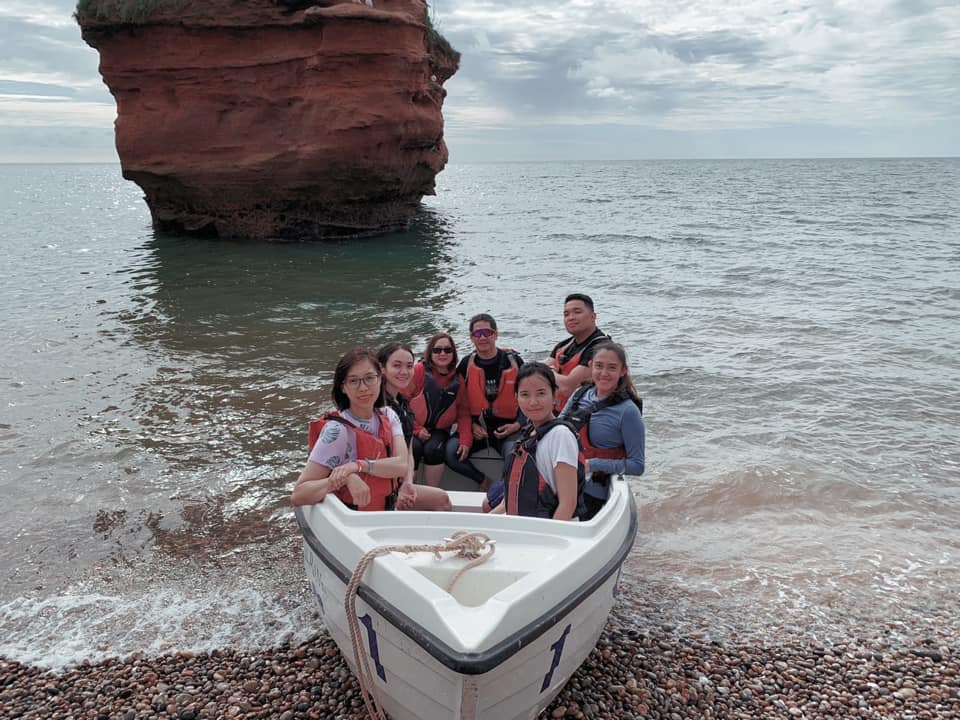
At the beach is the Beach Shack, which became one of those conveniently placed holiday spots where you can buy something cold, grab food or a drink and sit looking towards the water. It is also where the park hires out equipment for exploring the bay. Depending on weather, tides and availability, visitors can currently hire kayaks, paddleboards and motorboats, which means you can see the coastline from the water rather than limiting yourself to admiring it from shore.
Looking out at the bay, I could understand why going onto the water is so popular. From the beach, the stacks already dominate the view, but by boat you can get much closer to those sandstone formations. The park specifically promotes boat hire as a way of approaching them from the sea, which would give a completely different perspective on the cliffs and coves along this stretch of East Devon.


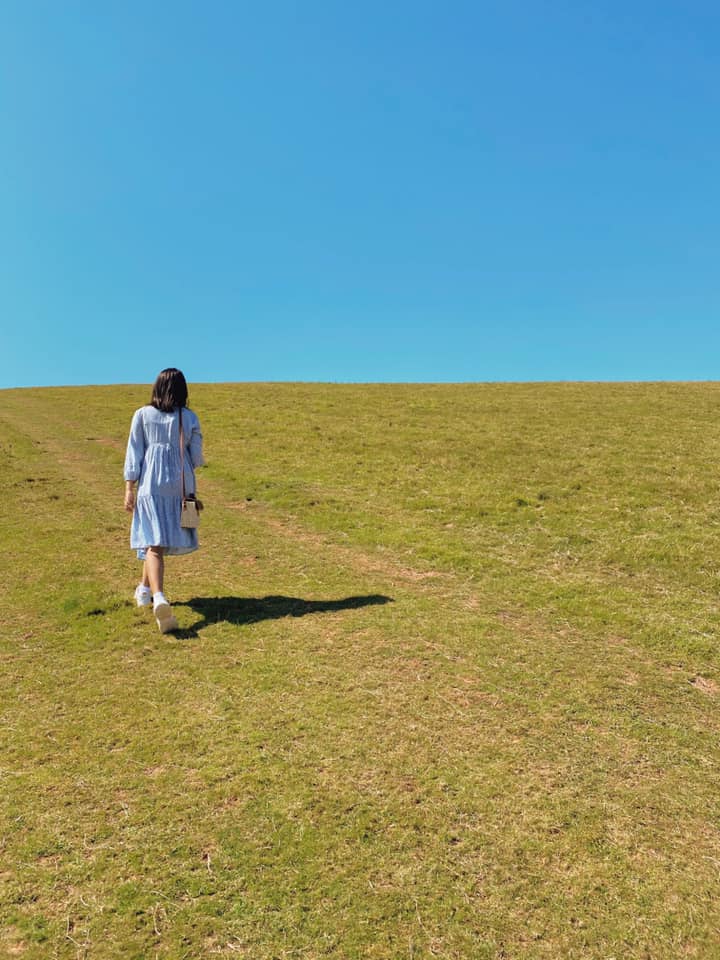
I was quite content simply walking, looking and taking photographs. My hobbies on coastal holidays are reliably predictable: admire sea, photograph sea, move ten metres, discover sea still looks good, photograph sea again.
Ladram Bay is also useful if you are travelling with people who have very different definitions of a good holiday. Someone who wants to sit beside the beach can do exactly that, while the more energetic members of the group can kayak, paddleboard, explore rock pools or head onto the water. Back at the park there is also an indoor swimming complex, family entertainment and other leisure facilities. Essentially, you can be as active as you like, while those of us who consider walking downhill for an ice cream a perfectly respectable holiday achievement remain equally catered for.
One practical thing worth knowing is that Ladram Bay is hilly. The park itself acknowledges that some areas rise in tiers, and the route towards the beach involves a slope, so anyone travelling with mobility concerns should check the park’s accessibility information and accommodation location beforehand. The reward for all those gradients, however, is the coastal setting.

During our stay, we also ventured out to Sidmouth, which gave the weekend a different kind of seaside experience. Ladram Bay feels enclosed by cliffs and nature; Sidmouth feels more like a traditional English coastal town, with a proper promenade, historic buildings, cafés, shops and the sea running alongside town life.
Sidmouth is particularly known for its Regency architecture. Many buildings from that period remain, alongside Georgian and Victorian influences, and the town has hundreds of listed buildings spanning several centuries. Around the centre, some of those historic properties now function as hotels and shops, so you do not need to follow a formal architectural trail to notice that Sidmouth has retained a very distinctive character.
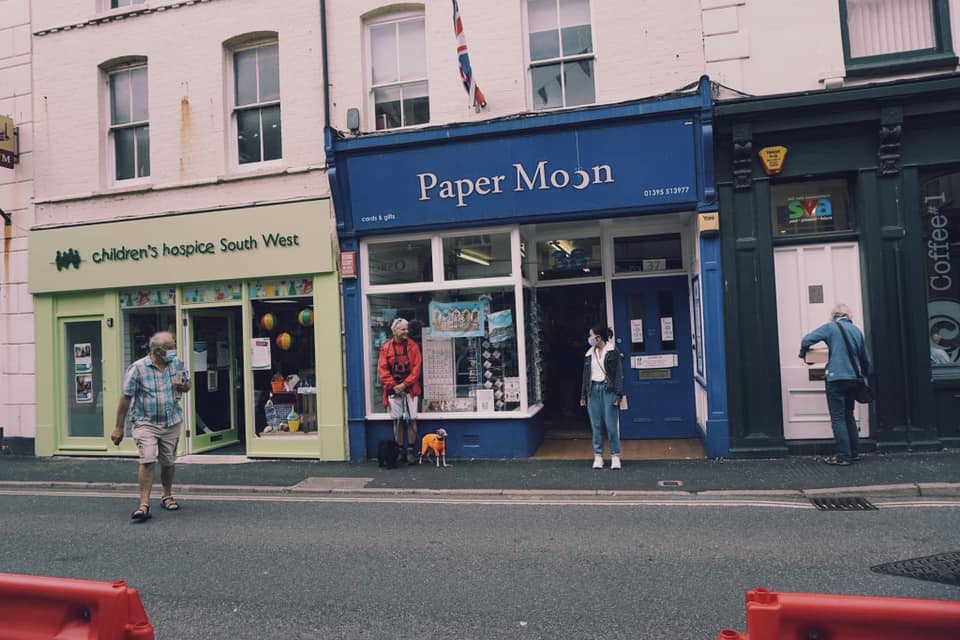
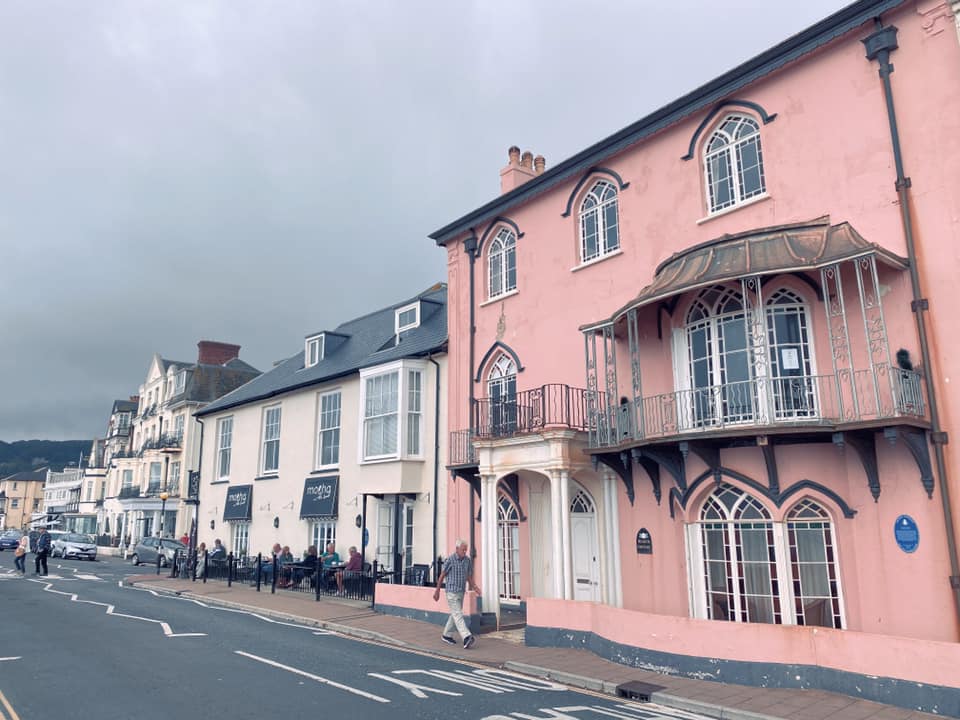
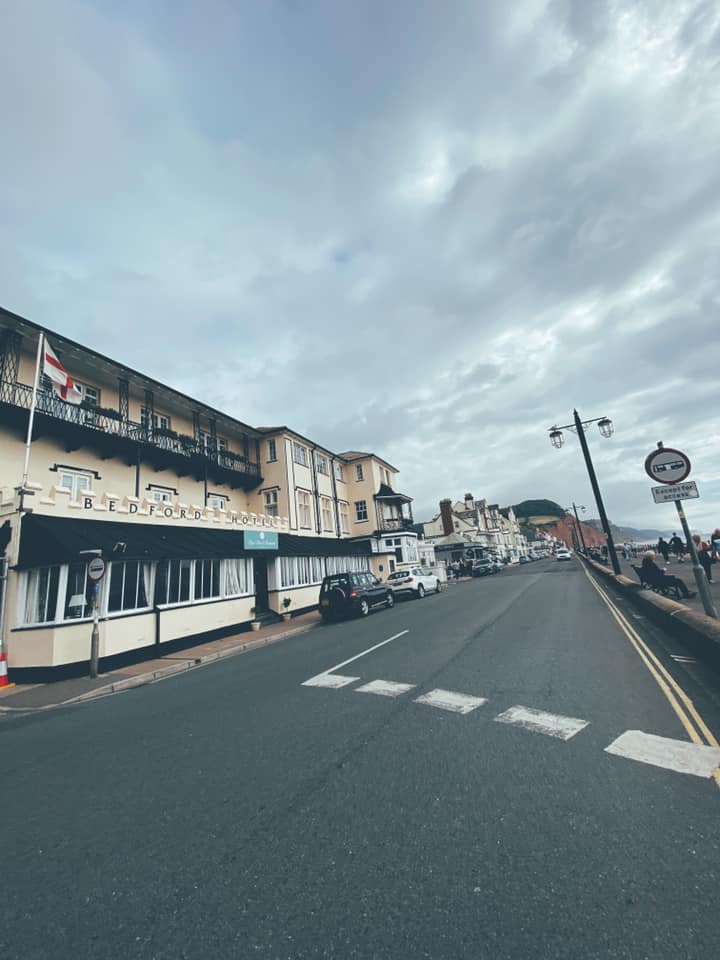
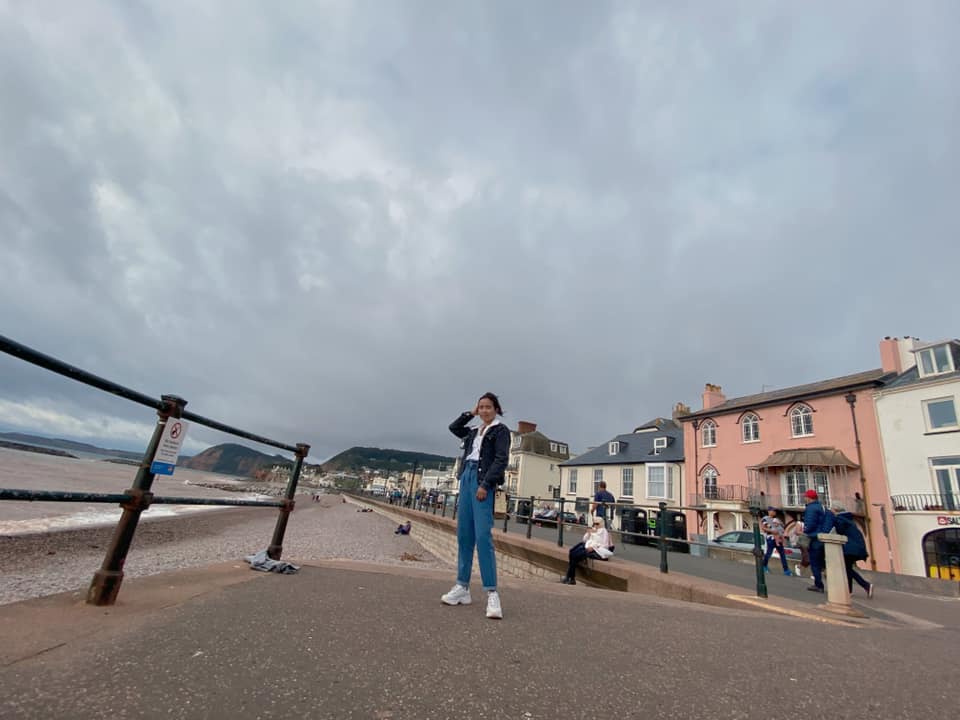

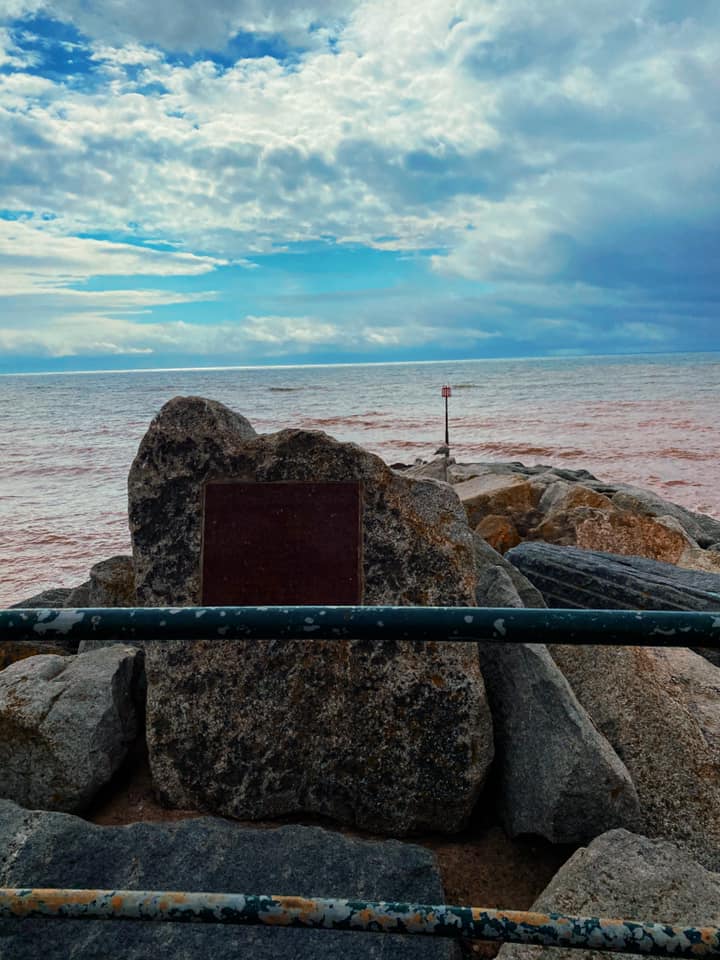
Walking through it, I understood immediately why people describe Sidmouth as having an old-fashioned seaside charm. This is not “old-fashioned” in the sense that you expect everyone to suddenly appear in bonnets. It is more that the town has resisted becoming completely generic. The seafront still has its elegant buildings, the centre is compact enough to explore comfortably on foot, and independent businesses remain a substantial part of the high street.
Sidmouth’s coastline is dramatic too. The town sits against the red cliffs of the Jurassic Coast, and its main beach lies directly in front of the Esplanade. Sidmouth Town Beach is primarily shingle, with areas of red sand visible when the tide allows, while the Regency buildings behind it give the seafront its recognisable appearance.
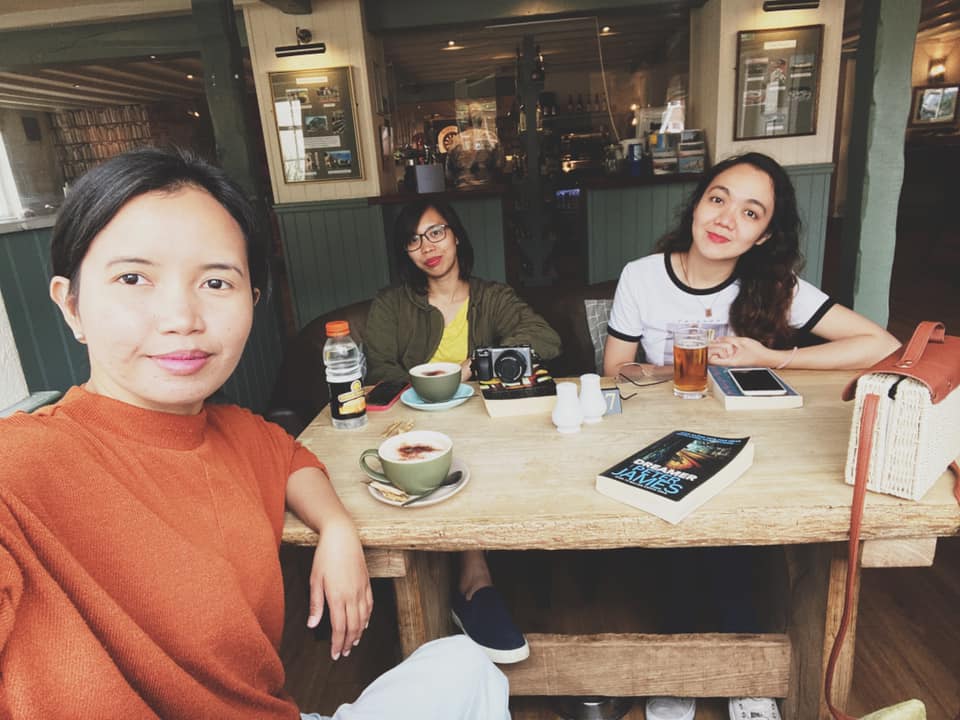




It made for very pleasant wandering because you could move easily between the sea and the town. One moment we were looking out across the water; a few minutes later we were passing cafés and independent shops. Sidmouth has more than sixty independent businesses according to the local tourism organisation, so it is the sort of place where browsing can quietly become purchasing if you are not careful.
This is why I like places where the coastline and town centre sit close together. There is no complicated decision between “beach day” and “town day.” You can do both and change your mind repeatedly. Walk beside the sea. Find coffee. Look in a shop. Return to the sea. Find cake. This is an itinerary I can execute with remarkable discipline.
Sidmouth also felt visually different from Ladram Bay despite being nearby. At Ladram, my eyes kept going towards the stacks, the cliffs and the cove. In Sidmouth, I found myself looking equally at the architecture: facades, windows, terraces and all those details that make an English seaside town look like it has been collecting stories for considerably longer than you have been visiting it.
By the time we returned to the caravan, I had completely revised my opinion of caravan holidays. I had imagined something much more basic. Instead, I had spent the weekend with a proper kitchen, generous shower, comfortable living space and one of England’s most striking coastlines practically on the doorstep.
There was also something enjoyable about returning to the same small space each evening. Hotels can sometimes feel anonymous because you walk through corridors filled with identical doors. The caravan felt temporarily ours. Shoes ended up by the entrance, drinks appeared on the table, jackets found their usual places and within a surprisingly short time we had developed the confidence of people who had been caravan residents for approximately forty-eight hours.
The whole trip also reminded me that you do not always need to travel very far to make a weekend feel different from ordinary life. East Devon gave us a UNESCO World Heritage coastline, ancient red cliffs, sandstone stacks, a private beach, water activities and the historic streets of Sidmouth without requiring an airport or the usual argument with cabin-baggage dimensions.
If you are planning your own stay, I would give Ladram Bay enough time for more than simply sleeping there. Walk down to the beach, look at the sea stacks from shore, check the weather if you are interested in hiring a kayak or boat, and leave some time simply to sit with a drink facing the bay. Then give Sidmouth part of a day as well. Walk the seafront, wander through the centre, notice the Regency architecture and allow yourself to enter shops you had absolutely no intention of visiting until something in the window changed your mind.
My first caravan experience therefore ended with a slightly inconvenient conclusion: I would happily do it again.
I still would not describe myself as someone desperate to rough it in the wilderness. Let us maintain reasonable expectations. But give me a static caravan with a kitchen, a double shower, a dramatic Devon coastline outside and somewhere nearby selling ice cream, and suddenly I am extremely enthusiastic about outdoor living.
Just preferably with indoor plumbing.
With salty air and grateful heart,
Anj 🐚


































Leave a Reply