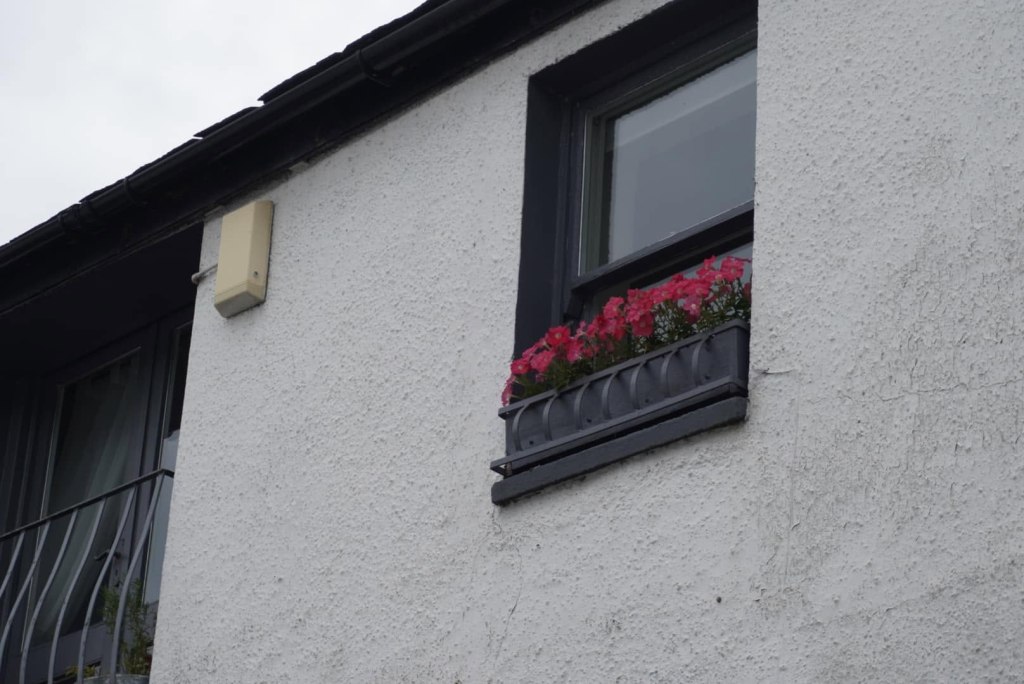
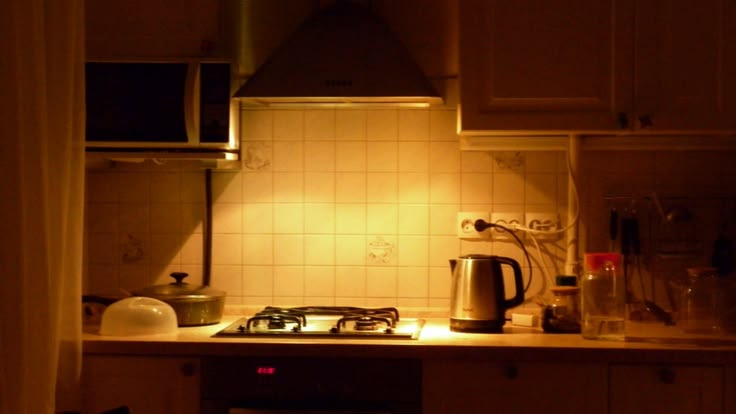
There is a house somewhere that I have never lived in, yet I know exactly where the bookshelves would go. It has a wide window overlooking a garden, a kitchen that catches generous morning light and a small corner reserved for reading, writing and pretending that purchasing another notebook is an essential part of intellectual development. There is a comfortable chair beside the window, although knowing myself, I would probably ignore it and end up on the sofa with a laptop balanced precariously on my knees. In this imaginary house, the laundry is always folded, the refrigerator contains ingredients for actual meals rather than an optimistic collection of things I intended to cook, and the woman living there goes to bed at a sensible hour. She sounds extraordinarily organised, which is precisely how I know I have never met her.
The house does not exist, at least not in the form I have given it. Nobody has planted the garden, assembled the shelves or discovered that beautiful white furniture is considerably less charming once coffee enters the story. Yet if somebody told me with absolute certainty that I would never live in a place like that, I suspect I would feel a small disappointment. There is something strange about missing a room I have never entered and feeling nostalgic for a life that has never technically belonged to me.
I think we spend far more of our lives in imaginary futures than we realise. We plan them quietly while commuting, before falling asleep, during conversations and in those harmless moments when the mind wanders five or ten years ahead without asking permission. We furnish these futures with homes, careers, people, journeys and accomplishments. We imagine what our days might look like once certain things finally happen, as though somewhere ahead of us exists a more organised version of ourselves who has already solved the problems presently causing inconvenience.
I have certainly done it. I have imagined future homes, future jobs, places I might travel, things I might write and versions of adulthood that seemed reassuringly complete from a distance. Younger me apparently believed there would come an age when everything would settle into place and I would know exactly what I was doing. She had a charming amount of confidence in us, while reality has been considerably less interested in following the outline.
Some things happened differently, some took longer, and some dreams changed because I changed. Opportunities arrived that I had never thought to include in the original plan, while other things I once considered almost inevitable simply never materialised. That is one of the stranger discoveries of adulthood: we do not only live the life that happens. We also carry faint outlines of the lives that did not.
A child imagines a profession. A student pictures graduation and the career that will follow. Two people imagine a shared home and the ordinary routines they might build inside it. Someone preparing to move abroad pictures the streets they will walk, the friends they will make and the person they might become there. We begin emotionally inhabiting places before reality has even issued the keys, and some of those possibilities eventually become our lives while others disappear quietly without the sort of ending we would recognise as an ending.
There is no farewell dinner for the city we never moved to and no final photograph of the version of ourselves who existed only in plans. One day we simply realise that a future we once expected is no longer the future we are walking towards, and somehow we can miss it. That seems irrational until I think about how detailed our hopes can become. We rarely dream only in abstract terms. We picture the graduation photograph, the front door, the first morning somewhere new, the family gathered around a table or the look on somebody’s face when we finally tell them we accomplished the thing we had been working towards. Imagination gives expectation furniture, and once a future has enough detail, losing the possibility of it can feel surprisingly personal.
That does not mean the alternative would have been better. Imaginary lives have an unfair advantage because they never have to survive reality. They do not pay bills, queue in traffic, work with irritating colleagues, wake up tired or discover that the dream house has an alarming relationship with plumbing. The career we did not pursue remains free from office politics, the country we did not move to enjoys excellent weather, and the relationship that never happened has remarkably few disagreements. The unlived life receives all the scenery and none of the maintenance.
Meanwhile, the life we actually chose is available for inspection every day. We know where it disappoints us because we are present when it happens. We know its repetitive chores, delayed plans, difficult conversations and unexpected costs. Comparing reality with imagination is therefore a deeply unfair competition because one participant has evidence and the other has excellent lighting. Perhaps this explains why the road we did not take can occasionally look so beautiful.
Sometimes, though, the sadness is not really about believing the other road would have been better. It is simply the recognition that the road has closed. When we are younger, possibility feels enormous. There are so many careers we could pursue, countries we might live in, people we could become and lives we could construct that choice itself seems almost temporary. Time eventually introduces a less romantic fact: choosing one thing often means not choosing something else, and even good decisions close doors.
That part of choosing is rarely celebrated. We congratulate ourselves for what a decision gives us but speak less often about what it removes from possibility. Moving towards one career requires years that cannot simultaneously be spent building another. Creating a life in one country means not being continuously present in another. Committing deeply to one path changes how available we remain to several others, which means a meaningful choice can still contain a loss.
I think this becomes especially clear when you build a life far from where you began. Leaving home can bring independence, professional growth, new friendships and experiences that would never have happened otherwise. It can also mean missing ordinary family occasions, watching familiar places change through photographs and learning that being able to travel home is different from simply being there. The emotional arithmetic of migration has never felt as simple as “better opportunities abroad” versus “life back home.” Both can contain things we value, and choosing one does not require pretending the other held nothing worth keeping.
I can be grateful for the life I have built and still occasionally wonder who I might have become if I had stayed. That question does not mean I want to exchange everything I have. Curiosity is not necessarily regret. Sometimes it is only the mind noticing a parallel road and wondering where it might have gone. Would I have remained closer to certain people? Would my career have developed differently? Would I think differently? Would I have become more or less adventurous? There is no answer, which makes the imagined version especially easy to romanticise.
The same thing happens when we encounter somebody living something we once imagined for ourselves. A former classmate reaches an achievement we once wanted. Someone moves somewhere we once considered. Another person enters a career we once contemplated or owns the type of home we used to save into a folder for “someday.” We may be sincerely happy for them and still feel something small move inside us. It is not always envy; sometimes we are simply recognising an old dream wearing somebody else’s clothes.
For a brief moment, we remember the person we once expected to become, and there is tenderness in meeting that earlier version of ourselves again. I do not think she deserves ridicule simply because her predictions were inaccurate. She was planning with the information she had. She did not know who we would meet, what responsibilities would appear, which opportunities would disappear or which completely unplanned things would become important. She certainly underestimated paperwork, and she greatly underestimated laundry, but she was trying.
Old lists of goals can be particularly strange to read for this reason. There is something almost archaeological about finding the ambitions of your younger self written down in confident handwriting: own a house by this age, reach a particular career milestone, travel here, save this amount, finish that project, become the sort of adult who presumably keeps all important documents in one organised folder. Then real life arrives carrying its own pen.
Responsibilities change the schedule, opportunities appear from directions we had not predicted, and some plans need more money, more time or more courage than expected. Other dreams lose their appeal because the person wanting them has changed. The carefully arranged future becomes less like a timetable and more like a first draft, which as a writer makes a peculiar amount of sense to me.
The first version of a story is rarely sacred. Characters develop, scenes disappear and an ending imagined at the beginning may no longer fit by the time the story reaches it. Sometimes the work becomes better precisely because it refuses to remain what the writer originally planned. The difficult part is deleting something you once loved because even when the paragraph no longer belongs, you remember how much effort went into writing it.
Perhaps abandoned futures work the same way. We invested hope, effort and identity in them. We pictured ourselves arriving there and sometimes structured years around making them possible. Letting go can therefore feel like admitting that all the effort was wasted, even when changing direction is clearly the healthier or more sensible choice. But a path does not become meaningless simply because it did not reach the destination we first named.
The discipline developed while pursuing one profession can travel into another. A failed application can still reveal what we value. A relationship that did not become permanent can still teach us something about ourselves. A period spent preparing to move somewhere may still have changed the person who eventually stayed. Yet not every abandoned dream needs to be converted into a cheerful lesson, either. Sometimes something genuinely good does not happen. Sometimes circumstances are unfair. Sometimes a plan fails and there is no obvious superior alternative waiting behind the curtain with better lighting.
Faith can give meaning to uncertainty without requiring me to pretend I understand every outcome. There are things I can look back on and recognise as redirections I am now grateful for, while others remain less neatly explained. Perhaps understanding everything is not required before continuing. A dream can have mattered deeply even if it was never meant to become permanent, and we do not have to insult our previous hopes in order to justify our present lives.
There is also a danger in staying loyal to a dream simply because we have spent years telling ourselves it must happen. Persistence is admirable when the destination still matters. It becomes less admirable when continuing is only an attempt to avoid admitting that we have changed. Sometimes letting go is not failure. Sometimes it is finally noticing that the person who created the plan is no longer the same person expected to live inside it.
That is difficult because dreams can become identities. We stop saying, “I want to do this,” and begin saying, “This is who I am going to become.” When the plan changes, we are not merely losing an objective; we are saying goodbye to a character who has accompanied us for years. Perhaps that is why certain ordinary objects can feel unusually emotional. An old application, a notebook filled with plans, a photograph taken during a period when we were certain life was heading somewhere specific or a saved property listing can preserve an expectation long after the expectation itself has changed.
I do not think we need to destroy those reminders. Some futures can remain beautiful precisely because we no longer require them to happen. They can belong to our personal history without becoming demands placed upon the present. Growing older may partly mean learning how to carry these unlived versions of ourselves without allowing them to compete endlessly with the person we actually became.
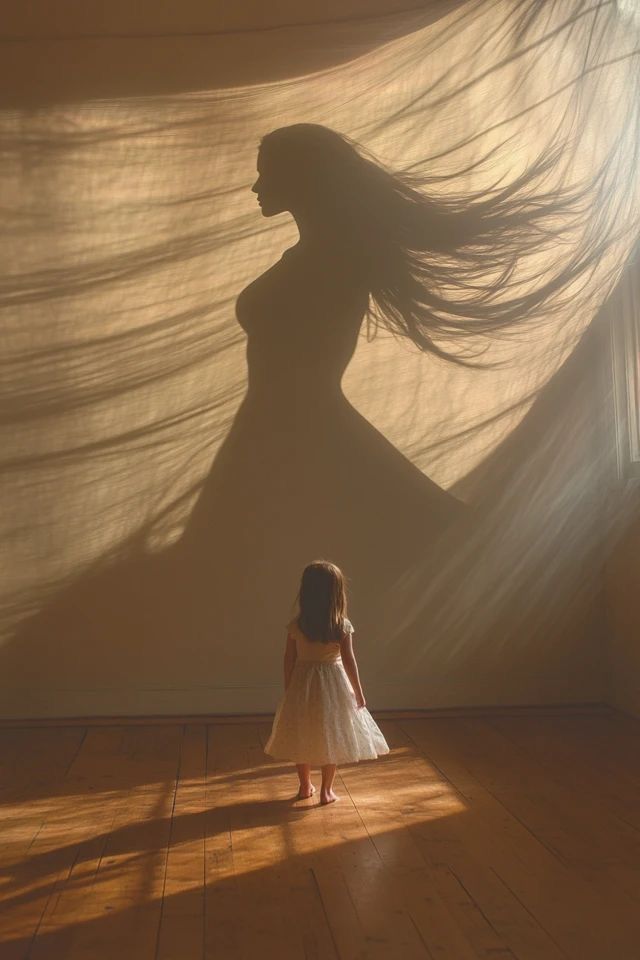
I wonder what my younger self would think if she could inspect my life now. She would probably be impressed by things she never imagined and confused about the dreams that remain unfinished. She might ask why certain plans disappeared and why others took so long. She would almost certainly be disappointed by the fact that adulthood did not produce the promised state of perfect organisation. I would like to explain to her that some opportunities vanished, some priorities changed and some things required circumstances we did not have. I would also tell her that several of the most meaningful parts of this life were not on her list at all.
That might be the part she finds hardest to believe because we spend so much time trying to predict our happiness that it is easy to forget how often it arrives without consulting the plan. The dream underneath the dream can also survive after its original form changes. Perhaps the large house represented security rather than square footage. Perhaps the prestigious role represented recognition rather than a particular job title. Perhaps travel represented freedom, and perhaps writing represented the need to create something lasting. If one version becomes impossible or no longer fits, the deeper desire may still find another shape.
Understanding that does not make every dream interchangeable. Some opportunities are unique, and some endings deserve genuine disappointment. But it does prevent one imagined future from becoming the only acceptable definition of a good life. I return to the house I have never lived in. I can still picture the light through its windows, the bookshelves along the wall, the suspiciously well-maintained garden and the reading chair beside a pile of notebooks that nobody has explained how to store.
I still like that house, but perhaps one day I will live somewhere that only vaguely resembles it. Maybe the eventual house will have smaller windows, a stubborn radiator and a garden that grows things with absolutely no respect for my preferred aesthetic. The shelves may be crooked and the laundry may continue negotiating permanent residency on a chair. I will probably still end up writing on the sofa, which suggests that at least one part of the future remains remarkably stable.
There is something else I understand now about the woman in my imaginary house. I gave her all the advantages of the life I imagined without bothering to invent any of its difficulties. Perhaps her roof leaks. Perhaps she worries about money. Perhaps the garden annoys her. Perhaps she sits beside that perfect window some evenings wondering what would have happened if she had made different choices. Even my imaginary self might have an imaginary self, which makes the entire exercise slightly ridiculous and strangely comforting.
There is no version of life in which being human becomes a finished project. Every future, once reached, simply becomes another present containing its own unanswered questions. The destination we envy from a distance will eventually have laundry too. So perhaps the future that never happened does not need to be treated as evidence that something went wrong. It was one possibility among many, and reality required me to live only one of them.
Some dreams deserve persistence, some deserve revision and others may simply deserve a respectful place in memory as evidence of who I once thought I would become.
The imaginary house can stay where it is for now, with its impossible sunlight, perfectly folded laundry and alarmingly responsible inhabitant. I no longer need to evict her simply because I have not become her. She can remain one version of possibility while I continue living somewhere considerably less theoretical.
After all, the future I never lived is already written only in imagination, while the one still ahead of me has not finished changing its mind. Perhaps that is enough reason to stop mourning every abandoned draft and keep writing the page I actually have.
Still rewriting the blueprint,
Anj ❤











Leave a comment