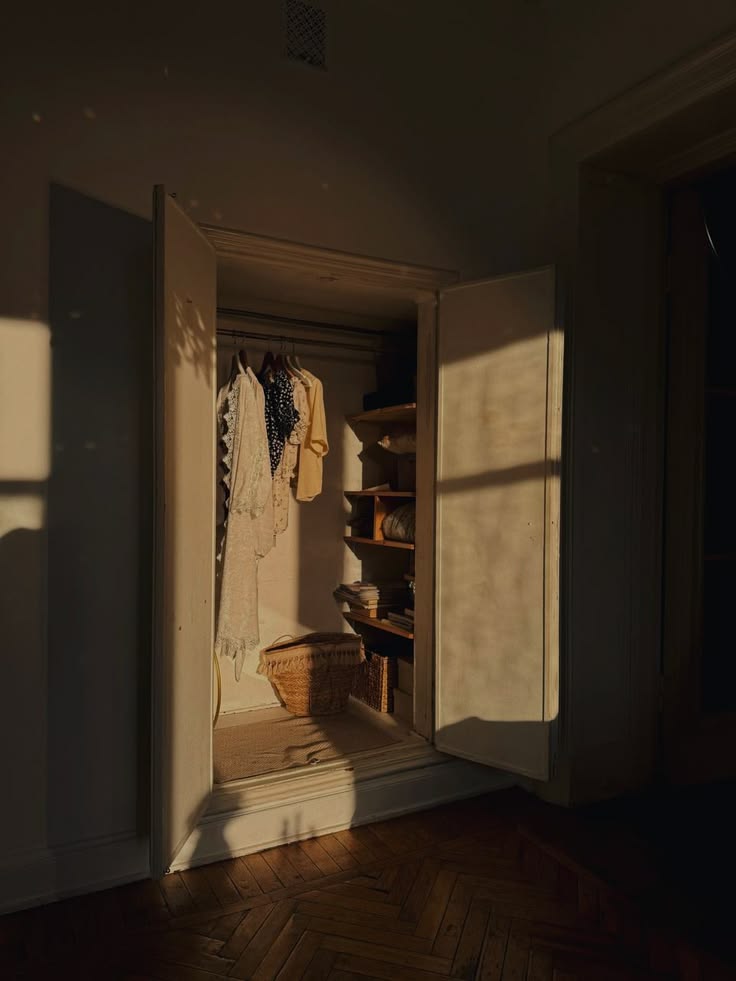
The first time I properly noticed how much power an imaginary audience could have over an ordinary decision, I was standing in front of a wardrobe. There were two outfits hanging before me. One was comfortable, familiar and perfectly appropriate for where I was going. The other was slightly more impressive, considerably less practical and required a pair of shoes that seemed personally offended by the shape of human feet. I preferred the first. My feet preferred the first. My schedule, which involved more walking than any respectable pair of uncomfortable shoes should reasonably endure, also preferred the first. Naturally, I chose the second.
Nobody had asked me to dress differently. Nobody had issued a formal instruction. There was no inspection committee waiting at the destination with a clipboard and a list of acceptable footwear. Yet somewhere inside my head, an invisible gathering of people had apparently convened to discuss my appearance, and I had decided that their anticipated opinions deserved greater consideration than my own comfort. The most ridiculous part was that these people were not even present. Some of them might never have noticed what I was wearing. Others probably had more important things to think about. A few may have been occupied with their own wardrobes, negotiating with imaginary audiences of their own. And there we all were, potentially making ourselves uncomfortable for the benefit of people who were not paying attention.
Human beings are extraordinary in this way. We can develop technologies capable of connecting continents and exploring distant planets, yet remain remarkably susceptible to the imagined disappointment of somebody who might think our trousers are unflattering. I sometimes wonder how much of our lives is spent making decisions for people who have never actually requested our obedience.
We usually associate pressure with obvious demands. Parents tell children which careers seem sensible. Relatives offer opinions about relationships, marriage or family. Employers establish expectations. Friends influence our choices. Communities create ideas about what respectable behaviour is supposed to look like. These pressures are visible enough to recognise, even when resisting them is difficult. The quieter version is more interesting because nobody has to tell us what to do. We anticipate their judgement and adjust ourselves in advance.
We choose words carefully because someone might misunderstand. We decline opportunities because failure might embarrass us. We hide interests that do not fit the image others have formed of us. We remain committed to decisions that no longer suit us because changing direction would require explaining ourselves. Sometimes we are not reacting to criticism at all. We are reacting to the possibility of criticism, and possibility alone can be remarkably persuasive.
I find this especially interesting because most of us sincerely believe we are independent thinkers. We possess opinions, preferences and carefully developed explanations for our decisions. Yet consider how often a decision becomes more complicated the moment other people might know about it. A person wants to leave a prestigious job but worries what former classmates will think. Someone considers returning to university but fears appearing unsuccessful for starting again. Another wishes to simplify their lifestyle but feels embarrassed because friends have become accustomed to a certain standard. The practical question becomes tangled with a social one: what will people say?
That question has a particularly familiar rhythm in Filipino households: Unsa na lang ilang isulti? What will they say? Sometimes it is a genuine warning about consequences because reputation matters in communities where relationships, trust and social standing can affect real opportunities. I do not think public opinion is always irrelevant. The problem begins when a reasonable consideration of consequences becomes an automatic obligation to satisfy expectations.
Someone wants to pursue an unconventional career, and the first objection is what relatives might think. A person decides not to attend a gathering, and the conversation immediately turns towards what people will assume. An adult makes a perfectly reasonable personal decision, yet suddenly finds themselves preparing an explanation for an audience whose approval was never formally required. At some point, the question stops being whether the decision is wise and becomes whether the decision is socially acceptable. Those are not necessarily the same thing.
I think this habit begins early because approval has real value when we are young. We are praised for behaving well, working hard and meeting expectations. Teachers recognise achievement. Parents express pride. Relatives compare accomplishments, occasionally with the enthusiasm of commentators analysing a very competitive sporting event. We learn which behaviours attract admiration and which ones produce disappointment. There is nothing inherently wrong with that, but over time approval can become entangled with personal worth.
Being praised starts to feel like evidence that we are doing life correctly. Being criticised starts to feel like evidence that something is wrong with us. If we are especially sensitive to these reactions, we may gradually develop the habit of consulting other people’s expectations before examining our own. The process is subtle. We do not wake up one morning and announce that our lives will now be governed by public opinion. We simply make small adjustments until they begin looking like personality.
We laugh at a joke we do not find funny. We agree with an opinion we privately question. We accept an invitation we would prefer to decline. We avoid asking a question because we fear appearing ignorant. We buy something because it represents the kind of person we want others to believe we are. Each decision seems minor, but repeated over years they can shape an identity.
I sometimes wonder whether we become so accustomed to being agreeable that we eventually struggle to distinguish our preferences from the expectations around us. Someone asks what we want and we immediately consider what would be easiest for everyone else. Someone asks for our opinion and we first study the expressions in the room. Someone offers us a choice and we calculate which answer is least likely to disappoint. Because this behaviour looks considerate, we may never question whether it has become excessive.
There is a difference between being thoughtful and being afraid to disagree.
Thoughtfulness considers how our actions affect other people. Fear of disapproval treats their reactions as the final authority over our choices. Two people may agree to the same request, yet one does so willingly while the other agrees because the thought of being disliked feels unbearable. Both say yes, but only one experiences the answer as a genuine choice.
Perhaps this is why trying to be liked by everyone becomes so exhausting. There are simply too many people, and they do not agree. One person admires ambition while another considers ambitious people selfish. Someone praises confidence while someone else calls the same behaviour arrogant. One relative encourages independence while another interprets independent decisions as disrespect. We could spend an entire lifetime adjusting ourselves to satisfy everybody and still disappoint someone because the standards contradict one another.
Disappointment, in fact, is almost guaranteed.
That sounds harsh until you realise it can be liberating.
We often behave as though universal approval remains an achievable project if only we become thoughtful enough, useful enough, successful enough or agreeable enough. But some people will disapprove because our values differ. Some will misunderstand us. Some will change their minds. Others will simply prefer something we do not want. The system was unwinnable from the beginning.
Still, disapproval can feel more threatening than it really is. One critical remark may occupy our thoughts for hours while several expressions of appreciation disappear almost immediately. We mentally rehearse explanations, prepare defences and imagine conversations that have not even happened. I have caught myself doing this before, building an entire internal courtroom where I provide evidence, anticipate objections and deliver such a persuasive conclusion that my fictional opponent has no choice but to recognise my excellent judgement.
Unfortunately, imaginary opponents are much easier to defeat than real people.
The exercise also uses energy that could have gone towards something more productive, such as finally folding the laundry, a recurring ambition that continues to require considerable personal development.
There is another uncomfortable truth about approval: sometimes we do not merely want people to accept our choices. We want them to admire us for making them. We want our decisions to look intelligent, brave, mature or interesting. We want people to recognise our independence, appreciate our sacrifices and understand why our priorities are sensible. Even an announcement that we no longer care what others think can secretly contain a desire to be admired for not caring.
A delightful contradiction.
Achievement can feel good on its own, but being witnessed achieving it can feel even better. There is nothing shameful about wanting appreciation. Human beings are social creatures, and recognition can strengthen relationships and acknowledge genuine effort. The problem begins when approval becomes the condition for satisfaction.
We accomplish something meaningful, but the pleasure feels incomplete until somebody notices. We make a thoughtful decision, but doubt returns the moment somebody questions it. We enjoy an experience and then begin wondering whether it looks impressive enough to share. Our lives slowly become performances evaluated by an audience that never formally agreed to attend.
Social media makes this especially visible. We can visit a beautiful place and genuinely enjoy it, yet somewhere in the middle of the experience we may start considering how to present it. Which photograph captures it best? Which caption makes the day sound interesting? Does this look adventurous enough? Will people understand how much effort went into organising the trip? There is nothing wrong with documenting our lives, but there is a difference between recording an experience because it matters to us and deciding whether it matters based on how others might respond.
The latter can make us view our lives from the outside. A quiet weekend begins to seem inadequate because someone else is travelling. A modest celebration feels less special beside a grand one online. A meaningful professional achievement loses some shine when another person announces something bigger. The comparison is unfair because we know our own uncertainties, expenses and compromises while seeing only selected moments from somebody else’s life.
It is rather like comparing the untidy kitchen in which we actually cook with a beautifully photographed kitchen that appears never to have encountered breakfast. Naturally, the photograph wins.
Approval can also influence our values more quietly. We like to believe our opinions belong entirely to us, but many began in families, communities, workplaces and friendships. Inherited beliefs are not automatically wrong. Some represent genuine wisdom. But a belief still deserves examination even when it comes from someone we admire, because sometimes we agree because an argument is convincing and sometimes we agree because disagreement threatens our sense of belonging.
Imagine sitting among friends while they express a strong opinion about someone who is not there. You privately think the judgement is unfair. Perhaps you know something they do not. Perhaps the situation is more complicated than the group realises. You could challenge the conclusion, but doing so might make the atmosphere uncomfortable. You might seem difficult or disloyal, so you stay quiet. Perhaps you even nod.
The conversation moves on, and everyone leaves believing everyone agreed.
That is one of the quieter ways approval shapes groups. People privately question something while publicly supporting it because they assume everybody else believes it. The appearance of agreement creates certainty, and the certainty discourages disagreement. Sometimes conformity emerges without anyone deliberately forcing it.
I understand why people avoid that discomfort. Not every disagreement deserves our energy, and there are times when preserving peace is more useful than correcting every inaccurate statement. But there is a difference between choosing our conversations wisely and habitually suppressing our convictions in order to remain acceptable, especially when silence allows something unfair to continue.
Another cost of seeking approval is that it can make us resent the people we are trying to please. We repeatedly agree to requests because we want to be helpful. We rearrange plans because we want to be dependable. We accept responsibilities because we do not want anyone disappointed. At first, it seems manageable. Eventually, the requests continue and we become frustrated.
Sometimes other people really are asking too much. But sometimes we also have to ask whether we ever communicated our limits. If we repeatedly say yes while hiding our reluctance, others may genuinely believe the arrangement is acceptable. They cannot always respect a boundary they have never been shown.
The cycle can become exhausting. We want people to like us, so we become afraid to disappoint them. We agree to things we resent, then resent them for expecting what we repeatedly provided. Eventually someone has to become willing to have the uncomfortable conversation.
Perhaps learning to disappoint people respectfully is part of adulthood.
Not deliberately, of course. There is no virtue in upsetting others simply to prove independence. But reasonable decisions will sometimes conflict with somebody else’s preferences, and we may have to accept that disappointment without automatically treating it as evidence that we have done something wrong.
A parent may prefer a particular career. A friend may wish we were more socially available. A relative may expect family obligations to be prioritised differently. A colleague may want us to take on more responsibility. Their expectations may arise from love, experience, convenience or some mixture of all three. We should consider them fairly, but consideration is not the same as obedience.
Mature independence may simply mean recognising that we can respect someone without allowing them to make every decision for us. We can value advice without following it, appreciate relationships without agreeing to every request and remain considerate without organising our entire lives around avoiding somebody else’s disappointment.
That sounds easier than it feels, especially when approval has long been associated with safety. We may still feel guilty after making a reasonable choice. We may continue explaining ourselves long after the conversation ends. We may question our judgement because the other person looks unhappy. But discomfort is not always evidence that the decision was unethical. Sometimes it is simply the unfamiliar sensation of acting independently.
Perhaps that becomes easier through smaller decisions. Choosing the restaurant we actually prefer, declining an invitation when we need rest, admitting that we do not understand something, expressing a respectful disagreement without apologising for having one, or wearing the comfortable shoes even when the imaginary fashion committee has submitted objections. None of these choices will transform society, but they may slowly strengthen our ability to distinguish personal preference from the desire for approval.
I think one useful question is whether I would still want something if nobody knew about it. Would I pursue the same career if it carried less prestige? Would I buy the same things if nobody could see them? Would I maintain the same friendship if I were not afraid of being alone? Would I continue working towards the same ambition if it impressed nobody?
Some goals would remain exactly as important. Others might become less convincing.
A few might reveal that we have been working extremely hard to impress people whose opinions we do not particularly respect, which would be an unfortunate discovery but probably a useful one.
None of this means other people’s opinions should stop mattering. Some have earned our trust through wisdom, honesty, experience and genuine concern. Their views deserve serious consideration. Recognition can also be meaningful. Graduation, professional achievement and family pride all have social dimensions that are worth celebrating.
The goal is not complete indifference.
It is selectivity.
Some voices deserve influence.
Others deserve only consideration.
And some imaginary voices may deserve eviction from the committee altogether.
We are not required to defend every personal decision before a tribunal that exists mostly inside our own head. Some choices can simply belong to us. We may prefer a quieter life. We may change our minds about ambitions we once announced confidently. We may begin studying something new when others expected us to be settled. We may decide that certain routines, relationships or commitments no longer fit the life we are trying to build.
Those decisions deserve reflection, but they do not necessarily require unanimous approval.
I think growing older changes our relationship with the audience because eventually we begin to notice that it was paying less attention than we imagined. People are occupied with their own responsibilities, insecurities and ambitions. The colleague whose opinion we feared may have forgotten the incident by lunchtime. The acquaintance we hoped to impress may barely remember the conversation. The relative who questioned our decision may soon become occupied with somebody else’s choices. And we are left living with the consequences. That is the imbalance worth remembering. The audience can leave. We remain responsible for the performance.
Perhaps that is why I increasingly value the idea of building a life that makes sense privately. Not necessarily an impressive life, not one designed to collect achievements that look good arranged into a biography, but one in which priorities, values and daily decisions form a reasonably coherent picture of what matters.
That might include ambition, family, faith, creativity, friendship, service or the freedom to pursue unfamiliar interests. Most likely, it will involve several of these things in changing proportions. The details can evolve. What matters is that we are not merely following a script written by people who will never have to live with the consequences.
I return to the wardrobe where this began. The uncomfortable shoes are still there, sitting beneath the clothes with the confidence of objects that have never personally experienced the inconvenience they impose. I remember choosing them because I wanted to look slightly more polished, although the supposed audience apparently failed to appreciate the sacrifice because nobody commented on them.
I spent the afternoon regretting a decision made for people who probably never noticed. The lesson may be about footwear. It may also be about considerably more.

I cannot promise that I will stop caring what people think because I do not believe that would be possible or particularly desirable. I value relationships, thoughtful criticism and genuine recognition. What I want is to become more selective about whose opinions deserve enough weight to influence my life.
I want to notice when I am acting from conviction and when I am merely anticipating disapproval. I want to accept that somebody can misunderstand my choice without requiring me to abandon it. I also want to remember that the people whose approval I seek are imperfect humans navigating their own uncertainty, often while making decisions for imaginary audiences of their own.
They do not possess a universal manual for living.
Neither do I.
Perhaps we could therefore afford one another more freedom: the freedom to be ordinary, change direction, admit uncertainty, pursue ambitions others do not understand, decline invitations, reconsider commitments and occasionally choose the comfortable shoes.
Because a life lived entirely on borrowed approval eventually produces a peculiar problem.
We may become very good at being the person everybody expected, develop an impressive reputation and collect plenty of praise, only to discover after the applause fades that we never seriously asked whether we wanted the life they admired.
That would be a rather expensive achievement.
I think I would prefer something less impressive and more mine: a life where I can listen without surrendering my judgement, welcome appreciation without requiring it for every decision, and accept respect without demanding universal agreement. Preferably, it would also be a life in which I can walk from the beginning of an evening to the end without considering amputation as a reasonable solution to my footwear.
As for the imaginary committee, I suspect it will continue meeting from time to time. It may object to my decisions, question my priorities and submit strongly worded complaints about my choice of clothes. But perhaps I can finally stop treating its recommendations as binding.
After all, the committee has never paid my bills, completed my responsibilities or endured the consequences of my decisions.
It certainly has never offered to carry me home when my shoes become unbearable.
Still choosing my own shoes,
Anj 😉






























Leave a comment