
The first thing people ask when a bridge closes is how they are supposed to get across. Nobody immediately wonders how long the bridge has been carrying weight, how many winters its foundations have endured, whether the cracks were visible before anyone bothered to inspect them, or how often temporary repairs were accepted because traffic still seemed to be moving. The concern is practical and understandable: people still need to reach the other side. I find that interesting because we occasionally respond to dependable people in much the same way.
When someone who has always managed everything suddenly becomes unavailable, our first reaction is often inconvenience. Who will organise the gathering, resolve the disagreement, remember the important details, provide advice or take responsibility for the problem everyone else has quietly hoped somebody else would handle? Only afterwards, if we are paying enough attention, do we begin asking whether that person had been carrying too much for too long.
There is a particular compliment I have become slightly suspicious of over the years: “You’re so strong.” It sounds beautiful, and often the admiration behind it is sincere. We say it to people who have endured difficult circumstances, fulfilled demanding responsibilities or continued functioning when life has given them every reason to stop and reorganise themselves. But sometimes I wonder whether strong quietly becomes another word for conveniently self-sufficient.
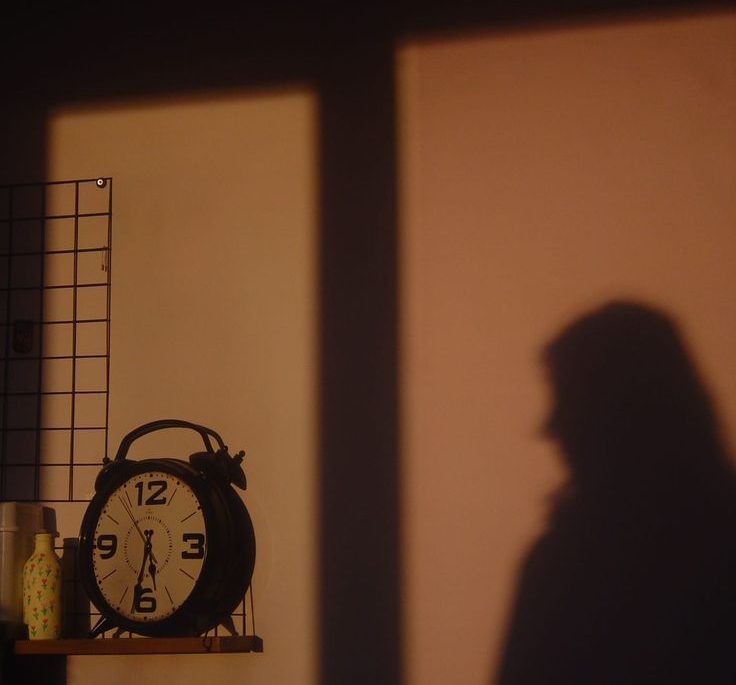
The strong person rarely asks for reassurance. They manage their affairs, make difficult decisions, listen to everybody else and usually appear capable of handling whatever arrives next. They are reassuring people to have around because when something goes wrong, everyone already knows where to look. The danger is that outward competence can begin to resemble unlimited capacity. A person may be very good at carrying responsibility while privately finding it exhausting.
Calmness does not necessarily mean comfort, and competence does not necessarily mean ease. Someone can remain composed during a difficult shift because their role requires it while still being affected by what happened. They can give thoughtful advice to friends and still struggle to understand their own situation. They can be independent and still occasionally wish someone else would take responsibility without waiting to be asked.
I think this becomes particularly obvious in friendship groups. Every group seems to develop unofficial roles. There is the organiser who finds the date, makes the booking, messages everyone and somehow prevents the event from remaining an ambitious discussion in the group chat for six months. Then there is the adviser whose phone becomes a miniature consultation service for relationship problems, strange messages, work frustrations and the occasional emergency involving somebody who apparently believes punctuation is optional.
The adviser listens carefully, considers several perspectives and usually offers a sensible response. Sometimes they produce an explanation so comprehensive that the original problem begins to look embarrassed by its own simplicity. Everyone appreciates this person, but I have often wondered who advises the adviser. Who listens when the person known for understanding everybody else wants to complain without immediately being reminded that they are usually the reasonable one? Who allows the dependable friend to be irrational for an evening without announcing that the behaviour is “not like them”?
Once people associate us with a particular quality, they can begin expecting us to demonstrate it consistently. The cheerful person is expected to remain cheerful, the patient one is expected to find another reserve of patience, and the understanding friend is expected to understand one more time. The strong person, apparently, should continue being strong with minimal disruption to everyone else’s schedule.
That expectation can be surprisingly lonely because it reduces a human being to the quality other people find most useful. Someone can be strong and still not want to be strong every day. They can be responsible while wishing they had fewer responsibilities. They can be emotionally perceptive while completely misunderstanding their own feelings. They can be independent and still want company without having to prove that the need is serious enough to justify asking.
Perhaps this is why dependable people are sometimes uncomfortable receiving care. They know how to help, organise, reassure and respond when someone else has a problem. But when attention turns towards them, the arrangement suddenly feels unfamiliar. Someone asks, “Are you okay?” and the answer arrives automatically: “I’m fine.” If the question continues, they become highly skilled conversational escape artists and somehow manage to return the discussion to somebody else’s problem within thirty seconds.
There is, of course, a difference between privacy and feeling unable to accept support. Nobody owes other people complete access to their difficulties. Some people genuinely prefer processing things privately, and that should be respected. But sometimes “I’m fine” becomes less a description and more a role we have learned to perform because admitting uncertainty feels strangely inconsistent with the person everyone expects us to be.
Perhaps the strongest person in the group is sometimes simply the one with the least practice being supported. That possibility bothers me because independence is valuable, but it becomes a lonely achievement when it teaches us that needing people represents failure. There is pride in knowing we are resourceful. We like solving problems, keeping promises and being trusted. The trouble begins when we start saying yes simply because we know we can manage, rather than asking whether we should reasonably have to.
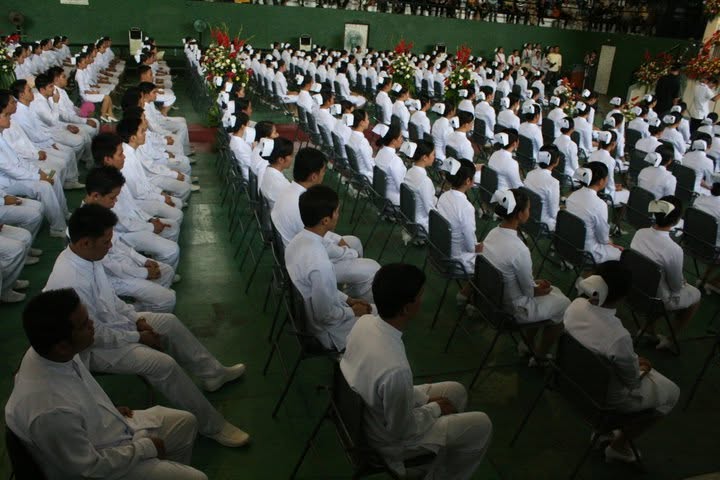
That distinction matters at work too. A nurse may be experienced enough to handle demanding situations, but competence does not remove the need for appropriate staffing, teamwork and support. A parent may be capable of managing a household, but that does not make every domestic responsibility exclusively theirs. A compassionate friend may be very good at listening, but compassion does not require permanent emotional availability.
Capability should not become an excuse for unfair distribution of responsibility. Yet dependable people are often rewarded for being dependable with more work. They complete tasks efficiently, so more tasks arrive. They rarely complain, so everyone assumes the arrangement is comfortable. They resolve difficult situations, so they become the first person approached when the next problem appears. Meanwhile, the person who has built a reputation for refusing may receive fewer requests. It is a curious incentive system.
This is probably why compliments can eventually become complicated. “You’re amazing. I don’t know what we’d do without you” can feel lovely the first few times. After enough requests, the sentence may begin to sound less like appreciation and more like a warning. Behind the praise can sit an unspoken expectation that the person will keep providing whatever everybody has become accustomed to receiving.
I think we should sometimes examine how we admire strong people. Are we genuinely recognising their effort, or are we using admiration as a substitute for practical help? There is a considerable difference between telling someone they are strong and helping ensure they do not have to carry everything alone. The first requires a sentence. The second may require time, effort and a willingness to become slightly inconvenienced ourselves, which may explain why the sentence is so popular.
This becomes especially obvious during difficult periods. When something serious happens within a family, friendship group or workplace, people naturally look towards whoever appears most composed. Someone needs to communicate, make arrangements, organise details and keep things moving. The dependable person often steps forward because somebody has to, and later everyone remembers how well they handled it.
We say, “You were so strong,” and perhaps they were. But strength in a demanding moment may simply mean they postponed their own reaction because something important needed doing. Their ability to function does not mean they were unaffected. Human beings can laugh, work, organise, reassure and carry concern at exactly the same time. Composure may be a skill, but it should never become evidence that a person needs less kindness.
There is another loneliness attached to being the strong friend: people may know an extraordinary amount about their lives while knowing remarkably little about yours. They tell you about relationships, financial worries, disappointments, family concerns and decisions they are frightened to make. You remember the details because listening has become part of the relationship. Yet when you stop and think about it, the emotional traffic may have been travelling mainly in one direction.
Being trusted is not always the same as being known. Someone can depend on our judgement without understanding us particularly well. They can feel close because they have told us everything, while we feel less certain because there has been little space for our own uncertainties. This does not automatically make the other person selfish. Sometimes the pattern developed because we rarely offered anything about ourselves, and they assumed privacy was what we preferred.
But if we want mutual relationships, the dependable person eventually has to participate as more than the listener, and the other person has to make room for that change. Genuine interest sometimes requires going beyond the automatic “How are you?” that is asked while somebody is removing a coat, checking a phone and preparing to discuss the real reason they called. It means remembering something mentioned before, asking about an important day or simply allowing a different answer from “fine” to exist without rushing to fix it.
Support does not always need brilliant advice. Sometimes it is simply giving another person enough attention to show that their concerns deserve room too. This is particularly important for people who are usually the ones giving everyone else advice.
The strong-person identity can also make ordinary mistakes unnecessarily embarrassing. When others consider us capable, admitting confusion may feel like damaging the reputation we have built. We research problems alone, delay asking basic questions and occasionally struggle much longer than necessary because accepting help feels inconsistent with our role. The irony is that we would probably encourage somebody else to ask sooner and reassure them that nobody knows everything.
Apparently, normal human limitations remain perfectly acceptable until they belong to us.
I suspect genuine confidence involves becoming more comfortable admitting what we cannot manage. Not every problem needs assistance, and not every difficulty requires public disclosure, but asking for help when it is appropriate can be an expression of judgement rather than weakness. It acknowledges that our time, energy and knowledge are limited and that other people may have resources we currently do not.
The difficult part is often emotional rather than logical. We already know people need one another. What feels harder is moving from being the person others rely on to becoming the person who asks for something. We may worry about being burdensome, fear rejection or wonder whether the relationship can accommodate a different arrangement. Occasionally we may discover that somebody is less willing to support us than we had hoped, and that can hurt.
It can also be useful information.
A relationship that only functions when one person receives care may need adjustment. That does not always mean ending it. Expectations can change through honest conversations, and mutual relationships do not require perfectly equal contributions at every moment. There will be seasons when one person needs more support and others when the balance reverses. What matters is whether both people are recognised as human beings with their own limits, responsibilities and needs.
Some of the best signs of that recognition are surprisingly ordinary. Someone notices that you have been quieter than usual and checks in. A friend remembers an appointment you mentioned days earlier and asks how it went. Somebody else organises dinner because you have been doing it for months. A colleague brings coffee because you look tired and does not demand a five-part explanation before allowing you to drink it.
These gestures look small, but they demonstrate attention, and attention is often what dependable people receive least consistently. Everybody notices what they do. Fewer people notice when doing it has become difficult.
I sometimes think our admiration for resilience has become too closely connected with endurance. We celebrate people who continue despite adversity and praise perseverance, discipline and the ability to cope. Those qualities can be admirable, but endurance is not always proof that an arrangement is acceptable. Sometimes people continue because they have responsibilities, because changing the situation feels difficult or because nobody has offered a practical alternative.
A bridge that continues carrying traffic despite visible strain does not necessarily need an award for commitment. It may need maintenance. In much the same way, telling an exhausted person that they are incredibly strong may not be the most useful response if what they actually need is for somebody to take part of the load.
There is responsibility on the dependable person’s side too. We cannot always blame others for expectations we repeatedly encouraged without communicating our limits. Sometimes we volunteer before anyone asks. Sometimes we reassure people that everything is manageable while privately wishing someone would notice it is not. Sometimes we refuse assistance and then feel disappointed when nobody insists.
That does not mean exhaustion is self-inflicted or that other people are free from responsibility to be considerate. It simply means that being known may require us to communicate differently. We can say when something is becoming difficult, ask others to share responsibility, decline when we genuinely cannot do more and accept assistance without immediately searching for a way to repay it.
Being dependable does not require being indispensable.
To be dependable is to fulfil reasonable commitments with care. To be indispensable is to occupy a position where everything apparently collapses without our constant involvement. The first can be an excellent quality. The second can become a burden.
A healthy workplace should not fall apart because one competent employee takes annual leave. A family should not depend entirely on one person for every practical decision. A friendship group should be capable of arranging dinner without its usual organiser conducting an international summit through WhatsApp. If a system cannot function without one exhausted person, perhaps the problem is not that the person needs rest. Perhaps the system has learned to rely on them too heavily.
That idea changes how I think about stepping back. Sometimes reducing our involvement is interpreted as abandoning responsibility, but allowing other people to participate can strengthen a group. Somebody else learns to organise. Another person gains confidence. Responsibilities become more evenly distributed. The previously indispensable person discovers that life continues without their constant intervention.
That may feel strange because being needed can provide a powerful sense of significance. But our worth should not depend on keeping everyone else incapable of managing without us. A person can contribute meaningfully without carrying everything, and sometimes the responsible thing is to make room for other people to contribute too.
I return to the bridge. Its closure causes inconvenience. Drivers complain, commuters change routes and somebody probably writes a very strongly worded message about the disruption. Engineers inspect the structure, identify what needs repair and redirect traffic until the work can be completed. Nobody sensible argues that the bridge should simply continue because it has always managed before.
Yet with people we sometimes do exactly that. We notice exhaustion and remind them how much everyone depends on them. We praise their ability to cope. We tell them we know they will manage, and without intending to, we add another expectation to the weight they were already carrying.
Perhaps the better question is simpler: what can be taken off your shoulders?
Not every problem can be solved and not every responsibility can be transferred, but even the question communicates something important. It tells a person that support does not need to be earned through collapse and that being unavailable for a while does not cancel everything they have contributed before.
I think about people I have admired for their strength and wonder whether I occasionally mistook competence for comfort. Perhaps I could have asked more questions instead of simply admiring how much they managed. Perhaps I could have offered practical help rather than assuming that because somebody knew what to do, they wanted to do all of it. Perhaps the person who always had the answers might occasionally have appreciated hearing, “You do not have to work this one out alone.”
I cannot revisit every conversation, but I can pay more attention to the next one. Perhaps thoughtful friendship begins before somebody reaches the point where they finally admit things are difficult. It begins with noticing that reliability requires effort, that composure does not erase emotion and that somebody’s ability to continue does not automatically mean they should be expected to.
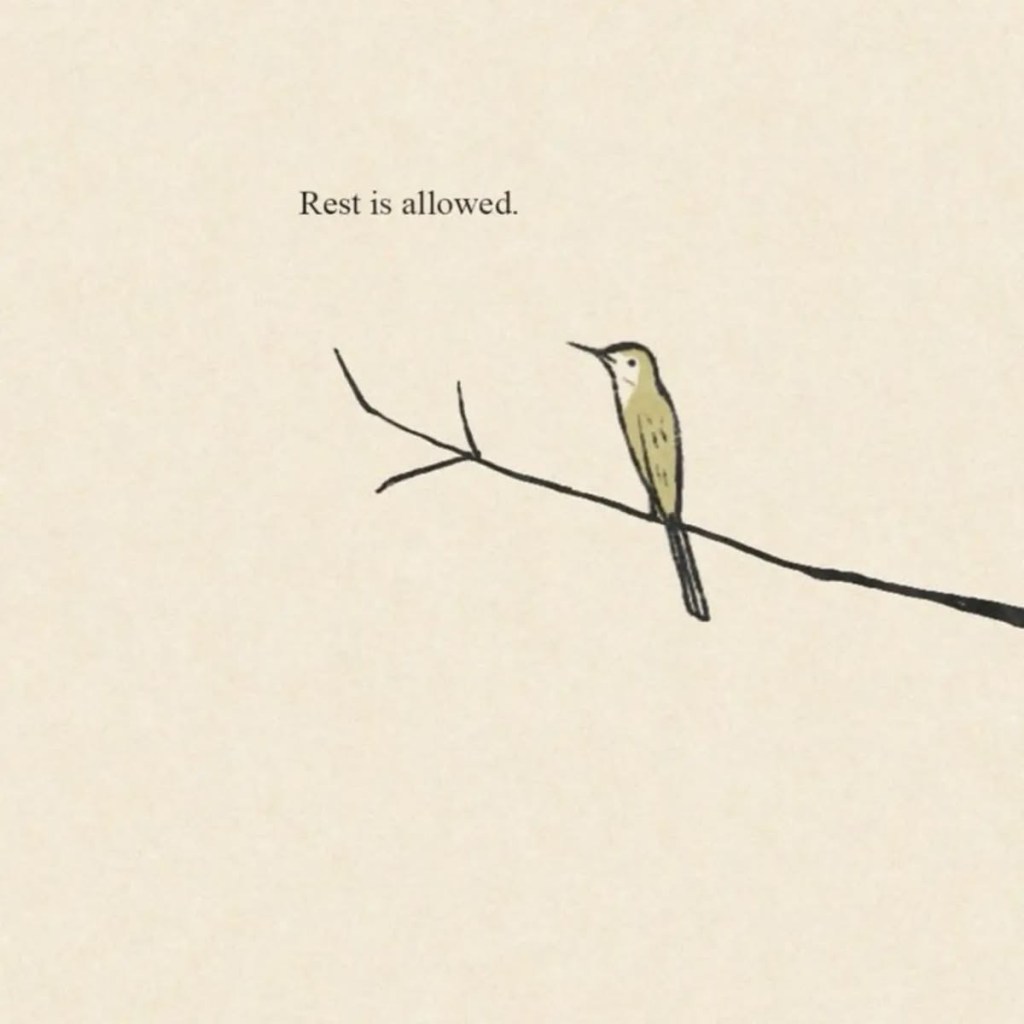
As for the dependable person, I hope they occasionally allow themselves to be something less impressive. Perhaps they decline an invitation, ask somebody else to choose the restaurant, admit they are tired without attaching a detailed justification or leave one problem for another capable adult to solve. Some expectations may need renegotiating, and some people may be surprised by the change, but others might step forward.
Perhaps somebody else will listen. Somebody else will organise. Somebody else will remember that the person who normally has the answers is also entitled to ask questions. And for one ordinary evening, the strong friend may simply sit at the table, eat dinner and enjoy being present without being responsible for the booking, the disagreement, the transport or whether everyone has transferred their share of the bill.
I suspect somebody will still ask them to calculate the tip because old habits are remarkably persistent. But this time, I hope they hand over the calculator, and somebody else reaches for it.
The bridge was never weak because it needed maintenance. It had simply carried enough weight for long enough that continuing without support was no longer sensible. Perhaps strong people deserve the same understanding: not admiration for how much they can endure indefinitely, but enough care that they are never required to prove their strength by carrying everything alone.
Still learning to share the weight,
Anj ❤































Leave a comment