It has been four months since I last wrote here, and for a while I did nothing more than stare at the blank screen. Usually, writing is where I go when my thoughts become too crowded, but this time even words seemed difficult to reach. I kept moving the cursor, deleting beginnings, wondering how to explain a season I was still trying to understand myself. There are experiences that become easier to describe once they are safely behind us. This was not one of them. I was writing from somewhere inside it, trying to make sense of months that had changed the way I understood my own mind.
There is a peculiar silence that settles inside you when you are struggling but still functioning. From the outside, very little may appear different. You answer messages. You go to work when you can. You smile at the appropriate moments. You participate in conversations, make plans and say, “I’m fine,” often because explaining the alternative feels far more exhausting. Yet beneath all those ordinary movements, something can feel profoundly wrong. For me, it was as though my mind had begun operating at half-speed while the rest of the world continued demanding full capacity. Things that once felt manageable required enormous effort. Decisions became heavier. Thoughts circled without arriving anywhere. I kept pressuring myself to identify what was wrong, decide what needed changing and somehow produce a sensible plan for becoming myself again. The harder I searched for answers, the more lost I felt.
Perhaps that was one of the first things I had to understand: not every difficult season can be solved through analysis. I am naturally someone who wants to understand things. Give me a problem and I will examine it from every possible angle, make mental lists, imagine outcomes and search for the most logical next step. But the mind is not always a problem that can be solved like an equation. Sometimes the very part of you responsible for finding solutions is the part that is exhausted.
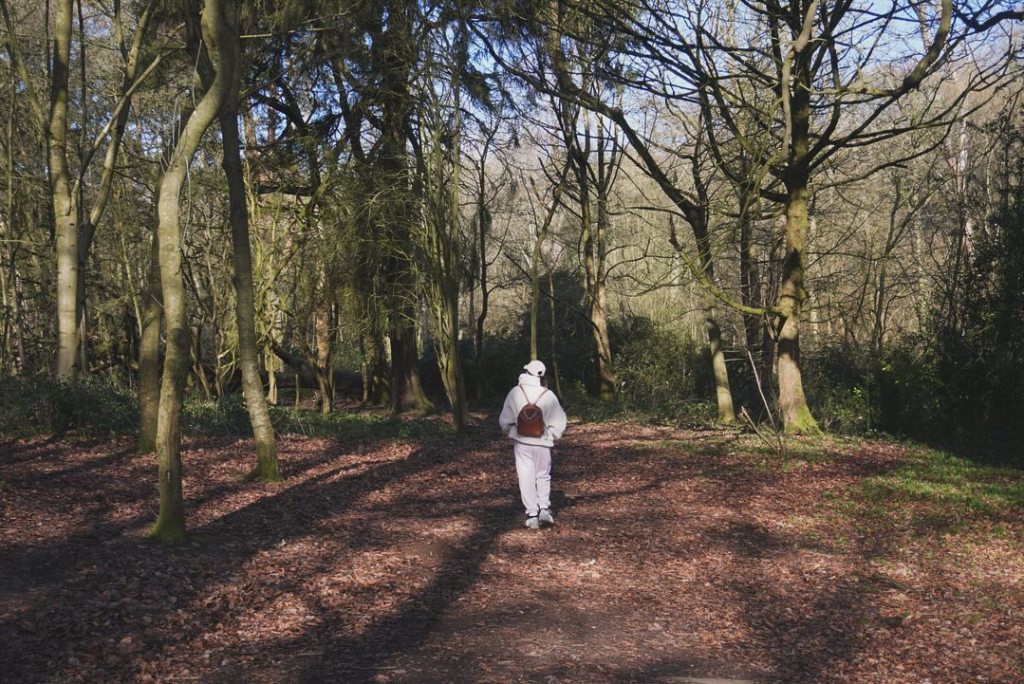
February to March: The Quiet Battle
February and March became the months when I could no longer pretend that determination alone would carry me through. I took time away from work because I needed it, although admitting that was harder than I expected. I had spent years learning how to be dependable, how to show up when things were difficult and how to continue functioning under pressure. Somewhere along the way, I had begun confusing endurance with wellness. I thought being strong meant continuing indefinitely, and the idea of stopping felt dangerously close to failure.
But I was depressed, and eventually that truth became more important than whatever language I preferred to use around it. There was nothing poetic about it. It was not the beautifully written sadness that sometimes appears in novels, softened by rain against windows and meaningful music in the background. It was heavy, disorientating and deeply ordinary. It could exist on sunny mornings. It could sit beside me while everything around me looked completely normal. It could make simple things feel disproportionately difficult and then leave me frustrated with myself because I could remember a version of me who had done them without thinking.
That contrast was painful. I knew what I was usually capable of, which made the distance between that person and the person I felt myself becoming even harder to accept. I wanted to return to normal immediately. I wanted to wake up one morning and recognise myself completely. Instead, I had to confront the uncomfortable reality that recovery rarely obeys our preferred timetable.
For a while, I tried to protect other people from what I was experiencing. I did not want anyone to worry. I did not want to disappoint people or become another responsibility someone had to carry. So I became skilled at performing normality. I smiled. I answered questions. I participated when participation was expected. Sometimes I managed it convincingly enough that even I could almost believe I was fine.
Then I would be alone again.
There were tears I did not know how to explain and thoughts that became louder when everything around me became quiet. I wrote whenever I could because writing gave shape to things I could not yet say aloud. Putting words onto a page created a little distance between me and whatever I was feeling. The sadness was still there, but at least I could look at it rather than simply exist inside it. On days when even writing felt impossible, I allowed myself to sit with the silence and accept that surviving a difficult day did not need to produce anything beautiful afterwards.
One of the most difficult parts was the shame. Depression itself was frightening, but the judgement I imagined surrounding it sometimes felt almost as heavy. I worried about appearing weak, dramatic or incapable. I wondered how other people might reconcile this version of me with the person they knew—the nurse, the colleague, the daughter, the partner, the person who was usually able to carry responsibilities and keep going.
There is a cruel contradiction in mental illness: the moment when someone most needs support can also be the moment when shame persuades them to hide. We would rarely tell someone with a physical illness that needing rest was a moral failure, yet when the mind struggles, we can become astonishingly unkind to ourselves. I had to begin questioning that double standard within me.
I started understanding that depression was something I was experiencing, not a complete definition of who I was. It affected the way I felt, thought and moved through those months, but it did not erase everything that existed beyond it. A difficult chapter can occupy many pages without becoming the entire book. I needed that distinction because when sadness becomes persistent, it has a way of convincing you that the present is permanent. It speaks as though how you feel today is evidence of how you will feel forever.
Eventually, I did something that felt deceptively small but required more courage than I expected: I admitted that I was not okay and asked for help. Saying those words did not magically change everything. There was no dramatic transformation immediately afterwards. But something shifted. I no longer had to spend as much energy maintaining the illusion that I could carry everything alone.
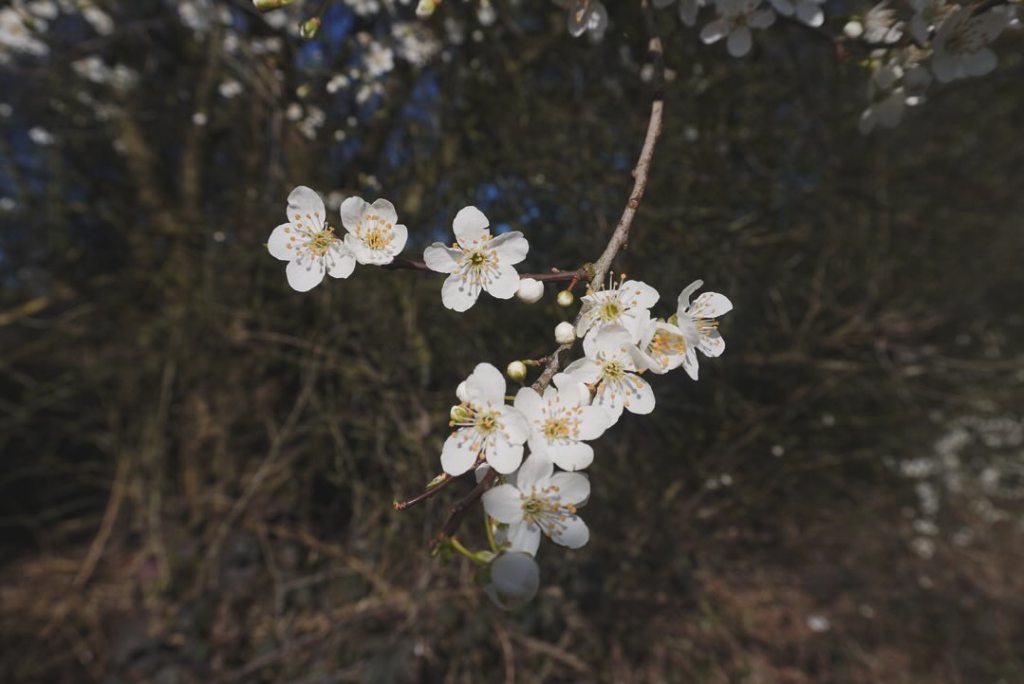
April to May: Healing, Gently
As March gave way to April and eventually May, I began understanding that getting better was going to be far less orderly than I had hoped. Progress did not arrive as a clean upward line. Some mornings felt lighter, and then another difficult day would appear and convince me I had returned to the beginning. I would become frustrated with myself, as though one difficult afternoon had somehow cancelled every good moment that preceded it.
I am learning not to measure myself that way anymore.
A difficult day does not erase a better week. Anxiety returning does not mean everything I have learned has disappeared. Panicking does not invalidate the moments when I responded differently. Avoiding something once does not mean I will always avoid it. Human progress is rarely tidy enough to satisfy the part of us that wants measurable evidence.
Perhaps the better question is not, Why am I feeling this again? but, What do I know now that I did not know the last time I was here?
That difference matters.
I know now that thoughts are not automatically instructions. I know that an anxious mind can present possibilities as though they were certainties. I know that exhaustion can make the future look much darker than it actually is. I know that asking for help does not diminish independence. I know that rest and avoidance are not always the same thing, and learning the difference requires honesty rather than judgement.
Most importantly, I am learning to speak to myself differently.
For years, I thought self-criticism was useful because it kept me accountable. If I made a mistake, I replayed it. If I responded badly to something, I analysed what I should have done. If I felt frightened when I thought I should have been brave, I criticised the fear itself. I rarely considered how exhausting it must have been to live inside a mind where every imperfect reaction immediately became evidence for the prosecution.
I came across words by Jacqueline Whitney that stayed with me: “Sweet soul, I’m sorry I’ve been really hard on you.” Something about that sentence made me stop. It carried an apology I realised I had rarely offered myself.
Perhaps self-compassion begins there. Not by pretending every choice was right or every reaction reasonable, but by recognising that accountability and cruelty are not the same thing. I can say, I wish I had handled that differently, without deciding I am terrible. I can admit, I panicked, without turning one anxious moment into a verdict on my courage. I can acknowledge that I avoided something and still understand why I was afraid.
We are allowed to correct ourselves without destroying ourselves in the process.
And I am still here.
This season has also forced me to reconsider what strength looks like. I used to imagine strength as endurance: carrying more, needing less, remaining composed and continuing despite exhaustion. Now I think strength sometimes appears almost opposite to that. Strength can be admitting when your own coping strategies are no longer enough. It can be resting when guilt tells you to keep working. It can be telling someone the truth about how you feel instead of giving them the easier answer. Sometimes courage is not pushing yourself harder. Sometimes courage is finally saying, I need help.
That does not mean every day suddenly became easier. There are still moments when anxiety arrives without invitation. There are still decisions I overthink and situations I wish I handled differently. There are days when my mind feels steadier and others when old thought patterns return with uncomfortable familiarity. I am trying to resist the urge to interpret every difficult moment as evidence that I am failing.
Maybe the goal was never to become someone who never struggles again. Maybe the goal is to become someone who knows what to do when struggle returns. That feels more realistic to me.
I do not want to romanticise these months. There is a tendency, particularly when writing retrospectively, to turn suffering into an elegant narrative where every painful experience produces a profound lesson and everything eventually makes perfect sense. Real life is rarely that generous. Some difficult things remain difficult. Some questions do not reveal a satisfying answer. I would not choose depression simply because it taught me something about myself.
But since I have walked through these months, I want to pay attention to what they revealed.
They showed me that there is a difference between functioning and being well. They reminded me that people can carry enormous internal battles while appearing completely ordinary from the outside. They made me more conscious of the assumptions we make about one another. Someone answering emails, laughing at a joke or arriving at work may still be fighting desperately to get through the day. We cannot always see what another person is carrying.
Perhaps that knowledge should make us gentler.
These months also reminded me how unreliable permanence can feel when we are suffering. A bad day tells us there will never be another kind. A frightened mind predicts that every future version of us will remain afraid. Sadness makes itself sound infinite. Yet almost everything we experience moves eventually, even when movement is too slow to notice while we are inside it.
That has become one of the thoughts I return to when things feel difficult: feelings can be real without being permanent. Something can hurt profoundly today and still change. Something can feel impossible tonight and become manageable another morning. We do not need to deny what hurts in order to remember that time continues.
I think that is why I wanted to write this post even though part of me still felt unsure about sharing it. Perhaps somewhere, someone else is sitting behind a screen pretending to be fine because they believe everyone else is managing life better than they are. Maybe they are ashamed of needing support. Maybe they are exhausted from performing strength.
I cannot tell anyone exactly how their story will unfold, and I would never want to reduce something as complicated as depression to a few inspirational sentences. What I can say is that struggling deserves to be taken seriously, and asking for help is worth doing. There are times when perseverance means continuing forward, and there are times when perseverance means allowing someone else to help carry the weight.
If you are in one of those seasons, progress does not have to look impressive. Sometimes getting through the morning is progress. Sometimes eating something is progress. Sometimes answering one message, attending one appointment, taking prescribed treatment, telling one trusted person the truth or simply deciding to remain for another day is enough.
We place so much emphasis on transformation that we sometimes forget the dignity of endurance.
I am still learning. I am still rebuilding confidence in parts of myself that became difficult to trust. I am still discovering which thoughts deserve my attention and which ones are simply anxiety trying to speak with authority. I still have moments when I wish I could return immediately to an earlier version of myself who seemed to move through life more easily.
But perhaps I am not supposed to return to her exactly. Perhaps I am meant to move forward carrying something she did not yet know.
She knew how to endure. I am learning when endurance needs help. She knew how to care for other people. I am learning that I cannot completely exclude myself from that care. She knew how to keep going. I am learning that stopping for a while does not mean giving up.
There is a difference.
Four months ago, I thought finding my way back meant becoming exactly who I had been before this happened. Now I am less interested in returning untouched. I simply want to know myself more accurately—to understand my limits without being ashamed of them, recognise when I need support and build a life where strength does not require constant self-neglect.
Maybe rediscovery is not about recovering an older self after all. Maybe it is meeting yourself again without all the assumptions you carried before.
For now, I am taking things more carefully. There is no dramatic declaration that everything is fixed, because that would not be truthful. There are simply better days, difficult days, ordinary days and the growing understanding that none of them deserves to define my entire existence.
And perhaps that is enough for where I am now.
If I could place one thought beside anyone who is struggling tonight, it would not be a demand to be positive or a promise that tomorrow will suddenly become easy. I would simply remind them that the mind can become very convincing when it is exhausted, and that you do not have to make permanent conclusions from a painful moment. Give the story more time. Let somebody know when carrying it alone becomes too much.
There are still pages you cannot see from where you are standing.
I know that now because four months ago I could not see this page either.
So I will continue, imperfectly. I will keep asking for help when I need it. I will keep learning how to offer myself the patience I instinctively give to other people. I will keep writing whenever words return, and when they do not, I will allow silence without interpreting it as failure.
Most of all, I will remember this: life can become difficult without becoming worthless, and a person can struggle without losing their worth. There are seasons when simply remaining is an act of courage. Life is worth fighting for, and so are we.
One page further than I could see before,
Anj ♥


































Leave a Reply