
The receipt said £7.07. I was buying coffee and a sandwich, neither of which had any known relationship with destiny, when the cashier handed it to me. I glanced at the total and smiled because seven-seven is my birthday. It was a tiny coincidence, nothing more dramatic than supermarket arithmetic, but for a second the transaction felt oddly personal.
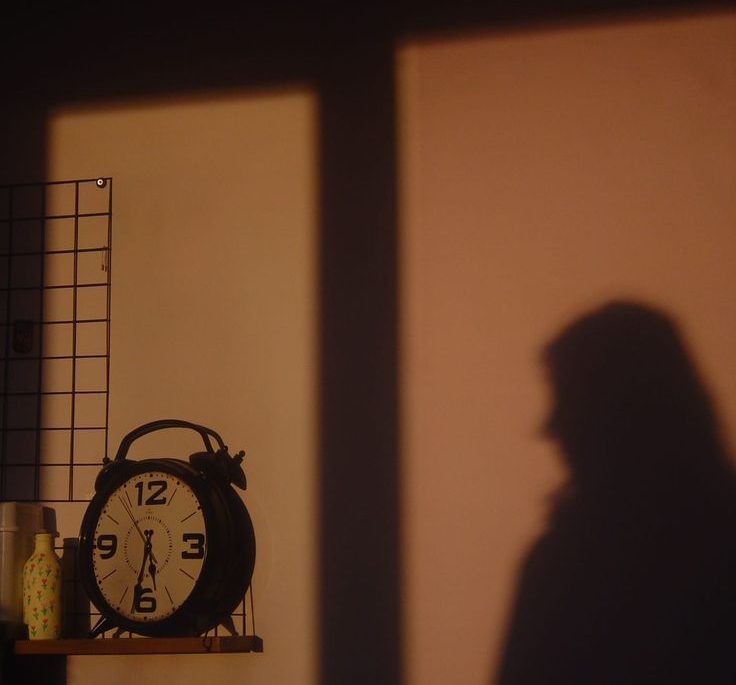
Then I looked at the clock.
It was 11:11, which admittedly made the whole thing more interesting. For one brief and slightly ridiculous moment, the universe appeared to be communicating with me through a sophisticated combination of retail pricing and digital timekeeping. I had absolutely no idea what the message was supposed to mean, but suddenly my brain was offering possibilities. Perhaps good news was coming. Perhaps something I had been thinking about would work out. Perhaps, given the impressive numerical coordination now taking place, I should buy a lottery ticket before destiny lost interest.
Then common sense returned and reminded me that the sandwich had been reduced because it was approaching its expiry date, the coffee had a fixed price, and 11:11 appears on a digital clock with considerable reliability. Apparently, if the universe had something urgent to tell me, it had chosen supermarket pricing as its preferred communication department. Still, I kept the receipt. Not because I believed it proved anything, but because I liked the coincidence.
That small moment made me think about how easily human beings turn accidents into instructions. We notice the same number several times, think about somebody shortly before they message us, hear a song at exactly the moment its words seem relevant, or dream about something that later resembles an event in real life. Suddenly an ordinary occurrence acquires a little electricity, and our minds ask the question they have probably been asking since human beings first noticed patterns in the stars: was that simply chance, or did it mean something?
I find that question fascinating because it sits somewhere between psychology, philosophy, faith, imagination and our general discomfort with not knowing what happens next. Some people view coincidences primarily through probability and selective attention. Others understand particular experiences through faith, providence or spiritual traditions. Many of us probably move between those positions depending on the experience, perfectly capable of recognising an ordinary explanation while still feeling that a moment carries personal significance. Perhaps the more interesting question is not whether every coincidence contains a hidden message, but why we so badly want some of them to.
Life rarely gives advance notice before its important turns. We make decisions without knowing exactly how they will unfold. We choose jobs, relationships, countries, opportunities and directions while carrying only partial information. Most of adulthood seems to involve looking at the evidence available, listening to people we trust, considering the consequences and eventually making a decision while hoping we have not accidentally selected the option with hidden complications.
Naturally, a sign would be useful.
Nothing extravagant. I am not asking for the clouds to rearrange themselves into a detailed five-year plan. A small illuminated arrow beside an important choice saying, Yes, this one. Proceed with confidence, would be perfectly sufficient. Unfortunately, adulthood has never offered this service, so we sometimes become especially attentive to things that appear to provide reassurance in its absence.
A song appears at the right moment. A stranger says something unexpectedly relevant. A number repeats. We encounter somebody shortly after thinking about them. The event may not change any of the practical evidence surrounding a decision, but it can change the way we feel about it. Sometimes that reassurance is exactly what we were looking for.
I once heard about someone who was considering a new job. The opportunity offered growth, but accepting it meant leaving familiar colleagues and routines, so the decision felt larger than it probably appeared from the outside. On the journey home, they heard a song associated with an important period of their life and interpreted the timing as encouragement to take the opportunity.
Was the song a supernatural instruction? I cannot know that. Perhaps it was simply familiar music arriving during an emotionally significant moment. But I think something important still happened because their reaction to the song revealed what they had been struggling to admit: they wanted to go. Sometimes the meaning we find in a coincidence tells us more about ourselves than about the coincidence.
If a particular event fills us with hope, perhaps the useful question is what we are hoping for. If a dream leaves us unsettled, perhaps it has drawn attention to something we have already been worrying about. If meeting someone unexpectedly feels significant, perhaps that tells us the person or memory still matters. Those observations can be valuable without requiring us to conclude that the event itself was specifically arranged to deliver instructions.
Meaning and causation are not the same thing.
Something can matter deeply to us without proving why it happened.
I think memory plays an enormous part in why coincidences feel so extraordinary. Imagine thinking about an old friend and receiving a message from them an hour later. We notice immediately. We tell someone else, perhaps laugh at the timing and remember the story for years. But how many times have we thought about people who did not contact us? Probably countless times, yet those occasions disappear because nothing unusual completed the pattern. The successful coincidence survives. The thousands of ordinary non-events do not.
Our memories are not neutral filing cabinets. They prefer surprise, emotion and stories that feel complete. Once something acquires significance, our attention also becomes better at finding it again. A person notices 11:11 once, begins paying attention to it, and suddenly the number seems to appear everywhere. Perhaps the number has not become more common at all. The observer has simply become better at noticing it.
This happens constantly because the world contains more information than we could consciously process. Our minds have to select what matters. Usually that ability is extremely useful. It helps us recognise faces, identify risks and navigate familiar environments. But the same pattern-seeking ability can also make chance connections feel more deliberate than they really are.
That does not make the experience foolish.
I actually think coincidences become particularly compelling during emotionally important periods because we are already alert for reassurance. When we are uncertain about a decision, hopeful about the future or missing somebody, details connected to those concerns become easier to notice. A song that would have passed unnoticed last month suddenly sounds uncannily appropriate. A casual remark feels perfectly timed. An unexpected delay appears meaningful because of what happened afterwards. Perhaps we are not experiencing more coincidences during those periods. Perhaps we are simply listening more carefully.
The difficulty begins when a personally meaningful moment is asked to carry more responsibility than it reasonably can. A coincidence may comfort us, inspire us or help clarify what we want, but important decisions still deserve practical examination. Can we afford the choice? What are the risks? Does it fit our responsibilities? What evidence supports it? Would the decision still make sense if the coincidence had never happened?
That last question is the one I find most useful.
If the answer is no, perhaps the sign is doing rather too much administrative work.
I can already imagine trying to complain afterwards. “Hello, I followed the repeated numbers and the outcome was disappointing.” The universe would presumably ask for a reference number. I would say, “Eleven eleven,” and the claim would be rejected immediately for insufficient documentation.
Wanting reassurance is not embarrassing. It is human. The important part is recognising the difference between a moment that encourages us and evidence that should determine a major decision.
I think coincidences also appeal to us because we are storytellers. Imagine two people who once knew each other meeting unexpectedly in a foreign city after years of living in different countries. The story practically writes itself. They see one another across a street, stare in disbelief and spend the next hour discussing the absurdity of the encounter. One may call it fate. Another may call it chance. Either way, it becomes memorable.
What we rarely mention are all the journeys during which nothing extraordinary happened. Thousands of people travel through unfamiliar cities every day without meeting anyone they know. They pass strangers, miss buses, buy overpriced drinks and return home with no unexpected reunion whatsoever. Those ordinary journeys form the background that makes one remarkable meeting feel so astonishing.
Our lives contain enormous numbers of possible intersections between people, places, memories and events. Most combinations mean nothing to us. Occasionally two things align so neatly that we stop and stare. And because we are human, we turn the alignment into a story. There is beauty in that.
Stories allow us to preserve moments that would otherwise disappear, but perhaps we should distinguish the meaning of the story from certainty about its explanation. Two people can experience the same coincidence and interpret it differently. One sees probability, another sees providence, and a third simply sees a reminder to contact someone they have neglected.
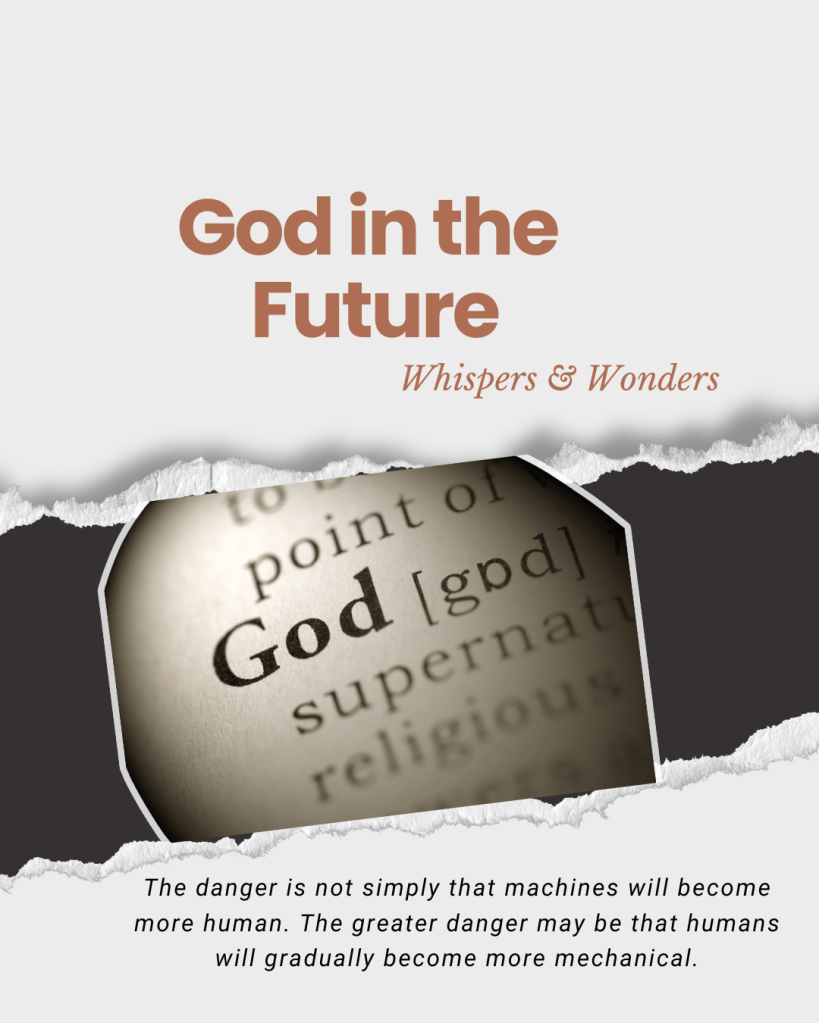
I think faith deserves room within that conversation too. Many people understand certain events through prayer, providence and their relationship with God. That interpretation can be sincere and deeply meaningful. Others may explain the same event through probability, attention or ordinary unpredictability. I do not think every conversation about coincidence needs to become a competition in which one person must emerge victorious.
For me, intellectual humility matters. I can believe that God guides people without claiming that every repeated number, delayed train or oddly timed song carries a specific divine instruction. Faith does not require turning ordinary life into a permanent puzzle that must be decoded correctly. Sometimes prayer gives clarity through reflection rather than spectacle. Sometimes the answer comes through wisdom, circumstances, counsel and the slow formation of conviction rather than through a number glowing on a microwave.
I find dreams especially interesting because they make this boundary even harder to recognise. Dreams contain familiar faces, places, fears, memories and completely bizarre combinations our waking minds would probably reject. Occasionally something happens later that resembles part of a dream, and the similarity can feel extraordinary.
I understand why people remember those moments because I have always found dreams fascinating too. But dreams also provide enormous amounts of material. We dream about people, conversations, travel, worries and imagined events across years of sleep. Some later resemblance is therefore possible without proving that the dream predicted the future.
That explanation does not mean a dream has no value. It might reveal a worry we have been avoiding, remind us of somebody we miss or bring a forgotten memory back into attention. Personal meaning can remain important even when we cannot prove the explanation behind it.
Perhaps that is the balance I prefer: curiosity without compulsory certainty.
I can appreciate mystery without asking it to replace judgement. I can notice unusual experiences without assuming that every one contains an instruction. I can believe a moment carries significance within my faith while admitting that I do not know exactly why it happened.
I do not think ordinary explanations remove wonder either. A rainbow does not become less beautiful because we understand refraction. A song can move us deeply even though the singer did not write it specifically for the Tuesday afternoon on which we happened to hear it. Two old friends meeting thousands of miles from home remains remarkable even if probability can accommodate the possibility.
Beauty does not require uncertainty about mechanics. Likewise, a coincidence can become part of our story without requiring the entire world to have rearranged itself specifically for us.
Sometimes coincidence matters because of what happens next. Two people meet unexpectedly, exchange numbers and rebuild a friendship. Years later, they may describe the encounter as fate, but the meeting itself was only the beginning. The relationship mattered because both people responded to the opportunity, invested time and chose to remain connected.
Chance may create an opening. Choice gives the opening a future.
I think we sometimes attribute too much importance to unusual beginnings and not enough to what people do afterwards. A chance conversation introduces an idea, but we decide whether to pursue it. An unexpected opportunity appears, but we choose whether to take it. A familiar song reminds us of somebody, but we decide whether to send the message.
We do not need to believe every event was arranged specifically for us to recognise that our response can shape what follows.
Perhaps coincidences also appeal to us because ordinary life can become terribly repetitive. We wake, work, answer messages, organise meals, complete responsibilities and eventually prepare to repeat the entire procedure. Then something unexpected happens. A familiar number appears. A stranger says something oddly relevant. We meet somebody at an improbable place. For a moment, routine feels interrupted by possibility. I understand why we like that feeling.
We want our lives to mean something. We want separate experiences to connect. We want the past and present to occasionally shake hands rather than remain isolated entries on a calendar.
The danger is not finding meaning. The danger is becoming so dependent on signs that we stop trusting reason, responsibility and deliberate choice. If every decision requires an external confirmation, we can spend our lives waiting for the world to produce one. And because ordinary life contains an almost endless supply of ambiguous details, there will always be something available to interpret.
A bird appears outside the window. A familiar number flashes on a screen. An advert mentions something we were considering. Someone uses a word connected to a private concern. If every detail requires decoding, existence becomes a full-time investigation.
At some point, perhaps the more useful questions are less mystical and more demanding: what do I actually want, what matters to me, what responsibilities must I consider, what evidence do I have and which consequences am I prepared to live with? Those questions do not sparkle like a sign from the universe. They do, however, have the advantage of being useful.
I return to my receipt.
£7.07.
A perfectly ordinary total created by a coffee, a discounted sandwich and supermarket arithmetic that had no documented interest in my birthday. The clock showed 11:11 because I happened to look at it during that particular minute.
And yet I still remember the moment.
Not because something extraordinary happened afterwards, but because it made me smile. For several seconds, an ordinary purchase felt strangely personal. The number reminded me of my birthday, the passage of time and the odd pleasure of finding familiar patterns where I did not expect them.
Perhaps that was enough.
Not every meaningful moment needs to become an instruction. Sometimes its significance lies simply in what it brings to our attention: a memory, a hope, a person, a prayer or a question we have been avoiding.
I do not need to prove that the receipt was a message in order to enjoy it. I also do not need to dismiss the experience simply because chance provides a perfectly respectable explanation. There can be room for faith without carelessness, wonder without certainty and curiosity without surrendering judgement.
That is probably the relationship with coincidence I would like to keep. I want to notice unusual moments without becoming dependent on them, enjoy patterns without automatically treating them as predictions and remain open to meaning without insisting that every mystery owes me a definite explanation.
Although, admittedly, if my next receipt comes to £7.07 again, I will probably take a photograph. Not because I expect a major revelation. Mostly because it would be funny. And perhaps because a small part of me will always enjoy the possibility that life occasionally has a sense of humour.
As for the sandwich, I ate it before the expiry date. The coffee was good. Nothing remarkable happened afterwards, which in retrospect may be my favourite part of the story. No dramatic announcement arrived, no future event suddenly confirmed that the numbers had been preparing me for something, and no invisible hand provided a detailed explanation.
It was simply an ordinary afternoon made more memorable by coincidence.
Perhaps that was its purpose. Or perhaps it had no purpose at all.Either way, it made me look twice at an otherwise forgettable receipt, and some accidents do not need to become instructions before they are worth remembering.
Still noticing without decoding everything,
Anj




















Leave a Reply