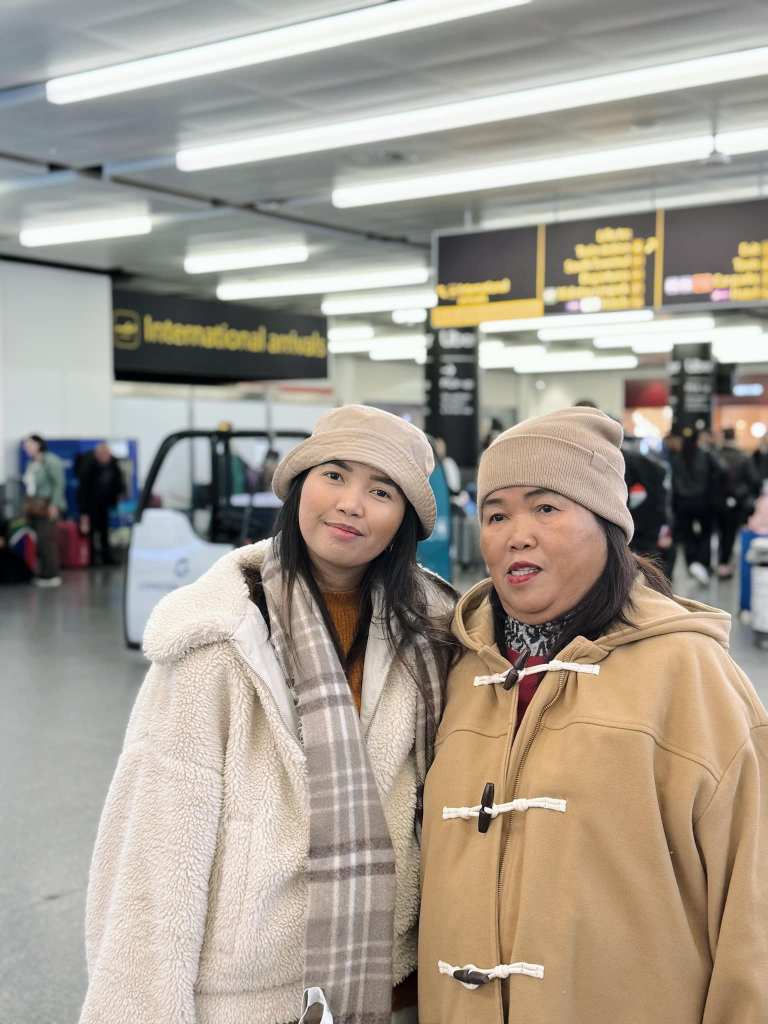
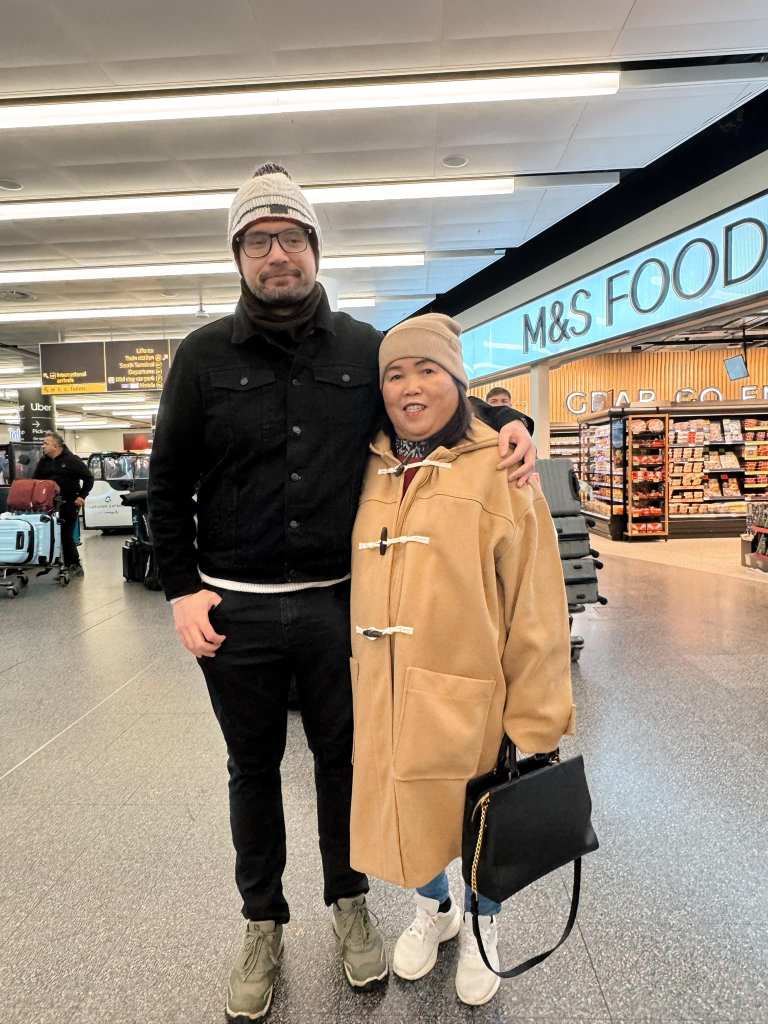
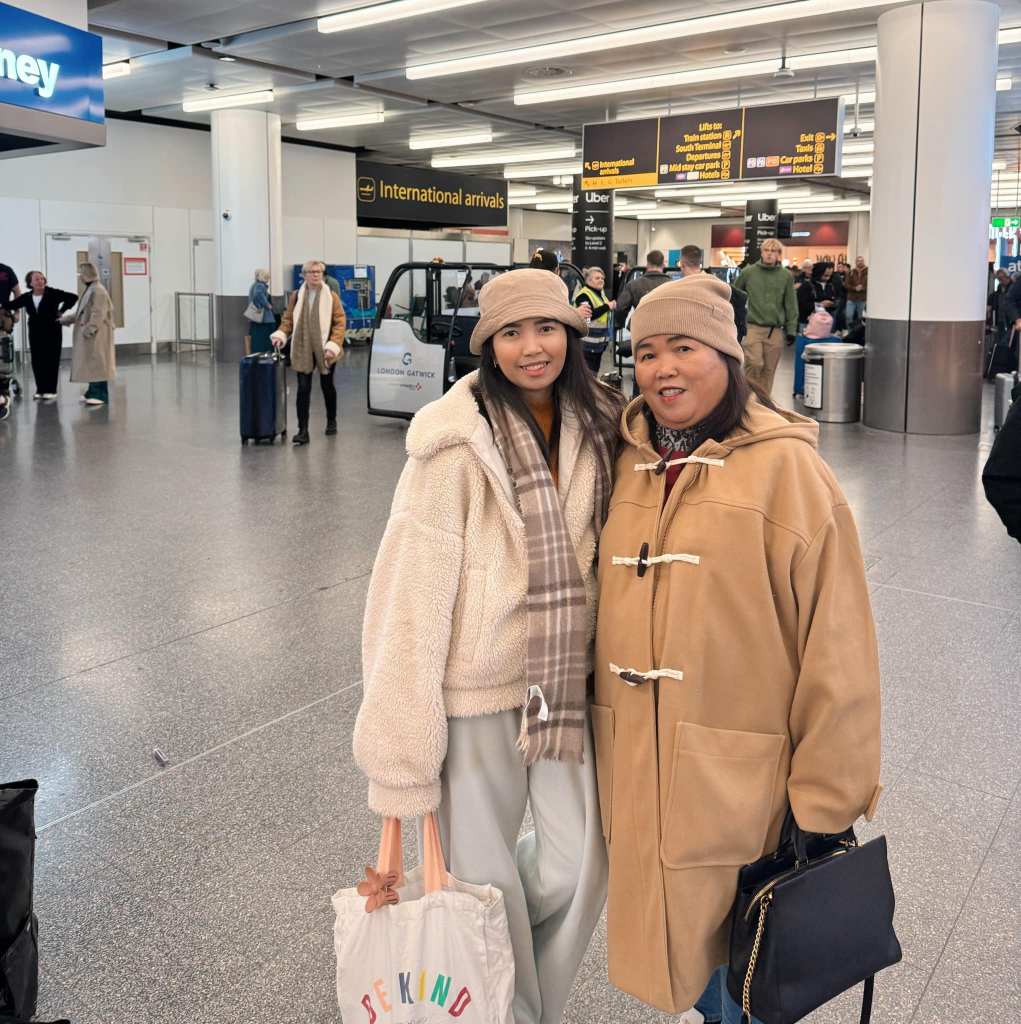
When Mama landed at Gatwick in December, she arrived with the confidence of a woman who had successfully crossed continents and the practical preparedness of a Filipino mother who clearly did not trust Britain to provide everything she might need. Somewhere among the clothes and travel essentials was sinigang mix, because apparently moving between countries is one thing, but leaving sour soup to chance is quite another. I hugged her at Arrivals after months of distance and video calls, genuinely emotional to finally have her in front of me again. Then, not long after, we stepped outside and Britain introduced itself properly: cold air, grey skies and the sort of wind that immediately makes a visitor reconsider every photograph they have ever seen of “beautiful European winter.”
This was Mama’s first Christmas in the UK, which meant I was about to introduce her to several important British experiences: darkness before dinner, radiators that somehow require a small engineering degree to understand, buses announcing their own stops, and the strange national acceptance that five degrees can still be described as “not too bad.” Coming from the Philippines, Mama regarded the temperature with understandable suspicion. I kept explaining that the heating was working. She kept behaving as though the house had personally failed an inspection. Within days, she had developed the classic immigrant-winter routine of wearing multiple layers indoors while periodically checking whether everybody else was genuinely comfortable or merely pretending to be British.
Christmas in the Kingdom
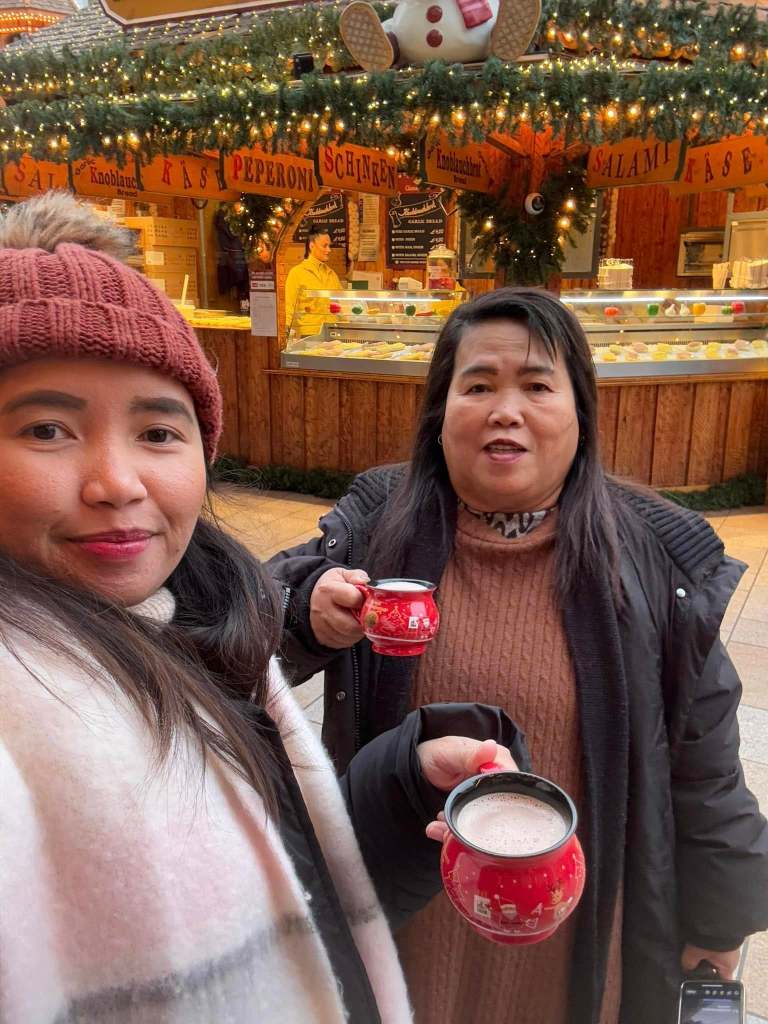
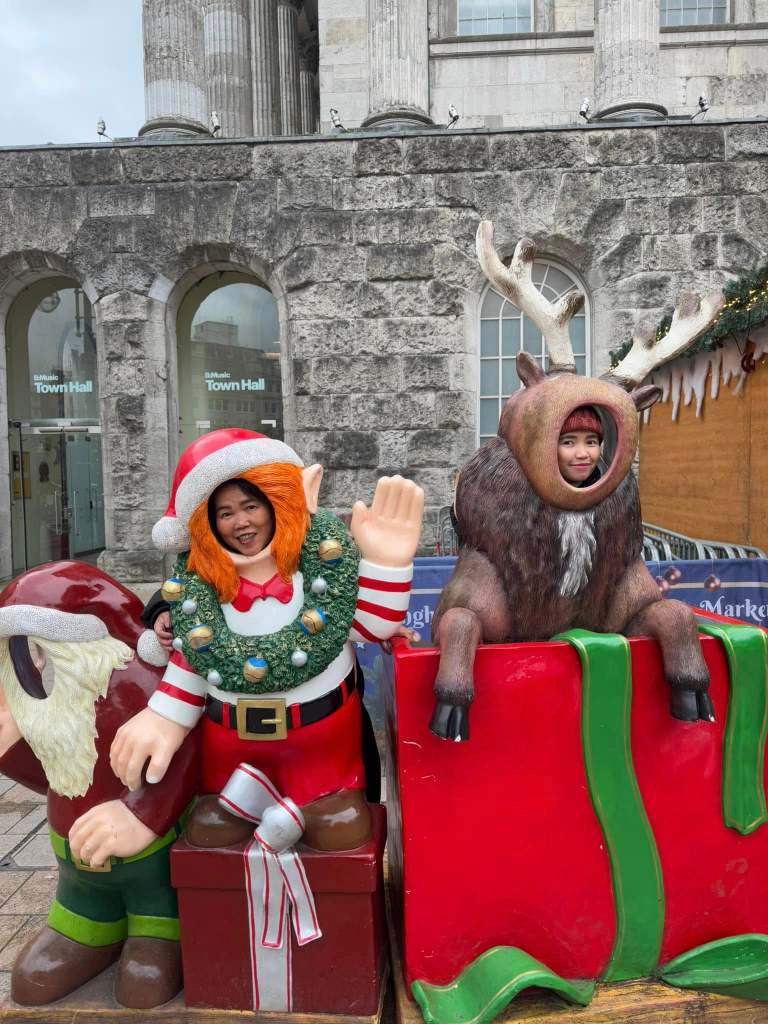
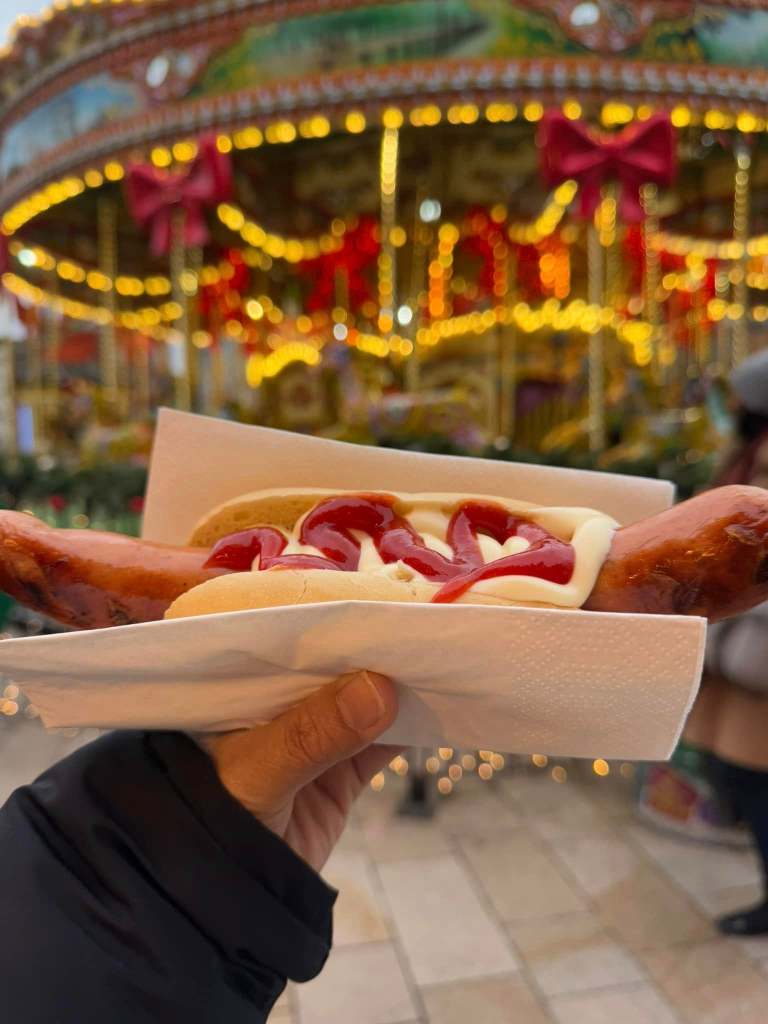
Christmas itself was exactly the mixture I had hoped for: very British weather and very Filipino food. There were Christmas lights, woolly socks, family photos by the tree and the usual seasonal attempt to make the house look festive while everyone quietly wondered where to put all the food. Turkey may have been the traditional option, but lechon belly had better representation at our table. You can move a Filipino family thousands of miles away from home, but Christmas still somehow ends with enough food to feed several unexpected visitors, whether or not any unexpected visitors are actually coming.
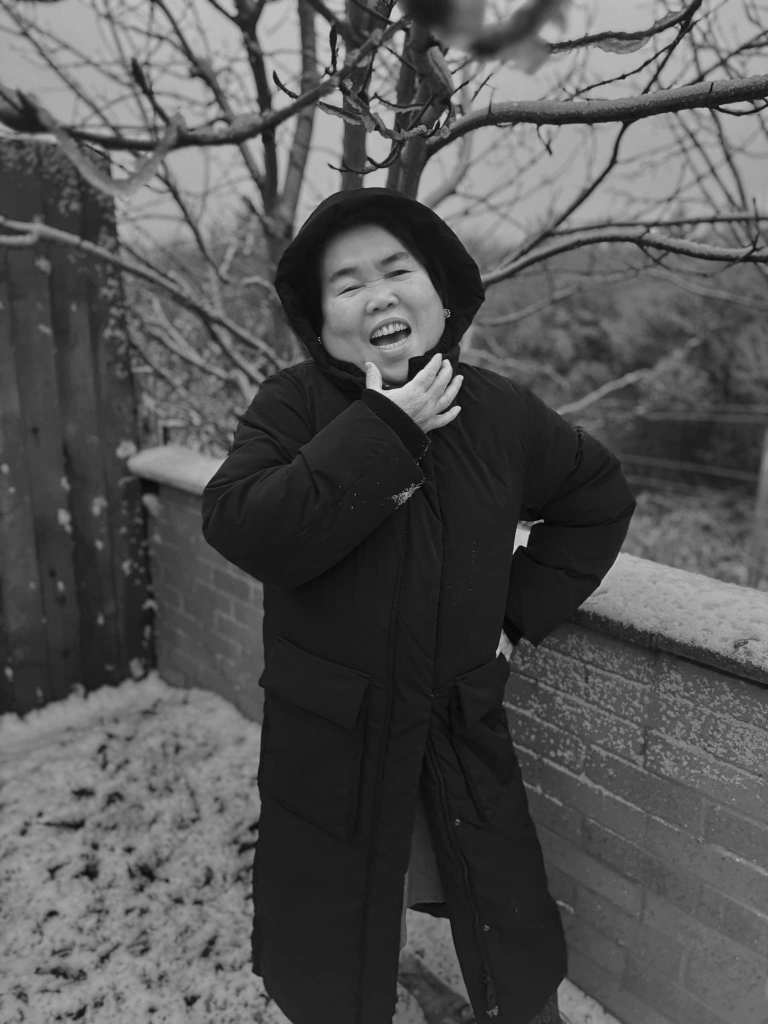
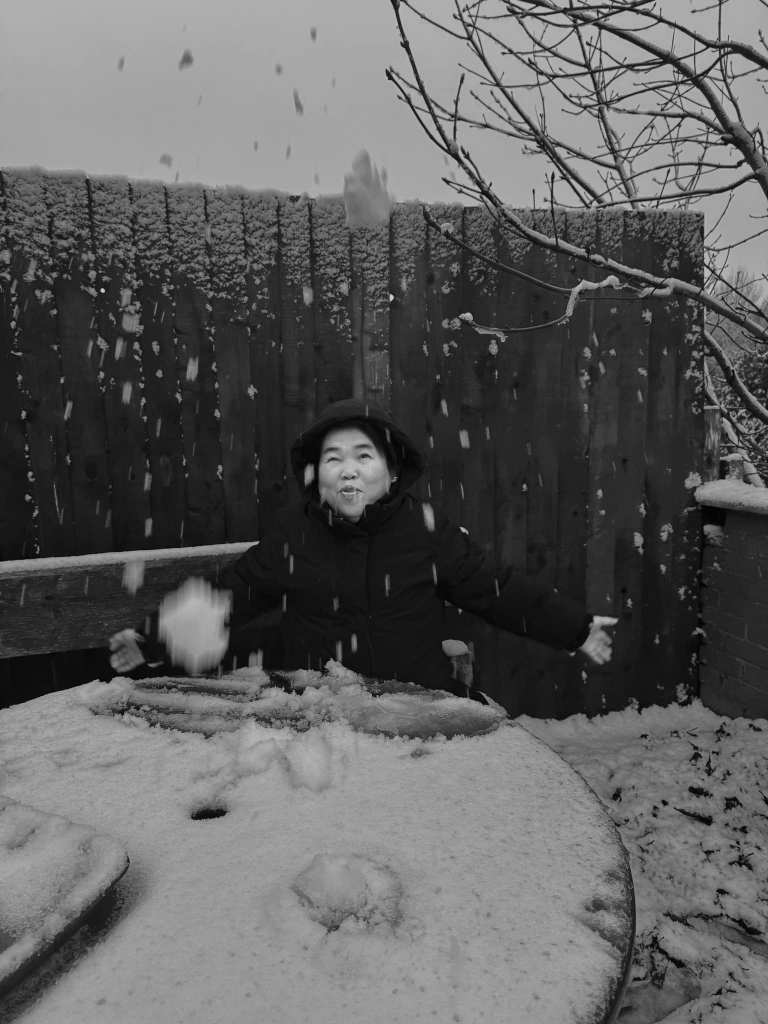
I loved watching Mama experience a cold Christmas for the first time. She had seen winter in films and photographs, of course, but knowing that something is cold and standing outside while your face personally receives the information are very different things. Every trip out involved the ritual question about jackets, scarves and whether we were wearing enough layers. I found this particularly funny because I had lived in Britain for years and was still being reminded by my mother to put on a coat. Immigration changes many things. Filipino motherhood is apparently not one of them.
Touring Like a True Tita Tourist
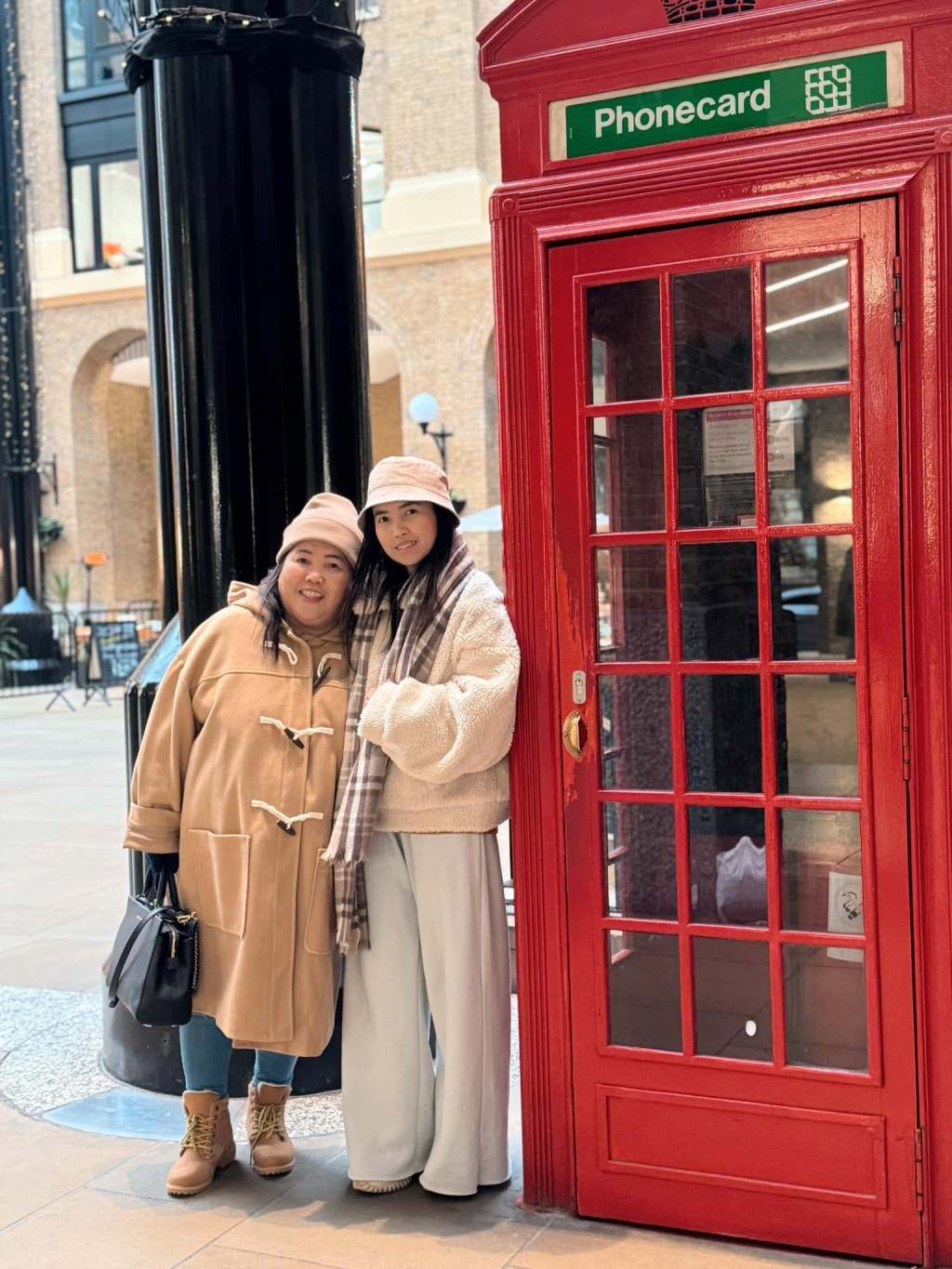
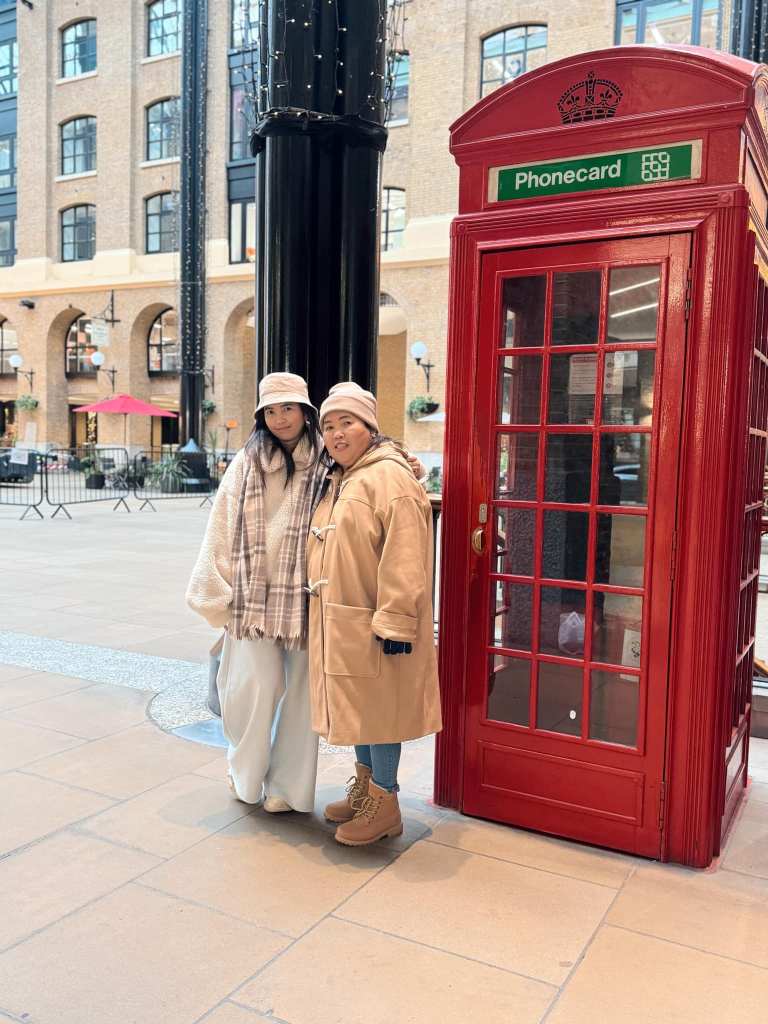
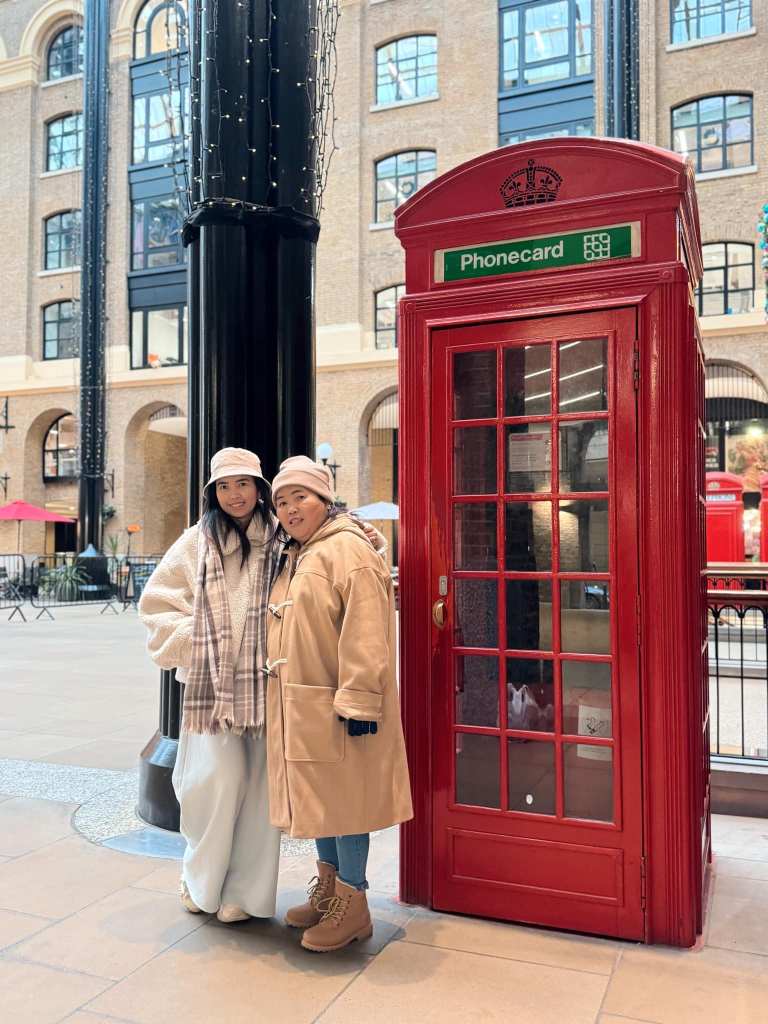
Then came London, because if your Filipino mother visits Britain for the first time, there are certain photographs that must legally—or at least culturally—be obtained. Big Ben. Buckingham Palace. Tower Bridge. Red telephone boxes. Every location required its own round of photos, followed by several more because the first set might not have captured the correct angle. Mama approached London with the enthusiasm of someone completing a very important checklist. At some point she asked again whether London Bridge was the bridge that fell down, and I had to explain that the nursery rhyme had created unrealistic expectations about present-day British infrastructure.
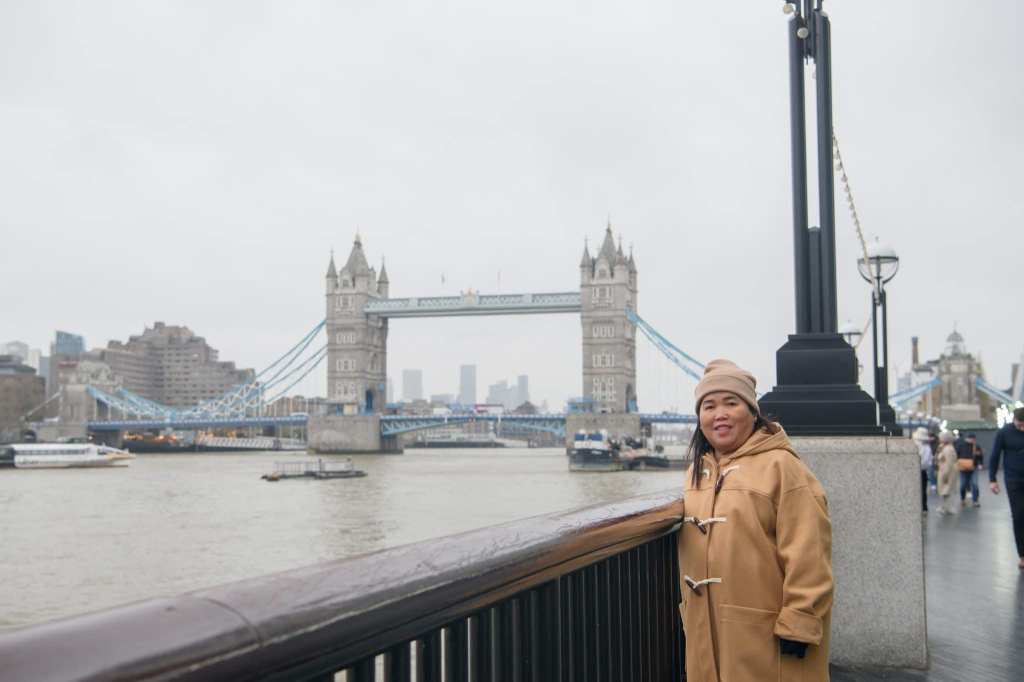
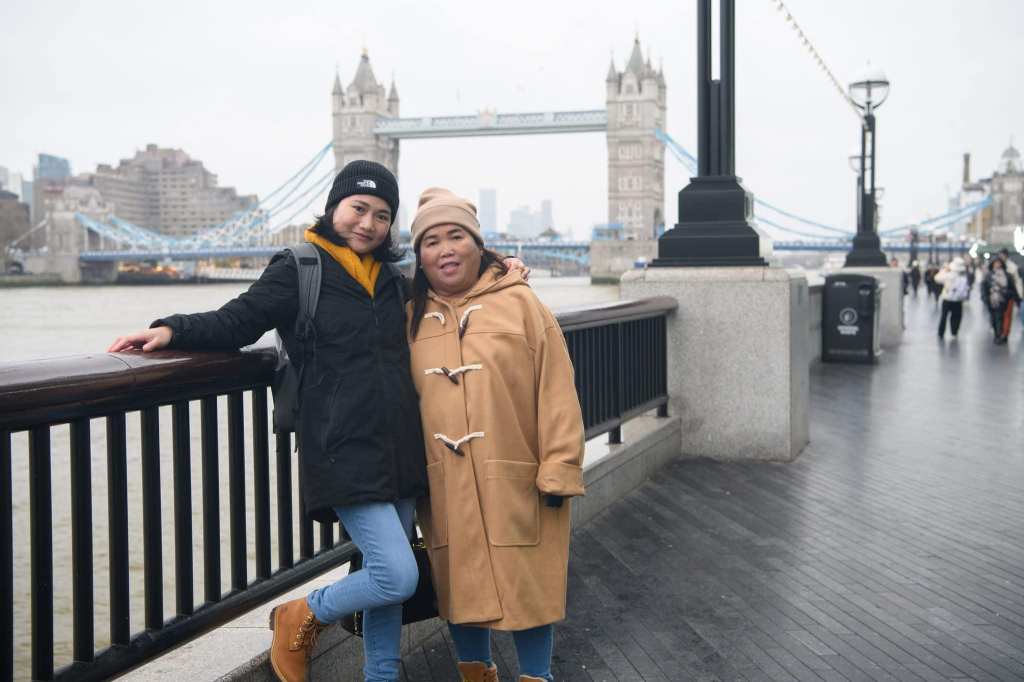
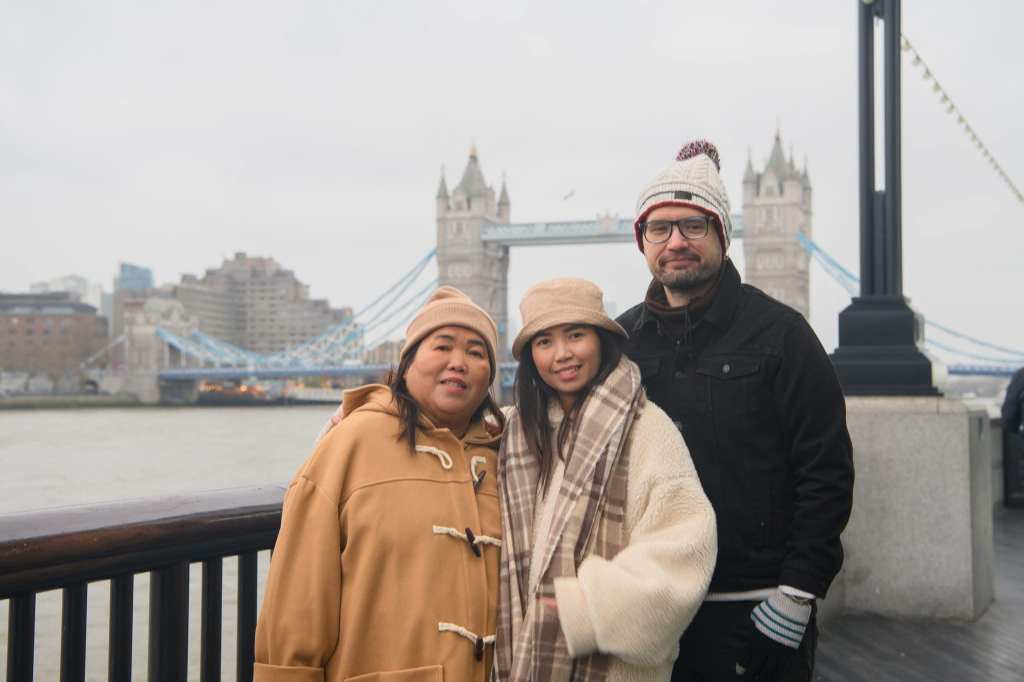
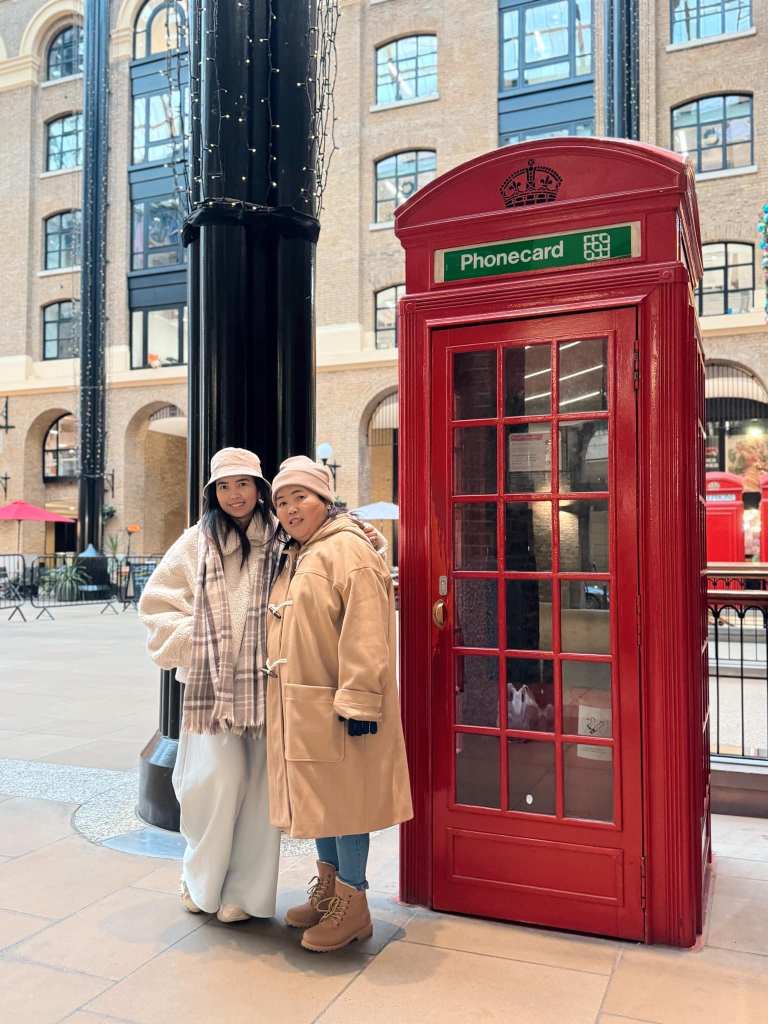

The funniest part was how naturally she adapted to being photographed everywhere. Scarf arranged, coat buttoned, pose ready. Give a Filipino mother an iconic European landmark and suddenly you have a full production. She would stand in front of the camera looking completely composed while I was behind it trying to avoid tourists, traffic signs and somebody’s head entering the frame. Then she would look at the picture and request another one because her hair was wrong. Somewhere in London, I became less of a daughter and more of an unpaid travel photographer.
We also travelled to Liverpool, where Mama took in the waterfront, the architecture and the history with the same curiosity she brought everywhere else. She looked out towards the water and asked if she could throw a coin in, as though we had somehow reached the Trevi Fountain. I told her she could, provided she did not follow it. She laughed. I laughed too, although a small part of me remained alert because mothers have spent our entire lives worrying about us and eventually adulthood gives us the opportunity to return the favour in oddly specific situations.
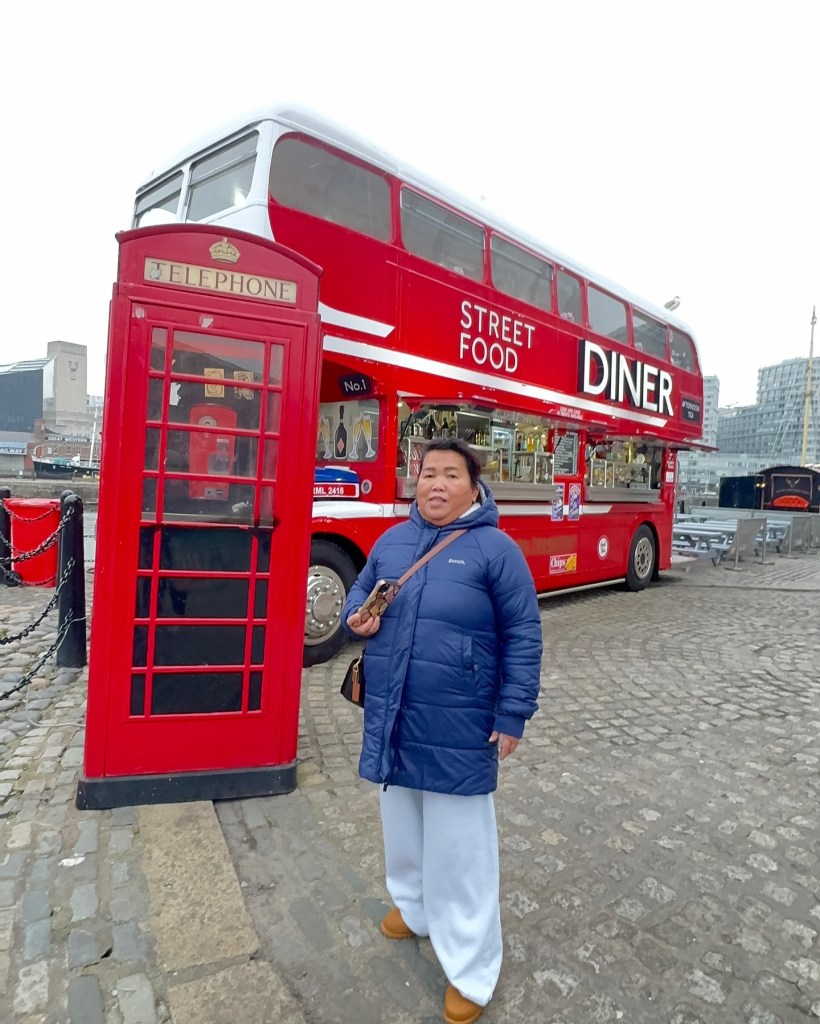
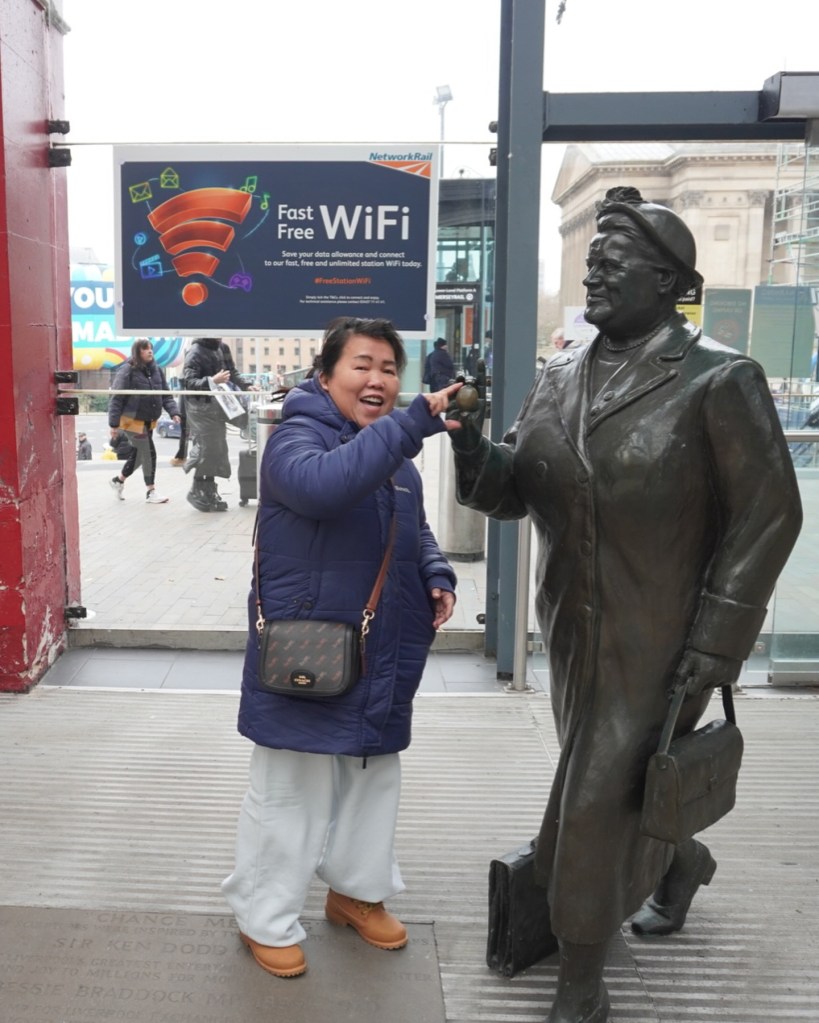

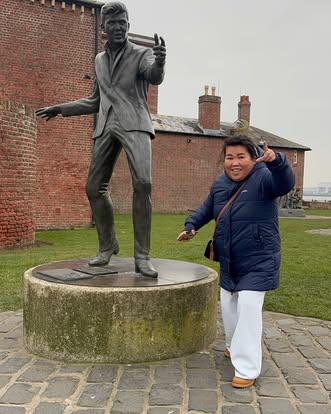
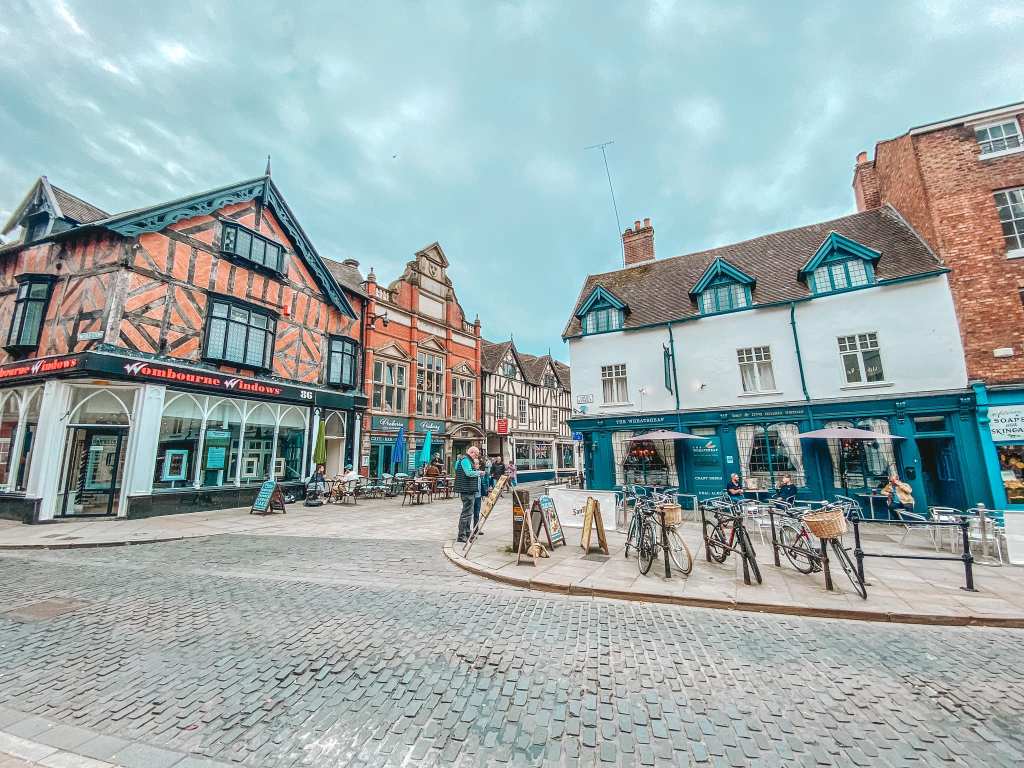
Shrewsbury gave her another version of Britain entirely. Cobbled streets, crooked timber-framed buildings, historic lanes and a castle made the town look like somebody had forgotten to update the scenery after several centuries. Mama looked around and said it seemed like a knight in shining armour might appear at any moment. I told her that if one did, I would first check whether he had a British passport. Romance is lovely, but immigration paperwork has taught me to respect documentation.
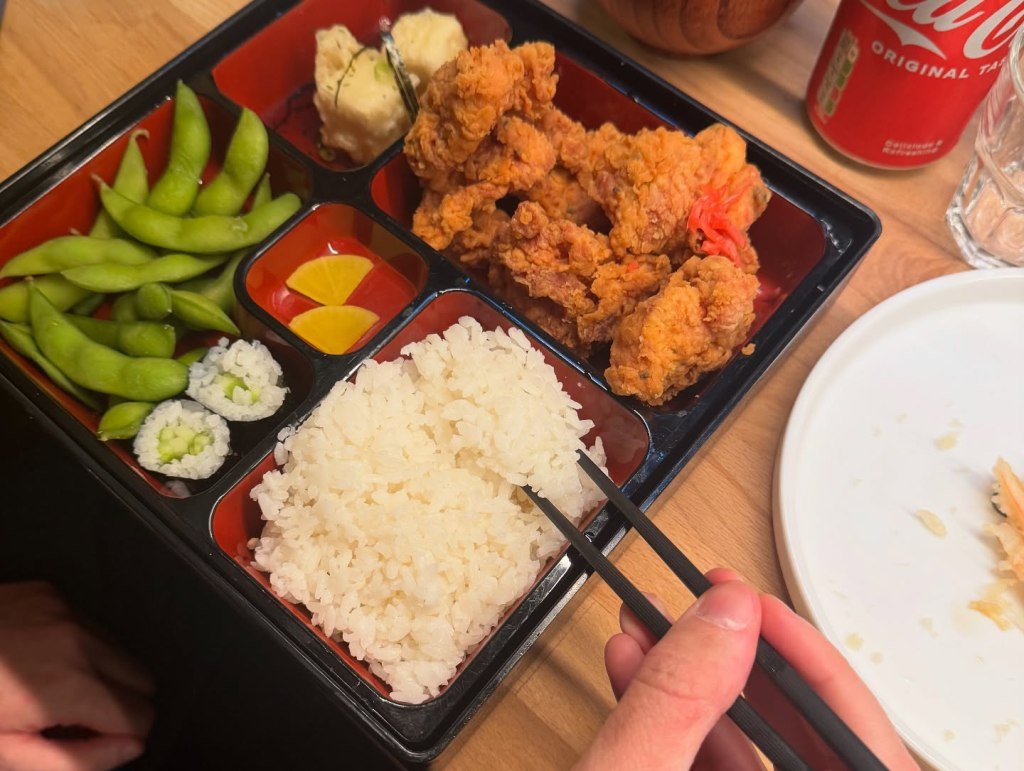
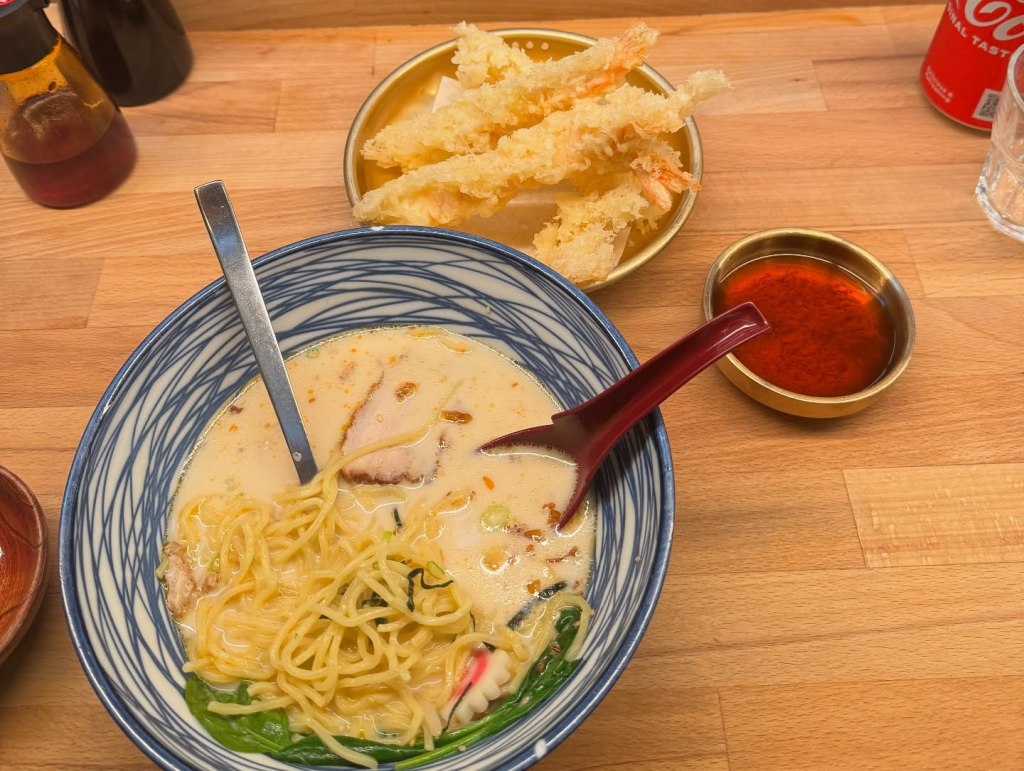
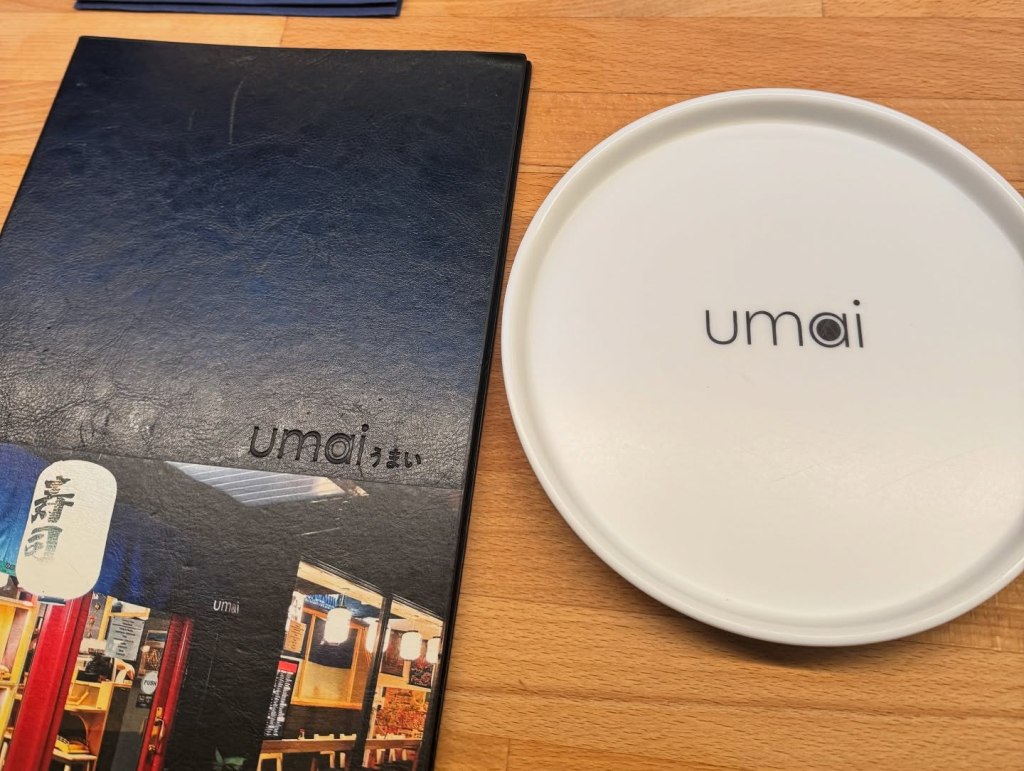
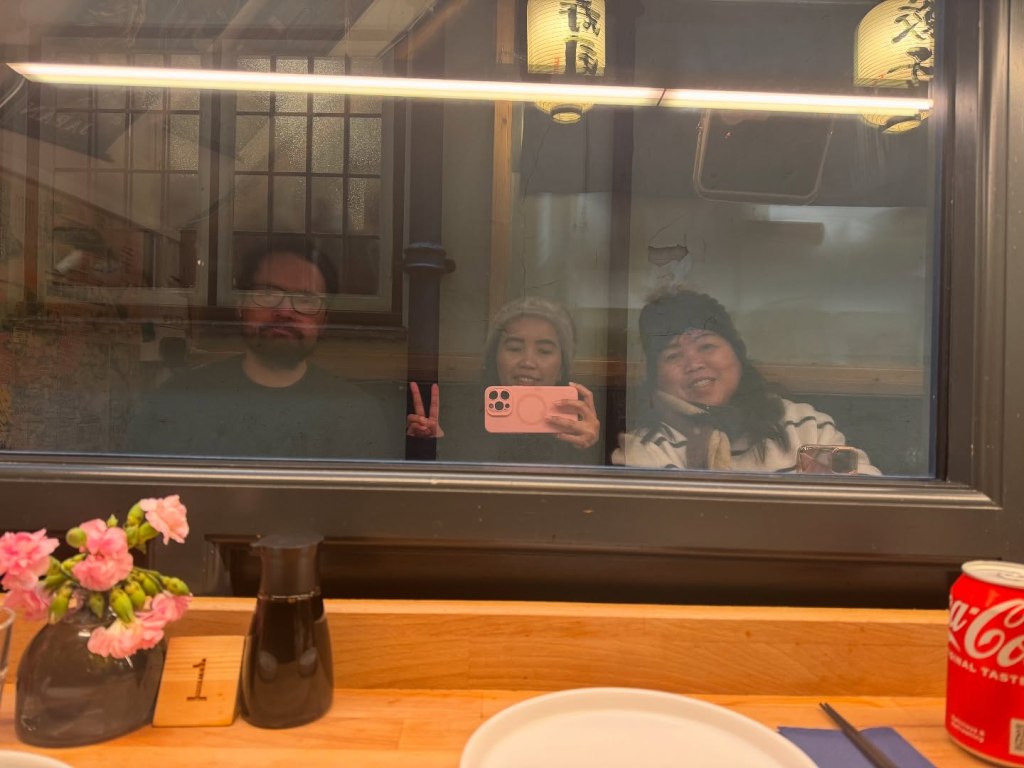

We wandered through the town, took the required number of photographs—which is to say, more than any reasonable number—and eventually ended up at Umai for Japanese food. Mama tried using chopsticks, gave them a respectable chance and then made the practical decision to ask for a spoon. I admired this. Some people will struggle for twenty minutes purely to preserve appearances. Filipino mothers have raised children, managed households and survived enough inconvenience to know when a spoon is simply the superior technology.
She enjoyed the food but still managed to wonder whether a little toyo and calamansi might improve matters. That made me laugh because it was such a perfect reminder that travelling changes the scenery more quickly than it changes your taste buds. You can be sitting in a Japanese restaurant in an English medieval town, but part of your palate remains firmly in the Philippines asking where the soy sauce is.
A New Year, A New Beginning
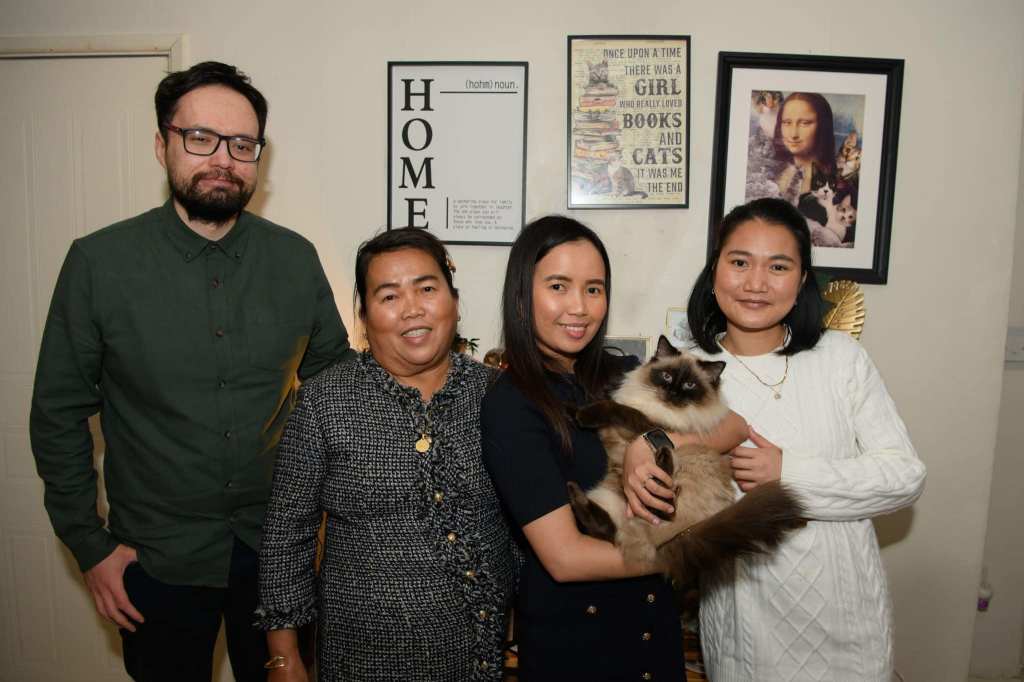
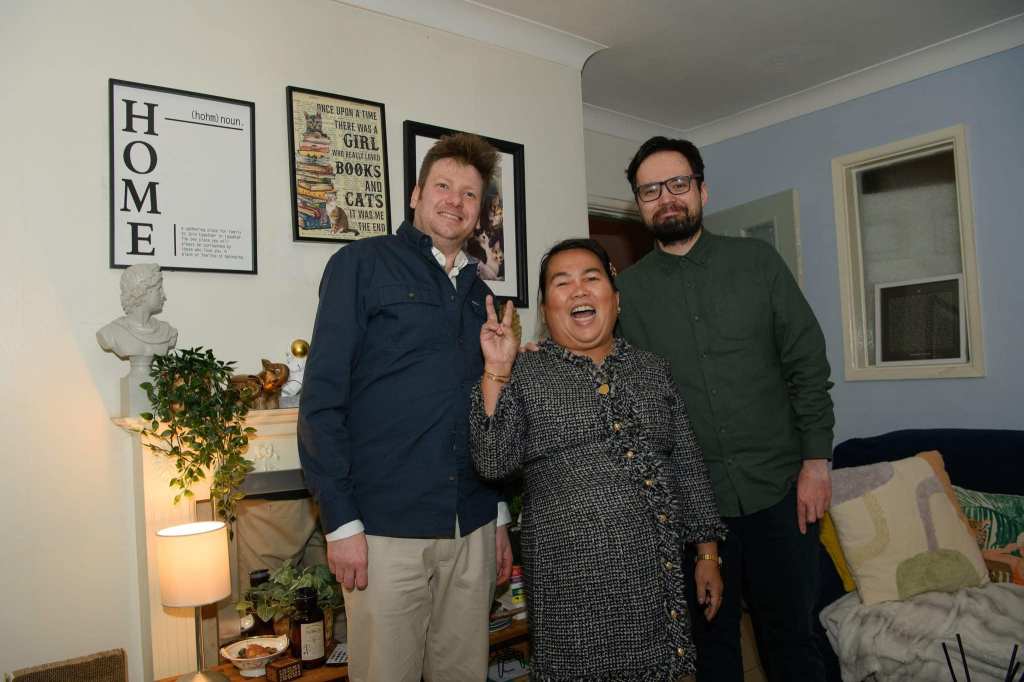
New Year felt different because, for once, we were celebrating in the same room rather than through a screen. There were actual hugs at midnight, actual laughter and a table that was mostly Filipino food with a small charcuterie board attempting to introduce international diversity. It looked slightly confused but tried its best. My cousin came over a few days later for another celebration because Filipino New Year operates according to a flexible calendar. As long as there is food left, the festivities remain legally open.

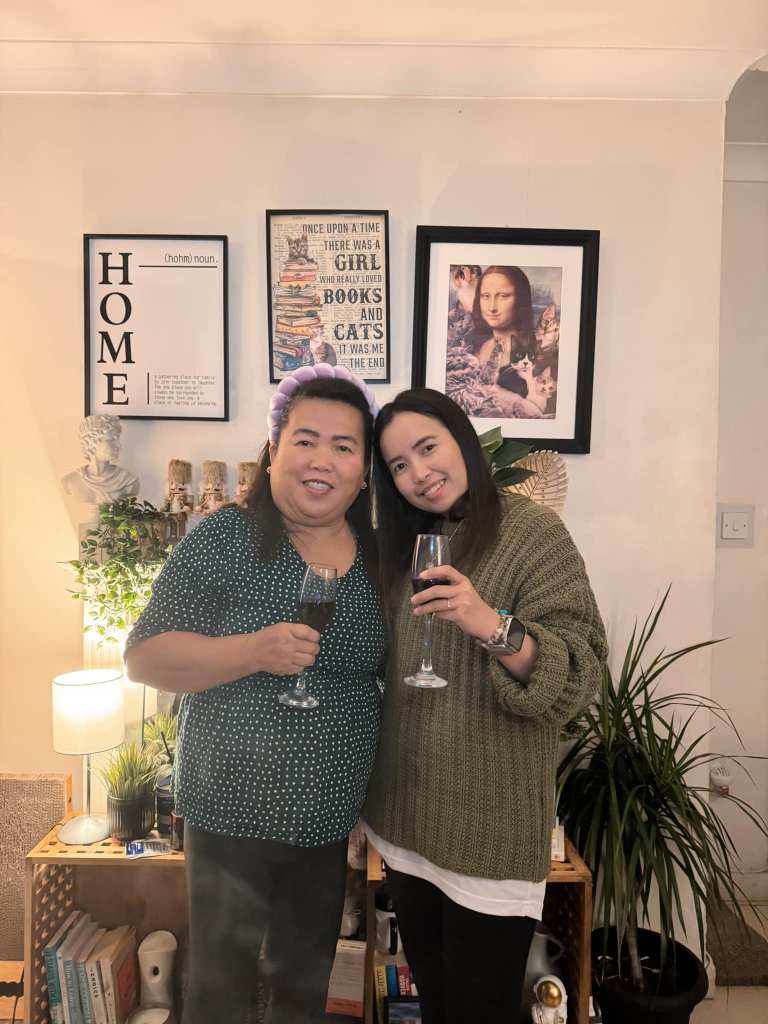
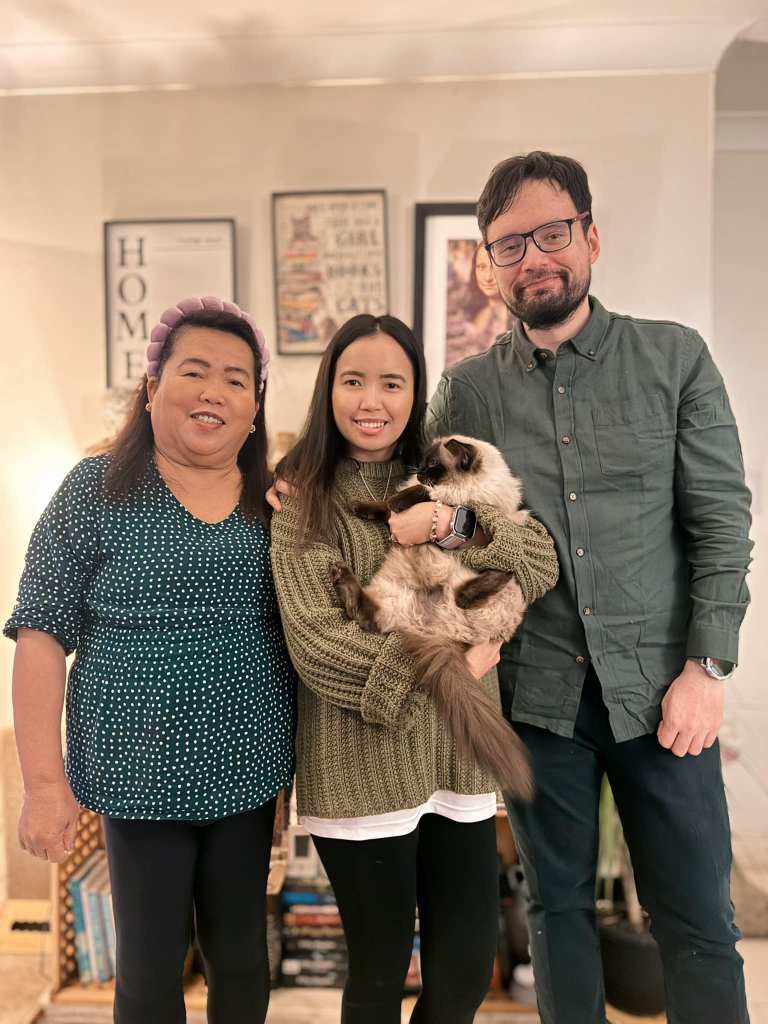
Some of my favourite moments from Mama’s visit were not at the landmarks, though. They happened at home when we were sitting around talking about things that had happened years ago, stories from my childhood, relatives, old memories and details I had forgotten until she mentioned them. There is something strange about growing older and realising that your mother carries versions of you that you can no longer remember. She knew the child I had been before I had any idea who I would become.


Mother’s Day, The British Edition
Then Mother’s Day arrived—the British one, which meant Mama unexpectedly qualified for an additional celebration. I considered this a perfectly reasonable advantage of international travel. If different countries insist on celebrating Mother’s Day on different dates, I see no reason mothers should not benefit from the administrative confusion.
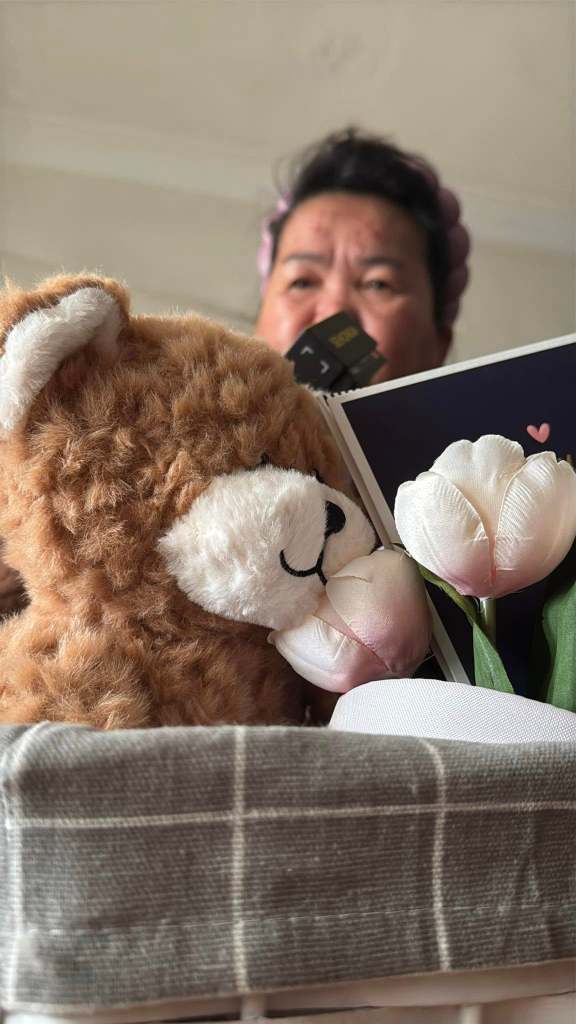
I wrote her a letter, and she cried.
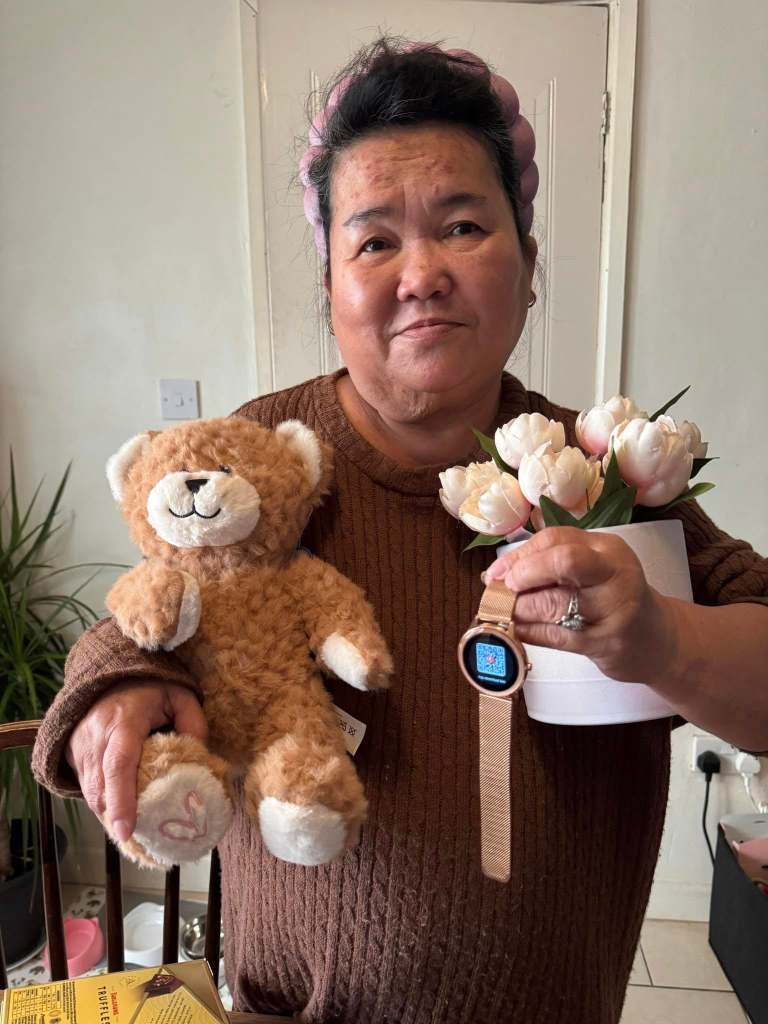
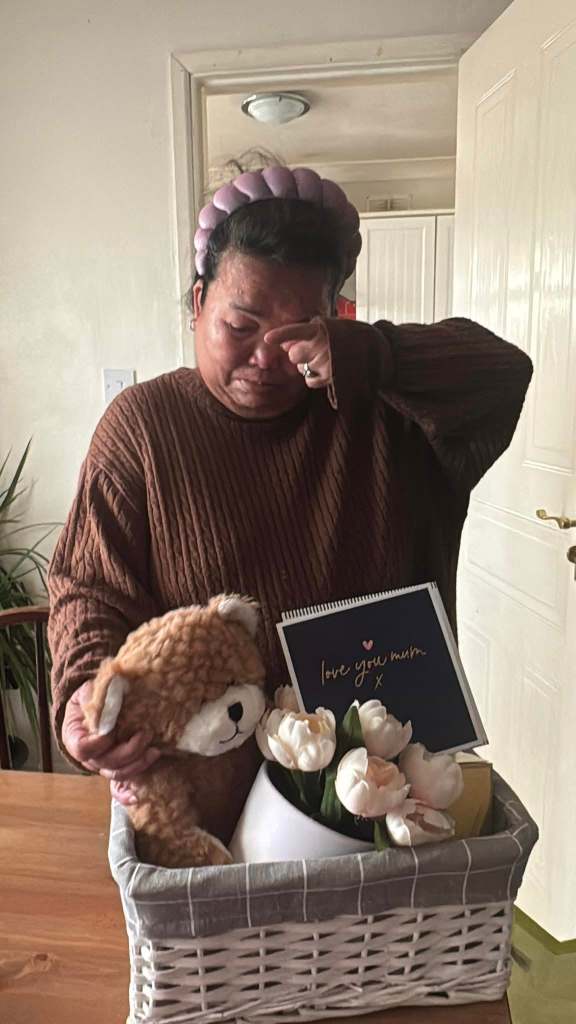
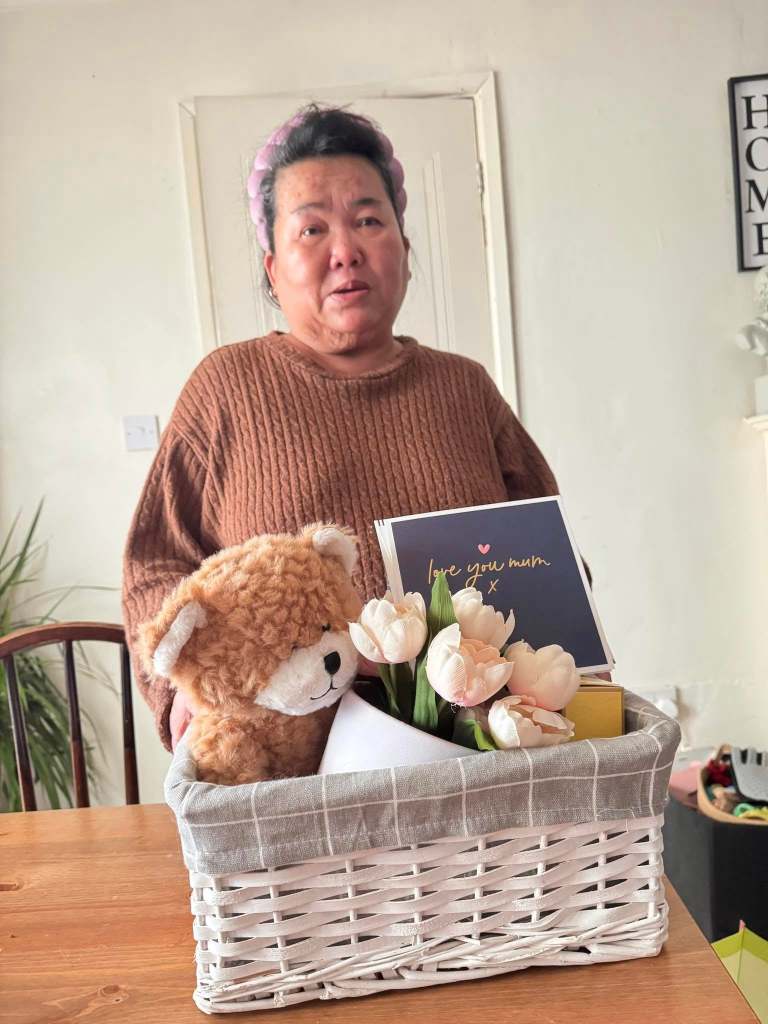
For most of my life, Mama had been the one checking whether I had eaten, reminding me what to bring, worrying about where I was going and taking care of things before I even realised they needed attention. During her visit, the roles shifted a little. I was the one buying the tickets, checking routes, making sure she had enough layers, planning meals and asking whether she was tired. I would adjust her coat, carry things, check the weather and tell her where we were going next. Of course, she still reminded me to wear my own jacket, because apparently parental authority does not transfer completely.
I liked being able to care for her.
Her visit lasted months, but even that felt short once we had begun collecting routines. Mama in the kitchen. Mama commenting on the weather. Mama asking questions about buses. Mama standing beside landmarks she had previously only seen on television. Mama discovering new food while simultaneously thinking about Filipino food. The ordinary parts of having her nearby became the things I knew I would miss most once the visit ended.
Looking back at the photographs now, I see more than London, Liverpool, Shrewsbury, Christmas decorations and winter coats. I see Mama enjoying a chapter of my life that had existed far away from her for years. She got to see where I lived, how I moved through Britain, the places I went and the little routines that had gradually become normal to me. And I got to watch Britain through her eyes again, where buses were interesting, old buildings deserved a photograph and cold weather was still worth commenting on every single time we stepped outside.
Her visit reminded me that sometimes bringing someone you love into the life you built away from home makes that life feel different too. Places I had stopped noticing became interesting again because she noticed them. London became more entertaining because I was watching Mama pose beside it. A Christmas I might otherwise have treated as another winter holiday became memorable because it was her first one here.
To anyone reading this who’s far from their mom—send her a message. Book that ticket. Or write her a letter. You never know when the magic of togetherness will bloom, even in a land of fog and fish and chips.
Mama, if you’re reading this… next time, we’re doing Scotland. Pack your jacket—and yes, I’ll boil the water for your instant coffee just right.


































Leave a Reply