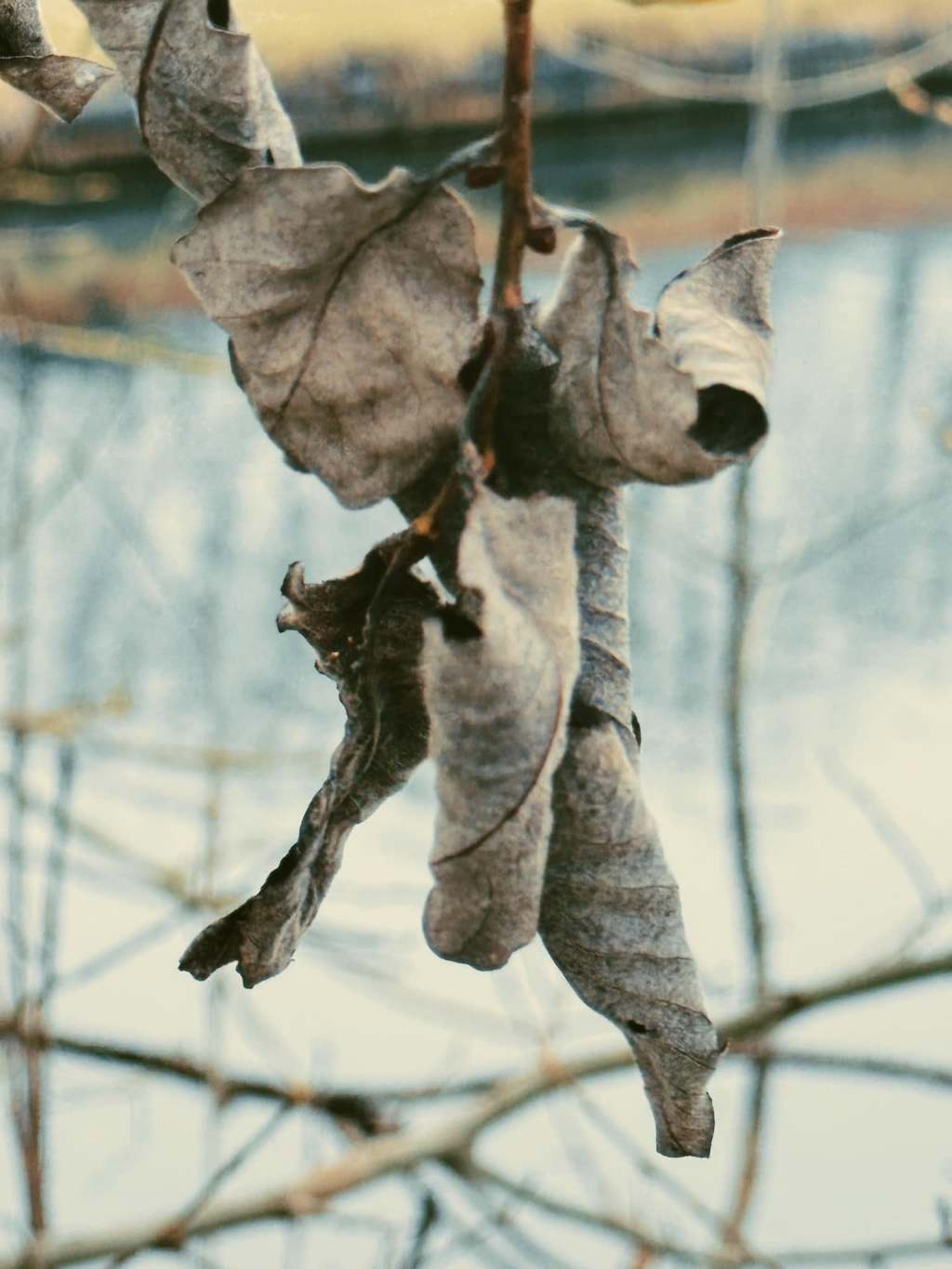
I cannot remember what I ate that day. I cannot remember what I wore, whether the rain came before lunch or after, or what time I finally decided to stop scrolling and open my laptop. But I remember one sentence because I wrote it down. Strange, really, how an entire day can dissolve into nothing while twelve words remain perfectly intact. Memory is selective like that. It keeps the oddest things and misplaces the rest. I can forget why I walked into a room in under thirty seconds, yet somehow remember exactly how the air smelled on an afternoon from years ago because I once described it in a notebook. Writing has always fascinated me for that reason. It catches ordinary things just before they disappear.
Most days do disappear. Not dramatically. They simply fold themselves into one another until Monday becomes Thursday, August becomes September, and suddenly a year you thought had barely started is appearing in your archive folder. The coffee gets finished, the rain dries, the shift ends, the joke everyone laughed at becomes impossible to repeat properly. Somebody says something kind in passing, and unless you hold onto it somehow, it becomes one more small thing that happened and then vanished. Life is very efficient at moving on. Writing slows that process down for me. Not completely, of course. I have yet to discover a paragraph capable of stopping time, which is unfortunate because I would have abused that feature immediately. But writing lets me leave little markers behind: here, I was happy; here, I was frightened; here, I thought I knew what I was doing; here, I absolutely did not; here, something ordinary happened that I did not realise would matter later. That is what I enjoy most about writing. It gives me somewhere to put the parts of life that would otherwise remain scattered in my head.
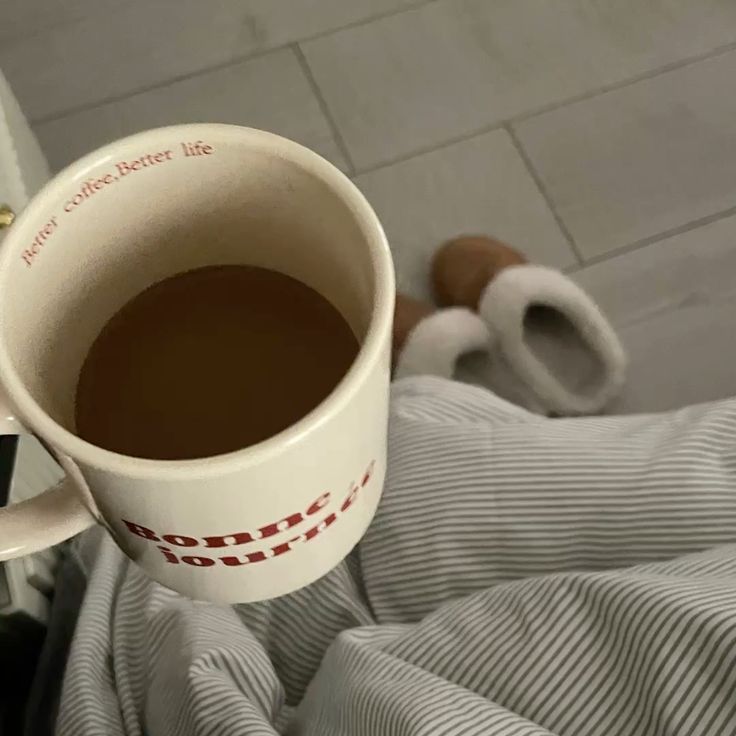
Sometimes I sit down with the intention of writing about one thing and discover that my mind has been hiding three completely different subjects behind it. I begin with rain and end up writing about grief. I start with a cup of coffee and somehow find myself discussing adulthood, migration, friendship or why my cats appear to believe I am employed exclusively for their convenience. Writing does that. It takes the small door and opens it into a room you did not know was there. I like that surprise. There are thoughts I do not fully understand until I see them arranged into sentences. Inside my head, they can be noisy and badly organised, like several people speaking at once during a Filipino family gathering. On the page, they are forced to take turns. One sentence follows another. A feeling that seemed vague begins to develop edges. Something I could not explain suddenly becomes visible. Sometimes I read what I have written and think, Ah. So that is what I meant. Apparently, I occasionally need to communicate with myself in writing. This may explain several things.
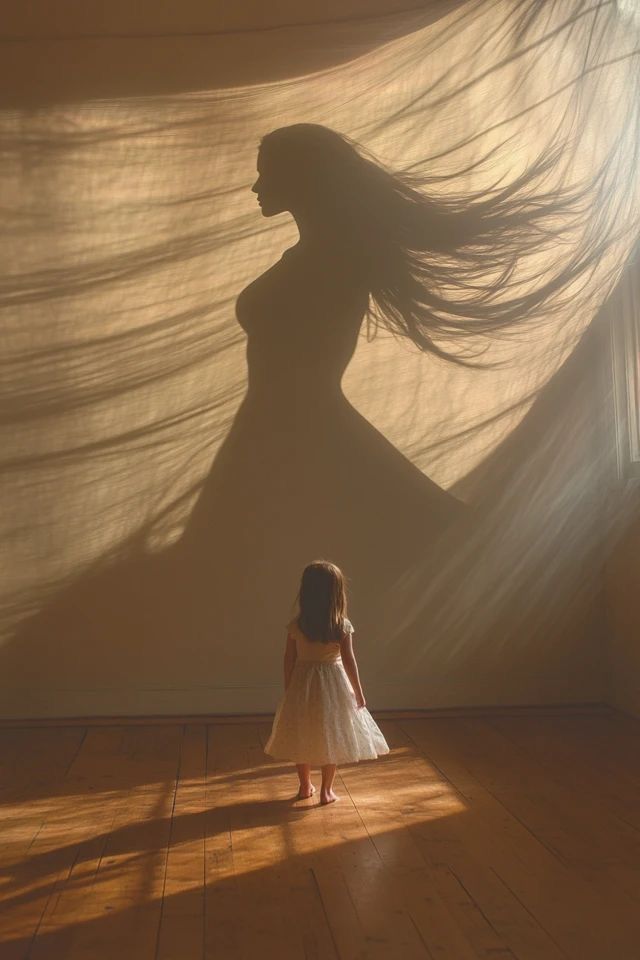
Writing has also become one of the ways I measure change. Old photographs show me how I looked. Old posts show me how I thought. That distinction matters. I can open something I wrote years ago and immediately meet an earlier version of myself. She uses my words, shares my history and occasionally has the same habit of being unnecessarily attached to commas, but she is not exactly me anymore. She worries about things I no longer worry about. She believes some things I have since questioned. She wants things I now understand differently. There are sentences I still agree with completely and others that make me want to gently take her by the shoulders and say, “Give it time.” I never want to erase her, though. Even when I would write something differently now, I like knowing that the older version remains. She was writing with the knowledge available to her at the time. She had not yet lived the years I have lived since. She did not know which prayers would be answered, which plans would change, which people would stay, which losses would reshape her or which roads would eventually feel familiar. That is the privilege of looking backwards: we know the ending of chapters our former selves were still trying to survive. Writing preserves that uncertainty before hindsight tidies everything up.
Memory likes editing. It smooths edges, rearranges details and occasionally improves my performance in old conversations. According to memory, I have delivered several brilliant replies that I am fairly sure never left my mouth. Writing is less generous. The page remembers what I actually thought before later wisdom came along and made everything look obvious. I appreciate the honesty of that. There are posts I have written during good seasons, when life felt wide and exciting and I could imagine twenty futures at once. There are others written when I was tired, grieving, homesick, uncertain or simply trying to understand why something hurt as much as it did. Some pieces came from places I would never willingly revisit, but I am still grateful I wrote them. Not because pain becomes beautiful merely because you turn it into prose. It does not. But writing gives pain somewhere to go besides endlessly around your head. There are feelings that become slightly more manageable once they have punctuation. Sometimes putting a full stop at the end of a sentence is the first time a thought stops running. That may be one of the quieter reasons I keep returning to the page.
Writing also lets me preserve people. Not perfectly, because no sentence can contain an entire person, but a detail can hold surprisingly much. The way someone laughed. A phrase they always used. A meal. A phone call. A ridiculous family story. The sound of a guitar. The way a person entered a room and changed its atmosphere without trying. When people are no longer physically present, these details become precious. Memory can blur a face at the edges, but sometimes one sentence brings the whole room back. That is a strange power to give words.
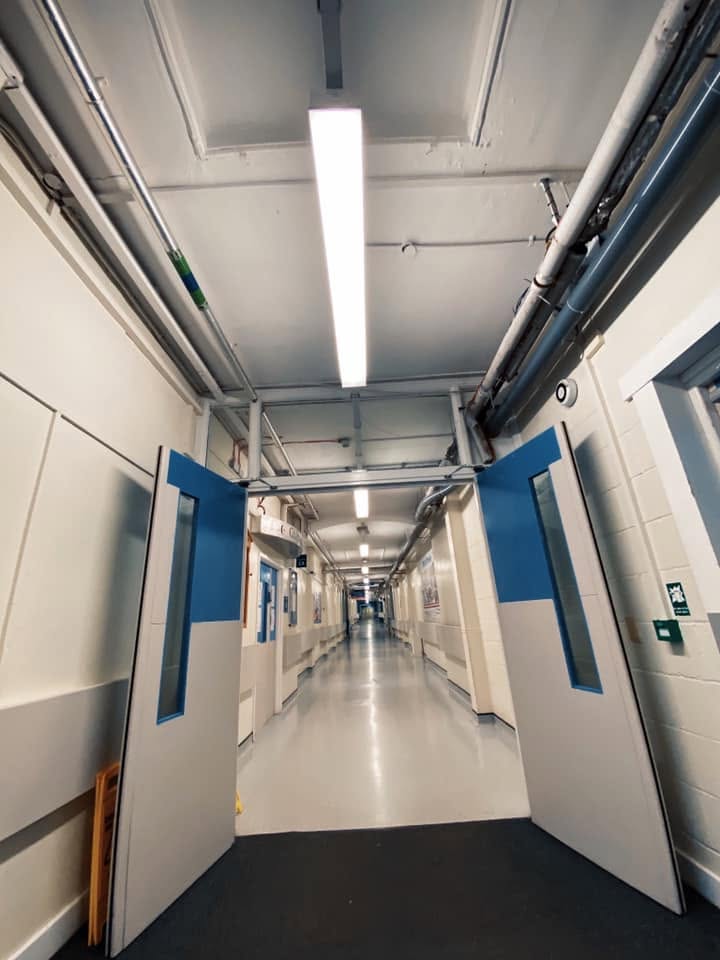
I think about this especially when I write about home. Cebu lives inside me regardless of whether I document it, but writing helps me preserve the version of it that belongs to my memory: the sounds, the heat, the humour, the food, the people, the small rituals I once thought were too ordinary to deserve recording. Distance teaches you very quickly that ordinary things are rarely ordinary once they are gone. The same is true of England now. There are things about my life here that once felt unfamiliar and have since become background: certain roads, weather complaints, hospital corridors, supermarkets, familiar routes home. One day those details will belong to another season too, so I write some of them down. Not because every day deserves to become literature. Some days barely deserve documentation. But because I know how quickly “normal” becomes “remember when?”
Writing also gives me permission to make ordinary life interesting without pretending it is extraordinary. I do not need to climb a mountain or survive a dramatic event every week to have something worth saying. Sometimes the entire story is that I went for a walk, saw something strange, overheard a funny conversation or realised something while folding laundry. There is enough life in small things if you stay with them long enough. A cat sitting in the wrong place can reveal an entire theory about ownership. A delayed train can become a meditation on patience, although usually only after I have finished being annoyed about the delayed train. A hospital pen can become an object of emotional significance after disappearing during a busy shift. A cup of coffee can sit beside a memory until the two become impossible to separate. This is perhaps why writing has changed the way I look at my own life. I notice more because part of me is always wondering whether something will become a sentence later. Sometimes this is charming. Sometimes it means I experience a minor inconvenience and think, at least this might make a decent paragraph. Writers are resourceful that way.
What makes writing even more meaningful to me, though, is that the sentence does not always stop with me. I can sit alone somewhere in Wolverhampton, type something into a laptop and publish it without knowing who will read it. Then, perhaps hours later or months later, someone in another city or another country finds it. They recognise a feeling. They leave a comment. They tell me they have been through something similar. That still feels slightly miraculous. Writing is such a solitary act for something capable of travelling so far. You sit alone with your thoughts and somehow build a bridge to a person you may never meet.
That is one of the reasons I try to write honestly. I do not want my blog to present a life polished beyond recognition. I want room for contradiction, uncertainty, humour, mistakes, faith, grief, ordinary happiness and those strange days when I am simultaneously grateful and annoyed with everything. That is closer to being human. If somebody reads one of my essays and thinks, “I have felt that too,” then the writing has already done something worthwhile. Not everything needs to offer advice. Sometimes recognition is enough. Sometimes we do not need another person to solve our situation. We simply need evidence that somebody else has stood in a similar place and survived the weather. Writing can offer that.
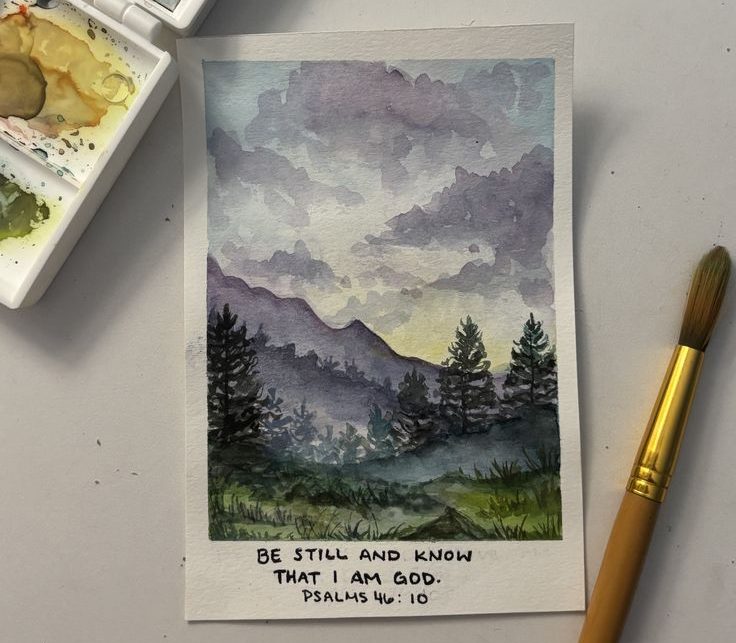
Faith has shaped this part of my writing too. There are experiences I once understood only as disappointment that now look different from a distance. There are prayers I recorded while still waiting for answers, reflections written before I knew what the next chapter would contain, and moments when writing became part of how I spoke to God. Looking back at those words reminds me how limited our view can be while we are standing inside a season. There is something humbling about reading an old worry and realising that God already knew what came next while I was still constructing several unnecessarily complicated scenarios. Apparently, Heaven does not require my plot suggestions.
That does not mean I write because I have discovered all the answers. Quite the opposite. Most of the time, I write because I am still asking better questions. Writing lets me stay with uncertainty long enough to learn from it. It lets me admit that I can have faith and still wonder, that I can be grateful and still want more, that I can love where I am and miss where I came from, that I can be strong and tired, that I can forgive and maintain boundaries, and that I can move forward and still remember. A sentence has room for contradiction. So does a life.
Perhaps that is why writing feels so natural to me. It does not demand that everything be resolved before I begin. I can write from the middle of something. I can leave questions open. I can return years later with another perspective. The page does not insist that I become a finished person before I am allowed to speak, which is fortunate because that would considerably delay publication.
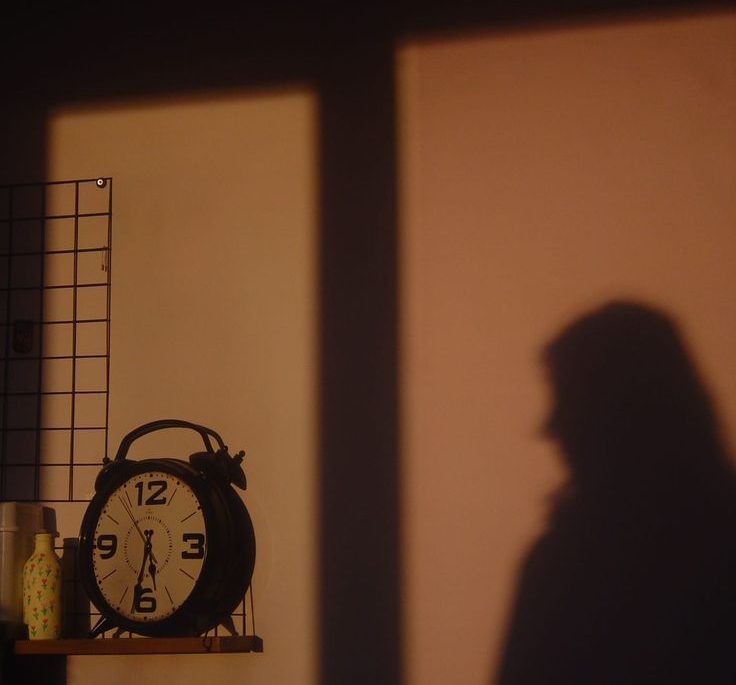
I think about the future sometimes too. What happens to all these words years from now? Will I reread them when I am older and laugh at the things that once seemed enormous? Will people I love read them and discover details I never thought to say aloud? Will some stranger come across a post long after I have forgotten writing it? There is something both strange and comforting about that possibility. We spend so much of life disappearing from moments. We leave rooms, finish shifts, move houses, change countries, watch people grow older and see seasons close. Even the person we were yesterday begins slipping away as soon as today starts. Writing cannot prevent any of that, but it can leave evidence: I was here. I noticed this. I loved these people. This hurt. This made me laugh. This frightened me. This changed me. This mattered. Maybe that is all a writer is doing sometimes—leaving small proof of having paid attention.
I went back recently to one of those old sentences I had almost forgotten. The day surrounding it was gone from my memory. I could not reconstruct the whole scene anymore. I did not know what I ate, what I wore or what else occupied my mind that afternoon. But there was the sentence, still sitting exactly where I had left it. The moment had become smaller with time, but the words had not. And I think that is what I love most about writing. Life moves quickly, often faster than I realise while I am living it. Days disappear. Details blur. People change. I change. But every so often, I manage to catch something before it goes—a smell, a laugh, a fear, a prayer, a ridiculous observation, a version of myself—and place it inside a sentence.
Most days will never become stories, and many will vanish into the ordinary accumulation of a life. But some days get lucky. Some days only survive as sentences.
Still leaving evidence that I was here,
Anj ✍️🖤










Leave a comment