By the time I pushed the front door open, my phone had 3% battery and, frankly, I respected its honesty. Mine was harder to measure. My feet hurt in that vague post-shift way where removing your shoes feels almost medicinal, my shoulders had apparently been storing several hours of tension without informing me, and my brain was still carrying fragments of the day like someone had emptied a ward handover into a handbag and forgotten to sort it. The house was warm. My keys landed in their usual place with a small metallic clatter, and before I had properly taken my coat off, one of the cats appeared to inspect whether I had returned with anything relevant to her interests. I had been away for hours saving lives, making decisions and behaving professionally. She wanted to know about dinner. There is something very efficient about cats when it comes to restoring perspective.
I used to think energy was simple. You slept, you ate, you drank coffee and eventually the human machinery restarted. This theory works reasonably well until adulthood introduces several varieties of tiredness that seem to require different chargers. Sometimes my body is tired but my mind will not stop. Sometimes my mind is tired but my body still feels restless. Sometimes I am socially tired, which is a very specific condition where even a harmless notification feels slightly demanding. And sometimes I am not exactly exhausted at all; I am simply full. Too many conversations, decisions, sounds, responsibilities and small things requiring attention have accumulated until even choosing what to eat feels like an administrative task.
Coffee is excellent at disguising several of these problems, and I remain deeply grateful for its years of service. There is the coffee before a shift, which is less a beverage and more a preliminary agreement with consciousness. There is the coffee halfway through a difficult day, when the mug briefly represents hope, warmth and the possibility that my neurons may continue cooperating until handover. There is coffee with friends, where half the value is contained in whatever is being discussed across the table. Then there is coffee on a day off, which I occasionally prepare with great optimism, place beside me and rediscover an hour later at room temperature because apparently relaxation also affects memory. Still, caffeine mostly answers one question: can you remain awake? The things that genuinely restore me answer something different: do you still feel like yourself?
That evening, the first answer came from food. Nothing elaborate. I reheated something warm and stood waiting while the smell slowly filled the room. There are meals that feed you and meals that seem to retrieve a missing part of your personality. Familiar food can do that. Something warm after a long shift can make the entire day feel several degrees less hostile, and a taste that reminds me of Cebu can shorten thousands of miles for the length of a mouthful. Food has always had that peculiar power. Some dishes contain protein and carbohydrates. Others apparently contain geography.
I sat down to eat and one of the cats immediately appeared beside me with the focused expression of an unpaid quality-control officer. Miyuki and Luna have never shown much respect for the concept of personal recovery time. They simply assume that if I am home, staffing levels have improved. A toy may require retrieval. A bowl may require inspection. A door may need opening despite the fact that the cat requesting access has no clear reason for wanting to enter. Their needs are gloriously uncomplicated, and after a day spent dealing with things that are anything but uncomplicated, I find that strangely comforting.
Animals do not care whether the day went well according to any meaningful professional standard. I can come home proud of something I handled at work and receive exactly the same response I would get if I had spent twelve hours alphabetising paper clips. There is food to be served. A cardboard box requires occupation. Somebody’s tail has become unexpectedly fascinating. Professional achievement has very limited currency in a household run by cats, and that is probably good for me.
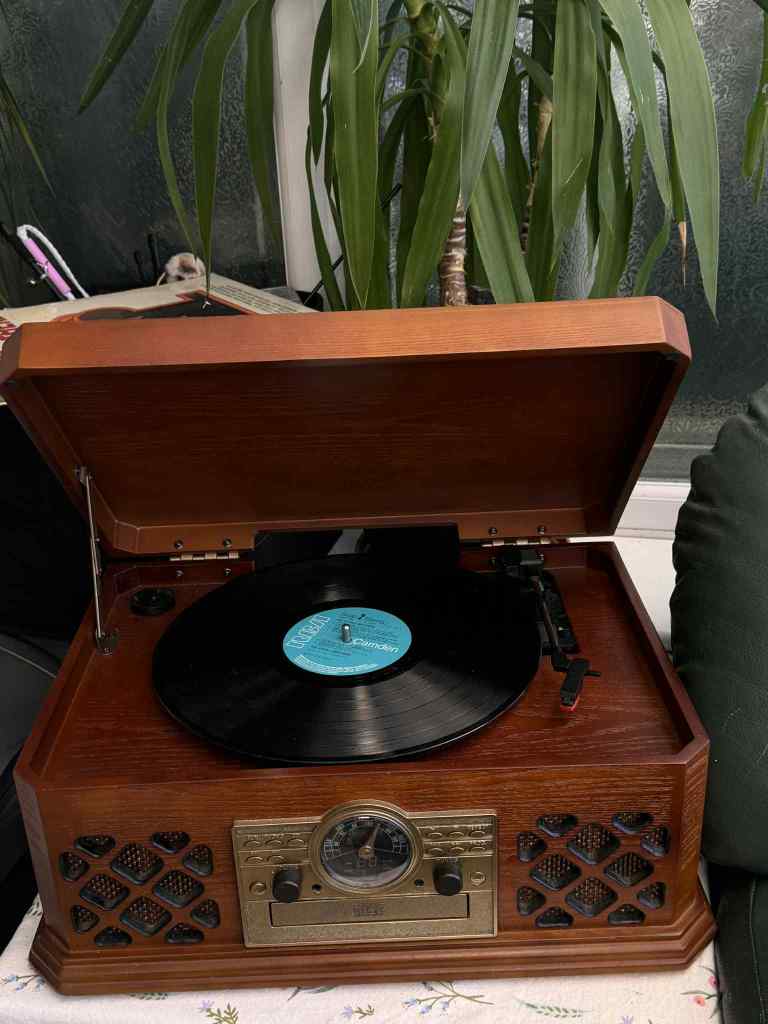
Later, I put music on. I have never understood how a song can change the temperature of a room without touching the thermostat, but some do. A familiar introduction begins and suddenly the day rearranges itself. I can leave work feeling thoroughly finished with civilisation and be halfway through a song on the drive home when humanity is provisionally forgiven. Music does not ask me to explain what happened, nor does it require reflection or a lesson. Sometimes three minutes and forty seconds are enough to shift something that an hour of overthinking failed to move.
Certain songs carry entire years inside them. One chord and I am somewhere else: another country, a road trip, a person, a version of myself I have not thought about recently. Memory is strange like that. I can forget why I walked into a room but apparently retain the precise emotional atmosphere attached to a song I first heard fifteen years ago. Music does not necessarily fix the day; sometimes it simply reminds me that the day contains more than the part that exhausted me.
Walking gives me another kind of energy. Not the sort that makes me return home ready to complete seventeen household jobs, because I have stopped expecting miracles, but getting outside interrupts the internal noise. I like walking somewhere with enough space for my thoughts to spread out a little—along a canal, through quieter roads, anywhere the scenery changes slowly enough that I eventually start paying attention to it. The first ten minutes are usually useless because my body is walking while my brain remains at work. It replays conversations, reviews decisions nobody asked it to review again and begins planning things that do not need planning until tomorrow. I can physically leave a hospital and apparently retain several invisible tabs open in my head.
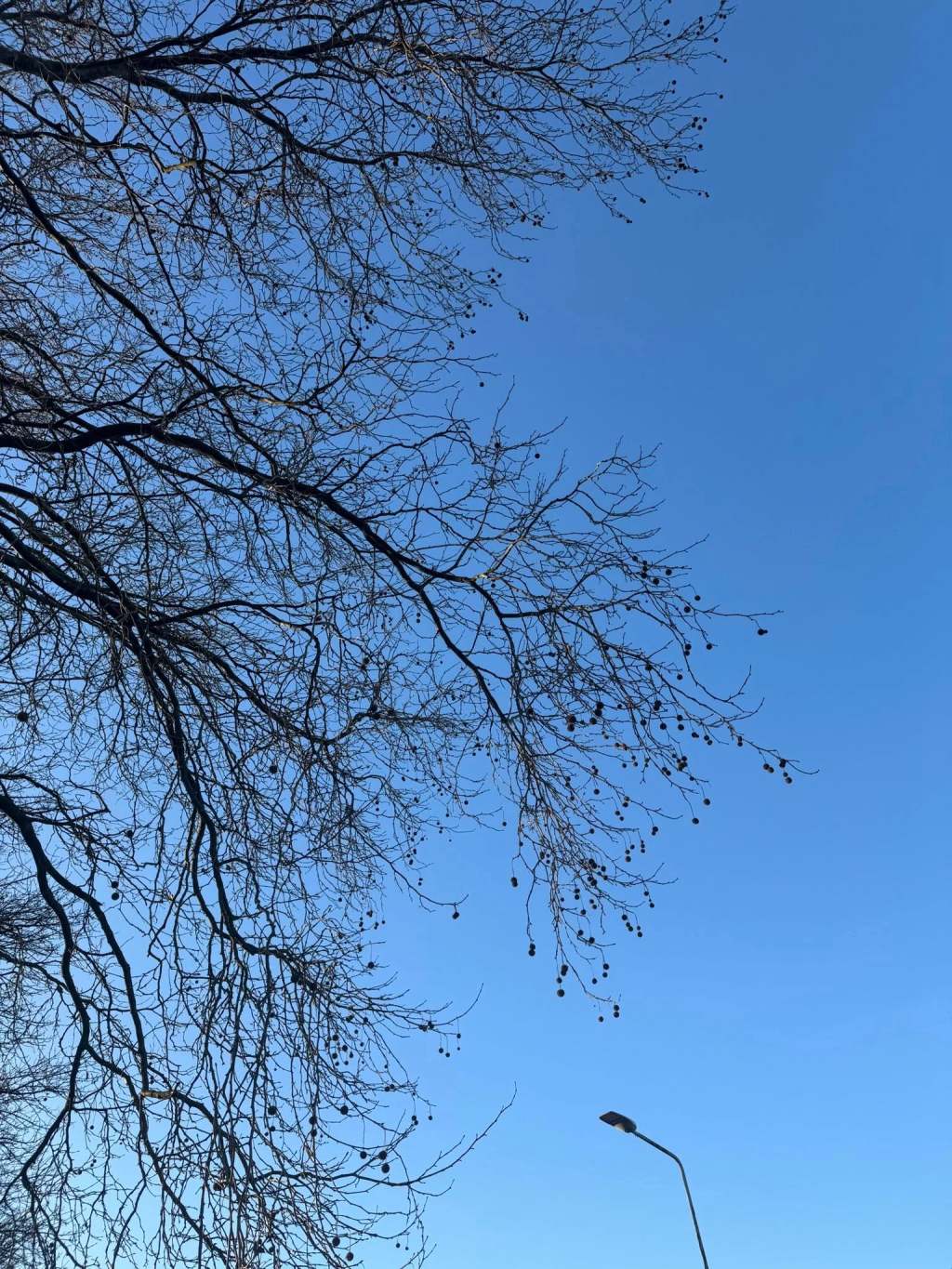
Then something outside wins. Cold air catches my face. Water moves beside the path. Leaves scrape against the pavement. Somebody’s dog passes looking offensively delighted with existence. British weather changes its mind three times before I reach the next corner. Gradually, my attention stops circling itself. That is what walking gives me: distance without requiring me to go very far.
Friends can do the same, although I have learned that this depends entirely on the friend. I used to think I had a small social battery; I now suspect the battery is simply selective. There are people I can spend several hours with and come home lighter, and there are gatherings where forty minutes in I begin calculating whether hiding in the toilet long enough to miss part of the conversation would be socially detectable. The right people do not require a performance. I can say I am tired and nobody launches a motivational intervention. I can complain about something without being forced to discover its hidden blessing before the food arrives. I can be quiet. I can laugh five minutes later without needing to explain why someone who was exhausted has suddenly found something funny. Real life is allowed to contain more than one emotion at once, and good friends seem to understand that without requesting supporting evidence.
Some of my favourite evenings are not remarkable at all. There are plates on the table, conversations overlapping, somebody telling a story badly because everyone keeps interrupting, and someone laughing before reaching the actual punchline. Nobody is improving themselves. Nobody is networking. Nobody is producing content. We are simply eating and talking, which humanity managed to consider worthwhile long before productivity apps were invented. Sometimes the most restorative thing another person can say is not advice at all, but something closer to, “Same. Eat.”
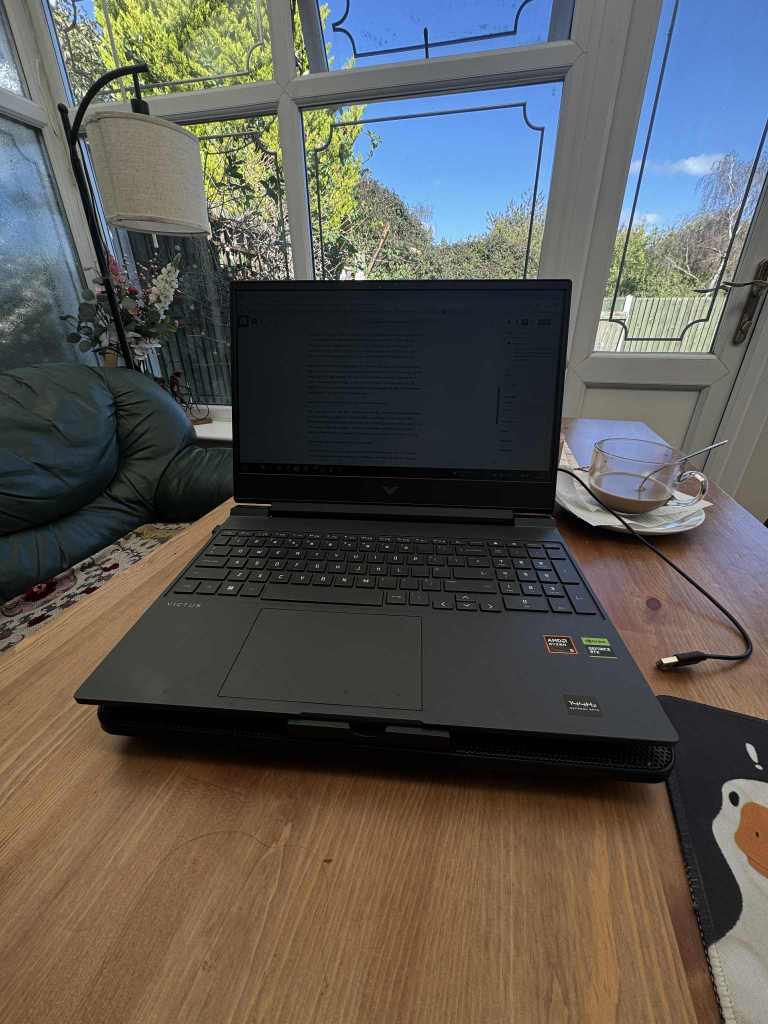
Writing restores me differently, which makes very little logical sense because writing can also be exhausting. I can spend twenty minutes rearranging one sentence and emerge from the experience feeling as though I have participated in negotiations between hostile governments. Some evenings I write several paragraphs, delete most of them, rescue one sentence and call this progress because creative accounting is apparently not limited to finance. Yet writing empties rooms in my head. A thought can feel enormous while it remains unspoken; put it on a page and suddenly it has edges. It can be moved around, questioned and rewritten. Sometimes I begin writing because I think I know what I want to say and discover halfway through that I have been arguing with the wrong idea entirely. The page is patient about this. It allows revisions without looking personally offended.
That is probably why I continue returning to it. Writing gives shape to things I cannot always explain aloud. It turns noise into sentences, and even when those sentences are imperfect, they take up less space than the shapeless version did. Sleep can rest my body, but sometimes writing reaches the part of me that has been carrying too many unsorted thoughts.
Then there is prayer. Prayer does not energise me in the same way as food, music or a walk. It gives me somewhere to stop pretending that everything depends on me, which is useful because I am very fond of plans. I like knowing what happens next. I appreciate timelines, clarity and preferably a confirmation email. Faith has therefore spent years working with someone who would be extremely grateful if divine providence offered parcel tracking: request received, currently processing, estimated resolution Thursday. No such system has been made available.
So I pray. Sometimes properly, sometimes hurriedly, sometimes with gratitude and sometimes with an internal list of questions that feels suspiciously close to a complaint department. There are things I cannot fix at work, things I cannot control in my family, outcomes I cannot guarantee and people I cannot protect from every difficult thing that may happen to them. Prayer reminds me that caring about something and controlling it are not the same responsibility. That realisation gives something back to me in a way I did not understand when I was younger.
I spent years treating energy as evidence that I should do more. If I had enough strength left after work, then surely I should clean something, answer something, organise something, write something or complete one more thing before sitting down. A day seemed successful when I had extracted maximum usefulness from every available hour and remained technically conscious at the end. Eventually I began to wonder why I was so tired. It turns out that constantly asking, “What else can I do?” is not always the same as having energy. Sometimes it is simply being very bad at sitting down.
These days I pay more attention to what gives something back. Not everything enjoyable does. Scrolling for an hour can leave me strangely more tired than when I began. Some social situations drain more than they replenish. Even rest can fail when I spend the entire time feeling guilty about resting. The things that genuinely restore me seem to have one thing in common: afterwards, I feel more present.
A walk does not make my responsibilities disappear, but I return less crowded. A meal does not solve the week, but it makes the evening feel kinder. Music does not repair anything, but sometimes it reminds me that the world still contains beauty when my head has temporarily forgotten. Friends do not remove the difficult parts of life, but they make those parts feel less lonely. Writing does not always provide answers, but it helps me recognise the question. Prayer does not guarantee the outcome I want, but it reminds me I was never supposed to carry every outcome alone. The cats, meanwhile, contribute by sitting directly on whatever I was trying to accomplish. Everyone has a role.
That night, I eventually remembered my phone. It was still on 3%. I plugged it in and watched the little battery symbol change, which felt almost embarrassingly straightforward. Phones are fortunate that way. They announce exactly what they need: low battery, connect charger, wait. Human beings are less cooperative. We can be exhausted and continue saying we are fine. We can need company and isolate ourselves. We can need silence and continue scrolling. We can need sleep and somehow decide this is an excellent time to investigate an obscure subject online. We can spend days asking ourselves why we feel depleted while ignoring every small thing that usually puts something back.
I still drink coffee, obviously. Personal growth has limits. But I know now that staying awake and feeling alive are not the same achievement. Caffeine can probably get me through the door, but what keeps me functioning after that is much less impressive: familiar food, cold air, music in the car, friends around a table, words finally finding their place on a page, a prayer when I have reached the end of my own answers, and two cats who remain completely unconcerned with my professional importance.
The phone eventually reached 4%. Mine was harder to measure, but the food had been warm, the music had helped, the cats were nearby and the day had finally stopped following me around the house. I had not become dramatically energised. Nothing had been solved. Tomorrow would still contain work, messages, responsibilities and probably another cup of coffee. But I felt more like myself than I had when I walked through the door, and perhaps that is the kind of charging I need most. For once, that felt like enough battery to begin again tomorrow.
Charged enough for tomorrow,
Anj 🔋


































Leave a Reply