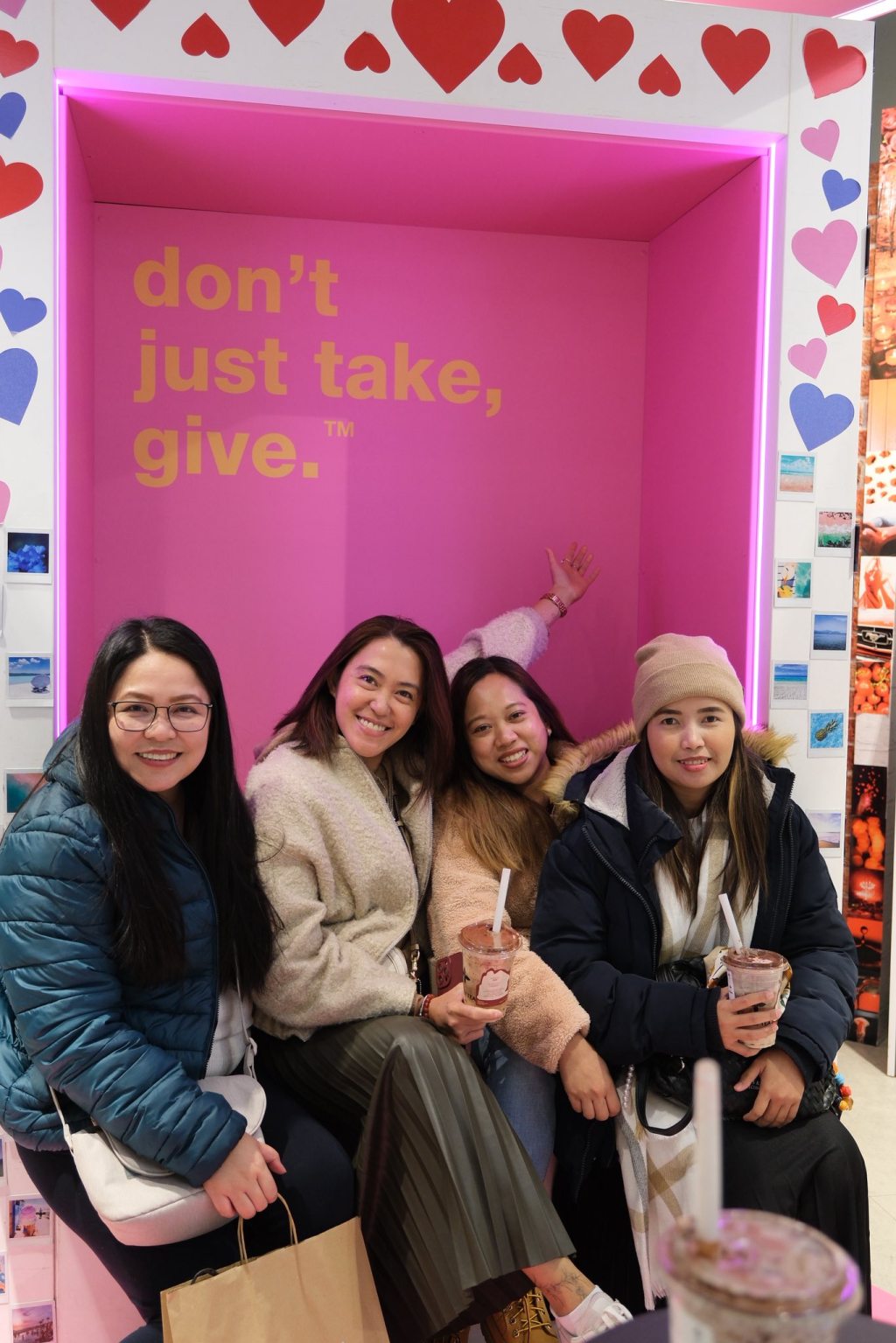
I think the fourth photo was already perfectly fine, but nobody trusted it. Someone had blinked in the first, somebody disliked their angle in the second, one of us was looking in a completely different direction in the third, and by the fourth we had reached that dangerous stage where everyone looked good but somebody still said, “One more, just in case.” By photo eleven, nobody could remember what had supposedly been wrong with photo four. Naturally, we kept all of them. Behind us, in glowing letters inside a very pink booth, were the words DON’T JUST TAKE, GIVE. A lovely message. Inspiring, even. We gave it perhaps three seconds of philosophical consideration before returning to the more urgent matter of whether portrait mode was working.
That Sunday in Birmingham was not particularly dramatic. Birmingham did not change my life, restore my faith in humanity or reveal a secret truth about adulthood beside a canal while inspirational music played somewhere in the background. I had bubble tea, ate grilled skewers, took far too many photographs with friends and went home in a noticeably better mood. Frankly, I think that is enough responsibility for one Sunday.
The week before had already been carrying more than I wanted it to. Part of my mind was in the UK doing the usual things—work, errands, messages, laundry, deciding what to eat and wondering how another week had managed to begin before I had properly recovered from the previous one. Another part was still in Cebu, following updates after Typhoon Tino and checking on family from thousands of miles away. Everyone closest to me was safe, thank God, and that brought enormous relief, but safety does not stop you thinking about the people and places nearby who were not as fortunate. Living abroad gives you this strange ability to be physically in one country while mentally refreshing another.
There is only so much staring at your phone can achieve. At some point you realise you have checked the same update three times and the fourth refresh is unlikely to personally improve the situation. I cared. I worried. I prayed. I did what I could from where I was. By Sunday, however, my brain probably needed to be assigned a less complicated task, something with lower emotional stakes and clearer outcomes. Choosing bubble tea toppings seemed appropriately manageable.
So I went to Birmingham to meet friends I rarely get to see now, women I once worked with in the Stroke Unit. Adult friendship is impressive because it somehow survives despite adults making it extraordinarily difficult to meet. There was a time when seeing your friends involved saying, “Are you free later?” Now it requires consulting rotas, annual leave, night shifts, family plans, transport, previous commitments and whether everyone happens to be conscious on the same weekend. Organising lunch begins to resemble a multinational summit, except the final agenda is usually food and gossip.
Somehow, however, we managed it.

There is something comforting about meeting people you used to work closely with because very little introductory material is required. These women had already seen me during busy shifts, difficult cases and those stages of hospital life where your hair, patience and caffeine levels have all reached questionable territory. There was no need to present a polished update or provide the edited version of life. We already knew one another outside the Instagram crop.
Hospital friendships are built strangely. You may not know somebody’s favourite film, but you know exactly what they do when five things happen at once. You know who becomes quieter under pressure, who starts making jokes, who somehow always has food, who remembers the thing everyone else forgot and who will stay another twenty minutes because somebody needs help. You share difficult shifts, ridiculous moments and conversations that only make sense to the people who happened to be standing in the same corridor at two in the morning.
Then everyone moves on. Different roles, different wards, different rotas, different lives. The people you once saw several times a week suddenly become people you need advance planning and calendar coordination to drink milk tea with. Yet within minutes of meeting again, everything felt completely normal. The conversation skipped the formalities and went directly into everything at once—work, life, people, memories, updates, things we remembered incorrectly and probably several topics we found far funnier than they deserved.
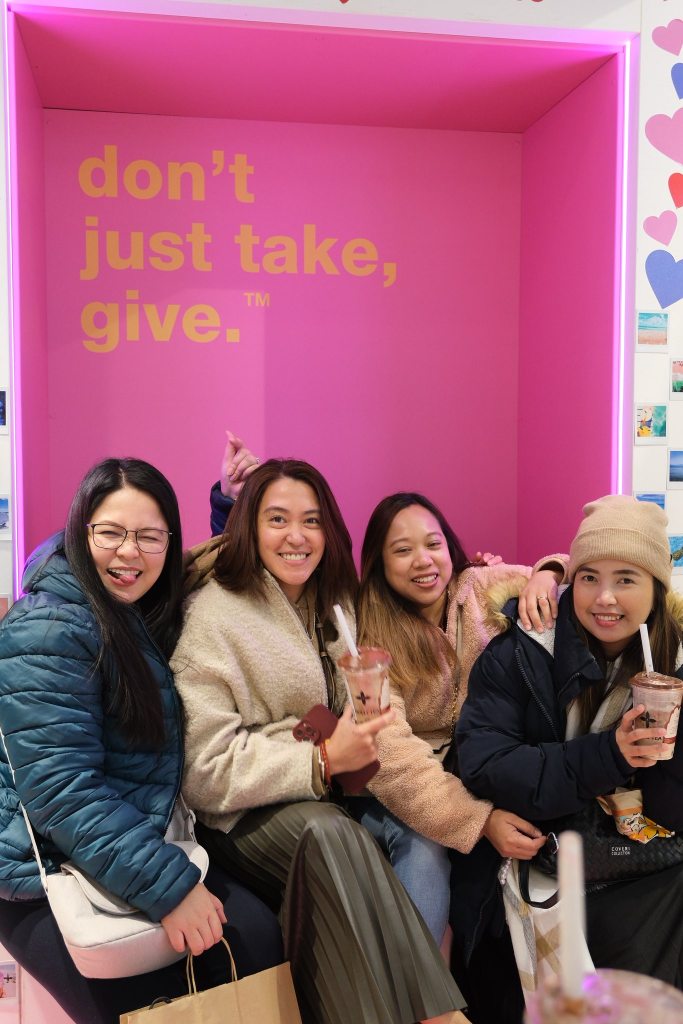
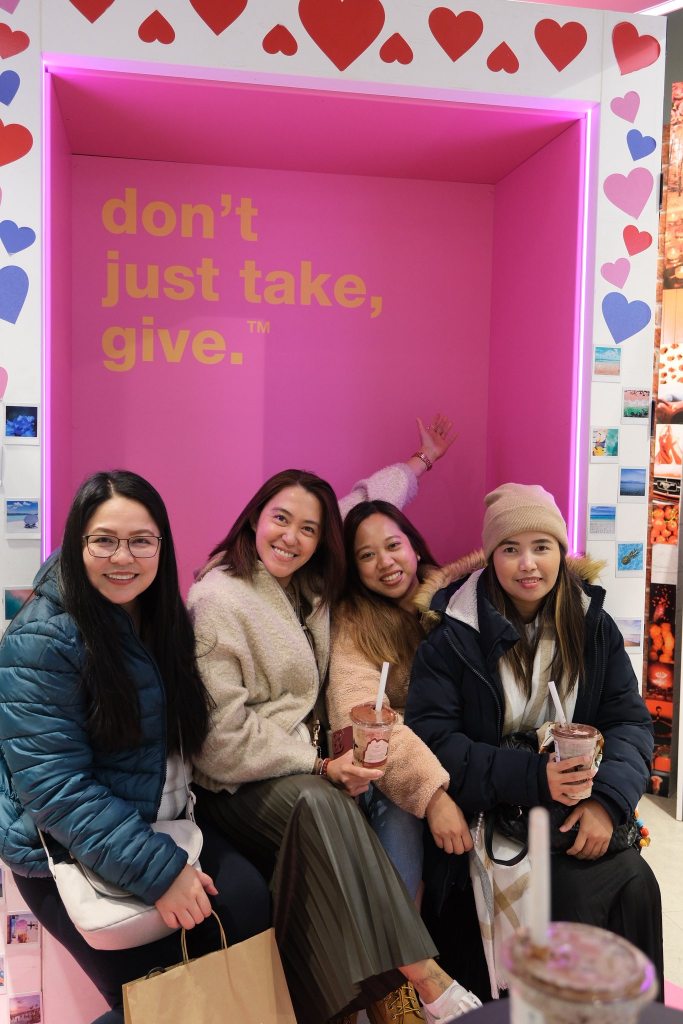
Then came the photographs. There is a very specific process when several women decide to take a group picture. First photograph: someone is not ready. Second: somebody blinked. Third: the angle has apparently committed an offence. Fourth: everyone looks fine, but nobody quite believes it. Fifth onwards: insurance. By photograph number eleven, confidence has deteriorated, posture has become suspiciously unnatural and nobody remembers what perfection was meant to look like in the first place.
We still keep all of them.
That may actually be one of my favourite things about photographs with friends. The supposedly imperfect ones often end up carrying more memory than the carefully approved version. Somebody is laughing too early. Someone is looking away. One person has moved before the camera finished. There is always an image that would never survive the official selection process but somehow feels more like the afternoon than the one where everyone finally managed to face forward at the same time.
After our photography campaign came bubble tea, because apparently cold British weather has absolutely no influence over my ability to order a drink containing ice. My hands were cold, my face was cold, the air itself seemed personally committed to being cold, and my response was essentially, “Yes, what this situation needs is a beverage several degrees colder than my surroundings.” There are moments when logic should simply be allowed annual leave.
No regrets. There was something wonderfully unserious about standing there drinking milk tea with friends while catching up. Nobody was fixing anything. Nobody needed us professionally. Nobody was asking for an urgent opinion. There were no bells, no competing priorities, no clinical decisions and no one saying, “Can I just ask you something quickly?” which, in hospital language, is occasionally the opening sentence to a completely different afternoon than the one you had planned. For a few hours, the most immediate decisions involved where to eat next and whether we had taken enough photographs.
We had not, obviously.
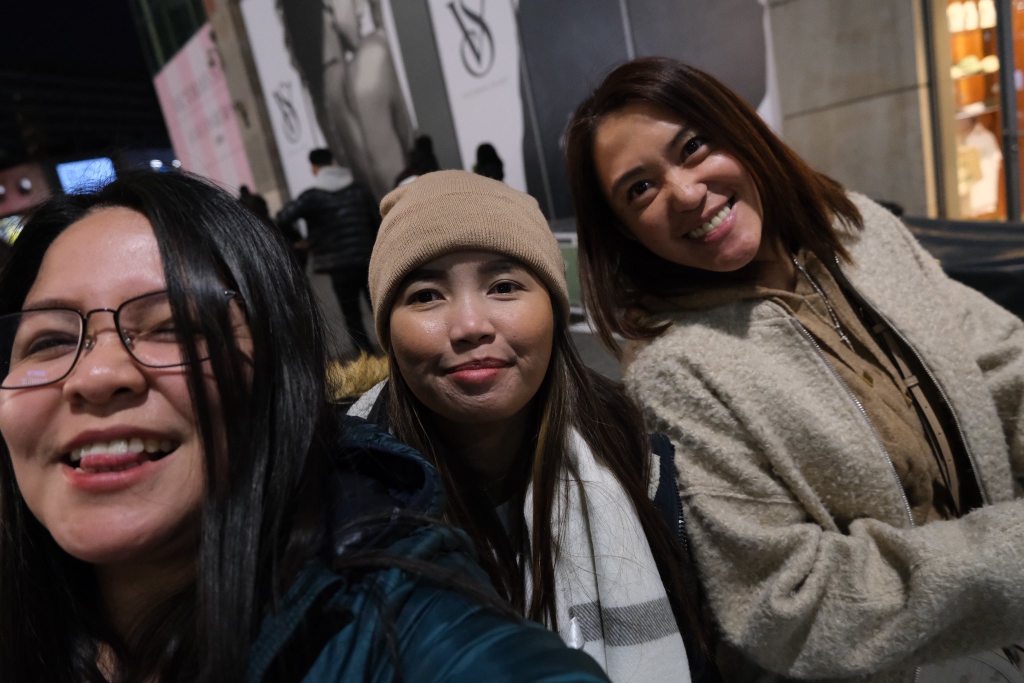
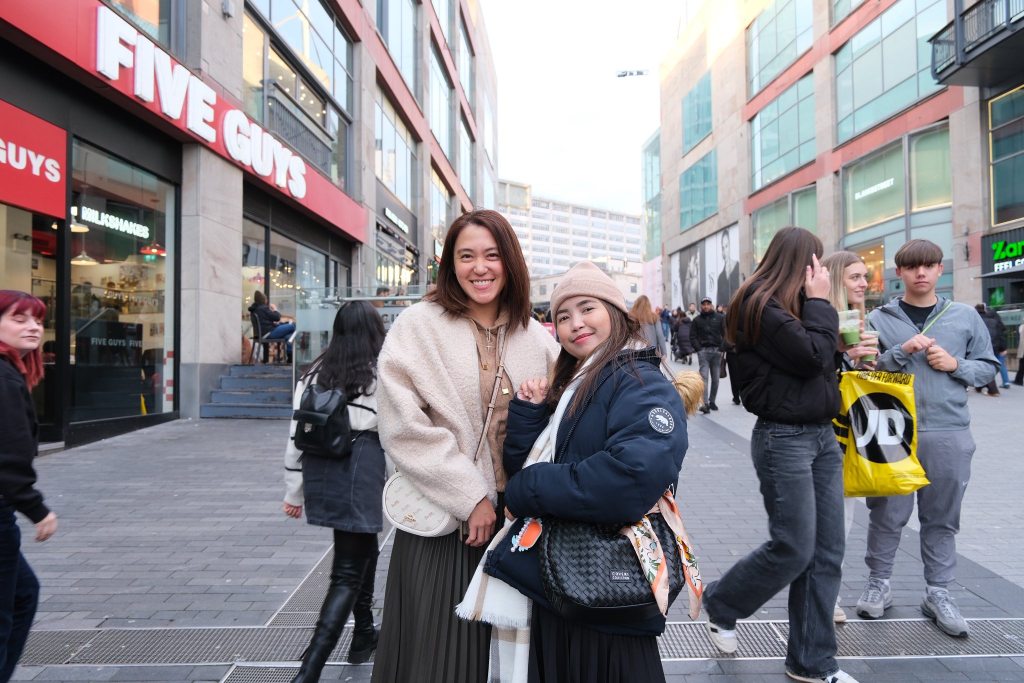
We wandered around Birmingham taking pictures in ordinary places with the confidence of people personally commissioned by the tourism board. Shops, pavements, people carrying bags, couples walking with drinks, traffic, buildings we had probably passed before without noticing—nothing around us was particularly extraordinary. That was probably why I liked it. Nothing needed to happen. There was no itinerary designed to maximise the experience, no major destination that had to justify the journey and no pressure to turn the day into something impressive. We walked, talked, stopped when something looked interesting and eventually reached the most important stage of any successful outing: food.
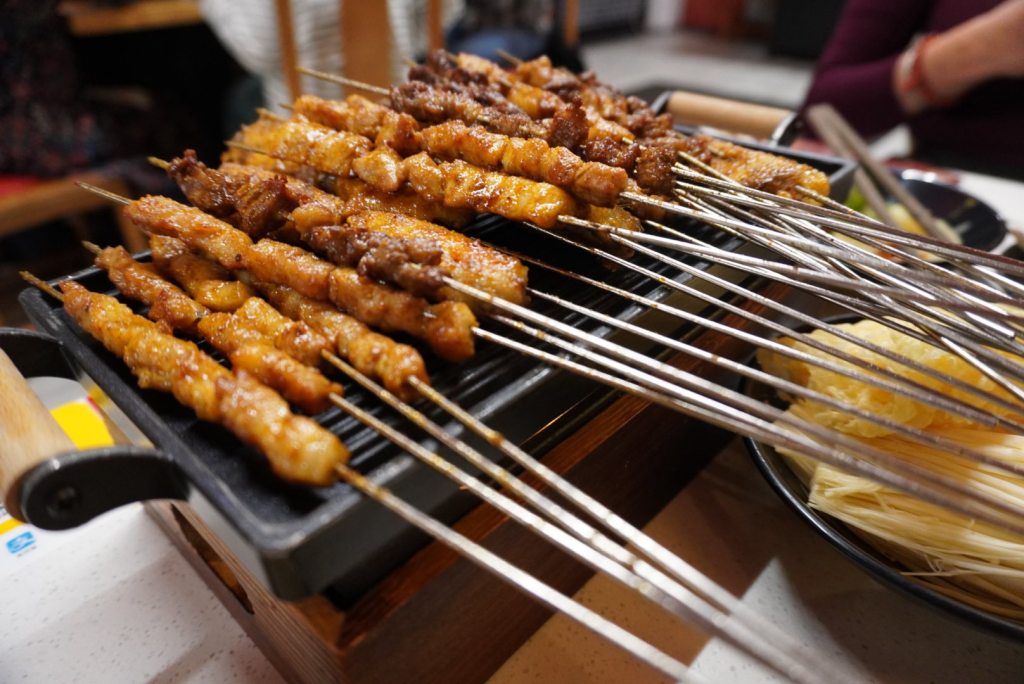
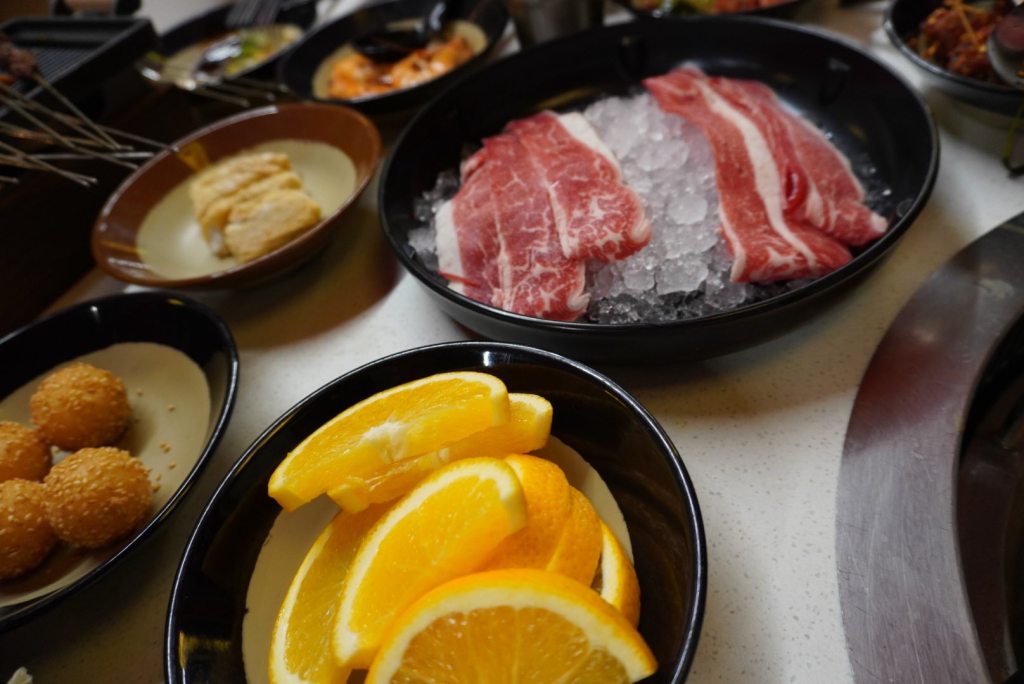
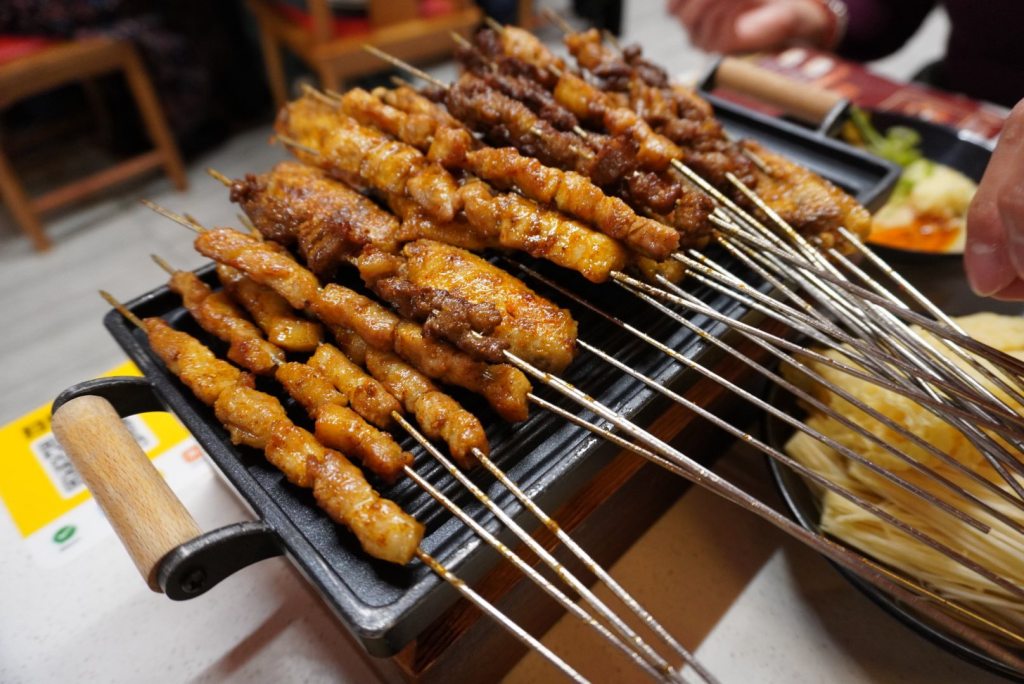
We ended up eating grilled skewers, and by then the conversation had settled into that comfortable rhythm where everyone talks between bites and occasionally forgets what they were saying because something better has appeared on the table. Food abroad has a peculiar ability to shorten geographical distance. One familiar taste and somebody starts talking about home, an old restaurant, something a mother used to cook, a place everyone remembers or a meal that has somehow survived in memory long after the table itself disappeared. There are cheaper forms of time travel, apparently. Some of them come on skewers.
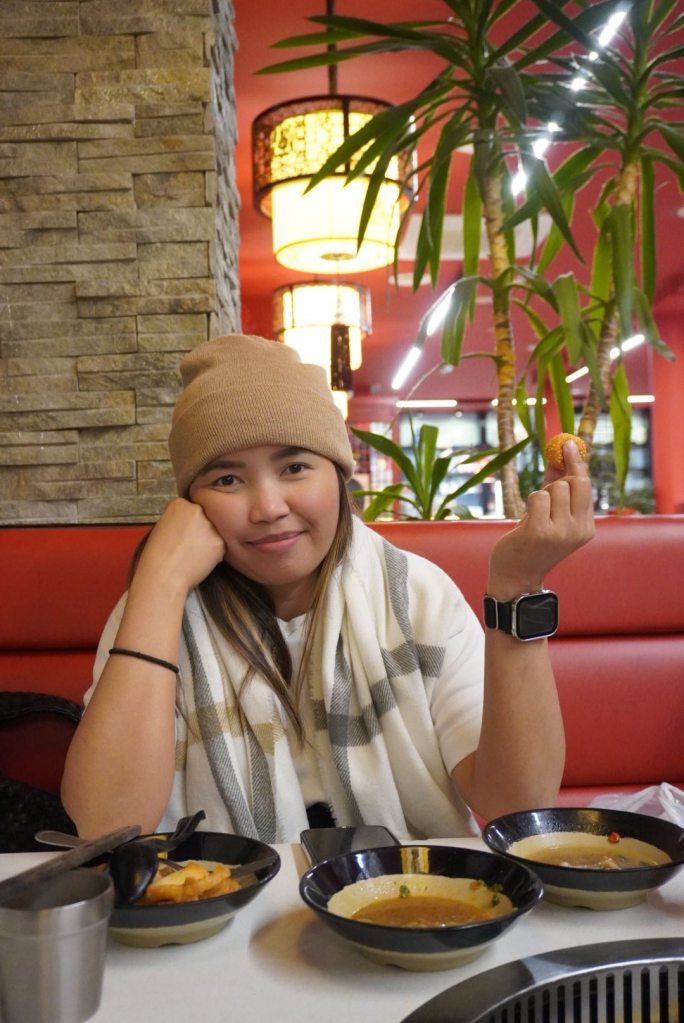


What I liked most about that Sunday was that nobody tried to make it profound. We were not discussing how to become our best selves. Nobody had brought a notebook titled Goals. There was no strategic planning session for personal growth, no attempt to extract a lesson from every conversation and no requirement that the afternoon contribute meaningfully to our development. We ate, laughed, complained about ordinary things and talked nonsense with the seriousness nonsense deserves.
I think adults need more of that.

We are constantly encouraged to optimise something. Careers, sleep, finances, bodies, routines, productivity, relationships. Even hobbies now come with targets. You cannot simply go for a walk; perhaps you should track the steps. You cannot just read a book; perhaps you need an annual reading goal. You cannot rest without somebody suggesting a morning routine, a recovery strategy or a method for resting more efficiently. Rest itself has somehow acquired performance indicators.
Sometimes I would simply like to have lunch without extracting a measurable benefit from it.
That Sunday was useful precisely because it was not useful. Nothing disappeared from my to-do list because I had gone to Birmingham. Monday remained fully committed to arriving. Work was still waiting. Cebu was still on my mind, and the typhoon had not become less serious because I spent several hours laughing with friends. But I felt lighter afterwards, and I do not think that requires a more sophisticated explanation.
For a long time, I think I carried the idea that enjoying myself during a difficult period was somehow disrespectful to whatever I was worried about. If people I loved were struggling, if work had been heavy or if something back home felt uncertain, then perhaps I was supposed to maintain an appropriately serious emotional atmosphere until the situation improved. But human beings do not work like that. I can worry about home and still laugh at a ridiculous photograph. I can care deeply about what happened in Cebu and still enjoy grilled food in Birmingham. I can finish a difficult week and have a genuinely good afternoon without somehow cancelling the seriousness of the days that came before it.
Both things can exist in the same person.
Perhaps one of the more useful things about getting older is learning that every day does not have to match the overall mood of your life. A difficult season can contain an excellent Sunday. A happy month can contain a dreadful Tuesday. You can be grateful and tired, worried and amused, homesick and happy exactly where you are. Life is complicated enough without making our emotions queue politely and wait for their number to be called.
Friendship helps with that too, especially the kind that does not require constant maintenance to remain recognisable. We do not see each other every week anymore because there are jobs, schedules, families and responsibilities scattered everywhere. Messages occasionally receive late replies because somebody read them while busy, composed a complete response in their head and then forgot that actual fingers were required to send it. Yet when we meet, there is no awkward attempt to rebuild the friendship from the beginning. It simply continues.
I have grown to appreciate friendships like that. No attendance register. No monthly performance review. No requirement to prove closeness by counting how often you speak. Life can pull everyone in different directions and the friendship does not immediately file a complaint. It waits until the next available Sunday, sits down with bubble tea and resumes the conversation.
By the time we went home, my phone contained an unreasonable number of photographs, I had consumed a cold drink in cold weather, we had eaten well and I had laughed enough to notice that something in me felt lighter. That was it. There was no breakthrough, no grand transformation and no cinematic Birmingham moment where I suddenly understood the meaning of life while looking thoughtfully into the middle distance.
Just a really good Sunday.
And I think I have spent enough years trying to turn everything into a lesson. Some days do not need to teach me anything. Some people do not need to enter my life to transform me. Some outings do not need to become metaphors for resilience, healing or the human condition. Sometimes your friends finally manage to have the same day free, you meet in Birmingham, drink bubble tea despite the temperature, take too many photographs, eat grilled skewers, laugh until you forget what you were originally worried about for a while, and then go home.
When I looked through the photographs later, I found the fourth one again. Everyone looked fine. Nobody had blinked. The angle had committed no obvious crime. We had taken seven more pictures after it anyway.
Photo four was fine. But I am glad we stayed for the other seven.
Still taking one more, just in case,
Anj




















Leave a comment